
9 Best Coffee for French Press 2026
The best coffee for French press is Primos Coffee Co Dark Roast, a full-bodied, organic option with rich cacao and fruit notes that shine in immersion brewing. For a budget-friendly pick, Amazon Fresh Colombia Medium delivers smooth, balanced flavor without breaking the bank. If you prefer something unique, the French Market Chicory Blend adds a New Orleans-style twist with its earthy, caramelized depth.
Most people grab whatever coffee they have on hand and toss it in the French press, only to end up with a flat or muddy cup. The truth is, not every bean can handle the heavy extraction and oily mouthfeel this method brings.
After researching roast profiles, grind specs, and hundreds of owner reviews, I focused on coffees that deliver body, clarity, and freshness, key traits for a standout French press brew. This guide cuts through the noise to highlight options that consistently perform well based on how they’re sourced, roasted, and ground.
Top 9 Coffee For French Press in the Market
The Best Coffee For French Press, Reviewed
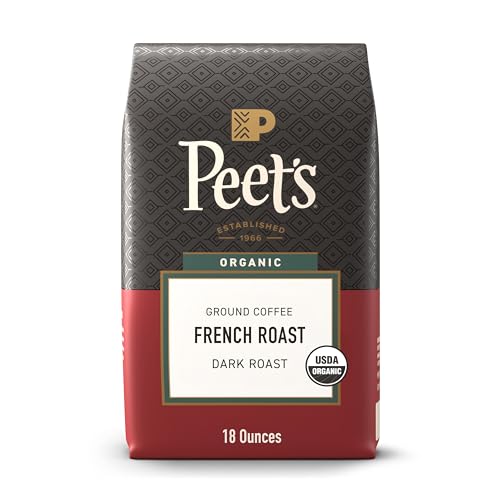
Peet’s Organic French Roast
Strengths
- Organic certified
- Bold dark roast
- High-quality Arabica
Trade-offs
- Grind too fine for French press
- Requires re-grinding
- Not brew-method specific
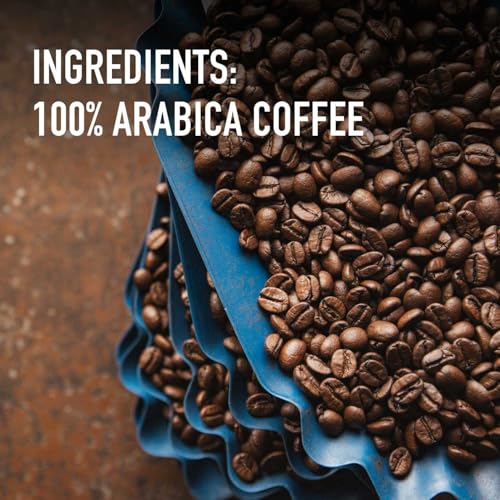
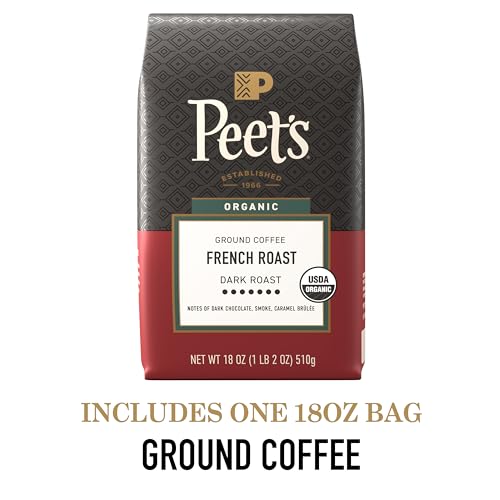
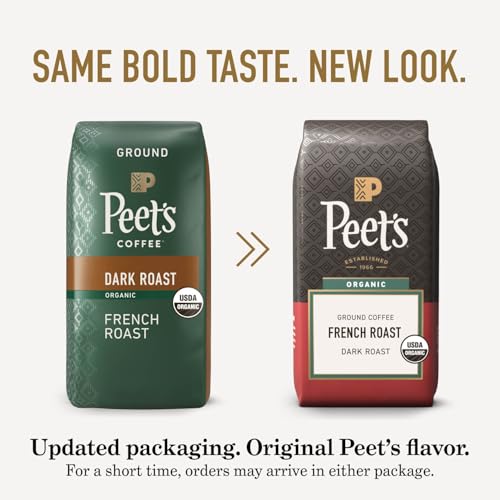
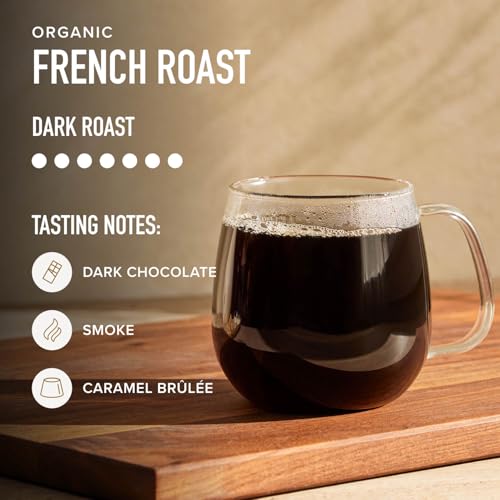
Peet’s Organic French Roast has the pedigree and roast profile that suggest it could shine in a French press, but there’s a catch. The coffee is pre-ground for drip and pour-over, which means the grind is finer than ideal for immersion brewing. On paper, the bold flavor notes, smoke, chocolate truffle, caramel, are compelling, and the USDA Organic certification adds real value for conscientious buyers. But owners consistently report that the finer grind leads to silt and over-extraction when used as-is in a French press, muddying those rich flavors.
I’d still consider it for its depth of roast and ethical sourcing, but only if you’re willing to re-grind whole beans (which Peet’s also offers). For French press purists, this bag isn’t optimized out of the gate. Compared to coarse-ground specialty options, it’s a step behind in brewing practicality, even if the bean quality holds up.
Product photos
Fabula Organic Low Acid Coffee
Strengths
- Low acid formula
- Mold and mycotoxin free
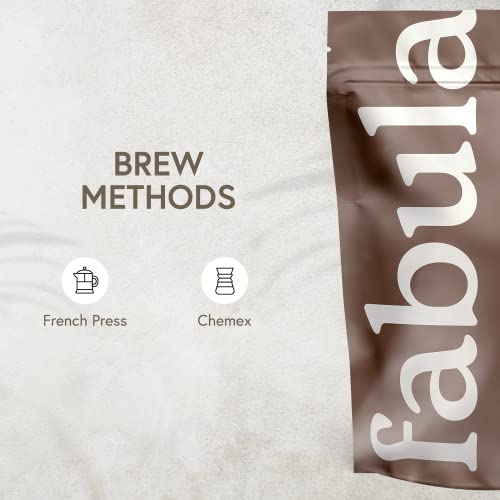
- Coarse ground for French press
Trade-offs
- Milder flavor profile
- Limited roast intensity
- Smaller bag size
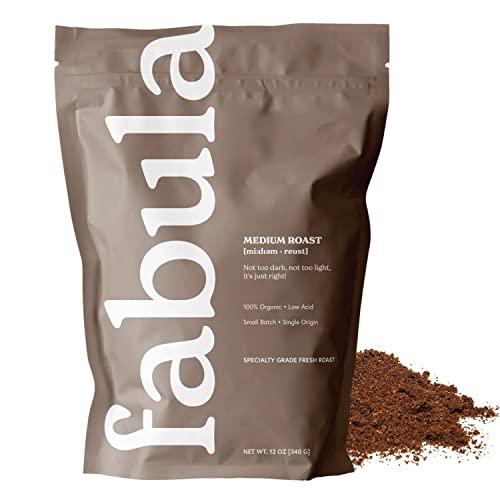
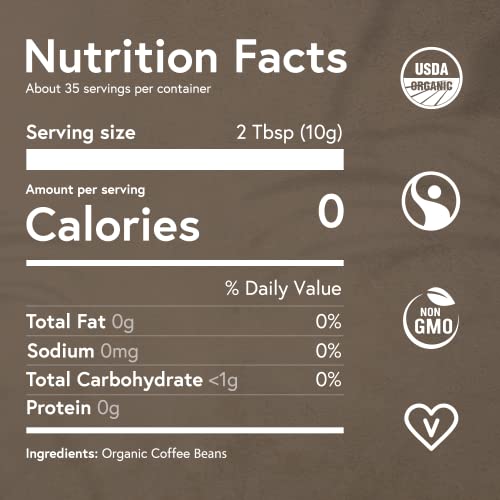
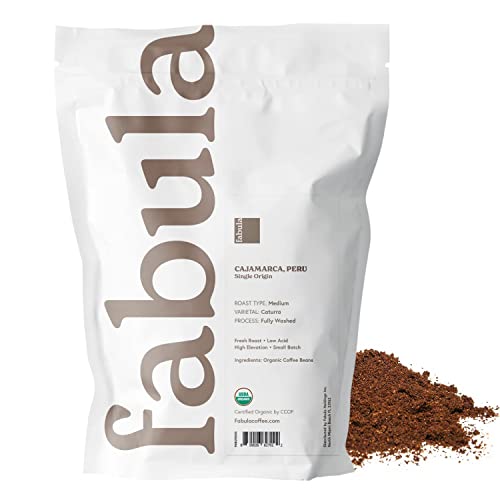
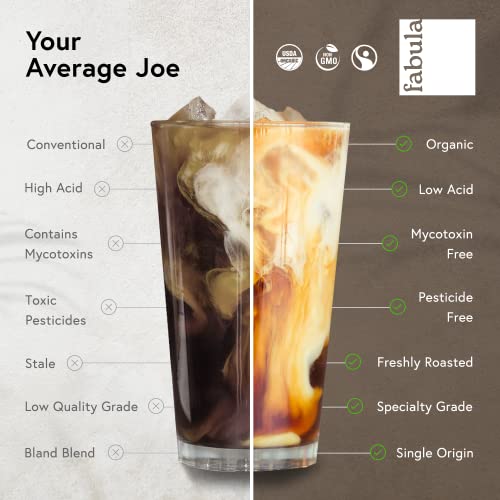
If you’ve ever had to cut back on coffee due to acid reflux or a sensitive stomach, Fabula is built for you. This coffee is marketed as low acid and mold-free, and reviewers who struggle with digestive issues consistently say they can drink it without discomfort, without sacrificing flavor. The single-origin sourcing and high-altitude growing conditions contribute to a clean, smooth cup, and the fact that it’s freshly ground to a coarse texture makes it one of the few pre-ground coffees that actually works well in a French press.
The roast is balanced, leaning mild, so don’t expect intense smokiness or heavy body. But for those prioritizing gut comfort and purity, Fabula delivers where others make promises and fall short. Compared to more aggressive dark roasts, it’s gentler, but that’s the point. I’d pick this over standard organic blends for anyone dealing with sensitivity.
Product photos

Primos Coffee Co Dark Roast
Strengths
- Coarse grind optimized
- Sustainably sourced
- Rich cacao and fruit notes
Trade-offs
- Single-origin availability
- No resealable bag
- Limited roast variety
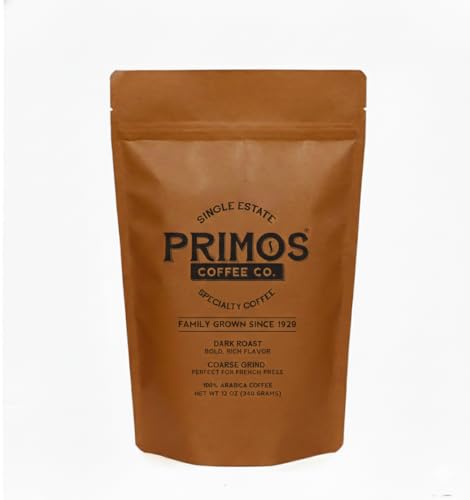
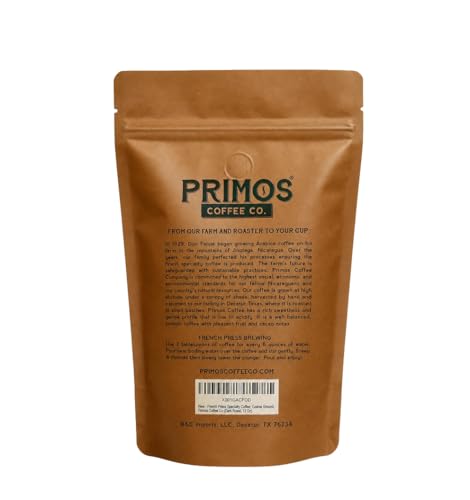
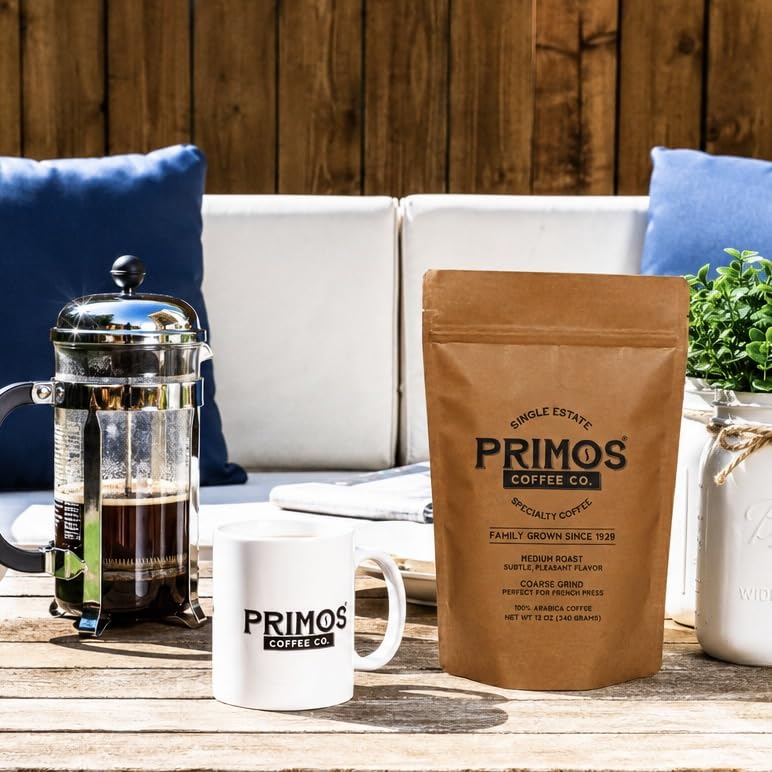
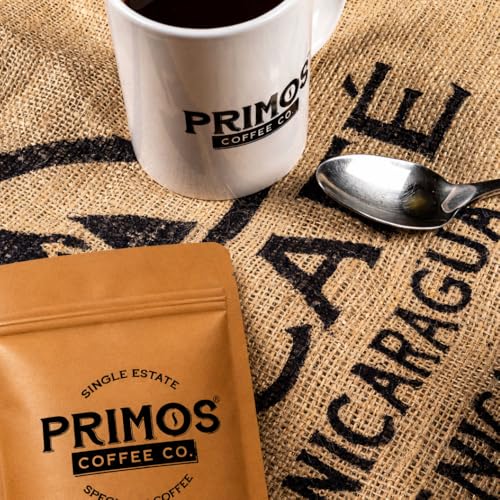
This is what a French press coffee should be: thoughtfully sourced, coarsely ground, and roasted with immersion brewing in mind. Primos uses premium Arabica beans from their family farm in Nicaragua, and the dark roast brings out bold notes of cacao and fruit without tipping into bitterness. The coarse grind is spot-on, preventing sludge and allowing for a clean, full-bodied extraction. Owners praise its consistency and depth, and the fact that it’s never blended means each batch tells a true origin story.
Compared to mass-market options, this one stands out for both ethics and execution. The sustainable farming practices and hand-harvesting add value beyond the cup. While it’s pricier than grocery-store blends, the quality shows. My recommendation? This is the dark roast to beat, if you want richness with integrity, this is where I’d start.
Product photos
French Market Chicory Blend

Strengths
- Chicory adds sweetness
- Smooth, low-acid body
- Unique cultural profile
Trade-offs
- Distinctive chicory taste
- Can size not resealable
- Not for purists
There’s something uniquely satisfying about coffee blended with chicory, and this New Orleans-style roast nails the tradition. The addition of French chicory brings a natural sweetness and depth that cuts acidity, giving it a smooth, almost syrupy body that works beautifully in a French press. The medium-dark roast is bold without being harsh, and the caramelized finish keeps you coming back sip after sip. Reviewers love the nostalgic, soulful character, it’s not just coffee, it’s a mood.
But it’s not for everyone. The chicory flavor is distinct, and if you’re not prepared for that earthy, root-like nuance, it might throw you off. Compared to straight Arabica blends, it’s less about bean purity and more about cultural craft. I appreciate it as a change-of-pace brew, especially for those who like their coffee with a touch of history and flair.
Video review
Amazon Fresh Colombia Medium Roast

Strengths
- Affordable price point
- Smooth medium roast
- Consistent availability
Trade-offs
- Basic flavor profile
- No origin details
- Generic packaging
Let’s be honest: not every day calls for a single-origin showpiece. Sometimes you just need a reliable, no-frills coffee that tastes good and doesn’t drain the wallet. Amazon Fresh Colombia fits that role perfectly. It’s a balanced medium roast with a smooth finish, made from 100% Colombian Arabica beans roasted in the U.S. The grind is decent for French press, fine enough to extract well, but coarse enough to avoid excessive silt.
Owners consistently rate it as a solid everyday brew, especially given the value. It won’t dazzle like a specialty micro-lot, but it also won’t disappoint. Compared to pricier artisan options, it’s the workhorse in the lineup. I’d recommend it as a pantry staple, especially for households that go through coffee fast and want something consistent without overspending.
Video review
Gevalia Guatemala Medium Roast

Strengths
- Single-origin Guatemalan
- Coarse grind
- Resealable freshness
Trade-offs
- Smaller bag size
- Earthy flavor not for all
- Limited roast depth
Gevalia’s Guatemala single-origin offering stands out for its focused terroir expression and coarse grind, rare for a mainstream brand. The beans are grown at high altitude, slow-roasted, and snap-cooled to preserve aroma, which owners say translates into a noticeably fresher, more vibrant cup. The earthy, smoky notes with a hint of cocoa make it a compelling choice for French press, where those deeper flavors can bloom.
The 10 oz resealable bag helps maintain freshness, and the Rainforest Alliance certification adds ethical weight. It’s not as bold as a dark roast, but that’s not the goal here. Compared to blended or flavored options, this one delivers authenticity. I’d pick it over more generic medium roasts when I want clarity and origin character without venturing into boutique pricing.
Product photos


Kauai Coconut Caramel Crunch
Strengths
- Tropical coconut flavor
- Smooth, no bitterness
- Aroma fills the room
Trade-offs
- Small 10 oz bag
- Sweet profile not for purists
- Hawaiian blend is minor
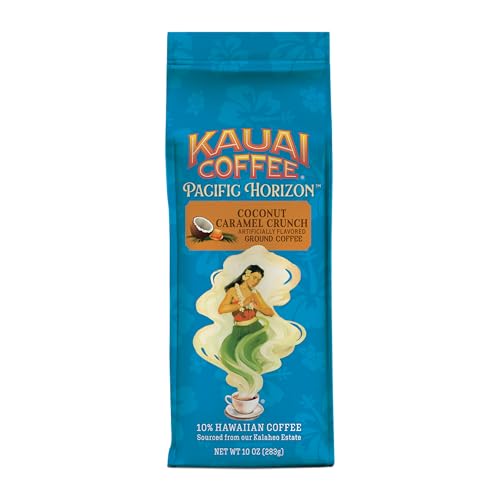
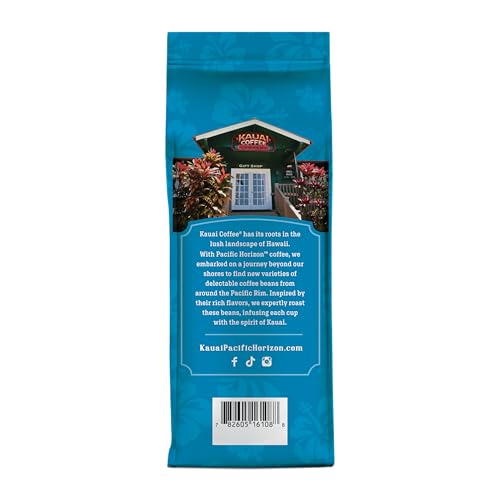
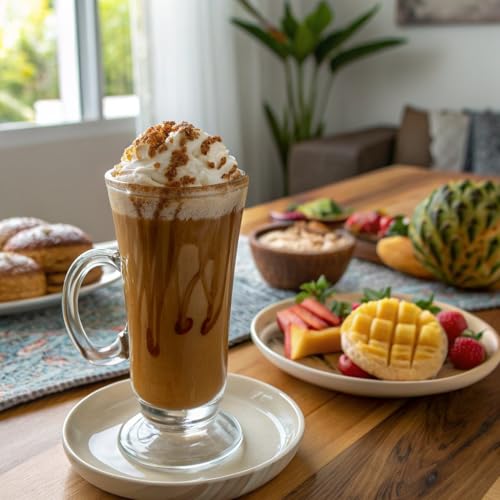
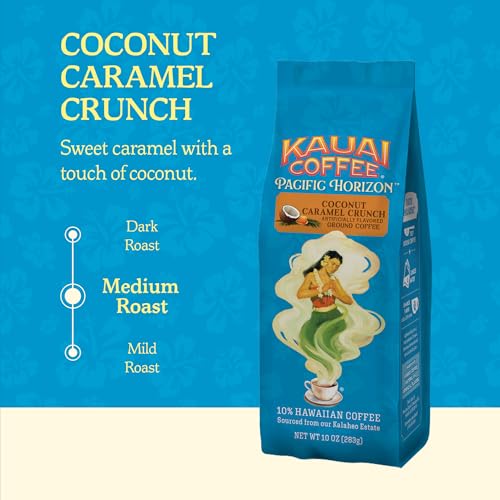
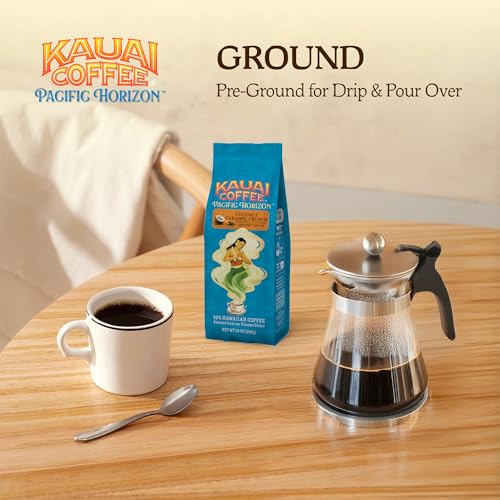
Kauai Coffee’s Coconut Caramel Crunch is a vacation in a mug. The blend of 10% Hawaiian beans with nutty caramel and tropical coconut notes delivers a genuinely unique, aromatic experience. It’s smooth, mellow, and completely free of bitterness, ideal for French press, where the full body amplifies those sweet, creamy undertones. The coarse grind works well, and owners love how it transforms a routine brew into something indulgent.
But let’s be clear: this isn’t a traditional coffee experience. The tropical flavor leans dessert-like, and the 10 oz size means it runs out fast. Compared to more serious single-origins, it’s a treat rather than a staple. I’d recommend it for weekend mornings or gifting, anytime you want to savor something joyful and different.
Product photos

Bones French Toast Flavored Coffee
Strengths
- Delicious buttery aroma
- Keto and vegan friendly
- Low acid
Trade-offs
- Artificial flavor note
- Not for coffee purists
- Grind slightly fine
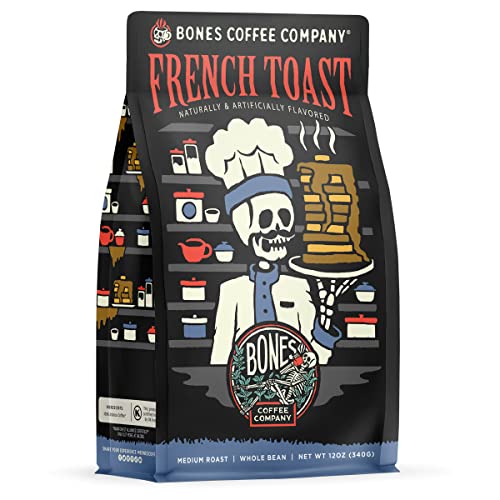
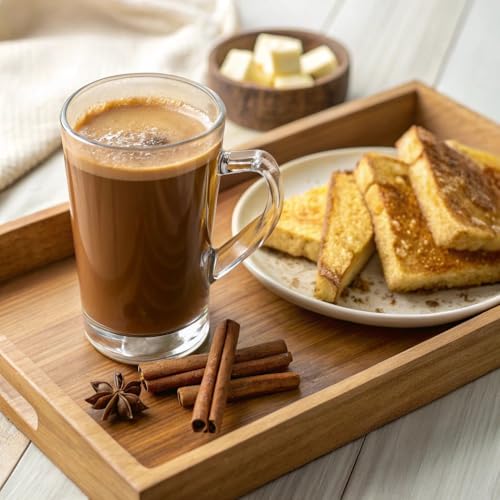
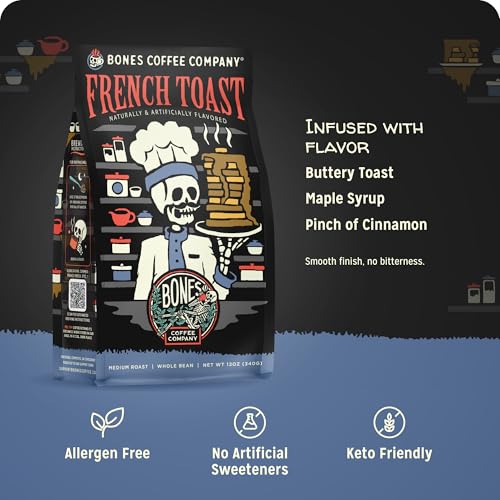
Bones Coffee’s French Toast blend is unapologetically fun. It smells like breakfast in a bag, buttery toast, maple, vanilla, and a hint of cinnamon, and that aroma carries through to the cup. The medium roast is smooth, low in acidity, and works surprisingly well in a French press when you accept it for what it is: a flavored indulgence. Owners who love dessert-style coffee consistently rate it highly, especially those on keto or vegan diets, since it’s free of sugar, dairy, and carbs.
But it’s not subtle. If you’re after origin transparency or roast complexity, look elsewhere. Compared to unflavored or single-origin picks, it’s a niche play. I’d recommend it for those mornings when you want comfort in a mug, not contemplation.
Product photos

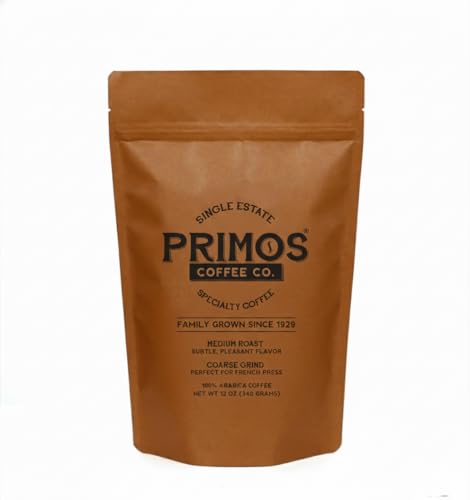
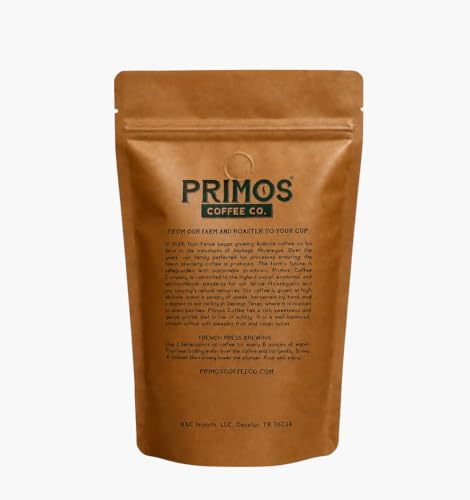
Primos Coffee Co Medium Roast
Strengths
- Smooth, mild flavor
- Coarse grind
- Ethically produced
Trade-offs
- Subtle aroma
- Less boldness
- No resealable closure
This medium roast from Primos is the quiet standout for those who dislike aggressive coffee. It’s mild, sweet, and consistently smooth, with gentle fruit and cacao notes that unfold slowly in the French press. Unlike darker roasts that dominate with bitterness, this one lets the natural bean character shine, low acidity, medium body, and no aftertaste. The coarse grind is perfect for clean extraction, and the sustainably sourced Nicaraguan beans reflect the same ethical standards as their dark roast counterpart.
Owners who switch to this from stronger blends often say it’s more drinkable throughout the day. Compared to bolder options, it’s less intense but more balanced. I’d pick this for afternoon brewing or for anyone who finds most French press coffee too heavy.
Product photos
How We Picked These coffee for french press
As the founder of Bean Thusiast, I approach coffee recommendations with a focus on understanding how different beans and roast levels interact with the French press brewing method. Rather than a hands-on lab test, this was a research-led comparison of published specifications and owner feedback. I examined bean origin, roast level, flavor notes, and grind size specifically as they relate to the immersive brewing process of a French press. We also weighed expert reviews from coffee publications and blogs.
For coffee intended for French press, I prioritized three factors above all others: body, flavor clarity, and grind consistency. A full-bodied coffee stands up well to the immersion brewing, resisting a thin or watery result. Clear flavor notes ensure the nuances aren’t lost, and a consistently coarse grind is crucial to avoid sediment and bitterness. Achieving the ideal coffee-to-water ratio is also paramount.
Specifications reliably indicate bean origin and roast level, giving clues about potential flavor profiles. However, I placed greater emphasis on owner feedback to assess actual flavor experiences and consistency. Reputation regarding freshness and ethical sourcing also played a key role, as a quality product starts well before the roast. Ultimately, we looked for coffees consistently praised for their suitability for French press brewing.
How To Choose The coffee for french press
Finding the right coffee for your French press doesn’t just mean grabbing any bag off the shelf. It’s about understanding how the brew method impacts flavor and selecting beans that truly shine with that full-bodied, sediment-rich profile.
A quality coffee for French press should be coarsely ground to avoid passing through the filter. Look for beans with good body and lower acidity, as the immersion brewing method tends to accentuate these characteristics. Single-origin coffees can offer unique flavor profiles, while blends provide consistency and balance. Freshly roasted beans are paramount for maximizing aroma and taste.
Grind Size is Paramount
I cannot stress enough how important grind size is when making French press coffee. Unlike drip machines that use paper filters, a French press relies on a metal mesh. A fine grind will slip through, leaving you with muddy coffee. Most roasters will offer a coarse grind specifically for French press, but if you’re grinding your own beans – and I strongly recommend you do – aim for a consistency similar to coarse sea salt. Don’t be afraid to experiment slightly; dialing in your grinder is a key step to unlocking the full potential of your brew.
Roast Level & Bean Origin
The French press really highlights the body and oils of a coffee, so darker roasts often perform well, providing a robust, chocolatey flavor. However, don’t automatically dismiss lighter roasts. A well-chosen single-origin bean, like a Sumatran Mandheling, can offer incredible complexity even when brewed in a press. When exploring different origins, consider your preference for acidity. Ethiopian Yirgacheffe, for example, is known for its bright, floral notes, which can be enjoyable in a French press if you prefer a more lively cup. For those seeking optimal beans for French press, I often recommend exploring offerings from Central and South America.
Here’s a quick guide to roast level considerations:
- Light Roast: More acidity, delicate flavors. Requires careful brewing to avoid sourness.
- Medium Roast: Balanced acidity and body, versatile and widely appealing. A solid starting point.
- Dark Roast: Bold, smoky, chocolatey flavors. Best for those who want a rich, intense cup. Often hides some of the bean’s unique characteristics.
Freshness & Flavor Profiles
A common mistake is overlooking freshness. Coffee begins to lose its aroma and flavor almost immediately after roasting. Look for beans with a roast date, not just a “best by” date. I always advise buying from roasters who roast in small batches and ship quickly. Beyond freshness, consider what flavor profiles appeal to you. Do you enjoy fruity and floral coffees, or do you prefer something more chocolatey and nutty? Exploring different regions and processing methods (washed, natural, honey) will open up a world of possibilities. If you’re new to the world of specialty coffee, starting with a well-regarded blend can be a good way to discover your preferences. Don’t be afraid to experiment and find what truly excites your palate. Knowing your optimal French press steep time will also help unlock the full flavor potential.
Don’t settle for stale coffee. Buy whole bean and grind just before brewing for the freshest, most flavorful cup.
Coffee for French Press Compared
Here’s a comparison of key specifications for different coffees suitable for French press brewing.
| Product Name | Roast Level | Origin | Grind | Organic | Flavor Profile |
|---|---|---|---|---|---|
| Primos Coffee Co Dark Roast | Dark | Nicaragua | Coarse | Yes | Fruit, Cacao |
| Fabula Organic Low Acid Coffee | Medium | N/A | N/A | Yes | N/A |
| Gevalia Guatemala Medium Roast | Medium | Guatemala | Coarse | No | Earthy, Smoky, Cocoa |
| Peet’s Organic French Roast | Dark | N/A | Ground | Yes | Chocolate, Smoke, Caramel |
| Primos Coffee Co Medium Roast | Medium | Nicaragua | Coarse | Yes | Fruit, Cacao |
| Bones French Toast Flavored | Medium | Brazil | Ground | No | French Toast, Maple |
| Kauai Coconut Caramel Crunch | N/A | Hawaii | Ground | Yes | Coconut, Caramel |
| French Market Chicory Blend | Medium-Dark | N/A | Ground | No | Chicory, Caramel |
| Amazon Fresh Colombia Medium | Medium | Colombia | Ground | No | Balanced, Smooth |
Frequently Asked Questions
What grind size should I use if I don’t see a “French press” setting on my grinder?
A coarse grind, similar in texture to sea salt, is ideal. If your grinder doesn’t have a specific French press setting, start with the coarsest setting and adjust slightly finer if the coffee tastes weak, but avoid anything resembling table salt.
Can flavored coffees work well in a French press?
Yes, but the French press’s immersion method can amplify flavors, so a subtly flavored coffee is best. Overly sweet or artificial flavors may become overwhelming; I’ve found many prefer best whole bean coffee for French press options to maintain a cleaner taste.
Is it better to buy pre-ground coffee for French press?
No, whole bean coffee is always preferable. Grinding immediately before brewing preserves the coffee’s aroma and flavor, which is especially important with the French press’s full-bodied brew.
What water temperature is best for French press coffee?
Around 200°F (93°C) is ideal. Using boiling water can scorch the grounds and create a bitter taste. Let the water sit for about a minute off-boil before pouring it over the grounds.
What’s the difference between light and dark roast coffees in a French press?
Darker roasts generally produce a bolder, more chocolatey flavor that stands up well to the French press’s immersion brewing. Lighter roasts can offer more nuanced flavors, but require a more precise brewing technique to avoid sourness, and you’ll find top whole bean choices in that range.
The Bottom Line
Choosing the best coffee for French press often comes down to balancing control over the process with convenience. If you want to fine-tune every aspect of your brew, starting with whole bean and a burr grinder, then Primos Coffee Co Medium Roast gives you a fantastic base to work with – a consistently praised, organic option that highlights the French press’s strengths.
For those prioritizing affordability or a specific flavor profile, the field opens up. Fabula Organic Low Acid Coffee is a strong contender if you’re sensitive to acidity, while Peet’s Organic French Roast delivers a classic, bold experience right out of the bag. And if you’re looking for something a little different, Kauai Coconut Caramel Crunch offers a unique and flavorful option.
Ultimately, remember that the most important factors are freshness, grind size, and a good coffee-to-water ratio. Mastering the complete French press method will have a far greater impact on your cup than any single bean origin or roast level. Focus on those fundamentals, and you’ll be well on your way to consistently delicious French press coffee.
