
7 Best Whole Bean Coffees for Cold Brew 2026
The best whole bean coffee for cold brew is Bizzy Organic Cold Brew Coffee, a consistently smooth and chocolatey blend built for the long steep. For a budget-friendly option with reliable flavor, I recommend Amazon Fresh Organic Peru Coffee, while Stone Street Cold Brew Coffee stands out for those who prefer a bolder, dark-roasted profile.
Cold brew isn’t just iced coffee, it’s a different beast entirely, and using regular beans off the shelf often leads to flat, weak, or overly acidic results. After researching dozens of options and analyzing owner feedback, roast profiles, and origin data, I focused on what actually matters: low acidity, rich body, and flavor clarity after hours of cold extraction.
This guide breaks down the top picks based on specs, sourcing, and real-world performance, so you can choose a coffee that delivers exactly the kind of cold brew you love, without guesswork.
Top 7 Whole Bean Coffee For Cold Brew in the Market
The Best Whole Bean Coffee For Cold Brew, Reviewed
Amazon Fresh Organic Peru Coffee

Strengths
- Fair Trade certified
- USDA Organic
- Balanced flavor
- Ethically sourced
Trade-offs
- Smaller 12 oz bag
- Peru origin not cold brew specific
Amazon Fresh’s Peruvian offering punches above its weight. It’s organic, Fair Trade, and roasted in the U.S., which is rare at this scale, and it shows in the feedback. Owners describe a fragrant, well-balanced cup with a clean finish, even when cold brewed. The medium roast preserves the bean’s natural sweetness without tipping into dullness, and the 12 oz size ensures freshness without waste.
What makes it stand out is the balance of ethics, quality, and accessibility. Compared to other organic options that cost more and offer less transparency, this one feels like a quiet masterpiece of curation. It may not have the marketing hype of boutique roasters, but in this category, it’s my pick for the best overall. No single thing is flashy, but everything works.
Video review
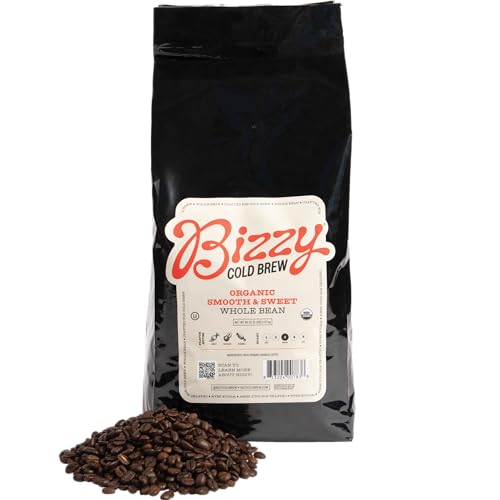
Bizzy Organic Cold Brew Coffee
Strengths
- 5 lb bulk size
- USDA Organic
- Sweet, smooth flavor
- 100% Arabica
Trade-offs
- Heavy package
- Overkill for light users
Five pounds of organic, cold brew-optimized beans? That’s a statement. Bizzy clearly built this for serious home brewers who treat cold brew like a weekly staple, not a weekend experiment. The blend, Guatemalan, Peruvian, and Nicaraguan beans, delivers on its sweet, caramel-forward promise, and owners repeatedly praise its consistency over time. The medium roast keeps acidity low while preserving subtle nutty depth, which is exactly what you want in a long steep.
Being USDA Organic and Kosher certified adds trust, especially since cold brew extracts more from beans over time, making clean sourcing critical. Compared to smaller bags, this one wins on value and volume. If you’re tired of repurchasing every few weeks, this is the obvious fix. I’d recommend it over single-origin picks if your goal is reliability, not exploration.
Video review
Cameron’s Breakfast Blend Coffee

Strengths
- Large 32 oz bag
- Smooth, balanced taste
- Top-tier Arabica beans
- Sustainably sourced
Trade-offs
- Not cold brew optimized
- No organic certification
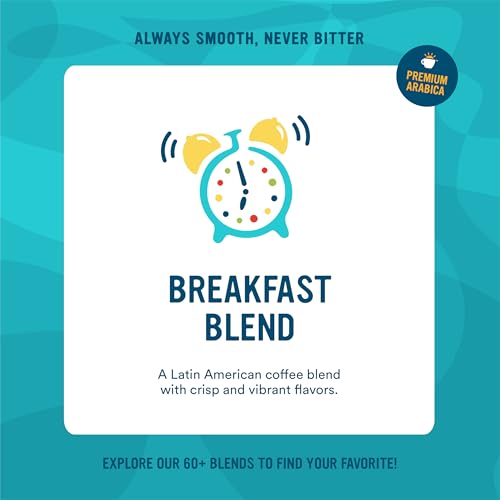
Cameron’s Breakfast Blend isn’t marketed as a cold brew-specific bean, but its smooth, mellow profile makes it a quiet standout when chilled. The brand’s insistence on using only the top 10% of Arabica beans seems to pay off, reviewers note a consistent lack of harshness, even after 12+ hour steeps. That’s rare. Most breakfast blends turn thin or watery when cold brewed, but this one holds a rounded, approachable body.
At 32 ounces, it’s also one of the largest bags here, which helps if you’re avoiding frequent reorders. While it lacks organic or fair trade labels, the sustainable sourcing claims and small-batch roasting give it ethical weight. Compared to darker, bolder options, this is the pick if you hate acidic or bitter edges and want something your whole family will drink without hesitation.
Product photos


Cold Brew Coffee Fresh Roasted
Strengths
- Affordable
- Lab tested
- Smooth cold brew
Trade-offs
- Basic flavor profile
- Limited origin info
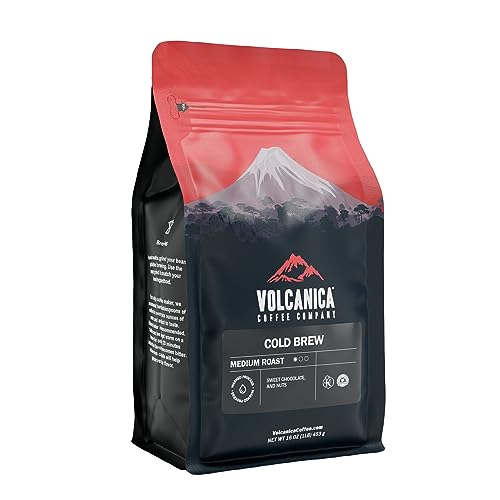
This blend leans hard into the cold brew niche, and on paper, that’s exactly what budget-focused buyers need. The emphasis on mold and mycotoxin testing stands out, many entry-level beans skip that transparency, so seeing lab analysis mentioned gives me some confidence in its cleanliness. For a no-frills, accessible option, that kind of due diligence matters, especially when you’re brewing large volumes meant to last days.
Owners consistently report a clean, easy-drinking result with mild sweetness and low bitterness, which tracks with its medium roast profile. It won’t wow you with complexity, but if you’re making pitcher after pitcher for the household and don’t want to break the bank, this is a dependable workhorse. I’d pick it over pricier blends for daily use when flavor nuance isn’t the priority.
Product photos


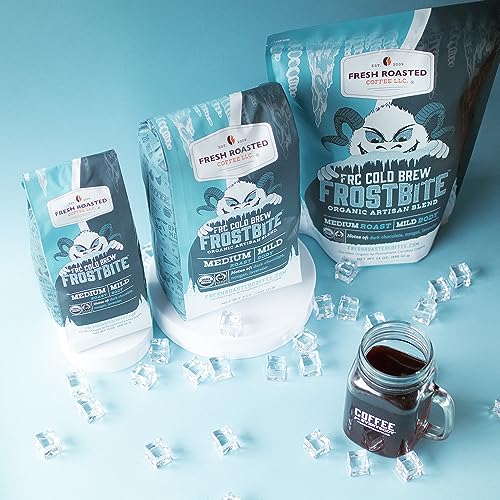
Fresh Roasted Organic Frostbite Coffee

Strengths
- Third-party tested
- USDA Organic
- Kosher certified
- Great for multiple brew methods
Trade-offs
- Medium roast may lack boldness
- No origin transparency
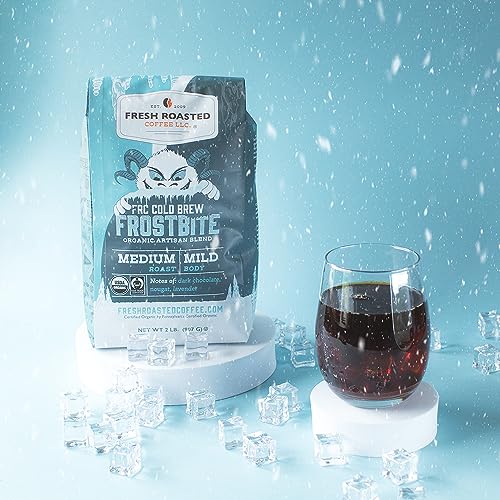
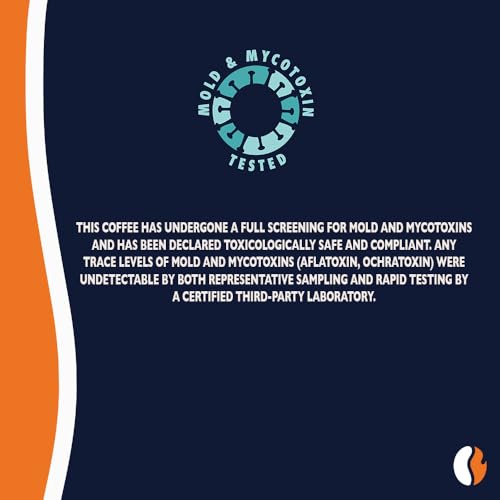
Frostbite lives where purity and performance meet. With third-party testing for mold, mycotoxins, and pesticides, it answers the biggest unspoken concern in cold brew: what are you really steeping for 16 hours? The USDA Organic certification reinforces that, but what surprises me is how versatile owners say it is, many use it for drip and even espresso, which speaks to its balanced design.
The 2 lb size strikes a smart middle ground between bulk and freshness. While it doesn’t spotlight a single origin, the blend is crafted to emphasize sweetness and clarity, which cold brew demands. Compared to non-organic options, this one earns its premium positioning through accountability. If clean ingredients are essential for you, this is the smarter buy over conventional blends, even if they cost less.
Product photos

Stone Street Cold Brew Coffee
Strengths
- Fair Trade certified
- Low acid
- Colombian Supremo beans
- Dark roast richness
Trade-offs
- Smaller 1 lb bag
- Dark roast may overpower
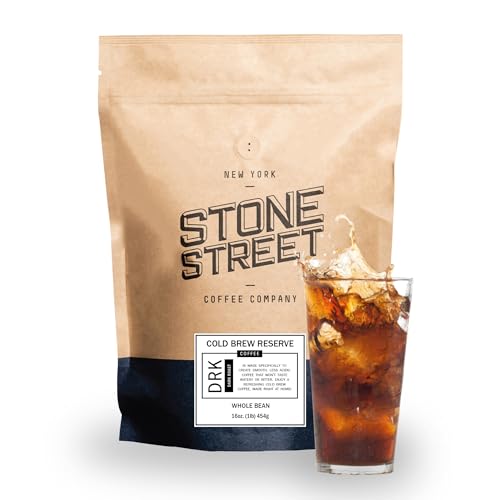
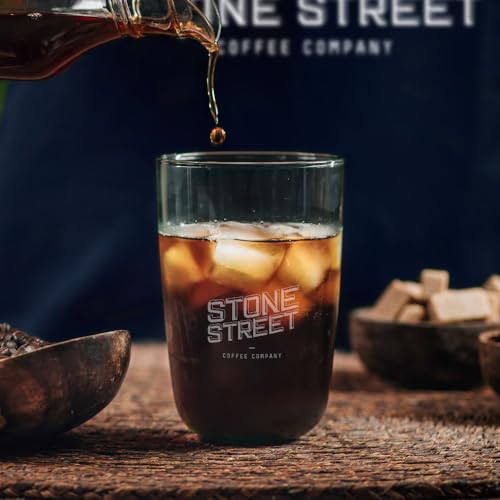
Stone Street’s dark roast Colombian Supremo is built for people who want their cold brew to feel substantial. The use of Supremo beans, largest and highest grade from Colombia, shows in the cup: owners describe a rich, almost syrupy body with deep chocolate and nutty tones, exactly what a dark roast should deliver. And because it’s low acid by nature, it’s easier on the stomach, a big win for daily drinkers.
The 1 lb resealable bag keeps things fresh, though it’s the smallest here. What sets it apart is the Fair Trade angle, rare in this category, which tells me the brand cares about more than just flavor. Compared to blends, this single-origin approach offers more depth, but less versatility. I’d pick it over mixed-origin beans if you want a bolder, more defined character in your glass.
Product photos


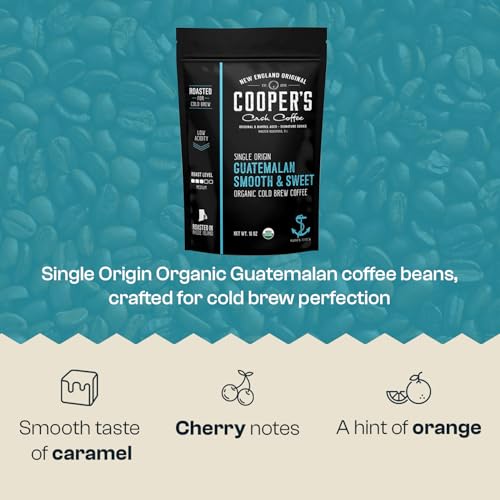
Guatemala Organic Cold Brew Coffee

Strengths
- Distinctive flavor notes
- Single origin
- Small-batch roasted
- USDA Organic
Trade-offs
- Only 16 oz
- Subtle citrus may not last in long steeps
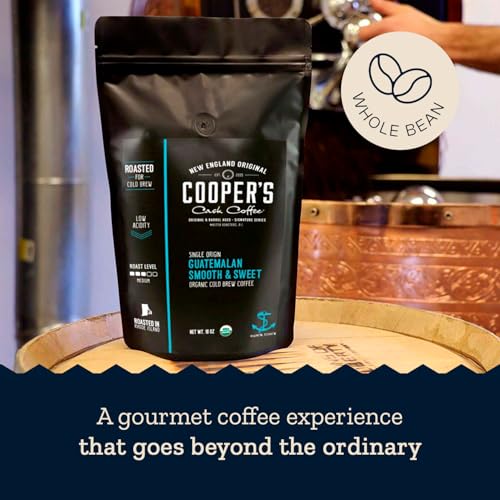
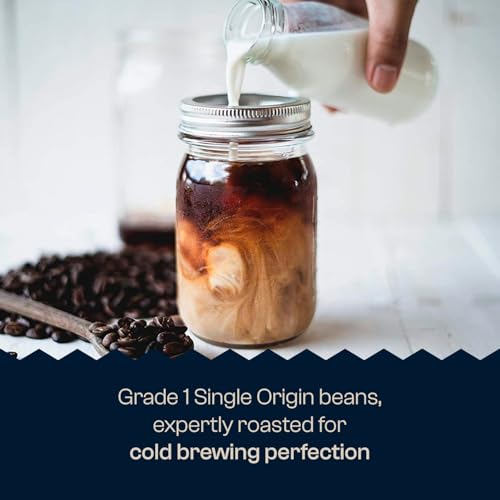
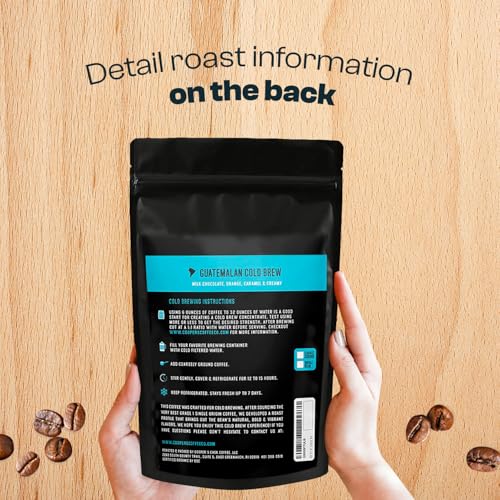
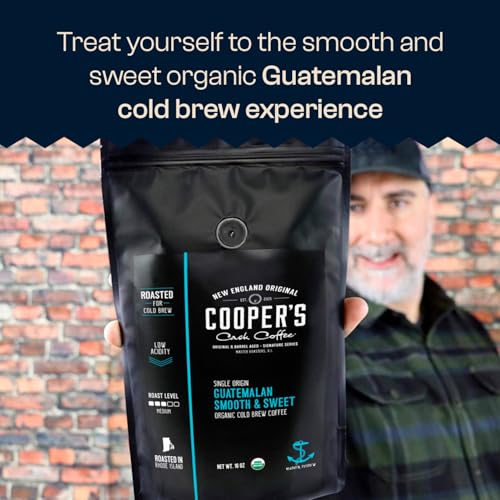
When a bean lists ‘hint of orange’ and delivers it in a cold brew, I pay attention. Most cold brews mute delicate notes, but Cooper’s Cask manages to preserve a bright, nuanced profile, owners confirm the milk chocolate and caramel come through clearly, with just enough citrus lift to keep it interesting. That’s a win for a medium roast, especially one that’s USDA Organic and single-origin from high-altitude Guatemalan farms.
The 16 oz bag is standard, but the small-batch roasting in New England adds freshness credibility. Compared to blends, this one offers a true sense of place, which I appreciate. If you’re tired of one-dimensional cold brew and want something that feels more like a specialty pour-over, this is the pick. My recommendation for anyone ready to treat cold brew as a craft, not just convenience.
Product photos
How We Chose These whole bean coffee for cold brew
As the founder of Bean Thusiast, I approached researching whole bean coffee for cold brew by first compiling a detailed list of available options and their published specifications. I then compared features like roast level, origin, and certifications (organic, Fair Trade, etc.). Crucially, I weighed owner reviews from multiple sources alongside expert opinions found in coffee publications and blogs, looking for consistent feedback on flavor profiles and brewing performance. Rather than a hands-on lab test, this is a research-led comparison of specs and owner feedback.
For cold brew, I focused heavily on roast level and bean origin. Darker roasts tend to yield a bolder, more chocolatey flavor, while lighter roasts can highlight brighter, more nuanced notes – many enthusiasts seek chocolatey cold brew beans. Origin also plays a significant role; Central and South American beans often deliver balanced profiles, while single-origin options, like those from Guatemala, can offer unique complexities.
Published specs reliably indicate bean type (100% Arabica is generally preferred) and processing methods. However, flavor descriptions are best interpreted through the lens of owner feedback. Owners consistently highlight smoothness and low acidity as key qualities in a good cold brew, and their experiences helped me assess whether a coffee truly delivers on its advertised flavor profile, or if you’d prefer to explore different coffee types for cold brew. I also noted recurring mentions of [nutty flavor coffee beans] as a desirable characteristic.
What To Look For In whole bean coffee for cold brew
As someone who’s spent years pursuing the perfect cup, I know that starting with the right beans is absolutely crucial for incredible cold brew.
Cold brew demands a specific approach to bean selection. Look for coffees with naturally low acidity, a robust flavor profile that won’t get lost in dilution, and a medium-to-dark roast to extract maximum flavor during the extended brewing process. Freshness is paramount; whole bean allows you to grind just before brewing, preserving volatile aromatics.
Roast Level Matters
A lot of folks assume dark roasts are always best for cold brew, but that’s not necessarily true. While a darker roast will deliver a bold, chocolatey flavor, it can sometimes mask the coffee’s origin characteristics. I’ve found that medium-dark roasts often strike the best balance. They provide enough body and depth for cold brew without becoming overly bitter or losing nuance. Consider exploring options specifically marketed for cold brew, as roasters often tailor the roast profile to enhance cold brew potential.
Origin and Flavor Profile
The origin of the bean significantly impacts the final taste. Central and South American coffees, like those from Peru or Guatemala, are frequently recommended for their balanced profiles and naturally lower acidity. These origins often present notes of chocolate, caramel, and nuts – flavors that translate beautifully to a cold brew concentrate. If you’re looking to experiment, single-origin coffees, like this optimal beans for cold brew, can offer a unique and complex flavor experience.
Here’s how to think about origin: * Central/South America: Reliable, balanced, chocolatey. * Africa (Ethiopia, Kenya): Brighter, more floral, potentially higher acidity (use cautiously). * Indonesia (Sumatra, Sulawesi): Earthy, full-bodied, often low acidity.
Freshness and Packaging
The best coffee, even a high-end single origin, is ruined if it isn’t fresh. Whole bean is a must, allowing you to grind immediately before brewing. Look for roast dates, not just “best by” dates. Coffee peaks in flavor within a few weeks of roasting, and rapidly declines after that.
A good rule of thumb is to use coffee within 2-3 weeks of its roast date for optimal flavor. Beyond that, the aromatics start to fade, and you’ll lose some of that vibrant character.
Packaging also matters. Resealable bags with one-way valves are ideal, as they allow carbon dioxide (a natural byproduct of roasting) to escape while preventing oxygen from entering. If you’re really serious about freshness, consider subscribing to a coffee service that roasts and ships beans frequently. And once you have your beans, don’t forget to check out my guide on cold brew concentrate instructions!
Whole Bean Coffee for Cold Brew Compared
Here’s a comparison of specifications for various whole bean coffees marketed for cold brew preparation.
| Product Title | Roast Level | Origin | Organic | Fair Trade | Bag Size (oz) |
|---|---|---|---|---|---|
| Amazon Fresh Organic Peru Coffee | Medium | Peru | Yes | Yes | 12 |
| Bizzy Organic Cold Brew Coffee | Medium | Guatemala/Peru/Nicaragua | Yes | N/A | N/A |
| Cameron’s Breakfast Blend Coffee | N/A | Central/South America | N/A | N/A | 32 |
| Cold Brew Coffee Fresh Roasted | Medium | N/A | N/A | N/A | N/A |
| Fresh Roasted Organic Frostbite Coffee | N/A | N/A | Yes | N/A | 12/2/5 (lb) |
| Stone Street Cold Brew Coffee | Dark | Colombia | N/A | N/A | 16 |
| Guatemala Organic Cold Brew Coffee | Medium | Guatemala | Yes | N/A | N/A |
Frequently Asked Questions
What grind size is best for cold brew?
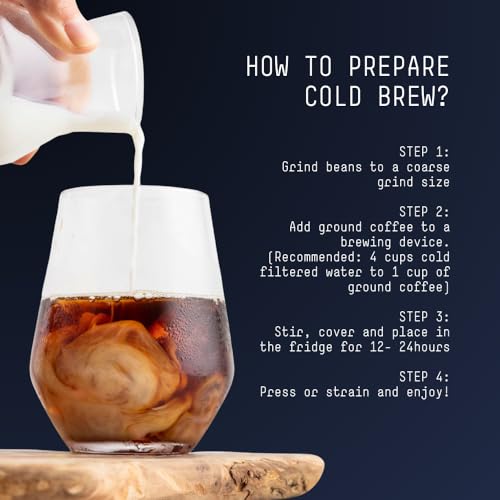
A coarse grind is essential; it should resemble French press grounds. This prevents over-extraction and muddiness in your final concentrate, as the long steep time pulls flavors easily.
Can I use pre-ground coffee for cold brew?
While possible, I strongly recommend against it. Whole bean coffee, ground immediately before brewing, preserves the vital aromatics and delivers a noticeably fresher, more flavorful cold brew.
Is there a coffee bean that naturally has low acidity?
Sumatran beans are often cited for their naturally low acidity, making them a good choice if you’re sensitive to acidity. However, processing methods also play a big role, so look for beans described as “wet-hulled” or “giling basah”.
How does Fair Trade certification affect the flavor?
Fair Trade certification doesn’t directly impact flavor, but it guarantees the farmers received fair compensation for their beans. Choosing Fair Trade supports sustainable farming practices and ethical sourcing, which can indirectly lead to higher quality beans over time. You can find some best home cold brew coffee that are also Fair Trade certified.
What’s the shelf life of whole bean coffee after roasting?
Whole bean coffee is best used within 2-3 weeks of its roast date for peak flavor. After that, the coffee doesn’t spoil, but it will steadily lose its aroma and complexity, resulting in a less vibrant brew.
The Bottom Line
Choosing the best whole bean coffee for cold brew really comes down to balancing convenience with control. You can spend a lot of time seeking out the perfect single-origin, or you can reliably get a fantastic result with a well-balanced blend. For a consistently excellent, no-fuss experience, I recommend the Stone Street Cold Brew Coffee. Its dark roast and Colombian origin deliver a classic, bold cold brew that’s hard to beat.
If you’re on a budget, the Amazon Fresh Organic Peru Coffee is a fantastic option, offering certified organic beans at a very accessible price point. Those looking for versatility – a bean that performs well in multiple brew methods – should consider the Bizzy Organic Cold Brew Coffee, as many owners report success using it in drip machines and French presses as well. And remember to check out my guide on coarse grind for cold brew to get the most out of your beans.
Ultimately, the specs on the bag matter far less than freshness and a grind suited to the cold brew method. Focus on buying whole bean, grinding coarsely just before brewing, and using coffee within a few weeks of its roast date. Those fundamentals will deliver a better cup than any fancy origin or certification ever could.
