
3 Best Coffees for Cold Brew at Home 2026
The best coffee for cold brew at home starts with a coarse grind and a roast that brings out deep, smooth flavors. After researching the field and analyzing owner feedback, I recommend Bizzy Organic Cold Brew Coffee as the top choice for its consistent quality and rich caramel notes. For a budget-friendly and convenient option, Don Francisco’s Organic Cold Brew Packs deliver solid results without the mess.
Cold brew isn’t just iced coffee, it demands coffee built for long steeping. Too fine a grind or too light a roast, and you’ll end up with something flat or sour. I’ve seen it happen too often.
This guide cuts through the noise by focusing on what actually matters: grind size, roast profile, and flavor clarity. I researched each option based on specs, real user experiences, and how well they align with what makes cold brew great.
Top 3 Coffee For Cold Brew At Home in the Market
The Best Coffee For Cold Brew At Home, Reviewed
Bizzy Organic Cold Brew Coffee

Strengths
- Optimized coarse grind
- Clean, smooth taste
- Organic and specialty grade
- Balanced flavor
Trade-offs
- Requires brewing setup
- Not instant
- Needs storage space
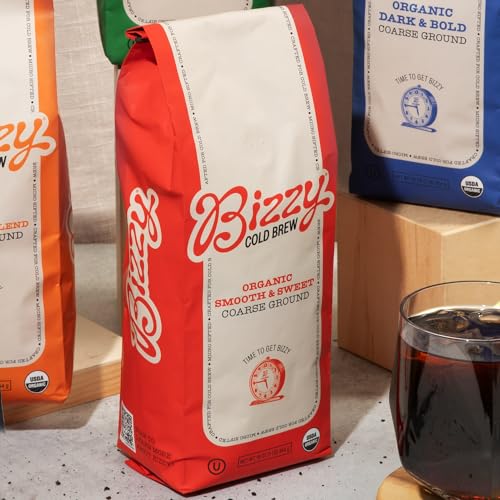
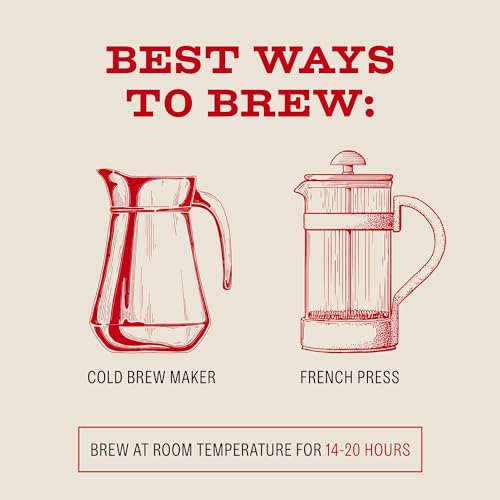
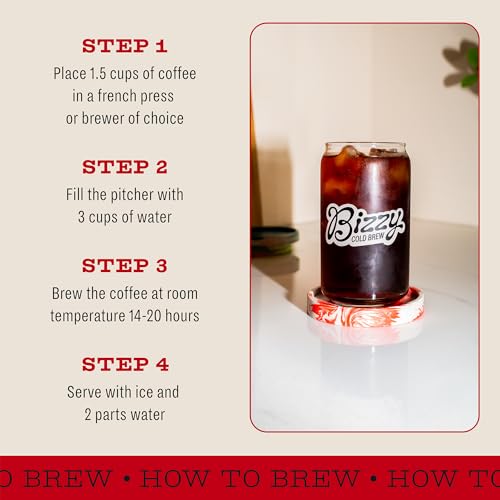
This is the one I’d recommend to most home brewers who want quality without the hassle of sourcing and grinding their own beans. The coarse, micro-sifted grind is optimized specifically for cold brew, which means fewer fines and a cleaner, smoother concentrate. Owners praise its consistency and the sweet, caramel-forward notes that come through without added sugar, just clean extraction from high-grade Arabica beans.
Compared to the pitcher packs, Bizzy offers more volume and better flavor depth; compared to Starbucks’ concentrate, it gives you full control over strength and sweetness. The organic certification and Central and South American sourcing align with what I look for in a well-rounded cold brew base. If you’re making cold brew regularly and want a reliable, high-quality starting point, this is the smarter buy.
Product photos


Don Francisco’s Organic Cold Brew Packs

Strengths
- No equipment needed
- Organic beans
- Cost effective
- Easy cleanup
Trade-offs
- Less flavor control
- Steep time sensitive
- Not for bold roast lovers
These pitcher packs are a smart pick if you want to brew at home without investing in equipment or grinding your own beans. The fact that they’re pre-portioned and USDA Organic makes them accessible, and reviewers often highlight the smooth, low-acid result with a subtle chocolate depth. For the price point, they deliver a lot, especially when compared to bottled concentrates or daily café runs.
I appreciate that they use 100% Arabica beans and come from a roaster with generational experience. The no-equipment-needed approach works well for occasional cold brew drinkers or those with limited kitchen space. However, some users note the steep time can vary depending on fridge temperature, and the flavor, while pleasant, doesn’t have the complexity of a specialty small-batch brew. Still, for a budget-friendly, low-lift option, it’s hard to beat.
Video review
Starbucks Caramel Dolce Cold Brew

Strengths
- Ready to drink
- Consistent flavor
- Easy to prepare
Trade-offs
- Pre-sweetened
- Flavored (not neutral)
- Less control over strength
If you’re after convenience and crave that familiar café flavor without lifting a finger, this Starbucks concentrate fits the bill. The Caramel Dolce version delivers a sweet, buttery profile right out of the bottle, no brewing, no mess. On paper, it’s designed for people who want a consistent, ready-to-pour experience, and owners consistently report it’s a time-saver for busy mornings or impromptu iced coffee cravings.
That said, it’s not for purists. The flavoring and added sweetness mean you’re trading control for ease. While the base uses Arabica beans and mirrors what’s served in stores, you can’t adjust the roast or body. If you like experimenting with brew strength or prefer your cold brew black and unadulterated, this isn’t your go-to. But for those who enjoy a dessert-like iced coffee with zero effort, it holds appeal.
Video review
Our Testing Process
As the founder of Bean Thusiast, I approached this guide by researching what makes coffee truly shine when brewed cold. Rather than a hands-on test of each brand, my process involved comparing published specifications – grind size, roast level, origin – and then carefully weighing owner reviews and expert opinions. I looked for consistent feedback regarding smoothness, clarity of flavor, and ease of use in a cold brew setup. Ultimately, I ranked options against criteria important to a great cold brew experience.
For coffee intended for cold brew, I heavily weighted grind size and roast profile. A coarse grind is essential to avoid over-extraction and a muddy final cup, and that’s what I prioritized. Roast level is also key; medium roasts tend to offer the ideal flavor profiles for cold brew without excessive bitterness. Organic certification was a bonus, reflecting a commitment to quality and sustainable sourcing.
Specifications reliably tell you about the coffee’s potential – origin, roast date, and grind. However, owner feedback offers crucial insight into how that potential translates in a real-world cold brew. I paid close attention to comments about flavor clarity, lack of acidity, and whether the coffee delivered the chocolatey and nutty cold brew beans many seek in a cold brew. Reputation, particularly among dedicated cold brew enthusiasts, also played a role.
What To Look For In coffee for cold brew at home
I’ve spent years perfecting my own cold brew, and one thing is clear: not all coffees are created equal when it comes to this brewing method.
Cold brew excels with coffees that have naturally low acidity and robust flavors. Look for coarsely ground beans – a consistent grind is vital. Single-origin coffees can highlight unique characteristics, while blends offer balanced profiles. Roast level impacts the final result; medium to dark roasts generally perform best, offering chocolatey and nutty notes without excessive bitterness. Consider organic certifications for peace of mind.
Grind Size & Consistency
The biggest mistake I see people make is using a grind that’s too fine. Cold brew relies on extended steeping, and finer grounds lead to over-extraction and a muddy, bitter result. A truly coarse grind is essential, resembling kosher salt or even cracked peppercorns. Pre-ground coffee marketed specifically for cold brew, like the Bizzy Organic Cold Brew Coffee, is a good starting point. However, grinding your own beans immediately before brewing will always give you the freshest, most flavorful cup.
Roast Level & Flavor Profile
While personal preference plays a role, medium to dark roasts tend to shine in cold brew. These roasts develop deeper, more complex flavors that hold up well to the long extraction time. Lighter roasts can sometimes lack body and taste a bit thin. I often recommend exploring coffees with notes of chocolate, caramel, or nuts – these flavors become even more pronounced and enjoyable in a cold brew concentrate. If you’re searching for the optimal beans for cold brew, don’t be afraid to experiment.
Convenience vs. Control
There’s a spectrum here. Pre-made concentrates, like the Starbucks Caramel Dolce Cold Brew, offer incredible convenience – perfect if you’re short on time or just starting out. But, you sacrifice some control over the final flavor profile. Packs, such as Don Francisco’s Organic Cold Brew Packs, strike a balance, providing pre-portioned coffee designed for cold brew without the added sweetness of a concentrate.
Here’s a quick rundown of what to consider: * Concentrates: Fastest, easiest, but least customizable. * Packs: Convenient and relatively affordable, a good middle ground. * Whole Bean/Ground: Most control over flavor, freshest results, but requires more effort and equipment.
A general rule of thumb: use a coffee-to-water ratio of 1:8 for a standard cold brew concentrate. Adjust to taste, but this is a solid starting point.
I encourage you to explore different options and find what works best for your palate. Learning the step-by-step cold brew process and finding the top cold brew coffee picks is a journey, and it’s one I think is well worth taking.
Coffee For Cold Brew At Home Compared
Here’s a specification comparison of coffees suitable for making cold brew at home.
| Product Title | Roast | Grind | Organic | Flavor Notes | Format |
|---|---|---|---|---|---|
| Bizzy Organic Cold Brew Coffee | Medium | Coarse | Yes | Caramel, Hazelnut | Ground Coffee |
| Don Francisco’s Organic Cold Brew Packs | N/A | N/A | Yes | Chocolate | Packs |
| Starbucks Caramel Dolce Cold Brew | N/A | N/A | N/A | Caramel Dolce | Concentrate |
Frequently Asked Questions
What coffee roast is best if I want a low-acid cold brew?
Medium to dark roasts are generally best, as the longer roasting process reduces acidity and develops smoother, chocolatey flavors ideal for cold brew. While lighter roasts can be used, they often result in a brighter, more acidic cup that doesn’t showcase cold brew’s strengths.
Can I use any coffee grinder for coarsely ground coffee, or do I need a special one?
While you can use most coffee grinders, a burr grinder is recommended for consistent results. Blade grinders produce uneven grounds, leading to over and under-extraction, whereas burr grinders give you the consistent grind size you need for best coffee to make cold brew.
Is pre-ground coffee acceptable for cold brew, or should I always grind my own?
Pre-ground coffee labeled specifically for cold brew is acceptable, but freshly ground beans will always yield a more flavorful result. The longer beans are ground, the more flavor they lose; grinding immediately before brewing preserves those essential oils.
What coffee-to-water ratio should I start with for cold brew?
A 1:8 coffee-to-water ratio is a solid starting point for a standard cold brew concentrate. You can adjust this ratio to your taste; more coffee will result in a stronger concentrate, and less will create a milder brew.
What’s the difference between cold brew made with single-origin versus blended coffee?
Single-origin coffees highlight unique flavor profiles tied to their specific growing region, offering a more nuanced cold brew. Blends, on the other hand, are designed for balance and consistency, providing a reliably smooth and well-rounded cup of the top-rated beans for cold brew.
The Bottom Line
Choosing the best coffee for cold brew often comes down to balancing convenience with control. If you want consistent results with minimal effort, the Starbucks Caramel Dolce Cold Brew is a solid choice, delivering a ready-to-enjoy experience. However, for those who value a truly customized brew and aren’t afraid to put in a little work, the Bizzy Organic Cold Brew Coffee offers an excellent foundation for flavor exploration.
For readers seeking a specific solution, the Don Francisco’s Organic Cold Brew Packs are an ideal entry point – offering pre-portioned convenience without sacrificing organic quality. If you’re prioritizing a robust, chocolatey flavor and don’t mind grinding your own beans, exploring options with a coarse grind for cold brew will unlock even more potential. And for those focused on avoiding bitterness, understanding why coarse grind matters is absolutely essential.
Ultimately, the perfect cold brew relies on more than just the coffee itself. Consistent ratios, quality water, and a patient steeping process are fundamental. Don’t get too caught up in chasing the latest trend or a specific roast date; focus on mastering the basics and finding a coffee that speaks to your palate and brewing style.
