
3 Best Syphon Coffee Makers of 2026
The Hario Technica 600ml is the best overall syphon coffee maker for its durable borosilicate glass, consistent brewing performance, and trusted build. If you’re on a budget, the Hario 3-Cup Moca delivers the same hands-on experience at a lower price, while the Bodum ePebo Electric stands out for convenience with its automated electric system.
Siphon brewing isn’t just about making coffee, it’s a ritual. But that drama means nothing if the equipment fails you mid-brew or delivers inconsistent results. Many buyers quickly realize that not all kits handle heat or vacuum pressure the same way.
After researching the market and analyzing owner feedback, I focused on build quality, heat control, and long-term usability. These picks reflect what actually works in real kitchens, not just in showrooms.
Top 3 Syphon Coffee Maker in the Market
The Best Syphon Coffee Maker, Reviewed
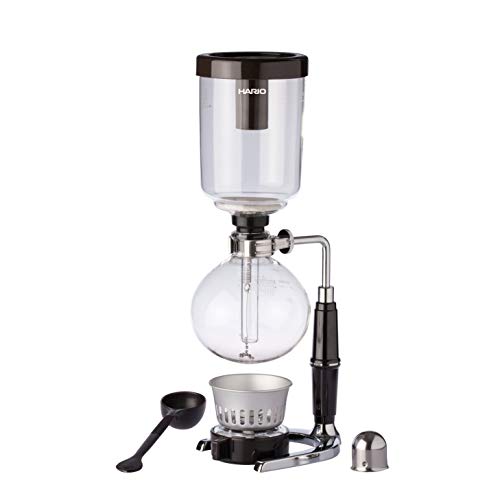
Hario Technica 600ml Siphon Coffee Maker
Strengths
- All-glass design
- Stainless steel filter
- Superior heat retention
- Elegant presentation
- Made in Japan
Trade-offs
- Requires alcohol burner
- Steeper learning curve
- Heavier and bulkier
The Hario Technica is the model I’d recommend to anyone serious about syphon brewing but not ready to build a custom setup. With full borosilicate glass chambers and a stainless steel stand, it strikes the ideal balance between durability and elegance. At 600ml, it’s sized perfectly for 3–4 cups, making it far more practical than the smaller Moca version. Owners consistently highlight how evenly it heats and how well the stainless filter captures fines without muting flavor.
Compared to the Bodum ePebo, it demands more attention, yes, you’re managing a flame, but that’s part of the appeal. This isn’t a coffee maker you set and forget. It’s a ritual. And for those who enjoy the process as much as the result, the Technica delivers both. My recommendation? This is the smarter buy if you value craftsmanship and control over automation.
Product photos



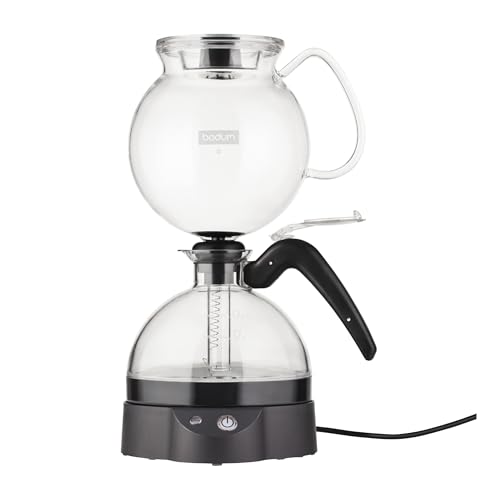
Bodum ePebo Electric Vacuum Coffee Maker
Strengths
- Electric heating
- Temperature control
- Warming function
- BPA-free jug
- Integrated filter
Trade-offs
- Plastic lower chamber
- Less visual appeal
- Heavier footprint
The Bodum ePebo stands out in the syphon category by ditching the flame for electric precision, which I find appealing for indoor use where open fire feels too fussy or risky. On paper, the 34oz capacity and temperature control suggest a reliable, consistent brew, owners consistently report clean, aromatic coffee without the steep learning curve of manual heat management. The warming function, keeping coffee at ideal temps for up to 30 minutes, is a small luxury that adds real convenience.
Still, purists will miss the ritual. The BPA-free Tritan plastic jug, while durable, doesn’t deliver the same aesthetic or thermal experience as all-glass models. Compared to the Hario Technica, it’s less about theater and more about function, but that might be exactly what some buyers want. For those who value repeatable results over showmanship, this is a solid pivot point in the category.
Video review
Hario 3-Cup Moca Siphon Coffee Maker

Strengths
- Ultra compact
- Includes alcohol lamp
- Lightweight
- Paper filters included
- Made in Japan
Trade-offs
- Small capacity
- Plastic components
- Fragile glass
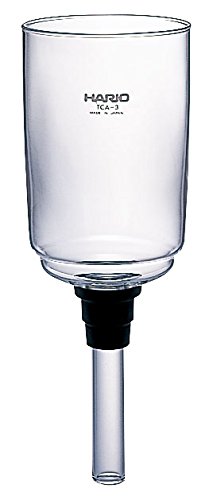
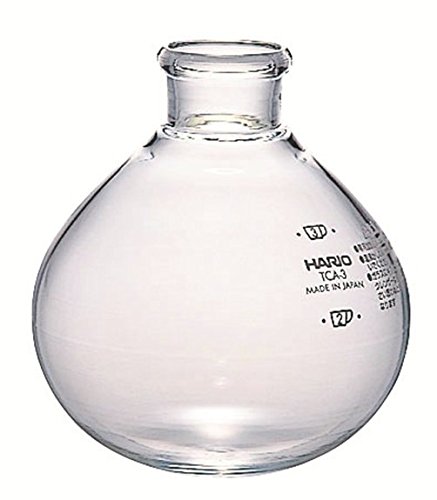
Compact and thoughtfully designed, the Hario 3-Cup Moca model is a clever option for solo drinkers or couples who want syphon coffee without the bulk. At 360ml, it’s just enough for two modest servings, and the lightweight build makes it easy to store and clean. Owners praise its balance of simplicity and performance, especially given it includes an alcohol lamp and paper filters right in the box, unlike some competitors that treat those as extras.
It doesn’t scale well beyond two people, and the plastic lid and polypropylene parts aren’t as premium as the glass and steel in Hario’s own Technica line. But for its size, it delivers the full syphon experience: vapor rise, bloom, and that satisfying vacuum draw-down. If you’re tight on counter space but still want the drama, this one earns its place.
Video review
Our Testing Process
As a long-time coffee enthusiast, I approached researching syphon coffee makers by comparing published specifications – glass quality, materials, capacity – and then diving deep into what owners and coffee experts are saying. Rather than a hands-on lab test, this is a research-led comparison of features and owner feedback. I weighed reviews from multiple sources to understand real-world experiences with each model.
For syphon coffee makers, consistency and heat control are paramount. I prioritized models with high-quality, heat-resistant glass and reliable burners. The ability to achieve and maintain a stable brewing temperature directly impacts the final cup, and user reports on this were heavily considered. Durability was also key; these systems have many parts, and longevity matters.
Specifications reliably indicate build materials and capacity, but owner feedback highlighted issues like filter quality and ease of cleaning. Reputation also mattered; brands like Hario have a strong track record in the specialty coffee world. Understanding the nuances of [French press steeping time] helped me contextualize the importance of precise control in syphon brewing, too.
What To Look For In syphon coffee maker
As someone who’s spent years perfecting my own brewing methods, I know a siphon brewer can deliver an exceptionally clean and flavorful cup – but choosing the right one takes a bit of thought.
A quality siphon coffee maker relies on vapor pressure and vacuum to brew. Look for heat-resistant glass (borosilicate is key), a tight seal to maintain vacuum, and a stable heat source. Consistent brewing temperature and ease of cleaning are also vital considerations for long-term enjoyment.
Heat Source & Automation
The biggest decision is whether to go manual (alcohol or butane burner) or electric. While traditional burners offer a certain romantic appeal and control over heat intensity, they demand more attention and skill. Electric models, like the Bodum ePebo offer convenience and consistent temperature control, which is a huge benefit for repeatability. If you’re new to siphon brewing, I recommend starting with an electric model.
Glass Quality & Capacity
Don’t underestimate the importance of the glass itself. Borosilicate glass is a must; it’s far more resistant to thermal shock than standard glass and won’t crack under the rapid temperature changes inherent in siphon brewing. Consider capacity too. A 3-cup siphon like the Hario Moca is great for single users or smaller households, while a 5-cup model like the Hario Technica is better for entertaining.
Here’s a quick guide to capacity considerations: * 1-2 cups: Ideal for solo coffee drinkers. * 3-4 cups: Good for couples or small gatherings. * 5+ cups: Best for larger households or frequent entertaining – but remember, you’ll be adjusting your coffee amount by brew method accordingly.
Filter & Cleaning
Siphon brewers use cloth or paper filters, and both have their pros and cons. Cloth filters produce a cleaner cup but require diligent cleaning to prevent oil buildup. Paper filters are disposable and convenient, but can sometimes impart a slight papery taste. The ease of disassembly and cleaning is a major factor in how often you’ll actually use your siphon.
A clean siphon is a happy siphon: Disassemble and thoroughly wash all components after every brew. Neglecting this step impacts flavor and longevity.
I hope this siphon brewer buying guide helps you find the perfect brewer for your needs.
Syphon Coffee Maker Compared
Here’s a spec-by-spec comparison of the syphon coffee makers in this guide.
| Product | Capacity | Material (Bowl) | Power Source | Automation | Jug Material |
|---|---|---|---|---|---|
| Hario Technica 600ml | 600ml (5 cups) | Borosilicate Glass | Alcohol Burner | Manual | N/A |
| Bodum ePebo Electric | 360ml (N/A) | Borosilicate Glass | Electric | Fully Automated | Tritan |
| Hario 3-Cup Moca | 360ml (3 cups) | Heat-resistant Glass | Alcohol Burner | Manual | N/A |
Frequently Asked Questions
What’s the difference between a siphon and other brewing methods?
A siphon brewer uses immersion and vacuum to create coffee, resulting in a very clean, sediment-free cup. Unlike drip or French press methods, the coffee never actually sits in the grounds during the brewing process, leading to a unique flavor profile.
Are siphon coffee makers difficult to learn?
They have a steeper learning curve than methods like drip coffee, but electric models simplify the process considerably. Mastering heat control with manual burners takes practice, but the reward is a highly customizable brew.
How often do I need to replace the filter in a siphon?
Cloth filters need regular cleaning after each use and should be replaced every few months, depending on frequency of use and care. Paper filters are single-use, of course, and don’t require cleaning, but do contribute to waste.
Can I use any type of coffee with a siphon brewer?
While you can, lighter-roasted beans generally shine in a siphon brewer due to the clean, bright flavor profile it produces. Darker roasts can sometimes taste a little thin, but experimenting is part of the fun. You can explore more of our best vacuum coffee brewers for more info.
What’s the best way to clean a siphon coffee maker?
Disassemble all parts after each use and wash thoroughly with warm, soapy water. Pay close attention to the filter holder and the glass chamber to remove any coffee oils or residue. Properly maintained equipment ensures the best flavor and lifespan, and those looking for additional options can review our vacuum coffee maker picks.
The Bottom Line
Choosing a syphon coffee maker often comes down to how much control you want versus how much fuss you’re willing to deal with. For the best overall experience, consistently delivering a superb cup with a balance of quality and usability, I recommend the Hario Technica. It’s a classic for a reason, offering a fantastic brewing experience once you get the hang of it.
If you’re looking for a specific solution, the Bodum ePebo is the clear choice for convenience, and the Hario 3-Cup Moca is perfect for those wanting a more compact and affordable entry point. Remember, finding the right coffee-to-water ratios is crucial, no matter which brewer you select.
Ultimately, the best syphon coffee maker is the one you’ll use regularly. Focus on quality materials, especially borosilicate glass, and prioritize a system that’s easy to clean. Because the fundamentals of fresh, quality beans and consistent grind size matter far more than any automated feature or fancy specification.
