
7 Best Sugar Substitutes for Coffee 2026
The best sugar substitute for coffee is Lakanto Monk Fruit Allulose. It delivers a clean, sugar-like sweetness with no bitter aftertaste and dissolves easily. For a budget-friendly option, Stevia In The Raw Packets offer solid performance, while Lakanto Golden Monk Fruit Allulose adds a subtle caramel note for those who prefer a richer profile.
Most coffee lovers want sweetness without the crash, the calories, or the blood sugar spike, but finding a substitute that doesn’t leave a chemical aftertaste or clump at the bottom of your cup is harder than it should be. I’ve seen too many people give up on sugar alternatives because they picked one that tasted off or messed with their stomach.
This guide cuts through the noise. I compared top-rated options based on real user feedback, ingredient quality, and how well they perform in hot coffee. These picks balance taste, solubility, and dietary needs, whether you’re keto, diabetic, or just cutting back.
Top 7 Sugar Substitute For Coffee in the Market
The Best Sugar Substitute For Coffee, Reviewed
Sweet’N Low Saccharin Packets

Strengths
- Zero calorie
- Low glycemic index
- Portable packets
Trade-offs
- Noticeable aftertaste
- Artificial sweetener
- Not ideal for baking
Saccharin has been around for over a century, and Sweet’N Low remains the most recognizable name in the game. On paper, it delivers exactly what it promises: zero calories, a low glycemic index, and a sweetness level equal to two teaspoons of sugar per packet. For people managing blood sugar, that’s a clear win.
Still, the trade-off is real. While some owners say they’ve adapted to the aftertaste, others report a lingering metallic or bitter edge, especially in black coffee. It’s vegan and kosher, yes, and the portability of the 100-count pack is convenient. But if you’re sensitive to artificial notes, this might not be your long-term match. I’d pick a plant-based option first for daily use.
Video review
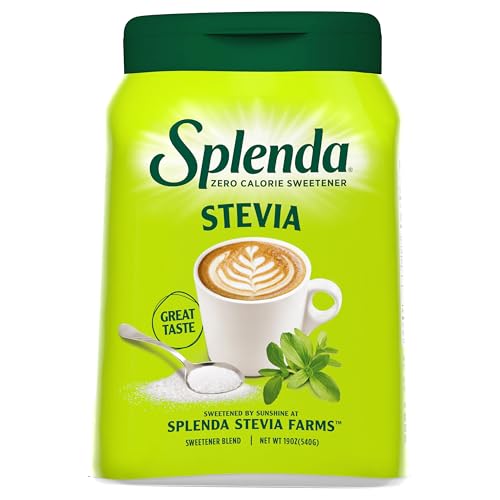
SPLENDA Stevia Granulated Sweetener
Strengths
- Smooth taste
- No bitter aftertaste
- Plant-based
- Zero calorie
Trade-offs
- Not ideal for baking
- Limited volume per jar
- Stevia can vary by palate
Splenda’s pivot to stevia with a focus on Reb D is a smart move. Most stevia products rely on Reb A, which tends to carry that herbal, licorice-like bitterness people complain about. By sourcing Reb D from their own Florida farm, they’re aiming for cleaner sweetness, and owners consistently report this version tastes smoother, with far less aftertaste.
The granulated powder form makes it easy to spoon into coffee or use in recipes. It doesn’t perform as well in baking as allulose blends, but for daily drink sweetening, it holds up. I appreciate the US-grown angle and the focus on sustainable farming. For a plant-based option that doesn’t taste like compromise, this one stands out.
Video review
SPLENDA Zero Calorie Sweetener Packets

Strengths
- Strong sweetness
- Dissolves instantly
- Long shelf life
- Zero carb
Trade-offs
- Artificial sweetener
- Not keto-purist friendly
- Not plant-based
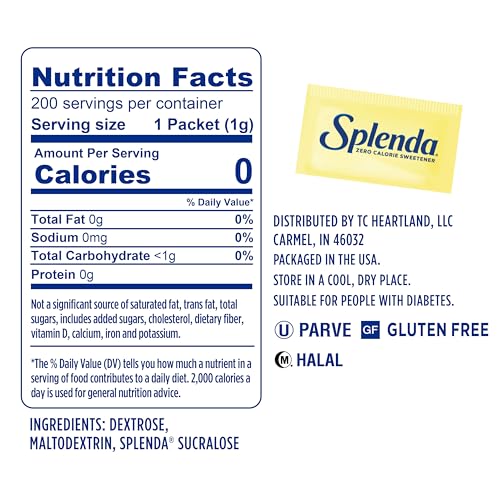
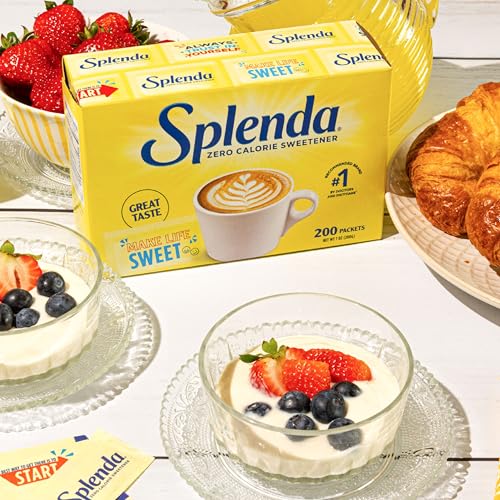
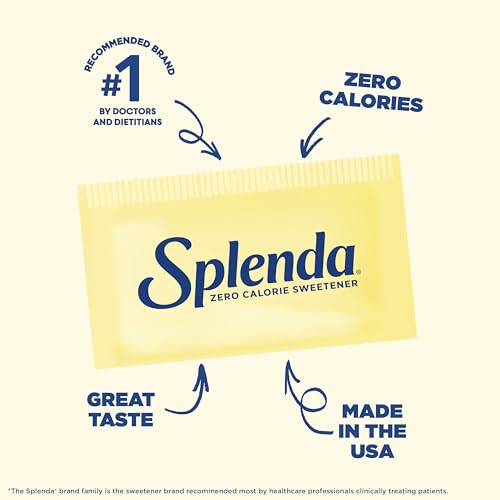
This is the Splenda you remember, sweetened with sucralose, not stevia. And that matters. Sucralose delivers a clean, sugar-like sweetness that many find more familiar than plant extracts. The 200-count pack is ideal for frequent coffee drinkers who want consistency and convenience. Each packet matches two teaspoons of sugar, just like the original.
Owners praise its reliability and long shelf life. It dissolves instantly in hot coffee and doesn’t leave a chemical aftertaste the way some artificial options do. That said, it’s not plant-based, and some health-conscious buyers avoid sucralose altogether. But in this category, it’s still one of the most trusted profiles out there.
Product photos


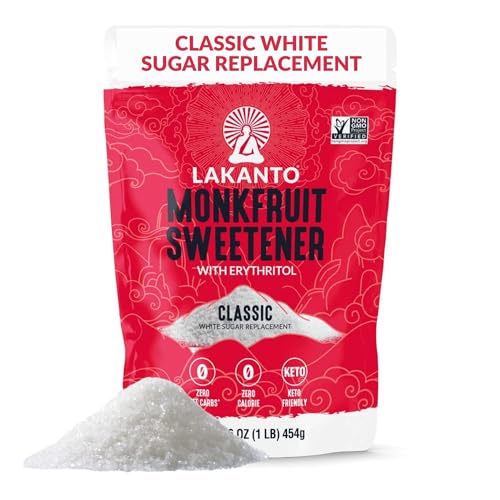
Lakanto Monk Fruit Erythritol Sweetener
Strengths
- Great for baking
- 1:1 sugar substitute
- Keto friendly
- Low carb
Trade-offs
- Cooling aftertaste
- Poor cold solubility
- Can crystallize in liquids
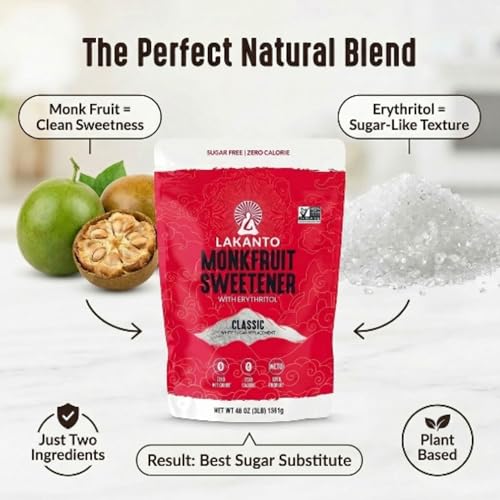
Erythritol-based monk fruit blends have become the go-to for home bakers, and this Lakanto version is a staple. The texture is remarkably close to granulated sugar, and it dissolves well in hot coffee. Owners love that it doesn’t spike blood sugar and gives a clean sweetness without the gut issues some get with pure erythritol.
But let’s be honest: erythritol can cool the mouth slightly, a trait some describe as “minty,” others as off-putting. And in cold drinks, it doesn’t dissolve as cleanly. For baking, it’s solid. For coffee, it’s good, but not perfect. If you’re already using it in muffins and sauces, keeping it on the counter makes sense.
Product photos



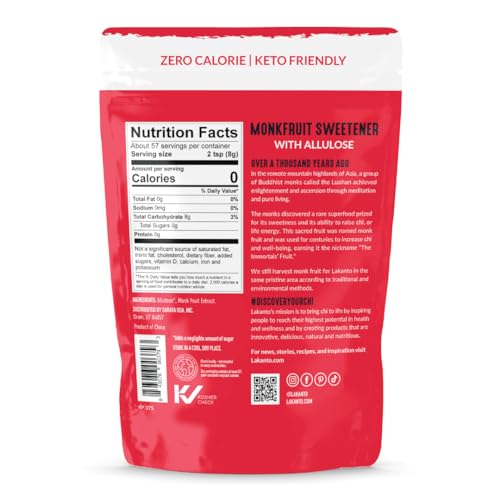
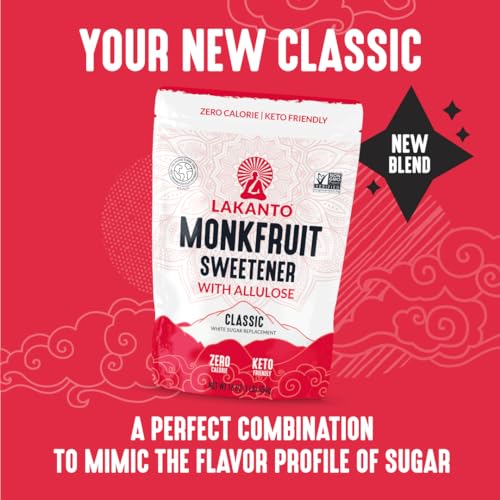
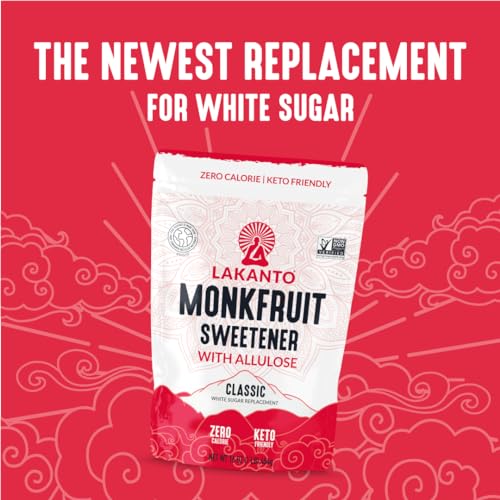
Lakanto Monk Fruit Allulose Sweetener
Strengths
- No aftertaste
- Bakes like sugar
- Dissolves completely
- 1:1 replacement
Trade-offs
- Higher price point
- Allulose can be laxic
- Limited availability
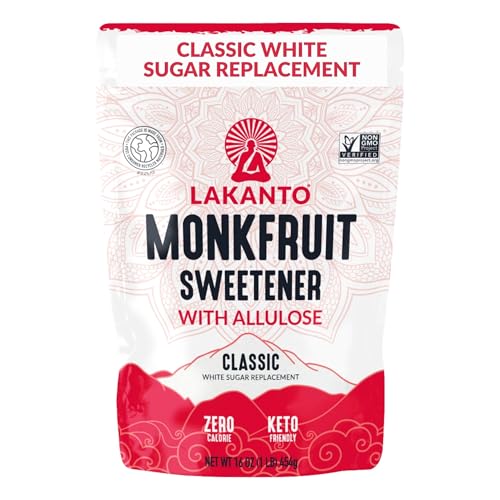
This is the upgrade. By swapping erythritol for allulose, Lakanto solved two big problems: the cooling mouthfeel and poor performance in baked goods. Allulose browns and caramelizes like real sugar, and owners say this version makes cookies and cakes taste far more authentic. In coffee, it dissolves instantly and leaves no trace.
The sweetness profile is clean, with no bitter or metallic notes. It’s zero calorie, keto-friendly, and has a negligible glycemic impact. Given how well it performs across uses, it’s no surprise owners consistently rank this as their favorite all-rounder. If you’re only buying one sweetener, this should be it.
Product photos
Stevia In The Raw Packets
Strengths
- No fillers
- Vegan and kosher
- Low cost per use
- Zero calorie
Trade-offs
- Inconsistent sweetness
- Smaller packet volume
- Some bitterness reported
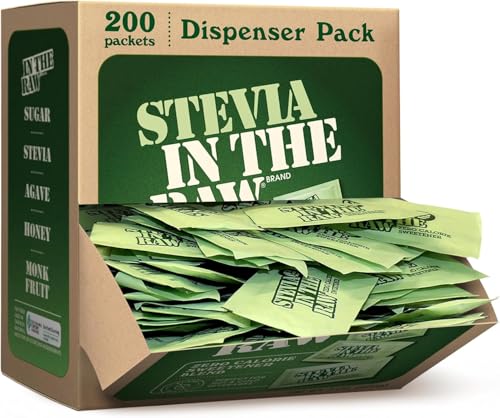
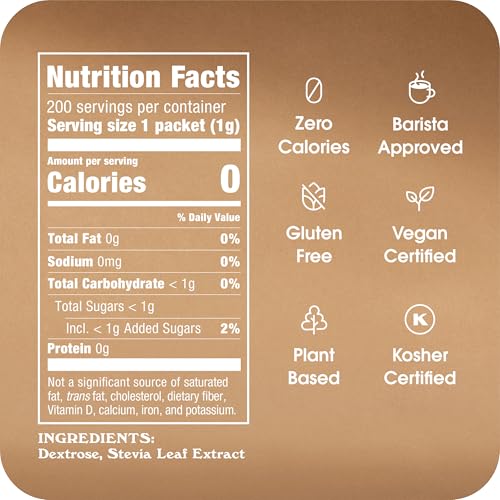
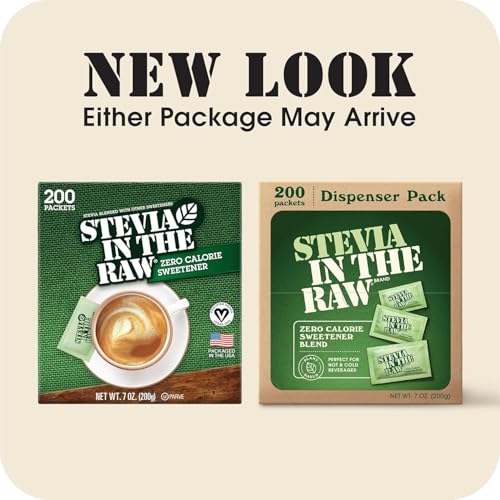
Stevia In The Raw keeps things simple: just pure stevia leaf extract, no erythritol, no fillers. That’s a win for clean-label fans. The 400-packet bundle (2 boxes of 200) makes it one of the most budget-friendly stevia options out there. Each packet matches two teaspoons of sugar, and they dissolve well in hot coffee.
But simplicity has a cost. Without bulking agents, the volume per packet is smaller, and some users say the sweetness is less consistent. The taste is clean for many, but stevia newcomers might still detect a slight bitterness. It’s a solid entry-level pick, just don’t expect luxury-level smoothness.
Product photos

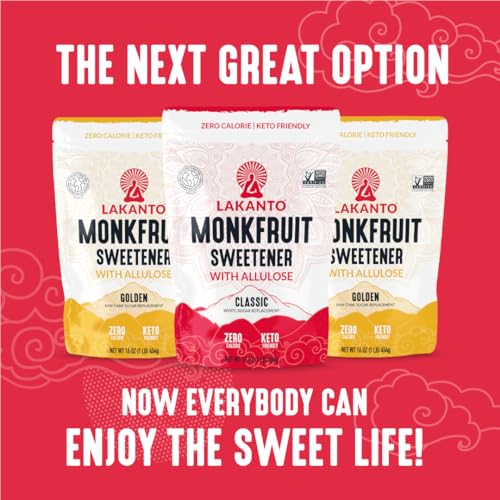
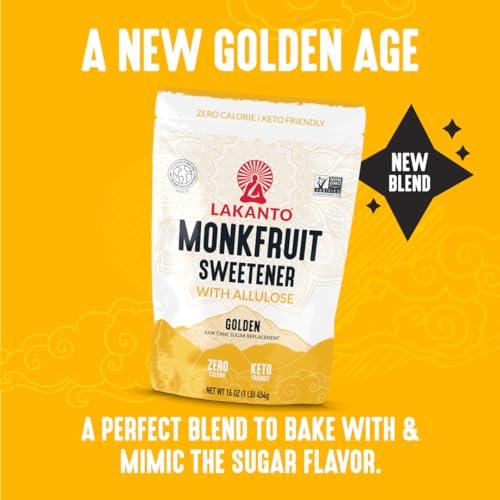
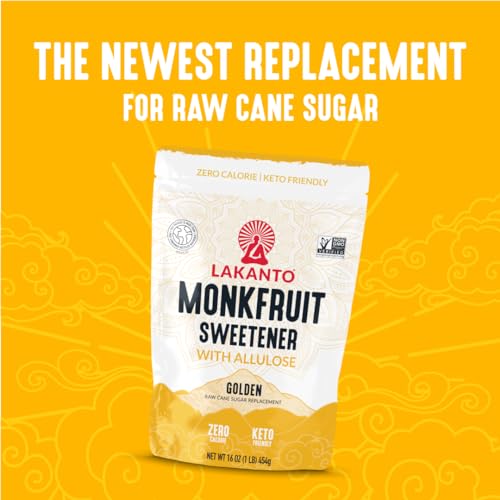
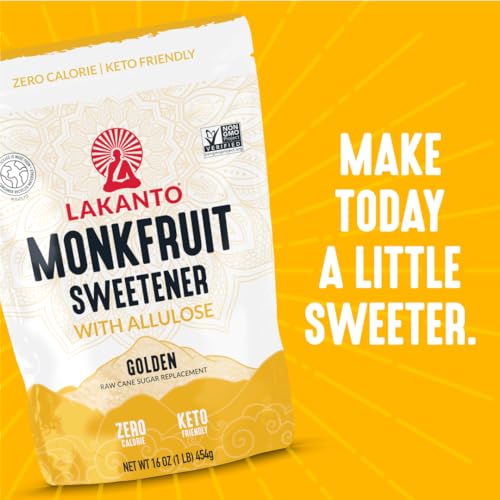
Lakanto Golden Monk Fruit Allulose
Strengths
- Rich brown sugar flavor
- Dissolves well
- Keto friendly
- No erythritol
Trade-offs
- Small bag size
- Expensive per ounce
- Possible digestive effects
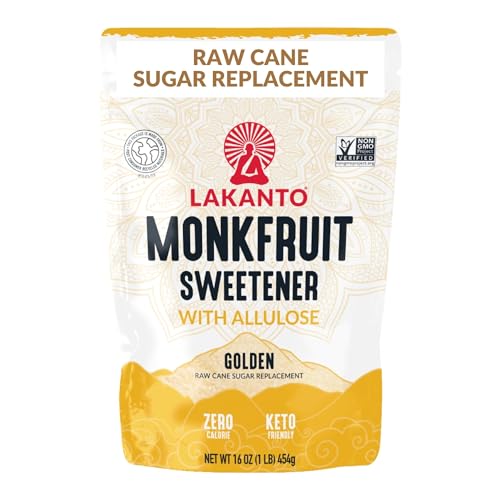
If you miss the deep, molasses-like flavor of brown sugar in your coffee or morning oatmeal, this golden version is a revelation. Made with monk fruit and allulose, it delivers real depth, no artificial flavors, no weird aftertaste. Owners love using it in lattes, baked goods, and sauces where a darker sweetness enhances the profile.
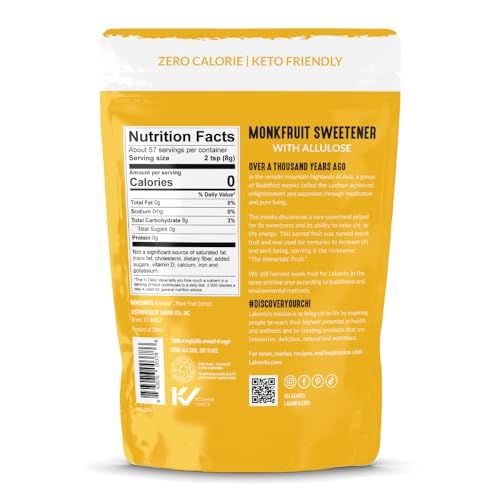
It measures 1:1 like regular brown sugar and dissolves well in hot liquids. The only catch? It comes in an 8 oz bag, so it runs out fast if you’re using it daily. And like other allulose blends, it can cause digestive upset in large doses. But for flavor fidelity, it’s unmatched.
Product photos
How We Chose These sugar substitute for coffee
I approached this guide to sugar substitutes for coffee by researching published specifications and features of numerous products, then carefully weighing owner reviews and expert opinions. Rather than a hands-on lab test, this is a research-led comparison focused on identifying patterns in user experience and objectively comparing ingredients and advertised benefits. My goal was to provide a range of options for different preferences and dietary needs.
For coffee drinkers, the most important factors are often taste and how well a sweetener dissolves. Beyond that, I focused on potential digestive effects (some sugar alcohols can cause issues for sensitive individuals) and suitability for specific diets like keto or diabetic-friendly plans. These elements heavily influenced the rankings, as a perfect sweetener is useless if it causes discomfort or doesn’t align with someone’s health goals.
Product specifications reliably indicate ingredients and calorie counts, but owner feedback is crucial for understanding real-world taste and texture. I prioritized reviews that described use specifically in coffee and noted recurring comments about aftertaste or dissolving issues. Reputable expert reviews from sites focused on food science and dietary needs helped validate claims and highlight potential drawbacks not always apparent in consumer feedback. You might consider using honey instead of sugar if you’re looking for a more natural option.
What To Look For In sugar substitute for coffee
Finding the right sugar substitute for your coffee is about more than just cutting calories. It’s about replicating the sweetness and, crucially, the experience you enjoy with sugar, without the drawbacks.
A quality sugar substitute dissolves cleanly, doesn’t introduce unwanted flavors or textures, and accurately mimics the sweetness level of sugar. Look for options with minimal aftertaste, broad versatility for different brewing methods, and a formulation that suits your dietary needs (keto, diabetic-friendly, etc.). Pay attention to whether it’s a bulk sweetener or a packet format.
Understanding Sweetness & Flavor Profiles
The biggest mistake I see people make is assuming all sugar substitutes are created equal. They aren’t. Sucralose (like in SPLENDA) is intensely sweet, while stevia requires blending to avoid bitterness. Monk fruit, often paired with erythritol, offers a more rounded flavor. Consider what you typically like in your coffee. Do you enjoy a hint of molasses (leaning toward something like Lakanto Golden Monk Fruit Allulose)? Or do you prefer a clean, neutral sweetness? Don’t be afraid to experiment – a monk fruit sweetener review can be a great starting point.
Considering Your Dietary Needs
This is where things get personal. If you’re following a keto diet, erythritol and allulose are your friends, as they have minimal impact on blood sugar. Someone managing diabetes will be looking at the glycemic index. And if you’re sensitive to aftertastes, you’ll want to steer clear of some stevia blends.
Here are a few points to keep in mind:
- Stevia can sometimes have a licorice-like aftertaste.
- Erythritol, while generally well-tolerated, can cause digestive upset in some people at higher doses.
- Allulose is gaining traction for its sugar-like properties and minimal impact on blood sugar, but it’s often more expensive.
Balancing Cost & Convenience
Price and format matter. Packets are convenient for on-the-go use and portion control, but they add to waste. Bulk sweeteners are more economical but require measuring. Splenda and Sweet’N Low tend to be the most budget-friendly, while monk fruit blends can be pricier. If you’re also using a sweetener for baking, like in a brown sugar in coffee recipe, a bulk sweetener might be more practical.
A good rule of thumb: start with a small amount of any new sweetener and adjust to taste. It’s much easier to add more than to try and dilute an overly sweet cup.
Sugar Substitute for Coffee Compared
Here’s a comparison of popular sugar substitutes for coffee, focusing on key specifications.
| Product Name | Sweetener Type | Form | Calorie Count | Keto Friendly | Sugar Equivalent (tsp) |
|---|---|---|---|---|---|
| Lakanto Monk Fruit Allulose | Monk Fruit | Granulated | 0 | Yes | 1:1 |
| Stevia In The Raw Packets | Stevia | Packets | 0 | Yes | 2 |
| SPLENDA Zero Calorie Sweetener Packets | Sucralose | Packets | 0 | Yes | 2 |
| Lakanto Monk Fruit Erythritol | Monk Fruit | Granulated | 0 | Yes | 1:1 |
| Lakanto Golden Monk Fruit Allulose | Monk Fruit | Granulated | 0 | Yes | 1:1 |
| SPLENDA Stevia Granulated Sweetener | Stevia | Granulated | 0 | Yes | N/A |
| Sweet’N Low Saccharin Packets | Saccharin | Packets | 0 | N/A | 2 |
Frequently Asked Questions
What’s the best sugar substitute if I experience digestive issues?
Erythritol is often well-tolerated, but can cause discomfort in large amounts; allulose is a good alternative as it’s less likely to cause bloating or gas, and many find it easier on their stomachs.
Are liquid sugar substitutes a good option for coffee?
Generally, no. Liquid sweeteners often change the texture of coffee and can be difficult to blend evenly, and many people dislike the resulting mouthfeel.
How do I convert sugar amounts when switching to a new sweetener?
Lakanto Monk Fruit and Golden Monk Fruit Allulose offer a 1:1 substitution ratio with sugar, making the transition easiest; for stevia, you typically use about half the amount of sugar called for.
I’m following a strict keto diet; which sweetener should I choose?
For a keto diet, prioritize sweeteners with zero net carbs and minimal impact on blood sugar, such as allulose or erythritol; you can find a detailed keto-friendly coffee sweeteners guide on our site.
What’s the difference between stevia and monk fruit?
Stevia can sometimes have a noticeable aftertaste that some find unpleasant, while monk fruit is known for a cleaner, more rounded sweetness, and is often blended with erythritol for better texture; you can explore a more detailed allulose coffee sweetener comparison to see which might suit your taste.
The Bottom Line
Choosing a sugar substitute really comes down to balancing what you’re willing to compromise on. Do you prioritize a perfectly clean taste, even if it means a higher price tag? Or are you looking for the most economical option, understanding there might be a slight aftertaste? For the best overall experience, I recommend Lakanto Monk Fruit Allulose; it delivers a sugar-like sweetness with minimal drawbacks and is keto-friendly to boot.
If budget is your primary concern, Sweet’N Low Saccharin Packets are hard to beat. For those specifically seeking a keto-approved option with a familiar granular texture, Lakanto Monk Fruit Erythritol is a great choice. And if you’re exploring ways to sweeten coffee without sugar more broadly, Stevia In The Raw provides a widely available, plant-based alternative.
Ultimately, the “best” sugar substitute isn’t about a single perfect ingredient or calorie count. It’s about finding the sweetener that enhances your coffee experience. Pay attention to how different options affect the flavor and texture of your brew, and don’t be afraid to experiment until you discover your personal sweet spot.
