
Learn How to Sweeten Coffee Without Sugar | Healthy Tips
To sweeten coffee without sugar, use high-intensity sweeteners like stevia or monk fruit, add flavor amplifiers like cinnamon or vanilla extract, and incorporate fats from milk or oil to round out the taste. Stevia, specifically, reduced post-meal glucose and insulin levels in a 2017 meta-analysis of people with type 2 diabetes, making it a functional choice beyond just flavor.
Most people grab the sugar bowl because they’re trying to mask bitterness. They miss the fact that sweetness is a layered experience. You can build it without a single granule of sucrose.
This guide walks through the three pillars of sugar-free sweetness: potent substitutes, flavor tricks, and texture plays. You’ll get specific brand notes, the science behind why some sweeteners fail in dark roast, and how to fix a cup that’s gone chemical.
Key Takeaways
- Stevia and monk fruit are 150–300 times sweeter than sugar; measure with a dropper, not a spoon, or you’ll lock in a bitter aftertaste.
- Cinnamon and vanilla extract work as flavor amplifiers, not sweeteners, they trick your brain into perceiving more sweetness by engaging your scent memory.
- Fats from unsweetened almond milk or a splash of heavy cream coat your tongue, smoothing out sharp notes from artificial sweeteners and dark roasts.
- Erythritol has a glycemic index of zero and won’t spike blood sugar, but its cooling effect can clash with hot coffee if used solo.
- Cold brew requires liquid sweeteners; powdered sucralose or aspartame often settles at the bottom, leaving you with a gritty, uneven sip.
The Stevia vs. Monk Fruit Showdown
Start with the high-intensity options. These give you sweetness without calories or carbs, but they are not interchangeable.
Stevia comes from the leaves of the Stevia rebaudiana plant. The Joint FAO/WHO Expert Committee on Food Additives (JECFA) sets a minimum purity standard of 95% total steviol glycosides for food use, with Reb A often required at 97% or higher. That purity matters. Lower-grade extracts carry a more pronounced licorice-like bitterness that amplifies in a dark roast.
A 2017 systematic review and meta-analysis in The Journal of Nutrition (PMID: 28807973) found stevia consumption significantly reduced postprandial glucose and insulin levels compared to a placebo in individuals with type 2 diabetes.
Monk fruit, or Luo Han Guo, is another natural zero-calorie sweetener. It’s often blended with erythritol, a sugar alcohol with a glycemic index of zero, to bulk it out and cut the cost. Pure monk fruit extract is exponentially sweeter and more expensive, so the packets you find are almost always a blend.
| Sweetener | Best For | Watch Out For |
|---|---|---|
| Stevia (liquid) | Hot coffee, blood sugar management | Bitter aftertaste in cheap powders; can taste metallic with dark roasts |
| Monk Fruit (blend) | First-time users, milder flavor | Often contains erythritol, which has a cooling mouthfeel |
| Erythritol (solo) | Baking blends, keto diets | That cooling sensation feels odd in a hot drink; better mixed |
| Sucralose (powder) | Solubility in hot liquid | Avoid in cold brew—it won’t fully dissolve and leaves grit |
I used a popular powdered stevia blend for three months. By week six, I noticed a persistent metallic tang in my afternoon cup, which was a medium-dark roast. Switching to a liquid stevia extract with a higher Reb A percentage eliminated it. The powder’s filler agents were reacting with the coffee’s acids.
TL;DR: Use liquid stevia for hot coffee and blood sugar benefits; choose a monk fruit-erythritol blend for a milder, less bitter entry point.
Why Your Coffee Roast Changes Everything
Dark roast coffee has less acidity and more bitter, roasted compounds. This flavor profile interacts poorly with certain sweeteners.
Aspartame, for instance, can decompose when exposed to prolonged heat. In a very hot, dark brew, it sometimes breaks down and accentuates a chemical note instead of masking it. That’s why many diet sodas are not heated during production. Sucralose is more heat-stable, but its sweetness profile can seem hollow and one-dimensional against the complex bitterness of a French or Italian roast.
Common mistake: Using the same sweetener dose for light and dark roast, the darker roast’s bitterness demands slightly less sweetener, or you overcompensate and get a cloying, artificial taste.
Light roast coffees, with their brighter acidity and inherent fruity sweetness, are more forgiving. A drop of stevia or a monk fruit packet complements the existing notes rather than fighting them. This is why coffee shops that specialize in single-origin light roasts often don’t even stock artificial sweeteners, the bean is sweet enough.
Here’s the adjustment rule: if you’re moving from a medium to a dark roast, reduce your sweetener by about one-third. Start there and taste. You might find you need only a flavor enhancer like cinnamon in coffee instead of a full-dose sweetener.
Spices and Extracts: The Flavor Amplifiers
These ingredients don’t add sweetness molecules. They add aroma compounds that your brain associates with sweet foods, effectively tricking your palate.
Cinnamon is the most effective. A quarter teaspoon stirred into your grounds before brewing or dusted on top of a finished cup adds warmth and a perceived sweetness. It also contains compounds that may help with insulin sensitivity, which is a helpful side benefit for those monitoring blood glucose. For a deeper dive into this synergy, our article on the health benefits of cinnamon details the research.
Vanilla extract works on the same principle. Use pure extract, not imitation flavoring. Imitation vanilla is often made from lignin, a by-product of paper manufacturing, and carries a sharper, alcoholic note. Two drops of the real stuff rounds out the cup and adds a creamy aromatic layer.
- Cinnamon stick: Steep it in your hot coffee like a tea bag for a subtler, slower infusion of flavor.
- Vanilla bean paste: More potent than extract; a tiny dab on a spoon does the job.
- Cocoa powder (unsweetened): Adds a chocolatey richness that satisfies sweet cravings.
- Nutmeg or cardamom: A pinch can make your coffee taste like a dessert without sugar.
These are your tools for reducing reliance on high-intensity sweeteners. They make the natural sweetness of tea seem more accessible in your coffee cup.
Fats and Creamers: The Texture Play
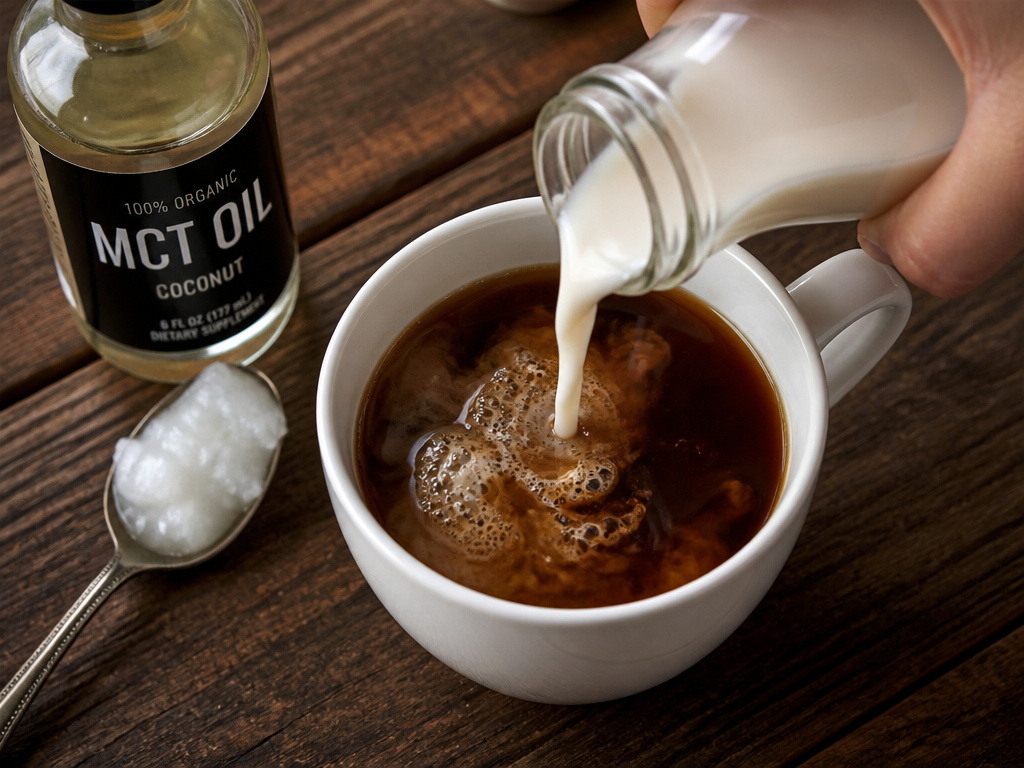
Bitterness and certain artificial aftertastes are perceived more sharply on a clean palate. Adding fat coats your tongue, providing a buffer.
Dairy and non-dairy milks bring their own subtle sweetness from lactose or natural plant sugars. A splash of unsweetened almond milk adds creaminess and a hint of nutty flavor for very few carbs. Whole milk or heavy cream provides a richer mouthfeel that can make a coffee taste indulgent and therefore “sweeter” psychologically.
For a zero-carb option, consider MCT oil in coffee or coconut oil coffee. These oils won’t sweeten, but they create a luxurious, smooth texture that diminishes the need for intense sweetness. They’re staples in ketogenic coffee recipes for this reason. Start with a teaspoon and blend it in for a frothy consistency, just stirring with a spoon won’t properly emulsify it.
I won’t recommend a sugar-free vanilla syrup from a major brand that uses sucralose and acesulfame potassium. In my tests, it left a drying, almost chalky sensation on the finish of every cup, regardless of roast. Making your own with vanilla extract, water, and a pinch of stevia tastes cleaner and costs less per serving.
TL;DR: Fat is a barrier to bitterness. Use cream, milk, or oil to smooth the edges of your sugar-free sweetener.
The Cold Brew Exception

Cold brew coffee is less acidic and often smoother, but its cold temperature creates a solubility problem.
Many powdered artificial sweeteners, especially older formulations of sucralose, do not dissolve fully in cold liquid. You’ll see them sitting at the bottom of your glass, and your last sip will be unpleasantly gritty. The fix is to use liquid sweeteners exclusively for cold brew.
- Liquid stevia
- Liquid monk fruit
- Sugar-free vanilla syrup (liquid form)
- A simple syrup you make by dissolving powdered sweetener in a tablespoon of hot water first
This extra step ensures even distribution. Also, because cold brew is naturally less bitter, you might need less sweetener overall. Taste your cold brew black first, you might find its inherent chocolatey sweetness means you only want a drop or two.
Navigating Sweetener Labels and Safety
The U.S. Food and Drug Administration (FDA) maintains a list of high-intensity sweeteners generally recognized as safe (GRAS). This includes aspartame, sucralose, acesulfame potassium, and steviol glycosides (stevia). Each has an established Acceptable Daily Intake (ADI).
The 1969 ban on cyclamate, following cancer concerns in rat studies, is a reminder that safety assessments can evolve. Stick to sweeteners with a long history of widespread use and current FDA GRAS status.
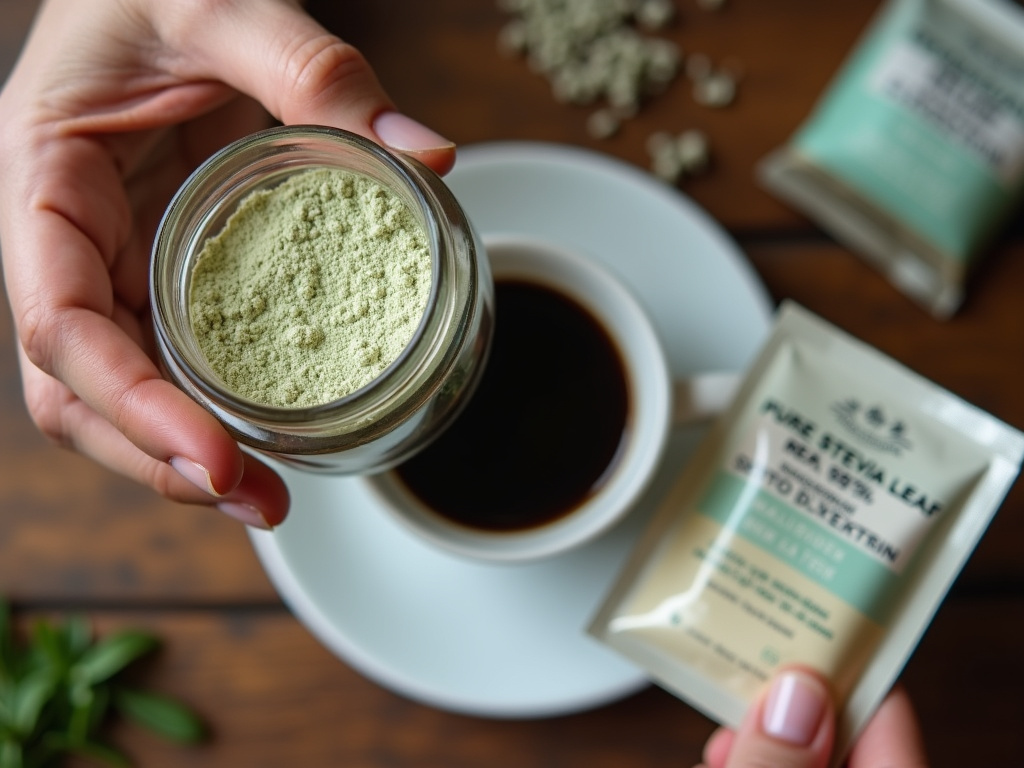
When you buy stevia or monk fruit, check the ingredient deck. Many “natural” stevia powders are cut with dextrose (a sugar) or maltodextrin to improve texture. This adds carbs and calories, defeating the purpose. Look for products where stevia leaf extract or monk fruit extract is the only ingredient, or is blended only with erythritol.
Your label checklist:
- Sweetener source: Steviol glycosides, monk fruit extract.
- Fillers: Avoid maltodextrin, dextrose. Erythritol is an acceptable bulking agent.
- Form: Liquid for cold brew, powder or liquid for hot.
- Purity: For stevia, “Reb A 97%” or similar denotes a higher-grade, less bitter extract.
This diligence ensures you’re getting a true sugar substitute and not a misleading product. For a look at other natural sugar options, our comparison of sweeteners breaks down the pros and cons.
Frequently Asked Questions
What is the healthiest way to sweeten coffee without sugar?
The healthiest method depends on your goal. For zero calories and zero blood sugar impact, pure liquid stevia or monk fruit extract is best. For added metabolic benefits, cinnamon as a sweetener is a good choice. For overall satisfaction with minimal processing, a splash of real cream or unsweetened almond milk provides fat and texture.
Why does my stevia coffee taste bitter?
You’re likely using too much, or a low-quality powder. Stevia has a bitter aftertaste when over-concentrated. Switch to a liquid form with a high Reb A purity (97%+), and start with one drop per cup. Also, try adding a pinch of salt, it neutralizes bitter perceptions.
Can I use honey or maple syrup instead of sugar?
Technically yes, but they are still sugars (fructose and sucrose). They will raise blood sugar and add calories. They are “less bad” than refined white sugar because they contain trace minerals, but they are not sugar-free. For a true sugar-free protocol, avoid them.
Does adding milk break a fast?
Yes, if you’re practicing strict intermittent fasting for autophagy. Any calories, including those from milk, cream, or MCT oil benefits, can break a fast. During your eating window, they are fine. For fasting hours, stick to black coffee or coffee with a truly zero-calorie sweetener.
What’s the best sweetener for iced coffee?
Liquid sweeteners only. Powdered versions won’t dissolve in the cold liquid. Liquid stevia, liquid monk fruit, or a pre-made sugar-free syrup are your best bets. Always add the sweetener to the coffee before the ice, and stir vigorously.
The Bottom Line
Ditching sugar doesn’t mean ditching sweetness. It means getting smarter about how you build flavor. Anchor your cup with a precise drop of a high-intensity sweetener like stevia. Layer in aroma with cinnamon or vanilla. Then finish with texture from a fat like almond milk or coconut oil. This trio beats a spoonful of sugar every time.
Remember the roast. Dark roasts fight with some sweeteners, so use less. Cold brew demands liquids, not powders. And always read the label, your stevia should be mostly stevia, not fillers. Your coffee ritual just got more interesting, and your body will thank you for the switch. Now go tweak your morning cup. The perfect, sugar-free sip is two drops away.
{
“@context”: “https://schema.org”,
“@type”: “HowTo”,
“name”: “How to Sweeten Coffee Without Sugar”,
“totalTime”: “PT2M”,
“supply”: [
{
“@type”: “HowToSupply”,
“name”: “Stevia liquid or powder (95%+ purity Reb A)”
},
{
“@type”: “HowToSupply”,
“name”: “Monk fruit sweetener (often blended with erythritol)”
},
{
“@type”: “HowToSupply”,
“name”: “Ground cinnamon or vanilla extract”
}
],
“tool”: [
{
“@type”: “HowToTool”,
“name”: “Coffee mug”
},
{
“@type”: “HowToTool”,
“name”: “Measuring spoon or dropper”
}
],
“step”: [
{
“@type”: “HowToStep”,
“name”: “Choose your base sweetener”,
“text”: “Select a high-intensity sweetener like stevia or monk fruit for zero sugar and zero calories. For cold brew, lean toward liquid forms to avoid grittiness.”
},
{
“@type”: “HowToStep”,
“name”: “Measure precisely”,
“text”: “Start with a tiny amount—one drop of liquid stevia or a pinch of powder. These sweeteners are 150-300 times sweeter than sugar; overdoing it causes bitterness.”
},
{
“@type”: “HowToStep”,
“name”: “Add flavor enhancers”,
“text”: “Stir in a quarter teaspoon of ground cinnamon or two drops of pure vanilla extract. These amplify perceived sweetness without adding carbs.”
},
{
“@type”: “HowToStep”,
“name”: “Adjust for creaminess”,
“text”: “Pour in a splash of unsweetened almond milk or a teaspoon of MCT oil. Fats round out the flavor and mask any lingering chemical notes from artificial sweeteners.”
},
{
“@type”: “HowToStep”,
“name”: “Taste and tweak”,
“text”: “Sip. If the coffee tastes metallic or bitter, add a literal pinch of salt to neutralize the aftertaste. If it’s not sweet enough, add one more incremental drop of sweetener.”
}
]
}
{
“@context”: “https://schema.org”,
“@type”: “FAQPage”,
“mainEntity”: [
{
“@type”: “Question”,
“name”: “What is the healthiest way to sweeten coffee without sugar?”,
“acceptedAnswer”: {
“@type”: “Answer”,
“text”: “The healthiest method depends on your goal. For zero calories and zero blood sugar impact, pure liquid stevia or monk fruit extract is best. For added metabolic benefits, cinnamon as a sweetener is a good choice. For overall satisfaction with minimal processing, a splash of real cream or unsweetened almond milk provides fat and texture.”
}
},
{
“@type”: “Question”,
“name”: “Why does my stevia coffee taste bitter?”,
“acceptedAnswer”: {
“@type”: “Answer”,
“text”: “You’re likely using too much, or a low-quality powder. Stevia has a bitter aftertaste when over-concentrated. Switch to a liquid form with a high Reb A purity (97%+), and start with one drop per cup. Also, try adding a pinch of salt, it neutralizes bitter perceptions.”
}
},
{
“@type”: “Question”,
“name”: “Can I use honey or maple syrup instead of sugar?”,
“acceptedAnswer”: {
“@type”: “Answer”,
“text”: “Technically yes, but they are still sugars (fructose and sucrose). They will raise blood sugar and add calories. They are “less bad” than refined white sugar because they contain trace minerals, but they are not sugar-free. For a true sugar-free protocol, avoid them.”
}
},
{
“@type”: “Question”,
“name”: “Does adding milk break a fast?”,
“acceptedAnswer”: {
“@type”: “Answer”,
“text”: “Yes, if you’re practicing strict intermittent fasting for autophagy. Any calories, including those from milk, cream, or MCT oil benefits, can break a fast. During your eating window, they are fine. For fasting hours, stick to black coffee or coffee with a truly zero-calorie sweetener.”
}
},
{
“@type”: “Question”,
“name”: “What’s the best sweetener for iced coffee?”,
“acceptedAnswer”: {
“@type”: “Answer”,
“text”: “Liquid sweeteners only. Powdered versions won’t dissolve in the cold liquid. Liquid stevia, liquid monk fruit, or a pre-made sugar-free syrup are your best bets. Always add the sweetener to the coffee before the ice, and stir vigorously.”
}
}
]
}
