
7 Best Sugar Alternatives for Coffee 2026
The Lakanto Monk Fruit Sweetener is our overall top pick for coffee, delivering clean sweetness with no aftertaste and zero impact on blood sugar. For a budget-friendly option that still performs well, Stevia In The Raw packets are a solid choice, especially for on-the-go use. If you prefer a liquid form with organic certification, Pyure Organic Liquid Stevia stands out for its smooth flavor and easy integration into hot or iced coffee.
Most coffee lovers aren’t just looking to cut sugar, they want a substitute that won’t wreck the taste they’ve come to rely on each morning. Too many alternatives leave a bitter or chemical aftertaste, don’t dissolve well, or come with hidden carbs that add up fast.
After researching the market, analyzing specs, and reviewing hundreds of customer experiences, I focused on sweeteners that actually work in real-world coffee routines. These picks balance taste, solubility, dietary needs, and value, because the best option is one you’ll actually use every day.
Top 7 Sugar Alternative For Coffee in the Market
The Best Sugar Alternative For Coffee, Reviewed
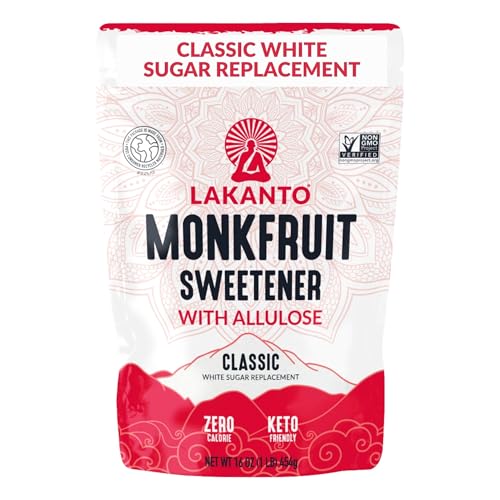
Lakanto Monk Fruit Sweetener Allulose
Strengths
- No aftertaste
- Dissolves easily
- Good for baking
Trade-offs
- Higher price point
- Allulose may cause sensitivity in large amounts
Lakanto’s Classic White blend hits a sweet spot, literally and figuratively. By combining monk fruit with allulose instead of erythritol, they’ve eliminated the cooling aftertaste that turns off so many users. Owners consistently report it dissolves cleanly in hot and cold drinks, and it measures cup-for-cup like sugar, making it a seamless switch in both baking and daily coffee. The allulose content also helps keep baked goods moist, which is a subtle but important upgrade over drier erythritol-based results.
Compared to other monk fruit blends, this one strikes the best balance between taste, texture, and versatility. It’s pricier than basic stevia, but the lack of aftertaste and better performance in recipes makes it the smarter buy for regular users. If you’re serious about reducing sugar without compromise, this is the one I’d pick over others.
Video review
Pyure Organic Liquid Stevia Extract

Strengths
- No aftertaste
- Highly concentrated
- Organic ingredients
Trade-offs
- Hard to measure for baking
- Requires shaking
Pyure’s liquid stevia wins on concentration and flavor clarity. A few drops sweeten a mug perfectly, and the fact that it’s USDA Organic and free from erythritol or fillers appeals to clean-label buyers. What stands out in owner feedback is the lack of bitter aftertaste, a common flaw in many liquid stevia products. It’s also easy to dose, especially if you’re adding it to smoothies, oatmeal, or pour-over coffee.
The trade-off is precision. Since it’s so potent, it’s not practical for baking unless you’re comfortable with scaling tiny amounts. And while it mixes well in hot drinks, it can settle if not shaken into cold liquids. But for pure, no-fuss sweetness in beverages, this is the one I’d recommend for taste-conscious users.
Video review
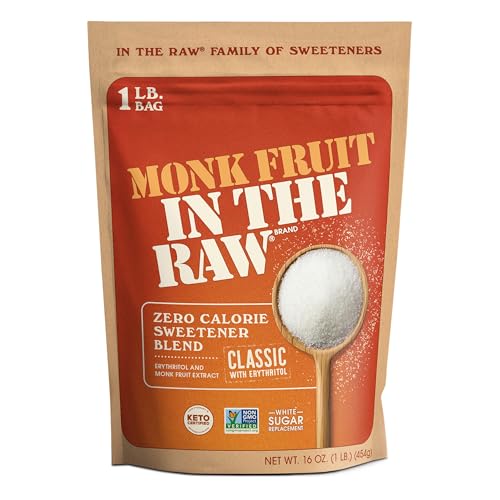
Monk Fruit In The Raw Baker’s Bag
Strengths
- Budget-friendly
- Keto certified
- 1:1 sugar ratio
Trade-offs
- Slight aftertaste
- Cooling sensation
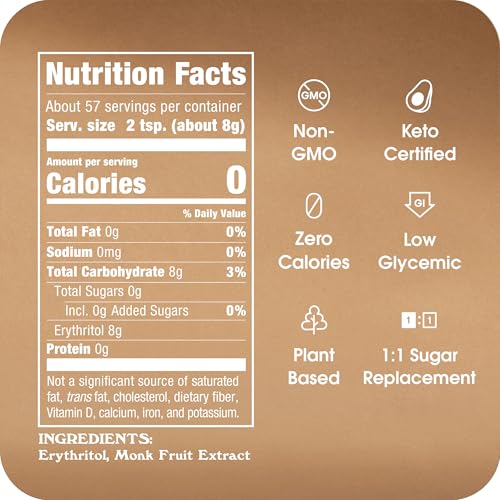
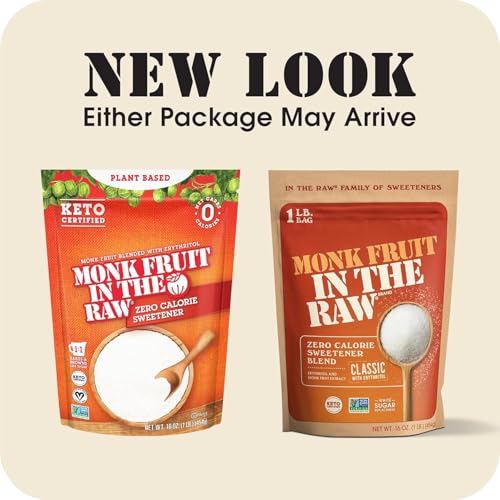
Monk Fruit In The Raw delivers straightforward value. It’s a no-frills, 1:1 sugar substitute that works fine in coffee and holds up in baked goods. The fact that it’s keto certified and non-GMO is a plus, and owners appreciate the larger 16-ounce bag for everyday use. It uses monk fruit extract with erythritol as the base, so you get the zero-calorie benefit without the blood sugar spike.
But it doesn’t quite match the smoothness of allulose-based blends. Some feedback mentions a mild aftertaste, and like other erythritol products, it can feel cooling on the palate. It’s also not the best dissolved in iced coffee. Still, for the price, it’s a solid middle-ground option, especially if you bake occasionally and want something more natural than artificial sweeteners.
Product photos

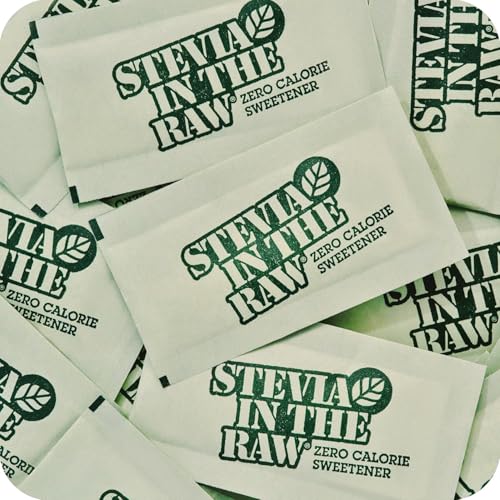
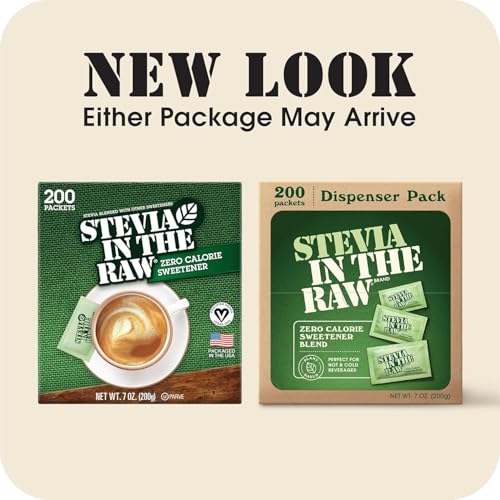
Stevia In The Raw Packets 200 Ct
Strengths
- High packet count
- No erythritol
- Easy to carry
Trade-offs
- Noticeable aftertaste
- Less balanced flavor
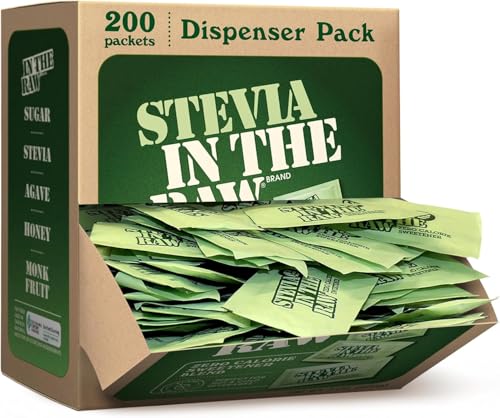
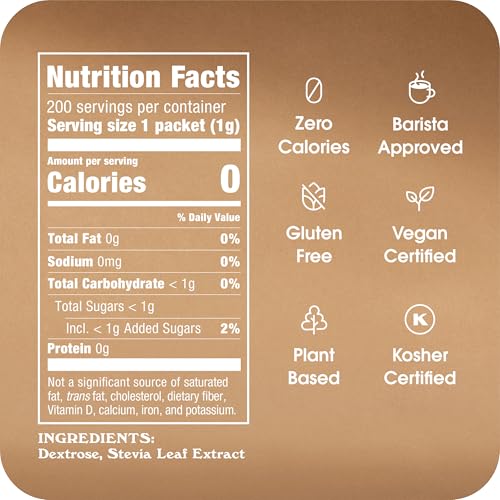
With 200 packets per box, Stevia In The Raw is built for volume users. It’s one of the most accessible stevia options on the market, and the fact that it contains no erythritol or artificial flavors keeps it simple and clean. Owners praise its reliability in coffee and tea, and the low glycemic impact makes it a favorite among diabetics and keto followers alike.
But simplicity comes with trade-offs. Stevia alone tends to have a sharper sweetness curve and a lingering aftertaste that some describe as licorice-like. Compared to blends with monk fruit or allulose, it’s less smooth. That said, if portability and value are your top concerns, and you don’t mind a more assertive flavor, this is a hard package to beat.
Product photos


Swerve Granular Sugar Substitute

Strengths
- Tastes like sugar
- Bakes like sugar
- Zero net carbs
Trade-offs
- Cooling aftertaste
- Poor cold solubility
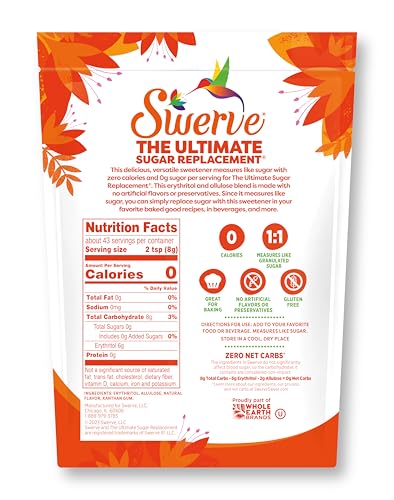
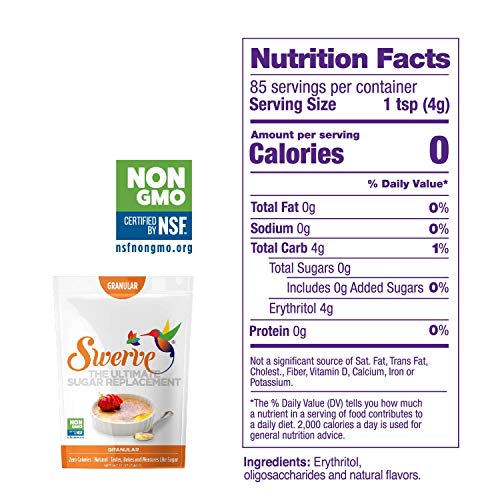
Swerve stands out in the keto sweetener space because it actually behaves like sugar in recipes. The fact that it browns and caramelizes is a big deal for anyone who bakes, the texture and volume it brings to cookies or cakes is something most substitutes can’t match. On paper, the blend of erythritol and oligosaccharides explains why it measures 1:1 with sugar and doesn’t spike blood glucose, which owners consistently highlight as a win for low-carb lifestyles.
That said, it’s not ideal for beverages. Some reviewers note it doesn’t dissolve fully in cold coffee, leaving a slight grit. And while it avoids the bitter aftertaste of stevia, it does have a cooling aftereffect, a trait common to erythritol-heavy blends. For baking, that’s easy to overlook. For stirring into your morning cup, it’s less appealing.
Product photos


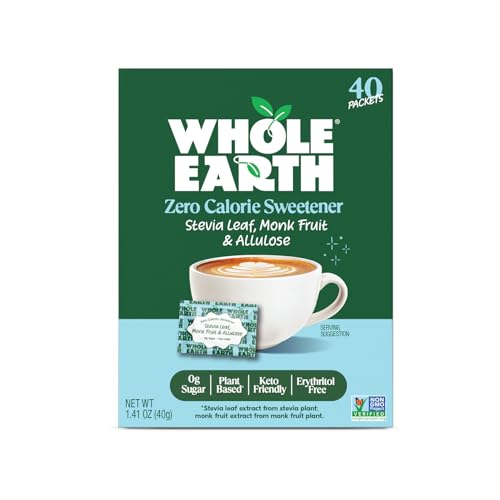
Whole Earth Stevia & Monk Fruit Packets
Strengths
- Clean ingredient blend
- Dissolves quickly
- Keto and diabetic friendly
Trade-offs
- Potential stevia aftertaste
- Smaller packet count
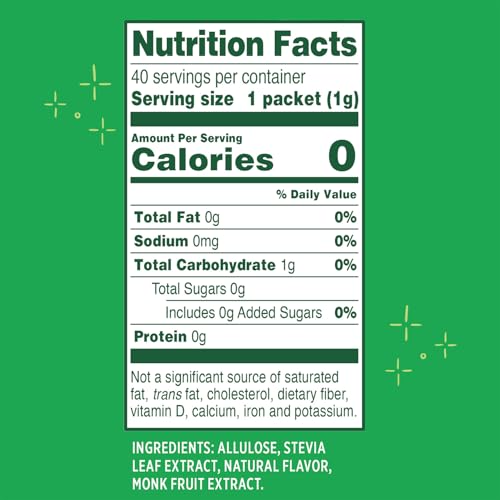
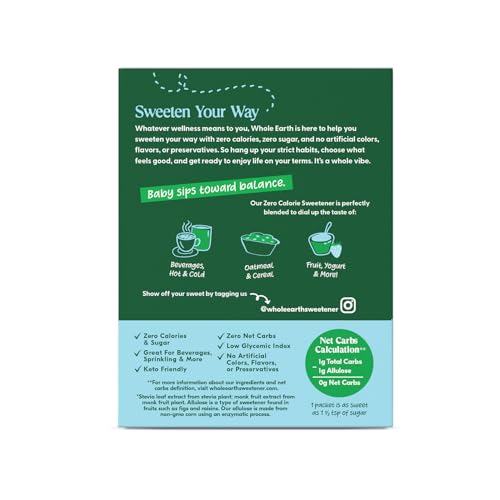
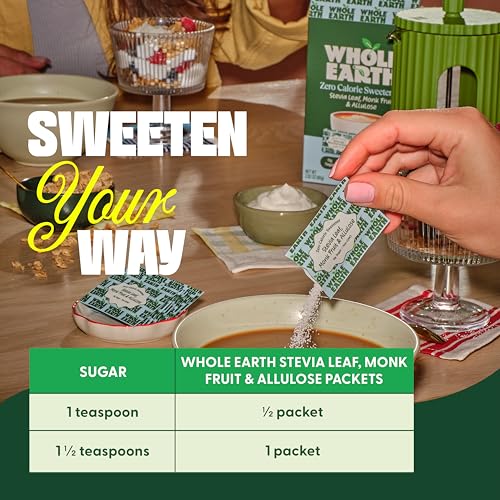
Blending stevia, monk fruit, and allulose is a smart move, each brings something to the table. Stevia adds intense sweetness with zero calories, monk fruit rounds it out with flavor, and allulose cuts the bitterness while improving mouthfeel. These packets dissolve fast in coffee, and owners love the convenience for travel or office use. The 40-count pack is smaller than others, but the formulation is more refined than single-ingredient options.
Still, stevia’s presence means there’s a slight risk of aftertaste, especially if you use multiple packets. Compared to pure allulose or monk fruit blends, this one walks a fine line, most people won’t notice, but sensitive palates might. It’s not the best for baking, but as a daily coffee sweetener in portable form, it’s a strong contender.
Product photos


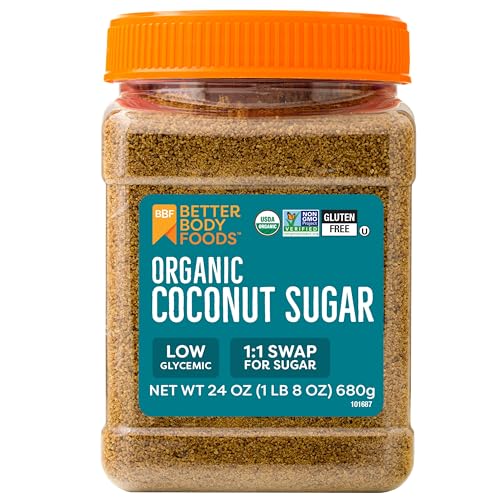
BetterBody Organic Coconut Sugar
Strengths
- Natural caramel flavor
- Low glycemic index
- Easy 1:1 swap
Trade-offs
- Contains calories and carbs
- Not keto compliant
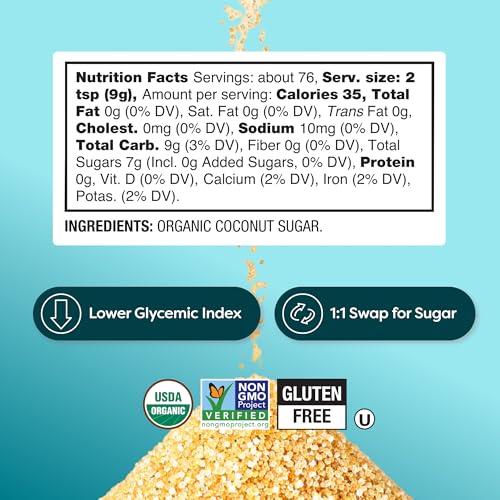
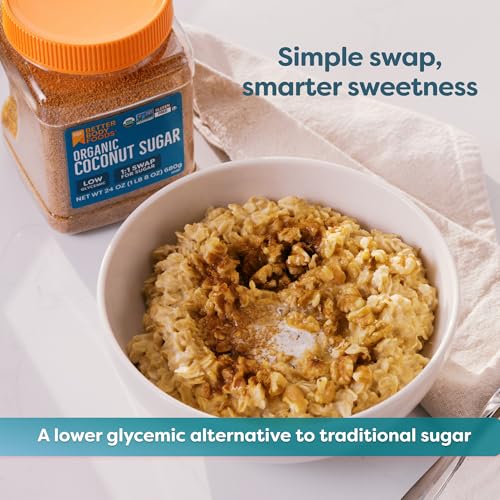
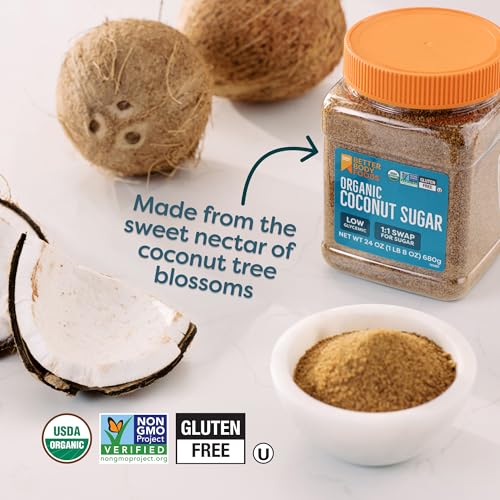
Coconut sugar isn’t zero-calorie, but it brings something rare: real depth of flavor. With its mild caramel notes, it adds richness to coffee that artificial and zero-calorie substitutes can’t replicate. It dissolves well in hot brews and works as a 1:1 swap for granulated sugar, making it an easy pantry upgrade for those who want a less processed option. It’s also low glycemic compared to white sugar, which owners appreciate for steady energy.
But it’s still sugar, just less refined. It has calories and carbs, so it’s not keto-friendly. If you’re trying to eliminate sugar entirely, this isn’t the pick. But if you’re looking for a natural-tasting alternative with better nutrition and a richer profile, especially in lattes or spiced coffee, this is my go-to recommendation.
Product photos


How We Chose These sugar alternative for coffee
My team and I approached researching sugar alternatives for coffee by first compiling a list of popular options, then comparing their published specifications – ingredients, calorie counts, glycemic index, and intended use cases like baking. We then thoroughly read owner reviews across multiple platforms (Amazon, specialty retailers) and considered expert opinions from food blogs and health websites. Ultimately, we ranked these alternatives based on how well they met common coffee drinker needs and dietary preferences.
For this category, taste and versatility were weighted most heavily. A sweetener can have a perfect nutritional profile, but if it leaves a noticeable aftertaste or only works in certain applications, it’s less useful. We also prioritized options that measure similarly to sugar, as ease of use is a big factor for everyday coffee preparation. A sweetener that requires complex conversions is less likely to be adopted long-term.
Specifications reliably demonstrate a product’s basic composition – ingredients and calorie content are straightforward. However, subjective qualities like aftertaste and how well a sweetener dissolves are best assessed through owner feedback. Reputation also played a role; established brands with consistently positive reviews gained preference, while newer or less-known options required stronger evidence to rank highly. Many people are also looking for a natural coffee sweetener instead of artificial options.
Choosing The Right sugar alternative for coffee
Finding the right sugar alternative for your coffee is about more than just cutting calories; it’s about preserving – or even enhancing – the flavor you love.
A quality sugar alternative should dissolve completely, avoid a lingering aftertaste, and maintain stability in both hot and cold beverages. Considerations should also be given to how the sweetener performs in baking if you enjoy sweetening homemade coffee treats. Look for options certified by reputable organizations like the USDA Organic or Non-GMO Project.
Understanding Sweetness Profiles
Different sweeteners impact taste buds differently. Monk fruit and stevia, for example, often have a noticeable aftertaste that some find unpleasant, while allulose aims to mimic sugar’s mouthfeel more closely. I’ve found that blending sweeteners – like the best blend (stevia + monk fruit) options – can mitigate these individual drawbacks, creating a more rounded sweetness. Don’t assume one is universally “better.” Your preference is key, and it might take experimenting to find what complements your coffee best.
Considering Your Dietary Needs
Beyond simply reducing sugar intake, many people have specific dietary restrictions. Keto dieters need zero-carb options like Swerve, while others may prioritize organic or plant-based sweeteners. If you’re watching your blood sugar, pay attention to the Glycemic Index (GI). Coconut sugar, while still a sugar, has a lower GI than refined white sugar and can be a good choice if you’re looking for a more natural option. It’s also worth noting that some individuals experience digestive upset with sugar alcohols like erythritol, so starting with a small amount is wise.
Here’s how to think about dietary compatibility:
- Keto/Low-Carb: Prioritize sweeteners with zero net carbs, like Swerve or pure monk fruit extract.
- Organic/Natural: Look for USDA Organic certified options like BetterBody Organic Coconut Sugar or Pyure Organic Stevia.
- Digestive Sensitivity: Start with small amounts of polyols (like erythritol) and monitor your body’s response.
Evaluating Convenience and Cost
The form of your sweetener matters. Packets, like those from Stevia In The Raw or Whole Earth, are ideal for portability and portion control. Granular sweeteners, such as Swerve or Monk Fruit In The Raw, function much like sugar in baking and are convenient for everyday use. Liquid sweeteners, like Pyure, offer precise dosing but can be messier.
A little goes a long way with concentrated sweeteners. Always start with a small amount and adjust to taste.
Ultimately, cost per serving is a crucial factor. While some sweeteners might have a higher upfront price, their concentration means a single container can last a long time. Exploring top coffee sugar alternatives will give you a good overview of price points and serving sizes. Don’t forget to consider adding cinnamon as sweetener for a natural, flavorful boost!
Sugar Alternative for Coffee Compared
Here’s a comparison of key specifications to help you choose the right sugar alternative for your coffee.
| Product Name | Sweetener Type | Calories | Net Carbs | Aftertaste | Best Use |
|---|---|---|---|---|---|
| Lakanto Monk Fruit Sweetener | Monk Fruit/Allulose | 0 | 0 | Minimal | Baking/General |
| Pyure Organic Liquid Stevia | Stevia | 0 | 0 | Minimal | Beverages |
| Monk Fruit In The Raw | Monk Fruit | 0 | 0 | Minimal | Baking/General |
| Stevia In The Raw Packets | Stevia | 0 | 0 | Possible | Portability |
| Swerve Granular | Erythritol/Monk Fruit | 0 | 0 | Minimal | Baking |
| Whole Earth Stevia & Monk Fruit | Stevia/Monk Fruit | 0 | 0 | Minimal | General |
| BetterBody Organic Coconut Sugar | Coconut Sugar | 4 | 12 | Possible | Natural Flavor |
Frequently Asked Questions
What’s the best sugar alternative if I dislike aftertaste?
Lakanto Monk Fruit Sweetener and Swerve Granular consistently receive high marks for minimal aftertaste, due to their blend of sweeteners. Many people find allulose, a component of Lakanto, closely mimics the taste of sugar, making it a good starting point if you’re sensitive to typical stevia or monk fruit flavors.
Are any sugar alternatives suitable for people with diabetes?
Yes, many are. Options like Swerve, Lakanto, and pure monk fruit extract have a glycemic index of zero and won’t significantly impact blood sugar levels. However, individual responses vary, so monitoring blood glucose is always recommended when trying a new sugar replacement for coffee.
Can I use sugar alternatives in iced coffee without issues?
Generally, yes, but solubility can be a factor. Granular sweeteners like Swerve dissolve well in both hot and cold liquids. Liquid stevia, like Pyure Organic Liquid Stevia, dissolves instantly, making it excellent for iced coffee. Coconut sugar may require more stirring to fully dissolve in cold beverages.
Which is better for baking: stevia or erythritol?
Erythritol-based sweeteners, like Swerve, are generally better for baking because they bulk up like sugar and don’t introduce the same moisture imbalances that stevia sometimes does. Stevia is quite potent, so it requires careful conversion and can alter the texture of baked goods if not used correctly.
What’s the difference between monk fruit and allulose?
Monk fruit extract provides sweetness without calories, but allulose enhances the flavor profile and adds a texture closer to that of sugar. Allulose also browns similarly to sugar when baked, which monk fruit doesn’t, making it an appealing option for those seeking a more traditional baking experience – you can find more detail on allulose as coffee sweetener.
The Bottom Line
Choosing a sugar alternative really comes down to balancing what you’re willing to compromise on. Do you prioritize a completely neutral taste, even if it means a slightly higher price point? Or are you happy to adjust to a subtle aftertaste in exchange for a more affordable option? Based on overall performance and positive owner feedback, I recommend Lakanto Monk Fruit Sweetener as the strongest all-around choice. It consistently receives praise for its clean sweetness and versatility.
For those with specific needs, several alternatives stand out. If you’re on a keto diet, Swerve Granular is a clear winner with zero net carbs. For convenience on the go, Stevia In The Raw Packets are hard to beat, and if you’re looking for a more natural approach to sweeten coffee without sugar, BetterBody Organic Coconut Sugar offers a lower Glycemic Index.
Ultimately, the “best” sweetener is the one you enjoy most. Don’t get too hung up on individual specs like calorie counts or glycemic index. Focus instead on finding a sweetener that complements your coffee’s flavor, fits your dietary requirements, and doesn’t introduce unwanted tastes. A truly satisfying cup is about the whole experience, and the sweetener is just one piece of that puzzle.
