
7 Best Sugar Replacements for Coffee 2026
The Swerve Granular Sugar Substitute stands out as the best overall sugar replacement for coffee, delivering clean sweetness without aftertaste and dissolving easily. For a budget-friendly option, the Lakanto Monk Fruit Sweetener Packets are a solid pick, especially for on-the-go use. If you want a richer, brown sugar-like flavor, Micro Ingredients Golden Monk Fruit is our top versatility choice.
Most people start looking for a sugar replacement because they want to cut calories or manage blood sugar, but end up frustrated by bitter aftertastes or sweeteners that don’t dissolve. Some options leave a cooling sensation, others upset sensitive stomachs, and many just don’t taste right next to good coffee.
I researched the most talked-about sugar replacements, comparing ingredient lists, glycemic impact, solubility, and real-world feedback from long-term users. These picks balance clean flavor, dietary needs, and practical use, whether you’re stirring into a morning cup or baking with coffee-infused recipes.
Top 7 Sugar Replacement For Coffee in the Market
The Best Sugar Replacement For Coffee, Reviewed
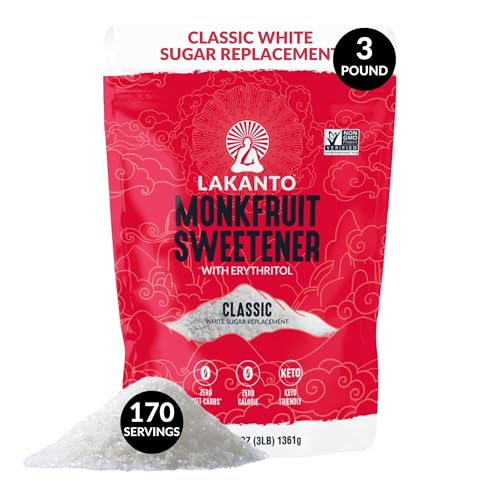
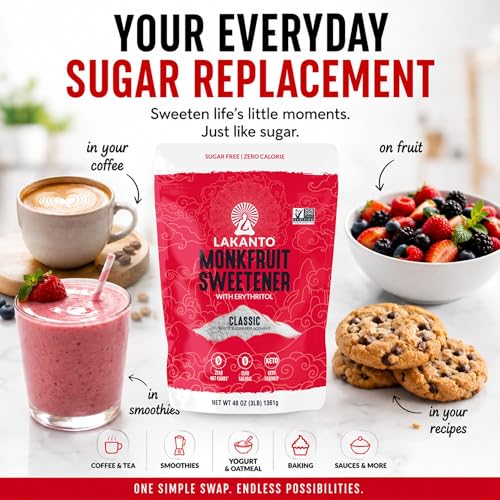
Lakanto Monk Fruit Sweetener 3 lb
Strengths
- 1:1 sugar replacement
- Dissolves easily
- Great for baking
Trade-offs
- Contains erythritol
- Not organic
This 3 lb bag is why Lakanto dominates the sugar substitute space. It’s the complete package: monk fruit and erythritol in a 1:1 ratio that mimics white sugar in taste, texture, and function. Reviewers consistently praise how well it dissolves in coffee and performs in baking, cookies spread, cakes rise, sauces thicken. It’s the most balanced option across categories.
When stacked against Pyure, it lacks organic certification, but the performance is identical at a better price per ounce. Against Swerve, it has a cleaner ingredient list (just two components) and a slightly more natural sweetness. For most buyers, this is the easy pick, it’s reliable, versatile, and cost-effective over time. If there’s one sweetener to keep in your pantry, this is it.
Product photos



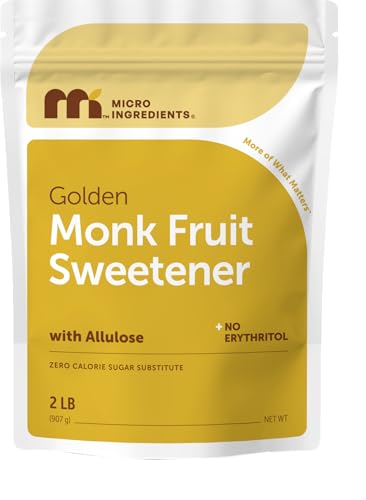
Micro Ingredients Golden Monk Fruit 2 lb
Strengths
- No erythritol
- Browns like sugar
- No aftertaste
Trade-offs
- Higher cost
- Allulose may cause sensitivity
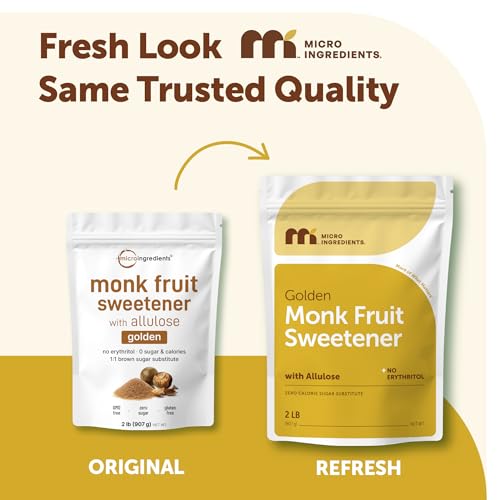
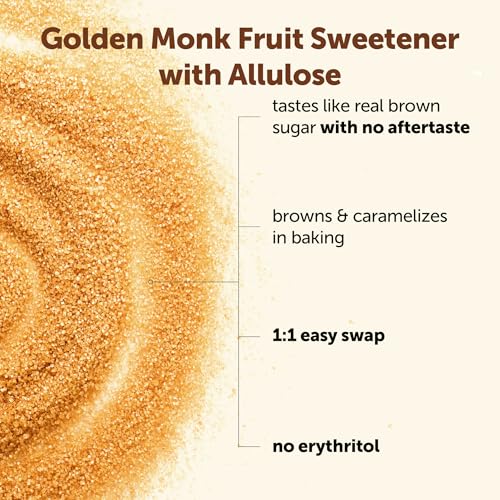
Allulose is the quiet standout in sugar substitutes, and Micro Ingredients puts it front and center. This blend skips erythritol entirely, which means no cooling aftertaste, a common turnoff in monk fruit-erythritol mixes. The golden texture and allulose base allow it to brown and caramelize like real brown sugar, something most zero-calorie sweeteners fail at. Owners praise its performance in baked goods and its smooth integration into hot coffee.
The 2 lb pouch offers great value for frequent users. Compared to Swerve’s erythritol-based line, this one behaves more like traditional sugar in both cooking and mouthfeel. If you’ve been burned by gritty textures or fake sweetness before, this one feels like a step forward. It’s not the cheapest, but for those who bake often or hate aftertastes, it’s worth the investment.
Product photos



Lakanto Classic Monk Fruit 8.29 oz

Strengths
- Clean ingredient list
- Tastes like sugar
- Great value
Trade-offs
- Small bag size
- Not USDA Organic
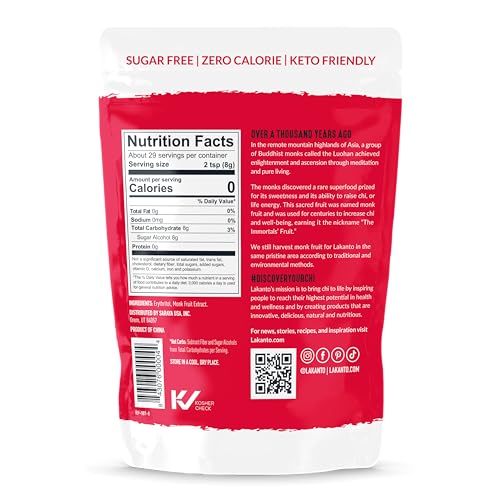
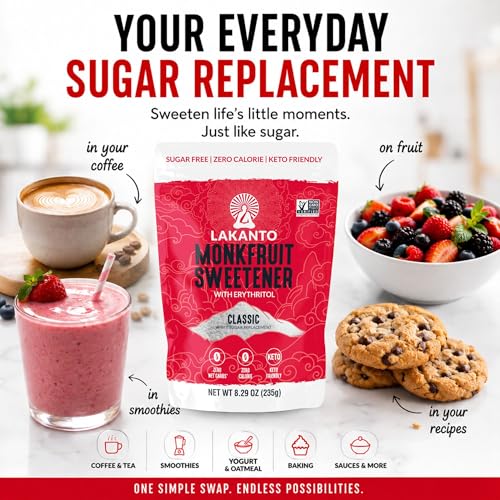
Lakanto’s 8.29 oz bag is a no-frills, dependable option that’s earned its reputation as a budget-friendly staple. It’s made with just two ingredients, monk fruit extract and erythritol, which is as clean as it gets. Reviewers note it mimics the taste and texture of white sugar remarkably well, especially in coffee and simple baked goods. The absence of additives makes it a favorite among keto dieters who want consistency without digestive surprises.
It’s not the cheapest per ounce when compared to bulk options, but it’s accessible and widely available. Against Pyure, it lacks organic certification but delivers nearly identical performance at a lower cost. For someone testing the waters with sugar alternatives, this is the smarter first buy.
Product photos

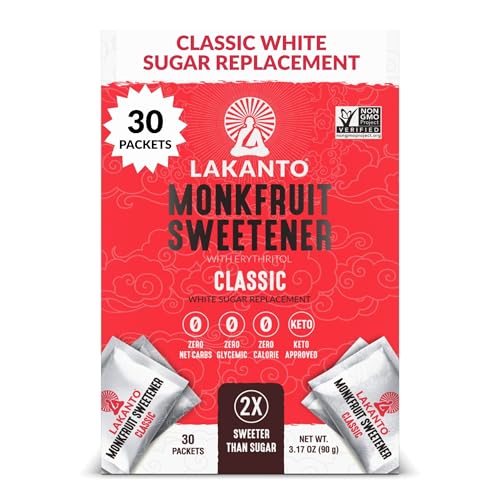
Lakanto Monk Fruit Sweetener Packets
Strengths
- Portable
- Easy to use
- No aftertaste
Trade-offs
- Not cost-effective
- Limited quantity
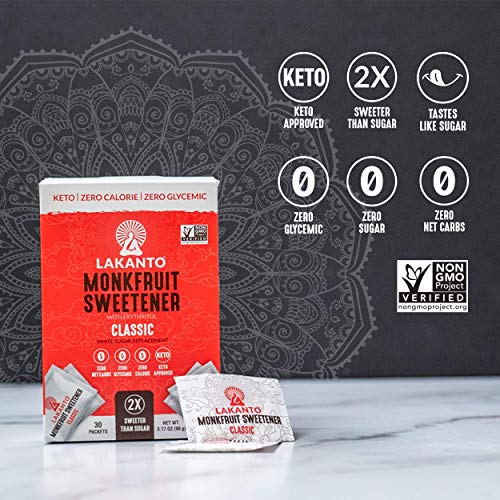
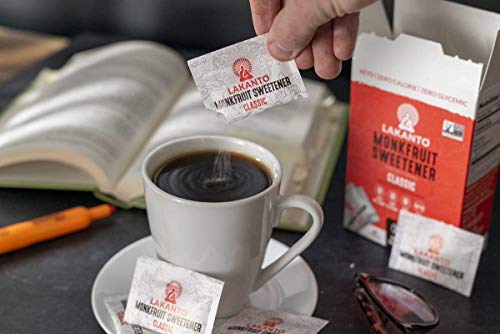
These 30-count packets are built for convenience, not bulk use. Toss a couple in your work bag or travel kit, each one dissolves fast in coffee, tea, or iced drinks without residue or bitterness. Lakanto’s classic monk fruit and erythritol formula is consistent here, just in portable form. Reviewers appreciate the precise dosing and clean taste, especially compared to stevia-based single-serve options that can turn licorice-like.
It’s not economical for daily home use, buying the 3 lb bag is far cheaper per serving. But for office use or travel, these win. Against other on-the-go brands, Lakanto’s taste profile is more sugar-like and less aggressive. If you’re the type who sweetens coffee outside the home, this is the easiest way to stay consistent.
Product photos


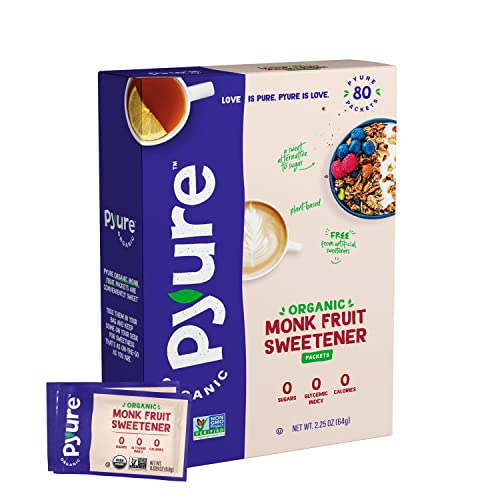
Pyure Organic Monk Fruit Packets
Strengths
- USDA Organic
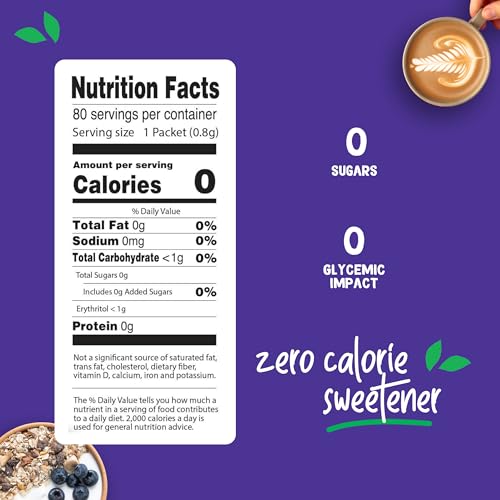
- Zero calorie
- Dissolves easily
Trade-offs
- Not ideal for baking
- Slightly pricier
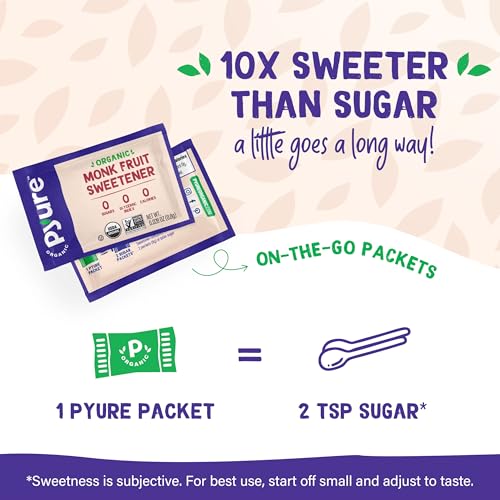
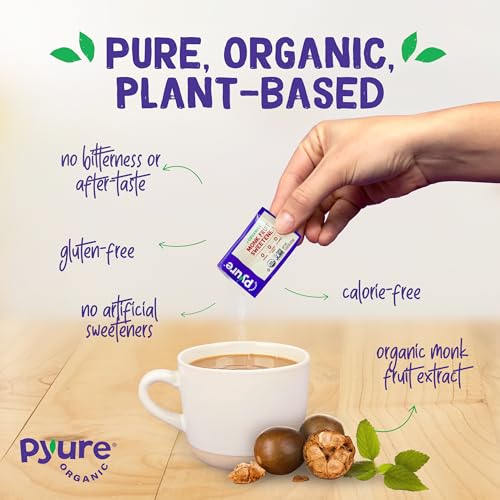
When you’re looking for a clean, plant-based sugar substitute that doesn’t compromise on ethics or purity, Pyure stands out. On paper, it’s built for buyers who prioritize USDA Organic certification and non-GMO sourcing, rare in this category. The blend of monk fruit and erythritol delivers a sweetness 10 times that of sugar, so a little goes a long way. Owners consistently report it dissolves well in hot coffee without leaving a bitter or metallic aftertaste, which is a common complaint with cheaper monk fruit blends.
That said, while it performs well in beverages, some reviewers note it doesn’t caramelize or brown in baking like real sugar. For daily coffee use and light cooking, it’s a strong contender. Compared to Lakanto’s classic line, Pyure leans more into its organic credentials, but doesn’t necessarily taste better. If clean sourcing is your top priority, this is a solid pick.
Product photos


Swerve Granular Sugar Substitute

Strengths
- Great taste
- Browns like sugar
- No aftertaste
Trade-offs
- Smaller bag
- Slightly gritty in cold drinks
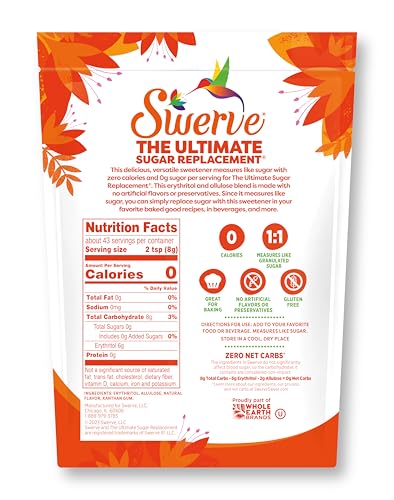
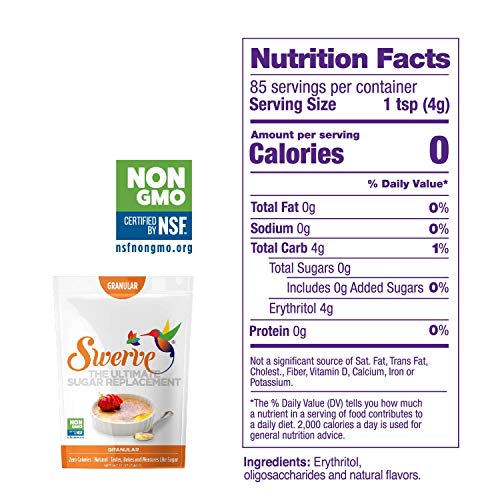
Swerve has built a cult following for one reason: it genuinely tastes like sugar, no caveats. Made from erythritol, oligosaccharides, and natural flavors, it delivers a sweetness profile with zero aftertaste, a win over many stevia and monk fruit options. It measures 1:1, browns, and caramelizes, making it a favorite in keto baking circles.
But the real win is in coffee. Owners consistently say it dissolves completely and doesn’t leave that faint chemical note some alternatives do. Compared to Lakanto, it lacks monk fruit, so it’s not marketed as “plant-powered,” but it performs more reliably across applications. The 12 oz size is fine for occasional use, but it’s not the best value for daily drinkers.
Product photos


MADHAVA Organic Coconut Sugar 3 lb

Strengths
- 1:1 sugar replacement
- Sustainably sourced
- Rich flavor
Trade-offs
- Contains calories
- Not keto-friendly
- Minimal blood sugar benefit
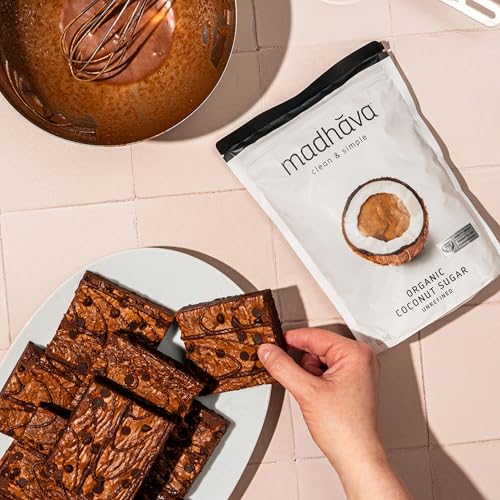
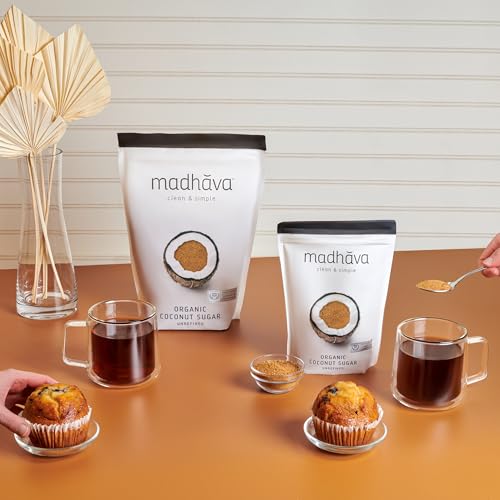
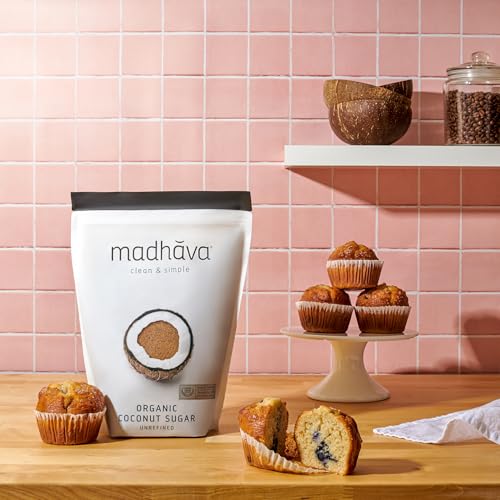
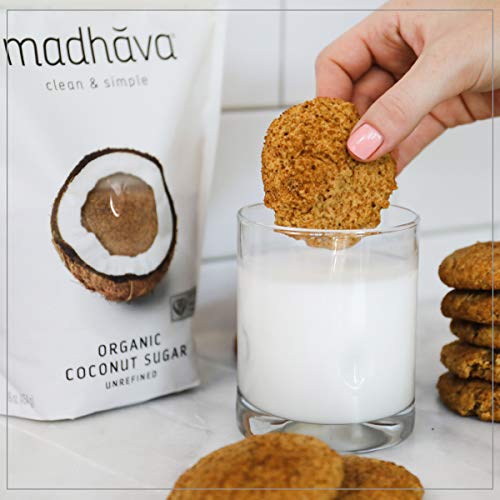
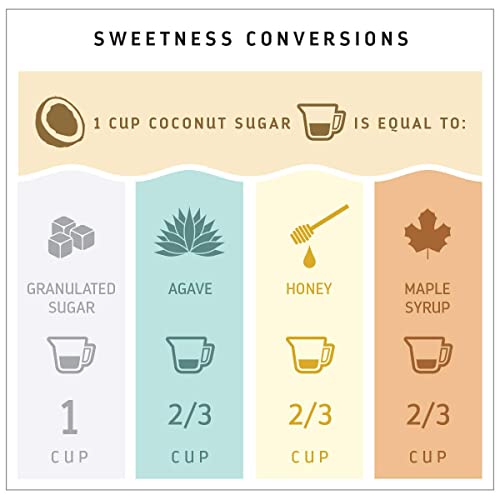
Coconut sugar isn’t zero-calorie, but if you’re after a natural, minimally processed alternative that still feels like real sugar, MADHAVA delivers. This is unrefined, 1:1 granulated sugar replacement with a caramel-like depth that works beautifully in coffee, especially darker roasts. The 3 lb bag offers serious longevity, and its sustainability story, with family farms in Indonesia and third-party purity testing, adds real appeal.
But let’s be clear: this is still sugar. It has calories and a glycemic impact, just lower than white sugar. For keto or diabetic diets, it’s not suitable. Still, for those transitioning from refined sugar who want a gentler step, MADHAVA’s coconut sugar is a thoughtful, earth-friendly choice. Compared to liquid sweeteners or artificial blends, it keeps the ritual of spooning sugar into your cup intact, just with more integrity.
Product photos
How We Chose These sugar replacement for coffee
As the founder of Bean Thusiast, I’ve always been fascinated by how we can enhance – or alter – the natural flavors of coffee. Rather than a hands-on lab test, this selection is a research-led comparison of published specifications and owner feedback across a range of sugar replacements. We analyzed features, ingredient lists, and customer reviews to understand which products perform best in everyday coffee brewing and baking scenarios. Our goal was to identify options for those seeking healthier alternatives to traditional sugar.
For this category, the most important factors were taste (specifically, the absence of unpleasant aftertaste) and versatility. A sweetener needs to dissolve well in hot coffee and integrate smoothly into recipes without altering texture. We also heavily weighted the glycemic impact, prioritizing options suitable for keto, diabetic, and low-carb lifestyles. Many people are now looking for alternatives to refined sugar, and using honey instead of sugar is one such option, but these replacements aim for a more neutral flavor profile.
Specifications reliably tell you about ingredients and calorie counts, but owner feedback proved critical for understanding real-world performance. Reports on aftertaste, solubility, and baking results were weighed heavily. Reputation – particularly regarding brand transparency and quality control – also influenced our rankings. While specs detail what is in a product, reviews reveal how it actually behaves in a cup of coffee or a batch of cookies.
Choosing The Right sugar replacement for coffee
Finding the right sugar replacement for your coffee is surprisingly nuanced. It’s not just about sweetness; it’s about texture, aftertaste, and how well it integrates with your brew.
A quality sugar replacement for coffee should dissolve completely, not introduce unwanted flavors, and ideally, mimic the mouthfeel of traditional sugar. Considerations should include glycemic impact, suitability for various brewing methods, and whether the user prioritizes a natural or highly-processed product. Pay attention to blends – often, combining sweeteners minimizes negative effects.
Sweetness Profile & Aftertaste
The biggest complaint with many sugar replacements is the aftertaste. Monk fruit and stevia are notorious for this, though blending them with erythritol (as Lakanto and Pyure often do) can mitigate it. Swerve, built on erythritol and allulose, consistently gets high marks for lacking that lingering bitterness. Ultimately, sweetness perception is subjective, so a sampler pack might be the best way to determine what you prefer. Don’t assume that “zero calorie” automatically means tasteless – some alternatives have a distinctly different flavor profile.
Ingredient Composition & Dietary Needs
Consider what else is in your sugar replacement. Many rely on erythritol, a sugar alcohol, which some people experience digestive upset with. Allulose is gaining popularity as a gentler alternative. If you’re strictly keto, you’ll want to prioritize zero-carb options like Swerve. For those seeking a more natural approach, MADHAVA’s organic coconut sugar offers a less processed option, though it does contain calories and carbohydrates. You might also want to review the best sugar substitute for coffee to understand the pros and cons of each ingredient.
Versatility & Form Factor
Think about how you take your coffee. Are you sweetening a single cup each morning, or do you batch brew cold brew that requires a larger quantity? Packets (like Lakanto and Pyure offer) are convenient for on-the-go use, but granular sweeteners are better for baking or larger volumes. If you enjoy brown sugar in coffee, Micro Ingredients’ Golden Monk Fruit blend is a clever option, mimicking the flavor and caramelization of brown sugar.
- For a quick stir-in, packets are hard to beat.
- Granular options are essential if you’re making iced coffee or cold brew concentrate, as they dissolve more readily.
- If you regularly bake with coffee or add sweetener to coffee-flavored desserts, a granular sweetener that behaves similarly to sugar (like Swerve) will save you a lot of recipe adjustments.
Don’t chase “perfect” sweetness. Start with a small amount of your chosen replacement and add more to taste. You can always add, but you can’t easily take away!
Sugar Replacement for Coffee Compared
Here’s a comparison of key specifications for various sugar replacement products suitable for coffee.
| Product Name | Sweetener Type | Calories per Serving | Keto Friendly | Organic | Packet/Bulk |
|---|---|---|---|---|---|
| Lakanto Monk Fruit 3 lb | Monk Fruit/Erythritol | 0 | Yes | No | Bulk |
| Micro Ingredients Golden Monk Fruit 2 lb | Monk Fruit/Allulose | 0 | Yes | No | Bulk |
| Lakanto Classic Monk Fruit 8.29 oz | Monk Fruit/Erythritol | 0 | Yes | No | Bulk |
| Lakanto Monk Fruit Sweetener Packets | Monk Fruit/Erythritol | 0 | Yes | No | Packet |
| Pyure Organic Monk Fruit Packets | Monk Fruit/Erythritol | 0 | Yes | Yes | Packet |
| Swerve Granular Sugar Substitute | Erythritol | 0 | Yes | No | Bulk |
| MADHAVA Organic Coconut Sugar 3 lb | Coconut Sugar | N/A | No | Yes | Bulk |
Frequently Asked Questions
What’s the best sugar replacement if I experience digestive issues with erythritol?
Allulose is generally gentler on the stomach than erythritol, so products like Micro Ingredients Golden Monk Fruit (which blends allulose with monk fruit) are a good starting point. However, individual tolerance varies, and even allulose can cause discomfort in sensitive individuals.
Do any sugar replacements actually enhance coffee flavor, rather than just sweetening it?
MADHAVA Organic Coconut Sugar, while not calorie-free, offers a subtle caramel flavor that some find complements coffee nicely, especially darker roasts. It won’t provide a neutral sweetness, but it can add depth.
Is monk fruit a good choice if I’m sensitive to bitter tastes?
Pure monk fruit extract can have a noticeable aftertaste, but most commercially available monk fruit sweeteners (like Lakanto and Pyure) blend it with erythritol to minimize this. Look for blends specifically formulated to reduce bitterness.
Where can I find more information on best sugar alternative for coffee options?
My site has a dedicated guide outlining many alternative sweeteners, going into detail about their origins, potential side effects, and suitability for different coffee types and brewing methods.
I’m looking for a granular sweetener for cold brew. Which one dissolves the easiest?
Swerve granular dissolves quickly in cold liquids, making it a convenient option for cold brew and iced coffee. Granular forms generally outperform packets in cold applications because they have a larger surface area for dissolution.
The Bottom Line
Choosing a sugar replacement for coffee often comes down to balancing your priorities – do you want absolute zero carbs, or are you willing to accept a few for a more natural ingredient list? Based on overall performance and positive owner feedback, Swerve Granular Sugar Substitute stands out as the most versatile and well-received option for most coffee drinkers. It dissolves easily, lacks the aftertaste common with some alternatives, and works beautifully in both hot and cold brews.
For those specifically seeking a keto-friendly and convenient choice, Lakanto Monk Fruit Sweetener Packets are an excellent pick. If you’re focused on organic ingredients, Pyure Organic Monk Fruit Packets deliver a natural sweetener in a handy, portable format. And if you’re exploring sweetening coffee without sugar altogether, Micro Ingredients Golden Monk Fruit offers a unique flavor profile that mimics brown sugar, opening up new possibilities for your coffee creations.
Ultimately, the “best” sugar replacement isn’t about a single perfect ingredient or calorie count. It’s about finding a product that complements your coffee and fits your lifestyle. Focus on solubility, aftertaste, and how well it integrates into your preferred brewing method – those fundamentals will make a bigger difference than any specification on a label.
