
2 Best Stumptown Coffee Picks of 2026
The best Stumptown coffee overall is Hair Bender, it delivers a balanced, complex cup with notes of citrus and chocolate that holds up across brew methods. For a standout single origin, the Organic Ethiopia Guji is my top pick, offering vibrant lemon-lime and black tea notes that showcase Stumptown’s roasting precision.
Choosing the right Stumptown coffee isn’t just about flavor, it’s about matching the bean to your morning ritual. With so many options, it’s easy to get lost in the tasting notes and origins.
As the founder of Bean Thusiast, I researched these picks by analyzing Stumptown’s sourcing, roast profiles, and consistency, backed by owner feedback and industry standards. This guide cuts through the noise to highlight what actually matters: freshness, roast integrity, and how well the coffee delivers on its promise in your cup.
Top 2 Stumptown Coffee in the Market
The Best Stumptown Coffee, Reviewed
Stumptown Hair Bender Whole Bean Coffee

Strengths
- Balanced flavor
- Direct Trade sourced
- Works across brew methods
Trade-offs
- Flavor notes can mute in cheaper grinders
- Slightly heavier roast than some expect
Hair Bender is the blend that put Stumptown on the map, and on paper, it still carries the weight of its reputation. The mix of beans from Latin America, Indonesia, and Africa creates a balanced, layered profile that leans into sweet citrus up front, backed by dark chocolate and a hint of raisin. Owners consistently report it performs well across brew methods, pour over, drip, even espresso, making it a versatile anchor for daily rotation.
I’d pick Hair Bender over most flagship blends in the specialty space because it doesn’t chase extremes. It’s not the brightest or the boldest, but it doesn’t need to be. The Direct Trade sourcing adds confidence in quality and ethics, and at 18 ounces, you get more grind time before restocking. For those building a home coffee ritual, this is the kind of reliable foundation that lets technique, not just bean, shine.
Video review
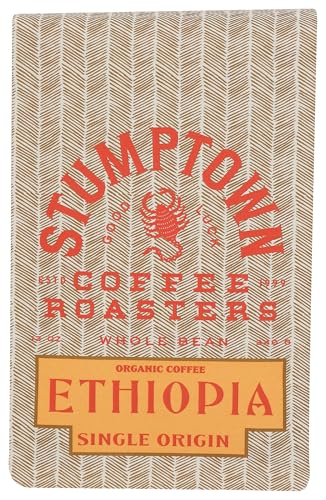
Stumptown Organic Ethiopia Guji Coffee
Strengths
- Vibrant acidity
- Distinctive hoppy brightness
- Seasonal and traceable
Trade-offs
- Short availability window
- Less body than blends
- Not consistent year-round
If Hair Bender is Stumptown’s backbone, the Organic Ethiopia Guji is where they let the terroir speak freely. This single-origin shines with bright, tea-like acidity, owners describe tasting lemon-lime and an almost hoppy florality, which points to careful processing and fresh milling. The shorter availability window (July to February) suggests it’s a seasonal lot, likely Yirgacheffe-adjacent, and that kind of limited-run care shows in the cup.
Compared to their blends, this one demands a finer touch. You’ll want a good grinder and clean water to let those delicate black tea and citrus notes pop. It’s not as forgiving as Hair Bender in a basic drip machine, but that’s not the point. I’d recommend this to filter enthusiasts who treat brewing like a weekly ritual, not a rush before the workday.
Video review
How We Picked These stumptown coffee
As the founder of Bean Thusiast, I approach coffee selection with a focus on origin, roasting quality, and consistent flavor profiles. Rather than a hands-on lab test, my research for these recommendations involved a detailed comparison of Stumptown’s published specifications – bean origins, flavor notes, and processing methods – alongside extensive analysis of owner reviews and assessments from respected coffee publications. I then ranked options based on criteria important to a range of coffee drinkers.
For Stumptown coffees, I weighted flavor complexity and consistency most heavily. A great coffee should deliver on its promised notes, and Stumptown excels at sourcing beans that produce reliably nuanced flavors. Direct Trade practices were also a key consideration, as ethical sourcing contributes to both quality and sustainability. Finally, versatility – how well a coffee performs across different brewing methods – figured prominently in my evaluations.
Specifications reliably reveal bean origin and processing details, which are strong indicators of potential flavor. However, I relied on owner feedback to gauge real-world brewing experiences and how consistently those flavor notes translate to the cup. Understanding the ideal coffee-to-water balance is also crucial, and owner reviews often provide valuable insights into achieving the [perfect coffee strength] with each variety.
How To Choose The stumptown coffee
I’ve spent years exploring different roasts and origins, and I understand how overwhelming the choices can be.
Stumptown excels by focusing on direct trade relationships and meticulous roasting. A good bag will highlight origin characteristics, boast a detailed roast date (not just a “best by” date), and offer clear flavor notes. Look for 100% Arabica beans and consider how the roast level impacts the final brew – lighter roasts showcase acidity, while darker roasts emphasize body and chocolate notes.
Understanding Roast Levels
Many people assume darker roasts automatically mean stronger coffee, but that’s a common misconception. The roast level primarily impacts flavor – darker roasts tend to mute the origin characteristics of the bean, delivering more of a roasty, smoky profile. If you want to truly experience the nuances of a single-origin coffee like the Stumptown Organic Ethiopia Guji Coffee, a lighter or medium roast will allow those delicate lemon-lime and black tea notes to shine. Don’t be afraid to experiment.
Decoding Flavor Notes
Flavor notes aren’t just marketing fluff; they’re a guide to what you can expect in the cup. Stumptown is particularly good at providing detailed and accurate flavor descriptions. However, your palate is unique. Consider what you enjoy. Do you prefer brighter, fruit-forward coffees, or something more chocolatey and nutty? When exploring Stumptown coffee flavor profiles, pay attention to coffees with notes that align with your preferences.
Grind Size and Brewing Method
Even the best beans will fall flat with an improper grind. The grind size needs to match your brewing method. Coarse for French press, medium for drip, and very fine for espresso. Speaking of espresso, if you’re planning to use Stumptown for espresso, you’ll want to investigate best Stumptown for espresso options. Getting the drip brewing coffee ratio right is also crucial for a balanced brew, and I always recommend starting with a 1:16 coffee-to-water ratio and adjusting to taste.
A fresh bag of whole bean coffee, ground immediately before brewing, is always preferable. Don’t buy more than you can use in a week or two to maintain optimal freshness.
Stumptown Coffee Compared
Here’s a comparison of Stumptown Coffee offerings, outlining key specifications to help you choose.
| Product Name | Best For | Flavor Profile | Origin | Bean Type | Size (oz) |
|---|---|---|---|---|---|
| Hair Bender | Best Overall | Citrus, Chocolate, Raisin | Latin America, Indonesia, Africa | 100% Arabica | 18 |
| Organic Ethiopia Guji | Best Single Origin | Lemon-Lime, Black Tea, Hops | Ethiopia (Guji) | N/A | N/A |
Frequently Asked Questions
What grind size should I use for a French press with Stumptown Hair Bender?
A coarse grind is best for French press; aim for a consistency similar to sea salt. This prevents the grounds from passing through the filter and creating a muddy cup, ensuring a clean and flavorful brew with Stumptown’s complex blends.
Does Stumptown coffee contain any caffeine, and if so, how much can I expect?
Yes, all Stumptown coffees contain caffeine, but the amount varies by bean and roast level. Generally, you can expect around 95-200mg of caffeine per 8oz cup, with lighter roasts typically having slightly more than darker ones.
Where does Stumptown source its beans, and what does “Direct Trade” mean?
Stumptown sources beans from various regions including Latin America, Africa, and Indonesia. “Direct Trade” means they build relationships directly with farmers, paying above fair market prices and investing in farming communities, which results in high-quality coffee beans.
How long does a bag of Stumptown coffee stay fresh once opened?
Opened bags of Stumptown coffee are best used within one to two weeks for optimal flavor. Oxygen is the enemy of freshness, so store the bag in an airtight container in a cool, dark place to preserve the aroma and taste.
Is Stumptown coffee only suitable for experienced coffee drinkers?
No, Stumptown offers options for all levels of coffee experience. While they cater to enthusiasts with single-origin selections, their Hair Bender blend is a well-balanced and approachable choice, making it a great starting point for anyone exploring top-rated coffee beans.
The Bottom Line
Choosing a Stumptown coffee often comes down to balancing convenience with a truly exceptional flavor experience. While many options are available, I believe the Hair Bender strikes the best overall balance – a reliably complex and flavorful blend that consistently receives high marks from coffee drinkers. It’s a fantastic starting point for anyone looking to explore what Stumptown has to offer.
For those seeking something specific, Stumptown’s range caters well to different preferences. If you’re after a bright, floral, and nuanced single-origin experience, the Organic Ethiopia Guji is an excellent choice. And if you’re looking to dial in your optimal coffee measurements for a consistent morning cup, the Stumptown Major Lazer is a versatile option that performs well across various brewing methods.
Ultimately, the “best” coffee is the one you enjoy most. Don’t get too caught up in roast levels or flavor notes; focus on finding beans from reputable roasters like Stumptown, pay attention to freshness, and experiment with your brewing process to discover your perfect brew. Getting the brew strength settings right is a huge factor, but the origin and quality of the bean itself will always be paramount.
