
8 Best Roasted Coffee Beans of 2026
The best overall roasted coffee beans are Cameron’s Organic Scandinavian, a rich and flavorful medium-dark roast that delivers exceptional balance and depth. For a budget-friendly option, Lavazza Super Crema offers a bold, creamy profile at a lower price point, while Amazon Fresh Just Bright is a standout for those who prefer a clean, vibrant light roast.
Choosing the right roasted coffee beans can feel overwhelming, there’s no shortage of options, but not all deliver on flavor, freshness, or value. As someone who’s spent years deep in the world of coffee sourcing and brewing, I know how much roast level, origin, and bean type matter in shaping your daily cup.
This guide cuts through the noise by focusing on what actually moves the needle: real user feedback, transparent sourcing, and consistent quality. I looked at dozens of popular roasts, comparing their specs and reputation to find the ones most likely to satisfy different tastes and brewing styles.
Top 8 Roasted Coffee Beans in the Market
The Best Roasted Coffee Beans, Reviewed
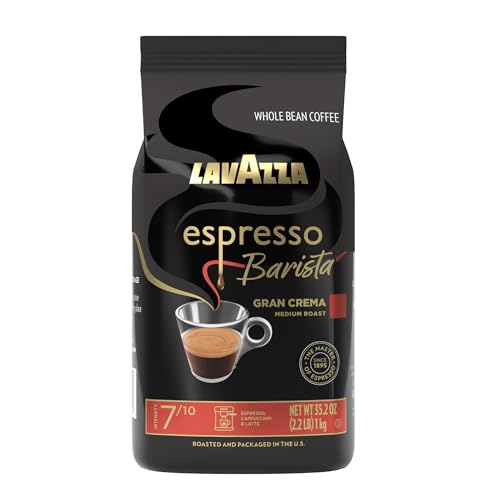
Lavazza Barista Gran Crema
Strengths
- High intensity
- Long-lasting bag
- Rich crema
Trade-offs
- Contains Robusta
- Not for light roast fans
- Overpowering in milk
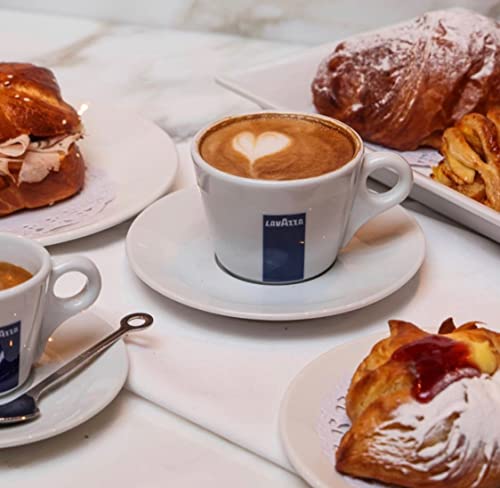
This is Lavazza’s heavier hitter, darker roast, intensity rated at 7/10, and built for espresso lovers who want boldness without tipping into char. The blend of Arabica and Robusta beans brings a full body and aromatic notes of honey and roasted coffee, which owners say translates into a rich, syrupy shot with a lingering finish. At 2.2 pounds, it’s also one of the largest bags in the espresso category, making it economical for frequent users.
Compared to Super Crema, Gran Crema leans darker and more assertive, better for straight shots or cappuccinos where you want the coffee to dominate. It’s not a single-origin revelation, but it’s engineered for performance. In this class, where consistency matters as much as flavor, it earns its ‘Best Overall’ label by balancing richness, availability, and machine compatibility.
Product photos

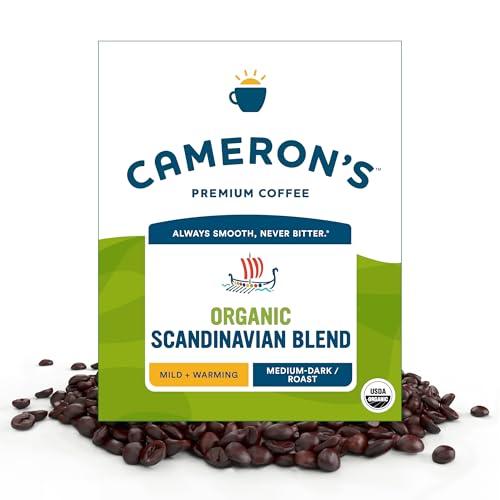
Cameron’s Organic Scandinavian Blend
Strengths
- Certified organic
- Large 4 lb bag
- Smooth, rich flavor
Trade-offs
- Not for light roast fans
- May stale if not used fast
- Limited origin details
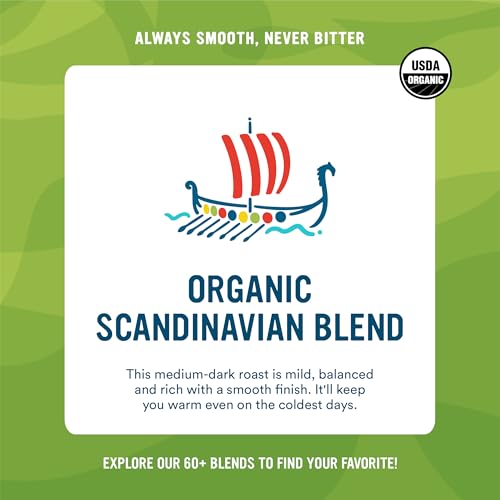
Cameron’s Organic Scandinavian Blend stands out by combining a niche profile, Scandinavian roast, with certified organic sourcing. That means a medium-dark roast that’s rich and warming but avoids the charred notes of American dark roasts. Owners appreciate its smoothness and depth, with low acidity and a rounded, almost malty sweetness. At 4 pounds, it’s one of the largest bags here, ideal for high-volume households that want organic without constant repurchasing.
The brand emphasizes small-batch roasting and sustainable sourcing, and while it’s not a direct-trade micro-lot, it delivers better transparency than most supermarket organics. Compared to other organic options, it’s more flavorful and less one-dimensional. If you want a no-fuss organic coffee that still tastes intentional, this is the smarter buy.
Product photos



Starbucks French Roast
Strengths
- Intense flavor
- Ethically sourced
- Versatile brewing
Trade-offs
- Overpowering for some
- Low acidity
- Not origin-focused
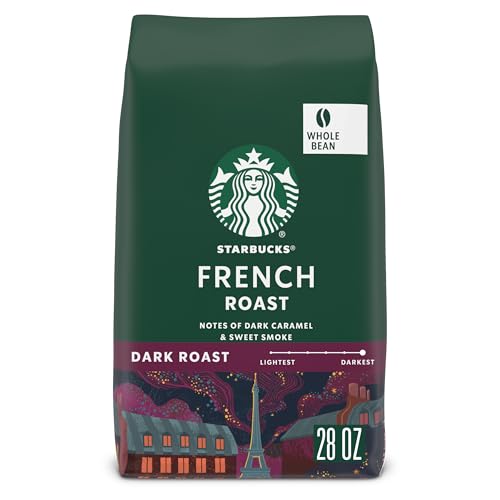
Starbucks French Roast is the definition of a bold, no-compromise dark roast. Roasted until it’s as dark as they go, it delivers intense, smoky notes with a backbone of dark caramel, owners say it’s assertive, almost aggressive, in the best way if you love that campfire depth. At 28 ounces, it’s a solid size, and the 100% Arabica beans are ethically sourced, which adds peace of mind.
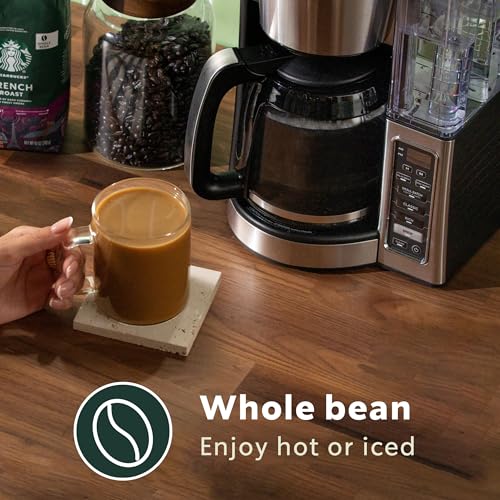
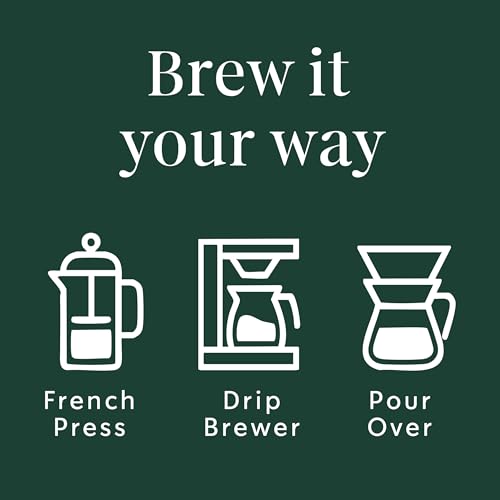
Compared to Copper Moon’s Sumatra, it’s less about origin nuance and more about roast power. It’s not subtle, but it’s consistent. It works across methods, drip, French press, moka pot, but really shines when you want a coffee that dominates. If you’re the type who finds most dark roasts too timid, this is your anchor.
Product photos

Copper Moon Sumatra Blend

Strengths
- Earthy, complex notes
- Sustainable sourcing
- Smooth full body
Trade-offs
- Not for bright roast fans
- Earthy tone may divide
- Hard to find in stores
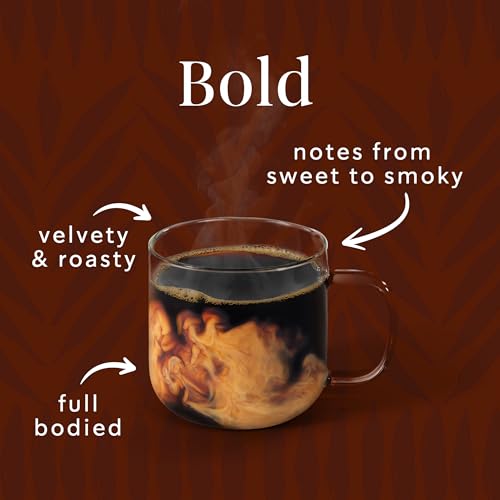
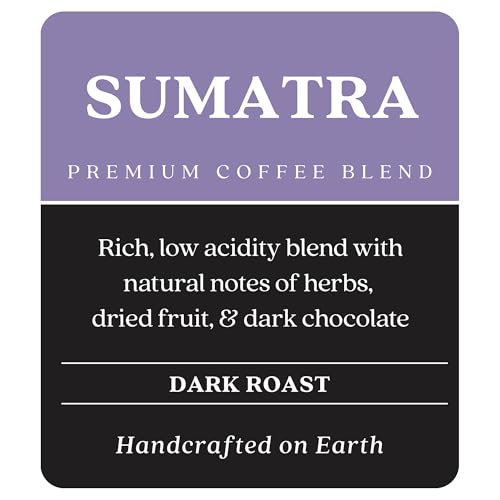
Copper Moon’s Sumatra Blend is for those who love earthy, brooding dark roasts with a sense of place. The volcanic soil of Sumatra gives these beans a naturally heavy body and flavor notes of dark cherry, cacao, and a smoky finish, owners say it brews like a café-quality cup with a syrupy mouthfeel. The 2-pound bag is well-sized, and the brand’s focus on sustainable sourcing from small farms adds ethical weight.
What sets it apart from other dark roasts like Starbucks French Roast is its terroir-driven profile. While Starbucks goes for roast intensity, Copper Moon leans into origin character. It’s still a dark roast, but not burned, retaining nuance beneath the depth. For lovers of earthy, musty, or spice-toned coffees, this is a standout.
Product photos



Amazon Fresh Just Bright

Strengths
- Bright acidity
- Large bag
- Clean finish
Trade-offs
- Subtle flavor
- Not bold
- Limited origin info
This is Amazon’s quiet win in the light roast space, clean, crisp, and built to highlight the brighter side of Central and South American Arabicas. At 32 ounces, it’s a substantial bag, and the fact that it’s roasted in the U.S. adds freshness credibility. Owners note it brews with a tea-like clarity, mild acidity, and subtle sweetness, making it a strong contender for pour-over or Chemex fans who want to taste nuance without roast interference.
It won’t deliver the depth of a medium or dark, but that’s not the point. Compared to other budget light roasts, it avoids the flat, grassy notes that plague lower-tier bags. It’s not single-origin, so don’t expect terroir fireworks, but for an everyday light roast that’s consistent and accessible, it outperforms its price. My recommendation? Try it with a V60, let the brightness shine.
Product photos


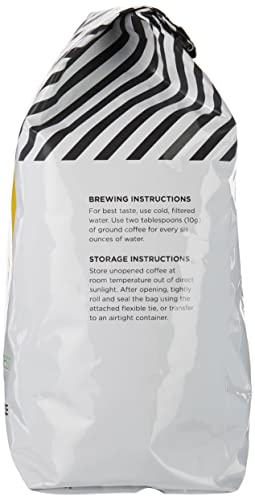
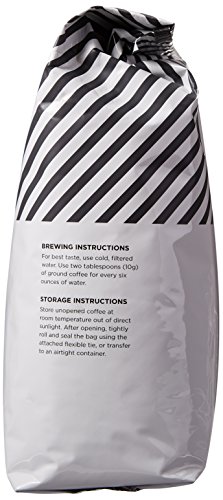
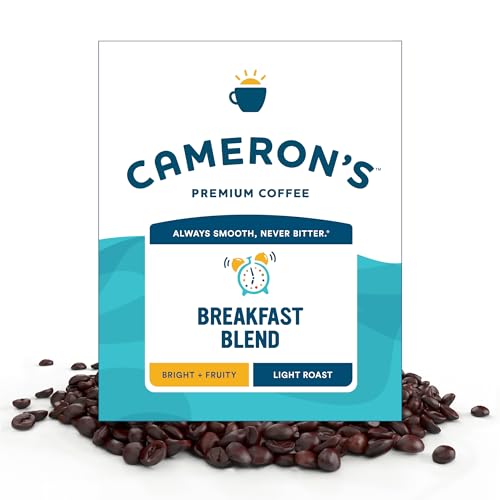
Cameron’s Breakfast Blend
Strengths
- Smooth, never bitter
- Large 4 lb bag
- Great body
Trade-offs
- Mild flavor
- Not complex
- May feel bland to some
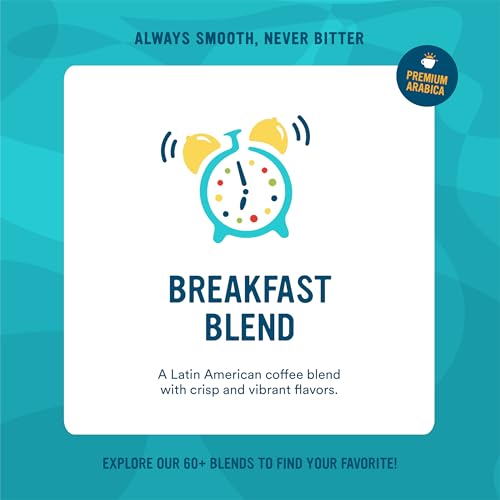
This is a textbook breakfast coffee, mild, rich, and designed to be inoffensive in the best way. Cameron’s Breakfast Blend uses Central and South American beans, slow-roasted for a smooth profile that won’t shock you first thing in the morning. Owners consistently praise its lack of bitterness, which is a real win for those sensitive to acidic or sharp notes. The 4-pound bag size makes it perfect for households that go through coffee fast.
It’s not flashy, but it’s dependable. Compared to Eight O’Clock or Amazon Fresh, it’s a bit fuller in body and warmer in tone, like toast with butter versus citrus on the side. If you want a coffee that plays well with breakfast foods and won’t dominate the morning, this hits the mark. I’d pick it over brighter options for weekend brunch brews.
Product photos


Lavazza Super Crema
Strengths
- Excellent crema
- Balanced sweetness
- Espresso optimized
Trade-offs
- Robusta content
- Less complex
- Not for filter brewing
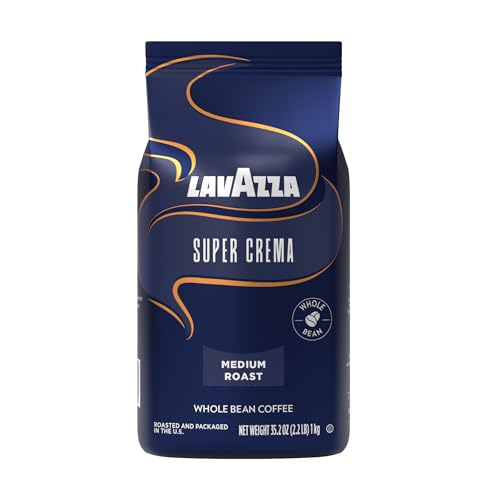
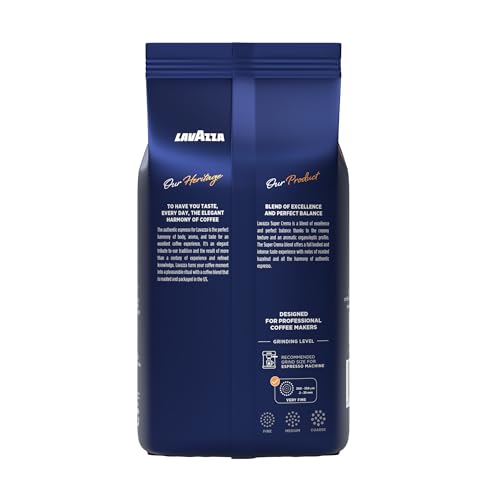
If you’re pulling espresso at home and want that creamy, velvety mouthfeel without spending $20 on a single-origin blend, Lavazza Super Crema is a go-to. The Arabica-Robusta mix (70/30) is formulated specifically for espresso machines, and owners confirm it builds a rich crema and holds up well under pressure. The medium roast delivers a full body with hints of almond and honey, sweet, rounded, and forgiving, even with modest equipment.
It’s not the most nuanced espresso blend out there, but it’s consistent and widely praised for its balance. Compared to the Gran Crema, it’s a bit softer in intensity and better suited for milk drinks like lattes. For someone building a home espresso habit without the barista skills (or gear) to extract perfection from finicky beans, this is a dependable foundation.
Product photos


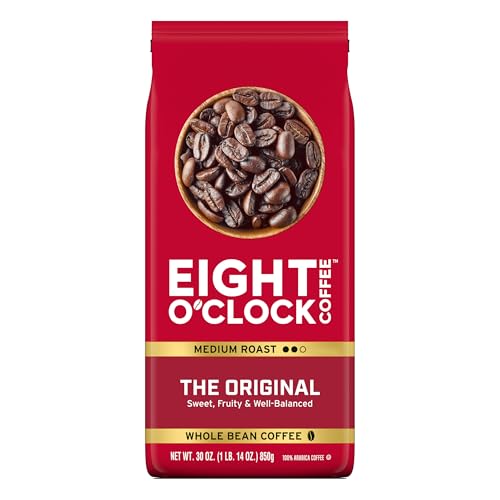
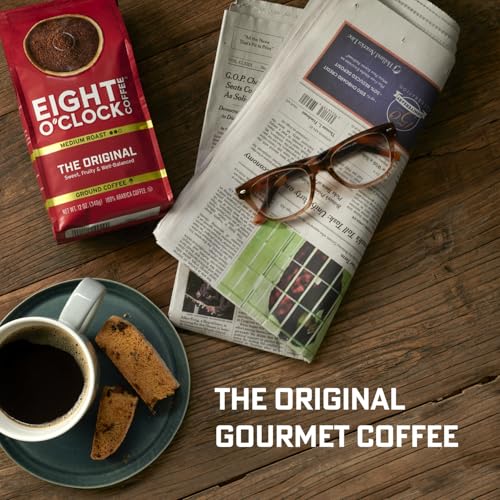
Eight O’Clock The Original
Strengths
- Budget friendly
- Consistent flavor
- 100% Arabica
Trade-offs
- Lacks depth
- Generic profile
- Not for dark roast lovers
This is a high-volume budget pick that delivers more than you’d expect for the price. On paper, it’s built around a globally sourced Arabica blend, medium roasted for a sweet, fruity, and balanced profile, the kind of description that usually belongs to pricier specialty bags. Owners consistently report it’s smooth, approachable, and reliable for drip or pour-over, with no harsh bitterness. It’s not going to challenge craft roasters in complexity, but for a supermarket staple, it punches above its weight.
Where it shines is consistency and value. The 30-ounce bag means fewer trips to restock, and the Kosher certification plus 100% Arabica claim add a layer of trust. It won’t excite bean purists hunting for terroir-driven notes, but for households that want dependable flavor without overthinking it, this is a solid anchor. I’d choose it over generic store brands any day.
Product photos
How We Chose These roasted coffee beans
As the founder of Bean Thusiast, I approach coffee with a deep appreciation for the nuances of each bean and roast. Rather than a hands-on lab test, this selection is a research-led comparison of published specifications and extensive owner feedback. I examined each coffee’s origin, roast level, and stated flavor profiles, then weighed those details against what actual customers report experiencing. This process helped me rank these options based on their likely performance and appeal.
For roasted coffee beans, three factors stood out as most important: roast level, bean composition (Arabica vs. Robusta), and reported flavor consistency. Roast level dictates the body and intensity, while the Arabica/Robusta ratio impacts both flavor and crema (for espresso). Consistent positive feedback from a large number of buyers signals a reliably good product, and was given significant weight in my ranking. Understanding these elements is key to coffee bean selection guide.
Specifications reliably convey the basics – bean type, origin, and roast level. However, flavor descriptions are often subjective. That’s where owner reviews become crucial. I looked for patterns in how people described the taste, aroma, and overall experience. Reputation also mattered; well-established brands with consistently positive reviews gained an edge, as did those prioritizing ethical sourcing and sustainable practices. Ultimately, I aimed to present a range of options to suit different preferences and brewing methods.
What To Look For In roasted coffee beans
Finding truly excellent roasted coffee beans can be surprisingly complex. It’s about more than just a catchy label; it’s about understanding the nuances of origin, roast level, and how those elements interact to create your ideal cup.
Quality roasted coffee beans demonstrate a careful selection of green coffee, precise roasting to highlight inherent flavors, and consistent quality control. Look for beans with a clear roast date (not just a “best by” date), detailed origin information, and descriptions that move beyond vague terms like “bold” or “smooth.” Consider the intended brewing method as well – some beans excel as espresso while others shine in a drip machine.
Roast Level and Flavor
The roast level is arguably the biggest single factor influencing flavor. While personal preference reigns supreme, understanding how roasting impacts the bean is crucial. Lighter roasts tend to showcase the origin characteristics – the bright acidity and floral notes of an Ethiopian Yirgacheffe, for instance. Darker roasts, like a classic French roast flavor profile, develop bolder, smoky flavors and reduce acidity, but can sometimes mask the bean’s origin. Don’t be afraid to experiment, but start by identifying whether you generally prefer brighter, more acidic coffees or darker, more chocolatey ones.
Origin and Bean Type
Arabica beans are generally considered higher quality than Robusta, offering more complex flavors and aromas. However, Robusta brings a higher caffeine content and a bolder, more robust flavor that some appreciate in espresso blends. Beyond that, different growing regions impart distinct characteristics. Central and South American beans often present balanced profiles, African beans are known for their fruity and floral notes, and Indonesian beans (like Sumatra) frequently exhibit earthy, full-bodied flavors. If you’re looking to explore more, check out our guide to the best fresh roasted beans for inspiration.
Here’s what to consider when looking at origin: * Single Origin: Offers a pure expression of a specific farm or region. * Blend: Combines beans from multiple origins for a more balanced or complex flavor. * Estate Coffee: Grown on a single estate, often indicating higher quality control and traceability – though not always. This is a good way to support a specific farm and their practices.
Freshness and Sourcing
Coffee beans begin to stale almost immediately after roasting. Oxygen is the enemy! Always prioritize beans with a visible roast date (not a “best by” date) and aim to use them within a few weeks of that date. Whole bean coffee retains freshness much longer than pre-ground, so grinding right before brewing is always best. Many smaller roasters emphasize ethically sourced beans, which is a great way to support sustainable practices. I find that companies committed to transparency about their sourcing – like clearly stating the farm and cooperative they work with – often produce higher quality coffee. As a rule of thumb:
Don’t buy more roasted coffee beans than you can realistically consume in two weeks – even if it’s a great deal. Stale coffee is never a good value.
If you’re just starting out, exploring different roasters and origins is a fantastic way to discover your preferences. You can find some of the highest rated roasted beans on our site to get you started.
Roasted Coffee Beans Compared
Here’s a comparison of key specifications for the featured roasted coffee beans.
| Product Name | Roast Level | Bean Type | Weight (oz) | Intensity | Flavor Profile |
|---|---|---|---|---|---|
| Lavazza Barista Gran Crema | Dark | Arabica/Robusta | 35.2 | 7/10 | Honey, Roasted Coffee |
| Cameron’s Organic Scandinavian | Medium Dark | Arabica | 64 | N/A | Rich, Flavorful |
| Starbucks French Roast | Dark | Arabica | 28 | N/A | Dark Caramel, Smoke |
| Copper Moon Sumatra Blend | Dark | Arabica | N/A | N/A | Earthy, Dark Cherry |
| Amazon Fresh Just Bright | Light | Arabica | 32 | N/A | Crisp, Clean |
| Cameron’s Breakfast Blend | Mild | Arabica | 64 | N/A | Smooth, Full Flavor |
| Lavazza Super Crema | Medium | Arabica/Robusta | 35.2 | N/A | Bold, Creamy |
| Eight O’Clock The Original | Medium | Arabica | N/A | N/A | Sweet, Fruity |
Frequently Asked Questions
What roast level is best for cold brew?
Darker roasts generally work best for cold brew, as the longer steeping time extracts more flavor and can minimize acidity. A French roast or Italian roast will yield a bold, less acidic concentrate ideal for this method.
Can stale coffee beans be revived?
Unfortunately, once coffee beans have lost their aromatic oils, there’s no real way to fully revive them. You can briefly store beans in an airtight container in the freezer to slow staling, but that’s preventative, not restorative.
What’s the difference between Arabica and Robusta in terms of caffeine content?
Robusta beans contain roughly twice the caffeine of Arabica beans. While the exact amount varies, you can generally expect around 2.5% caffeine by weight in Arabica versus 4% or more in Robusta.
Do coffee bean origins really affect the taste?
Yes, the growing region significantly impacts the flavor profile. For example, Ethiopian beans are celebrated for their floral and citrus notes, while Sumatran beans often exhibit earthy and full-bodied characteristics; explore our curated coffee bean picks to taste the difference.
How often should I be buying new coffee beans?
You should aim to buy whole bean coffee every two weeks or so, based on your consumption rate. Coffee’s flavor degrades quickly after roasting, so freshness is key for the best cup – don’t buy more than you can use in that timeframe.
The Bottom Line
Choosing the “best” roasted coffee beans always comes down to personal taste and balancing convenience with control. If you want a reliably good, consistently dark roast with a touch of Robusta for crema, I recommend the Lavazza Barista Gran Crema. It’s a workhorse bean that delivers a classic espresso experience without demanding a lot of fuss.
For those with more specific needs, we’ve got options. If you prefer a lighter, brighter cup, the Amazon Fresh Just Bright offers excellent value and showcases delightful light roast flavor profiles. The Cameron’s Breakfast Blend is a great all-around choice for a smooth, approachable daily drinker, while the Starbucks French Roast delivers that intense, smoky profile many coffee lovers crave.
Ultimately, the key to great coffee isn’t a specific bean or roast level, but freshness and proper brewing. Prioritize whole bean coffee with a recent roast date, invest in a quality grinder (even a simple burr grinder makes a huge difference), and experiment with different brewing methods to find what unlocks the most flavor from your beans.
