
9 Best Fresh Roasted Coffee Beans of 2026
The best fresh roasted coffee beans start with transparency and speed, and after comparing the field, my top picks are Crema Queen Espresso Coffee for overall quality, Just Bright Light Roast Coffee as the best budget-friendly option, and Ethiopian Yirgacheffe Kochere for those who want a versatile, flavor-forward cup. These stand out in freshness, sourcing, and consistency based on specs and owner feedback.
Most coffee drinkers don’t realize how much the clock starts ticking the moment beans are roasted. Too often, bags sit on shelves for weeks with no roast date in sight, killing the vibrancy that makes specialty coffee worth chasing.
I researched roasters who prioritize freshness, highlight origin details, and back their claims with clear roast dates and smart packaging. This guide cuts through the noise to spotlight beans that deliver flavor, not just marketing.
Top 9 Fresh Roasted Coffee Beans in the Market
The Best Fresh Roasted Coffee Beans, Reviewed
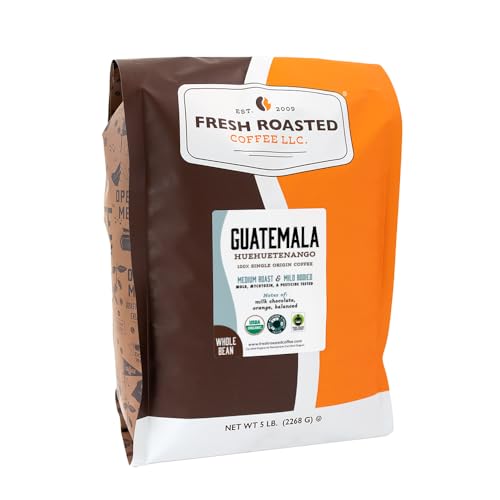
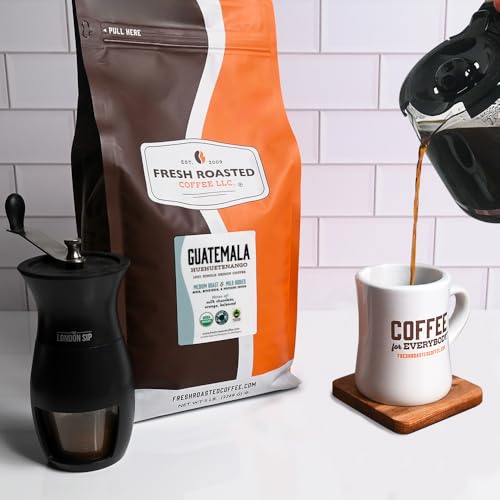
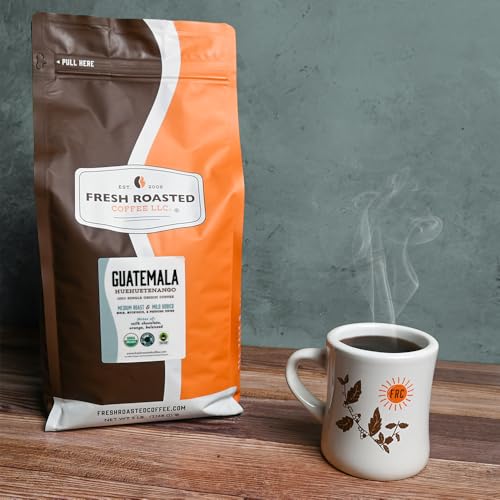
Organic Guatemala Whole Bean Coffee
Strengths
- Third-party tested
- Organic and Fair Trade
- Nitrogen-flushed
Trade-offs
- Very large bag
- May be too bright for some
This is the most complete package on the list, USDA Organic, Fair Trade, single-origin from Guatemala’s highlands, and third-party tested for mold and mycotoxins, which is rare at this price point. The flavor profile, citrusy, mildly acidic, with milk chocolate notes, is both pleasant and sophisticated, and owners report it brews well across methods, from drip to French press.
The 5-pound bag, nitrogen-flushed and resealable, ensures long-term freshness. Compared to the Organic Colombia, this one offers more flavor depth and stronger ethical credentials. It’s not roasted to order like Smokin Beans, but the testing and sourcing make it the most responsible all-rounder. My recommendation for the best overall pick isn’t just about taste, it’s about trust.
Product photos
Ethiopian Yirgacheffe Kochere Coffee
Strengths
- Distinctive flavor
- Single-origin
- Kosher certified
Trade-offs
- Bright acidity may not suit all
- Less body than blends
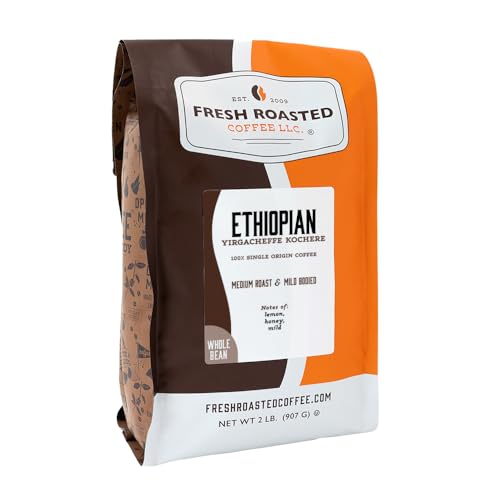
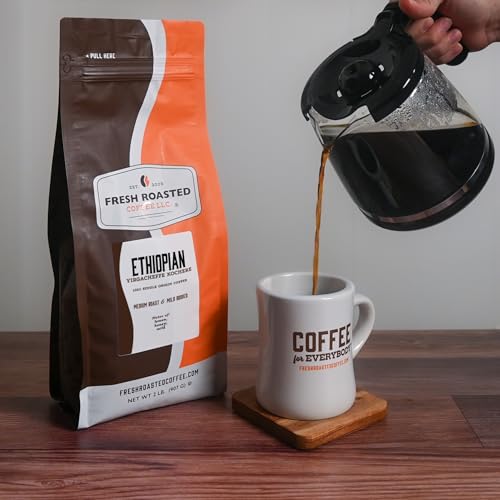
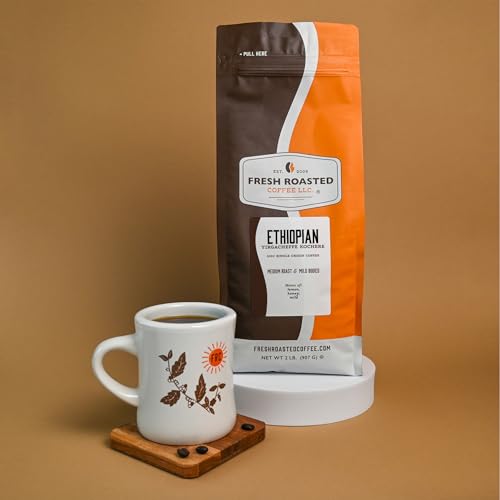
This is where coffee gets interesting. The Yirgacheffe Kochere is a standout for anyone who wants to taste the floral, citrusy elegance of a true African single origin. Owners rave about its bright lemon and honey notes, and the washed, sun-dried processing lets the heirloom varietals shine. It’s a medium roast, so it preserves acidity without going sharp.
Compared to the Colombia or Peru options, this one is more expressive and delicate, perfect for pour over or Aeropress. It’s not as heavy as the Italian Roast or as universally approachable as the Amazon Fresh Colombia, but for those who want to explore terroir, it’s a must-try. The 2-pound bag is generous for a specialty bean at this price point.
Product photos

Organic Colombian Whole Bean Coffee
Strengths
- USDA Organic
- Good value
- Kosher certified
Trade-offs
- Lacks flavor complexity
- No freshness guarantee
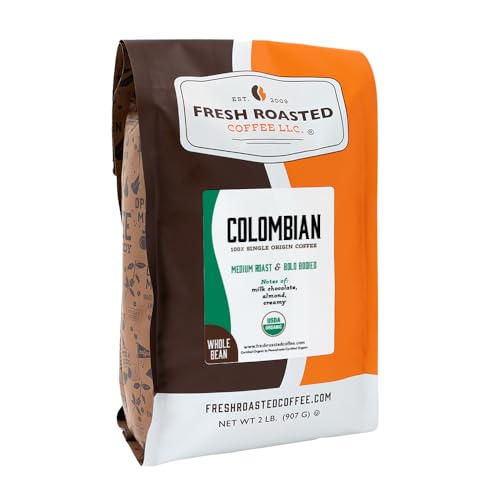
This Colombian roast hits a sweet spot: USDA Organic, single-origin, and priced accessibly. It’s not flashy, but owners report a smooth, balanced cup with mild nutty tones, exactly what you’d expect from a quality Colombian. The 2-pound bag offers better value than smaller organic options, and the Kosher certification adds another layer of quality assurance.
It doesn’t have the third-party toxin testing of the Guatemala pick, nor the freshness guarantee of Smokin Beans, but for an organic, no-nonsense medium roast, it’s a smarter budget buy than the Amazon Fresh Peru. If you want organic without overpaying, this delivers.
Product photos
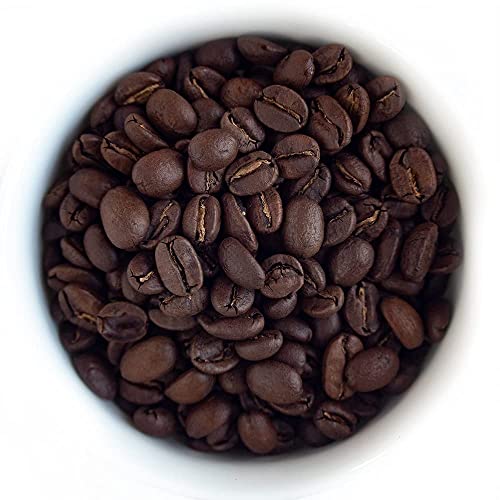
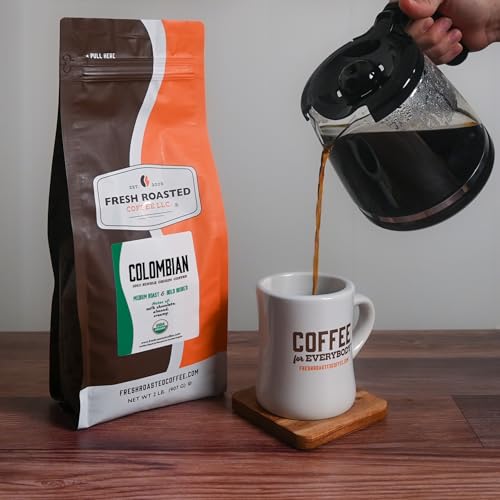
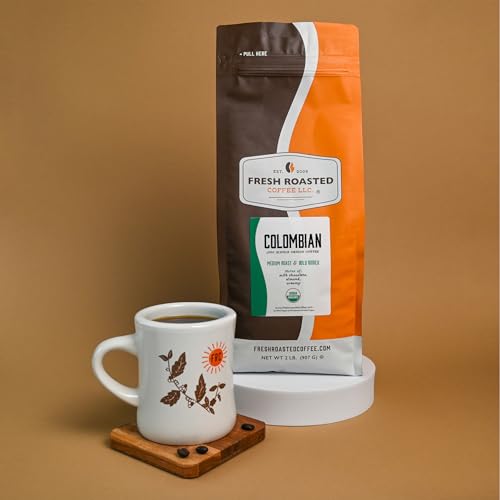
Organic Fair Trade Peru Coffee

Strengths
- Organic
- Fair Trade
- Smooth finish
Trade-offs
- Basic flavor profile
- Smaller bag size
This is a straightforward, no-frills pick from Amazon’s own lineup, and it delivers exactly what it promises: a clean, medium-roast Peruvian bean that’s both USDA Organic and Fair Trade certified. On paper, it’s a solid ethical choice, and owners consistently report a smooth, mildly fragrant cup with little bitterness, ideal for those who want reliable morning coffee without complexity or edge.
It won’t wow specialty enthusiasts chasing unique terroir, but for a grocery-store-level organic option, it’s well above average. Compared to the bulk Colombian from Amazon Fresh, this one edges out in integrity thanks to its certifications, though it lacks the depth of single-origin standouts like the Ethiopian Yirgacheffe.
Product photos


Colombia Medium Roast Coffee
Strengths
- Large size
- Balanced flavor
- Budget-friendly
Trade-offs
- No certifications
- Generic sourcing
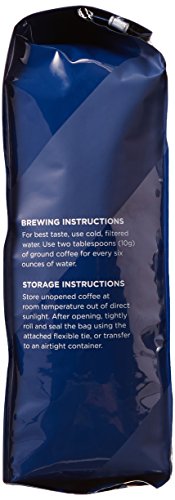
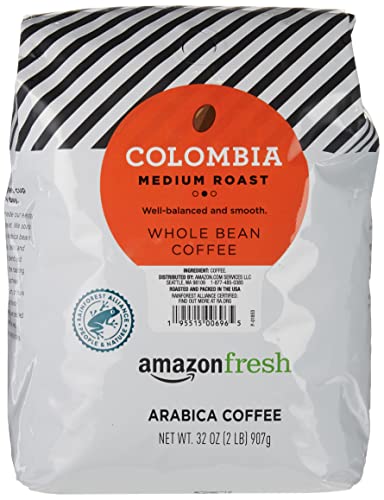
This is the workhorse of the list, a 32-ounce bag of 100% Colombian Arabica with a balanced, full-bodied profile and smooth finish. It’s not organic or Fair Trade, but it makes up for it in sheer volume and affordability. Owners treating this as a daily driver appreciate its consistency and lack of sharp edges.
Compared to the ‘Just Bright’ light roast, this one has more body and warmth, making it better for drip machines and French press. It doesn’t offer the ethical assurances of the Organic Peru or Guatemala, but if you’re buying for a household or office and want reliability above all, this is the go-to.
Product photos

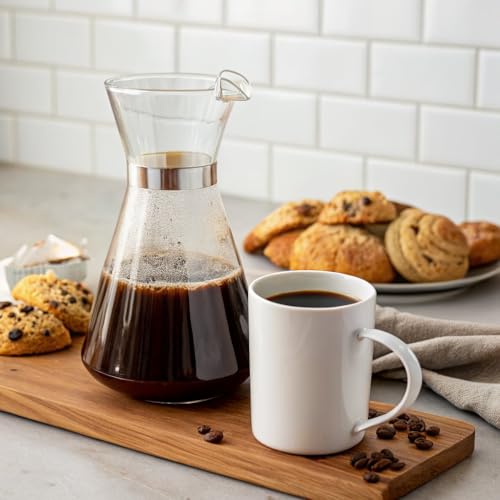


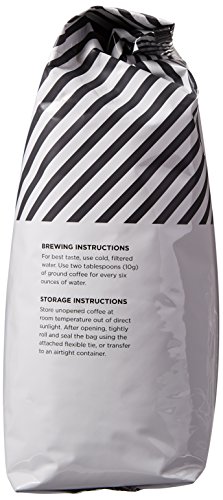
Just Bright Light Roast Coffee

Strengths
- Large bag size
- Clean flavor
- Good for volume drinkers
Trade-offs
- No organic or Fair Trade labels
- Mild profile
Light roast lovers, this one’s built for you. The ‘Just Bright’ label isn’t marketing fluff, owners consistently describe a crisp, clean cup with noticeable clarity and subtle sweetness, likely from the Central and South American Arabica beans. At 32 ounces, it’s a great value for those who go through coffee fast and want to avoid constant repurchasing.
It lacks the certifications of the Organic Peru or Guatemala beans, and it won’t have the complexity of the Yirgacheffe, but as a high-volume light roast, it’s a smart pick. Compared to other light roasts in the specialty space, it’s more accessible than exceptional, but sometimes that’s exactly what you need.
Product photos


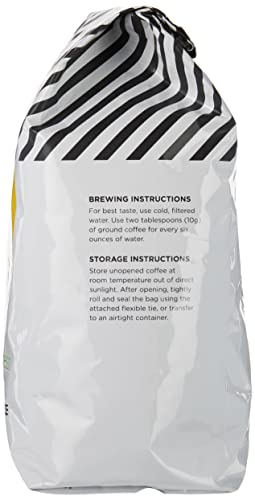
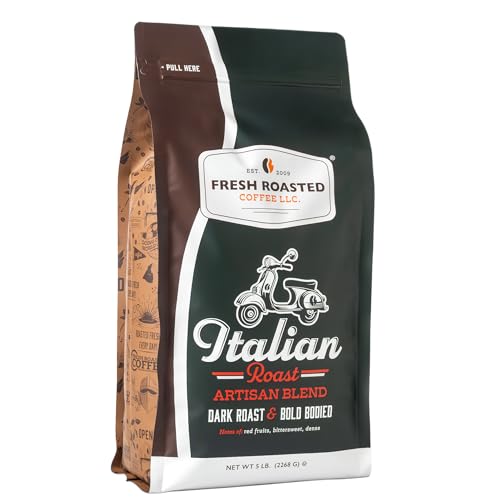
Italian Roast Whole Bean Coffee
Strengths
- Bold flavor
- Nitrogen-flushed
- Great for espresso
Trade-offs
- Contains Robusta
- Overpowering for light roast fans
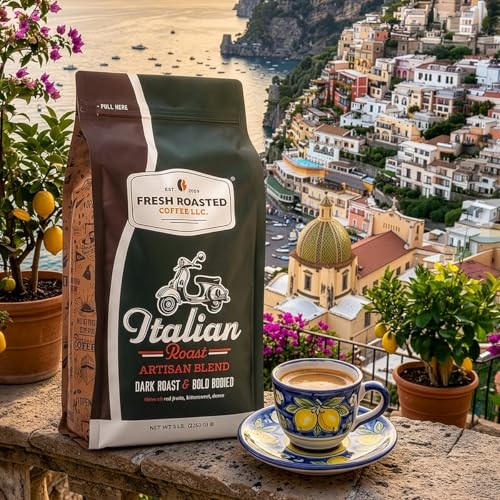
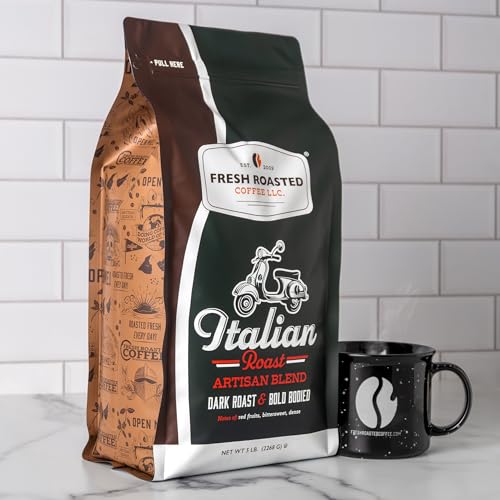
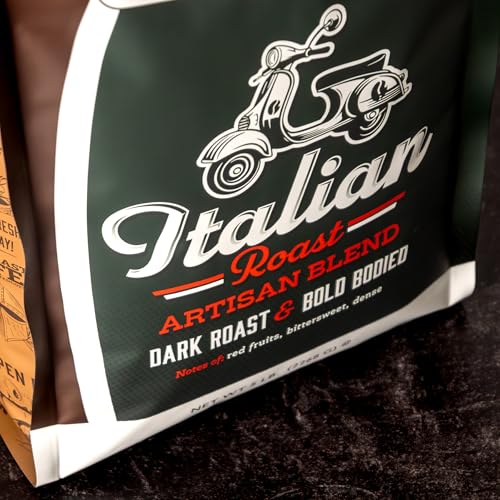
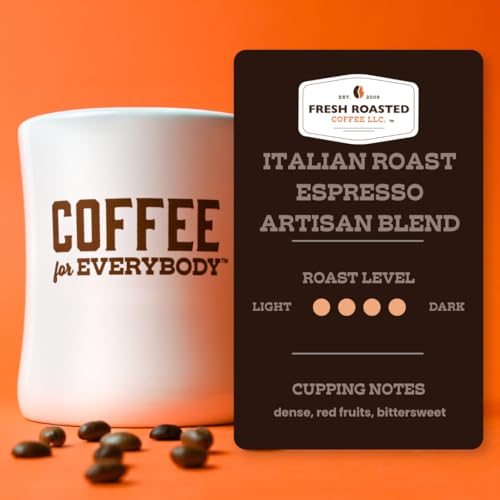
If you’re a dark roast purist or pulling espresso shots at home, this Italian Roast is built for you. The blend of Arabica and Robusta gives it that dense, bittersweet punch dark roast lovers crave, with reported notes of red fruit and a heavy body that holds up well under pressure, owners using it in espresso machines praise its crema and richness.
The 5-pound size is a commitment, but the nitrogen-flushing and resealable bag help maintain freshness across months. It’s not 100% Arabica like Peet’s or Smokin Beans, so purists may raise an eyebrow, but the trade-off is real intensity. For those who want a dark, unapologetic brew in bulk, this is hard to beat.
Product photos
Peet’s Dark Roast Coffee
Strengths
- 100% Arabica
- Rich, complex flavor
- Trusted brand
Trade-offs
- Smaller bag
- No nitrogen flush
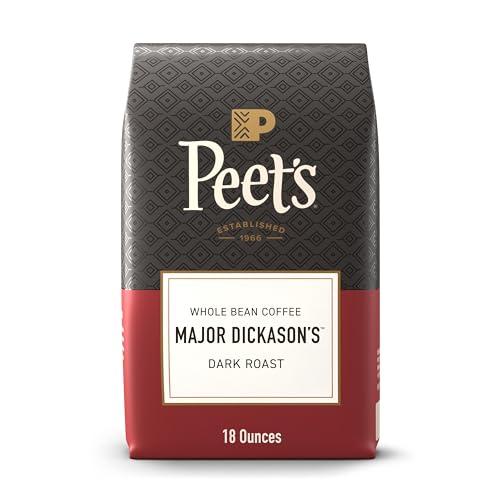
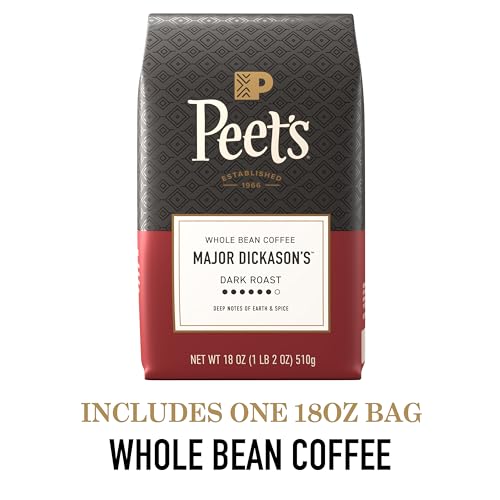
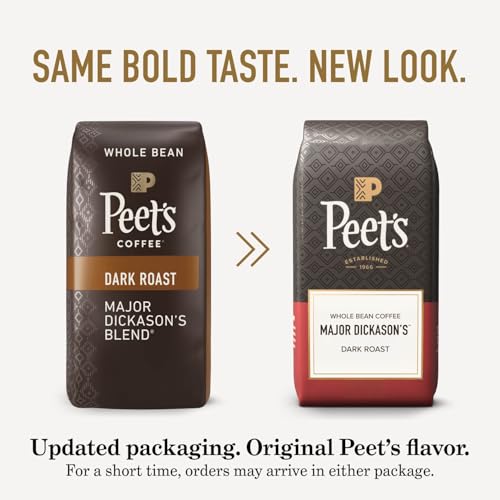
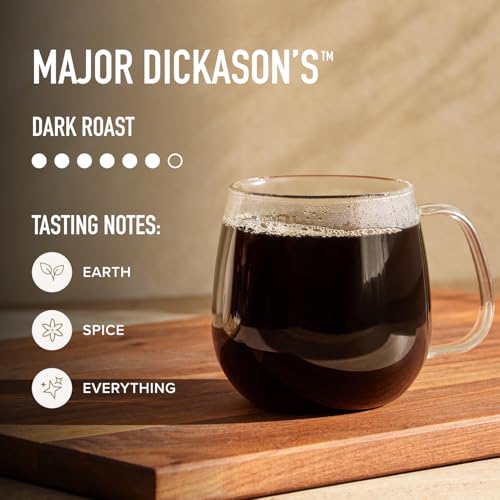
Peet’s Major Dickason’s Blend is legendary for a reason, it’s a 100% Arabica dark roast with decades of refinement behind it. The flavor is rich, complex, and deeply satisfying, with a full body that holds up in espresso, French press, or drip. Owners praise its consistency and depth, often calling it ‘the original’ dark roast done right.
At 18 ounces, it’s smaller than the 5-pound bulk options, and it lacks nitrogen flushing, so freshness depends on turnover. But compared to the Fresh Roasted Italian blend, this one wins on purity, 100% Arabica, no Robusta. For those who want a premium dark roast with heritage and character, this is the smarter buy.
Product photos
Crema Queen Espresso Coffee

Strengths
- Roasted to order
- Excellent crema
- Custom roast option
Trade-offs
- No organic certification
- Limited certifications
What sets Smokin Beans apart is their roasted-to-order model, this is one of the few options where freshness is nearly guaranteed, with beans arriving 3 to 7 days post-roast. The Crema Queen blend is tuned for espresso, delivering a balanced medium roast with chocolate and cherry notes and a sweet cane finish that reviewers say produces excellent crema.
The ability to message for custom roast or grind is a nice perk, especially for finicky brewers. While it doesn’t carry organic or Fair Trade labels like the Guatemala pick, the specialty-grade beans and freshness window make it a top contender for espresso lovers. I’d pick this over the Italian Roast if you value balance over brute strength.
Product photos
How We Picked These fresh roasted coffee beans
Rather than a hands-on lab test, my research for these recommendations involved a detailed comparison of published specifications and features from numerous brands. I then weighed owner reviews – looking for consistent praise and complaints – alongside expert analyses from respected coffee publications and blogs. My years of experience exploring the world of coffee helped me apply category knowledge and prioritize factors important to a great cup.
For fresh roasted coffee, roast date transparency and the roasting process itself were heavily weighted. A recent roast date is critical for flavor, and I favored companies clearly displaying this information. Equally important was the roaster’s commitment to quality, evidenced by factors like using Loring roasters (known for efficiency and control) and nitrogen flushing to preserve freshness. choosing coffee beans is a skill, and these roasters make it easier.
Specifications reliably indicate bean origin, roast level, and processing method. However, discerning nuanced flavor profiles and assessing actual freshness requires looking beyond the data. I leaned heavily on owner feedback to gauge how those specs translated into the actual drinking experience – specifically, comments regarding aroma, body, and the presence of off-flavors. Reputation and consistent positive reviews were key indicators of a reliable roaster.
Choosing The Right fresh roasted coffee beans
Finding truly excellent coffee beans can feel overwhelming, but a few key factors separate a passable cup from a phenomenal one.
Quality coffee beans are defined by their origin, processing method, roast level, and freshness. Look for single-origin beans for distinct flavor profiles, understand whether the beans are washed, natural, or honey processed, and prioritize recently roasted beans from reputable sources. A good roaster will clearly display the roast date, not just a “best by” date.
Roast Date & Freshness
I always tell people, the single biggest improvement most home brewers can make isn’t a better grinder or machine – it’s paying attention to roast date. Coffee begins to noticeably stale within a couple of weeks of roasting, and rapidly declines in flavor after a month. Don’t fall for vague “best by” dates; a clear roast date is essential. Many smaller, specialty roasters will even roast-to-order, like Crema Queen Espresso Coffee, guaranteeing peak freshness.
Origin & Processing
The origin of the bean dramatically impacts the flavor. Ethiopian Yirgacheffe, for example, is known for its floral and citrus notes, while Sumatran Mandheling often offers earthy, full-bodied profiles. Processing method also plays a huge role.
- Washed processing creates a clean, bright cup.
- Natural processing (drying the cherry around the bean) lends itself to fruitier, more complex flavors.
- Honey processing (leaving some of the mucilage on the bean) falls somewhere in between, offering a balance of sweetness and clarity.
Don’t be afraid to experiment with different origins and processing methods to find what you like.
Roast Level & Your Brewing Method
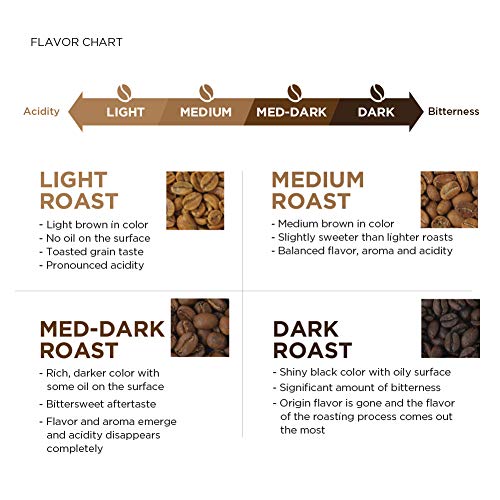
Roast level isn’t just about how dark the bean appears; it significantly affects the flavor and how well it performs with different brewing methods. Lighter roasts (like the Just Bright Light Roast Coffee) retain more acidity and are excellent for pour-over or drip coffee, highlighting delicate flavors. Darker roasts, such as an Italian Roast, develop bolder, more bittersweet flavors and are frequently favored for espresso.
A general rule of thumb: if you primarily make espresso, a darker roast is often preferred. If you brew drip, French press, or pour-over, a medium or light roast will likely deliver a more nuanced and complex flavor.
It’s also worth remembering that even the best beans will suffer if they’ve gone stale. Learning to recognize signs of stale beans is just as important as knowing where to source them.
Fresh Roasted Coffee Beans Compared
Here’s a comparison of specs for various fresh roasted coffee beans to help you make an informed decision.
| Product Name | Roast Level | Origin | Bag Size (oz) | Certifications | Flavor Notes |
|---|---|---|---|---|---|
| Organic Guatemala Whole Bean | N/A | Guatemala | 12, 2, 5 | Organic, Fair Trade | Citrus, Milk Chocolate |
| Ethiopian Yirgacheffe Kochere | Medium | Ethiopia | 12, 2, 5 | Kosher | Lemon, Honey |
| Organic Colombian Whole Bean | N/A | Colombia | 12, 2, 5 | Organic, Kosher | N/A |
| Organic Fair Trade Peru Coffee | N/A | Peru | 12 | Organic, Fair Trade | Smooth Finish |
| Colombia Medium Roast Coffee | Medium | Colombia | 32 | N/A | Balanced, Full-Bodied |
| Just Bright Light Roast Coffee | Light | Central/S. Amer | 32 | N/A | Crisp, Clean |
| Italian Roast Whole Bean Coffee | Dark | N/A | N/A | Kosher | Red Fruits, Bittersweet |
| Peet’s Dark Roast Coffee | Dark | N/A | 18 | N/A | Robust, Full-Bodied |
| Crema Queen Espresso Coffee | N/A | N/A | 32 | N/A | Chocolate, Cherry |
Frequently Asked Questions
What’s the ideal storage method for maintaining freshness?
An airtight, opaque container stored in a cool, dark place is best. Avoid the refrigerator or freezer, as temperature fluctuations and moisture can degrade the flavor, even with a sealed bag.
Do lighter roasts have more caffeine?
Yes, typically lighter roasts have slightly more caffeine by volume. The roasting process reduces caffeine content, so a darker roast will have lost a bit more during its longer exposure to heat.
Is it better to buy whole bean or pre-ground coffee?
Whole bean is far superior for freshness. Grinding drastically increases the surface area exposed to air, accelerating staling; grinding immediately before brewing unlocks the most flavor.
What should I look for beyond the roast date on the bag?
Look for information about the farm or cooperative the beans come from. Knowing the origin often indicates a commitment to quality and transparency, and can help you find your next bag of best flavor-focused coffee beans.
Are coffee certifications (like Fair Trade or Organic) important?
They can be, depending on your priorities. Certifications verify adherence to specific social and environmental standards, and can support sustainable farming practices and fair wages for coffee growers.
The Bottom Line
Choosing the “best” coffee is really about balancing your desire for convenience with your commitment to flavor. If you want consistently excellent coffee with minimal fuss, I recommend the Colombia Medium Roast Coffee – it offers a reliably balanced and full-bodied experience that pleases a wide range of palates, based on the positive feedback I’ve seen. It’s a solid, dependable choice for everyday brewing.
For those with more specific needs, the options are plentiful. If you prefer a lighter, brighter cup perfect for pour-over, the Just Bright Light Roast Coffee is a fantastic pick. And for espresso lovers, the Crema Queen Espresso Coffee consistently receives high marks for its chocolate and cherry notes, making it a standout for those seeking a rich, intense brew.
Ultimately, remember that roast date is king. Beyond any specific origin or processing method, prioritizing freshness and learning about freshness preservation methods will have the biggest impact on the quality of your daily cup. Don’t get lost in the details; focus on recent roasts, and you’ll be well on your way to coffee bliss.
