
8 Best Ready to Drink Bottled Coffee 2026
The Java House Pure Black Cold Brew stands out as the best overall ready to drink bottled coffee for its clean, balanced flavor and solid caffeine punch. If you’re watching your budget, Dunkin’ Original Iced Coffee delivers consistent taste at a lower price. For a creamier, flavored option, La Colombe Vanilla Draft Latte offers a more premium experience with real ingredients.
Most bottled coffees fail to deliver real coffee depth, they’re either too sweet, too weak, or loaded with junk you don’t need. After years of studying coffee sourcing and brewing methods, I know what separates a genuinely good RTD coffee from the rest.
This guide cuts through the noise by focusing on flavor, caffeine content, ingredient quality, and value, all based on specs, owner feedback, and brand reputation. We looked at what actually matters when you’re grabbing a bottle on the go.
Top 8 Ready To Drink Bottled Coffee in the Market
The Best Ready To Drink Bottled Coffee, Reviewed
Java House Pure Black Cold Brew

Strengths
- Smooth, no bitterness
- 100% Arabica beans
- Cost efficient
Trade-offs
- Smaller bottle size
- Less flavor variety
This is the best all-rounder, not flashy, but extremely competent. Made from 100% Arabica beans and steeped 12–24 hours, it delivers a smooth, balanced cold brew with cocoa and molasses notes and zero bitterness. At 135–165 mg of caffeine per bottle, it’s strong without being harsh, and the 8 oz size is perfect for tossing in a bag.
Owners praise its freshness and consistency, and the price-per-bottle under $3 makes it a smarter buy than daily café runs. Compared to SToK, it’s more concentrated and portable; compared to Dunkin’, it’s far more refined. For most buyers, this is the easy pick for a high-quality, no-fuss cold brew that doesn’t compromise.
Video review
Starbucks Frappuccino Mocha Coffee Drink
Strengths
- Creamy, indulgent taste
- Consistent quality
- Real brewed coffee
Trade-offs
- High sugar content
- Artificial aftertaste
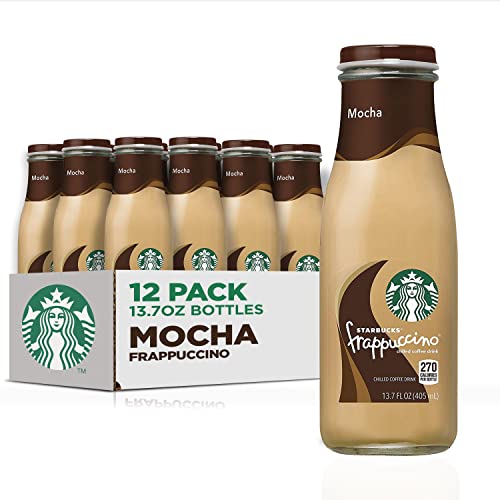
This is the RTD version of a milkshake with coffee. Sweet, creamy, and loaded with chocolatey flavor, it’s made for people who want dessert first and caffeine second. The 13.7 fl oz bottle contains real brewed Starbucks coffee, but you’d barely know it under the sweetness. Owners say it’s nostalgic and satisfying, perfect for an afternoon treat.
With more sugar than most, it’s clearly not a health play. But compared to other sweet lattes, it’s consistent and widely loved. I’d pick this over the Dutch Bros if you want a smoother, more balanced sweetness, but only if you’re okay with it being more treat than fuel.
Video review
Dunkin’ Original Iced Coffee
Strengths
- Familiar, crowd-pleasing taste
- High caffeine
- Widely available
Trade-offs
- Contains added sugar
- Not for black coffee lovers
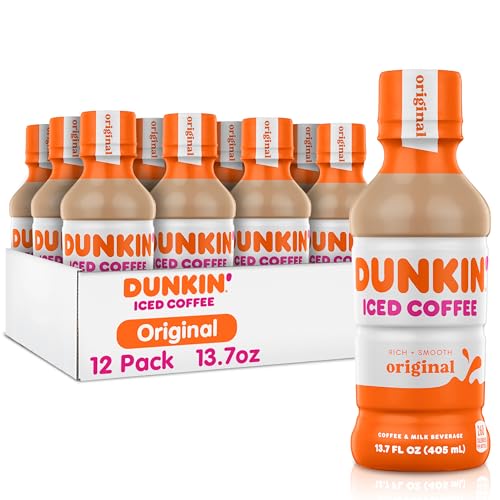
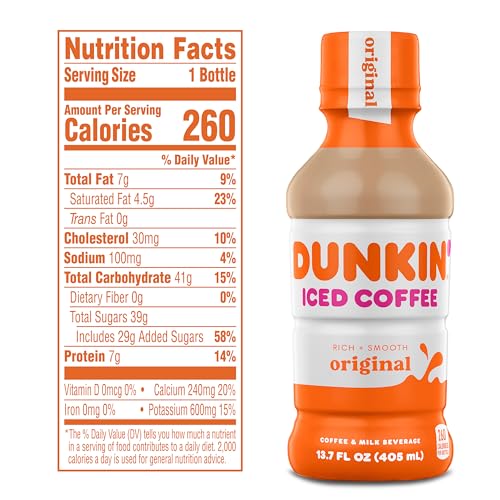
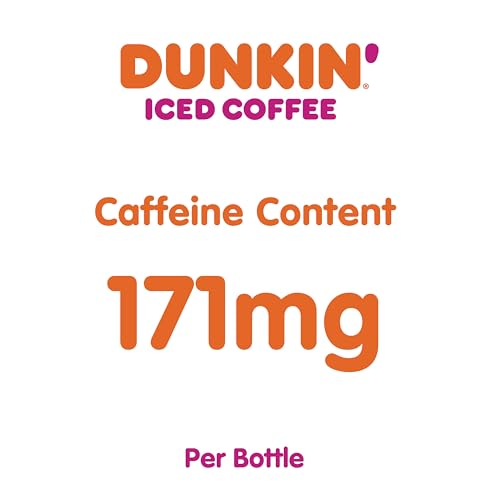
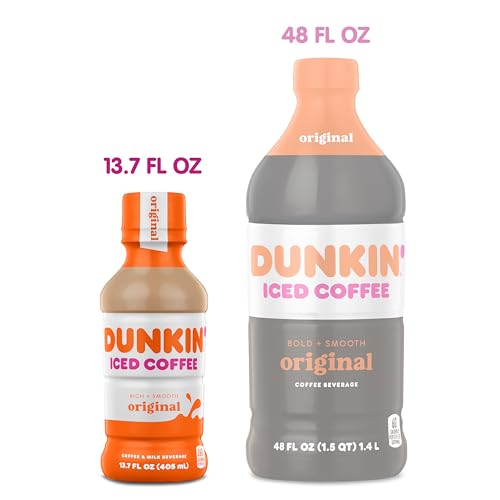
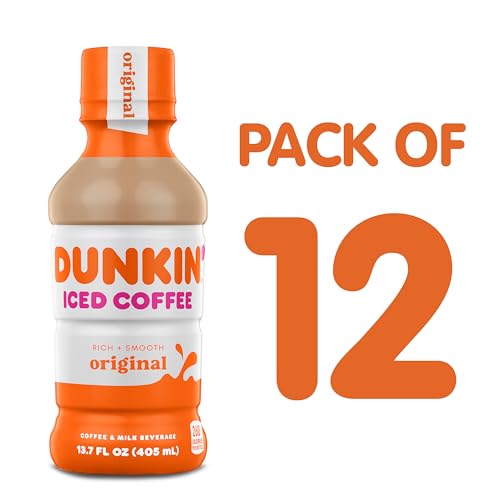
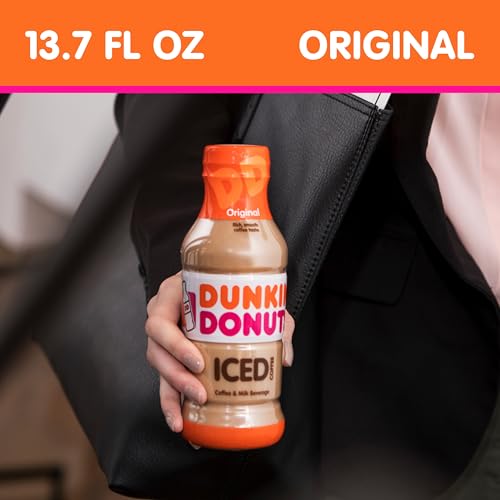
It tastes like Dunkin’, and that’s the point. The Original Iced Coffee delivers the familiar, slightly sweetened, milk-kissed profile that fans love, with 171 mg of caffeine per bottle to match the chain’s in-store version. It’s not complex or craft, but it’s consistent, affordable, and widely available. Owners say it’s a solid grab-and-go option when you’re craving that classic diner-style iced coffee.
Compared to La Colombe or Java House, it’s less refined and more mass-market, but that’s why it earns the “best budget-friendly” label. It’s not made with specialty beans or cold-steeped for hours, but it gets the job done. I’d recommend this as a daily driver for families or offices where cost and accessibility matter more than nuance.
Product photos
La Colombe Vanilla Draft Latte
Strengths
- Creamy nitro texture
- Real vanilla extract
- Specialty-grade beans
Trade-offs
- Higher price point
- Not for sugar-avoiders
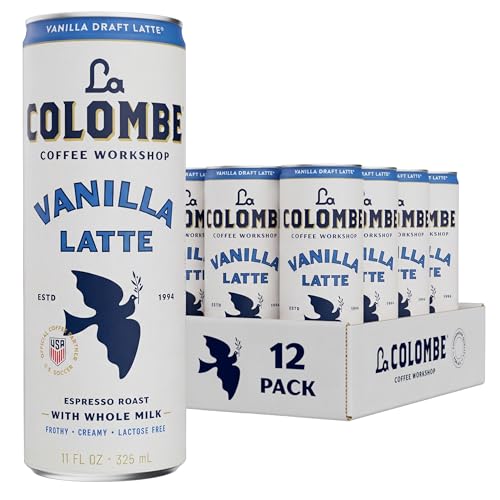
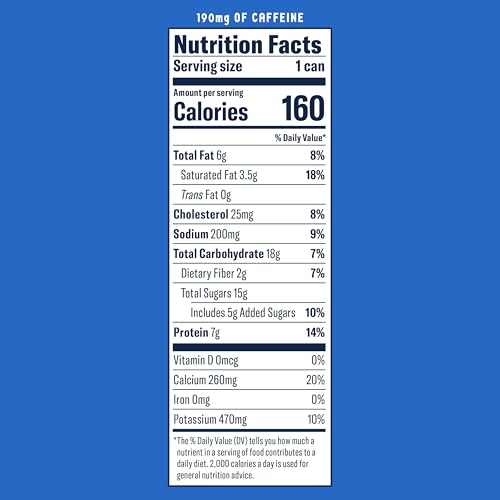
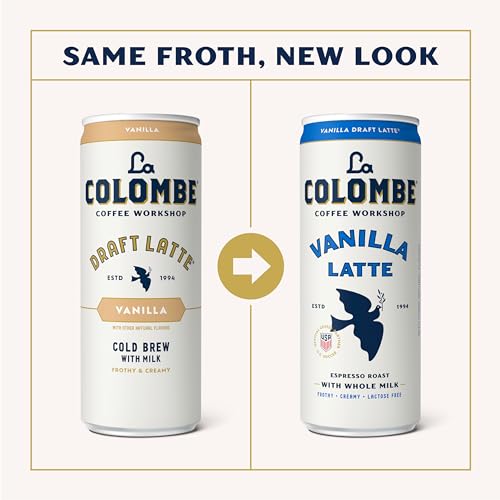
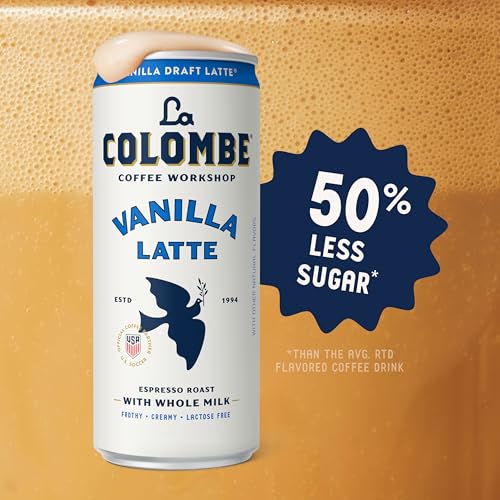
If you’re chasing that coffeehouse indulgence in a can, the La Colombe Vanilla Draft Latte delivers on the promise of coffeehouse quality. Owners consistently report it tastes like it was poured fresh from a high-end café, and on paper, the ingredients back that up, real vanilla extract, rBST-free milk, and cold-pressed espresso made from specialty-grade beans. The 7g of added sugar keeps it from being overly sweet, and the 130 calories per 11 oz can feel reasonable for a treat.
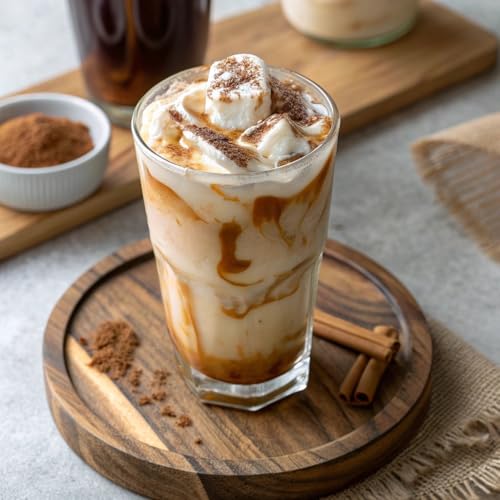
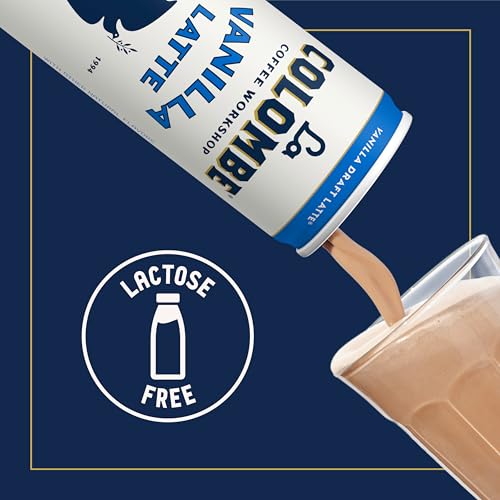
It’s not just the taste, it’s the texture. The nitro-style draft pour gives it a creamy, velvety mouthfeel without needing creamers or frothing. Compared to sweeter, artificial-tasting RTDs, this one stands out for its clean, balanced profile. I’d pick this over the Starbucks Frappuccino any day if you want something that feels more refined and less dessert-like.
Product photos
Premier Protein Caramel Macchiato Shake
Strengths
- 30g high-quality protein
- No added sugar
- Gluten-free and fortified
Trade-offs
- Artificial coffee flavor
- Low caffeine
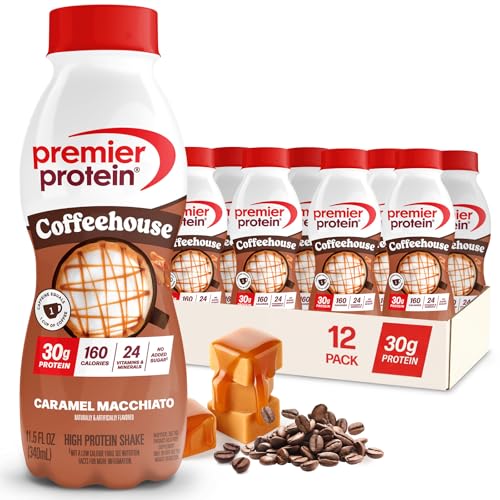
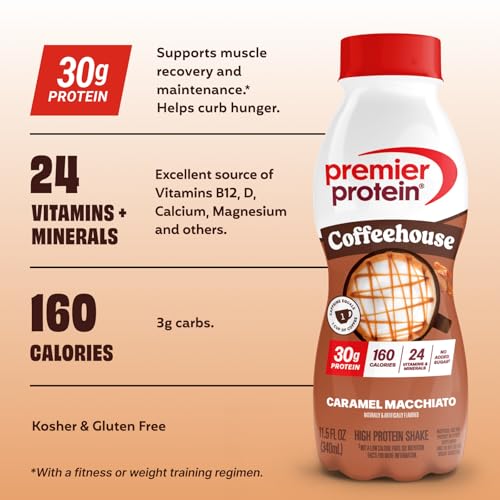
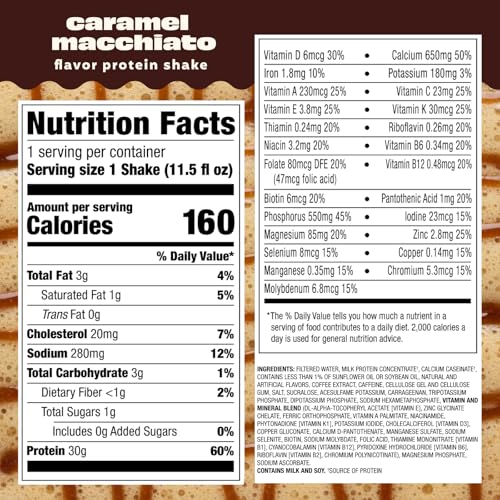
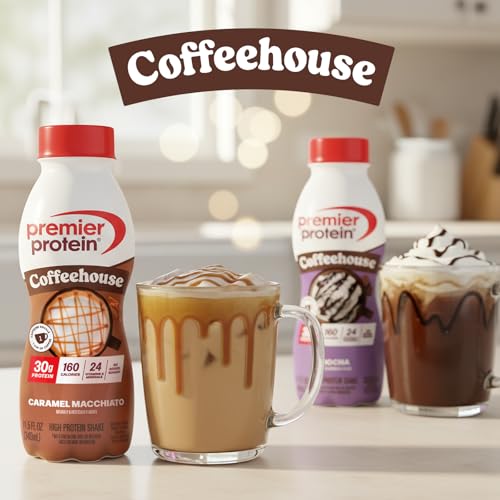
This isn’t coffee, it’s a morning support drink that happens to taste like a caramel macchiato. With 30g of protein and no added sugar, it’s built for people who want energy and muscle support in one bottle. The caffeine level is modest, about one cup of coffee, so it won’t jolt you awake, but it’s enough to pair with the protein punch. Owners say it’s creamy and satisfying, more like a dessert shake than a true coffee experience.
Compared to Huel’s Black Edition, it’s lighter on nutrition (fewer vitamins and fiber) but more accessible in flavor. It’s clearly designed for gym-goers or busy professionals needing a quick, filling drink. I wouldn’t recommend it to someone chasing nuanced coffee notes, but if your goal is fuel over flavor, this is a strong contender.
Product photos
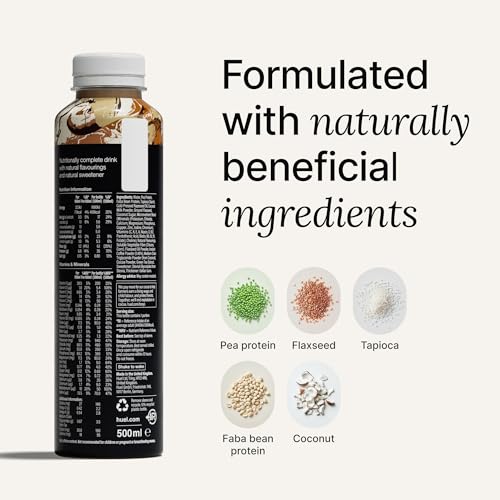
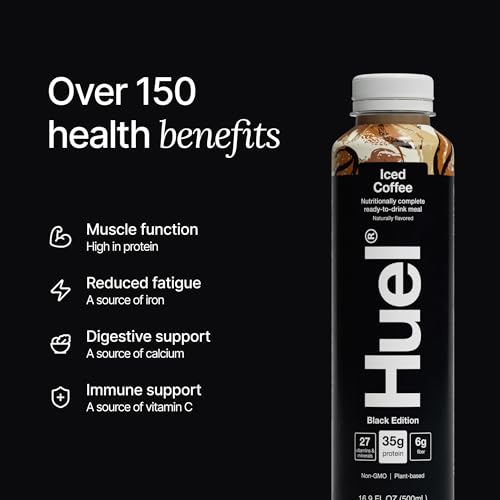
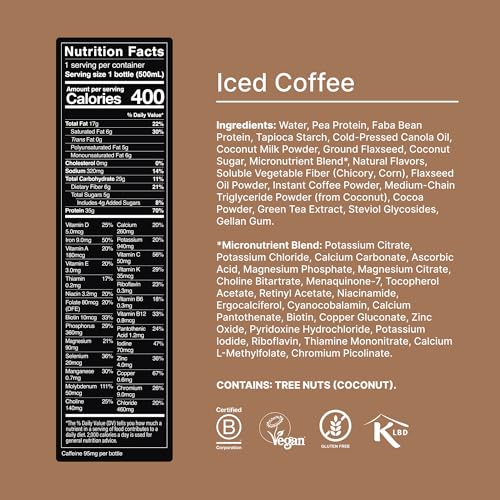
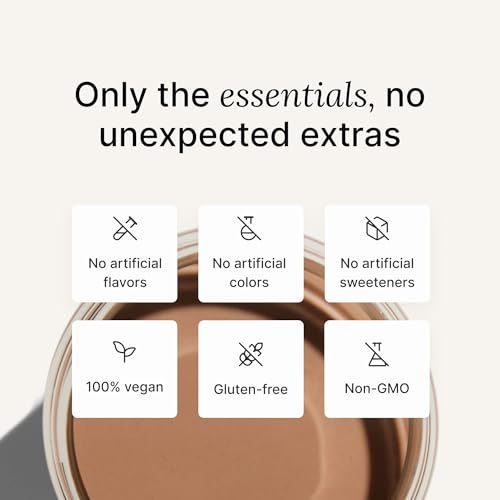
Huel Black Edition Iced Coffee
Strengths
- 35g plant-based protein
- Full vitamin profile
- High fiber, low sugar
Trade-offs
- Thick, shake-like texture
- Muted coffee flavor
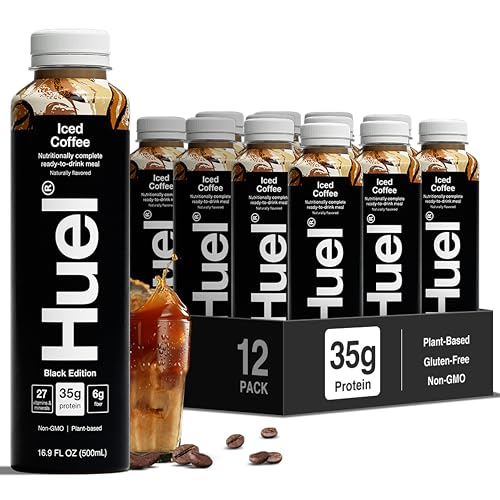
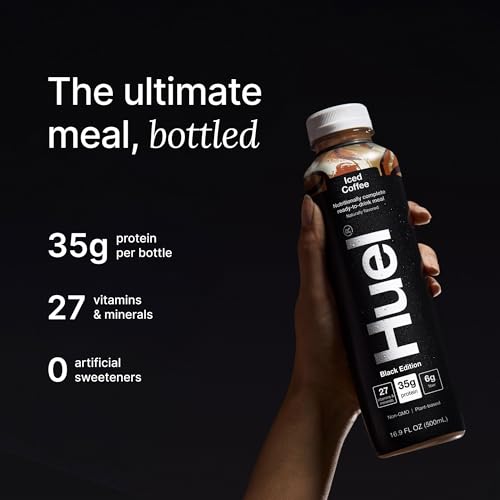
This is meal replacement first, coffee second, but it works surprisingly well as both. With 35g of plant-based protein, 27 vitamins, and 151 claimed health benefits, it’s one of the most nutritionally complete RTDs on the market. The iced coffee flavor is subtle, more nutty and roasted than bold, and the texture is thicker than traditional coffee, closer to a smoothie. Owners say it’s filling and great for skipping lunch without crashing.
It’s pricier and heavier than other options, but if you’re using it as a full meal substitute, that makes sense. Compared to Premier Protein, it’s more balanced nutritionally and more satiating. I’d pick this over others if you’re replacing meals and still want a coffee-like experience.
Product photos
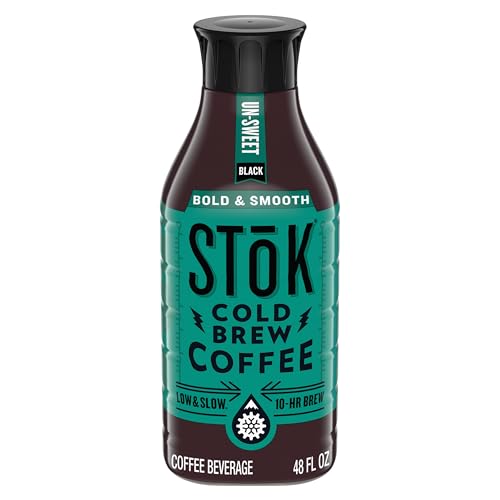
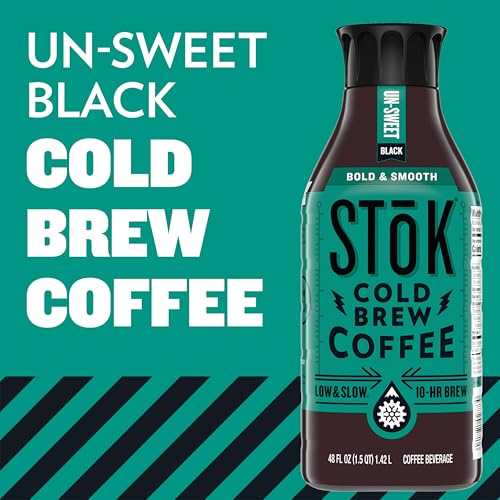
SToK Bold & Smooth Black Cold Brew
Strengths
- Unsweetened and pure
- Smooth, low-bitterness
- Eco-certified beans
Trade-offs
- Large bottle = less portability
- Milder than some cold brews
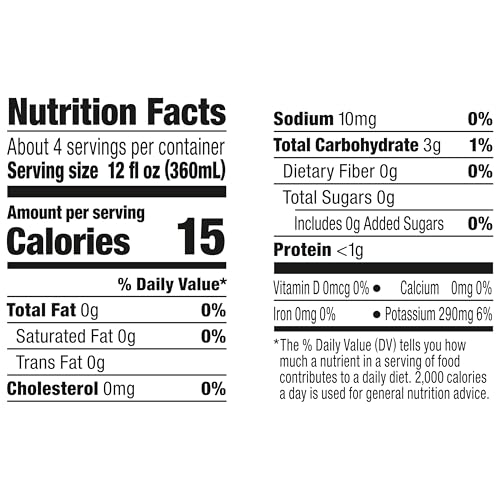
This is the go-to for purists who want nothing but coffee, no sugar, no milk, no filler. The 48 fl oz bottle is a steal for daily drinkers who like to pour and go, and the 125 mg of caffeine per 12 oz serving hits the sweet spot for morning clarity. On paper, the 10-hour cold-steep process makes sense, owners praise its smoothness and lack of bitterness, with flavor notes of molasses and brown sugar coming through naturally.
It’s not flashy, but it doesn’t need to be. Compared to Java House’s pure black, it’s less concentrated and slightly milder, but still bolder than most grocery store cold brews. The Rainforest Alliance certification adds ethical weight, and the traceability from origin to bottle is a win for transparency. If you’re tired of sugary coffee drinks and want something clean and reliable, this is your base.
Product photos
Dutch Bros Chocolate Macadamia Iced Latte

Strengths
- Unique, bold flavor
- Creamy texture
- Faithful to original
Trade-offs
- High sugar
- Overpowering for some
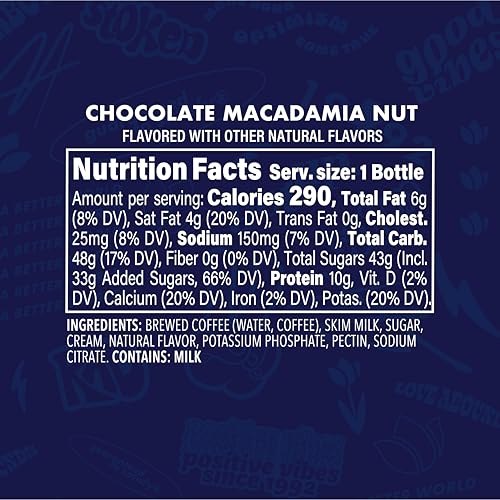
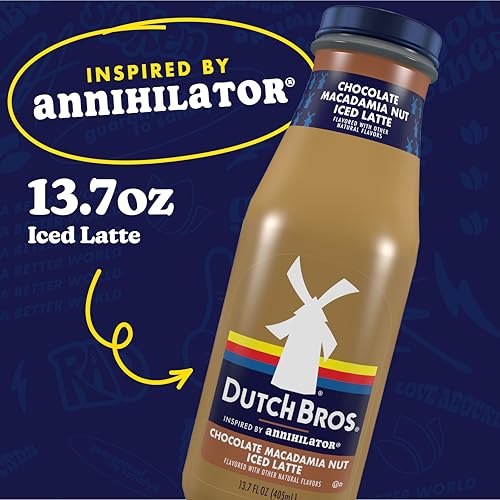
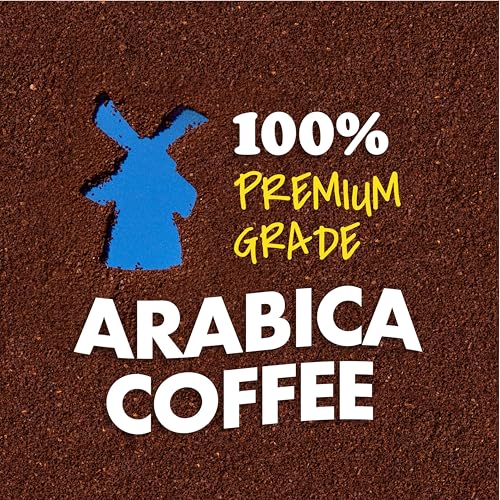
Let’s be clear, this is a dessert in a bottle. Inspired by the Annihilator, it’s a wild mix of buttery macadamia nut, chocolate, sweet cream, and Arabica coffee. It’s unapologetically indulgent, and owners who love Dutch Bros’ over-the-top style say it captures that cult favorite perfectly. The 13.7 fl oz size delivers a rich, creamy sip with a lot of flavor going on.
It’s not subtle, not healthy, and not for everyone. But if you’re looking for something fun and different, this wins the “best unique flavor” title by default. Compared to the Starbucks Mocha Frappuccino, it’s nuttier and more complex. I’d recommend it as an occasional treat, not a daily driver.
Product photos

Our Testing Process
My team and I approached this guide by researching the specifications and features of numerous ready-to-drink coffees, then carefully weighing owner reviews from major retailers alongside expert opinions found in coffee publications. Rather than a hands-on lab test, this is a research-led comparison of stated attributes and real-world feedback. We ranked options against a set of criteria designed to cover the spectrum of what coffee drinkers value in a bottled option.
For this category, flavor profile and caffeine content were the most heavily weighted factors. Bottled coffee needs to deliver on taste, offering a satisfying experience beyond just convenience. Equally important is knowing the caffeine level, as consumers have varied preferences – some want a strong boost, while others prefer a milder lift. We also considered price per serving and the presence of added ingredients like sugar or protein.
Specifications reliably tell you about caffeine levels, bottle size, and basic ingredients. However, judging nuanced aspects like actual flavor accuracy, smoothness, and overall quality required a deep explore owner feedback. Reputation matters here; brands with a consistent track record of positive reviews generally performed higher in our rankings. If you’re concerned about the potential effects of caffeine, you might also want to learn more about decaf coffee safety.
How To Pick The Right ready to drink bottled coffee
I’ve spent years exploring the world of coffee, and one thing is clear: convenience shouldn’t mean sacrificing quality. The ready-to-drink market has exploded, but not all bottled coffees are created equal.
A truly excellent ready-to-drink coffee balances convenience with flavor complexity. Key considerations include the coffee bean origin and roast level, the brewing method (cold brew generally yields smoother results), the presence of added sugars or artificial ingredients, and packaging that preserves freshness. Buyers should also consider caffeine content and whether it aligns with their preferences.
Understanding Coffee Concentration & Strength
The biggest difference between these bottles isn’t necessarily flavor, but how much coffee is actually in them. Many brands sell concentrates meant to be diluted, while others are ready-to-go strength. Don’t assume a larger bottle means more caffeine; check the label carefully. I often recommend looking for brands that clearly state the caffeine content per serving, like Dunkin’ or Java House. If you’re sensitive to caffeine, or prefer a more moderate boost, sticking with brands offering lower milligram counts is wise. And if you prefer a stronger brew, you might consider a concentrate that allows you to customize the intensity.
Prioritizing Ingredient Quality and Sweeteners
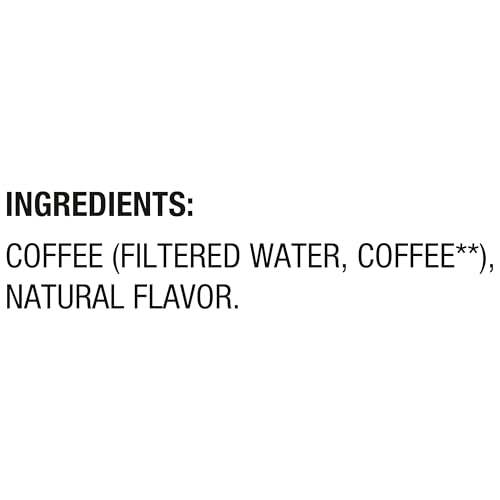
Beyond caffeine, pay close attention to what else is in the bottle. A lot of commercially available cold brews add a significant amount of sugar. If you’re watching your intake, or simply prefer a cleaner taste, brands like SToK offer unsweetened options. Here’s what to consider when looking at the ingredient list:
- Artificial Sweeteners: Avoid if you’re trying to minimize processed ingredients.
- Added Sugars: Be mindful of the amount (and type) of sugar.
- Real vs. Artificial Flavors: Real vanilla extract (as found in La Colombe) is preferable to artificial flavorings.
The best ready-to-drink coffee will prioritize high-quality ingredients. I’ve seen a growing trend towards using Arabica beans, which are generally considered higher quality than Robusta, and brands utilizing real ingredients like milk and vanilla.
Balancing Cost, Convenience, and Your Needs
Ultimately, the “best” bottled coffee depends on your lifestyle and priorities. If you need a quick protein boost, Premier Protein offers a convenient option, but it’s not a traditional coffee experience. For a more gourmet experience, La Colombe is a step up, but comes at a higher price point. We’ve compiled top RTD coffee brands to help you navigate the choices.
A good rule of thumb is to consider how you’ll be consuming the coffee: a meal replacement like Huel Black Edition offers a different value proposition than a simple caffeine pick-me-up from Dunkin’.
Some people prioritize convenience above all else, while others are willing to spend a little more for a superior taste. Understanding your needs will help you narrow down the options and find the perfect bottled coffee for your everyday routine. If you’re still weighing your options, you might even want to consider comparing tea and coffee health benefits to see if another beverage might suit your needs.
Ready to Drink Bottled Coffee Compared
Here’s a comparison of key specifications for popular ready-to-drink bottled coffee options.
| Product Title | Caffeine (mg) | Size (oz) | Protein (g) | Added Sugar (g) | Flavor Profile |
|---|---|---|---|---|---|
| Java House Pure Black Cold Brew | 135-165 | 12 | N/A | N/A | Rich & Balanced |
| Starbucks Frappuccino Mocha | N/A | 13.7 | N/A | N/A | Chocolate Mocha |
| Dunkin’ Original Iced Coffee | 171 | 13.7 | N/A | N/A | Original Iced Coffee |
| La Colombe Vanilla Draft Latte | 100 | N/A | N/A | 7 | Vanilla Latte |
| Premier Protein Caramel Macchiato | N/A | 11.5 | 30 | N/A | Caramel Macchiato |
| Huel Black Edition Iced Coffee | N/A | 12 | 35 | N/A | Iced Coffee |
| SToK Bold & Smooth Black Cold Brew | 125 (per 12oz) | 48 | N/A | N/A | Bold & Smooth |
| Dutch Bros Chocolate Macadamia | N/A | 13.7 | N/A | N/A | Chocolate Macadamia |
Frequently Asked Questions
What if I’m looking for a bottled coffee with a high protein content?
Premier Protein and Huel Black Edition stand out, offering 30 and 35 grams of protein per bottle respectively. These are geared more toward meal replacements or post-workout recovery than a traditional coffee experience.
Are there any ready-to-drink coffees that don’t contain any added sugar?
Yes, SToK offers several unsweetened cold brew options, and Java House Pure Black Cold Brew contains no added sugar. These are great choices if you prefer to control the sweetness yourself or avoid added sugars altogether.
What’s the difference between cold brew and iced coffee in a bottle?
While both are served cold, cold brew is steeped for a longer period(12-24 hours) creating a smoother, less acidic flavor. Iced coffee is typically brewed hot and then chilled, and can sometimes have a more bitter taste. You can find best bottled cold brews on my site.
How do I know how much caffeine is in a bottled coffee?
Caffeine content varies significantly between brands; look for the milligrams (mg) listed on the nutrition label. Brands like Dunkin’ and Java House are particularly transparent about their caffeine levels, while others may not disclose it.
What should I look for in terms of bean quality when choosing a ready-to-drink coffee?
Generally, Arabica beans are considered higher quality than Robusta beans and will contribute to a more nuanced flavor. La Colombe, for example, uses higher quality ingredients in their lattes. Consider checking bottled cold brew reviews for insight into how brands prioritize bean origin.
The Bottom Line
Choosing the best ready-to-drink coffee often comes down to a trade-off between ultimate convenience and a truly exceptional flavor experience. While many options exist, I believe Java House Pure Black Cold Brew strikes the best balance for most people, offering a flavorful, strong coffee without unnecessary additives or a premium price. It’s a great baseline for anyone wanting a straightforward, satisfying bottled coffee.
For those with specific needs, the field opens up nicely. If you’re prioritizing a protein boost alongside your caffeine, Premier Protein Caramel Macchiato is a clear winner. And for a more indulgent, café-quality experience, La Colombe Vanilla Draft Latte won’t disappoint, even if it’s a bit of a splurge. If you’re curious about why some people opt for a different route, you can explore the reasons for drinking decaf as well.
Ultimately, the specs – caffeine levels, protein content, sugar amounts – matter, but they shouldn’t overshadow the fundamentals. Seek out coffee made with quality beans, brewed properly, and packaged to preserve freshness. A well-sourced, thoughtfully prepared coffee will always deliver a more enjoyable experience, regardless of whether it comes from a café or a bottle.
