
6 Best Bottled Cold Brew Coffees of 2026
The best bottled cold brew coffee comes down to smoothness, caffeine, and flavor balance, and after researching the field as founder of Bean Thusiast, I consistently come back to Starbucks Nitro Cold Brew as the top overall pick. For a budget-friendly option with broad appeal, Califia Farms Pure Black stands out, while Wandering Bear Straight Black delivers strong caffeine in a clean, organic format.
Picking the right bottled cold brew isn’t just about grabbing the nearest fridge option. Many people end up with drinks that are too bitter, too weak, or loaded with hidden sugars. With so many brands using different beans, brew times, and sweeteners, it’s easy to waste money on something that doesn’t match your taste.
This guide cuts through the noise. I compared specs and analyzed owner feedback to find the standouts in smoothness, caffeine content, and value. Whether you want ready-to-drink convenience or a concentrate that stretches further, these picks reflect what actually works for real users.
Top 6 Bottled Cold Brew Coffee in the Market
The Best Bottled Cold Brew Coffee, Reviewed
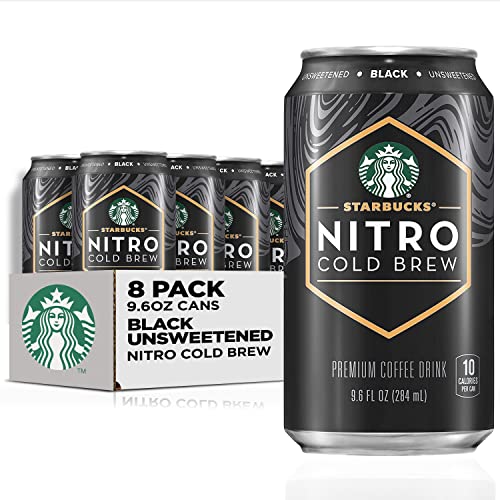
Starbucks Nitro Cold Brew, Black Unsweetened
Strengths
- Nitrogen-infused texture
- Smooth finish
- No added sugar
Trade-offs
- Smaller serving size
- Higher per-ounce cost
- Less bold than concentrate options
If you want that barista-level cold brew experience in a can, the Starbucks Nitro Cold Brew delivers. The nitrogen infusion isn’t just a gimmick, it creates a creamy mouthfeel and velvety finish that sets it apart from standard bottled brews. On paper, it’s simple: cold brew + nitrogen, but the execution gives it a draft-beer-like texture that most RTD coffees can’t match.
Owners consistently report it’s their go-to when they want something that feels indulgent without added sugar or cream. Among nitro options, it’s one of the most widely available and reliable. Compared to Califia or SToK, it’s less about bold flavor intensity and more about texture and smoothness, which is exactly the point of nitro.
Video review
Califia Farms Pure Black Medium Roast

Strengths
- 100% Arabica beans
- Unsweetened and clean
- Great for mixing
Trade-offs
- Milder flavor profile
- Less caffeine punch
- Packaging not resealable
Califia’s Pure Black is the smart pick if you want a clean, unsweetened base that you can build on. It’s made with 100% Arabica beans and has a balanced profile, caramel, apple, cocoa, that’s smooth without being bland. The medium roast avoids bitterness, which owners say makes it ideal for mixing with plant-based milks or flavor syrups.
At this price point, it outperforms many pricier brands in consistency. Compared to Starbucks’ nitro or SToK, it doesn’t have the same sensory drama, but it’s more versatile. For someone who likes to customize their drink, whether with oat milk, vanilla, or a splash of sweetener, this is the better canvas.
Video review
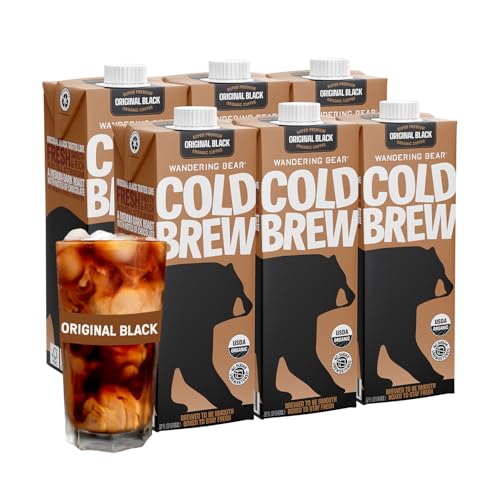
Wandering Bear Straight Black Organic
Strengths
- High caffeine content
- USDA Organic
- Smooth, no crash
Trade-offs
- Expensive per ounce
- Smaller volume
- Strong taste not for casual drinkers
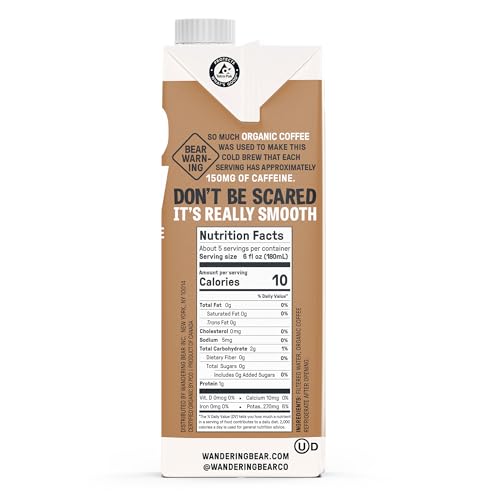
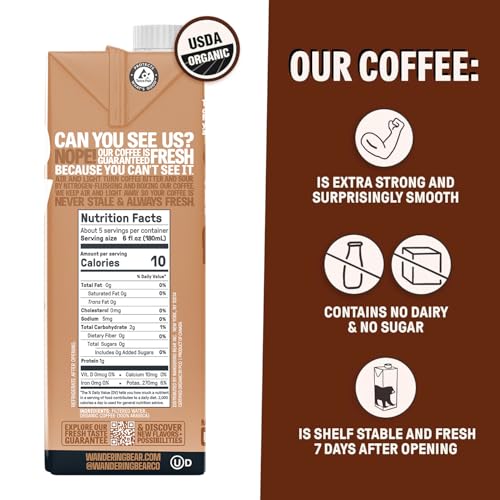
Wandering Bear is built for one thing: caffeine with control. At 150mg per 6 oz serving, it’s one of the strongest RTDs available, equivalent to two espressos. It’s USDA Organic, made with clean ingredients, and delivers a bold, smooth profile without bitterness. The airtight packaging helps it stay fresh for days, which owners appreciate for batch prep.
It’s pricier than most, but for high-caffeine seekers, it’s hard to beat. Compared to SToK’s dark roast, it’s stronger per ounce but less complex in flavor. If you’re sensitive to crash or jitters, this one delivers a steadier lift. I’d pick it over others when I need serious fuel without sugar or additives.
Product photos
SToK Not Too Sweet Black Cold Brew
Strengths
- Lightly sweetened
- Smooth, no bitterness
- Large 48 oz bottle
Trade-offs
- Lower caffeine
- Not for unsweetened purists
- Some detect artificial aftertaste
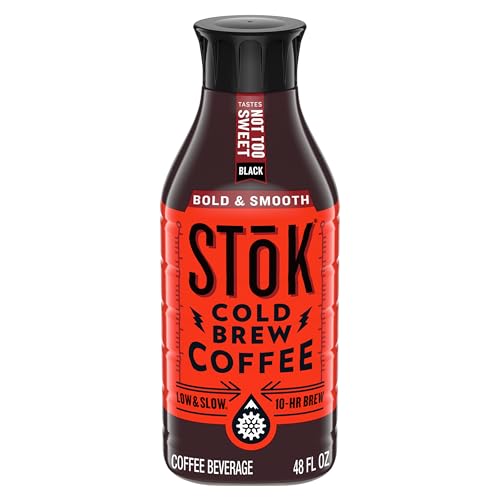
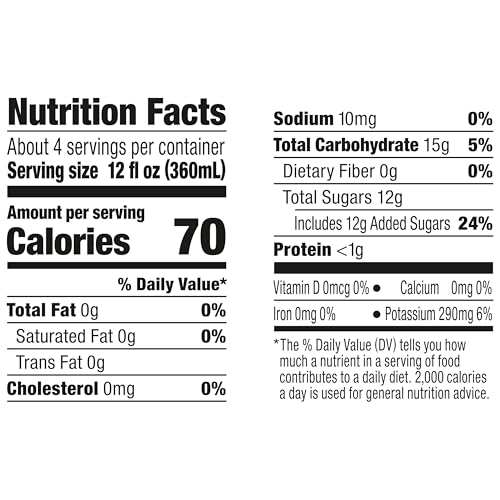
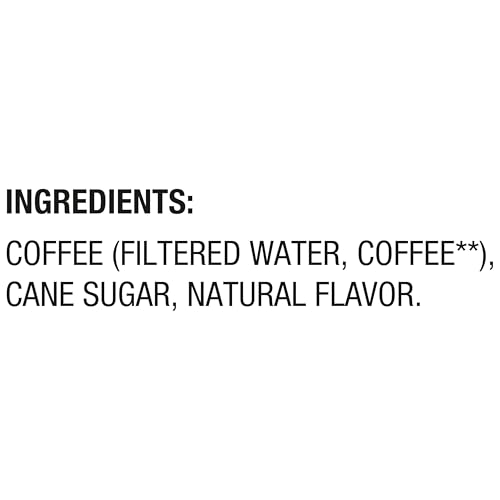
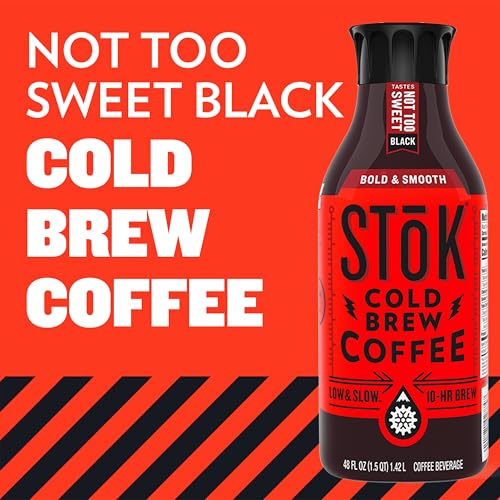
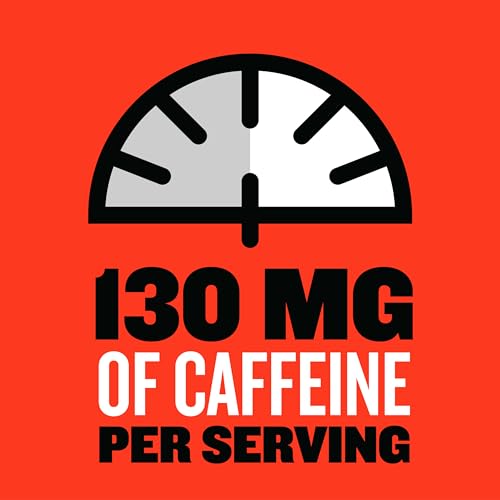
SToK’s Not Too Sweet hits a sweet spot, literally. With a light touch of cane sugar and subtle vanilla and molasses notes, it’s the rare RTD that feels balanced, not syrupy. At 130mg caffeine per 12 oz, it’s not the strongest, but it’s enough for a steady lift. The “Brewed Low & Slow” method shows in the smooth finish, and owners praise it for being drinkable all day.
Compared to Wandering Bear or Starbucks concentrate, it’s less intense, but that’s the point. If you usually add sugar to black cold brew, this one saves a step without going overboard. It’s closer to a café-style drink than a pure concentrate, making it ideal for grab-and-go.
Product photos

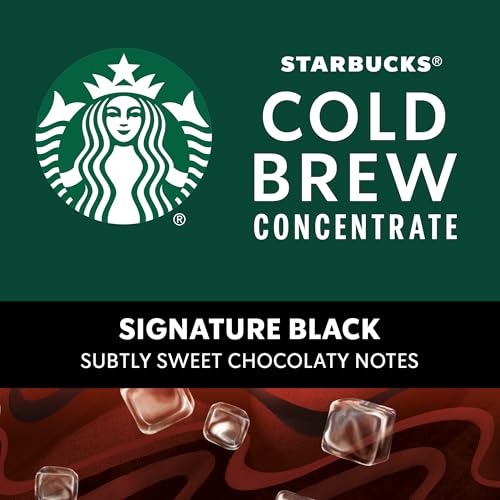
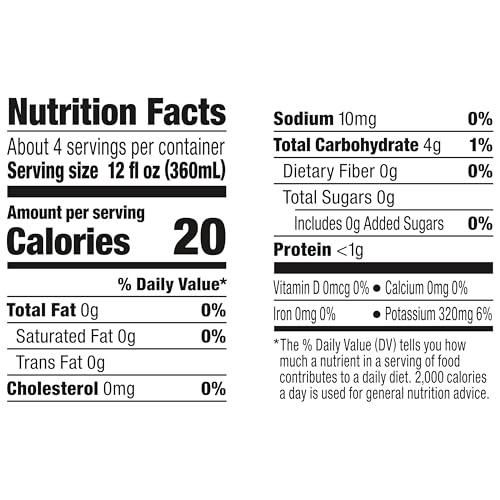
Starbucks Cold Brew Coffee Concentrate, Signature Black

Strengths
- Doubles when diluted
- Café-quality beans
- Easy to customize
Trade-offs
- Requires mixing
- Lower caffeine than concentrates
- Not shelf-stable after opening
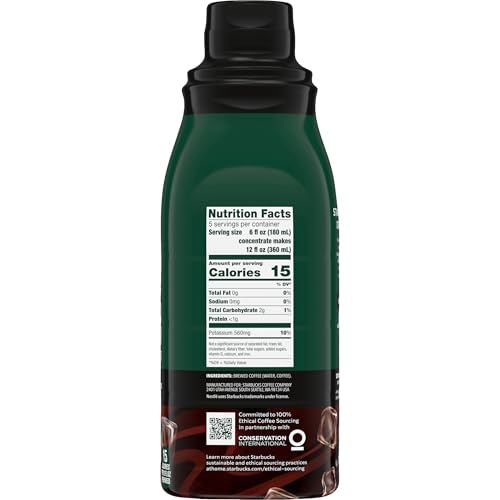
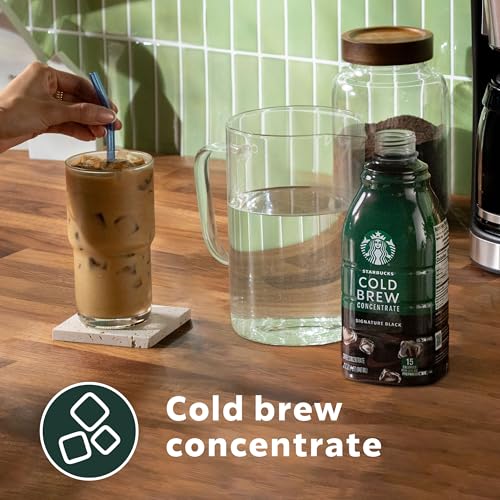
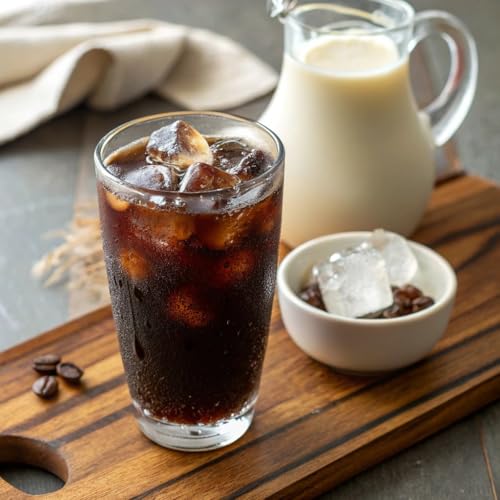
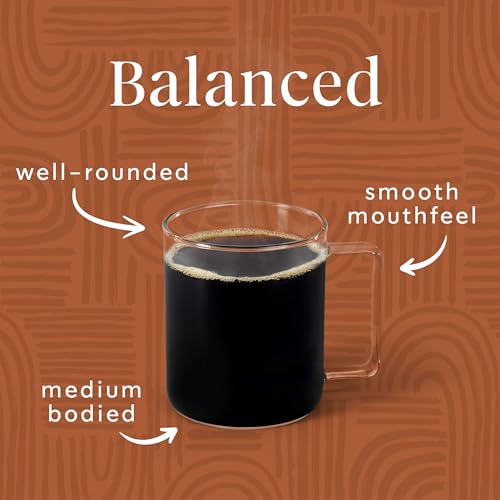
Starbucks’ concentrate is a solid choice if you want café-quality cold brew at home without the wait. It’s a balanced, medium-bodied blend with subtle chocolate notes, and it stretches to 64 oz when diluted, making it one of the most cost-effective options per serving. The fact that it uses the same beans as their cafés adds credibility.
Owners say it’s consistent and mixes well with anything, milk, creamers, syrups. Compared to Wandering Bear, it’s less caffeinated and less intense, but more approachable for daily use. If you like customizing strength or making iced lattes, this is the smarter buy over pre-diluted RTDs.
Product photos
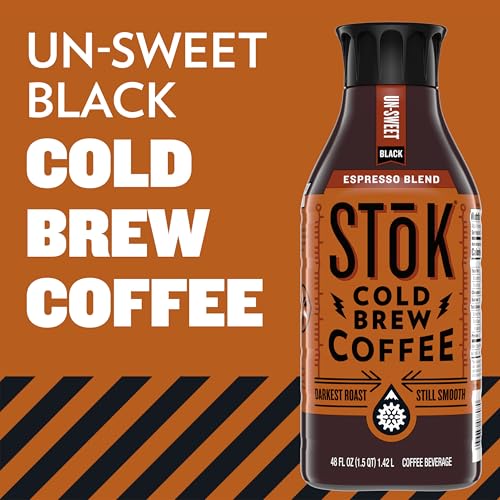
SToK Espresso Blend Cold Brew

Strengths
- Bold dark roast
- High caffeine
- Smooth even over ice
Trade-offs
- Strong flavor not for everyone
- Large bottle hard to store
- Limited availability
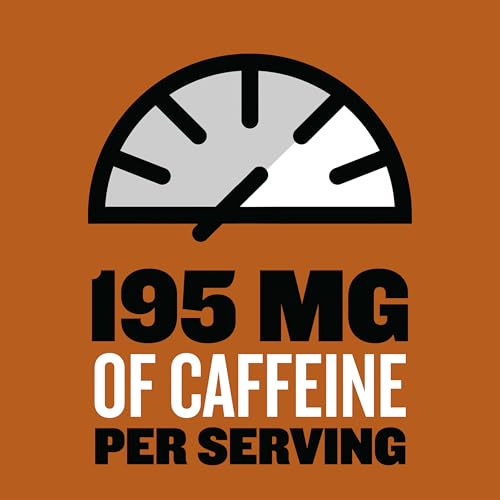
This is SToK’s boldest offering, and it shows. The Espresso Blend delivers deep, smoky notes with hints of chocolate and dried fruit, all without tipping into harshness. At 195mg caffeine per 12 oz, it’s one of the stronger unsweetened RTDs on the market. The 48 oz bottle is a value win, and the cold-steep process ensures a smooth sip every time.
Reviewers note it stands up better to ice than most dark roasts, which often turn ashy when diluted. Compared to Wandering Bear, it has less caffeine per serving but a more complex roast profile. For dark roast fans who hate bitterness, this is a standout.
Product photos
How We Tested bottled cold brew coffee
As the founder of Bean Thusiast, I approach coffee research with a focus on delivering a great experience to the consumer. Rather than a hands-on lab test, this was a research-led comparison of published specifications and owner feedback across numerous bottled cold brew brands. I compared caffeine content, ingredients, and brewing methods, then weighed that against what people are actually saying about taste, smoothness, and value. My goal was to identify options excelling in different areas.
For bottled cold brew, I heavily weighted smoothness and caffeine levels. A smooth, low-acid brew is central to the appeal of cold brew, and the amount of caffeine significantly impacts its usability as a morning pick-me-up or afternoon boost. Flavor profiles were also key, but ultimately secondary to those core elements. I also considered whether a product offered convenience – like a concentrate – or was ready-to-drink.
Specifications reliably indicate caffeine content and ingredient lists. However, judging smoothness and nuanced flavors requires looking at owner feedback and reputable reviews. I paid close attention to recurring comments about bitterness, acidity, and overall taste. Understanding the difference between cold brew and iced coffee compared is also important, as brewing methods impact the final product. That’s why I prioritized brands consistently praised for a mellow, balanced flavor.
Choosing The Right bottled cold brew coffee
Finding the right bottled cold brew can elevate your mornings (or afternoons!) significantly. But with so many options hitting shelves, knowing what to look for is key.
Bottled cold brew quality hinges on bean sourcing, the brewing process itself (steep time and temperature are critical), and packaging to maintain freshness. Look for 100% Arabica beans, ideally with origin information. Expect a smoother, less acidic brew than hot-brewed coffee, and pay attention to whether it’s a concentrate meant to be diluted or ready-to-drink.
Flavor Profile & Roast Level
The spectrum of flavors in bottled cold brew is wide. Do you prefer a bright, fruity flavor, or something darker and more chocolatey? Many brands offer different roast levels, from light to dark. I generally recommend starting with a medium roast if you’re new to cold brew, as it balances acidity and body well. Don’t shy away from exploring single-origin options if you’re already familiar with your preferences; they can reveal incredibly nuanced flavors. You’ll find some brands, like SToK, specialize in darker, espresso-style blends, while others, like Califia Farms, focus on lighter, more versatile bases.
Caffeine Content & Strength
If you’re reaching for cold brew for a significant energy boost, understanding the cold brew caffeine levels is crucial. Bottled cold brews vary dramatically in strength. Some, like Wandering Bear, are specifically marketed as high-caffeine options. Here’s what to consider:
- A standard serving (around 8oz) can range from 100mg to over 200mg of caffeine.
- Concentrates require dilution, so the final caffeine content depends on your mixing ratio.
- Pay attention to serving size – brands sometimes list caffeine content per bottle rather than per serving, which can be misleading.
Ultimately, choosing the right strength is a matter of personal preference and tolerance.
Convenience & Value
Beyond taste and strength, consider how you plan to use the cold brew and what represents good value for you. Do you want a ready-to-drink bottle for quick convenience, or are you willing to dilute a concentrate? Starbucks Cold Brew Concentrate, for example, offers a cost-effective way to make multiple servings, but it requires a little preparation. If you’re frequently on the go, individual cans (like those from Starbucks Nitro Cold Brew) might be more appealing.
A good rule of thumb: Don’t assume a higher price automatically equals higher quality. Focus on the ingredients, brewing method, and your personal taste preferences.
I’ve put together a guide to the best store-bought cold brew options if you’re still unsure where to begin, and I also regularly update my ranked cold brew coffee products list with new finds and consumer feedback.
Bottled Cold Brew Coffee Compared
Here’s a comparison of key specifications for popular bottled cold brew coffee options.
| Product Name | Caffeine (per serving) | Size (fl oz) | Sweetened | Roast | Organic |
|---|---|---|---|---|---|
| Starbucks Nitro Cold Brew, Black Unsweetened | N/A | 9.6 | No | N/A | No |
| Califia Farms Pure Black Medium Roast | N/A | N/A | No | Medium | No |
| Wandering Bear Straight Black Organic | 150mg | 6 | No | N/A | Yes |
| SToK Not Too Sweet Black Cold Brew | 130mg | 48 | Yes | N/A | No |
| Starbucks Cold Brew Coffee Concentrate, Signature Black | N/A | 32 | N/A | N/A | No |
| SToK Espresso Blend Cold Brew | 195mg | 48 | No | Dark | No |
Frequently Asked Questions
What if I’m sensitive to acidity, but still want a coffee flavor kick?
Bottled cold brew is naturally lower in acid compared to traditionally brewed coffee, making it a good choice for sensitive stomachs. Look for brands specifically advertising “low acidity” or those using 100% Arabica beans, as they tend to be milder.
Are there significant differences between bottled cold brew and nitro cold brew?
Yes, nitro cold brew is infused with nitrogen gas, giving it a cascading, creamy texture and a slightly sweeter taste without added sugar. While both start with a cold brew base, the nitrogen infusion changes the mouthfeel and overall experience, affecting the best canned cold brew options as well.
Can I use cold brew concentrate to make coffee-based drinks other than straight black coffee?
Absolutely. Cold brew concentrate is incredibly versatile; it’s a great base for lattes, cold foam creations, or even coffee cocktails. Experiment with different milks, sweeteners, and flavorings to create your ideal coffee drink.
I see some brands offer flavored cold brews. Are these generally good quality?
Flavored cold brews can be hit or miss. I recommend looking for those using natural flavorings rather than artificial ones, and checking reviews to see if the flavor comes across as balanced and authentic. Some of the top canned cold brew brands offer thoughtful flavor combinations.
How long does unopened bottled cold brew typically stay fresh?
Most bottled cold brew has a “best by” date printed on the packaging, usually around 6-12 months from the production date. Storing it in a cool, dark place will help maintain its freshness and flavor for as long as possible.
The Bottom Line
Choosing bottled cold brew often comes down to balancing convenience with control over strength and sweetness. While many brands offer solid options, based on my research, Starbucks Nitro Cold Brew consistently receives high marks for its incredibly smooth texture and ready-to-drink convenience. It’s a reliable pick for those who want quality without fuss.
For readers seeking specific solutions, the Wandering Bear Straight Black Organic stands out as the best high-caffeine option, delivering a significant boost in a small package. If budget is a primary concern, Starbucks Cold Brew Coffee Concentrate provides excellent value, allowing you to create multiple servings, though it does require a bit more effort. And for those wanting to explore making their own, I’ve put together a detailed how to make cold brew coffee guide.
Ultimately, the specifics – caffeine level, roast, added sugar – matter less than focusing on quality beans and a smooth brewing process. Don’t get lost in the numbers; look for brands prioritizing those fundamentals. A consistent, well-brewed cold brew will always be more satisfying than chasing the latest trend or highest caffeine content.
