
3 Best Proteins to Put in Coffee (2026 Guide)
The Premier Protein Café Latte is our top pick for its powerful 30g protein punch and smooth mixability, making it ideal for those seeking serious fuel. For a lighter, collagen-focused option, the Javvy Protein Coffee Creamer stands out with MCT oil and zero sugar.
Adding protein to coffee can be a standout for energy and satisfaction, but too many products leave behind chalky residue or overpower the coffee’s flavor. After researching the market and analyzing owner feedback, I focused on what actually matters: clean taste, reliable mixability, and ingredients that align with real dietary goals.
This guide breaks down the best options based on protein type, added functional ingredients, and how well they dissolve in hot coffee. We looked at specs, user reviews, and brand reputation to find picks that deliver a seamless, enjoyable experience every morning.
Top 3 Protein To Put In Coffee in the Market
The Best Protein To Put In Coffee, Reviewed
Premier Protein Café Latte
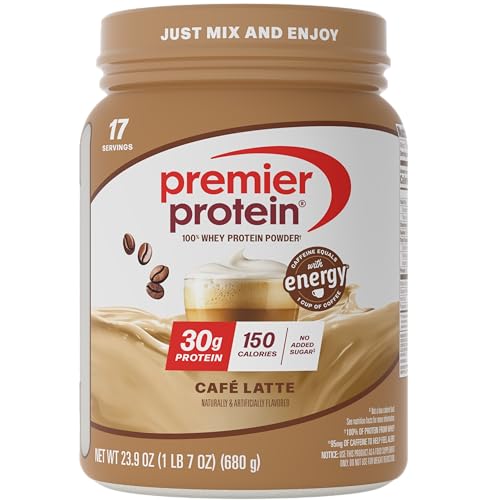
Strengths
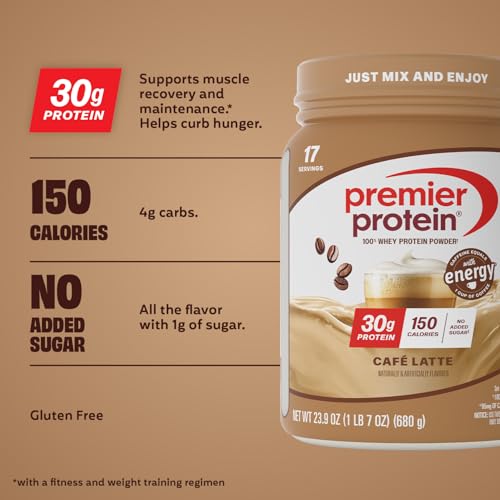
- 30g whey protein
- 95mg caffeine
- Smooth mix
- Keto friendly
- Gluten and soy free
Trade-offs
- No added functional ingredients
- Taste slightly artificial to some
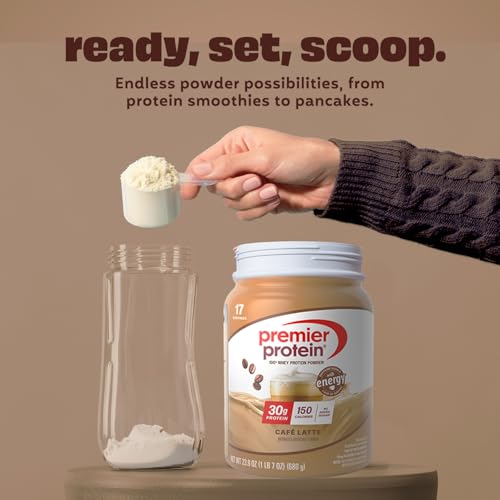
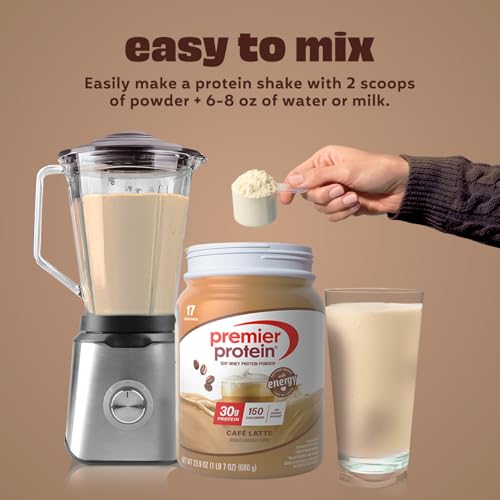
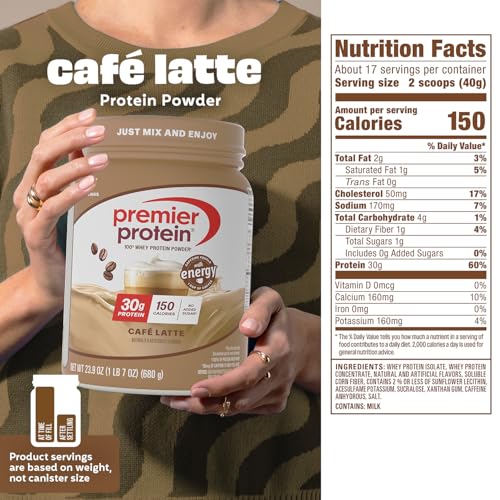
If you’re after maximum protein with a genuine coffee flavor, this Café Latte version from Premier Protein is tough to beat. At 30g of 100% whey protein per serving, it delivers a complete amino acid profile that supports muscle repair far more effectively than collagen or plant blends. The 95mg of caffeine is spot-on, equivalent to a standard cup of drip coffee, so it energizes without jitteriness. Owners say it mixes easily with just water or milk and has a rich, latte-like taste that doesn’t taste chalky or over-processed.
Compared to the mushroom-heavy B0G62RSNQM, this is a no-nonsense protein-first product with coffee flavoring, not the other way around. It’s also more affordable per serving and comes in a larger tub. The 1g of sugar and low carb count make it keto-friendly on paper, though it lacks MCTs or adaptogens. For someone using protein to support workouts or manage hunger, this is the more functional choice.
Product photos

Javvy Protein Coffee Creamer

Strengths
- 11g collagen
- MCT oil included
- Smooth texture
- Sugar free
- Budget friendly
Trade-offs
- Lower protein content
- Not a meal replacement
Javvy takes a minimalist, creamer-first approach, and it works well for people who want to enhance their coffee, not replace a meal. At 11g of collagen per serving, it’s not competing with the 25g+ protein powders, but it delivers meaningful support for skin, hair, and joints, which many long-term users say they’ve noticed over weeks of daily use. The MCT oil adds a clean energy lift, and the sweet cream flavor blends smoothly into both hot and iced coffee without clumping, a common complaint with cheaper creamers.
It’s also the most budget-friendly of the three, making it ideal for daily use without guilt. Unlike full protein powders, this isn’t meant to curb hunger for hours, but it does turn a basic cup into a functional, creamy experience. Compared to the Premier Protein powder, it’s lighter on protein but better as a true coffee companion.
Product photos


Protein Coffee Powder with Collagen

Strengths
- 25g protein per serving
- Includes functional mushrooms
- MCT oil and probiotics
- Keto and sugar free
- Instant mix
Trade-offs
- Plant protein less bioavailable
- Fewer servings per tub
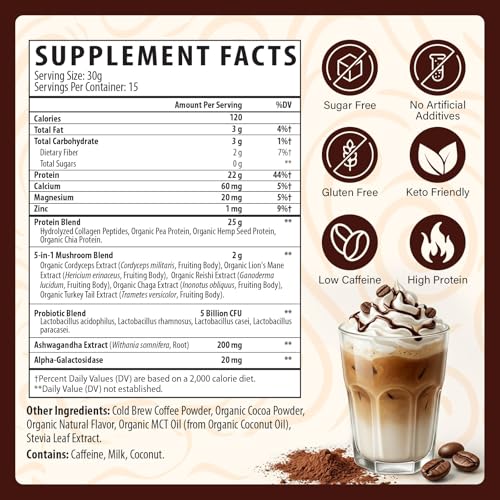
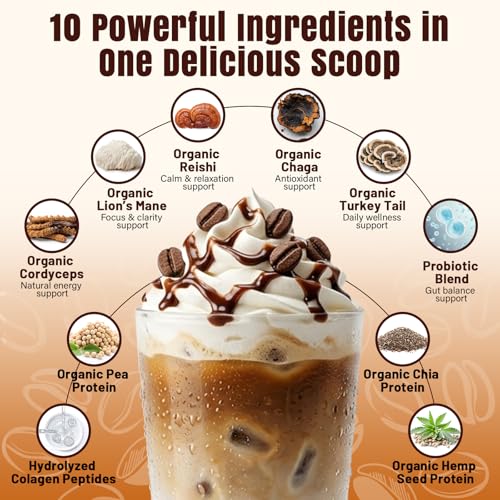
This product pushes the envelope on what ‘coffee with protein’ can be, it’s less a simple additive and more a full nutritional stack disguised as a mocha. With 25g of combined collagen and plant protein, it’s clearly built for people who want their morning cup to double as a recovery drink or meal base. The inclusion of functional mushrooms like Lion’s Mane and Cordyceps is a standout, and owners consistently report better mental clarity and sustained energy, which lines up with what we know about these adaptogens.
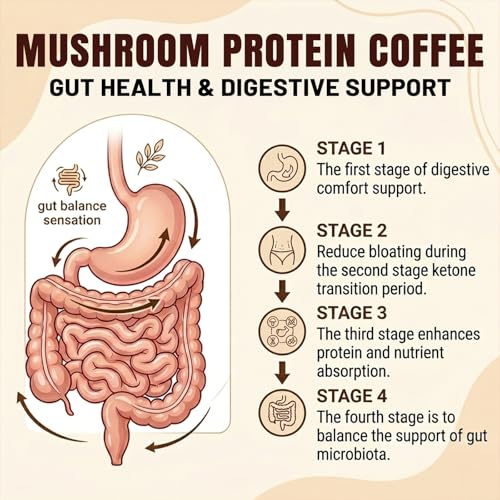
It’s also one of the few options that blends MCT oil and probiotics into the mix, making it a true all-in-one for keto dieters or intermittent fasters who want digestion and energy support built in. The flavor profile leans into chocolate mocha, and reviewers say it dissolves cleanly in both hot and cold liquid. For those avoiding dairy and soy, this hits a sweet spot in clean formulation, though the plant protein blend may not be quite as fast-absorbing as whey.
Product photos


How We Evaluated protein to put in coffee
As the founder of Bean Thusiast, I’ve always been fascinated by ways to enhance the coffee experience – and lately, that’s meant exploring protein additions. Rather than a hands-on lab test of each product, my team and I focused on a research-led comparison of published specifications and, crucially, a deep explore owner feedback. We weighed features against price, looking for products that genuinely deliver on their promises of taste, mixability, and functional benefits.
For protein to put in coffee, smooth texture and flavor profile are paramount. We prioritized products offering at least 10g of protein per serving, but ultimately, the quality of that protein and how well it integrates with coffee were the biggest deciding factors. The caffeine content, when added, also played a role, as did the inclusion of beneficial additives like collagen or MCT oil. Understanding adding whey protein to coffee preferences was also key.
Product specifications give a reliable indication of protein content, added ingredients, and sugar/carb levels. However, we relied heavily on owner reviews to assess real-world mixability, taste (particularly any artificial aftertaste), and digestibility. Reputation – noting brands consistently praised for quality and transparency – factored into our assessments as well. We found owner feedback was essential for gauging how these products truly perform in a daily routine.
How To Choose The protein to put in coffee
As someone who’s explored countless ways to enhance my morning cup, I can tell you that adding protein to coffee isn’t just a trend – it’s a legitimately effective way to boost your energy and nutrition. But finding the right product requires a little more thought than just grabbing the first one you see.
A quality protein coffee product should prioritize mixability, delivering a smooth texture rather than clumps. Beyond that, consider the protein source (whey, collagen, plant-based), added ingredients like MCT oil or mushrooms for functional benefits, and the overall macronutrient profile to align with your dietary goals. Caffeine content and sugar levels are also key factors to evaluate.
Protein Source & Type
The type of protein really dictates the experience. Whey protein, like you’ll find in the Premier Protein Café Latte, is a classic for a reason; it’s very effective at dissolving and provides a complete amino acid profile. However, whey isn’t ideal for everyone. If you’re dairy-sensitive, a plant-based option, or even a collagen-focused product like the Javvy Protein Coffee Creamer, becomes much more appealing. Don’t assume all plant proteins mix equally well – pea protein tends to be a bit grittier than brown rice or soy isolates.
- A small amount of protein (under 10g) is mostly for flavor and a slight boost.
- 15-25g is a good range for a moderate protein addition, supporting muscle recovery or satiety.
- Over 25g provides a substantial protein dose, potentially replacing a protein shake, but you’ll want to pay close attention to mixability and texture as higher concentrations can be harder to dissolve – and you might want to check out non-clumping protein for hot coffee to avoid issues.
Functional Ingredients & Benefits
Many protein coffees go beyond just protein, incorporating ingredients aimed at boosting cognitive function or overall wellness. The inclusion of mushrooms (Lion’s Mane, Reishi, etc.) in some formulas is a prime example, offering potential nootropic benefits. Similarly, MCT oil is a popular addition for sustained energy, particularly for those following ketogenic diets. Consider what you want from your protein coffee – are you looking for a mental edge, a digestive aid, or simply a protein boost? This will help you narrow down your choices.
Don’t be fooled by marketing hype. A little research into the science behind ingredients like mushrooms or adaptogens can help you determine if they align with your needs.
Flavor and Mixability
Let’s be real: if it doesn’t taste good, you won’t drink it. Many of these products are flavored to mimic coffee drinks (latte, mocha), but the quality of those flavors varies widely. Read reviews closely, paying attention to comments about sweetness and aftertaste. More importantly, mixability is crucial. A grainy or clumpy protein coffee is a disappointment. I often recommend looking for products specifically formulated for hot beverages, or checking out resources on finding protein powders that mix well in coffee to ensure a smooth experience. And if you’re curious about adding another supplement, learn more about adding collagen to coffee for additional benefits.
Protein to Put in Coffee Compared
Here’s a specification comparison of different protein powders designed for use in coffee.
| Product Title | Protein Per Serving | Caffeine | Sugar (g) | Additional Ingredients | Servings |
|---|---|---|---|---|---|
| Premier Protein Café Latte | 30g | 95mg | 1g | Whey Protein | 17 |
| Javvy Protein Coffee Creamer | 11g (Collagen) | N/A | 0g | Collagen, MCT Oil | N/A |
| Protein Coffee Powder with Collagen | 25g | N/A | N/A | Mushrooms, MCT, Probiotics | N/A |
Frequently Asked Questions
What protein powder mixes best with hot coffee?
Premier Protein Café Latte consistently receives high marks for mixability, thanks to its whey protein base and formulation specifically for hot beverages. However, if you are looking for a high-solubility coffee protein powder, several brands offer specialized formulas designed to avoid clumping.
Can you use regular protein powder in coffee?
Yes, but expect potential issues with texture. Regular whey protein can clump in hot coffee, and many plant-based proteins have a gritty consistency. Choosing a protein powder made for coffee is generally recommended for better results.
Is collagen protein a good alternative to whey in coffee?
Collagen is a solid alternative, especially if you’re dairy-sensitive. It dissolves well in hot liquids and doesn’t have a strong flavor, but it provides less protein per serving (typically around 10-11g) than whey.
What should I look for in a flavored protein coffee product?
Pay attention to reviews regarding artificial sweeteners and aftertaste. Many flavored options use sucralose or other artificial sweeteners, which some people dislike; a flavor-neutral coffee protein might be preferable if you’re sensitive to these.
Are there protein powders with added caffeine already in them?
Yes, some products like Premier Protein Café Latte include added caffeine (95mg per serving). However, the amount is relatively low; if you want a significant caffeine boost, you may still need to supplement with coffee or another source. There are also options for a hot coffee protein blend that are specifically designed to be a coffee replacement.
The Bottom Line
Choosing the best protein to put in coffee often comes down to balancing convenience with your specific needs. If you want a straightforward, high-protein boost with a familiar coffee flavor, the Premier Protein Café Latte stands out as a solid all-around performer. It delivers a substantial 30g of protein and a noticeable caffeine kick, making it a great option for those seeking a quick and effective energy boost.
For readers prioritizing a gentler approach, or those with dietary restrictions, the Javvy Protein Coffee Creamer offers a unique collagen-based alternative. If you’re exploring functional ingredients and a more holistic boost, the Protein Coffee Powder with Collagen is worth considering – though owner feedback on mixability should be carefully reviewed. Ultimately, understanding your priorities – whether it’s maximizing protein intake, minimizing sugar, or incorporating specialized ingredients – will guide you to the best choice.
When it comes to enhancing your coffee, remember that smooth texture and a pleasant flavor are just as crucial as the protein content. Don’t get too hung up on chasing the highest numbers; a product that mixes well and tastes good is far more likely to become a sustainable part of your routine. For more information on successfully using protein powder in coffee, check out our guide on protein powder in coffee tips.
