
8 Best Organic Mold-Free Coffee Beans of 2026
Purity Coffee FLOW Medium Roast is the best overall choice for clean, flavorful coffee, backed by rigorous third-party testing and high antioxidant levels. For a budget-friendly option that still delivers on low acidity and smooth taste, Lifeboost Organic Medium Roast stands out. If you want versatility and a focus on cognitive benefits, Brain Bean Organic Medium Roast is a strong contender.
Most people just want a safe, great-tasting cup of coffee without worrying about hidden mold or toxins, especially when they’re paying premium prices for organic beans. The reality is, not all “organic” coffee is truly clean, and many brands don’t test for mycotoxins at all.
In this guide, I’ll walk you through the top options based on verified testing, sourcing transparency, and real user feedback. These picks reflect what I’ve learned from years of studying coffee quality, helping you cut through the marketing and find beans that deliver on both safety and flavor.
Top 8 Organic Mold Free Coffee Beans in the Market
The Best Organic Mold Free Coffee Beans, Reviewed
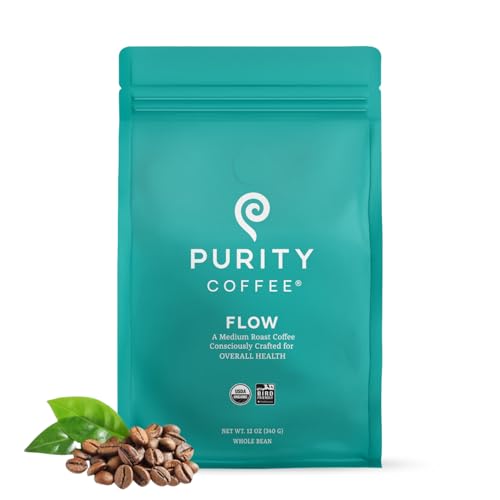
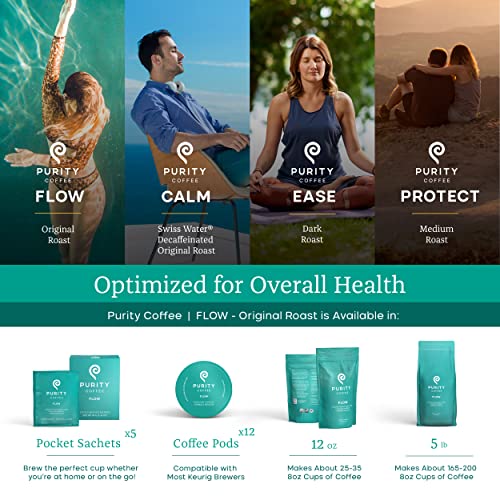
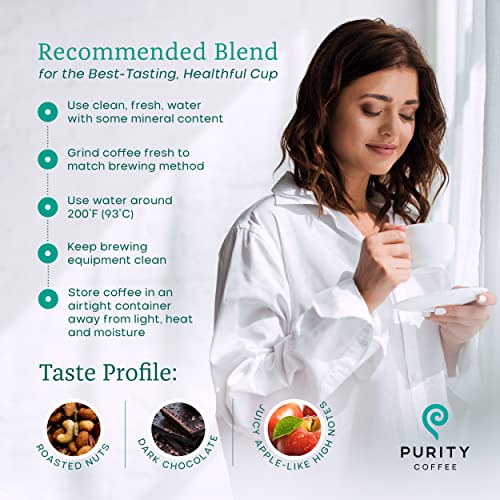
Purity Coffee FLOW Medium Roast
Strengths
- Fully traceable supply chain
- Nitrogen flushed
- Multiple eco certifications
- High antioxidant levels
- Defect-free specialty grade
Trade-offs
- Premium price
- Limited roast options
- Not for bold roast lovers
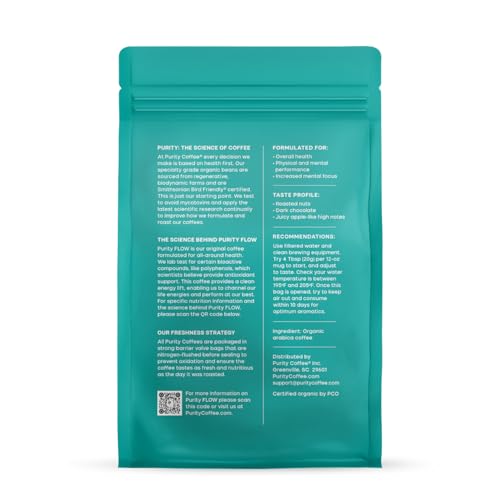
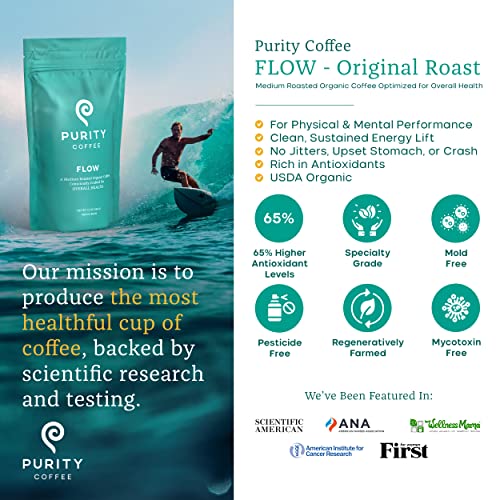
If I had to pick one coffee to recommend as the best overall in this category, it would be Purity Coffee. Not because it’s the flashiest, but because it checks every box with serious rigor. USDA Organic, regeneratively farmed, Bird Friendly, Rainforest Alliance certified, this is coffee built on sustainability and science. The fact that they control the chain from farm to bag gives them unmatched quality oversight.
Owners consistently highlight the freshness, thanks to nitrogen flushing, and the rich, full-bodied flavor that doesn’t sacrifice smoothness. It’s tested for mold, mycotoxins, pesticides, and heavy metals, and their transparency rivals even Natural Force. Compared to others, Purity delivers a more rounded experience: excellent taste, verified purity, and ethical sourcing. The only downside? It’s not cheap. But for the buyer who wants it all, this is the benchmark.
Product photos
Lifeboost Organic Medium Roast

Strengths
- Affordable price
- Shade-grown & bird friendly
- 30-day guarantee
- Lab tested for 400+ toxins
- Low acid profile
Trade-offs
- Mild flavor
- Not SCA specialty graded
- Packaging not nitrogen flushed
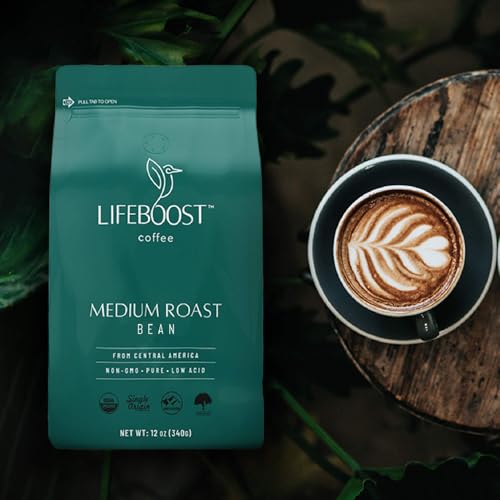
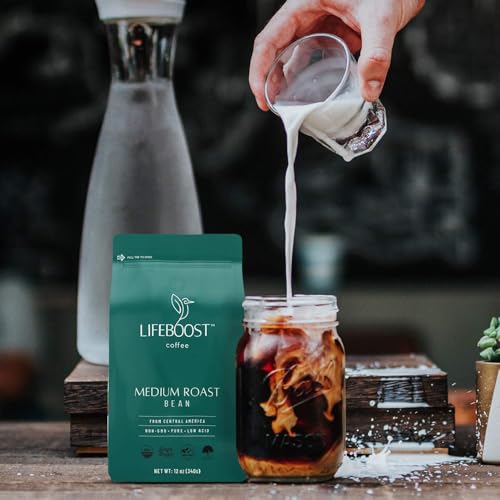
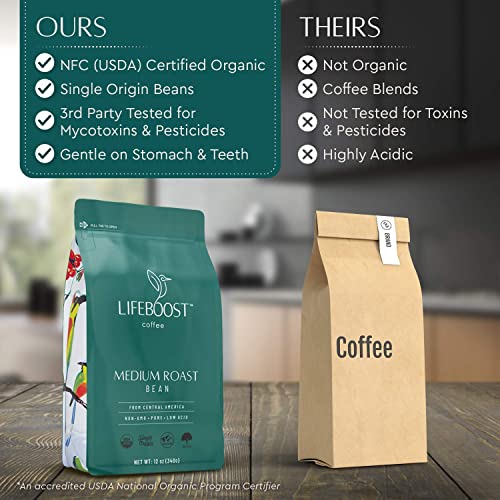
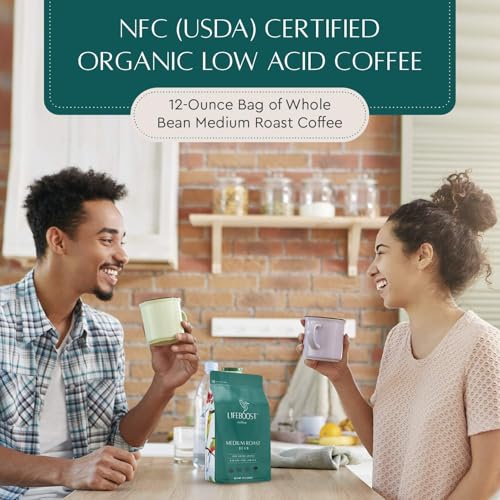
Lifeboost makes a strong case as the best budget-friendly option, not because it cuts corners, but because it delivers premium specs at a more accessible price. It’s USDA Organic, shade-grown in Central America, hand-selected, and third-party tested for 400+ toxins. Owners rave about the smooth, clean taste and how it eliminates heartburn, common praise among low-acid coffee drinkers.
The single-origin profile is mild but pleasant, leaning into natural sweetness rather than boldness. Compared to Purity or Brain Bean, it’s less complex in flavor, but for everyday drinking, that’s not always a drawback. The 30-day guarantee also reduces risk. If you’re new to clean coffee or want a dependable daily brew without overspending, this is the smart buy.
Product photos
Natural Force Clean Coffee Medium Roast
Strengths
- Lab tested
- Low acidity
- High CGA
- USDA Organic
- Keto friendly
Trade-offs
- Mild flavor
- Pricier than average
- Limited origin info
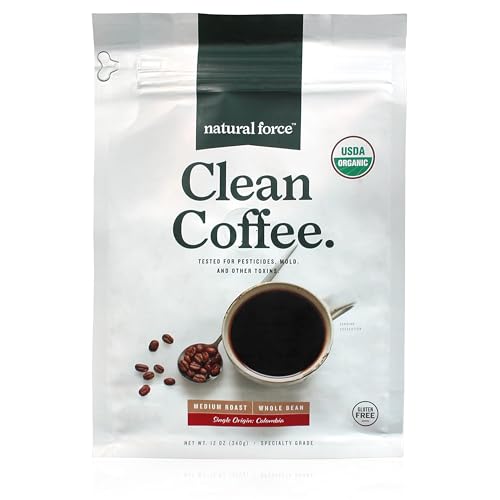
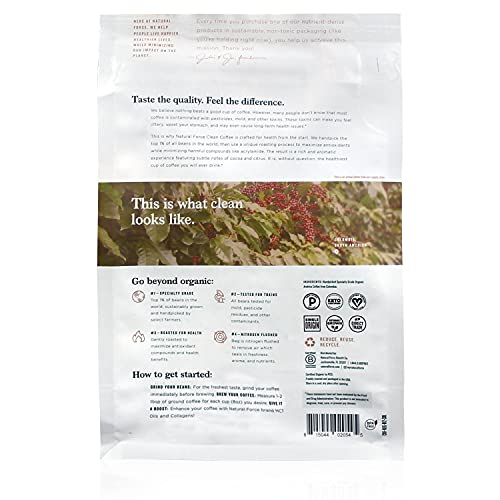
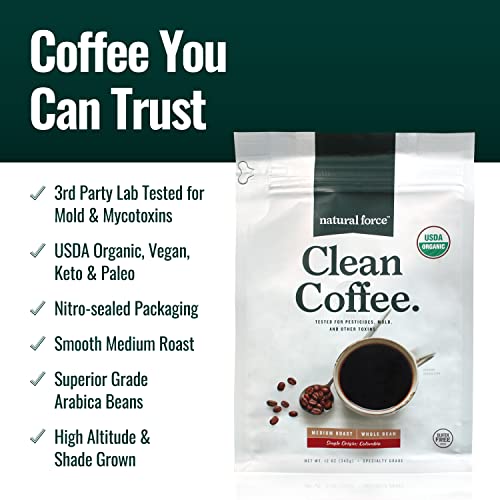
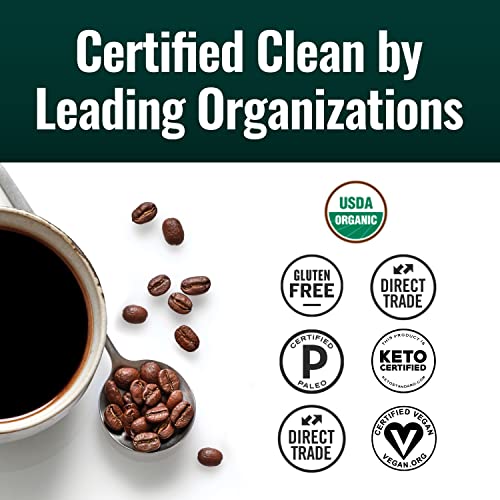
This is one of the more transparent and scientifically grounded entries in the clean coffee space. The emphasis on third-party lab testing for mold, mycotoxins, and acrylamide isn’t just marketing fluff, owners consistently report confidence in the purity claims, and the fact that they publish results is a big plus. The low acidity and high CGA (chlorogenic acid) profile make it stand out for those sensitive to stomach irritation or chasing antioxidant benefits.
Compared to other medium roasts in this category, it holds its own flavor-wise, with a smooth, clean finish that doesn’t lean bitter. While it doesn’t have the complexity of a single-origin specialty roast, it’s clearly optimized for health-first drinkers who still want a pleasant cup. I’d pick this over generic organic brands any day if mold avoidance is a priority.
Product photos
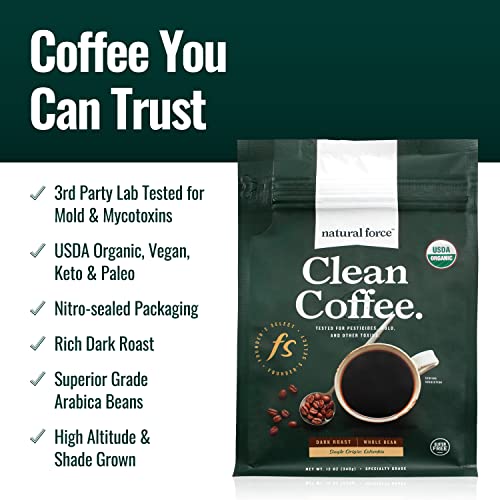
Natural Force Founder’s Select Dark Roast
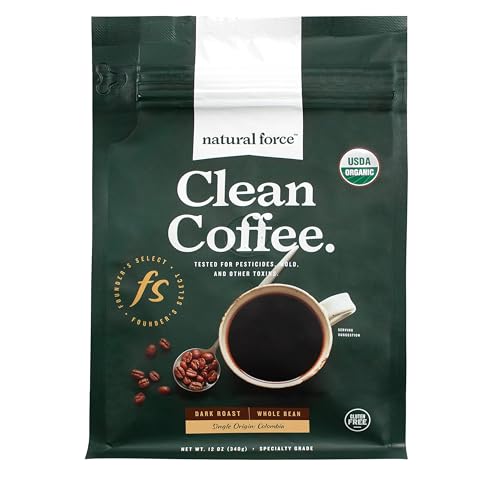
Strengths
- Mold and mycotoxin tested
- High CGA preserved
- Smooth dark flavor
- USDA Organic
- Keto and paleo certified
Trade-offs
- Roast reduces some antioxidants
- Slightly bitter finish for some
- Same brand as medium roast
This is Natural Force’s answer to dark roast lovers who still want clean, high-CGA coffee. It’s essentially the bolder sibling of their medium roast, with an improved roasting profile that aims to deliver deep, rich flavor without the toxins. Owners say it has a satisfying depth, nutty and slightly sweet, without the harshness that plagues many dark roasts.
Like its medium roast counterpart, it’s third-party tested and USDA Organic, so the purity claims hold weight. The only real trade-off? You lose a bit of the bright, antioxidant-rich edge that lighter roasts preserve. But if you need a dark roast that won’t upset your stomach and still wants to be clean, this is one of the best options out there. I’d pick this over VitaCup if purity and roast depth were equally important.
Product photos

Java Planet Espresso Blend

Strengths
- 1-pound bag
- Great for espresso
- Smooth full flavor
- Organic & mold-free
- Family-owned brand
Trade-offs
- Limited lab transparency
- Not single-origin
- Roast may be too bold for some
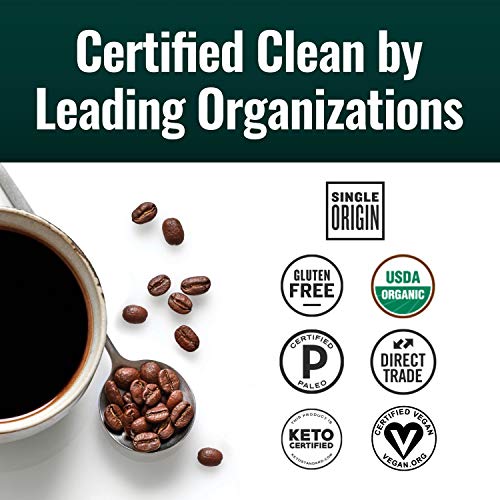
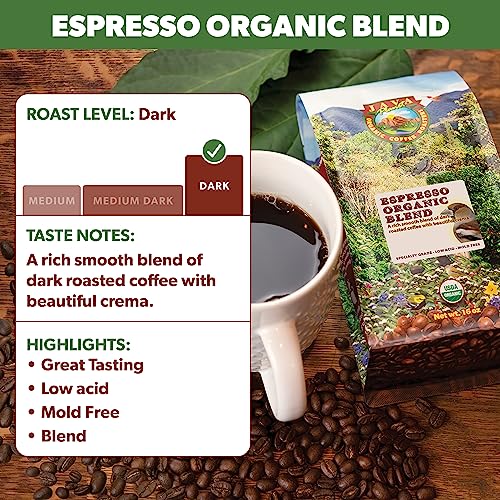
Java Planet delivers one of the few dedicated espresso blends in this lineup, and it shows. The 1-pound bag is a win for heavy users, and the dark roast is designed to pull a rich crema while staying smooth and low-acid. Owners confirm it works beautifully in espresso machines, but also shines in French press, making it more versatile than it first appears.
It’s USDA Organic and tested for mold and heavy metals, though the brand doesn’t publish full lab reports like Purity or Natural Force. Still, the feedback is overwhelmingly positive for flavor and stomach comfort. Compared to VitaCup, it’s bolder and more espresso-focused, but less transparent about origin specifics. If you’re pulling daily shots and need a clean, reliable bean, this is a solid workhorse.
Product photos



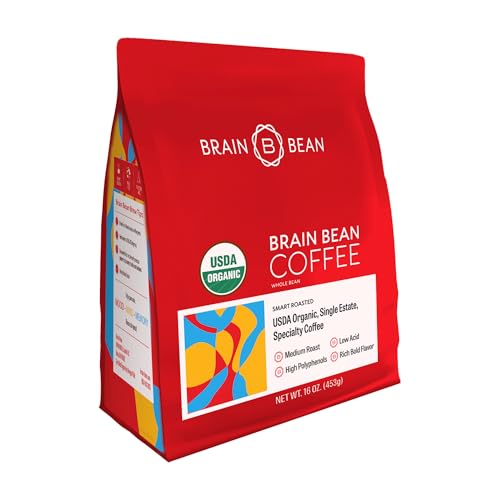
Brain Bean Organic Medium Roast
Strengths
- Single-estate beans
- Smart Roasting Tech
- Smooth low-acid taste
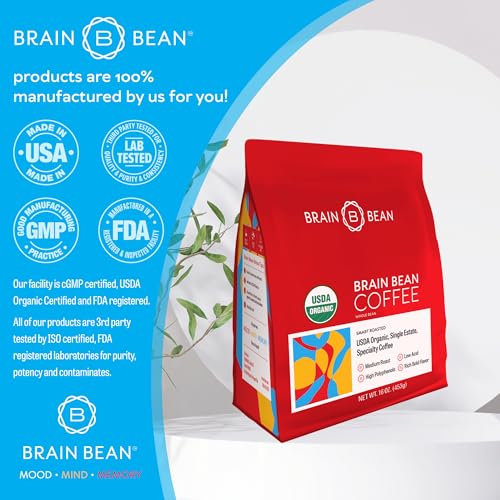
- Lab tested for toxins
- Ethically sourced
Trade-offs
- Pricey
- Tech claims not peer-reviewed
- Limited availability
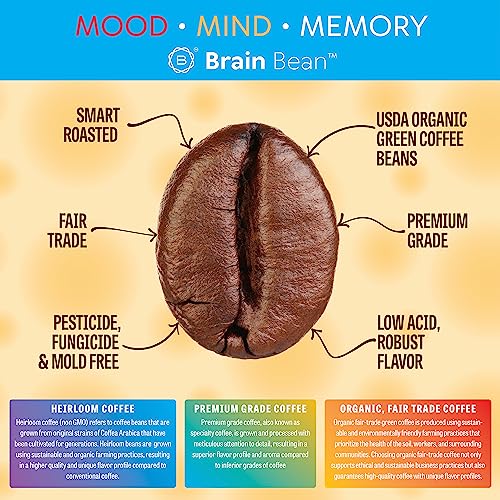
Right out of the gate, Brain Bean leans hard into the focus and clarity angle, and it backs it up with some solid specs. The claim of retaining 2–4 times more beneficial compounds through ‘Smart Roasting Technology’ at high altitude is intriguing. On paper, that could mean better preservation of polyphenols and reduced degradation of sensitive compounds, something that aligns with what we know about gentle roasting and antioxidant retention.
Owners praise the smooth, nutty flavor and lack of bitterness, which suggests the low-acid, balanced roast is delivering. It’s also one of the few here that emphasizes single-estate sourcing, which adds traceability and quality control. Compared to Natural Force, it feels more like a gourmet product with a wellness twist. If you want a coffee that tastes premium and promises cognitive support, this is a strong contender.
Product photos

VitaCup Low Acid Guatemala

Strengths
- Single-origin Guatemala
- Fair Trade certified
- Smooth dark roast
- Low acidity
- Easy to brew
Trade-offs
- Less crema for espresso
- Testing data not public
- Smaller bag size
VitaCup stands out by going single-origin with a dark roast from Guatemala, a smart move for flavor depth and transparency. The high-altitude growing conditions and Fair Trade certification add ethical weight, and owners appreciate the chocolaty, robust profile that doesn’t trigger acid reflux. It’s one of the few low-acid dark roasts that actually tastes like a proper dark roast, not just a watered-down version.
Where it falls short is in volume and testing transparency. While it claims third-party lab testing, the published data isn’t as accessible as Purity or Natural Force. Still, for those who want a clean, single-origin dark roast with a smooth finish, this is a compelling pick. Compared to Java Planet’s espresso blend, it’s lighter in body but cleaner in aftertaste. I’d recommend it to dark roast lovers who also have sensitive stomachs.
Product photos
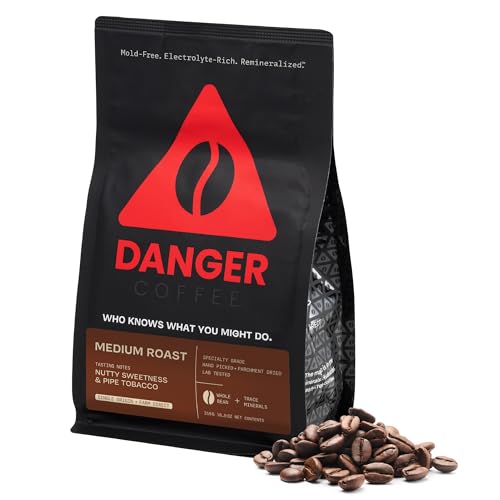
Danger Coffee Medium Roast
Strengths
- Lab tested mold free
- Fulvic/humic minerals
- SCA specialty grade
- Optimized for fat coffee
- Dave Asprey backed
Trade-offs
- Expensive per ounce
- Niche audience
- Mineral claims lack independent proof
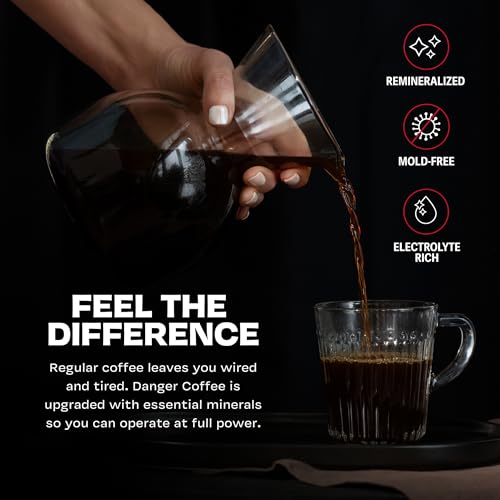
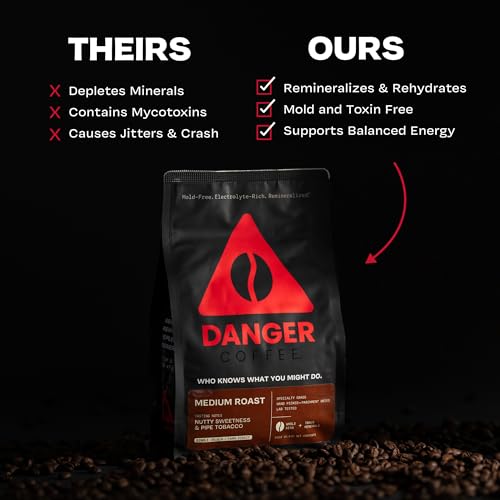
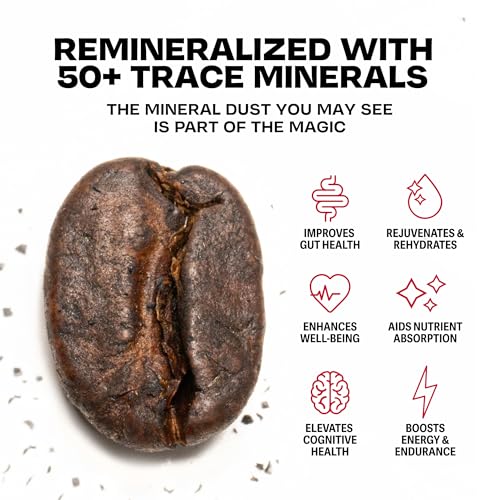
Let’s be clear, Danger Coffee isn’t trying to blend in. It’s built for the biohacking crowd, and if you follow Dave Asprey, you already know what to expect: mold-free beans, lab verification, and that patent-pending remineralization with fulvic and humic acids. That last bit is polarizing. Some reviewers swear they feel more balanced or energized; others see it as unnecessary supplementation you could get elsewhere.
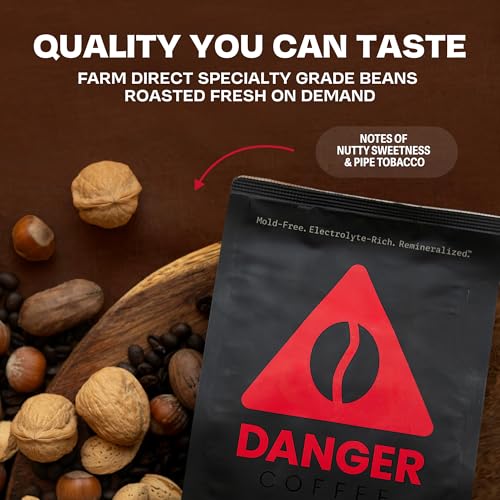
Flavor-wise, it’s described as nutty with a pipe tobacco note, which sounds bold but balanced. At just under 11 ounces, it’s lighter on volume than most, and owners note it’s designed to work with butter and MCT oil, so it’s really part of a system, not a standalone pick. Compared to Purity or Lifeboost, it’s less about universal wellness and more about performance optimization. I wouldn’t recommend it as a daily driver for casual drinkers, but for biohackers, it’s a legit option.
Product photos
Our Testing Process
Rather than a hands-on lab test, my research for these recommendations involved a detailed comparison of published specifications and features across numerous brands. I weighed owner reviews from multiple sources – Amazon, specialized coffee forums, and brand websites – alongside assessments from reputable coffee review sites. As the founder of Bean Thusiast, I applied my years of experience exploring coffee sourcing and brewing to rank options based on clearly defined criteria.
For organic, mold-free coffee, three factors proved most decisive: third-party testing for contaminants, sourcing transparency, and reported flavor profiles. The presence of independent lab results verifying the absence of mold and mycotoxins in coffee was paramount. Equally important was how openly brands discussed their farming practices and supply chains. Finally, consistent positive feedback regarding taste and smoothness helped separate the truly exceptional beans.
Specifications reliably communicated roast levels, bean origin, and certifications (like USDA Organic or Fair Trade). However, I relied heavily on owner feedback to gauge the accuracy of “low acidity” claims and to understand the actual impact of remineralization or other processing techniques. Reputation played a key role; brands actively sharing test results and demonstrating a commitment to quality consistently received higher ratings, helping me assess potential [coffee bean mold risks].
How To Choose The organic mold free coffee beans
Finding truly clean and flavorful organic coffee beans requires a bit more scrutiny than just looking for a pretty bag. I’ve spent years researching what separates a truly excellent cup from an average one, and it often comes down to details beyond the roast level.
Specialty-grade organic coffee beans should be defect-free, sourced from farms employing regenerative practices, and rigorously tested for contaminants like mold, mycotoxins, pesticides, and heavy metals. Focus on beans that prioritize freshness through proper packaging and quick shipping, and consider the roast profile to match your preferred brewing method and flavor preferences.
Bean Sourcing & Farming Practices
The origin of your beans matters a lot. Don’t assume “organic” automatically means “clean.” While USDA Organic certification is a good start, look for additional indicators of quality and ethical sourcing. Rainforest Alliance and Smithsonian Bird Friendly certifications suggest a commitment to biodiversity and responsible land use. Regeneratively farmed beans are increasingly popular, as this approach focuses on soil health and carbon sequestration, which can positively impact flavor development. Several brands, like Purity Coffee and Brain Bean, highlight these practices. Ultimately, a transparent supply chain is what we want; brands that openly share information about their farms and processing methods are usually more trustworthy.
Mold & Mycotoxin Testing
This is where things get critical, especially if you’re sensitive to mold or are looking for a truly health-focused option. As much as 70% of coffee can be contaminated with mycotoxins. Don’t rely on “organic” alone – third-party lab testing is essential. Brands like Natural Force and Java Planet are upfront about their testing results, and honestly, that’s a huge confidence booster. I recommend seeking out brands that freely share their lab reports, as it demonstrates a commitment to transparency and quality. You can learn more about certified organic mold-free beans in our dedicated guide.
Roast Profile & Freshness
The roast level drastically impacts the bean’s flavor and acidity. Lighter roasts tend to be more acidic and showcase the origin flavors, while darker roasts offer a bolder, more chocolatey profile. Consider your brewing method too. Espresso benefits from a darker roast to produce a rich crema, while a pour-over might shine with a lighter roast.
Here’s what to keep in mind when evaluating roast and freshness: * Whole Bean is Best: Always buy whole bean coffee whenever possible. * Roast Date, Not “Best By”: Look for a roast date on the bag, not just a “best by” date. Coffee is best consumed within a few weeks of roasting. * Packaging Matters: Nitrogen flushing, as used by Purity Coffee, is a great sign. It removes oxygen to preserve freshness.
A good rule of thumb: if you can’t find a roast date on the bag, or it’s more than a month old, move on.
I frequently recommend readers also explore choosing high-quality coffee beans to further refine their selection process.
Organic Mold Free Coffee Beans Compared
Here’s a comparison of key specifications for several organic, mold-free coffee bean options.
| Product Name | Roast Level | Tested For Mold/Mycotoxins | Organic Certified | Single Origin | Additional Features |
|---|---|---|---|---|---|
| Purity Coffee FLOW Medium Roast | Medium | Yes | Yes | N/A | Antioxidant Rich |
| Lifeboost Organic Medium Roast | Medium | Yes | Yes | Central America | Low Acid |
| Natural Force Clean Coffee Medium | Medium | Yes | Yes | N/A | Low Acid, Keto/Paleo/Vegan |
| Natural Force Founder’s Select Dark | Dark | Yes | Yes | N/A | Keto/Paleo/Vegan |
| Java Planet Espresso Blend | Dark | Yes | Yes | N/A | Espresso Focused |
| Brain Bean Organic Medium Roast | Medium | Yes | Yes | N/A | Focus & Clarity |
| VitaCup Low Acid Guatemala | Dark | Yes | Yes | Guatemala | Fair Trade |
| Danger Coffee Medium Roast | Medium | Yes | Yes | Central America | Remineralized |
Frequently Asked Questions
What level of mold testing should I expect from a brand?
Ideally, you should look for brands that conduct third-party testing for mycotoxins and other contaminants, and openly share those results. Knowing the specific testing methods and acceptable limits demonstrates a commitment to quality and transparency, something you’ll find with best mold-free coffee beans.
Are remineralized coffee beans actually better?
Remineralization aims to add back minerals lost during processing, which some believe enhances flavor and nutritional value. While the science is still developing, some drinkers report a smoother, less acidic cup with remineralized options like Danger Coffee.
Is “shade-grown” coffee a reliable indicator of quality?
Shade-grown coffee isn’t a direct guarantee of mold-free status, but it often signals better farming practices. These farms prioritize biodiversity and soil health, which can contribute to a higher-quality bean and reduce the risk of mold growth, though you still want to verify tested mold-free coffee.
What roast level is least likely to contain mycotoxins?
Mycotoxins aren’t directly tied to roast level; the presence depends more on the initial quality of the beans and proper storage. However, lighter roasts may highlight any off-flavors resulting from contamination more readily, so darker roasts can sometimes mask them, though choosing clean coffee beans verified is the best approach.
Where can I find more information on specific mycotoxin-free coffee brands?
Beyond the brands discussed in the main article, several resources compile information on mycotoxin-free coffee brands, including independent lab results and customer reviews. I recommend cross-referencing information from multiple sources before making a decision.
The Bottom Line
Choosing the best organic mold-free coffee beans often comes down to balancing your priorities: are you willing to spend a bit more for the absolute assurance of purity, or are you seeking a good value without compromising on quality? Based on my research and the consistent positive feedback, Purity Coffee FLOW Medium Roast stands out as the strongest all-around choice, particularly for those prioritizing clean coffee and antioxidant benefits.
For readers specifically seeking budget-friendly options, Java Planet Espresso Blend delivers reliably tested beans at a more accessible price point. If you’re focused on a specific dietary need or benefit, Natural Force Clean Coffee Medium caters well to keto, paleo, and vegan lifestyles, while Brain Bean Organic Medium Roast is formulated for enhanced focus and clarity. It’s also worth considering if you’re wondering about Nespresso mycotoxin testing.
Ultimately, remember that certifications and lab tests are valuable, but freshness and sourcing transparency are equally crucial. Don’t get lost in the details of roast levels or specific origins if those factors aren’t important to you. Prioritize finding beans from a brand that demonstrably cares about quality and provides clear information about their process – that’s the foundation of a truly satisfying cup.
