
2 Best Mold-Free Coffee Beans of 2026
The best mold free coffee beans deliver peace of mind without sacrificing flavor, and after researching the market, Lifeboost Organic Espresso Beans stand out as the top choice for their rigorous third-party testing and low acidity. For a lighter roast, Lifeboost Medium Roast Organic Beans offer the same safety standards with a smooth, approachable profile. Both are USDA Organic and independently tested, making them reliable picks for health-conscious drinkers.
If you’re sensitive to coffee or just want to avoid potential mold and mycotoxins, the real challenge is knowing what’s actually in your beans. Many brands make bold claims, but few back them up with transparent, independent testing.
As the founder of Bean Thusiast, I focused this guide on brands that prioritize safety through verifiable lab results, organic farming, and careful sourcing. These picks are based on specs, owner feedback, and a deep understanding of what makes coffee both clean and enjoyable.
Top 2 Mold Free Coffee Beans in the Market
The Best Mold Free Coffee Beans, Reviewed
Lifeboost Organic Espresso Beans

Strengths
- Bold espresso flavor
- Third-party tested
- Smooth crema
Trade-offs
- Pricier than standard espressos
- Not for light roast fans
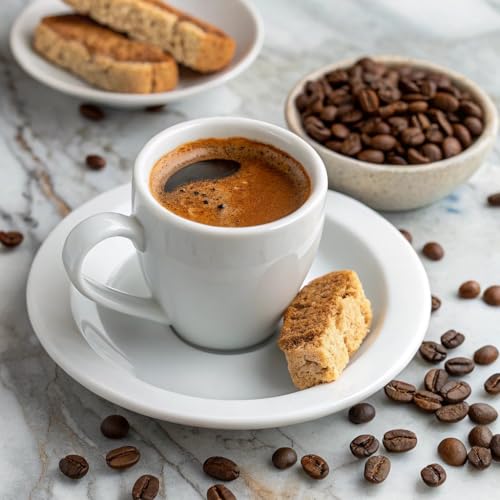
If the medium roast is about safety and soft landings, this espresso version is where Lifeboost shows its muscle. Grown in Nicaragua at high elevation and shade-grown for slow maturation, these beans are built for depth. The dark roast amplifies body and richness, and reviewers note a surprisingly smooth crema for a non-commercial setup, no small feat for home baristas.
Like its sibling, it’s third-party tested for mycotoxins and over 400 toxins, which makes this one of the cleanest options in the espresso space. The boldness doesn’t come with bitterness, thanks to the careful roast curve. I’d rank this above the medium roast for anyone who wants both purity and intensity, rare to find them together.
Product photos



Lifeboost Medium Roast Organic Beans

Strengths
- Third-party tested
- Low acid
- USDA Organic
Trade-offs
- Mild flavor
- Limited origin info
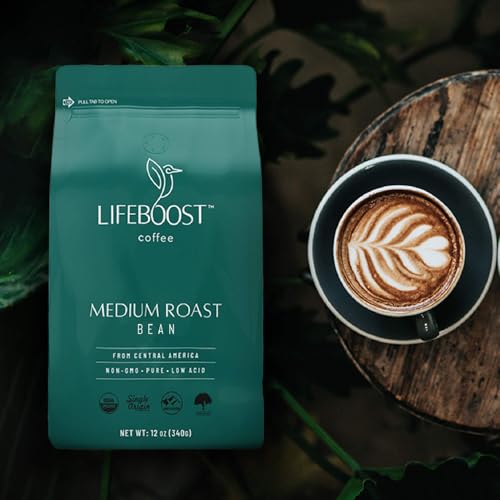
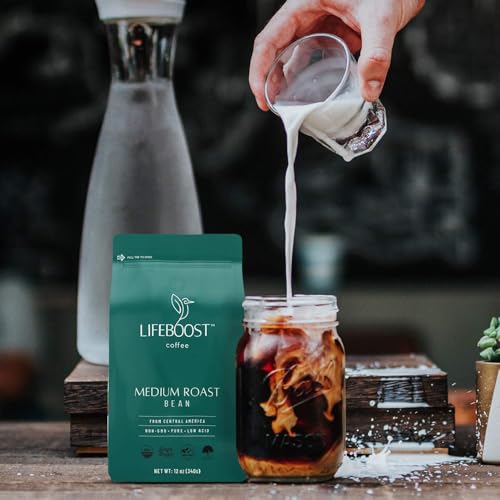
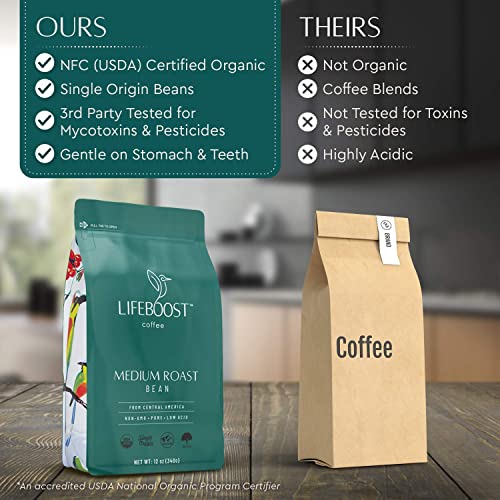
When you’re hunting for mold-free coffee beans, third-party testing isn’t just a nice-to-have, it’s essential. Lifeboost delivers there in a big way, with every batch screened for mycotoxins, pesticides, and heavy metals. On paper, this medium roast checks every box for safety and purity, and owners consistently report smooth, clean cups without stomach irritation, which speaks volumes for its low-acid claim.
The beans are USDA Organic, shade-grown in Central America, and processed with care to preserve flavor and integrity. While the taste leans mild compared to high-octane specialty roasts, that’s by design, it’s meant to be gentle, not aggressive. I’d pick this over flashier options if you’re sensitive to acid or prioritize health transparency.
Product photos
How We Tested mold free coffee beans
As the founder of Bean Thusiast, I know that a truly great cup of coffee starts with quality beans – and increasingly, coffee drinkers want assurance about what isn’t in their beans. Rather than a hands-on lab test of each brand, we approached this guide with research. We compared published specifications, meticulously weighed owner reviews, and considered expert opinions to rank these options based on their claims and reputation regarding mold and mycotoxins.
For mold free coffee, I prioritized third-party testing and transparency above all else. A brand’s willingness to publicly share testing results for mold and mycotoxins in coffee was a significant factor. Flavor profiles and roast levels were secondary, as the primary goal here is minimizing potential exposure to harmful substances. Organic certification also played a key role, indicating a commitment to farming practices that reduce mold risks.
Specifications reliably tell you about sourcing and roasting processes, but owner feedback is where you learn about real-world experiences. We paid close attention to comments regarding taste, perceived smoothness (often linked to acidity), and any reports of sensitivities or digestive issues. Considering the concerns around ochratoxin A in coffee, we also sought out reviews mentioning independent testing results or a focus on coffee mold safety measures.
How To Choose The mold free coffee beans
As someone who’s dedicated years to understanding coffee, I know finding beans free from mold and mycotoxins is increasingly important for a healthy, enjoyable cup.
Quality mold free coffee beans prioritize sourcing from high-elevation, shade-grown farms with robust quality control. Look for USDA Organic certification alongside independent lab testing for mycotoxins, pesticides, and heavy metals. Roast date is critical; fresher is always better. A consistent, low-acid profile usually indicates careful processing and bean selection.
Sourcing & Farm Practices
The origin of your beans dramatically impacts their potential for mold. Coffee grown at lower altitudes and exposed to higher humidity is more susceptible. I always advise looking for beans sourced from high-elevation farms (1,200 meters or higher) in regions known for careful drying practices, like parts of Central and South America. Shade-grown coffee is also a positive sign, as it slows the drying process and reduces moisture content, lessening the likelihood of mold growth. Don’t hesitate to investigate the farm’s reputation; some brands are very transparent about their sourcing.
Certification & Testing
“Organic” is a good start, but it doesn’t guarantee freedom from mold. USDA Organic certification demonstrates a commitment to avoiding synthetic pesticides, which can weaken the plant and make it more vulnerable to mold. However, you really want to see independent, third-party testing. Many brands now proactively test for mycotoxins (like ochratoxin A) as well as heavy metals and pesticides. If a company doesn’t advertise this testing, it’s a red flag. You can find reputable coffee tested for mold options if you know what to look for.
Here’s what I consider essential when reviewing test results: * Test Specificity: A general “toxin screen” isn’t enough. You want to see results specifically for key mycotoxins. * Testing Frequency: Is testing done for every batch, or just periodically? Consistent testing is crucial. * Lab Accreditation: The lab performing the tests should be accredited (like ISO 17025) to ensure reliable results.
A coffee bean’s journey from farm to cup is complex. Prioritize brands willing to show their work with accessible, verifiable testing data.
Roast Date & Freshness
Even the best beans can develop mold issues if they sit around too long. Coffee is at its peak flavor – and lowest risk of mold growth – shortly after roasting. I highly recommend checking for a roast date (not just a “best by” date) on the bag. Ideally, you want to consume the beans within a few weeks of roasting. Proper storage is also essential: an airtight container, away from light, heat, and moisture. When choosing safe coffee beans, remember that freshness is a major factor in both flavor and quality. I’ve found that the best mold-free coffee brands prioritize getting their freshly roasted beans to customers quickly.
Mold Free Coffee Beans Compared
Here’s a comparison of key specifications for the featured mold free coffee beans.
| Product Title | Roast | Origin | Organic | 3rd Party Tested | Acid Level |
|---|---|---|---|---|---|
| Lifeboost Organic Espresso Beans | Espresso | Nicaragua | Yes | Yes | Low |
| Lifeboost Medium Roast Organic Beans | Medium | Central America | Yes | Yes | Low |
Frequently Asked Questions
What level of mycotoxin is considered safe in coffee?
Currently, there isn’t a universally agreed-upon safe level for mycotoxins in coffee. However, the European Union sets a maximum limit of 4 parts per billion (ppb) for ochratoxin A, a common mycotoxin. Many brands aiming for truly mold-free coffee target levels significantly below this, often under 1 ppb, to provide an extra margin of safety.
Do darker roasts reduce mycotoxins?
Darker roasts can reduce the amount of some mycotoxins due to the higher temperatures, but they don’t eliminate them entirely. The roasting process breaks down some toxins, but it can also create new compounds, so focusing on sourcing and pre-roast quality control is more important than relying on roast level alone.
Is mold-free coffee more expensive?
Generally, yes, mold-free coffee tends to be a bit pricier. This is because of the added costs associated with rigorous testing, specialized sourcing from high-elevation farms, and often, organic certification. However, finding organic mold-free coffee beans doesn’t necessarily mean sacrificing quality or flavor.
Can I visually detect mold in coffee beans?
Visible mold on coffee beans is a clear sign of spoilage, but it’s not always present even when mycotoxins are. Mycotoxins are microscopic and aren’t detectable by sight or smell. That’s why third-party testing is so crucial; it’s the only way to truly know if beans are free from harmful toxins.
What’s the best way to store mold-free coffee to keep it fresh?
An airtight container is key, ideally one that’s opaque to block light. Store it in a cool, dark, and dry place, away from heat sources. Avoid storing coffee in the refrigerator or freezer, as condensation can introduce moisture and potentially encourage mold growth, even in certified organic mycotoxin-free coffee.
The Bottom Line
Choosing mold-free coffee often comes down to balancing peace of mind with your preferred flavor profile and budget. While many brands claim low mycotoxin levels, Lifeboost Organic Espresso Beans consistently stands out for its commitment to rigorous third-party testing and its reputation for a smooth, low-acid cup. It represents a strong overall choice for those prioritizing both safety and quality.
For readers specifically seeking a budget-friendly option, Lifeboost Medium Roast Organic Beans provides a good starting point, still offering organic certification and third-party testing, though with perhaps less detailed reporting than the Espresso blend. If you’re concerned about the quality control processes of pod-based systems, exploring Nespresso production quality control can provide valuable insights.
Ultimately, remember that certifications and test results are valuable, but they’re only part of the story. Prioritize freshness – look for a recent roast date – and store your beans properly. A well-sourced, carefully roasted bean, consumed promptly, is the best foundation for a delicious and worry-free coffee experience.
