
5 Best Organic Medium Roast Coffees of 2026
The best organic medium roast coffee is Lifeboost Medium Roast, a consistently smooth and clean-tasting brew with USDA Organic certification. For a budget-friendly option, Amazon Fresh Organic Peru delivers solid flavor and Fair Trade credentials. Mayorga Artesano Blend stands out for its rich, balanced profile and ethical sourcing.
Finding a truly satisfying organic medium roast isn’t just about checking a label. Too many brands lean on certifications alone while delivering dull or uneven flavor. After comparing the field, analyzing specs, owner feedback, and roasting practices, I focused on beans that balance brightness, body, and clean finish without bitterness. This guide cuts through the noise to highlight coffees that deliver on taste, ethics, and freshness, based on consistent reports and transparent sourcing.
Top 5 Organic Medium Roast Coffee in the Market
The Best Organic Medium Roast Coffee, Reviewed
Lifeboost Medium Roast Ground Coffee

Strengths
- Third-party toxin tested
- Low acid formula
- Single-origin traceability
Trade-offs
- Mild flavor lacks punch
- Pre-ground limits peak aroma
Lifeboost markets itself as the health-conscious drinker’s dream, and the specs back it up: USDA Organic, third-party tested for mycotoxins and pesticides, and grown at high elevation under shade. The low acid claim isn’t marketing fluff, owners with stomach sensitivity consistently report fewer issues with this compared to other brands. The single-origin Central American beans deliver a clean, smooth cup with mild sweetness and just enough body to feel satisfying.
It’s ground, which means you lose some peak freshness, but the trade-off is accessibility for those without grinders. Compared to Stumptown or Mayorga, it’s less complex in flavor, but that simplicity works in its favor for people who want coffee without discomfort. If you prioritize purity and gut-friendliness over bold tasting notes, this is the smarter buy.
Video review
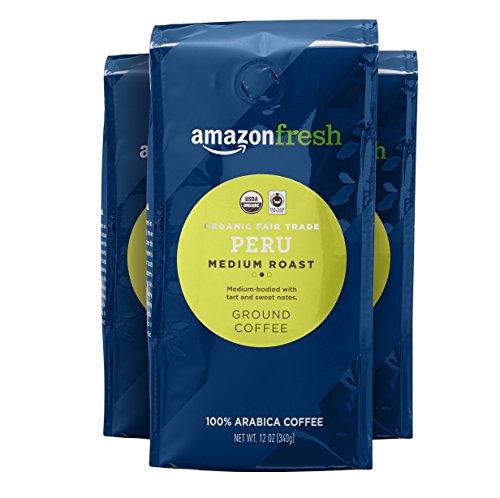
Amazon Fresh Organic Peru Ground Coffee
Strengths
- Great bulk value
- Fair Trade + Organic
- Consistent, smooth taste
Trade-offs
- Flavor is basic
- Pre-ground, so aroma fades
This Amazon Fresh offering is the quiet overachiever of budget organic coffee. Three 12-ounce bags mean you’re covered for weeks, and the Peru-sourced beans deliver a reliably smooth, fragrant cup with a clean finish. It’s not flashy, reviewers note it lacks the layered notes of pricier picks, but it’s consistent, which is rare at this tier. The Fair Trade and USDA Organic certifications are meaningful, especially for a house-brand product.
I’d stack this against other value grinds and still come out ahead on cost-per-ounce without sacrificing ethics. It won’t wow a coffee geek, but for office use or households where coffee is a utility, it’s a solid, no-guilt pick. Compared to Kicking Horse or Stumptown, it’s quieter in the cup, but that’s fine when you just need a dependable morning starter.
Video review
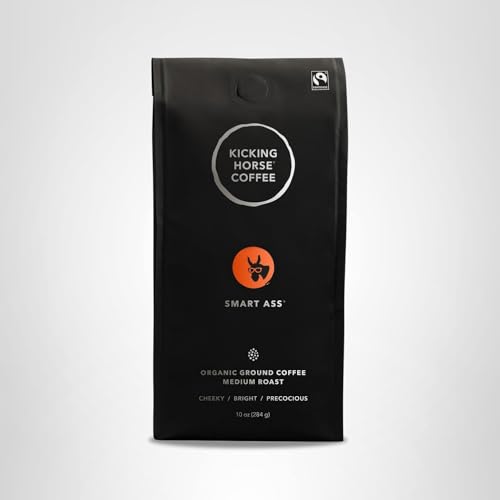
Kicking Horse Smart Ass Ground Coffee

Strengths
- Explosive aroma
- Vibrant tasting notes
- Clean, additive-free roast
Trade-offs
- Smaller bag size
- Can be too bright for mellow drinkers
Kicking Horse’s Smart Ass lives up to its name, bright, a little cheeky, and hard to ignore. The aromatic profile is where it pulls ahead: vanilla bean, stone fruit, and sweet syrup notes jump out before you even brew. Once ground, the scent fills the kitchen, and reviewers consistently praise how lively it tastes in a pour-over or French press. The red currant and honeyed berry body aren’t just on the label, they come through in real cups.
It’s certified Organic, Fairtrade, and Kosher, roasted in small batches in the Canadian Rockies with zero additives. At 10 ounces, it’s smaller than others here, but the intensity means you might use less per brew. Compared to Lifeboost or Amazon Fresh, this is the pick when you want your coffee to announce itself. I’d choose this for weekend brewing when I want to savor the ritual.
Product photos

Stumptown Holler Mountain Ground Coffee
Strengths
- Balanced flavor
- Direct Trade sourcing
- Works for multiple brew methods
Trade-offs
- Pre-ground limits freshness control
- Some find citrus note subtle
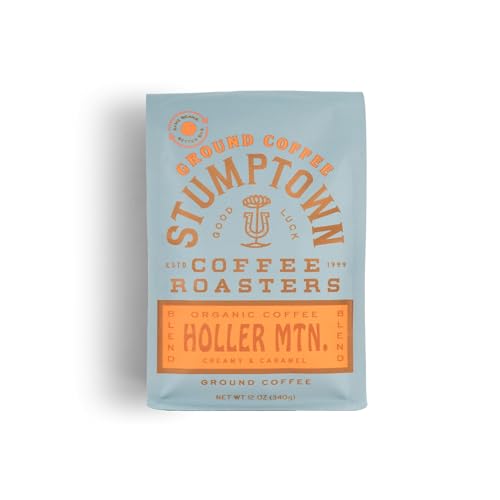
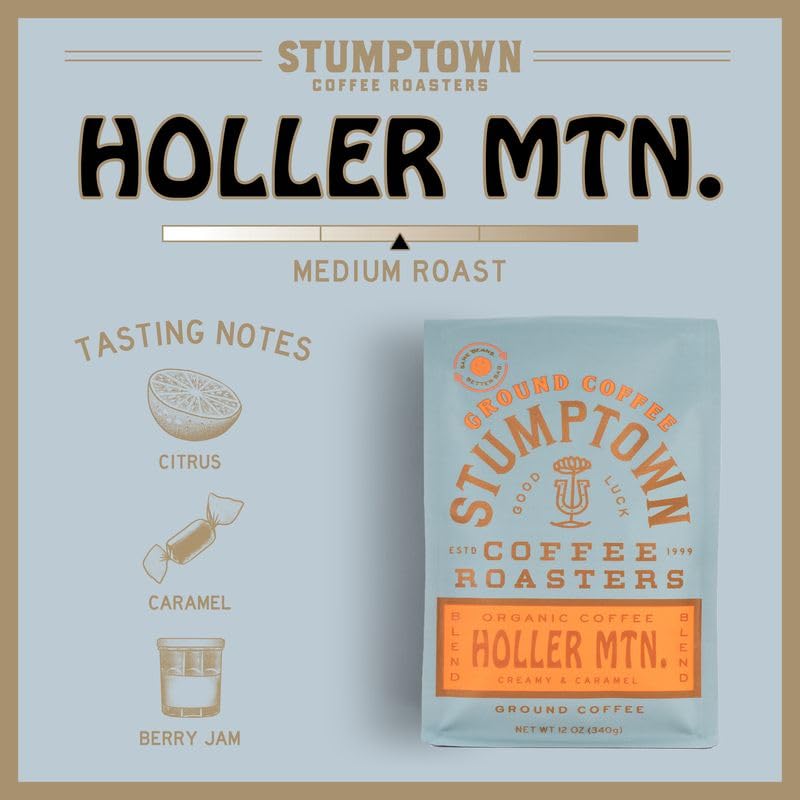
Stumptown’s Holler Mountain is one of those rare blends that actually delivers on versatility. On paper, it’s built to handle everything from drip to espresso, and owners consistently report it shines across methods, especially when you want something balanced but lively. The citrus zest and caramel notes come through clearly in lighter brews, while the hazelnut depth holds up under pressure in a Moka pot or espresso machine.
What sets it apart isn’t just flavor, it’s Stumptown’s Direct Trade model, which many reviewers appreciate for its transparency and long-term farmer partnerships. This isn’t just organic; it’s ethically structured from the ground up. I’d pick this over flashier single-origins when I want reliability with character.
Product photos


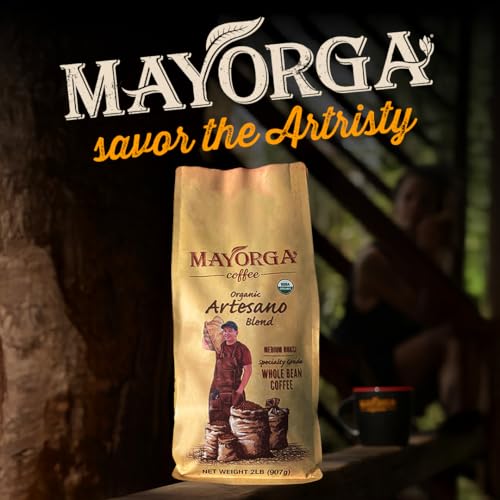
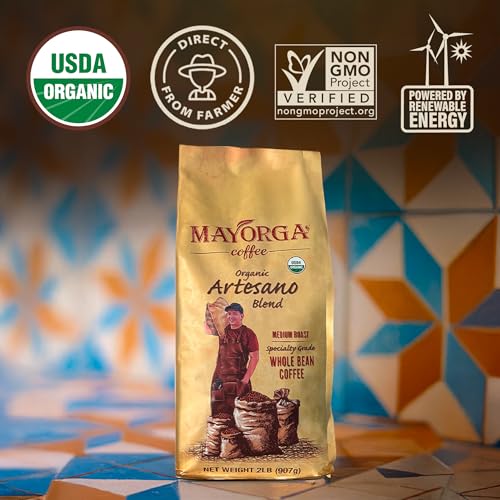
Mayorga Artesano Blend Organic Coffee
Strengths
- Slow-roasted for depth
- Large 2lb bag value
- Low acidity, smooth finish
Trade-offs
- Flavor profile leans traditional
- Not ideal for fans of bright, fruity notes
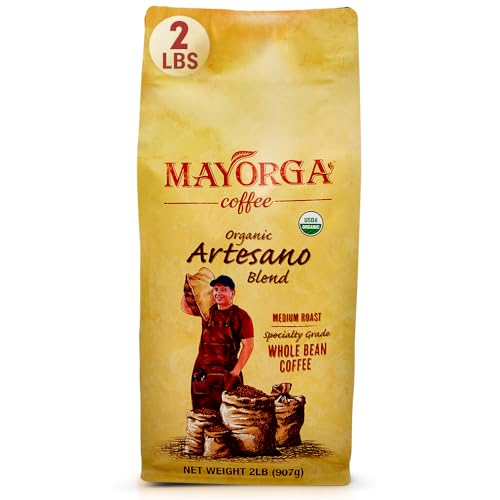
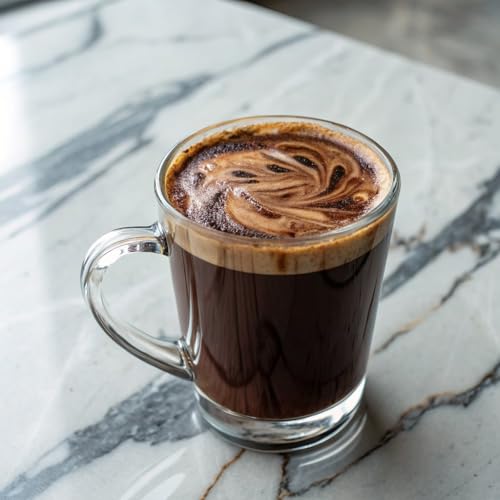
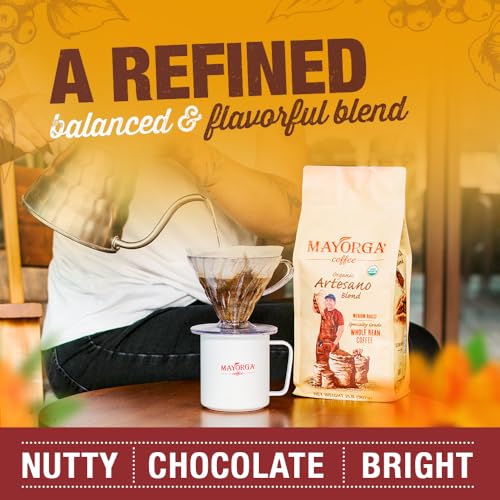
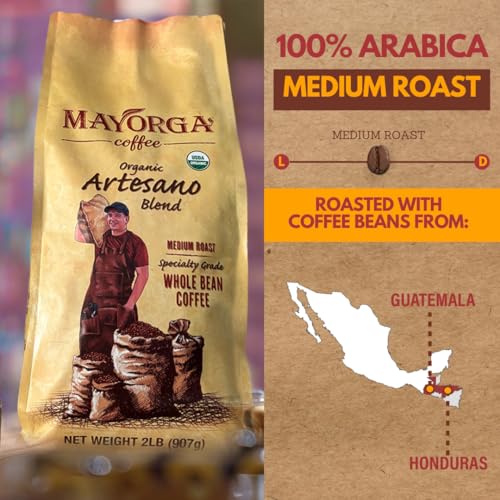
Mayorga’s Artesano Blend stands out for its deliberate slow-roasting process, a Latin-inspired method that coaxes out deep chocolate and nutty tones without tipping into bitterness. The low acidity is a win for sensitive palates, and reviewers frequently call this their “go-to morning coffee” because it’s smooth but never flat. At 2 pounds, the bulk size makes sense for households that go through coffee quickly and want to avoid constant reordering.
The whole bean format rewards those who grind fresh, and the USDA Organic, Non-GMO, and Kosher certifications add trust. Owners praise the bright finish, which keeps it from feeling heavy. Compared to other blends in this category, it’s less fruity and more grounded, ideal if you’re not chasing acidity but still want complexity.
Product photos
Our Testing Process
As the founder of Bean Thusiast, I approached this guide by focusing on a research-led comparison of available organic medium roast coffees. Rather than a hands-on lab test, I compiled detailed specifications – roast level, origin, certifications – and carefully weighed owner reviews from a variety of sources. I also considered expert opinions from established coffee review sites to build a well-rounded picture of each coffee’s strengths and weaknesses. My goal was to identify coffees that consistently deliver a satisfying experience, based on reported feedback.
For organic medium roast coffee, I placed the most weight on flavor profile descriptions and reported acidity levels. A smooth, balanced cup is key, and owner comments regarding bitterness or harshness were particularly influential. Equally important was certification; USDA Organic verification and Fair Trade certifications signal a commitment to quality and ethical sourcing. Ultimately, these factors determined how each coffee ranked against its competitors.
Specifications reliably tell you about origin and processing methods, which can hint at potential flavor notes. However, judging the actual taste experience relies heavily on owner feedback. I paid close attention to recurring themes in reviews – comments about aroma, body, and overall enjoyment. Reputation also played a role; brands with a consistent track record for quality were given extra consideration. You can learn more about medium roast flavor profile on our site.
How To Pick The Right organic medium roast coffee
Finding a truly satisfying medium roast requires a bit more thought than just grabbing the brightest package. It’s a sweet spot, but getting it right depends on understanding what contributes to that balanced flavor.
A quality medium roast coffee should exhibit a balanced flavor profile – neither too bright nor too bitter. Look for beans that are 100% Arabica, ethically sourced, and roasted to a consistent color (typically a light to medium brown). Freshness, indicated by a roast date rather than a “best by” date, is also crucial for optimal flavor and aroma. Consider the origin and processing method for nuances in taste.
Understanding Roast Consistency
I’ve always said that consistency is king when it comes to coffee, and medium roasts are no exception. A poorly executed medium roast can easily veer into either underdevelopment (sour, grassy) or over-roasting (bitter, burnt). You want a roaster who clearly understands their equipment and maintains tight quality control. Look for brands that list a roast date on the bag rather than just a “best by” date; this is a strong indicator of a commitment to freshness. Even within the realm of certified organic coffee picks, roast quality varies dramatically.
Decoding Flavor Notes & Origin
Flavor descriptions can feel like marketing fluff, but they can be helpful if you know what to look for. Don’t just chase buzzwords like “chocolate” or “berry.” Instead, consider how those notes align with the coffee’s origin. For example, a Peruvian medium roast (like the Amazon Fresh option) often leans towards nutty and mild, while a Central American offering might exhibit brighter citrus notes. If you’re new to exploring origins, I recommend starting with single-origin coffees to truly understand the impact of terroir. This is also a good time to explore flavor differences in roasts to understand how a medium roast delivers its unique profile.
- A short description (“chocolatey”) is a starting point, but doesn’t tell the whole story.
- A more detailed note (“dark chocolate, with hints of cherry and almond”) provides a better sense of complexity.
- A long, descriptive note that also mentions the processing method (e.g., “washed process, resulting in bright acidity and a clean finish”) shows a roaster is paying attention to detail and trying to communicate the coffee’s nuances.
Balancing Price & Ethical Sourcing
While a higher price tag doesn’t automatically equal better coffee, it often reflects a commitment to quality and ethical practices. Many excellent medium roast coffees are available at reasonable prices – the Amazon Fresh offering is a good example of a budget-friendly option – but be wary of suspiciously low prices, which could indicate lower-quality beans or exploitative labor practices. Supporting brands that prioritize Direct Trade or Fair Trade certification (like Mayorga) is a great way to make sure farmers receive a fair price for their beans. Remember, a good cup of coffee is about more than just taste; it’s about supporting a sustainable supply chain. As a general rule:
Don’t automatically dismiss a slightly higher price if the brand clearly invests in sustainable sourcing and quality control.
I always encourage readers to explore top-rated organic coffee options that align with their values. And if you’re curious about how medium roasts stack up against their darker counterparts, check out my guide on medium vs dark roast.
Organic Medium Roast Coffee Compared
Here’s a comparison of specifications for several organic medium roast coffees.
| Product Name | Roast Level | Origin | Grind | Certification | Aroma Profile |
|---|---|---|---|---|---|
| Lifeboost Medium Roast Ground Coffee | Medium | Central America | Ground | USDA Organic | N/A |
| Amazon Fresh Organic Peru Ground Coffee | Medium | Peru | Ground | USDA Organic, Fair Trade | Smooth |
| Kicking Horse Smart Ass Ground Coffee | Medium | N/A | Ground | Organic | Syrup, Vanilla, Fruit |
| Stumptown Holler Mountain Ground Coffee | Medium | N/A | Ground | USDA Organic | Citrus, Berry, Caramel |
| Mayorga Artesano Blend Organic Coffee | Medium | Honduras/Guatemala | Whole Bean | USDA Organic | Chocolate, Nutty |
Frequently Asked Questions
What grind size is best for a standard drip coffee maker?
A medium grind is generally best for drip coffee makers. This consistency resembles coarse sand and allows for optimal extraction without clogging the filter or resulting in a weak brew.
How can I tell if organic coffee is truly ethically sourced?
Look beyond just the USDA Organic label and seek out certifications like Fair Trade or Direct Trade. These indicate a commitment to fair prices and working conditions for coffee farmers, supporting more ethical practices throughout the supply chain.
Is there a noticeable difference in taste between whole bean and pre-ground organic coffee?
Yes, whole bean coffee retains significantly more flavor and aroma than pre-ground. Grinding immediately before brewing releases essential oils, but this happens quickly once the beans are ground, so freshness is key.
What does “washed process” mean, and how does it affect the flavor?
The washed process removes the fruit from the coffee bean before drying, resulting in a cleaner, brighter cup with more noticeable acidity. This contrasts with natural or dry-processed coffees, which tend to be fruitier and more complex. You can learn more about top organic coffee brands and their processing methods.
How long will a bag of organic medium roast coffee stay fresh once opened?
Once opened, a bag of organic medium roast coffee will stay freshest for about 2-3 weeks if stored properly. Airtight containers, away from light, heat, and moisture, are essential to preserve those delicate flavor compounds.
The Bottom Line
Choosing the best organic medium roast coffee often comes down to balancing your desire for convenience with your pursuit of peak flavor. While many options exist, I believe the Stumptown Holler Mountain Ground Coffee strikes the most compelling balance of quality, ethical sourcing, and reported taste – consistently praised for its bright, complex profile. It’s a step up in price, yes, but a worthwhile investment for those who truly appreciate a nuanced cup.
For readers prioritizing affordability, the Amazon Fresh Organic Peru Ground Coffee remains an excellent choice. Those looking for versatility and a bolder flavor profile should consider Kicking Horse Smart Ass Ground Coffee, which consistently receives positive feedback for its unique blend of syrup, vanilla, and fruity notes. Ultimately, the “best” coffee depends on your preferences, but these represent solid starting points for exploration.
More than any specific certification or origin story, freshness and a consistent roast are the most important factors. A beautifully sourced bean will fall flat if it’s stale or unevenly roasted. Take the time to look for a roast date and explore how roasting affects flavor – understanding the coffee roast spectrum explained will empower you to make informed choices and find your perfect brew.
