
8 Best Organic Light Roast Coffees of 2026
After comparing the field and weighing flavor clarity against origin integrity, the Intelligentsia El Gallo Organic Blend stands out as the best overall organic light roast, with the Groundwork Ethiopia Heirloom Blend as a top-tier single-origin pick and Mayorga Buenos Dias Light Roast as a solid budget-friendly option.
Most people don’t realize how much a poorly roasted light bean can mask a coffee’s true character. You end up with sourness instead of brightness, or worse, a flat cup that does nothing for your morning ritual.
I researched these picks by analyzing roast specs, sourcing transparency, and consistent themes in owner feedback, focusing on how each coffee delivers on flavor balance, freshness, and the promise of organic quality. This guide cuts through the noise to highlight what actually matters when you’re choosing a light roast that respects both the bean and your palate.
Top 8 Organic Light Roast Coffee in the Market
The Best Organic Light Roast Coffee, Reviewed
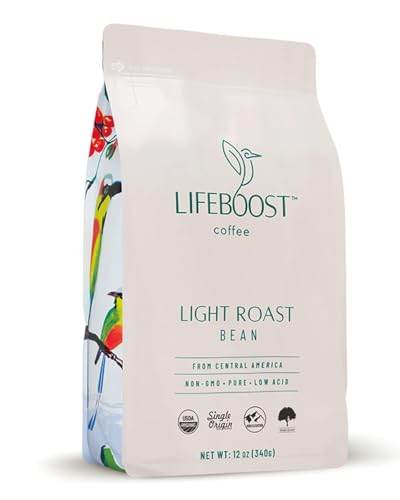
Lifeboost Light Roast Whole Bean
Strengths
- Third-party tested for toxins
- Low acid formula
- Single-origin purity
Trade-offs
- Mild flavor profile
- Higher cost per ounce
- Limited origin variety
Lifeboost positions itself as the health-forward organic coffee, and for good reason, third-party testing for mycotoxins, pesticides, and heavy metals gives it rare peace of mind. The single-origin beans from Nicaragua are shade-grown and hand-selected, and owners report a smooth, low-acid cup with subtle sweetness and no stomach burn. That makes it a standout for those with acid sensitivity, where even some ‘light’ roasts can still irritate.
Flavor-wise, it’s mild, notes of honey and nut are pleasant but not explosive like Blue Bottle’s Bright. It won’t wow connoisseurs chasing intense fruitiness, but for daily drinkability and safety transparency, it’s unmatched. When compared to Counter Culture or Intelligentsia, it’s less complex, but the low-acid, clean profile makes it the best overall choice for wellness-focused drinkers.
Video review
Intelligentsia El Gallo Organic Blend

Strengths
- Balanced, smooth flavor
- Direct trade sourcing
- Excellent for drip and pour over
Trade-offs
- Slightly smaller bag
- Not low-acid
- Limited espresso suitability
Intelligentsia’s El Gallo blend hits a sweet spot between approachability and sophistication. With notes of milk chocolate and honey, it’s a light roast that feels rounded and smooth, not sharp or acidic. The direct trade model ensures high-quality beans, and owners consistently note how well it brews in drip and pour over, delivering a clean, sweet cup without bitterness.
Seasonal component changes keep it fresh, though the profile stays consistent. Compared to Blue Bottle’s Bright, it’s less zesty; against Lifeboost, it’s more flavorful but not low-acid. This is the blend I’d recommend to someone transitioning from conventional coffee to specialty organic, it’s inviting, not intimidating. The 11 oz size is a slight downside, but the quality justifies it.
Video review
Blue Bottle Bright Light Roast

Strengths
- Vibrant fruit-forward taste
- Small-batch roasted
- Clean, traceable sourcing
Trade-offs
- Only 12 oz per bag
- Not low-acid
- Limited brew versatility with milk
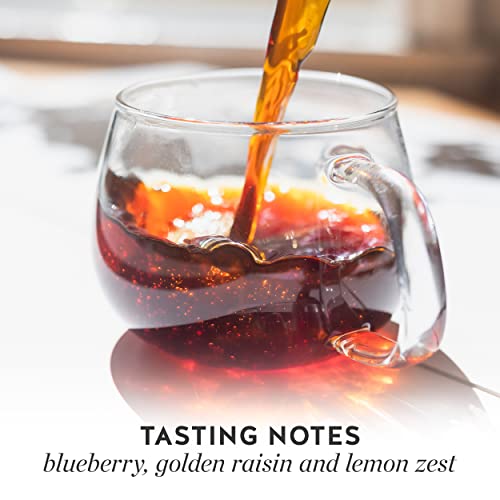
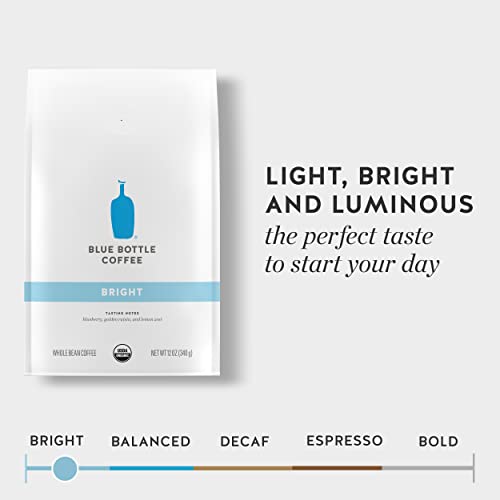
Blue Bottle’s ‘Bright’ lives up to its name, this is one of the most consistently praised light roasts for lovers of citrus and berry tones. Sourced from East Africa and naturally processed, it delivers a zesty profile with blueberry, lemon zest, and golden raisin notes that owners say shine brightest in pour over or drip. The small-batch roasting ensures freshness, and the organic certification aligns with their transparent sourcing model.
Compared to Lifeboost or Counter Culture, this isn’t marketed as low-acid or gut-friendly, so it may not suit sensitive drinkers. But if you’re after a lively, aromatic cup that tastes like a specialty café pour over, this is a top contender. I’d pick this over Lavazza any day for morning clarity and flavor lift.
Product photos


Groundwork Ethiopia Heirloom Blend

Strengths
- True single-origin Ethiopian
- Complex citrus and fruit notes
- Carbon-neutral production
Trade-offs
- Seasonal availability shifts
- Less consistent blend
- Not low-acid
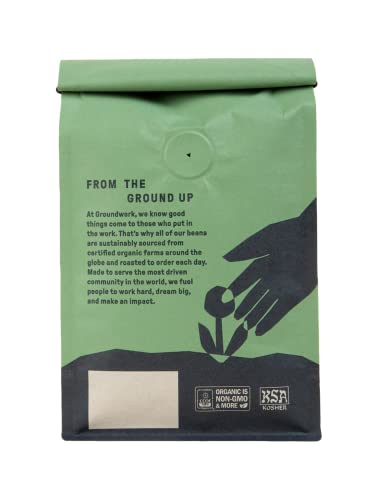
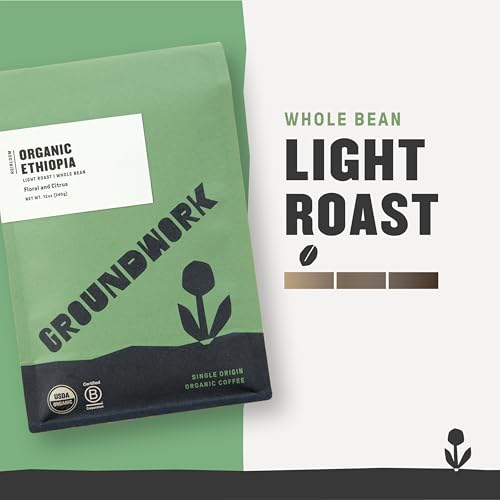
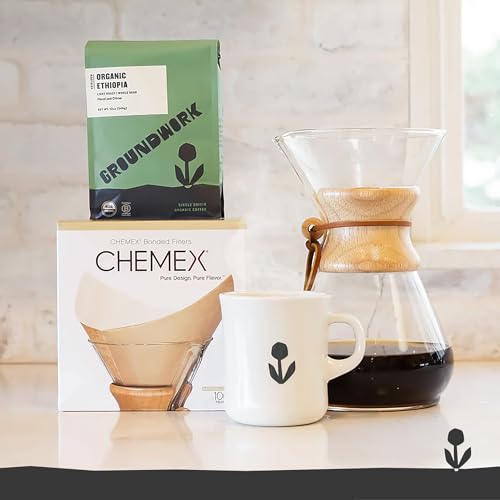
If single-origin purity and terroir expression matter to you, Groundwork’s Ethiopia Heirloom is the one to beat. Sourced entirely from Ethiopia, the birthplace of coffee, it captures the wild, floral complexity of heirloom varietals through a mix of washed and natural processing. The result is a light roast with citrus, dark fruit, and milk chocolate notes that owners describe as both elegant and lively.
It’s not as consistent as Counter Culture’s Fast Forward, but that’s the trade-off for seasonal authenticity. Compared to Intelligentsia or Blue Bottle, it feels more rooted in tradition and less blended for mass appeal. The carbon-neutral roasting and direct trade model seal the deal for eco-conscious buyers. For origin purists, this is the best single-origin pick.
Product photos

Counter Culture Fast Forward

Strengths
- Year-round flavor consistency
- Nutty, creamy body
- B Corp and direct trade certified
Trade-offs
- Less fruity brightness
- Subtle complexity
- Not origin-specific
Counter Culture’s Fast Forward blend is built for consistency, and it delivers. By blending similar-profile coffees across harvests, they maintain a year-round nutty, sweet, and creamy cup without seasonal gaps. That’s rare, most roasters shift blends dramatically. The light roast highlights caramelized sugar and almond notes, and owners praise its reliability in both drip and pour over.
It’s not flashy like Groundwork’s Ethiopia or fruity like Blue Bottle, but it’s the go-to when you want the same balanced, comforting cup every morning. The B Corp and direct trade commitments add ethical weight. Compared to Intelligentsia’s El Gallo, it’s slightly drier and less honeyed, but more structured. For routine drinkers who value stability over surprise, this is the smarter buy.
Product photos


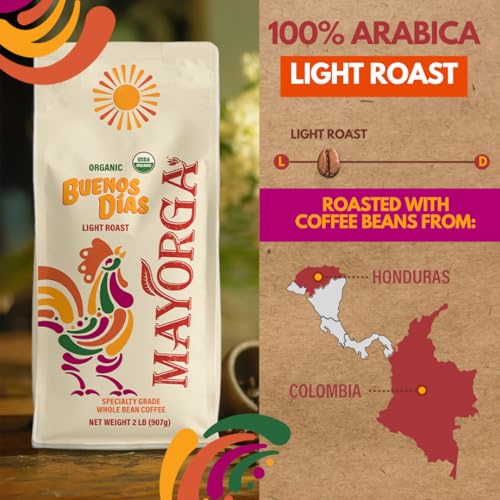
Mayorga Buenos Dias Light Roast

Strengths
- Large 2 lb bag
- Low acidity
- Bright citrus notes
Trade-offs
- Less complexity than single origins
- Not third-party toxin tested
- Roast may be too mild for some
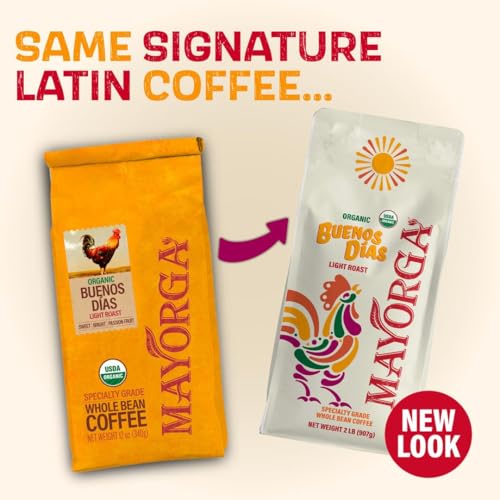
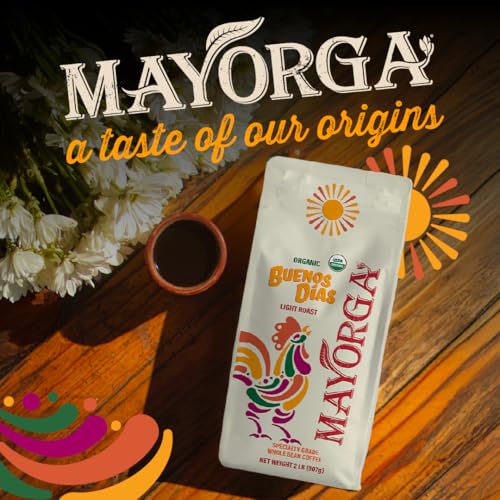
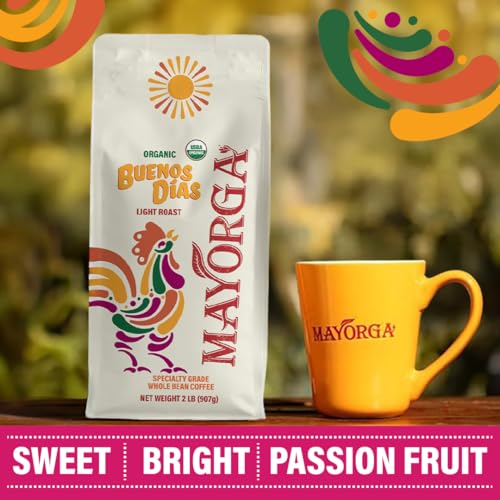
Mayorga’s 2 lb bag of Buenos Dias is a rarity, a large-format organic light roast with genuine low acidity and a bright, citrusy profile. The Latin slow-roasting technique brings out notes of passion fruit and orange without harshness, and owners love how smooth it is on the stomach. For those who want volume and gentleness, this beats Lavazza in both flavor and digestibility.
It’s not as fruit-forward as Blue Bottle, nor as cleanly tested as Lifeboost, but the direct trade relationships with Honduran and Colombian farmers add ethical depth. The 2 lb size makes it economical over time. If you want a large bag of easy-drinking, citrusy organic coffee that won’t upset your gut, this is the best low-acid bulk option.
Product photos
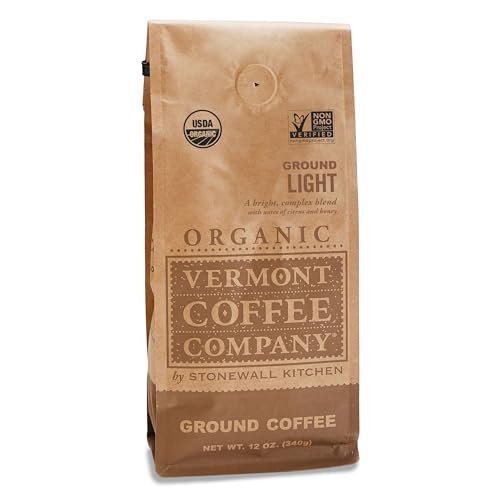
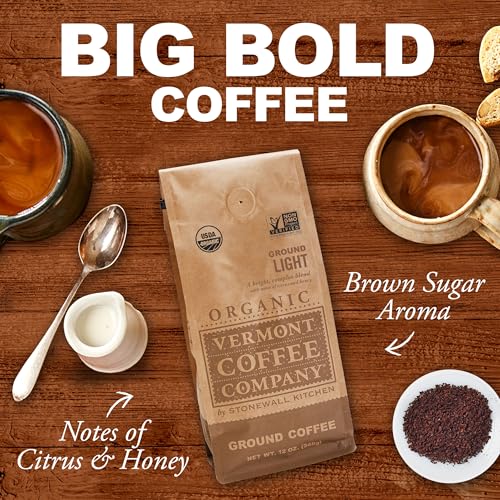
Vermont Coffee Light Roast Ground
Strengths
- Convenient pre-ground format
- Made with renewable energy
- Balanced citrus and honey notes
Trade-offs
- Less aromatic than whole bean
- Smaller flavor depth
- Only one grind size
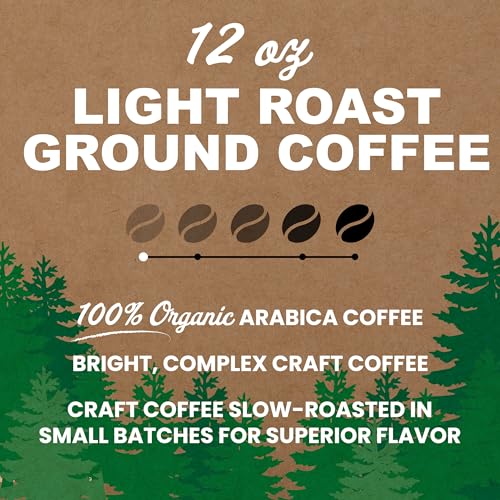
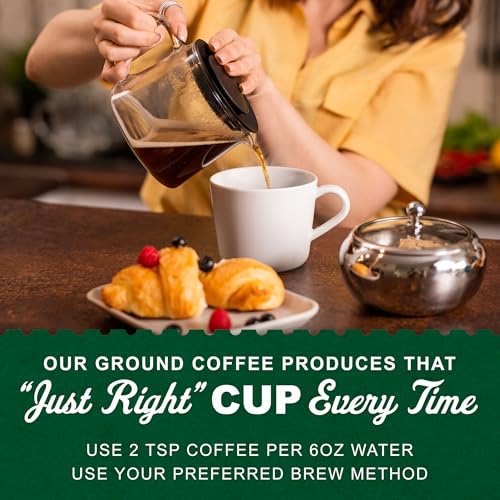
This is one of the few organic light roasts you can buy pre-ground without sacrificing too much freshness or integrity. Made in the USA with 100% renewable energy, the ground format makes it a solid choice for those without a grinder or who value convenience. The tasting notes of citrus and honey come through reliably in drip machines, and owners appreciate the consistent, approachable profile.
It doesn’t have the complexity of whole bean competitors like Intelligentsia or Groundwork, but for a ground option, it holds up well. Compared to Mayorga, it’s less bold in flavor, but more balanced. If you’re not grinding at home, this is the smarter buy over repackaged supermarket grounds, just don’t expect the aromatic punch of freshly ground whole beans.
Product photos
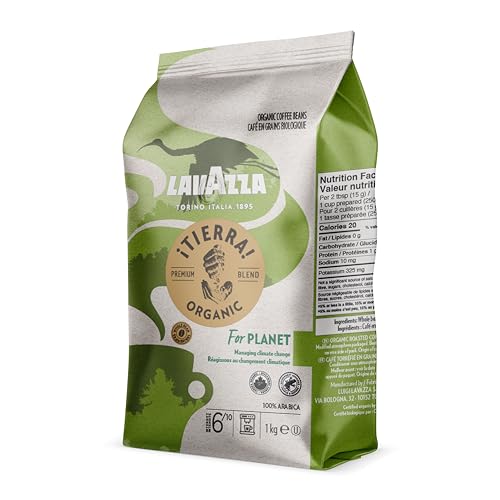
Lavazza Tierra Organic Whole Bean

Strengths
- Large 2.2 lb bag
- USDA and Euro Leaf certified
- Works in espresso machines
Trade-offs
- Muted fruit notes
- Roast level slightly darker than labeled
- Less origin character
Lavazza’s scale and consistency make this a standout when you’re after a larger bag of organic light roast without breaking the bank. On paper, the 2.2 lb size is rare in this category and a clear win for households that go through coffee quickly. The blend is labeled ‘light roast’ but leans more toward a medium-light in flavor profile, with honey and malt notes that feel more Italian-influenced than your typical bright, fruity light roast.
Owners consistently report this works well across brew methods, especially drip and French press, though some note it lacks the vibrancy seen in smaller-batch specialty roasts. Compared to Blue Bottle or Intelligentsia, it’s less nuanced, but for the price and volume, that’s expected. If you want dependable, everyday organic coffee and don’t mind a slightly muted brightness, this is a practical pick.
Product photos



How We Picked These organic light roast coffee
As Bean Thusiast’s founder, I approached researching organic light roast coffees by looking at a blend of objective specifications and how real customers describe the experience. Rather than a hands-on lab test, this is a research-led comparison of published bean origins, processing methods, and roast levels, weighed against owner reviews from multiple sources and expert opinions from coffee publications. I focused on identifying recurring themes in feedback to build a clear picture of each coffee’s strengths and weaknesses.
For this category, flavor balance and acidity were the most heavily weighted factors. A light roast should highlight origin flavors, but can easily become sour if not handled well. Equally important is a consistent, enjoyable experience – a coffee that delivers on its promises cup after cup. We also prioritized certifications, looking for USDA Organic and other indicators of ethical sourcing and quality control.
Specifications reliably tell you about bean origin, processing (washed, natural, etc.), and roast level. However, owner feedback is crucial for understanding the actual flavor profile and how a coffee performs in different brewing methods. Reputation, particularly from established specialty coffee roasters, also factored in, giving us confidence in consistency and quality control beyond just the listed features. Understanding light roast flavor profile is key to finding a coffee you’ll enjoy.
Choosing The Right organic light roast coffee
Finding the perfect light roast coffee can be a surprisingly personal journey. It’s about more than just avoiding bitterness; it’s about unlocking delicate flavors and experiencing the full potential of the bean.
A truly excellent light roast highlights the origin characteristics of the coffee bean. Key indicators include sourcing transparency, recent roast dates (within two weeks is ideal), and a focus on specialty-grade Arabica beans. Look for certifications like USDA Organic and consider factors like processing method (washed, natural, honey) as they significantly impact the final flavor profile.
Bean Origin & Processing
As I’ve learned over the years, a light roast really lets the coffee’s origin story shine. Don’t just look for “100% Arabica” – dig a little deeper. Single-origin coffees, like the Groundwork Ethiopia Heirloom Blend, will offer a more distinct and focused flavor experience reflecting the specific terroir. However, well-crafted blends, such as Intelligentsia El Gallo Organic Blend, can provide a balanced and consistent cup that’s approachable for a wider range of palates. Pay attention to how the beans are processed; naturally processed beans tend to be fruitier, while washed beans are cleaner and brighter.
Roast Quality & Freshness
Roast date is critical with light roast coffees. Because they’re less developed, they’re more susceptible to staling. A coffee roasted a month ago will simply lack the vibrancy of one roasted within the last week or two. Beyond the date, consider the roaster’s reputation. Brands like Counter Culture are known for meticulous quality control and consistently deliver fresh, well-roasted beans.
Here’s what I look for when evaluating roast quality:
- A noticeable aroma immediately upon opening the bag.
- Visible silver skin (chaff) indicating a relatively recent roast.
- A consistent bean color, avoiding any overly dark or scorched spots. This is a sign of uneven roasting, which will translate to an uneven flavor.
Acidity & Flavor Profile
Light roasts are celebrated for their bright acidity, but that acidity should be pleasant – think citrusy or floral, not sour. If you’re sensitive to acidity, explore low-acid options like Mayorga Buenos Dias Light Roast. Many people mistakenly believe lower acidity means less flavor, but a good roaster can preserve complexity even with gentler beans. If you’re seeking something particularly vibrant, the Blue Bottle Bright Light Roast is known for its blueberry and lemon zest notes. Understanding your preferred flavor notes is key – if you enjoy fruity coffees, look for East African beans. If you prefer something more chocolatey, Central American beans might be a better fit. Don’t be afraid to experiment; exploring organic light roast beans is half the fun!
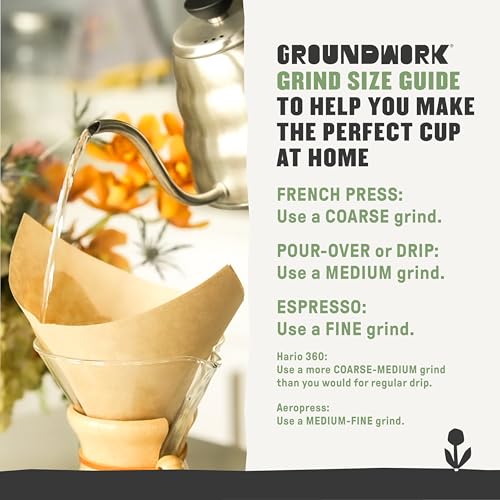
A general rule of thumb: if a light roast tastes thin or sour, it’s likely under-extracted or simply a lower-quality bean. Adjust your grind size finer or consider a different coffee.
Organic Light Roast Coffee Compared
Here’s a comparison of key specifications for various organic light roast coffees.
| Product Title | Roast Level | Bean Type | Origin | Certified Organic | Package Size (oz) |
|---|---|---|---|---|---|
| Lifeboost Light Roast Whole Bean | Light | Arabica | Nicaragua | Yes | N/A |
| Intelligentsia El Gallo Organic Blend | Light | Blend | N/A | Yes | 11 |
| Blue Bottle Bright Light Roast | Light | Blend | East Africa | Yes | 12 |
| Groundwork Ethiopia Heirloom Blend | Light | Single Origin | Ethiopia | Yes | N/A |
| Counter Culture Fast Forward | Light | Blend | Various | Yes | N/A |
| Mayorga Buenos Dias Light Roast | Light | Arabica | Honduras/Colombia | Yes | N/A |
| Vermont Coffee Light Roast Ground | Light | Arabica | N/A | Yes | N/A |
| Lavazza Tierra Organic Whole Bean | Light | Arabica | N/A | Yes | 35.2 |
Frequently Asked Questions
What roast level is best for highlighting a coffee’s origin flavors?
A light roast is ideal for showcasing a coffee’s origin characteristics, as it preserves more of the bean’s natural sugars and acids. This results in a brighter, more nuanced cup where the unique flavors of the bean’s terroir really shine.
How quickly should I use organic light roast coffee after it’s roasted?
Ideally, you should consume organic light roast coffee within two weeks of the roast date for optimal flavor. Light roasts stale faster than darker roasts, so freshness is particularly important to avoid a dull or sour taste.
Are naturally processed light roast coffees noticeably different?
Yes, naturally processed light roast coffees will typically exhibit more pronounced fruity flavors and a heavier body. This is because the bean dries with the cherry still intact, imparting those flavors during the drying process.
Can you find a light roast that isn’t too acidic?
Absolutely. Mayorga Buenos Dias Light Roast is specifically known for its lower acidity compared to many other light roasts, while still delivering a flavorful cup. Choosing beans from certain regions (like Brazil) can also result in less acidic profiles.
Where can I find more information about selecting the best organic whole bean coffee?
You can explore a wider selection of options and expert insights by reading our guide to best organic whole bean brews. It offers detailed reviews and comparisons to help you find your perfect coffee.
The Bottom Line
Choosing a light roast organic coffee often comes down to balancing control over the brewing process with convenience. While a coffee like Counter Culture Fast Forward offers consistent quality and a reliable flavor profile, achieving the absolute best cup often requires a bit more effort – dialing in your grind, experimenting with water temperature, and paying close attention to roast dates. For those willing to put in that work, the reward is a truly exceptional and nuanced coffee experience.
If you’re specifically seeking a budget-friendly option, Vermont Coffee Light Roast Ground delivers organic certification at an accessible price point. For those prioritizing versatility and a consistently balanced cup, the Intelligentsia El Gallo Organic Blend stands out. And if you want to explore the world of single-origin coffees and the unique flavor profiles they offer, the Groundwork Ethiopia Heirloom Blend is an excellent starting point.
Ultimately, the perfect light roast isn’t about any single specification, but about finding a coffee that aligns with your personal preferences and brewing setup. Understanding light vs medium vs dark roast is a great first step, but don’t be afraid to experiment with different origins and processing methods to discover what truly excites your palate. Freshness, ethical sourcing, and a balanced flavor profile are what truly matter in the long run.
