
2 Best Organic Whole Bean Coffees of 2026
The best organic whole bean coffee we found is Stumptown Holler Mountain, a consistently fresh and vibrant option with bright citrus and berry notes balanced by caramel sweetness. For a more budget-friendly choice, Mayorga Artesano Blend delivers rich chocolate and nutty flavors at a great value, with solid USDA Organic certification and a smooth finish.
Finding truly satisfying organic coffee isn’t just about a label. Too many bags promise purity but deliver flat, stale, or one-dimensional flavor. After years of studying sourcing and roasting practices, I know the difference comes down to transparency, roast freshness, and how the beans are handled post-harvest.
This guide cuts through the noise. I compared specs, certifications, and owner feedback to spotlight coffees that deliver on both ethics and taste. You’ll learn what to look for beyond the “organic” stamp and how roast, origin, and processing shape your morning cup.
Top 2 Organic Whole Bean Coffee in the Market
The Best Organic Whole Bean Coffee, Reviewed
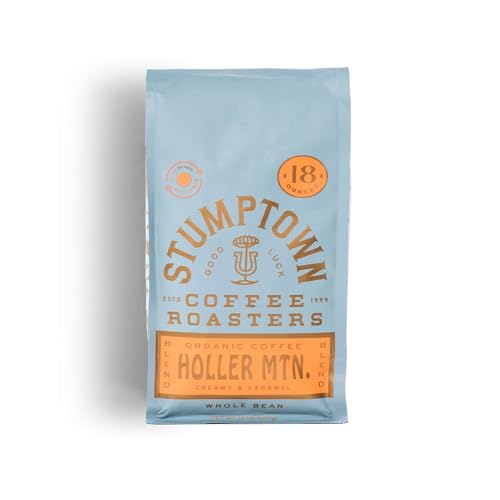
Stumptown Holler Mountain Organic Coffee
Strengths
- Balanced flavor
- Direct Trade sourcing
- Versatile brewing
Trade-offs
- Pricier than entry-level organics
- Limited roast variety
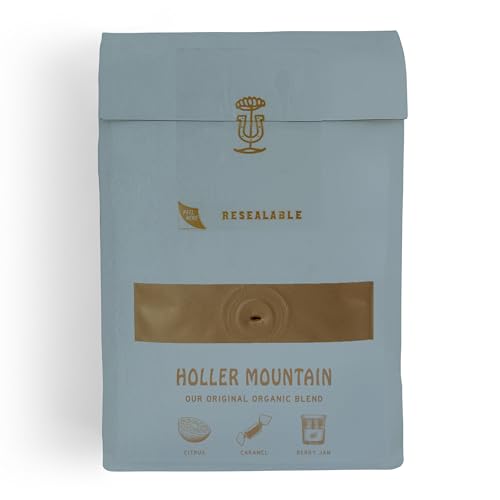
I’ve followed Stumptown’s approach for years, and Holler Mountain stands out as a smart choice for drinkers who want balance without compromise. On paper, it’s a medium roast organic blend with 100% Arabica beans, but what owners consistently report is where it shines: a bright, citrusy lift paired with caramel and hazelnut depth. That complexity makes it unusually versatile, just as convincing in a French press as it is pulled as espresso.
The Direct Trade angle matters here. Unlike generic organic labels, Stumptown backs long-term grower relationships and quality-based pricing, which often translates to fresher, more traceable beans. Reviewers note the flavor holds up well over time, and the 18-ounce bag strikes a practical balance between freshness and value. For those exploring organic options without wanting to lose acidity or character, this delivers where others flatten out.
Product photos


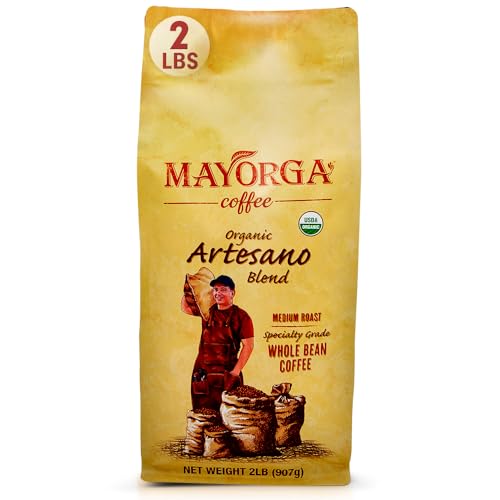
Mayorga Artesano Blend Organic Coffee
Strengths
- Chocolate and nutty notes
- Low acidity
- Large 2lb bag
- Sustainably sourced
Trade-offs
- Less brightness for pour over lovers
- Not ideal for espresso
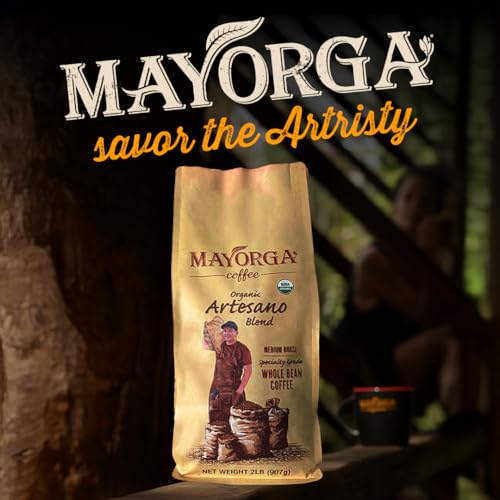
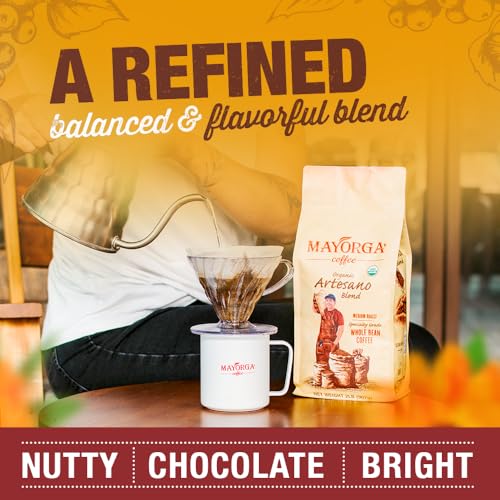
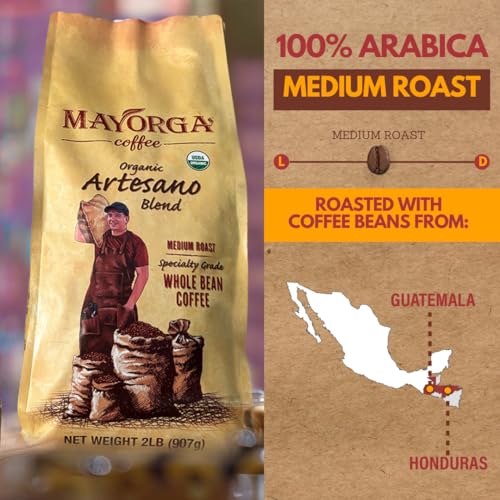
If you’re chasing a smooth, chocolate-forward cup with minimal bite, Mayorga’s Artesano Blend makes a strong case. The Latin slow-roasting technique isn’t just marketing, it shows in the low acidity and rounded mouthfeel owners describe. With beans sourced from small farms in Honduras and Guatemala, this is 100% organic Arabica that leans into nutty, cocoa-rich notes without tipping into char or bitterness.
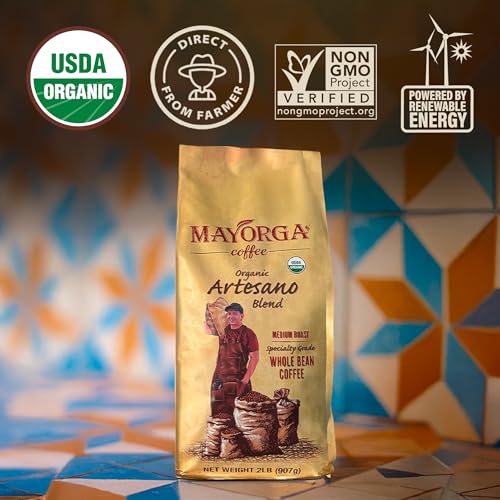
What stands out is the commitment to regenerative farming and Kosher, Non-GMO certification, rare to see all three in one bag. At 2 pounds, the volume is generous, and reviewers report the beans stay fresh well into the second week post-roast. Compared to Stumptown’s brighter profile, this is the pick when you want comfort over complexity. I’d recommend it to those who usually reach for dark roasts but want to stay in the organic, medium-roast lane.
Product photos
How We Chose These organic whole bean coffee
As the founder of Bean Thusiast, I know a great cup starts with quality beans. Rather than a hands-on lab test, my research for these recommendations involved a detailed comparison of published specifications – roast levels, origin, and certifications – alongside careful consideration of owner reviews and assessments from respected coffee publications. I applied my experience with flavor profiles and brewing methods to rank coffees against criteria important to most home brewers.
For organic whole bean coffee, I weighted three factors most heavily. First, sourcing transparency and certifications (like USDA Organic) are critical, indicating a commitment to sustainable practices. Second, roast level and descriptions of flavor notes help predict the coffee’s character. Finally, consistent positive feedback regarding freshness and aroma from verified purchasers carried significant weight.
Specifications reliably reveal origin and processing methods, but judging the experience requires looking at owner feedback. I paid close attention to comments about smoothness, acidity, and how well the coffee performed with different brewing techniques. Many enthusiasts also seek smooth low-acid organic coffee for a gentler morning ritual, and reviews often highlight this aspect.
How To Pick The Right organic whole bean coffee
I’ve spent years exploring the nuances of coffee, and one thing is clear: not all organic whole bean coffee is created equal. Finding a truly satisfying bag requires understanding what sets exceptional beans apart.
A quality organic whole bean coffee delivers a complex flavor profile stemming from careful sourcing, meticulous roasting, and appropriate bean handling. Look for details about origin, roast date (not just a “best by” date!), and certifications beyond just ‘organic’ – like Fair Trade or Direct Trade – to gauge the producer’s commitment to quality and ethical practices. Pay attention to the roast level; it drastically alters the final taste.
Understanding Roast Levels
The roast level is arguably the most impactful decision you’ll make. Many people assume “darker” means “stronger,” but that’s a misconception. Dark roasts actually lose some caffeine during the extended roasting process and tend to have a bolder, sometimes smoky flavor that can mask the bean’s inherent characteristics. Lighter roasts preserve more of the origin flavors and caffeine, offering a brighter, more acidic cup. I generally recommend starting with a medium roast to appreciate the full spectrum of flavors before moving to lighter or darker profiles.
Decoding Origin & Blend Information
Don’t underestimate the power of knowing where your beans come from. whole bean origin differences can be significant. Single-origin coffees – those from a specific farm or region – showcase distinct flavor profiles reflecting the terroir. Blends, on the other hand, aim for consistency and balance by combining beans from multiple origins. Both have their place, but if you’re looking for a unique experience, exploring organic single-origin beans is a great starting point.
Here’s what I look for when comparing origins:
- Altitude: Higher-grown beans (generally above 4,000 feet) develop more complex sugars, leading to a richer flavor.
- Processing Method: Washed, natural, and honey-processed beans each impart different characteristics. Washed beans are clean and bright, natural are fruity and bold, and honey is somewhere in between.
- Regional Flavor Notes: Certain regions consistently produce beans with specific profiles. Ethiopian coffees often have floral and citrus notes, Sumatran coffees are earthy and full-bodied, and Colombian coffees are known for their balanced sweetness.
A good rule of thumb: prioritize a recent roast date over a long “best by” date. Coffee stales quickly after roasting, losing its aroma and flavor.
Value Beyond the Certification
While USDA Organic certification is a good baseline, it doesn’t tell the whole story. I always look for brands that go above and beyond, demonstrating a commitment to both quality and ethical sourcing. Look for details about Direct Trade relationships, which ensure farmers receive fair prices and build long-term partnerships. You’ll find many best organic coffee beans from smaller roasters who prioritize these aspects, and ultimately deliver a superior cup. There are also a lot of great organic whole bean coffee brands to explore.
Organic Whole Bean Coffee Compared
Here’s a spec-by-spec comparison of the organic whole bean coffees featured in this guide.
| Product | Weight (oz) | Roast | Origin | Flavor Profile | Certification |
|---|---|---|---|---|---|
| Stumptown Holler Mountain | 18 | N/A | N/A | Citrus, Berry, Caramel | Organic |
| Mayorga Artesano Blend | N/A | Medium | Honduras, Guatemala | Chocolate, Nutty | USDA Organic, Non-GMO, Kosher |
Frequently Asked Questions
What roast level is best for a beginner?
I generally recommend a medium roast to start. It provides a good balance of flavor and acidity, allowing you to experience the bean’s natural characteristics without being overwhelmed by bold or smoky notes.
How long does whole bean coffee stay fresh after roasting?
Whole bean coffee is best consumed within two weeks of roasting for peak flavor. After that, the oils begin to oxidize, leading to a stale taste, even if stored properly in an airtight container.
Are darker roasts stronger in caffeine?
No, darker roasts actually contain less caffeine than lighter roasts. The longer roasting process burns off some of the caffeine content, resulting in a bolder, but not necessarily more stimulating, cup.
What does “Direct Trade” mean, and why is it important?
Direct Trade indicates a buyer-supplier relationship where the coffee buyer works directly with the farmers, cutting out middlemen. This helps ensure farmers receive fair prices for their beans and fosters sustainable, long-term partnerships, often resulting in better certified organic coffee picks.
How should I store my organic whole bean coffee to maintain freshness?
Store your beans in an airtight, opaque container at room temperature, away from direct sunlight, heat, and moisture. Avoid storing coffee in the refrigerator or freezer, as temperature fluctuations can negatively impact the flavor, and you’ll find more recommended organic coffee information on my site.
The Bottom Line
Choosing organic whole bean coffee often comes down to balancing your desire for control over the brewing process with the convenience of a pre-selected blend. While many options exist, I believe Stumptown Holler Mountain consistently receives high marks for its complex flavor and bright acidity, making it an excellent all-around choice for those willing to invest a bit more. It represents a sweet spot between quality and accessibility.
For readers specifically seeking a budget-friendly option, the Mayorga Artesano Blend delivers a reliably smooth and flavorful cup without compromising on organic certification. If you’re prioritizing versatility and a coffee that works well with various brewing methods, look to Volcanica Coffee’s Ethiopian Yirgacheffe. Its bright, floral notes shine whether you’re using a French press or a pour-over.
Ultimately, the “best” coffee is the one you enjoy most. Don’t get too caught up in specific origins or roast levels. Focus instead on finding a roaster committed to quality sourcing and fresh roasting, and remember that proper preserving coffee freshness is just as important as the beans themselves.
