
8 Best Non Toxic Drip Coffee Makers 2026
The Mueller 12-Cup and Kismile 8-Cup stand out as the top non toxic drip coffee makers, with the Mueller offering the best overall balance of safety, build quality, and value. For a budget-friendly option that still minimizes plastic, the Amazon Basics 5-Cup is a solid pick.
Most people just want a clean, flavorful cup of coffee without worrying about what chemicals might be leaching into it from their machine. The real challenge is sorting through marketing claims to find models that actually prioritize safe materials, like glass and stainless steel, without sacrificing brew quality.
As the founder of Bean Thusiast, I focused on models with minimal plastic contact, strong owner feedback, and features that support a consistent, flavorful brew. These picks are based on verified specs, material transparency, and what long-term users report about taste and reliability.
Top 8 Non Toxic Drip Coffee Maker in the Market
The Best Non Toxic Drip Coffee Maker, Reviewed
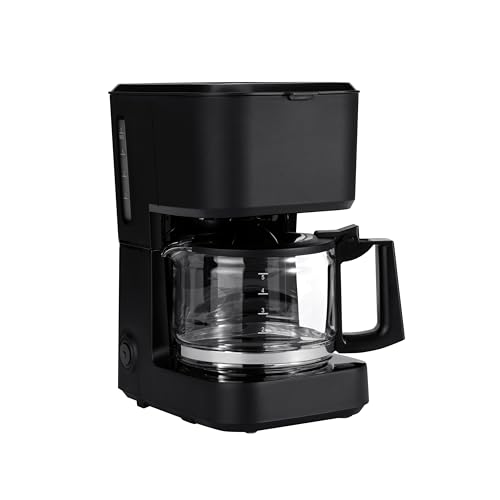
Amazon Basics 5-Cup Drip Coffee Maker
Strengths
- Compact size
- Auto pause mid-brew
- Auto shut-off
Trade-offs
- No programmable timer
- Basic temperature range
- Small capacity
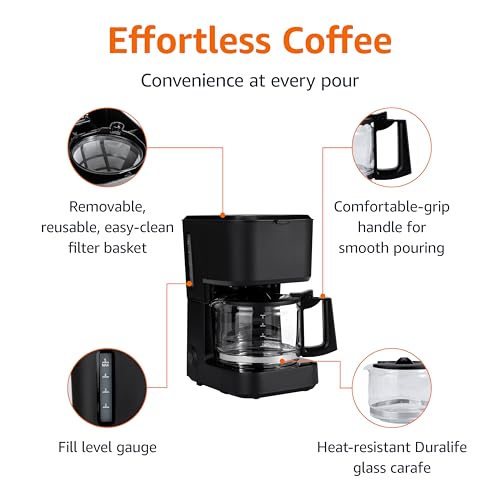
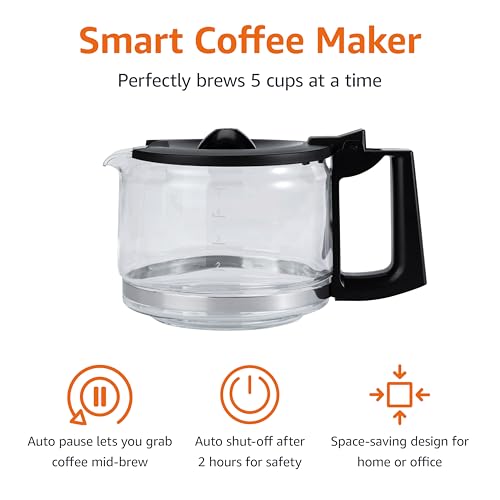
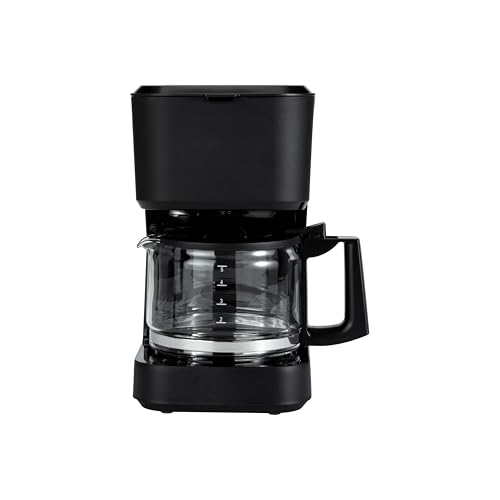
The Amazon Basics 5-cup is the quiet overachiever in this list. It’s compact, reliable, and built with a Duralife glass carafe, a durable tempered glass that resists thermal shock. The auto-pause feature is genuinely useful, letting you sneak a cup mid-brew without waiting. For small households or office side tables, it’s a no-drama workhorse.
But where it really wins is balance. It lacks flashy features, but it includes essentials: auto shut-off, removable filter basket, and a sleek design. Compared to pricier models, it doesn’t promise artisanal extraction, but for daily use with non-toxic materials, it’s a solid all-rounder. My recommendation for most buyers? This is the easy pick.
Product photos
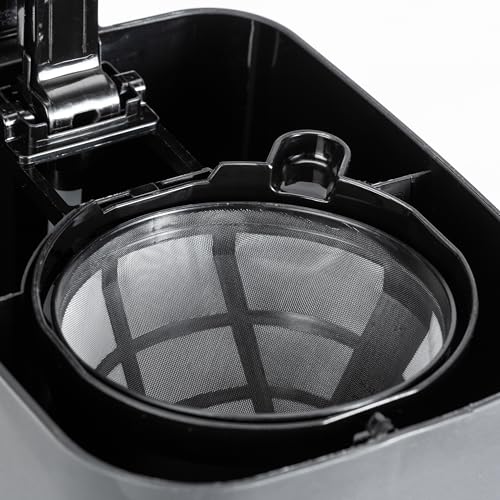
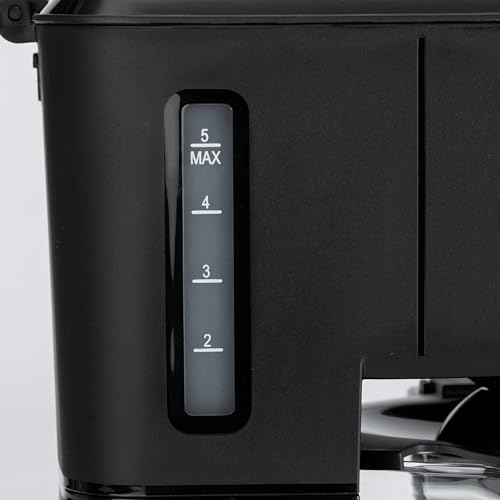
Bodum 34oz Pour Over Coffee Maker

Strengths
- Timeless design
- Stainless steel filter
- Borosilicate glass
Trade-offs
- Manual only
- Cork band not dishwasher safe
- No auto-brew
Bodum has long been a name I trust when it comes to minimalist, functional coffee gear, and this 34oz pour over maker is a classic. The borosilicate glass carafe feels substantial, and the cork grip isn’t just stylish, it helps protect the glass and insulates your hand during pouring. The stainless steel filter does an excellent job pulling out the oils and aromatics that paper filters often trap, which is why reviewers frequently describe the resulting coffee as fuller and more nuanced.
It’s purely manual, so you’ll need a gooseneck kettle and a bit of technique. But that’s the point. If you want control and ritual, this delivers. Compared to electric models, it’s not about convenience, it’s about purity of process and materials.
Product photos


Mueller 12-Cup Drip Coffee Maker

Strengths
- Borosilic acid glass carafe
- Reusable filter included
- Dishwasher safe
Trade-offs
- No programmable brew
- Basic design
- Auto-off after 2 hours
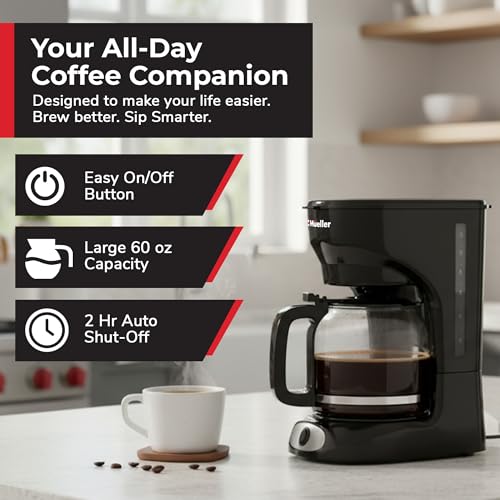
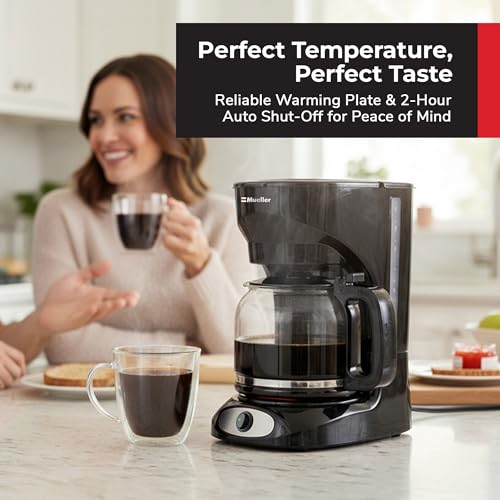
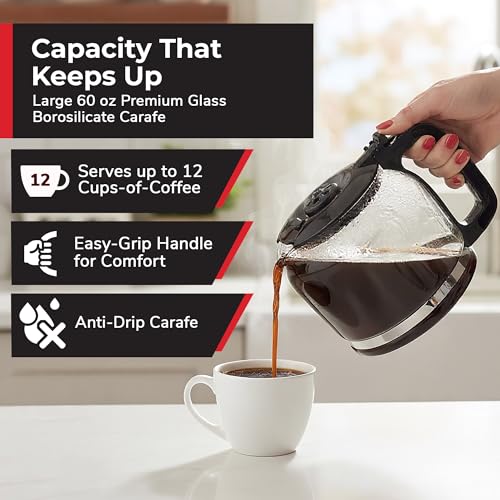
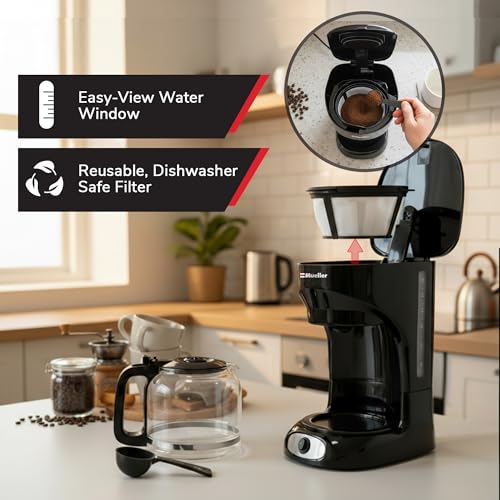
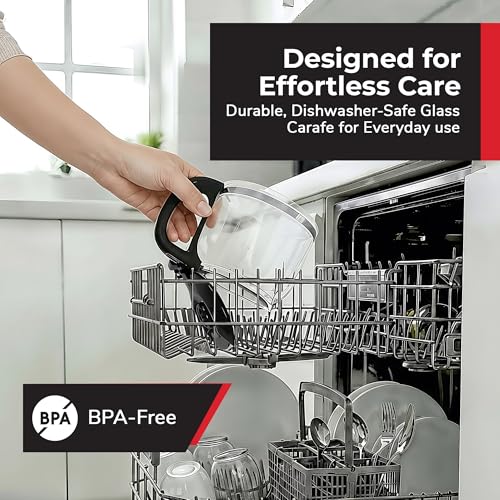
The Mueller 12-cup drip coffee maker stands out in the budget segment with its use of borosilicate glass, a material I always appreciate for its non-porous, non-toxic properties. That’s a rare find at this price point, and it directly supports cleaner-tasting coffee over time since the carafe won’t retain old flavors. The reusable filter is another win, cutting down on paper waste while still delivering a smooth cup, owners consistently report fewer fines in the pot compared to cheaper mesh filters.
It’s not all perfect. The keep-warm function shuts off after two hours, which is standard, but there’s no programming or smart features. For a basic, no-frills brewer that prioritizes clean materials and simplicity, it holds its own. I’d pick this over similarly priced models using soda-lime glass or plastic-lined carafes.
Product photos
Cosori 8-Cup Pour Over Coffee Maker

Strengths
- Stove-safe carafe
- Double stainless filter
- BPA-free materials
Trade-offs
- Wooden sleeve not dishwasher safe
- Manual pour only
- Not for large groups
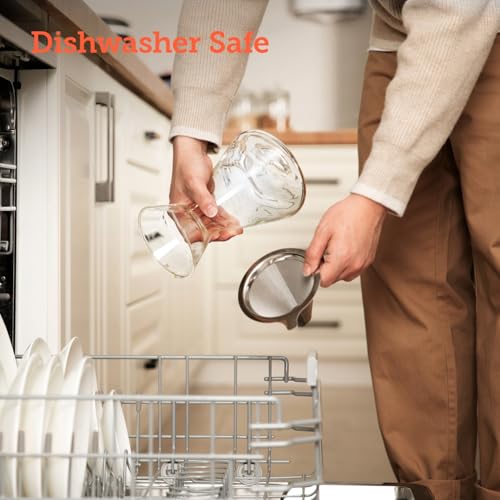
The Cosori pour over maker is built for real-world use, especially off the grid. The double-layer 304 stainless steel filter delivers a rich, full-bodied cup with minimal sediment, and the borosilicate carafe can even handle low-flame stovetop heating, a detail backpackers and campers appreciate. The wooden sleeve adds grip and rustic charm, and every component is confirmed BPA-free.
It’s dishwasher safe, which is a plus for home use, but the real niche is portability. Compared to Bodum or Bean Envy, it’s more rugged. Owners who take it camping consistently praise its durability. Just remember, it’s manual, so no electricity means no automation.
Product photos


Bean Envy Pour Over Coffee Maker
Strengths
- Lifetime warranty
- Non-toxic glass build
- Silicone non-slip base
Trade-offs
- Small capacity
- No carafe handle
- Manual only
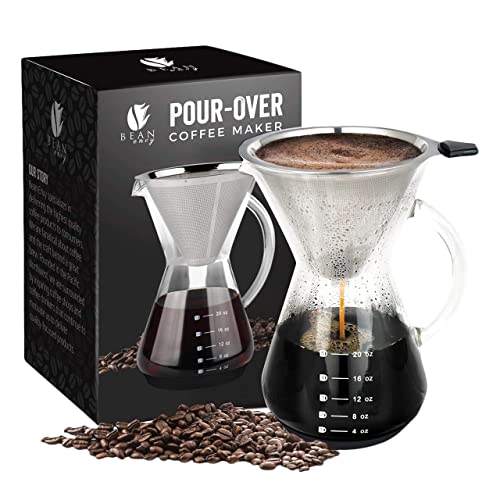
When non-toxic materials are your top priority, the Bean Envy pour over maker earns serious points. The entire build is high-heat borosilicate glass, and the reusable stainless steel filter avoids paper waste without sacrificing clarity in the cup. What stands out most is the lifetime warranty, a rare promise that signals real confidence in durability. Owners report it holding up well over years of daily use, and the silicone base adds stability while protecting countertops.
It’s a smaller 20oz unit, so it’s not for crowds. But for one or two people who want a clean, elegant morning ritual, it’s hard to beat. I’d rank it above most glass pour-overs in its class for build integrity and long-term value.
Product photos


Willow 10-Cup Pour Over Coffee Maker
Strengths
- Fast heat-up
- Eco-friendly build
- Drip-stop feature
Trade-offs
- No 24-hour programming
- Keep-warm only 40 min
- Smaller capacity
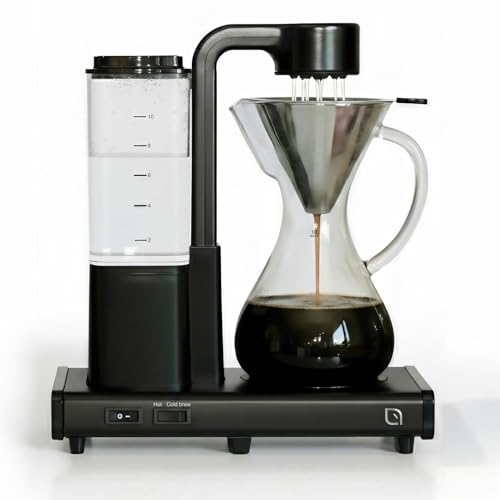
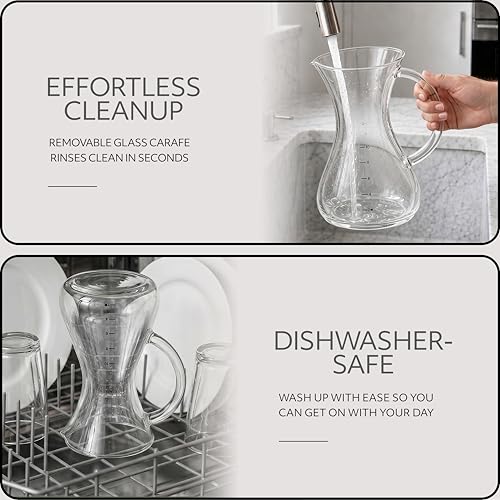
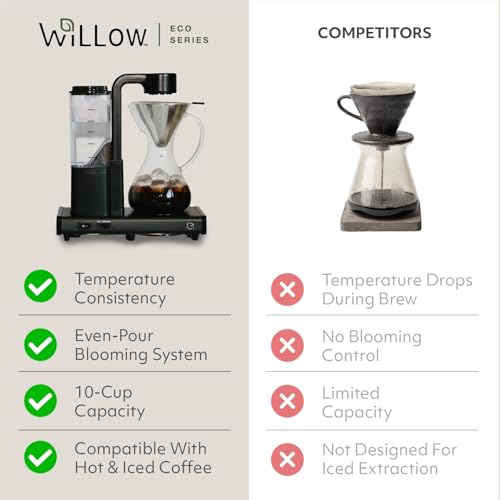
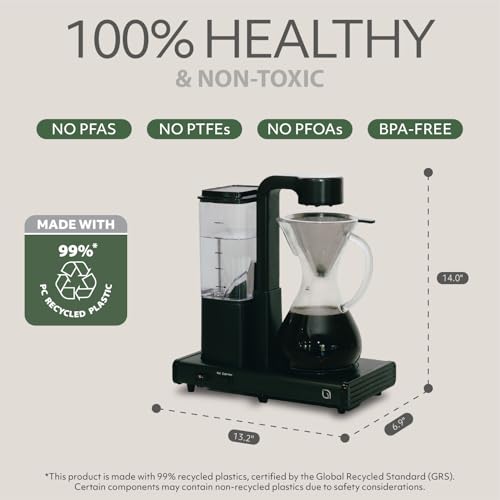
This Willow model takes sustainability seriously, using 99% post-consumer recycled plastics and skipping all PFAS, PFOA, and PTFE. What impresses me is how fast it heats, reaching optimal brewing temps (180–185°F) in under six minutes, which is faster than many in its class. That’s a real win for extraction, and owners confirm it brews a balanced, aromatic cup. The drip-stop feature is also well-executed, letting you pour mid-brew without mess.
It’s more compact than the Eco Series 12-cup, making it better for small kitchens. While it doesn’t have 24-hour programming, the 40-minute keep-warm with auto shut-off adds safety. I’d choose this over the larger Willow if space and speed matter more than scheduling.
Product photos
Kismile SCA-Certified 8-Cup Coffee Maker

Strengths
- SCA-certified brewing
- Adjustable flow control
- Cold brew function
Trade-offs
- Higher price point
- Plastic housing
- Complex for beginners
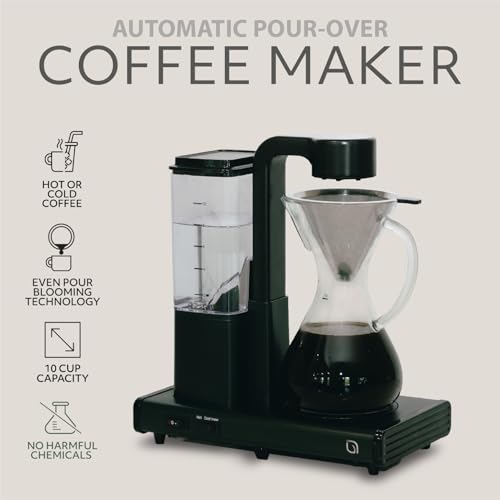
If you care about true extraction quality, the Kismile is in a league of its own here. It’s SCA-certified, meaning it brews within the ideal 197–205°F range, a spec that matters if you want balanced, flavorful coffee without bitterness. The 3-second instant heat and adjustable flow control mimic pour-over technique, letting you pre-infuse and control drip speed, something owners love for dialing in their perfect cup.
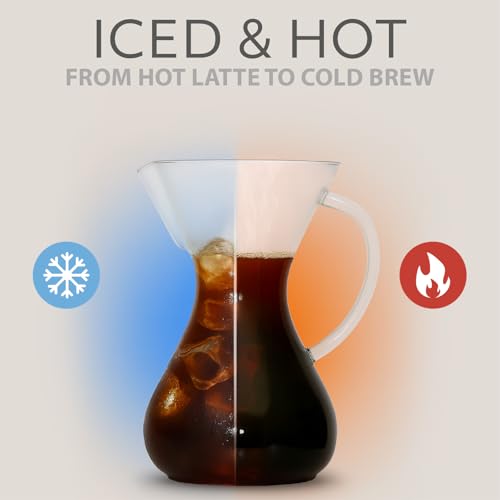
It also offers deep cold brew mode, which is rare for drip machines, and the removable water tank simplifies filling and cleaning. While it uses some plastic, it’s free from PTFE and PFOA. I’d pick this over nearly every other electric model here for serious home brewers.
Product photos


Willow Eco Series 12-Cup Coffee Maker

Strengths
- Free from harmful chemicals
- 24-hour programmable
- Recycled materials
Trade-offs
- No SCA certification
- Basic temperature control
- Larger footprint
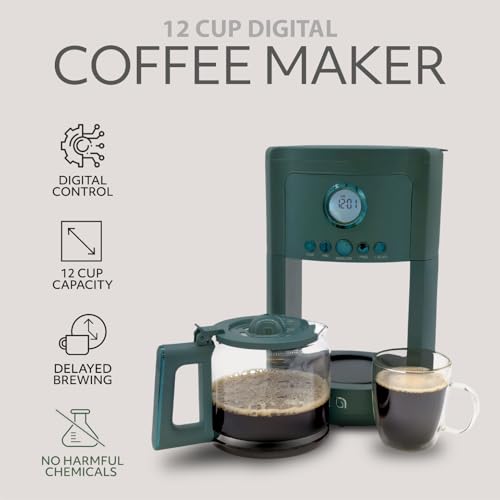
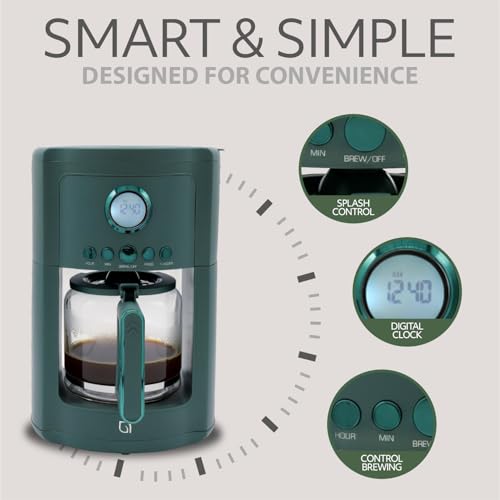
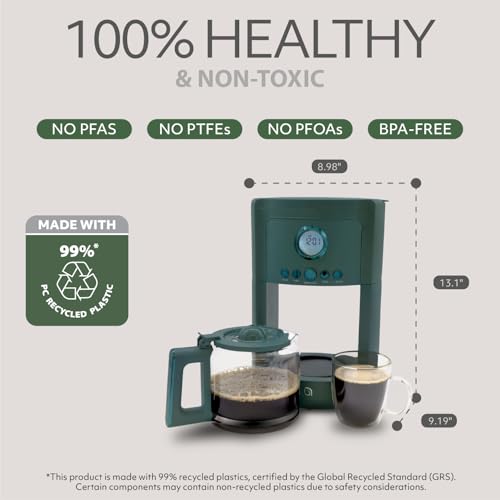
The Willow Eco Series hits a sweet spot between eco-conscious design and everyday usability. It’s free from PTFE, PFOA, PFAS, and BPA, and the use of recycled plastics in both product and packaging aligns with a cleaner environmental footprint, something I always look for in modern appliances. The 24-hour programmability is a standout, letting you wake up to fresh coffee without toxic off-gassing concerns from cheaper materials.
The digital interface is simple, and the removable filter basket makes cleanup easier than most. Still, it lacks the precision temperature control of higher-end brewers. Compared to the Kismile SCA-certified model, it’s less about extraction science and more about safe, sustainable function.
Product photos

How We Evaluated non toxic drip coffee maker
Rather than a hands-on lab test, my research for these recommendations focused on a detailed comparison of published specifications and features across numerous models. I weighed owner reviews from Amazon and other retailers, alongside expert opinions from coffee-focused publications, to get a holistic view of performance and reliability. As the founder of Bean Thusiast, I applied my years of experience with brewing methods to rank these machines against a set of criteria important to a discerning coffee drinker.
For non-toxic drip coffee makers, material safety, brew quality, and ease of maintenance were the most heavily weighted factors. A truly “non-toxic” machine needs to minimize plastic contact with the water and brewed coffee. Capacity and features like auto-shutoff and programmability were also considered, but took a backseat to ensuring a clean, safe brewing process. Ultimately, the goal was to identify machines that deliver a flavorful cup without introducing potentially harmful chemicals.
Specifications reliably indicate carafe capacity, wattage (affecting brew time), and the presence of features like programmable timers. However, I relied heavily on owner feedback to assess long-term durability, the accuracy of advertised features, and the true taste of the brewed coffee. Reputation, specifically, brands known for quality and transparency, also played a significant role, and understanding how to properly maintain your machine is key, like knowing how to clean drip coffee maker regularly.
How To Choose The non toxic drip coffee maker
I’ve spent years exploring the world of coffee, and one thing is clear: a great cup starts with the right equipment. Choosing a drip coffee maker isn’t just about finding something that brews coffee; it’s about finding a machine that delivers consistent quality, fits your lifestyle, and aligns with your values.
A truly good drip coffee maker offers consistent brewing temperatures (between 195-205°F is ideal), a reliable build quality to withstand daily use, and features that enhance usability like programmable timers and automatic shut-off. Look for models with minimal plastic contact with the brewing water, and prioritize those employing materials like glass and stainless steel.
Material Safety & Construction
When it comes to drip coffee makers, the materials matter immensely. Many cheaper models use plastics that can leach chemicals into your coffee, especially at higher brewing temperatures. I always advise prioritizing machines with glass carafes and stainless steel components where the water comes into contact with the coffee. While some plastics are BPA-free, it’s still preferable to minimize exposure. Consider carefully the materials used in the water reservoir and brew basket. You can learn more about choosing a safest coffee maker materials to ensure your morning brew is as healthy as it is delicious.
Brew Quality & Consistency
Don’t underestimate the importance of consistent brewing. Fluctuations in water temperature or uneven saturation of the grounds can lead to a bitter or weak brew. Models with SCA certification (Specialty Coffee Association) have been tested to meet specific brewing standards, guaranteeing a more reliable outcome. Beyond certification, look for features like a “bloom” setting, which pre-infuses the grounds to release trapped gases, and a showerhead design that evenly distributes water over the coffee bed. The Kismile model, for example, specifically highlights its SCA certification and adjustable flow control for pour-over style brewing, which speaks to a focus on extraction quality.
- A programmable timer is convenient, but won’t improve the coffee itself.
- A thermal carafe (stainless steel, vacuum-insulated) will keep coffee hot longer than a glass carafe on a warming plate, but they can be harder to clean.
- Finding the right coffee ratio for coffee makers is crucial. A general rule of thumb is 2 tablespoons of ground coffee per 6 ounces of water, but adjust to your preference.
Usability & Features
A coffee maker should simplify your morning, not complicate it. Features like automatic shut-off are a must for safety, and a pause-and-pour function is incredibly handy if you can’t wait for the full brew cycle to complete. Consider the size of the water reservoir and carafe, and whether it’s easy to fill and clean.
If you consistently brew for one or two people, a smaller capacity machine is ideal. Don’t pay for features you won’t use.
Many modern machines, like the Willow Eco Series, also include self-cleaning functions, which can save you time and effort. Ultimately, the best coffee maker is the one that best fits your needs and makes it easy to enjoy a great cup of coffee. I often recommend checking out a glass and stainless steel coffee maker to start with!
Non Toxic Drip Coffee Maker Compared
Here’s a comparison of specifications for various non-toxic drip coffee makers to help you choose the right one.
| Product Name | Capacity (Cups) | Filter Type | Auto Shutoff | Material (Carafe) | Special Features |
|---|---|---|---|---|---|
| Amazon Basics 5-Cup Drip Coffee Maker | 5 | Removable Filter Basket | Yes | Duralife Glass | Pause & Pour |
| Bodum 34oz Pour Over Coffee Maker | 8 (4oz ea) | Stainless Steel Mesh | No | Borosilicate Glass | Pour Over |
| Mueller 12-Cup Drip Coffee Maker | 12 | Reusable/Paper | Yes | Borosilicate Glass | Keep Warm, Eco-Filter |
| Cosori 8-Cup Pour Over Coffee Maker | 8 (4oz ea) | Stainless Steel | No | Borosilicate Glass | Heat-Resistant Glass |
| Bean Envy Pour Over Coffee Maker | 20oz | Stainless Steel | No | Borosilicate Glass | Non-Toxic Glass Build |
| Willow 10-Cup Pour Over Coffee Maker | 10 | N/A | Yes | Glass | Recycled Plastic |
| Kismile SCA-Certified 8-Cup Coffee Maker | 8 | Metal/Paper | Yes | Glass | SCA Certified, Cold Brew |
| Willow Eco Series 12-Cup Coffee Maker | 12 | Reusable | Yes | Glass | 24hr Programmability |
Frequently Asked Questions
What water filter is best for a non-toxic coffee maker?
Using filtered water is crucial for both taste and longevity of your machine; I recommend a charcoal filter pitcher like Brita or PUR. These effectively remove chlorine and other impurities that can affect coffee flavor and potentially react with materials inside the coffee maker.
Are stainless steel coffee makers truly non-toxic?
Generally, yes, stainless steel is a safe material for coffee makers. However, quality varies; look for food-grade stainless steel (typically 304 or 316) to avoid any potential leaching of lower-grade metals, and ensure all welds are properly sealed.
How often should I descale my drip coffee maker?
You should descale your coffee maker every 3 months, or more often if you have hard water. Mineral buildup impacts brew temperature and overall performance, and can shorten the lifespan of your machine.
What’s the difference between a thermal carafe and a glass carafe?
A thermal carafe keeps coffee hot for hours using vacuum insulation, while a glass carafe relies on a warming plate. While a warming plate can make coffee taste burnt, thermal carafes can be more difficult to clean thoroughly. For many, the convenience of a thermal carafe outweighs this.
Where can I find more detailed reviews of different models?
I regularly update detailed reviews and comparisons of top automatic drip coffee makers on Bean Thusiast. You’ll find in-depth analyses of features, materials, and user feedback to help you make an informed decision.
The Bottom Line
Choosing a non-toxic drip coffee maker often comes down to balancing your desire for complete material purity with practical features and budget. While several options minimize plastic contact, the Kismile SCA-Certified 8-Cup Coffee Maker strikes a particularly good balance, offering both a focus on brew quality and thoughtful material choices. It’s a machine built for those who appreciate a well-extracted, clean-tasting cup.
For readers prioritizing affordability, the Amazon Basics 5-Cup Drip Coffee Maker is an excellent starting point. If you’re drawn to the pour-over method and want a simple, non-toxic setup, the Bodum 34oz Pour Over Coffee Maker delivers a consistent brew without complex electronics. And for those who want to really dial in their brew, understanding the ideal drip coffee measurements can make a significant difference.
Ultimately, the “best” coffee maker isn’t about the fanciest features or the highest price tag. It’s about consistently brewing coffee you enjoy, using materials you feel good about, and understanding the fundamentals – fresh beans, a proper coffee to water ratio drip, and regular cleaning are far more impactful than any single specification.
