
8 Best Mold-Free Coffee Picks of 2026
The best mold free coffee overall is Purity Coffee FLOW Medium Roast, thanks to its rigorous third-party testing, specialty-grade beans, and rich flavor. For a solid budget-friendly option, Lifeboost Medium Roast delivers clean, low-acid coffee with verified purity. If you want something uniquely fortified, Danger Coffee’s remineralized blend stands out for its added health focus.
Most coffee drinkers don’t realize that mold and mycotoxins can lurk in even organic beans, leading to off-flavors or health concerns over time. Finding a truly clean cup means looking beyond labels and digging into actual testing practices.
As the founder of Bean Thusiast, I’ve spent years studying how coffee is grown, processed, and tested. This guide cuts through the noise, focusing on brands with transparent lab results, strong sourcing, and real owner satisfaction. We evaluated purity, flavor, and freshness so you can brew with confidence.
Top 8 Mold Free Coffee in the Market
The Best Mold Free Coffee, Reviewed
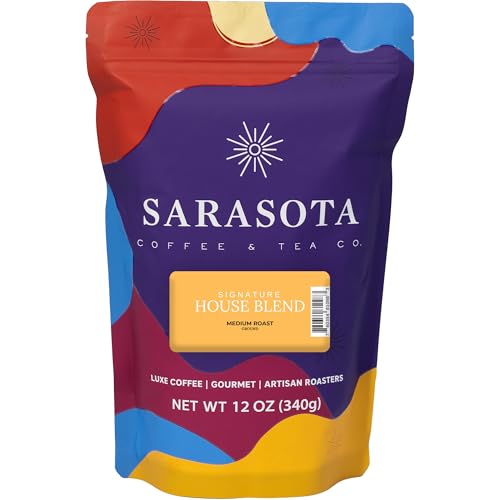
Sarasota Coffee Breakfast Blend Ground
Strengths
- Smooth low acid
- Mold-free tested
- Drip brew friendly
Trade-offs
- Limited certifications
- Less antioxidant focus
- Not shade grown
This is the kind of coffee that aims to be your no-fuss, everyday cup, and for a lot of people, that’s exactly what it delivers. The emphasis on a smooth, medium roast with low acidity makes sense for those who want something gentle but still flavorful. On paper, the mold-free claim stands out, and owners consistently report a clean cup without the usual digestive discomfort linked to cheaper blends.
Where it lands in the mold-free category is solid but not elite. It doesn’t carry the same depth of third-party testing as some pricier options, but for someone just stepping into cleaner coffee without breaking the bank, it’s a reasonable starting point. I’d pick this over generic supermarket blends any day, especially if you’re using a drip machine or French press and want consistency.
Video review
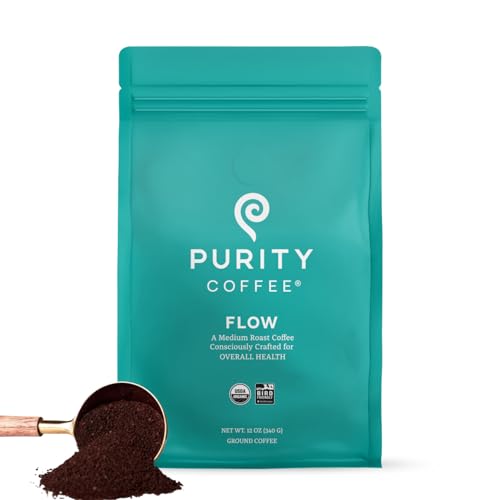
Purity Coffee FLOW Medium Roast Ground
Strengths
- Third-party lab tested
- High antioxidant levels
- Nitrogen flushed bag
- USDA Organic certified
Trade-offs
- Premium price point
- Ground form loses freshness faster
- Fewer flavor notes than single origins
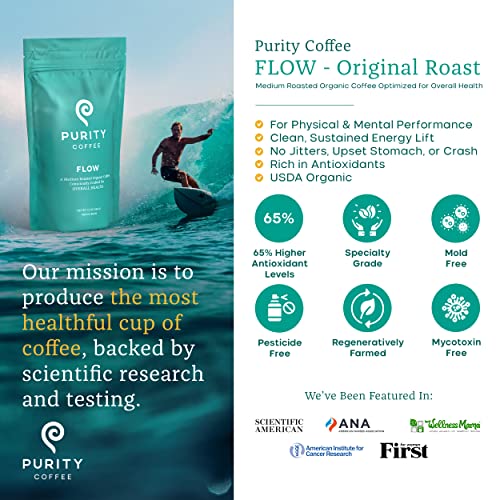
Purity Coffee’s ground FLOW blend is built from the ground up to be one of the cleanest, most health-forward coffees on the market. The fact that it’s USDA Organic, third-party tested for mold, mycotoxins, pesticides, and heavy metals means it clears a very high bar, one that most brands don’t even attempt. Owners praise its rich body and freshness, which makes sense given the nitrogen-flushed packaging that locks in flavor.
What sets this apart isn’t just purity, it’s the intentionality. The focus on polyphenols like chlorogenic acid shows they’re not just avoiding harm, they’re actively promoting benefit. Compared to other mold-free options, this one delivers more science-backed confidence. If you want a ground version of a truly premium health coffee, this is my top recommendation.
Video review
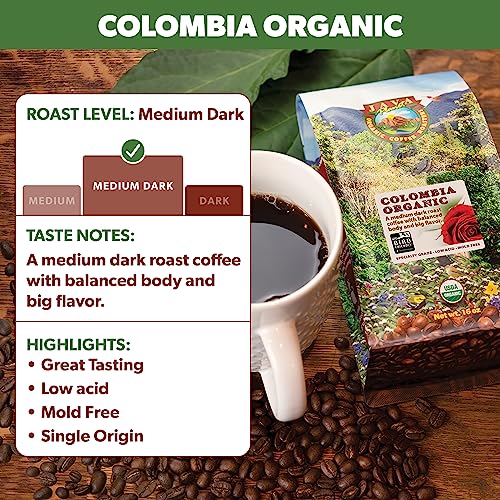
Java Planet Organic Colombian Whole Bean

Strengths
- Bird Friendly certified
- Shade grown
- Third-party tested
- Whole bean freshness
Trade-offs
- Milder flavor profile
- Less focus on antioxidant metrics
- Only one origin available
Java Planet stands out not just for being mold-free and USDA Organic, but for its strong environmental ethics. The Bird Friendly and shade-grown certifications are rare and meaningful, they mean real biodiversity protection and slower bean maturation, which often translates to better flavor. Owners consistently note the smoothness and lack of stomach irritation, which aligns with its low-acid, clean-profile design.
This is a coffee that does more than just taste good, it feels good to buy. While it doesn’t advertise antioxidant levels like Purity Coffee, it delivers peace of mind through third-party testing and transparent sourcing. For those who care about where their coffee grows as much as how it tastes, this is a standout. I’d choose this over many others for its balance of ethics and drinkability.
Product photos



Natural Force Organic Mold Free Coffee

Strengths
- Extensive contaminant testing
- High in antioxidants
- Paleo and keto certified
- USDA Organic
Trade-offs
- Smaller bag size
- Ground form limits freshness
- Higher price per ounce
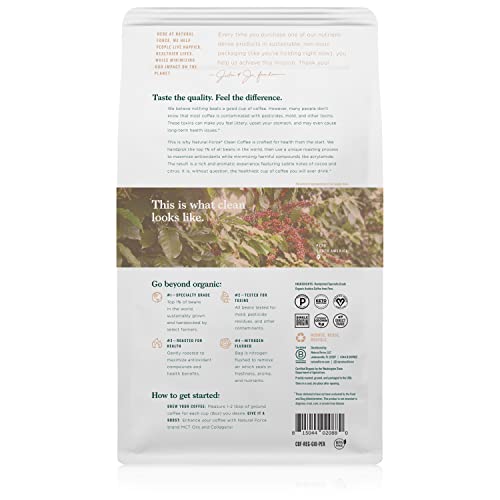
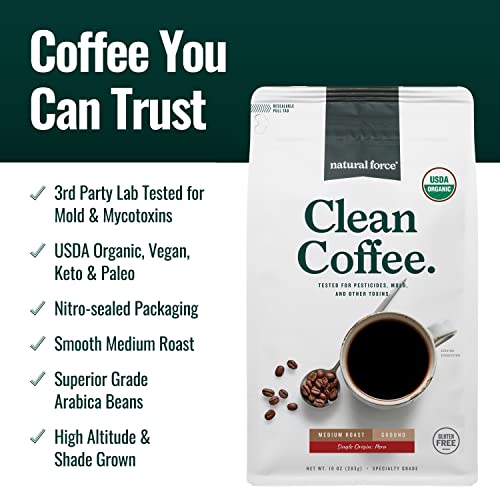
Natural Force makes a bold claim, toxin-free coffee from source to sip, and backs it up with extensive third-party testing for mold, mycotoxins, heavy metals, and even gluten. That level of transparency is rare, and owners appreciate the public lab results. The emphasis on high chlorogenic acid (CGA) content suggests this isn’t just clean coffee, but functional coffee, potentially helpful for cognitive clarity and metabolic health.
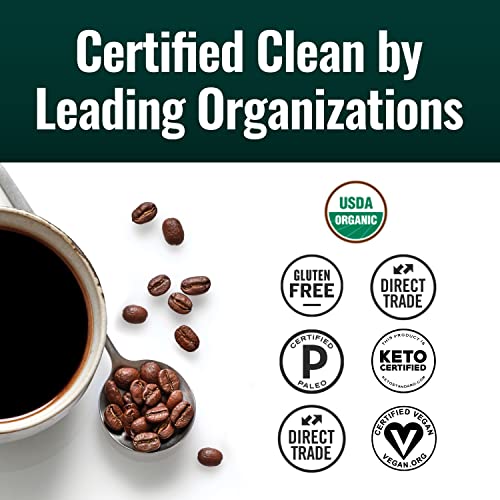
It’s also certified Paleo, Keto, and Vegan, which speaks to its niche in the wellness world. The 10 oz size is smaller than most, and the grind may not suit all machines equally. Still, for someone avoiding brain fog or gut issues from conventional coffee, this is a strong contender. I’d recommend it over average organic blends for those prioritizing purity and health metrics.
Product photos
Fabula Low Acid Organic Coffee

Strengths
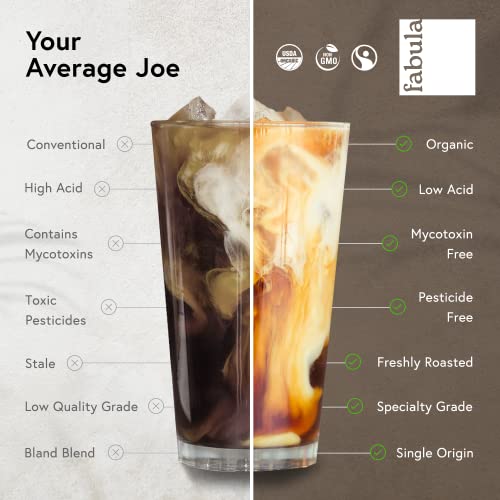
- Affordable pricing
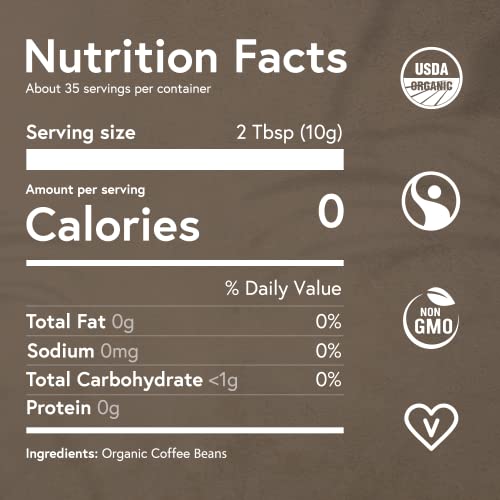
- Lab tested for 350+ chemicals
- Single origin
- USDA Organic
Trade-offs
- Not shade or bird certified
- Limited roast options
- Lower antioxidant claims
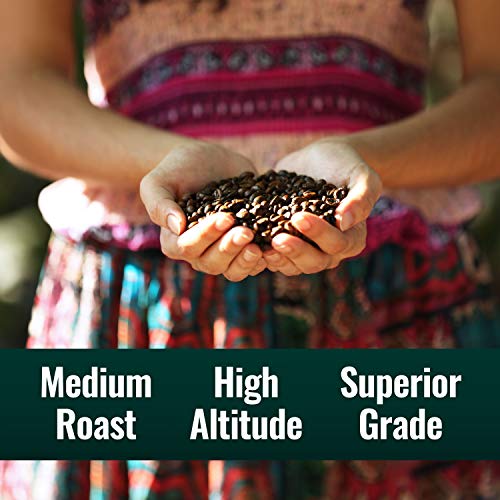
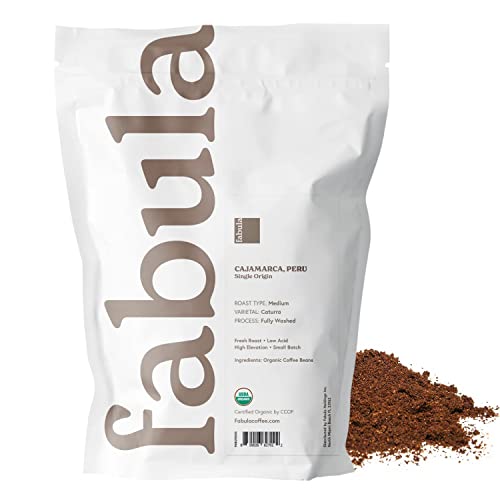
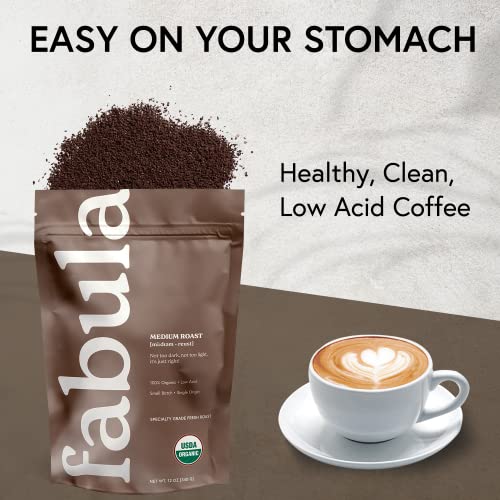
Fabula enters the mold-free space with a compelling combo: USDA Organic, single-origin Peruvian beans grown at high altitude, and a price that undercuts nearly every other brand on this list. The result is a coffee that feels accessible without cutting corners, owners report smooth flavor, no stomach upset, and a satisfying depth with notes of chocolate and nuttiness.
What impresses me most is the +350 chemical testing, that’s not marketing fluff, that’s serious diligence. For a brand positioning itself as budget-friendly, it doesn’t skimp on safety. Compared to others, it may lack the antioxidant branding of Purity or the biohacking edge of Danger Coffee, but it wins on value. If you want clean coffee without the premium tag, this is the smart buy.
Product photos
Lifeboost Medium Roast Ground Coffee

Strengths
- Third-party tested
- Low acid
- Bird friendly
- USDA Organic
Trade-offs
- Ground form
- Mild flavor
- Smaller batch availability
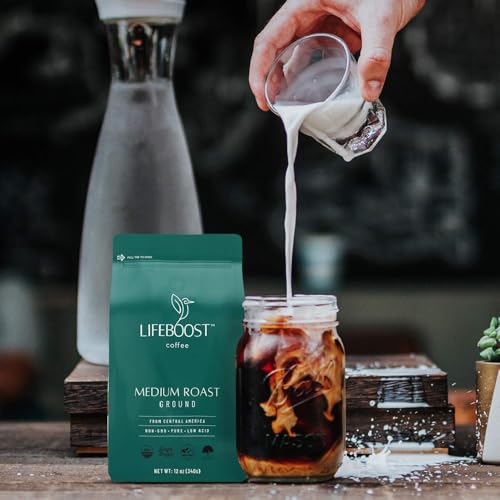
Lifeboost leans hard into purity and ethics, single-origin, shade-grown, hand-selected beans from Central America, all third-party tested for over 400 toxins. The low-acid profile is a major draw for those with reflux or sensitive digestion, and owner feedback consistently highlights how it eliminates the gut issues common with other coffees.
It’s USDA Organic and non-GMO, but what gives it an edge is the sourcing: bird-friendly farms, spring-water washing, and sun-drying for gentler processing. The ground version sacrifices some freshness, but the flavor remains clean and mildly sweet. Compared to others, it’s less about biohacking and more about clean, ethical simplicity. I’d pick this for someone who wants safety, low acidity, and peace of mind without the science-heavy branding.
Product photos



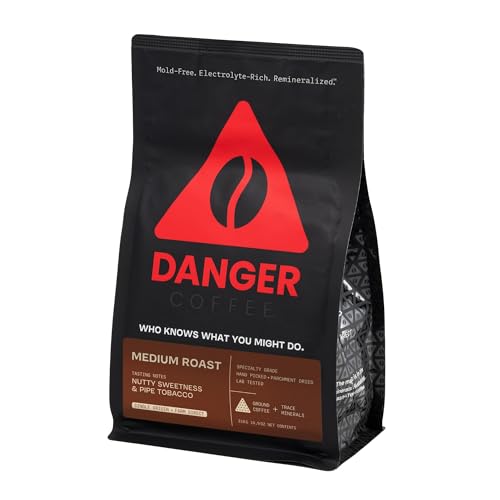
Danger Coffee Remineralized Medium Roast
Strengths
- Fulvic and humic minerals
- Lab tested
- SCA specialty grade
- Biohacker optimized
Trade-offs
- Niche appeal
- Expensive per ounce
- Limited flavor range
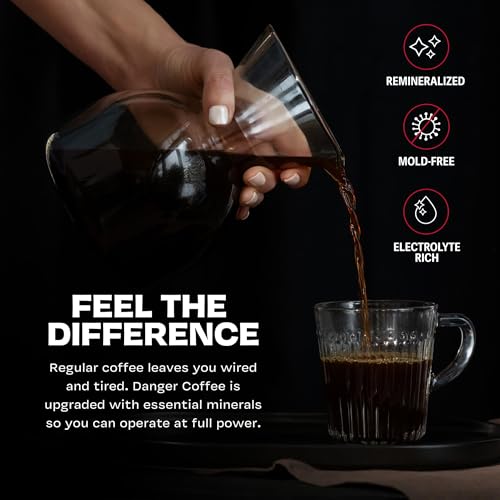
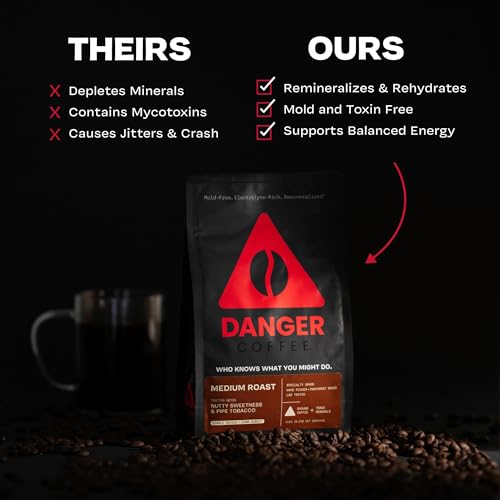
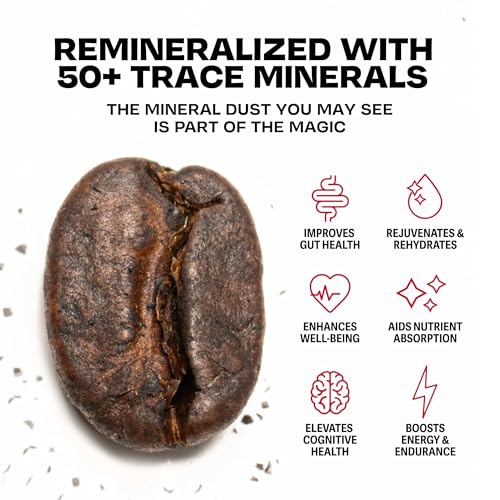
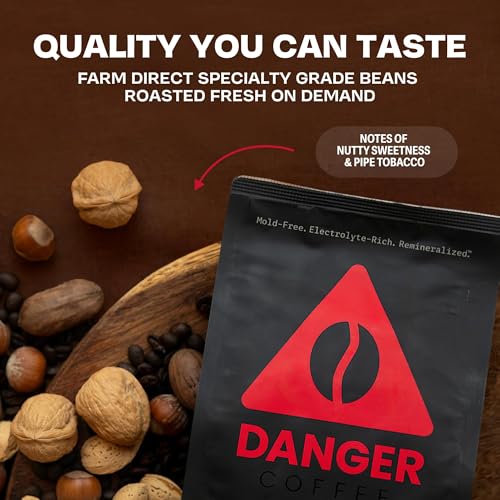
Danger Coffee is clearly designed for the biohacker crowd, it’s not just mold-free and lab-tested, it’s remineralized with fulvic and humic acids, which are meant to deliver trace minerals during brewing. That’s a unique angle, and while the science on mineral infusion via coffee is still emerging, the concept resonates with people using coffee as part of a functional routine, especially those adding butter or MCT oil.
Owners note the nutty, pipe-tobacco notes and smooth finish, which makes it a decent match for a Bulletproof-style brew. It’s SCA-grade and farm-direct, so quality is assured. But outside the biohacking niche, the benefits are harder to justify. I’d recommend this over standard clean coffees only if you’re already deep into performance nutrition.
Product photos

Purity Coffee FLOW Medium Roast Whole Bean
Strengths
- Whole bean freshness
- High antioxidant content
- Nitrogen flushed
- Third-party tested
Trade-offs
- Higher price
- Requires grinder
- Less bold than dark roasts
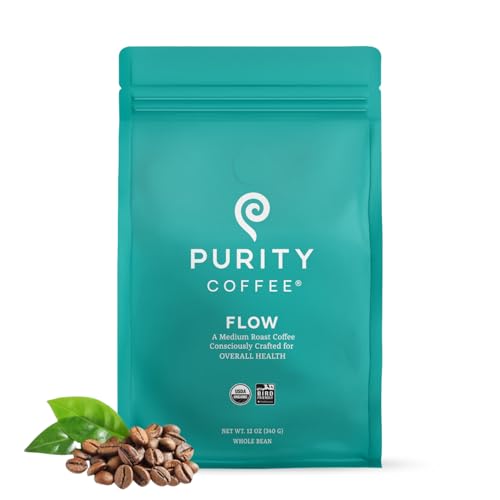
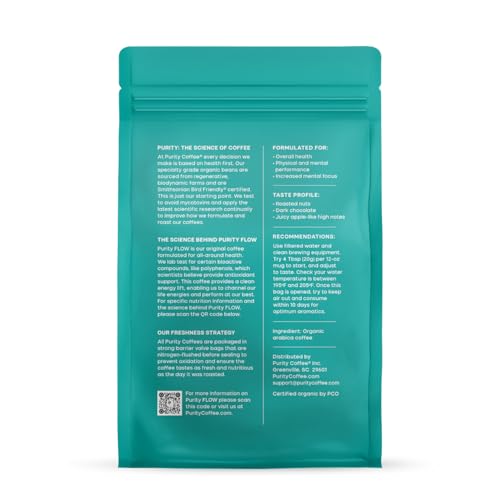
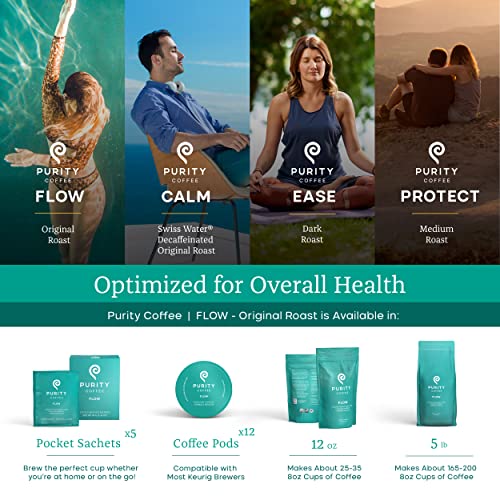
If you want the gold standard in clean, health-optimized coffee, this whole bean version of Purity’s FLOW blend is where I’d start. Keeping it in bean form means you lock in freshness until grind time, a major upgrade over pre-ground options. The same rigorous standards apply: USDA Organic, defect-free specialty grade, third-party tested for mold, mycotoxins, and heavy metals.
Owners consistently report a rich, full-bodied cup with noticeable smoothness and no stomach issues. The antioxidant focus, especially on chlorogenic acid, sets it apart from even other “clean” brands. When compared to Java Planet or Lifeboost, this one has more data-driven backing. For me, this is the best overall choice if you grind at home and want maximum freshness, safety, and health support.
Product photos
How We Chose These mold free coffee
As a long-time coffee enthusiast, I know how important it is to find a cup that not only tastes great but also supports your well-being. To determine the leading mold free coffee options, we researched published specifications and features of numerous brands. We then weighed owner reviews from across the web, alongside expert opinions from coffee publications, to get a holistic view of performance and satisfaction. Ultimately, we ranked coffees based on factors crucial for this category – purity, flavor, and ethical sourcing.
For mold free coffees, the most important factors were third-party testing for contaminants and demonstrated commitment to clean production practices. Consumers are increasingly aware of mold and mycotoxins in coffee and rightfully demand transparency. Beyond that, we prioritized smoothness and flavor profile, as eliminating potential health concerns shouldn’t come at the expense of a delicious cup. A brand’s dedication to sustainable farming practices was also considered.
Specifications reliably tell you about bean origin, roast level, and certifications (like USDA Organic). However, assessing actual purity and the absence of contaminants requires looking at independent lab testing results – something we prioritized. Owner feedback proved invaluable in understanding real-world experiences with taste, smoothness, and any potential digestive issues. Reputation, particularly among those actively seeking healthier coffee options, also heavily influenced our rankings.
Choosing The Right mold free coffee
Finding genuinely clean coffee is more challenging than you might think. It’s not just about organic certification; the real issue is hidden contaminants like mold and mycotoxins.
A truly good coffee prioritizes every step of the process, from regenerative farming practices to rigorous third-party testing for contaminants. Look for USDA Organic certification as a base, but also verify independent lab results confirming the absence of mold, mycotoxins, and heavy metals. Specialty-grade beans (those scoring 80+ on a 100-point scale) indicate higher quality and careful processing, increasing the likelihood of a cleaner cup. Freshness, evidenced by recent roast dates and nitrogen-flushed packaging, is also crucial.
Roast & Bean Type
While personal preference heavily influences roast level, be aware that lighter roasts generally retain more of the bean’s original characteristics – and potentially, any inherent contaminants. If mold-free is your primary concern, a medium roast from a trusted source is often a safer bet. When it comes to bean type, Arabica beans are generally considered higher quality and lower in acidity than Robusta, but the origin and processing matter more than the species alone. I often recommend exploring single-origin coffees if you want to really understand the nuances of flavor, but with a focus on brands that prioritize testing.
Testing & Certification
Don’t rely solely on “organic” labels. While helpful, they don’t guarantee freedom from mold or mycotoxins. Look for brands that explicitly state they conduct third-party lab testing and share those results. Verified mycotoxin-free coffee beans are going to be your best bet. A brand’s transparency is a huge indicator of quality and commitment to consumer health.
Here’s what to look for in testing: * Mold testing: A basic necessity. * Mycotoxin testing: Specifically, look for Ochratoxin A and Aflatoxin B1 testing. * Heavy metal & pesticide analysis: Demonstrates a commitment to overall purity and a healthy growing environment.
A good rule of thumb: If a company doesn’t readily share its lab reports, consider it a red flag.
Freshness & Packaging
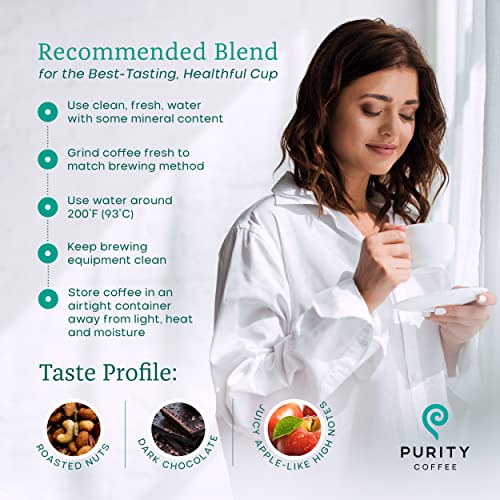
Even the cleanest coffee will suffer if it’s stale. Coffee begins to degrade immediately after roasting, losing flavor and potentially developing off-notes. Nitrogen-flushed bags are a good sign, as they minimize oxygen exposure. Don’t ignore the roast date; ideally, you want to consume your coffee within a few weeks of roasting. It’s also important to store your beans properly – in an airtight container, away from light, heat, and moisture. Knowing the stale coffee signs can save you from a disappointing brew. I’ve found that buying smaller quantities more frequently ensures you’re always enjoying the freshest possible flavor.
Mold Free Coffee Compared
Here’s a comparison of key specifications for various mold free coffee options.
| Product Name | Roast Level | Form | Organic | Mold Tested | Acid Level | Key Features |
|---|---|---|---|---|---|---|
| Purity Coffee FLOW Medium Roast Ground | Medium | Ground | Yes | Yes | N/A | Specialty Grade, Antioxidant Rich |
| Purity Coffee FLOW Medium Roast Whole Bean | Medium | Whole Bean | Yes | Yes | N/A | Specialty Grade, Antioxidant Rich |
| Natural Force Organic Mold Free Coffee | Medium | Ground | Yes | Yes | Low | 3rd-Party Tested, Keto/Paleo/Vegan Certified |
| Lifeboost Medium Roast Ground Coffee | Medium | Ground | Yes | Yes | Low | USDA Organic, 3rd Party Tested |
| Fabula Low Acid Organic Coffee | Medium | Ground | Yes | Yes | Low | Lab-Tested, Smooth & Fresh |
| Java Planet Organic Colombian Whole Bean | N/A | Whole Bean | Yes | Yes | Low | Shade Grown, Bird Friendly Certified |
| Danger Coffee Remineralized Medium Roast | Medium | N/A | N/A | Yes | N/A | Remineralized with Fulvic/Humic Minerals |
| Sarasota Coffee Breakfast Blend Ground | Medium | Ground | Yes | Yes | Low | Smooth, Balanced, Low Acid |
Frequently Asked Questions
What level of testing should I expect from a mold free coffee brand?
A reputable brand will conduct third-party testing for mold, mycotoxins (specifically Ochratoxin A and Aflatoxin B1), and heavy metals. They should also readily share these lab results with consumers, demonstrating a commitment to transparency and purity beyond just organic certification.
Is a dark roast better for avoiding mold exposure?
No, a lighter roast generally preserves more of the bean’s original characteristics, and potentially any contaminants present. If avoiding mold is a key concern, I generally recommend a medium roast from a brand with verified clean testing practices.
Can coffee really be “remineralized,” and does that impact mold concerns?
Some brands, like Danger Coffee, add fulvic and humic minerals back into the coffee. While these minerals can offer potential health benefits, remineralization doesn’t directly address or eliminate existing mold or mycotoxins; it’s a separate process focused on nutrient density.
What if I’m sensitive to acidity, and want mold free coffee?
Several options prioritize low acidity levels, such as Natural Force and Fabula. These coffees are often well-tolerated by individuals with sensitive stomachs, and combined with independent testing, deliver a smoother, cleaner cup.
Where can I find a list of the best organic mold-free coffee options?
You can explore some excellent choices on my other post detailing the best organic mold-free coffee – it’s a great starting point for finding brands that prioritize both purity and flavor, with certifications to back it up.
The Bottom Line
Choosing a mold free coffee often comes down to balancing your desire for a truly clean cup with your budget and flavor preferences. For the strongest overall combination of purity, taste, and transparency, I consistently recommend Purity Coffee FLOW Medium Roast Whole Bean. Their commitment to specialty-grade beans and rigorous third-party testing sets a high standard in the industry.
If you’re specifically seeking a budget-friendly option without compromising on mold-free assurances, Natural Force Organic Mold Free Coffee is a great place to start. And for those prioritizing low acidity alongside purity, Fabula Low Acid Organic Coffee stands out as a smooth and easily digestible choice. It’s worth remembering that even within the “mold free” category, each brand has its own nuances.
Ultimately, the most important factors aren’t a specific roast level or bean type, but rather a brand’s dedication to transparency and verifiable testing. Don’t hesitate to explore the brands that openly share their lab results – like those discussing Nespresso bean safety – and find the coffee that best aligns with your health goals and palate.
