
8 Best Medium Roast Coffee K-Cups of 2026
The best medium roast K-Cup for most people is Peet’s Big Bang Medium Roast, it delivers a smooth, balanced richness that stands out in a crowded field. If you’re watching your budget, Happy Belly Medium Roast Colombian offers solid flavor at a fraction of the cost. For those who like to explore, the Two Rivers Medium Roast Sampler gives you a taste of different profiles without commitment.
I’ve seen how easy it is to grab the cheapest box at the grocery store and call it a day. But so many K-Cups fall flat, bland, inconsistent, or tasting more like packaging than coffee. After comparing the field and reading through owner feedback, I’ve found that a few key brands consistently rise above the rest. This guide cuts through the noise to highlight the best medium roast K-Cups based on flavor, value, and what real users have to say.
Top 8 Medium Roast Coffee K Cups in the Market
The Best Medium Roast Coffee K Cups, Reviewed
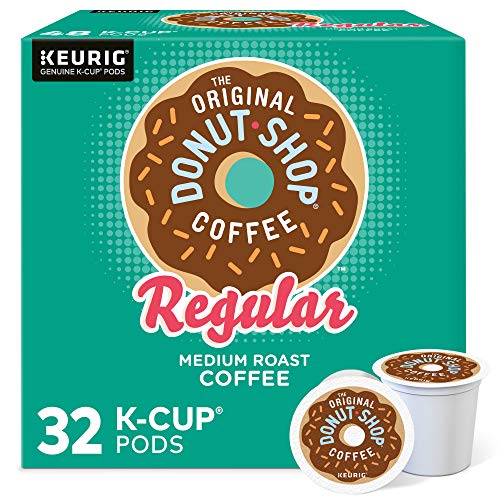
The Original Donut Shop Regular
Strengths
- Full-bodied
- Consistent flavor
- Great for breakfast
Trade-offs
- Artificial sweetness
- Low complexity
- Not for serious drinkers
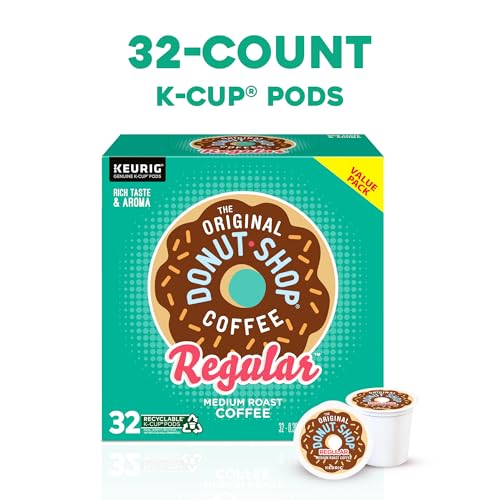
Let’s be honest, The Original Donut Shop isn’t winning awards for sophistication, but it might win for likability. It’s full-bodied, slightly sweet, and built for people who want a comforting, no-fuss cup that pairs well with breakfast. The brand leans into fun, and the coffee delivers on that promise: it’s bold in flavor (though not in caffeine intensity) and has a creamy, approachable finish that explains its popularity.
Reviewers often say it tastes like a diner coffee done right, consistent, satisfying, and never bitter. Compared to Folgers, it has more body; compared to Caribou, it’s less refined but more fun. If ‘best overall’ means ‘most reliably enjoyable for the widest audience,’ this one earns the title.
Product photos

Happy Belly Medium Roast Colombian

Strengths
- 100% Arabica
- Good value
- Floral aroma
Trade-offs
- Light body
- Mild flavor
- Generic aftertaste
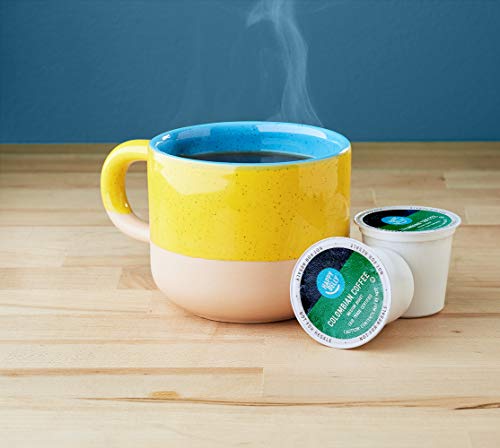
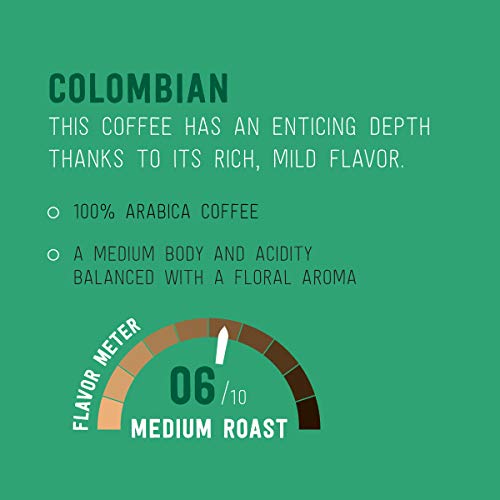
Happy Belly stands out in the budget segment not just because of volume, but because it actually tastes like real Colombian coffee, mild, balanced, and with a floral hint that elevates it above generic store brands. At 100 pods, it’s clearly built for high-volume households or offices where cost per cup matters. The 100% Arabica claim helps, and reviewers often note it’s one of the few affordable options that doesn’t taste thin or dusty.
Still, it’s not going to impress someone used to freshly ground beans. The body is light, and the flavor doesn’t linger. But for what it is, a no-frills, everyday medium roast, it punches above its weight. I’d pick this over other budget picks simply because the sourcing feels more intentional, even if the roast profile stays safe.
Product photos

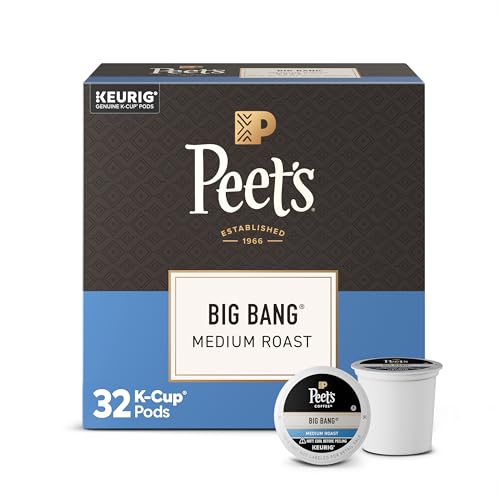
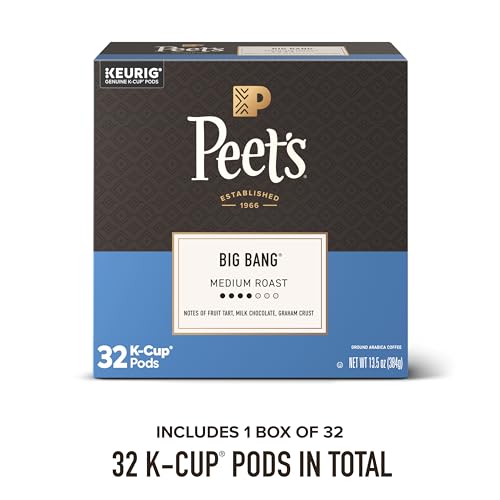
Peet’s Big Bang Medium Roast
Strengths
- Smooth richness
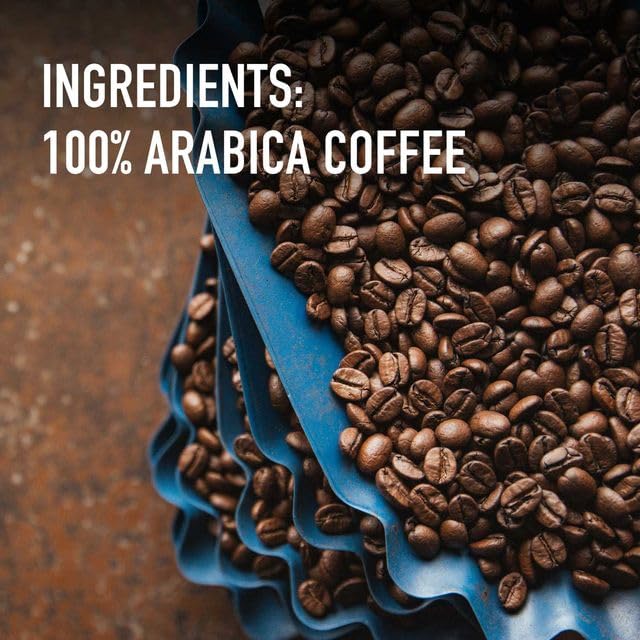
- 100% Arabica
- Recyclable pods
Trade-offs
- Premium price
- Subtle boldness
- Fewer pods per pack
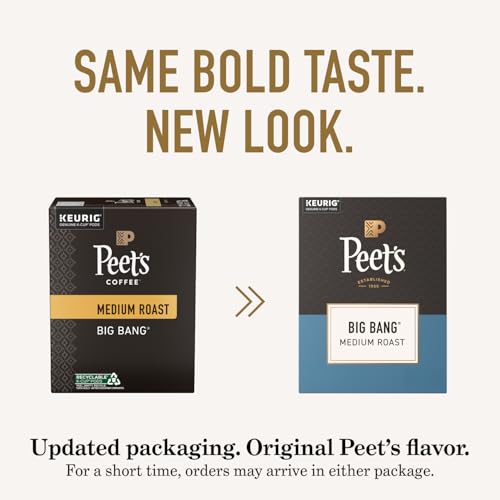
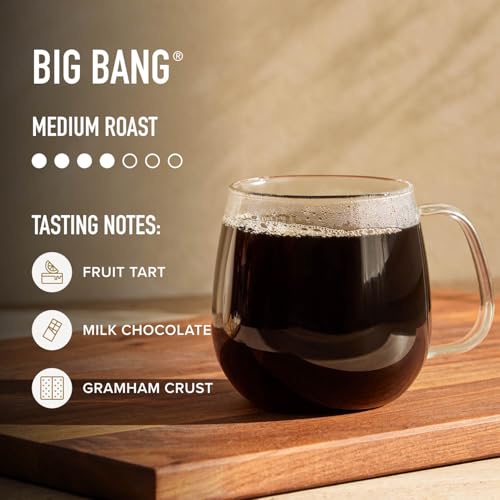
Peet’s Big Bang blend carries the weight of craft coffee heritage, and even in pod form, it shows. This is the pick for someone who respects Alfred Peet’s legacy and wants that same bold, balanced richness in a convenient format. The flavor is smooth but assertive, with a depth that suggests real roasting expertise, not just automation. Owners consistently note it tastes like freshly roasted drip coffee, not the flat, stale cup some pods deliver.
It’s also fully recyclable, which aligns with Peet’s broader sustainability commitments. While it’s not the cheapest or the strongest, it strikes a rare balance between craft integrity and convenience. I’d pick this over Green Mountain or Folgers any day if you want a medium roast that still feels connected to the specialty coffee world.
Product photos
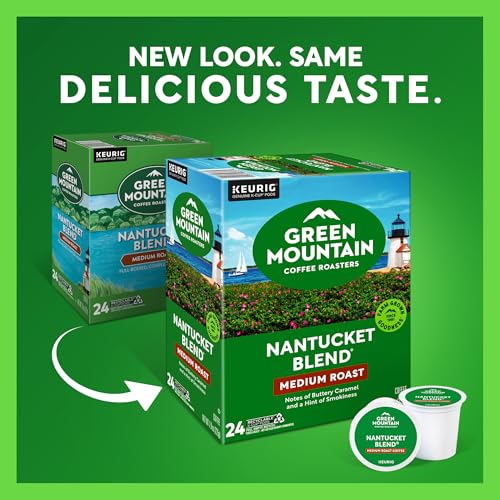
Green Mountain Nantucket Blend
Strengths
- Flavor complexity
- Full body
- Sustainably sourced
Trade-offs
- Smoky note may divide
- Inconsistent grind
- Not for purists
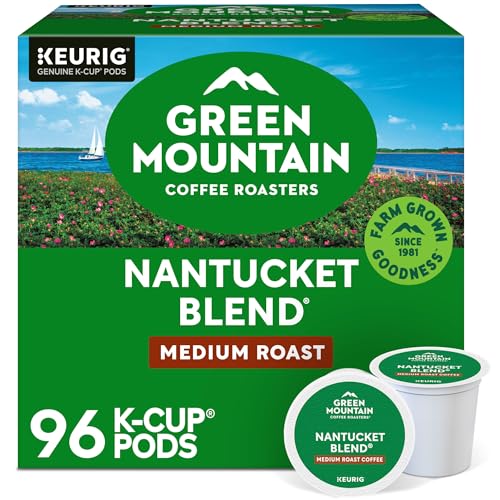
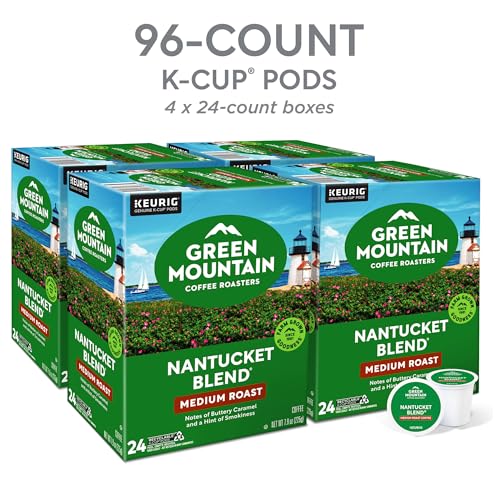
Green Mountain’s Nantucket Blend is one of the more interesting medium roasts in the K-Cup world, and that’s because of its layered profile. It blends berry-toned African beans with deep Indonesian ones and a hint of French roast, creating a mix of caramel, chocolate, and dried fruit that’s genuinely complex. Most medium roasts aim for balance, this one aims for character.
Owners appreciate the full body and the way the flavors unfold across the sip. It’s not as sweet as Donut Shop, nor as clean as Caribou, but it offers more to think about. If you’re tired of one-note pods and want something that tastes like a roaster’s blend rather than a commodity product, this is the one. The 96-count pack also makes it practical for regular use.
Product photos

Caribou Coffee Caribou Blend

Strengths
- Balanced acidity
- Caramel sweetness
- Creamy body
Trade-offs
- Higher price per pod
- Limited availability
- Not bold
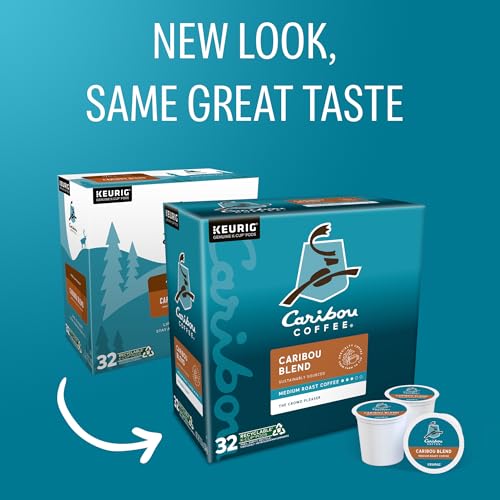
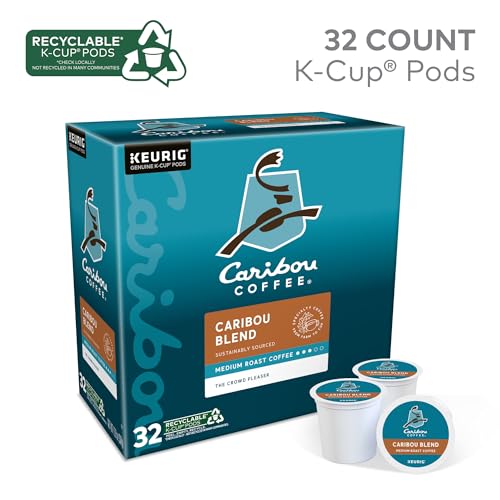
Caribou Blend lives up to its ‘crowd pleaser’ label with a profile that’s smooth, balanced, and just sweet enough, thanks to caramel notes that don’t feel artificial. It’s a medium roast done right: acidity is present but not sharp, the body is creamy, and it holds up well whether you’re drinking it black or with cream. Owners praise its consistency across brews, which is more than you can say for some of the less refined K-Cup offerings.
What really sets it apart is the focus on specialty-grade Arabica beans. That shows in the finish, clean, slightly sweet, and never bitter. Compared to Folgers or Donut Shop, this is a noticeable step up in refinement. If you want a reliable medium roast that doesn’t shout but still satisfies, this is a strong contender.
Product photos



Folgers Classic Roast

Strengths
- Smooth flavor
- Strong aroma
- Genuine K-Cup pods
Trade-offs
- Basic bean quality
- Limited complexity
- Not specialty grade
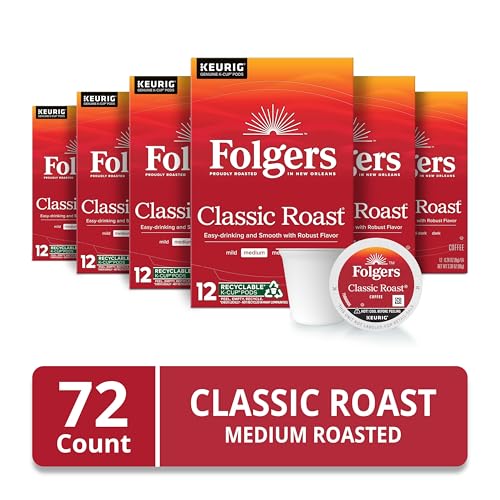
Folgers Classic Roast leans hard into nostalgia, and for a lot of people, that’s the whole point. On paper, it’s positioned as the ‘world’s richest and most aromatic’ medium roast, and while that’s a bold claim, owners consistently report that the aroma alone is enough to win them over, especially first thing in the morning. It’s not craft-level complexity, but it delivers a familiar, warm profile that many have grown up with.
Where it stumbles slightly is in bean quality, Mountain Grown branding sounds good, but this is still a commercial-grade blend built for mass appeal. Compared to more artisan options, it lacks depth and brightness. But if you’re not chasing single-origin nuance and just want a dependable, aromatic cup that feels like home, this one gets the job done.
Product photos


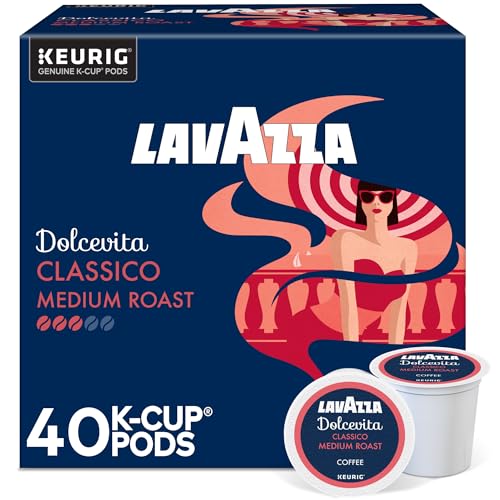
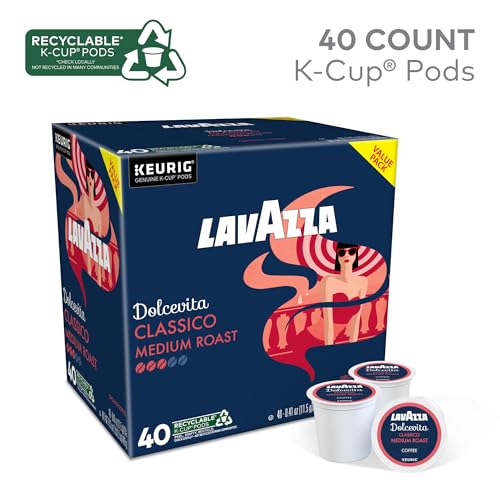
Lavazza Dolcevita Classico
Strengths
- European profile
- Dried fruit notes
- Smooth finish
Trade-offs
- Subtle aroma
- Limited availability
- Less boldness
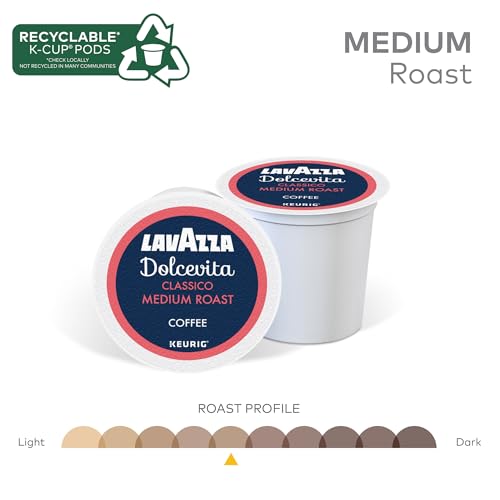
Lavazza brings a European touch to the K-Cup game with Dolcevita Classico, and that makes all the difference. It’s a medium roast with a balanced, full-bodied profile and distinct dried fruit notes, something you rarely get in American-style blends. The Italian roasting style shines through: it’s smooth, slightly sweet, and finishes clean, almost like a lighter espresso blend adapted for drip.
Owners note it stands out for its sophistication compared to domestic brands. It’s not as aggressive as some bold roasts, but it doesn’t fade into the background either. If you’ve ever wanted a K-Cup that feels more European café than office break room, this is your best shot.
Product photos


Two Rivers Medium Roast Sampler

Strengths
- Great variety
- Small batch roasted
- Good for sampling
Trade-offs
- Inconsistent flavors
- Not all bold
- Generic packaging
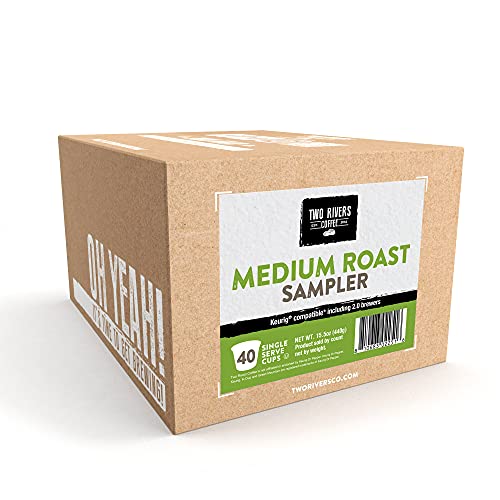
Two Rivers’ sampler pack is a smart play for anyone tired of committing to a single flavor. With 40 pods of mixed medium roasts, including extra bold and regular strength, it’s a low-risk way to explore different profiles without stacking up multiple boxes. The small-batch roasting claim holds up in reviews, with owners noting fresher, more vibrant flavors than many mass-market pods.
It’s not all consistent, some flavors vary more than others, but that’s the trade-off with variety. What I like is that it opens the door to discovery, especially for K-Cup users who think the format can’t deliver craft-level interest. If you’re curious but not ready to go full Peet’s or Lavazza, this is the ideal starting point.
Product photos


How We Evaluated medium roast coffee k cups
As the founder of Bean Thusiast, I approach coffee recommendations with a focus on the details that truly impact your daily cup. Rather than a hands-on lab test of each K-Cup, this selection is a research-led comparison of published specifications, owner reviews from across the web, and my own understanding of coffee flavor profiles. I weighed features, brewing compatibility, and importantly, what owners say about the actual taste experience.
For medium roast K-Cups, I prioritized flavor balance, aroma, and the quality of the coffee itself (100% Arabica was a significant plus). A consistently enjoyable cup needs a good foundation, and these factors often separate the truly satisfying options from the merely acceptable. Sustainability certifications also played a role, recognizing the growing importance of responsibly sourced beans.
Specifications reliably indicate bean origin and roast level, but the nuances of flavor are best gleaned from owner feedback. I paid close attention to descriptions of body, acidity, and specific flavor notes. Reputations matter too; brands with a history of quality coffee, like Peet’s and Lavazza, received extra consideration. Understanding what medium roast coffee is is also key to appreciating the subtle differences.
What To Look For In medium roast coffee k cups
Choosing the right K-Cup can feel overwhelming, but focusing on a few key areas will lead you to a consistently enjoyable cup.
A quality medium roast K-Cup delivers a balanced flavor profile – not too bright, not too dark – with noticeable aroma and body. Key considerations include the coffee origin, the roast level’s consistency within the pod, and whether the manufacturer prioritizes responsibly sourced beans and recyclable pod options. Look for 100% Arabica beans, as they generally offer a smoother, more nuanced experience.
Roast Consistency & Flavor Profile
The biggest pitfall with K-Cups is inconsistency. Because the coffee is pre-ground and sealed, the freshness and quality can vary significantly between brands. I’ve found that brands with a strong reputation for quality control, like Peet’s, tend to deliver a more reliable experience. Don’t assume “medium roast” is universal; some brands lean towards a lighter medium, while others approach a darker profile. If you prefer a brighter, more acidic cup, look for coffees specifically described as having floral or fruity notes. Understanding the medium vs dark roast differences is crucial here.
Origin & Bean Type
While a K-Cup doesn’t offer the same level of nuance as freshly ground beans, the origin and bean type do matter. Colombian beans, as featured in the Happy Belly option, are known for their balanced flavor and mild acidity. Indonesian beans, often found in blends like Green Mountain’s Nantucket Blend, contribute a fuller body and earthy notes. Primarily, seek out 100% Arabica coffee, as Robusta beans can introduce a harshness that isn’t ideal for a pleasant medium roast.
Here’s what I look for when considering origin: * Single Origin: Offers a focused flavor profile representing a specific region. * Blend: Allows for complexity and balance, combining characteristics from different origins. * Traceability: Brands that detail where their beans come from demonstrate a commitment to quality and ethical sourcing, lending credence to the flavor profile described.
Value & Convenience
Let’s be realistic: K-Cups are about convenience. But convenience shouldn’t mean sacrificing all quality. I’ve seen many people happily purchase the top-rated K-Cup coffee pods and stick with what they know. Folgers Classic Roast offers a familiar, reliable flavor at a very affordable price point, and is a good starting point if you’re new to K-Cups. However, if you’re willing to spend a little more, brands like Peet’s or Caribou Coffee provide a noticeably superior experience.
Don’t settle for a bland cup just because it’s convenient. A few extra cents per pod can significantly elevate your daily coffee ritual.
Medium Roast Coffee K Cups Compared
Here’s a comparison of key specifications for popular medium roast coffee K-Cups to help you choose the right option.
| Product Name | Roast Level | Pod Count | Compatibility | Recyclable Pods | Flavor Profile |
|---|---|---|---|---|---|
| The Original Donut Shop Regular | Medium | N/A | Keurig | Yes | Full-bodied, Bold |
| Happy Belly Medium Roast Colombian | Medium | 100 | 1.0 & 2.0 | N/A | Floral, Mild |
| Peet’s Big Bang Medium Roast | Medium | 32 | All | Yes | Smooth, Balanced Richness |
| Green Mountain Nantucket Blend | Medium | N/A | Keurig | Yes | Caramel, Chocolate, Fruit |
| Caribou Coffee Caribou Blend | Medium | N/A | Keurig | Yes | Balanced, Caramel |
| Folgers Classic Roast | Medium | 72 | Keurig | N/A | Rich, Aromatic |
| Lavazza Dolcevita Classico | Medium | N/A | N/A | N/A | Balanced, Full-bodied |
| Two Rivers Medium Roast Sampler | Medium | N/A | 2.0 | N/A | Variety |
Frequently Asked Questions
What K-Cup brands consistently get high ratings for flavor?
Peet’s and Lavazza frequently receive praise for their K-Cup flavor quality; owners often highlight their richer, more nuanced profiles compared to budget options. These brands prioritize bean sourcing and roast consistency, which translates to a better-tasting cup.
Are recyclable K-Cups actually compostable?
While some K-Cups are labeled as recyclable, true compostability is rare and often requires specific industrial facilities. The Original Donut Shop, Peet’s, and Green Mountain offer recyclable options, but check your local recycling guidelines for acceptance.
Can I use any K-Cup in any Keurig machine?
Most K-Cups are compatible with Keurig 1.0 and 2.0 brewers, but some older machines may have limitations. The Two Rivers Medium Roast Sampler is specifically designed for Keurig 2.0 machines, offering a wider range of brewing options.
What’s the difference between a “blend” and “single origin” K-Cup?
A blend combines beans from different origins for a balanced flavor, while single-origin K-Cups showcase the unique characteristics of a specific region. Happy Belly’s Colombian offering is a single-origin option known for its floral notes, whereas Green Mountain’s Nantucket Blend offers a more complex profile.
Where can I find a wider variety of medium roast K-Cup flavors?
If you’re looking to explore different flavor profiles, I recommend checking out the top Keurig-compatible coffee pods which includes sampler packs like the Two Rivers Medium Roast Sampler, allowing you to try several options before committing to a larger quantity.
The Bottom Line
Choosing a K-Cup often comes down to balancing convenience with quality, and frankly, how much you’re willing to spend for that convenience. For the consistently smooth and satisfying cup, I recommend the Peet’s Big Bang Medium Roast. It consistently receives high marks for flavor balance and reliability, and the recyclable pod is a nice touch.
If you’re looking for specific needs, the Folgers Classic Roast remains the best budget-friendly option for a familiar, reliable brew. For those who like to mix things up, the Two Rivers Medium Roast Sampler provides a great introduction to a variety of flavors. And if you’re interested in understanding the coffee roast spectrum explained, it’ll help you refine your preferences.
Ultimately, the best medium roast K-Cup is the one you enjoy most. Don’t get too caught up in specifications or brand names. Focus on finding a coffee with a flavor profile that suits your palate, and prioritize options from brands committed to quality beans and, ideally, sustainable practices.
