
7 Best Medium Roast Coffee Beans for Espresso 2026
The Lavazza Espresso stands out as the best overall medium roast for espresso, delivering balanced flavor and reliable crema, while the Lavazza Super Crema is a strong budget pick that still performs well under pressure. For those wanting versatility across drinks, the Illy Classico offers a smooth, consistent profile that works beautifully in milk-based beverages.
Finding the right medium roast for espresso isn’t just about flavor, it’s about consistency, freshness, and how well the bean handles the high pressure of an espresso machine. Too many people grab whatever’s on sale only to end up with flat, sour, or thin shots.
After comparing the field and weighing specs against real-world feedback, these picks rose to the top for their roast quality, flavor balance, and performance. I focused on what actually matters: origin, grind stability, crema production, and how quickly the beans lose vibrancy after roasting. This guide cuts through the noise to help you make a choice that delivers day after day.
Top 7 Medium Roast Coffee Beans For Espresso in the Market
The Best Medium Roast Coffee Beans For Espresso, Reviewed
Lavazza Espresso 100% Arabica

Strengths
- 100% Arabica
- Balanced sweetness
- Floral and fruity notes
- Large 2.2 lb bag
Trade-offs
- Less crema than blends with Robusta
- Mild body for espresso purists
If you’re after a true medium roast that performs across multiple brew methods but shines in espresso, this Lavazza 100% Arabica blend is my top recommendation. With an intensity rating of 5/10, it strikes a rare balance, fragrant and sweet with floral and fruit notes, yet structured enough to pull a clean, satisfying shot. The beans are sourced from South America and Africa, which helps create a layered profile without veering into acidity overload.
Reviewers often highlight its consistency and freshness, even after weeks in the bag, and I appreciate that it’s versatile. While labeled for espresso, it works well in moka pots or drip machines, making it a smart buy for households that don’t exclusively pull shots. Compared to their Super Crema, this one is lighter and more refined, less about crema thickness, more about flavor clarity.
Video review
Illy Classico 100% Arabica

Strengths
- Exceptional aroma
- Caramel and floral notes
- Pressurized can for freshness
- 100% Arabica
Trade-offs
- Small 8.8 oz can
- Higher cost per ounce
- Mild body for espresso
Illy Classico is the premium pick, not because it’s the strongest or boldest, but because it’s the most refined. The 100% Arabica beans are blended and pressurized in a can, which reviewers say locks in freshness far better than bags. The roast is medium, with a delicate triad of caramel, orange blossom, and jasmine that comes through clearly in a well-pulled shot. It’s not loud or intense; it’s elegant.
This is the coffee I’d serve to someone who thinks espresso has to be harsh. It’s smooth, aromatic, and surprisingly nuanced, with a finish that lingers gently. The 8.8 oz can is smaller and pricier per ounce, but it’s designed for freshness and presentation. Compared to Lavazza or Gaviña, it’s less about power and more about poise. If you value subtlety and consistency, this is worth the splurge.
Video review
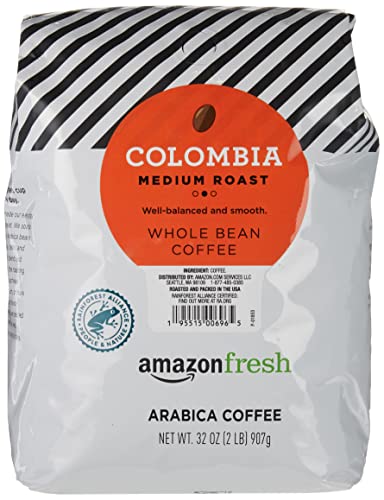
Amazon Fresh Colombia
Strengths
- Affordable
- 100% Arabica
- Large 32 oz bag
Trade-offs
- Limited complexity
- Inconsistent roast notes
- Basic packaging
For those watching their budget but still wanting a reliable medium roast for espresso, this Amazon Fresh offering from their in-house brand delivers more than you’d expect at this price. It’s a 100% Arabica whole bean sourced from Colombia and roasted in the U.S., which on paper gives it solid credibility. Owners consistently report a balanced, smooth cup with mild acidity and enough body to hold up in an espresso shot, though it won’t produce the complexity or depth you’d find in pricier specialty blends.
That said, it’s best treated as a workhorse bean, something you can grind daily without guilt. It lacks the aromatic lift or layered finish of higher-end options, and while it’s labeled as medium roast, some reviewers note it leans slightly darker, which may mute some of the brighter Colombian notes. Still, for the volume and price, it’s a pragmatic pick.
Product photos



Lavazza Top Class Italian

Strengths
- Authentic Italian roast
- Rich chocolate notes
- Large 2.2 lb bag
- Smooth, balanced finish
Trade-offs
- Subtle aroma
- Not for bright or acidic profiles
- Cinnamon note not universal
When you want that authentic Italian espresso experience, full-bodied, smooth, and built for daily ritual, Lavazza Top Class stands out. Blended and roasted in Italy, it carries the weight of tradition, with a profile anchored in dark chocolate and a whisper of cinnamon. It’s a medium roast with the structure of something darker, delivering a rounded, almost syrupy mouthfeel that works beautifully in high-pressure extraction.
This one is less about floral lift and more about consistency and comfort. Reviewers note it’s forgiving in home machines and produces a steady, reliable shot with minimal fuss. Compared to Super Crema, it has less overt crema but more depth and roast cohesion. For those who treat espresso as a daily anchor rather than a tasting event, this is the smarter buy.
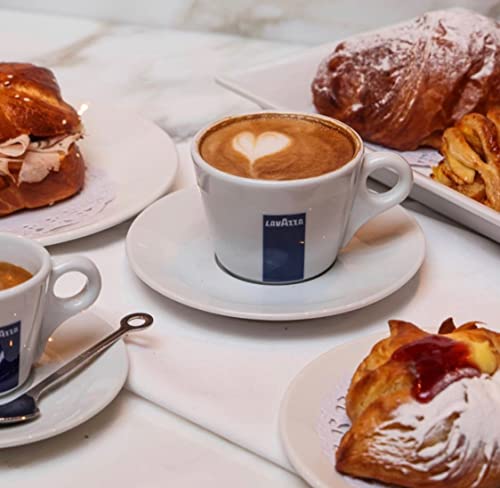
Product photos


Gaviña Old Havana Espresso

Strengths
- Nutty, sweet profile
- Large 32 oz bag
- Ethically sourced
- Roasted in zero-waste facility
Trade-offs
- Roast leans medium-dark
- Citrus note not always apparent
- Less crema than Robusta blends
Gaviña’s Old Havana is a standout if you love nutty, sweet profiles with a touch of citrus brightness. It’s a 100% Arabica medium-dark roast, and while it’s not strictly medium, it bridges the gap well, offering enough body for espresso while retaining some of the aromatic complexity that fades in darker roasts. The nutty core is consistent across reviews, often described as almond or toasted walnut, with a clean finish that doesn’t drag.
The 32 oz bag is a value play, and knowing it’s roasted in a zero-waste facility in L.A. adds ethical appeal. Family-owned Gaviña has deep roots in Latin coffee traditions, and that shows in the blend’s balance. Compared to Amazon Fresh, it’s more refined; against Lavazza, it’s less floral but more grounded. A solid choice if you like your espresso with a warm, toasty character.
Product photos


Lavazza Super Crema 22 oz

Strengths
- Exceptional crema
- Creamy mouthfeel
- Balanced sweetness
- Robusta enhances body
Trade-offs
- Less aromatic complexity
- Robusta may bother purists
- Smaller 22 oz bag
Lavazza Super Crema is a cult favorite for a reason, it delivers a thick, creamy crema that many espresso lovers chase. The blend of Arabica and Robusta beans from 15 countries gives it a full body and a sweetness that’s hard to replicate with 100% Arabica. On paper, the Robusta content is modest but effective, adding texture and that signature mouthfeel without overwhelming bitterness.
Owners consistently praise its smoothness and reliability, especially in home machines that struggle with crema production. Compared to Lavazza’s Top Class or their 100% Arabica option, Super Crema is more about texture than nuance. It’s not the most aromatic, and the flavor profile is more general, sweet, creamy, slightly nutty, but that’s the trade-off for that luxurious foam. If your ideal shot looks as good as it tastes, this is the one.
Product photos



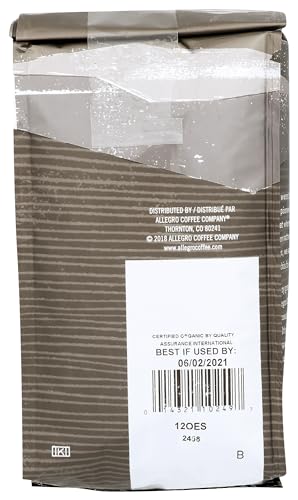
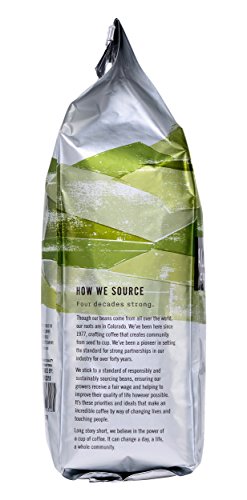
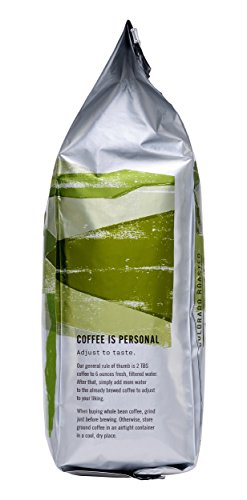
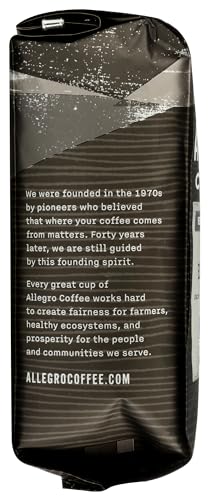
Allegro Organic Sierra
Strengths
- Certified organic
- Rich chocolate notes
- Specialty grade
Trade-offs
- Small 12 oz bag
- Roast leans darker than medium
- Limited brightness
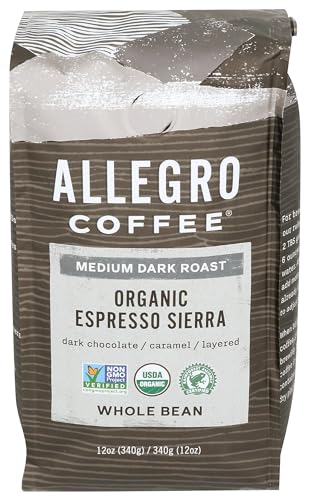
This one is straightforward: if organic certification matters to you, Allegro’s Espresso Sierra is the clearest path forward. It’s a specialty-grade, certified organic whole bean with a profile leaning toward medium-dark, think dark chocolate and caramel, with a layered, rounded finish. While it’s marketed for espresso, the roast level means it delivers more bittersweet depth than brightness, which works well for those who like a richer, more traditional espresso profile.
The 12 oz size suggests freshness is a priority, and reviewers confirm it stays vibrant for weeks when stored properly. That said, it’s not the most complex organic option out there, some report it lacks the lift needed for truly dynamic espresso shots. But for its niche, it’s a strong contender, especially if you value ethical sourcing and USDA certification.
Product photos
How We Picked These medium roast coffee beans for espresso
Rather than a hands-on lab test, my research focused on a detailed comparison of published specifications and features across numerous brands. I then weighed owner reviews from multiple sources – Amazon, coffee-specific forums, and retailer sites – alongside expert opinions from coffee review publications. This allowed me to build a ranking based on what consistently emerges as important to espresso drinkers.
For medium roast espresso beans, the key factors became roast consistency, aroma complexity, and the reported crema quality. A consistent roast is crucial for repeatable espresso extraction, while a complex aroma suggests a well-developed bean. Crema, of course, is a visual indicator of a quality shot and a major part of the espresso experience.
Specifications reliably indicate bean origin and roast level, but judging flavor notes and actual performance requires leaning on owner feedback. I prioritized beans where a significant number of reviewers consistently described similar tasting notes and a satisfactory espresso pull. Brand reputation and long-term sourcing practices also played a role, especially when assessing organic or sustainably sourced options. Understanding medium roast characteristics is also key to making an informed choice.
How To Pick The Right medium roast coffee beans for espresso
As someone who’s spent years exploring the world of coffee, I know finding the right beans for espresso can be a real journey. It’s not just about roast level; it’s about a whole host of factors that contribute to that perfect shot.
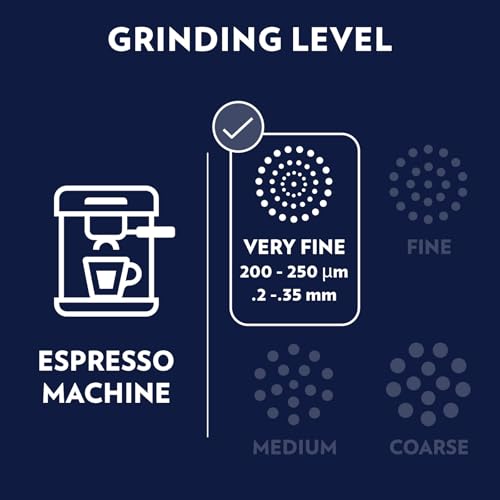
A truly excellent medium roast espresso bean exhibits a balance of sweetness, acidity, and body. Key considerations include bean origin (South American and African beans are popular), roast consistency (look for even coloring and minimal chaff), and freshness (whole bean is always preferable, and a recent roast date is critical). The grind is paramount, as espresso demands a very fine, consistent particle size.
Bean Origin and Blend Composition
The origin of the bean dramatically influences the final flavor profile. While you can certainly find single-origin medium roasts suitable for espresso, many prefer blends. I’ve noticed that blends often offer a more complex and balanced cup. Lavazza, for example, frequently combines beans from South America and Africa, a common strategy for achieving a desirable sweetness and body. Don’t shy away from blends containing a small percentage of Robusta; it can add crema and a pleasant bitterness that cuts through milk in lattes or cappuccinos. If you’re exploring espresso roast recommendations, remember that regional differences matter.
Roast Consistency and Freshness
A consistent roast is essential. Unevenly roasted beans will produce an uneven extraction, leading to sour or bitter flavors. Look for beans with a uniform color and minimal chaff (the papery skin that comes off during roasting). Equally important is freshness. Coffee begins to stale rapidly after roasting, losing its aromatic compounds. Always check for a roast date, not just a “best by” date. Ideally, you want to use beans within 2-4 weeks of their roast date. That’s why I recommend buying smaller quantities more frequently.
- Whole Bean vs. Ground: Always buy whole bean and grind immediately before brewing. Pre-ground coffee loses flavor rapidly.
- Roast Date Matters: Prioritize a recent roast date over brand name or price.
- Storage is Key: Store your beans in an airtight container in a cool, dark place. Oxygen, light, and heat are the enemies of fresh coffee.
Balancing Flavor and Crema
Espresso isn’t just about flavor; it’s about texture, and crema is a huge part of that. Crema is the layer of reddish-brown foam on top of a well-pulled shot. A good medium roast will strike a balance between delivering complex flavors and producing a rich, stable crema. Some beans, like the Lavazza Top Class Italian, are specifically designed for creating a creamy texture. If you’re questioning espresso suitability factors, remember that a slightly oilier bean (often indicated by a darker color within the medium roast range) tends to produce more crema.
A good rule of thumb: if the beans look dusty or excessively dry, they’ve likely lost a significant amount of their oils and won’t produce a very satisfying crema.
Medium Roast Coffee Beans for Espresso Compared
Here’s a comparison of specifications for various medium roast coffee beans suitable for espresso preparation.
| Product Name | Bean Type | Roast Level | Intensity | Notes | Size (oz) |
|---|---|---|---|---|---|
| Lavazza Espresso | 100% Arabica | Medium | 5/10 | Floral, Fruit | 35.2 |
| Illy Classico | 100% Arabica | Medium | N/A | Caramel, Orange | N/A |
| Amazon Fresh Colombia | 100% Arabica | Medium | N/A | Balanced, Smooth | 32 |
| Lavazza Top Class Italian | N/A | Medium | N/A | Chocolate, Cinnamon | 35.2 |
| Gaviña Old Havana | 100% Arabica | Medium-Dark | N/A | Nutty, Citrus | 32 |
| Lavazza Super Crema | Arabica/Robusta | Medium | N/A | Bold, Creamy | 22 |
| Allegro Organic Sierra | 100% Arabica | Medium-Dark | N/A | Chocolate, Caramel | N/A |
Frequently Asked Questions
What grind size is best for medium roast espresso beans?
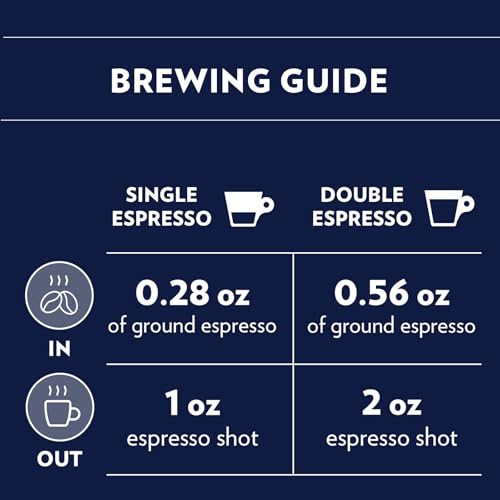
A very fine grind is essential for espresso, but medium roasts often benefit from a slightly coarser setting than darker roasts. Start with a fine setting and adjust incrementally coarser until you achieve a balanced extraction, typically around 25-30 seconds for a double shot.
Can I use pre-ground medium roast coffee for espresso?
While possible, pre-ground coffee isn’t ideal for espresso. The quick loss of flavor and aroma significantly impacts the quality of the shot, and a consistent grind is critical for proper extraction.
How does the origin of the beans affect the espresso flavor?
Generally, South American beans contribute chocolate and nutty notes, while African beans offer brighter, fruitier flavors. Blends combining beans from multiple origins, like many Lavazza options, often provide the most complex and balanced espresso profile.
What is the shelf life of opened medium roast espresso beans?
Opened beans will maintain peak flavor for about 1-2 weeks if stored properly in an airtight container, away from light, heat, and moisture. After that, the coffee will become stale and lack the vibrant aromas and flavors needed for a great shot.
Are there medium roast beans specifically formulated for milk-based drinks?
Yes, some medium roast blends, like the Lavazza Super Crema, contain a small percentage of Robusta beans which produce more crema and a bolder flavor that cuts through milk nicely, making them ideal for lattes and cappuccinos. You can find more coffee for espresso machine use to meet your needs.
The Bottom Line
Choosing the best medium roast coffee beans for espresso often comes down to balancing your desire for control over flavor with how much fuss you want to deal with. For the consistently excellent, all-around experience, I recommend the Lavazza Espresso. It offers a reliably balanced cup with pleasant floral and fruity notes, making it a fantastic starting point for dialing in your espresso.
If you’re specifically seeking a budget-friendly option, the Amazon Fresh Colombia provides a smooth, balanced profile at a very accessible price. For those wanting maximum versatility – a bean that performs well as a straight shot and holds its own in milk-based drinks – the Lavazza Super Crema blend, with its touch of Robusta, is an excellent choice. Understanding light vs medium vs dark roast will help you appreciate the nuances of each bean.
Ultimately, the “best” bean is the one you enjoy the most. Don’t get too caught up in chasing perfect scores or specific flavor profiles. Focus on buying whole bean coffee, paying attention to the roast date, and investing in a quality grinder. Those fundamentals will have a far greater impact on your espresso than any single bean origin or fancy marketing claim.
