
8 Best Low Fat Coffee Creamers of 2026
After comparing the field and weighing taste, ingredients, and value, I’m confident Chobani Zero Sweet Cream stands out as the best overall low fat coffee creamer. For those watching their budget, Coffee mate Zero Sugar French Vanilla delivers solid flavor at a lower price, while Califia Farms Organic Brown Sugar Almond offers the best versatility for plant-based drinkers.
Most low fat coffee creamers fall short in one key area, either they taste overly artificial, pack in hidden sugars, or use a long list of unpronounceable ingredients. As someone who’s spent years studying how flavor and formulation intersect in coffee, I know how frustrating that can be.
This guide cuts through the noise. I looked at specs, owner feedback, and ingredient quality to find options that actually deliver on taste without compromising your health goals. Here’s what rose to the top.
Top 8 Low Fat Coffee Creamer in the Market
The Best Low Fat Coffee Creamer, Reviewed
Chobani Zero Sweet Cream
Strengths
- Real cream
- No artificial flavors
- Rich texture
Trade-offs
- Refrigeration required
- Shorter shelf life
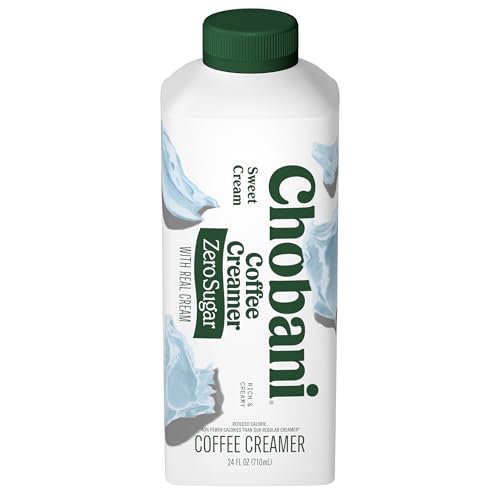
When I see ‘real cream’ on a low-fat creamer label, I pay attention, because it’s rare. Chobani Zero stands out by actually including dairy cream while still delivering 0 grams of sugar and a rich, rounded mouthfeel that many sugar-free options lack. This isn’t some chemically smooth powder; reviewers say it pours like a premium liquid creamer and integrates cleanly into coffee without separation.
It’s also non-GMO and free of artificial flavors, which matters to clean-label seekers. Compared to the Coffee-mate zero sugar lineup, this one tastes more natural and less one-dimensional. Yes, it needs refrigeration and has a shorter shelf life once opened, but that’s the trade-off for real ingredients.
Product photos
Coffee mate Zero Sugar French Vanilla
Strengths
- Smooth texture
- Zero sugar
- Easy pour lid
Trade-offs
- Contains artificial sweeteners
- Refrigeration needed
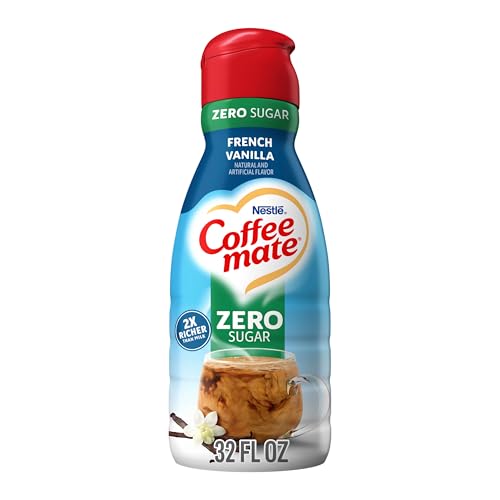
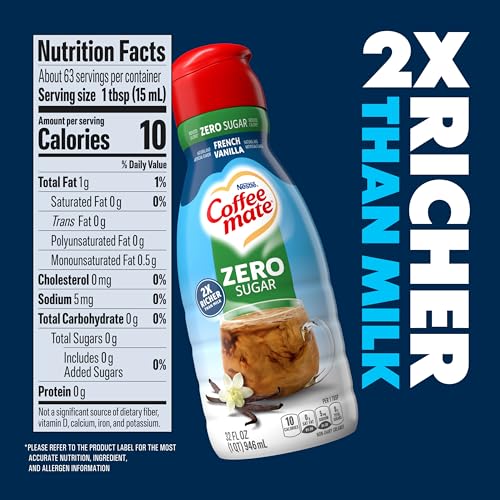
The ‘Triple Churned’ claim might sound like marketing fluff, but in this case, it seems to translate to a smoother, more emulsified texture than standard zero sugar creamers. Reviewers note it feels richer on the palate and leaves less residue in the cup, small wins, but they add up over time. It’s lactose and gluten free, with zero sugar, making it a strong contender for those avoiding both dairy and sweeteners.
Compared to the standard Coffee-mate zero sugar bottle, this one has a slightly denser mouthfeel, though still not as luxurious as Chobani’s real-cream version. If you want a middle ground between flavor, texture, and dietary compliance, this is my pick.
Product photos
Califia Farms Organic Brown Sugar Almond

Strengths
- USDA Organic
- No gums or oils
- Smooth blend
Trade-offs
- Higher price point
- Almond flavor not for all
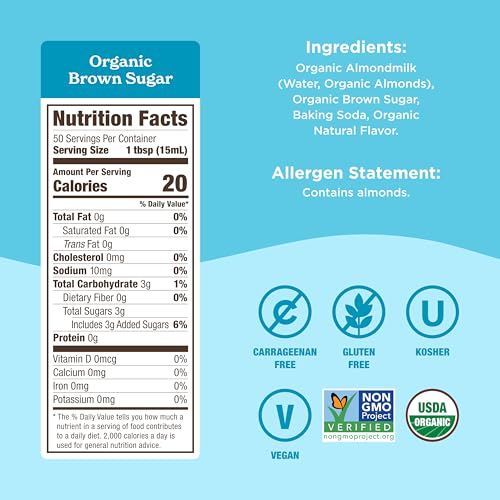
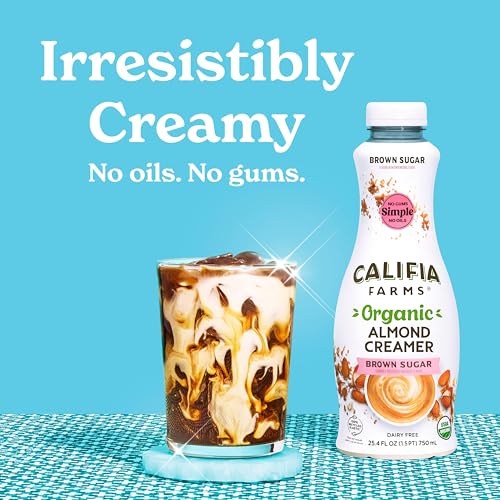
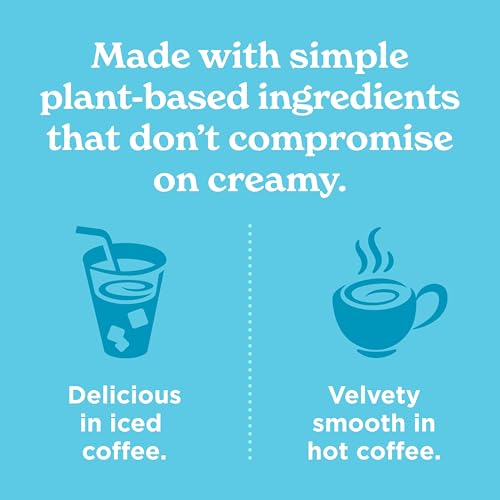
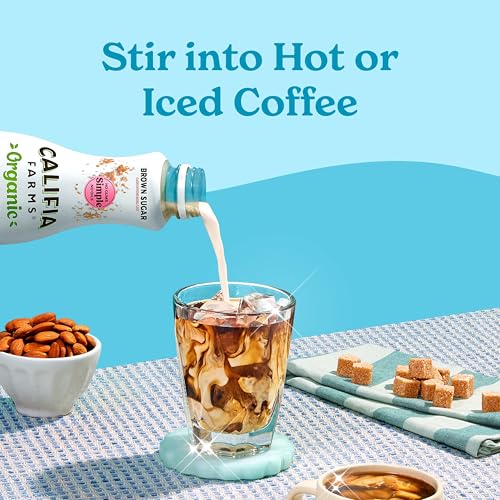
Califia Farms nails the clean, modern vibe of plant-based creamers with this USDA Organic brown sugar almond milk version. On paper, the ingredient list is a win, organic, no gums, no oils, and just enough sweetness to mimic a dash of brown sugar without added refined sugar. Reviewers consistently praise how well it blends into both hot and iced coffee, leaving a smooth, slightly nutty finish that doesn’t curdle.
It’s not the lowest calorie option, but for those prioritizing organic and transparent sourcing, it’s a standout. Compared to Starbucks’ oatmilk creamer, it’s less sweet and more subtle, which I prefer if you’re not after a dessert-like brew.
Product photos
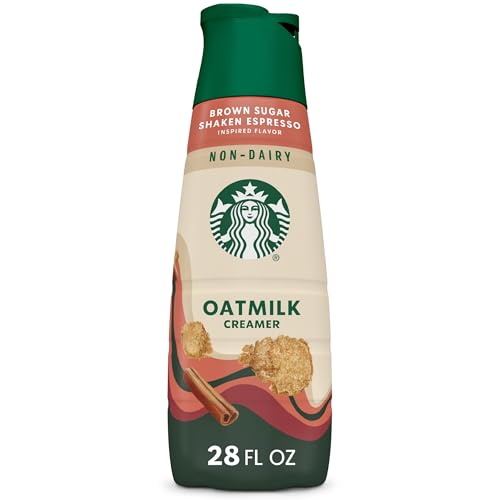
Starbucks Brown Sugar Cinnamon Oatmilk
Strengths
- Rich brown sugar flavor
- Creamy oatmilk base
- Pairs with iced coffee
Trade-offs
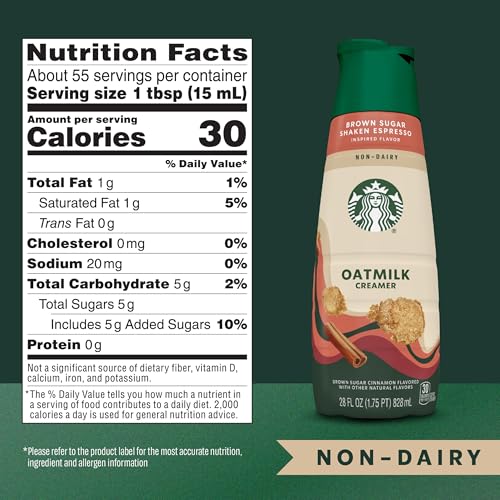
- Higher sugar content
- Not sugar-free
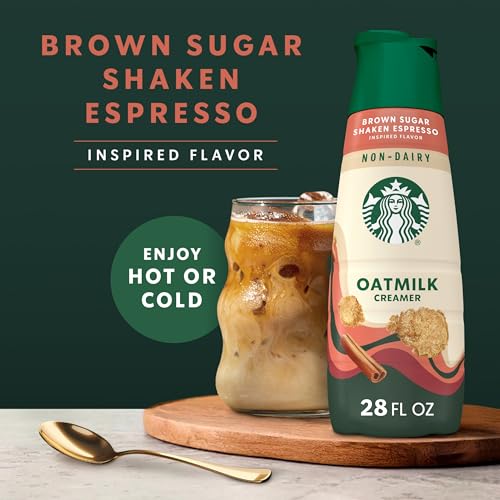
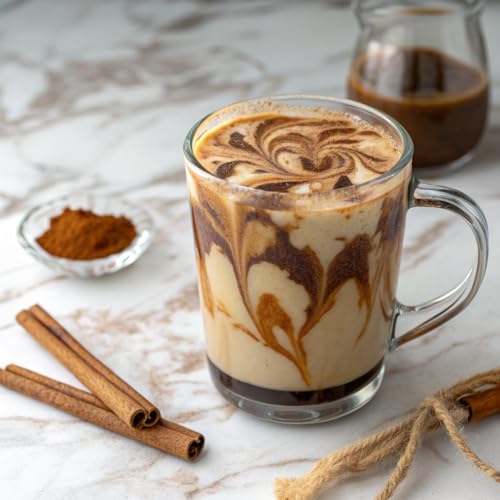
This oatmilk creamer is clearly designed to replicate the viral Brown Sugar Shaken Espresso at home, and based on owner feedback, it nails the vibe. It’s sweet, spiced, and thick in a way that feels indulgent, turning a basic cup into something dessert-like. The oatmilk base gives it a naturally creamy texture without dairy, and it plays well in both hot and iced brews.
But let’s be honest: this is a flavor-forward product, not a low-cal staple. It’s higher in sugar than most on this list, so I wouldn’t call it a “low fat” pick in the traditional sense. Still, for fans of that Starbucks bar experience, it’s the closest you’ll get off-menu.
Product photos

Splenda Sweet Cream Liquid

Strengths
- Low calorie
- No sugar
- Pantry storage
Trade-offs
- Artificial aftertaste
- Less rich than dairy-based
I’ll admit, I was skeptical about how good a sugar-free creamer could taste, but SPLENDA’s Sweet Cream version holds up surprisingly well on paper and in user feedback. At just 15 calories per serving and with no sugar or corn syrup, it’s clearly built for people watching their intake without wanting to sacrifice that classic creamy mouthfeel. The fact that it can be stored in the pantry until opened is a small but meaningful perk for those tight on fridge space.
Owners consistently report it blends well into both hot and iced coffee, though some mention a slight artificial aftertaste, common in sucralose-sweetened products. Compared to pricier options, this one delivers a clean, simple profile that won’t overpower your brew, making it a solid everyday workhorse.
Product photos




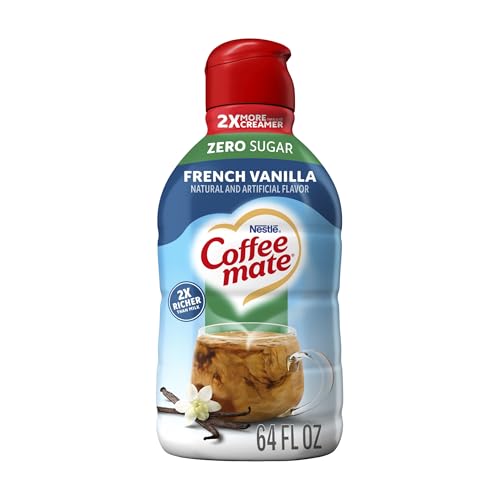
Coffee mate French Vanilla Zero Sugar
Strengths
- High serving count
- Zero sugar
- Recyclable bottle
Trade-offs
- Artificial sweetener taste
- Thin mouthfeel
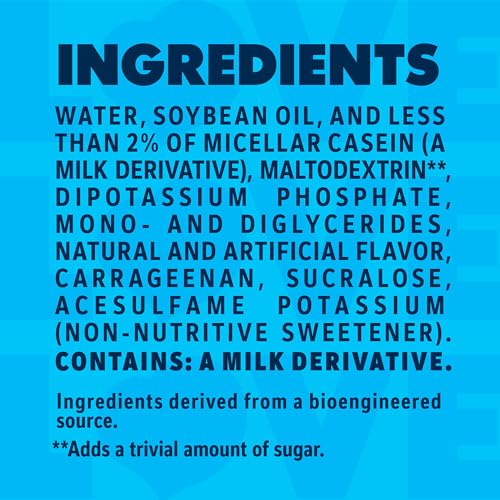
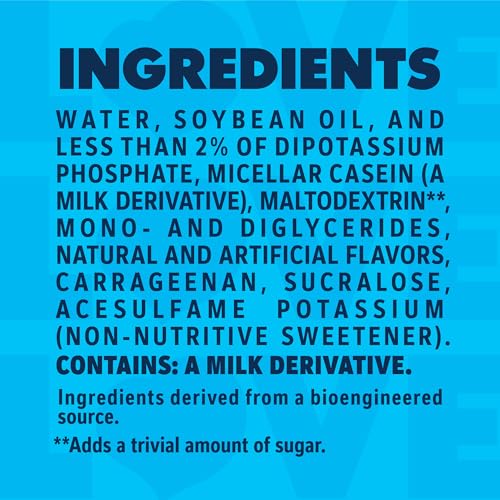
Coffee-mate’s zero sugar French vanilla is built for volume drinkers, 126 servings from one bottle means it’s clearly designed to outlast the competition. It’s sweetened with sucralose and acesulfame potassium, which explains why owners report a lingering aftertaste, though many say they barely notice after a few uses. The liquid format integrates smoothly, and the recyclable packaging is a small nod to sustainability.
Compared to the Nestle Triple Churned version, this one feels slightly thinner, but it’s still a reliable option if you’re after consistent flavor and long-term value. It won’t win awards for craftsmanship, but it gets the job done.
Product photos

Coffee-mate Sugar Free Chocolate Powder
Strengths
- Strong chocolate flavor
- No sugar
- Long shelf life
Trade-offs
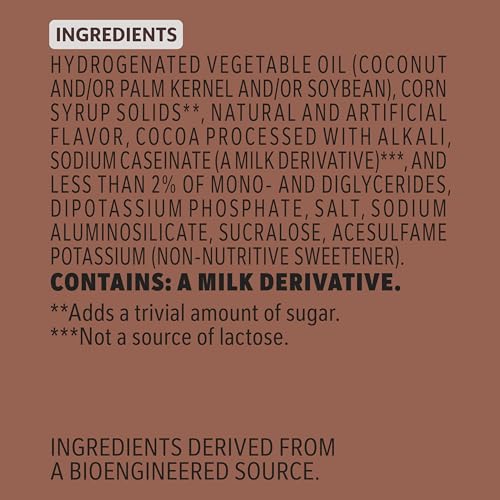
- Contains hydrogenated oils
- Slightly chalky mix
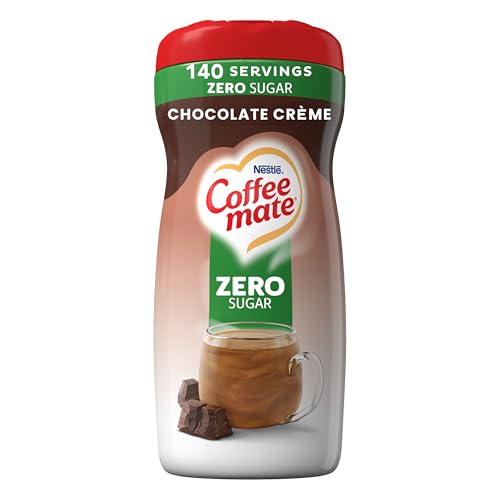
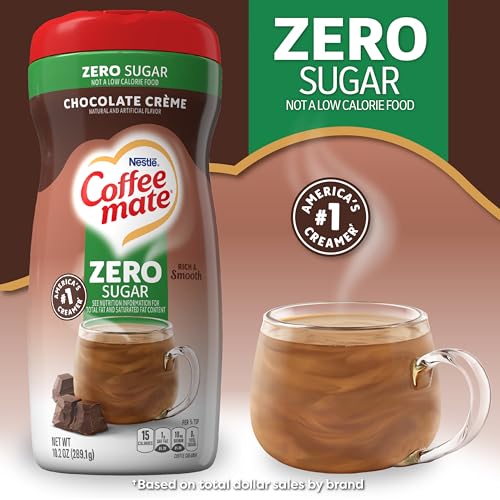
If you’re chasing a mocha-like experience without the sugar, this powdered chocolate creamer is a straightforward win. It’s one of the few sugar-free chocolate options that actually delivers on flavor depth, with users noting it dissolves well and adds a satisfying cocoa warmth to black coffee. Being powdered makes it shelf-stable and travel-friendly, great for office use or camping trips where fridge space isn’t an option.
That said, it’s non-dairy and made with hydrogenated oils, which gives it a slightly waxy texture some reviewers complain about. Compared to Califia’s plant-based liquids, it lacks elegance, but for pure chocolate punch on a budget, it’s hard to beat.
Product photos
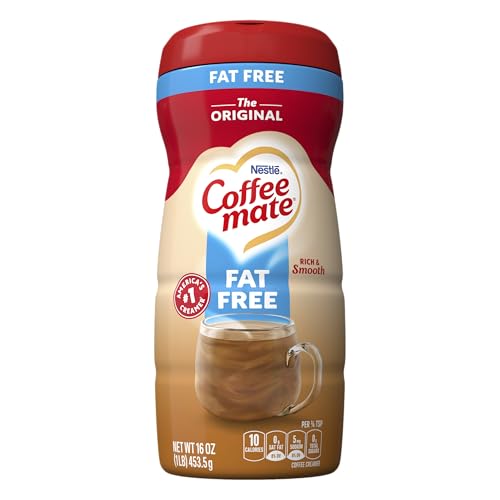
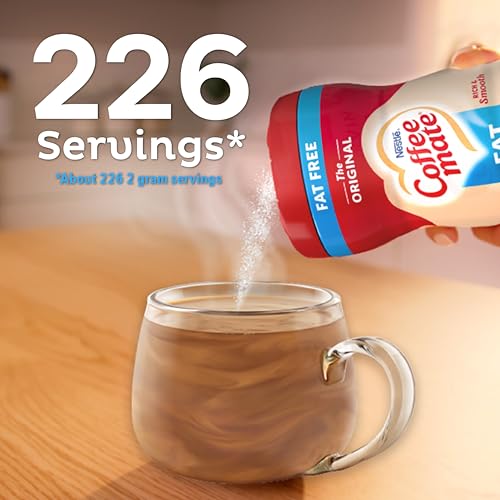
Coffee mate Original Fat Free Powder
Strengths
- Long shelf life
- Easy to store
- Lactose free
Trade-offs
- Artificial taste
- Less creamy
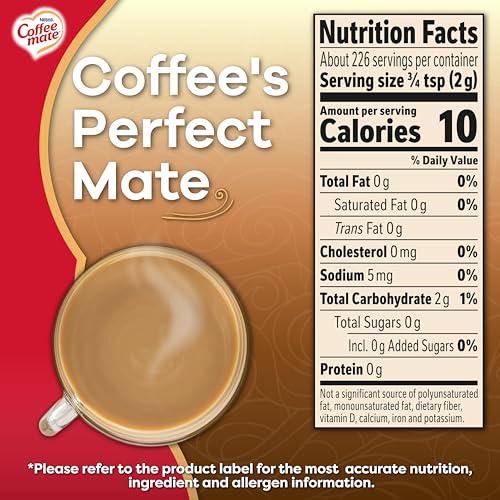
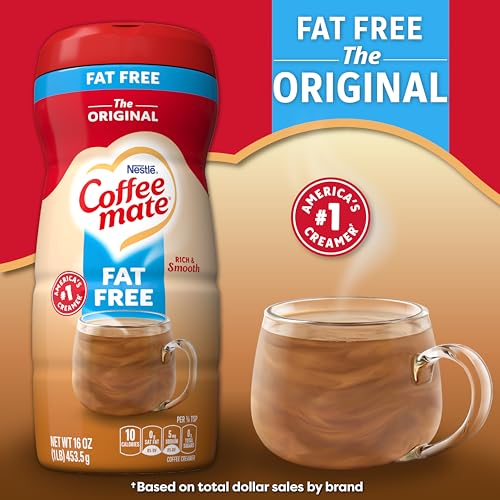
This 12-pack of fat-free powdered creamer is pure utility. It’s shelf-stable, cost-effective, and delivers that familiar neutral creaminess a lot of people grew up with. The individual bottles make it great for gifting, offices, or stocking up without fridge commitment. Owners say it mixes well, though it lacks the richness of liquid or dairy-based versions.
Compared to the sugar-free chocolate powder, it’s less exciting but more versatile. If you’re not chasing bold flavor or clean labels, this is the default choice that’s been around for decades for a reason. It’s not fancy, but it’s functional.
Product photos

How We Evaluated low fat coffee creamer
Rather than a hands-on lab test, my research focused on comparing published specifications and features across a range of low fat coffee creamers. I weighed owner reviews from multiple retailers alongside expert opinions from food and beverage publications. As the founder of Bean Thusiast, I applied my understanding of coffee flavoring and ingredient quality to rank these products against clear criteria: taste, health considerations, and value.
For this category, flavor profile and ingredient quality were the biggest deciding factors. People choose flavored creamers for enjoyment, so a pleasing taste is paramount. Equally important is what isn’t in the creamer; many consumers actively seek low-fat options to avoid unwanted calories and health risks of coffee creamers. Plant-based options also gained significant weight due to increasing demand.
Specifications reliably show sugar content and calorie counts, helping to verify “low fat” and “sugar-free” claims. However, judging subtle flavor nuances and assessing the overall quality of ingredients in coffee creamer required a deeper look at owner feedback. Reputation and brand trust also played a role, particularly when evaluating the perceived quality of plant-based alternatives and potential non-dairy creamer health effects. I paid close attention to comments regarding aftertaste or artificial flavors, seeking to identify products avoiding artificial additives in creamers.
Choosing The Right low fat coffee creamer
Finding the right low fat coffee creamer can be surprisingly tricky. There’s a huge range in ingredients, sweetness levels, and even just how well they blend into your cup.
A quality low fat coffee creamer should prioritize flavor without relying on excessive sugar or artificial ingredients. Look for options using real cream or plant-based alternatives, with a focus on achieving a smooth, consistent texture. Pay attention to whether the creamer is a liquid, powder, or concentrate, as this impacts usability and shelf life. Checking for certifications like USDA Organic or Non-GMO Project Verified can also indicate a commitment to ingredient quality.
Flavor Profile & Sweetness
The biggest decision, honestly, is what flavor you want. While “vanilla” and “hazelnut” are staples, don’t be afraid to explore options like brown sugar cinnamon or even chocolate. However, be realistic about your sweetness tolerance. Many low fat creamers compensate for the lack of fat with added sugar or artificial sweeteners. If you’re trying to minimize sugar intake, carefully examine the nutrition label – and consider whether a zero-sugar option might be a better fit, even if it means a slight compromise on richness. I often recommend starting with unsweetened varieties and adding your own sweetener for precise control.
Liquid vs. Powder vs. Concentrate
The form of your creamer impacts everything from convenience to storage. Liquid creamers are the most convenient for a quick splash, but they have a shorter shelf life of coffee creamer and require refrigeration after opening. Powdered creamers are more shelf-stable and a good value, but some can leave a grainy residue. Concentrates offer a middle ground, requiring less storage space than liquids but still delivering a smooth texture.
Here’s a quick breakdown:
- Liquids: Best for everyday use and immediate enjoyment.
- Powders: Ideal for infrequent coffee drinkers or those prioritizing long-term storage.
- Concentrates: A good compromise between convenience and shelf stability, but require careful measurement.
Ingredients & Dietary Needs
Beyond fat content, consider the ingredients list if you have dietary restrictions. Many people seek out dairy-free options, and the market has responded with excellent almond, oat, and coconut-based creamers. If you’re looking for truly healthy fat-free creamer options, read beyond the “low fat” label. Some brands may use gums or oils to mimic the texture of cream, which isn’t ideal for everyone. And if you’re sensitive to sugar alcohols, double-check for ingredients like erythritol or xylitol in “zero sugar” products. As a general rule:
A shorter ingredient list is usually a good sign. Look for recognizable ingredients and avoid products loaded with artificial flavors or preservatives.
Ultimately, exploring different low fat creamer reviews and brands will help you find the perfect complement to your daily brew. Don’t be afraid to experiment with different flavors and formulations to discover what suits your palate best. If you’re dedicated to finding the best possible option, you might also want to explore some of the top non-fat coffee creamer brands available today.
Low Fat Coffee Creamer Compared
Here’s a comparison of key specifications for the low fat coffee creamers discussed.
| Product Title | Fat Per Serving | Sugar Per Serving | Sweetener Type | Format | Size |
|---|---|---|---|---|---|
| Chobani Zero Sweet Cream | N/A | 0g | N/A | Liquid | N/A |
| Coffee mate Zero Sugar French Vanilla | N/A | 0g | N/A | Liquid | 32 fl oz |
| Califia Farms Organic Brown Sugar Almond | N/A | 5g | Organic Cane Sugar | Liquid | 32 fl oz |
| Starbucks Brown Sugar Cinnamon Oatmilk | N/A | 5g | N/A | Liquid | 28 fl oz |
| Splenda Sweet Cream Liquid | N/A | 0g | N/A | Liquid | 32 fl oz |
| Coffee mate French Vanilla Zero Sugar | N/A | 0g | N/A | Liquid | 32 fl oz |
| Coffee-mate Sugar Free Chocolate Powder | N/A | 0g | N/A | Powder | 10.2 oz |
| Coffee mate Original Fat Free Powder | N/A | 2g | N/A | Powder | 16 oz |
Frequently Asked Questions
What’s the difference between “low fat” and “non-fat” coffee creamer?
“Low fat” creamers contain up to 2.5 grams of fat per serving, while “non-fat” creamers must have less than 0.5 grams. Many people find the texture of non-fat options less creamy and may require experimenting to find a brand you enjoy.
Are zero-sugar low fat creamers truly healthy?
Zero-sugar creamers often use artificial sweeteners like sucralose or erythritol, which some people prefer to avoid. While they reduce sugar intake, it’s important to consider your overall diet and potential sensitivities to these sugar substitutes.
Can I use powdered low fat creamer in iced coffee?
Yes, but you’ll need to dissolve the powder completely in a small amount of hot water first to prevent clumping. This ensures a smooth consistency when mixed with cold coffee and ice, avoiding a grainy texture.
Do plant-based low fat creamers taste different than dairy-based ones?
Plant-based options, like almond or oat milk creamers, generally have a slightly different flavor profile than dairy-based ones. Califia Farms and Starbucks Oatmilk are popular choices that many find closely mimic the richness of traditional creamers without the dairy. For a wider range of options, check out my fat-free coffee creamer picks.
How should I store my low fat coffee creamer to maximize shelf life?
Liquid creamers should always be refrigerated after opening, even if the packaging doesn’t explicitly state it. Powdered creamers are best stored in a cool, dry place in an airtight container. Following these guidelines will help maintain freshness and prevent spoilage.
The Bottom Line
Choosing a low fat coffee creamer often comes down to balancing your desire for flavor with your health goals. While many options exist, I believe Chobani Zero Sweet Cream strikes the best overall balance – it delivers a creamy texture and enjoyable taste without relying on sugar or artificial sweeteners. It’s a versatile choice that won’t compromise your coffee experience.
For those watching their budget, Coffee mate Zero Sugar French Vanilla provides a familiar flavor at a very accessible price point. If you prioritize plant-based options, Califia Farms Organic Brown Sugar Almond is an excellent pick, offering a delicious taste and organic ingredients. Ultimately, the “best” creamer is the one that best suits your preferences and dietary needs.
Don’t get too caught up in the specifics of fat content or calorie counts. A good cup of coffee is about enjoyment, and finding a creamer that complements your brew – and fits your lifestyle – is far more important than obsessing over the calorie content of coffee additives. Prioritize real ingredients, a flavor you love, and a texture that enhances your coffee, and you’ll be well on your way to a truly satisfying experience.
