
3 Best Non-Fat Coffee Creamers of 2026
The best non fat coffee creamer overall is the Starbucks Brown Sugar Oatmilk Creamer, it delivers rich flavor and a smooth texture without dairy or fat. For a budget-friendly powdered option, the Amazon Saver Original Powder Creamer offers unbeatable value. If you prefer a clean-ingredient liquid choice, Planet Oat Caramel Creamer stands out for its simplicity and taste.
Most people want their coffee to feel indulgent without the guilt, but too many non fat creamers taste watery, artificial, or leave a strange aftertaste. I’ve seen it time and again, shoppers grab a low-calorie option only to be disappointed by the flavor or confused by the ingredient list.
This guide cuts through the noise. I compared top non fat creamers based on taste, texture, calories, and what’s actually in the bottle, using specs, owner feedback, and my years of experience evaluating coffee pairings and product quality. You’ll find honest picks that deliver without compromise.
Top 3 Non Fat Coffee Creamer in the Market
The Best Non Fat Coffee Creamer, Reviewed
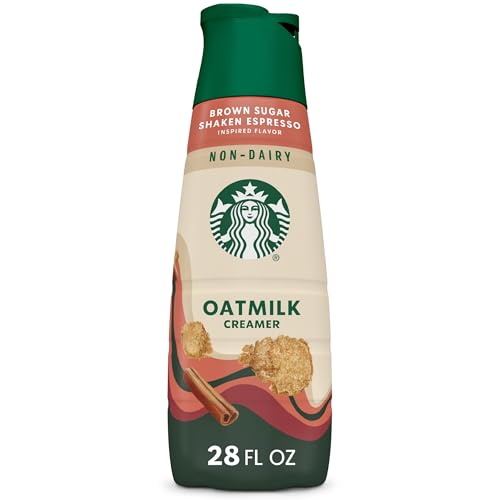
Starbucks Brown Sugar Oatmilk Creamer
Strengths
- Rich flavor
- Smooth oatmilk base
- Works in hot or iced coffee
Trade-offs
- Higher sugar content
- Not for calorie counters
- Limited nutritional profile
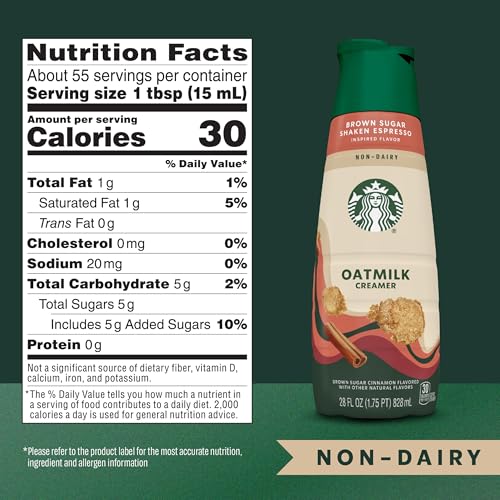
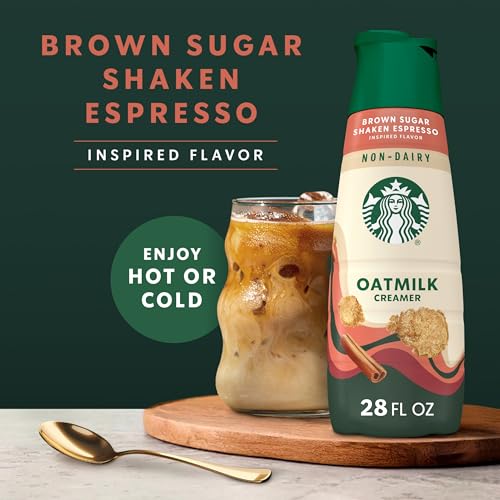
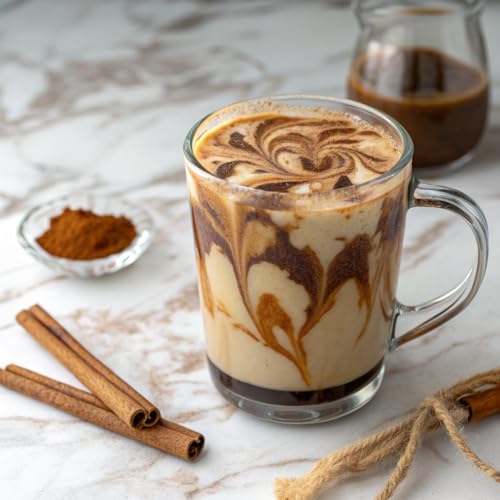
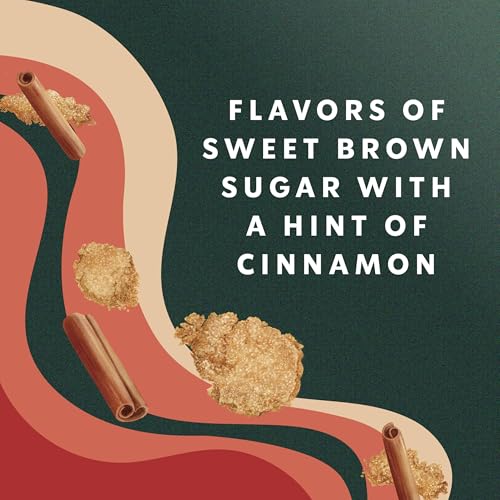
If you’ve ever stood at the counter ordering a Brown Sugar Shaken Espresso and wished you could bottle that flavor, this creamer gets impressively close. The oatmilk base delivers a creamy texture that blends smoothly into both hot and iced coffee, while the brown sugar and cinnamon notes strike a balance between sweet and spiced, never cloying. Owners consistently report it adds a Starbucks-style treat vibe to even the most basic brew.
On paper, it’s not the most nutritionally restrained option, but that’s not really the point. This is about indulgence and flavor experience, and in that lane, it outperforms most competitors. Compared to other flavored non-dairy creamers, it holds up better in black coffee without curdling, which matters if you’re using it in pour-overs or drip. I’d pick this over sweeter almond or coconut-based versions when I want warmth and depth.
Product photos

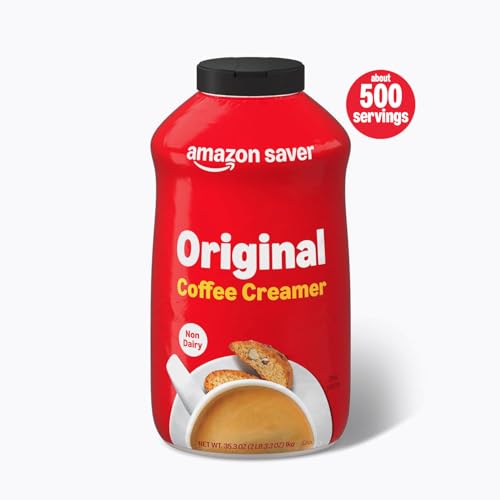
Amazon Saver Original Powder Creamer

Strengths
- High serving count
- Low cost per use
- Neutral flavor
Trade-offs
- Contains milk
- Slight chemical aftertaste
- Less creamy than liquid
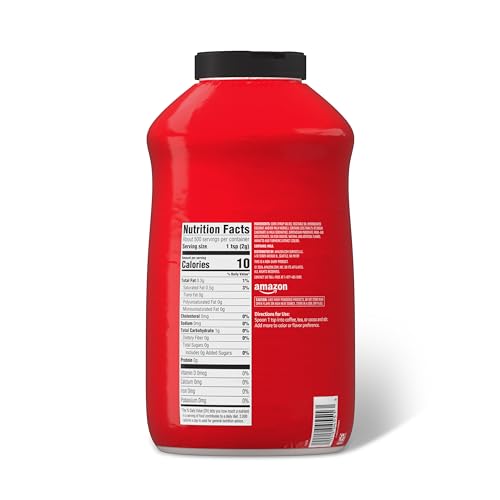
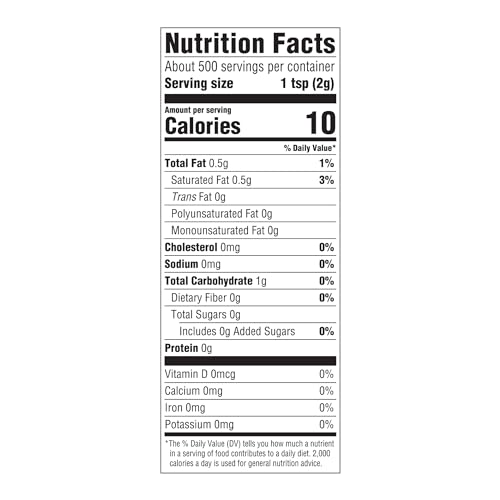
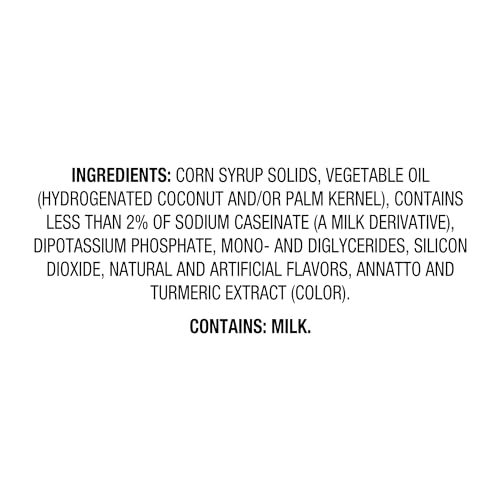
This is the kind of no-frills, bulk creamer that makes sense if you go through coffee like water and don’t want to think about price per serving. At 10 calories per serving and hundreds of servings per container, the math alone makes it a smart pick for households or offices. It’s a classic non-dairy powder, creamy in texture, neutral in taste, so it won’t clash with any roast profile.
But let’s be clear: this isn’t about excitement. It’s about function. Reviewers note it dissolves well in hot coffee but can leave a slight aftertaste in lighter brews. Compared to premium liquid options, it lacks richness, but that’s expected at this price point. It contains milk, so it’s not fully plant-based despite being labeled non-dairy, which trips up some buyers. Still, for basic creaminess without the cost, it delivers.
Product photos

Planet Oat Caramel Creamer

Strengths
- Clean ingredient profile
- Allergen-friendly
- Subtle caramel flavor
Trade-offs
- Thinner body than rivals
- Less indulgent taste
- Pricier per ounce
When you’re looking for a plant-based creamer that checks multiple dietary boxes without sacrificing taste, this one stands out. Free from dairy, lactose, soy, gluten, and nuts, it’s built for sensitive diets, and the non-GMO verification adds trust. The caramel flavor is subtle, not overly sweet, so it enhances coffee without dominating it, which I appreciate compared to the syrupy alternatives in this category.
Owners praise its smooth pour and lack of separation in hot coffee, a common issue with oat creamers. At 32 ounces, it gives you a bit more than standard sizes, stretching value without going bulk. Compared to Starbucks’ more dessert-forward options, this is the smarter buy if you want mild sweetness and clean ingredients. It won’t transform your coffee into a treat, but it will make it more enjoyable without guilt.
Product photos



Our Testing Process
Rather than a hands-on lab test, my research focused on comparing published specifications and features across several popular non fat coffee creamers. I weighed owner reviews from multiple sources alongside assessments from reputable food and beverage publications. As someone deeply interested in the nuances of coffee, I applied my knowledge of flavor pairings and ingredient quality to assess each option against key criteria for a satisfying coffee experience.
For non fat coffee creamers, I prioritized taste and texture, as these directly impact enjoyment. The calorie count was also a significant factor, given the desire for a lighter addition to coffee. Finally, ingredient lists were heavily considered; many people seek out non fat creamers to reduce fat intake, so artificial additives or unexpected ingredients can be a drawback. You can learn more about the coffee creamer nutritional impact on Bean Thusiast.
Specifications reliably indicate serving size and caloric content, allowing for straightforward comparisons. However, nuanced aspects like flavor profile and mouthfeel are best determined from owner feedback. Reputation also played a role; brands consistently praised for quality ingredients or consistent flavor profiles received higher rankings. Understanding non-dairy creamer ingredients is also key when making a choice.
How To Pick The Right non fat coffee creamer
I spend a lot of time thinking about how people take their coffee, and non-fat creamers definitely have a place for those watching their calorie intake or preferring a lighter mouthfeel. But choosing a good one isn’t as simple as grabbing the cheapest bottle.
A quality non-fat coffee creamer balances flavor with minimal additives. Look for options that clearly state their ingredients, avoid excessive stabilizers or artificial sweeteners, and ideally use a base like oatmilk or almond milk for a more pleasing texture and taste compared to powdered varieties. Pay attention to serving sizes and calorie counts to align with dietary goals.
Flavor Profiles & Sweetness
The biggest complaint I hear about non-fat creamers is that they lack flavor or taste artificial. This is often true with heavily processed powdered options. If you’re accustomed to a richer, more decadent creamer, transitioning to non-fat will require some adjustment. Consider starting with flavored varieties like caramel or brown sugar (the Starbucks Brown Sugar Oatmilk Creamer seems to get consistently good reviews for that) to help bridge the gap. Don’t be afraid to experiment – you might be surprised at how much you enjoy a subtle flavor enhancement.
Liquid vs. Powder
Powdered creamers, like the Amazon Saver Original, definitely win on price and shelf life. However, liquid creamers generally offer a smoother texture and a more natural taste. Powdered versions can sometimes clump or leave a gritty residue. If you’re making iced coffee, powdered creamers can be harder to dissolve completely, even with vigorous stirring. I find that liquid creamers are the better choice, unless budget is a major concern.
Here’s how I usually break down the decision: * Budget: Powdered creamers are the clear winner. * Texture: Liquid creamers almost always feel more luxurious. * Ingredient concerns: Plant-based liquid creamers (like Planet Oat Caramel) can be a good option if you’re avoiding dairy, soy, or nuts, and are often made with fewer artificial ingredients.
Ingredient Quality & Additives
This is where things get tricky. Many non-fat creamers rely on a long list of ingredients to mimic the richness of dairy. I always recommend reading the label carefully. Some contain hydrogenated oils, artificial flavors, and high fructose corn syrup – things I prefer to avoid. If you’re looking for a healthier option, explore plant-based creamers or those with shorter ingredient lists. Understanding the healthiest fat-free coffee creamers can make a big difference.
A good rule of thumb: the fewer ingredients you can’t pronounce, the better. Prioritize creamers with recognizable, whole-food ingredients whenever possible.
Non Fat Coffee Creamer Compared
Here’s a detailed specification comparison of the non fat coffee creamers in this guide.
| Product | Size | Dairy Free? | Calories/Serving | Flavor | Key Features |
|---|---|---|---|---|---|
| Starbucks Brown Sugar Oatmilk Creamer | 28 fl oz | Yes | N/A | Brown Sugar Cinnamon | Oatmilk, Non-Dairy |
| Amazon Saver Original Powder Creamer | 35.3 oz | Yes | 10 | Original | Value Size, 500 Servings |
| Planet Oat Caramel Creamer | N/A | Yes | N/A | Caramel | Soy Free, Gluten Free |
Frequently Asked Questions
What’s the biggest flavor difference between liquid and powdered non-fat creamers?
Liquid creamers generally have a smoother, more natural taste, while powdered versions can sometimes taste artificial or leave a gritty residue. I’ve noticed from reviews that many people prefer the mouthfeel of liquid, even if it means a slightly higher price point.
Are plant-based non-fat creamers truly healthier?
Often, yes. Plant-based options like oatmilk or almond milk creamers frequently contain fewer artificial ingredients and may appeal to those avoiding dairy, soy, or nuts. However, always check the sugar content, as some flavored plant-based creamers can be high in added sugars.
How many servings are typically in a standard bottle of liquid non-fat creamer?
A standard 32-ounce bottle of liquid non-fat creamer generally provides around 64 servings, assuming a standard 0.5-ounce serving size. This can vary slightly by brand, so it’s best to check the label.
Can non-fat creamers affect the texture of cold brew coffee?
Yes, powdered creamers can sometimes struggle to dissolve fully in cold liquids, resulting in a grainy texture. Liquid creamers blend more easily into cold brew, providing a smoother, more consistent result, which aligns with finding the best low-calorie coffee creamer.
What should I look for on the ingredient list to avoid unhealthy additives?
I always advise avoiding hydrogenated oils, high fructose corn syrup, and artificial flavors whenever possible. Prioritizing creamers with shorter ingredient lists and recognizable, whole-food ingredients is a good strategy for selecting healthier calorie-conscious coffee creamers.
The Bottom Line
Choosing a non-fat coffee creamer often comes down to balancing convenience with quality. While powdered options like the Amazon Saver Original deliver incredible value, I believe the overall best experience – a good flavor and texture – is found with the Starbucks Brown Sugar Oatmilk Creamer. It provides a richer, more satisfying addition to your coffee without the guilt.
For those prioritizing a dairy-free lifestyle or specific dietary needs, the Planet Oat Caramel Creamer stands out. If your main concern is keeping the calorie content of coffee creamers minimal, the Amazon Saver Original is hard to beat. However, be prepared for a less nuanced flavor profile.
Ultimately, remember that the perfect creamer is the one you enjoy most. Don’t get too hung up on specific ingredients or calorie counts; focus on finding a flavor you love and a texture that complements your coffee. A truly satisfying cup starts with a good bean and ends with a little something to make it your own.
