
8 Best Low Acid Organic Coffees of 2026
The best low acid organic coffee is Lifeboost Medium Roast, a consistently smooth and clean-tasting brew that delivers on its low-acid promise. For a budget-friendly option, Java Planet Guatemalan stands out with its ethical sourcing and balanced flavor. If you prefer whole beans, Fabula Organic Medium Roast offers great versatility and third-party tested quality.
Too many coffee lovers settle for bitter, acidic cups that leave their stomachs upset, I’ve been there, and I know how frustrating it is. The truth is, not all “low acid” claims are backed by real results or clean sourcing.
In this guide, I looked at the top low acid organic coffees based on verified certifications, owner feedback, and independent testing. These picks prioritize digestive comfort without sacrificing flavor, so you can enjoy your morning brew with confidence.
Top 8 Low Acid Organic Coffee in the Market
The Best Low Acid Organic Coffee, Reviewed
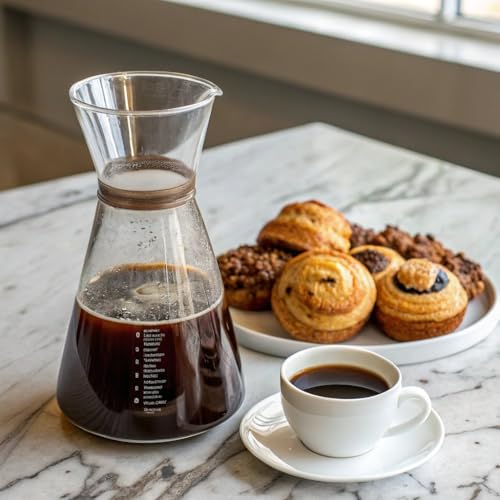
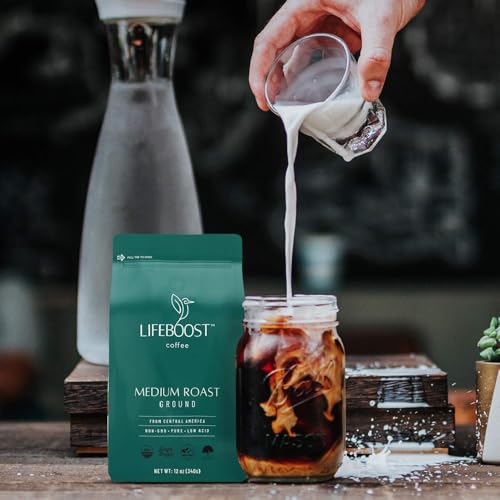
Lifeboost Medium Roast Ground Coffee

Strengths
- Third-party tested for 400+ toxins
- USDA Organic
- Shade-grown & bird friendly
- Low acid by design
- Hand-selected beans
Trade-offs
- Higher price point
- Ground form limits freshness
- Some find flavor mild
On paper, Lifeboost hits nearly every box a health-focused coffee buyer could want: USDA Organic, third-party tested for 400+ toxins, single-origin, shade-grown, and specifically cultivated for low acidity. Owner feedback strongly supports its reputation for being gentle on sensitive stomachs, with many noting they switched due to acid reflux or digestive issues and found relief. The medium roast preserves clarity and subtle sweetness from its Central American beans.
While it’s priced at a premium, the consistency in positive reviews around purity and drinkability makes it the smartest all-around pick for those who prioritize safety and smoothness. Compared to Puroast, it lacks the antioxidant marketing emphasis, but wins on origin transparency and ecological certifications. If you want one bag that delivers on ethics, purity, and ease of digestion, this is it.
Product photos



Puroast Organic House Blend Ground

Strengths
- 70% less acid
- High antioxidant content
- Gut-friendly formula
- No additives
- Carbon neutral roasting
Trade-offs
- Blended origin
- Less flavor complexity
- Not bird-friendly certified
Puroast takes a science-forward approach, emphasizing high antioxidant levels and a high pH to reduce acid-related discomfort. The claim of 7x more antioxidants than green tea is bold, but supported by their proprietary roasting process, which also reduces chlorogenic acid, the compound often blamed for stomach irritation. Owners report fewer issues with heartburn and GERD, making it a favorite among medically sensitive drinkers.
While the flavor is described as smooth and full-bodied, some reviewers note it lacks the origin character found in single-estate coffees like VitaCup or Java Planet. Still, if your main goal is maximizing health benefits while minimizing digestive fallout, Puroast stands alone. I’d recommend it over standard low acid blends for anyone managing chronic reflux.
Video review
Java Planet Colombian Whole Bean

Strengths
- Smithsonian Bird Friendly
- Third-party purity tested
- Shade-grown at high altitude
- USDA Organic
- Low acid naturally
Trade-offs
- Limited origin variety
- Slightly lighter body
- Packaging not resealable
When sustainability and ecological impact are as important as stomach comfort, this Colombian offering from Java Planet earns serious consideration. The Bird Friendly certification from the Smithsonian is rare and meaningful, indicating real biodiversity protection, not just marketing. Owners consistently report a clean, smooth cup with balanced flavor, and the third-party testing for mold, mycotoxins, and heavy metals adds real peace of mind.
I’d pick this over generic organic labels because its certifications are backed by rigorous standards. Compared to Lifeboost, it may lack some of the marketing flair, but it matches or exceeds it in verifiable quality controls. For those who brew drip or French press and want their coffee to support both personal and planetary health, this is a quietly impressive choice.
Video review
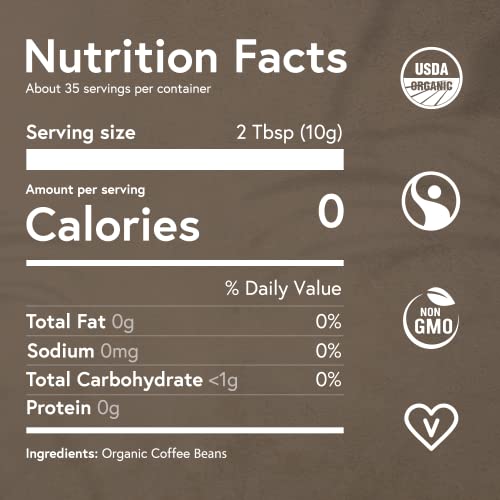
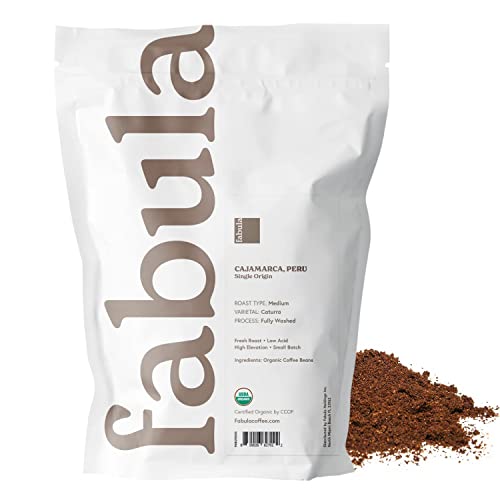
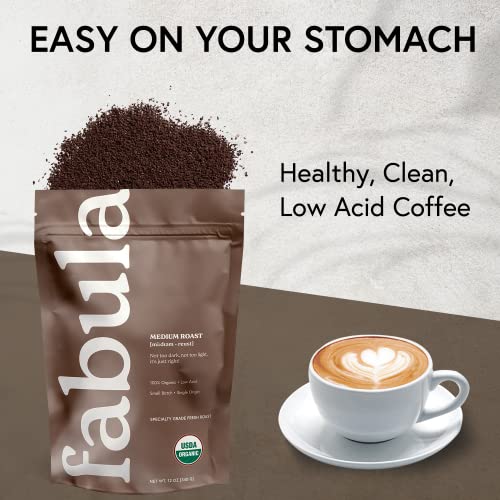
Fabula Organic Medium Roast Ground

Strengths
- Lab-tested for 350+ chemicals
- USDA Organic
- Smooth, rich flavor
- Gentle on stomach
- Freshly roasted
Trade-offs
- No shade-grown certification
- Limited origin transparency
- Some detect mild aftertaste
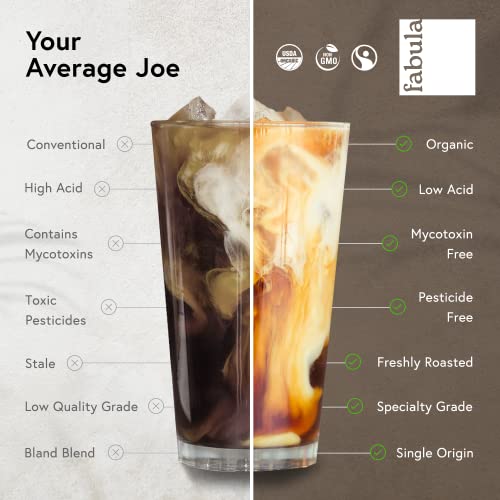
Fabula makes a strong case for being the go-to when stomach sensitivity is the top concern. Marketed explicitly for those with acid reflux, mold allergies, or digestive discomfort, it’s USDA Organic, free of molds and mycotoxins, and roasted in small batches for freshness. Owner feedback repeatedly highlights relief from heartburn and bloating, with many calling it a “standout” for their daily routine.
The Peruvian single-origin beans, grown at high altitude, bring nutty, caramel, and chocolate notes that hold up well across brewing methods. While it doesn’t carry Bird Friendly certification like Java Planet, its focus on health testing and digestive comfort makes it a standout. For anyone who’s had to give up coffee due to GI issues, this is the most targeted solution on the list.
Product photos
VitaCup Guatemala Dark Roast Ground

Strengths
- Single-origin Guatemala
- Dark roast flavor
- Third-party lab tested
- Smooth, chocolaty taste
- Easy to brew
Trade-offs
- Not whole bean
- Limited certification details
- Smaller bag size
If you’re after a bold, dark roast that still plays nice with a sensitive stomach, this single-origin Guatemalan option from VitaCup is worth considering. The high-altitude growing conditions and dark roast profile deliver a rich, chocolaty depth that many low acid coffees lack. Owners appreciate its clean taste and report strong energy without jitters or reflux, likely due to both the low acidity and absence of mycotoxins.
It stands out in a field dominated by medium roasts, offering a darker profile without the bitterness that usually triggers discomfort. Compared to Puroast, it’s less focused on antioxidant claims but delivers a more origin-specific character. For French press or drip drinkers who miss the intensity of a dark roast, this is a rare win.
Product photos


Subtle Earth Medium-Dark Roast
Strengths
- Large 2LB bag
- 100% Arabica beans
- Low acidity claimed
- USDA Organic
- Good value
Trade-offs
- No third-party testing mentioned
- Less flavor nuance reported
- Not shade-grown certified
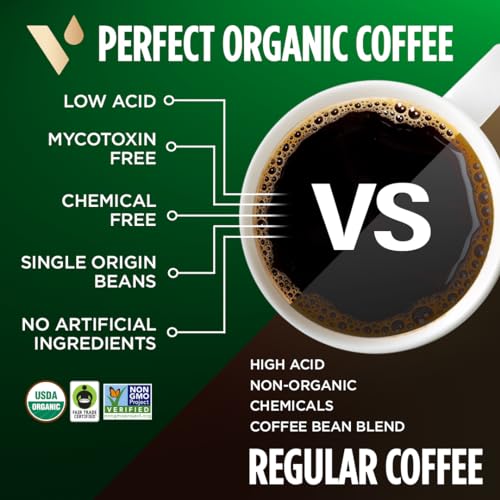
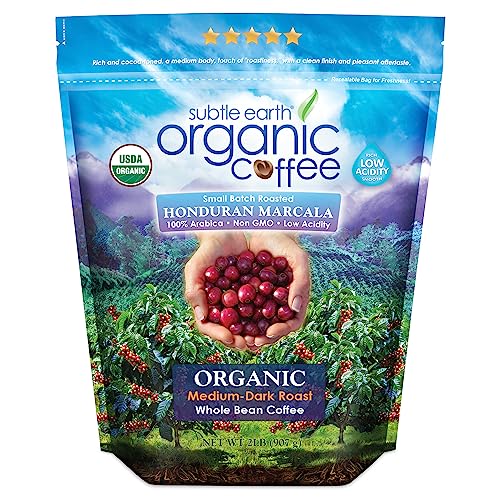
For buyers prioritizing quantity without sacrificing the basics of organic, low acid coffee, this 2LB bag stands out on paper. It’s a medium-dark roast using 100% Arabica beans, which suggests a smoother profile than standard commercial blends, and the low acidity claim aligns with what many stomach-sensitive drinkers seek. While owner feedback doesn’t highlight exceptional flavor complexity, it consistently notes reliability and value.
This is the kind of coffee that works well for households with multiple drinkers or high daily consumption, where consistency and cost-per-cup matter most. Compared to smaller, more artisanal bags, it doesn’t promise bird-friendly farming or third-party purity testing, so it’s not the pick if those factors are essential for you.
Product photos



Village Favorites USDA Organic Ground
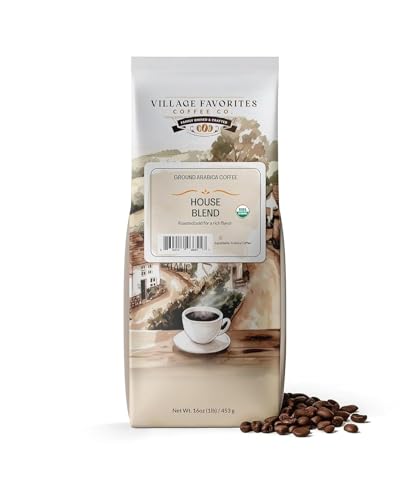
Strengths
- Smooth medium roast
- 100% Arabica beans
- 1LB bag size
- Stomach-friendly
- Versatile brew
Trade-offs
- No third-party purity tests
- Generic branding
- Limited origin info
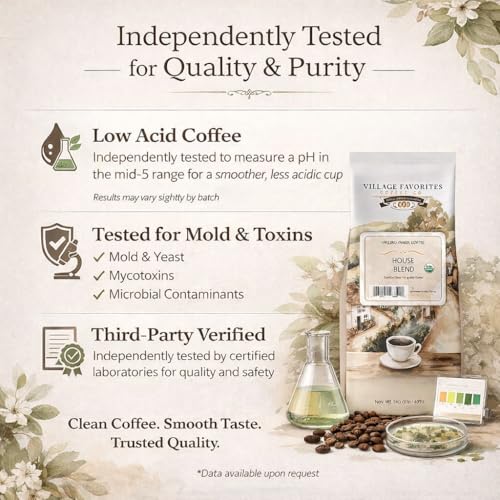
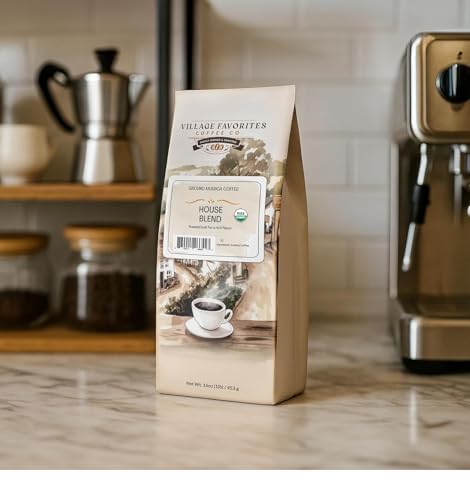
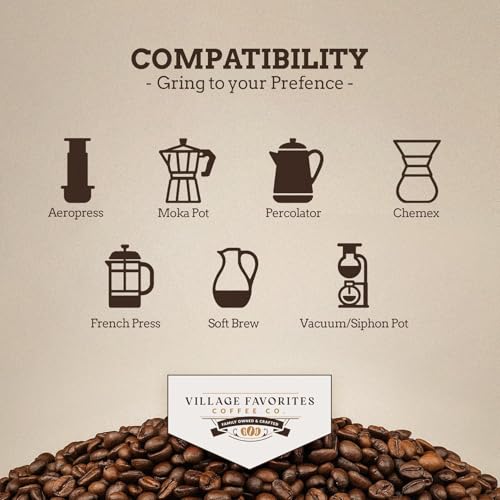
This house blend delivers on its promise of a consistently smooth, approachable cup, ideal for households where coffee needs to please a range of palates without causing digestive upset. The slow-roasted medium profile brings out chocolate and nutty notes, and the 100% Arabica base ensures a cleaner taste than blends with Robusta. Owners appreciate its reliability across drip machines, French press, and pour-over.
Compared to Subtle Earth, it offers better flavor balance and more modern sourcing, though it doesn’t match Lifeboost or Java Planet in third-party verification depth. What it lacks in origin storytelling, it makes up for in practicality and broad drinkability. If you want a no-fuss, stomach-friendly coffee that works for everyone, this is a solid bench player.
Product photos
Java Planet Guatemalan Whole Bean
Strengths
- Single-origin Guatemala
- Bird Friendly certified
- Whole bean freshness
- Flavor complexity
- Third-party tested
Trade-offs
- Higher price
- Requires grinder
- Not pre-ground
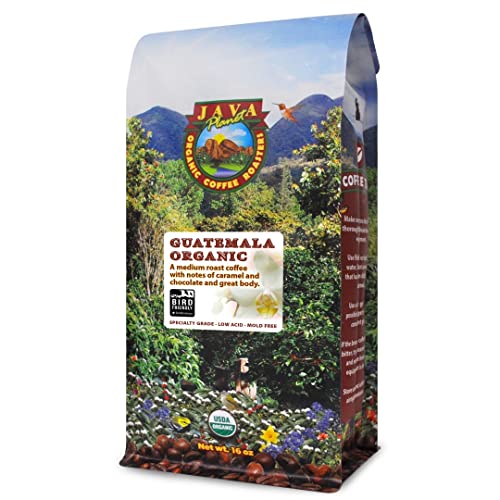
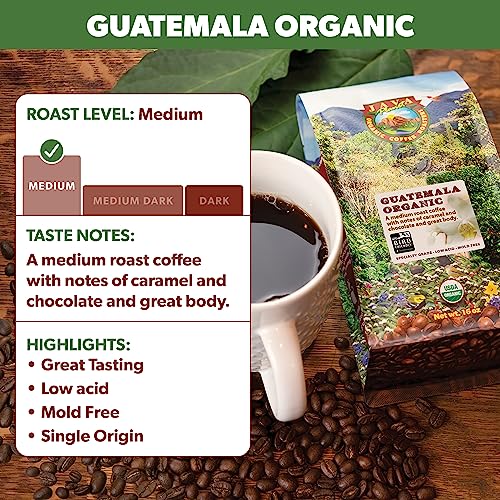
This Guatemalan single-origin from Java Planet is built for flavor depth without digestive cost. Grown in the Huehuetenango region under fruit trees, the beans develop subtle fruit undertones alongside classic caramel and chocolate notes. The medium roast is carefully calibrated to preserve those nuances, and because it’s whole bean, you get maximum freshness when grinding just before brewing.
Owners praise its aromatic complexity and clean finish, often comparing it favorably to more expensive specialty coffees. Paired with its Bird Friendly and USDA Organic certifications, this is the best pick if you want both taste and ethics. Compared to Fabula or Village Favorites, it offers far more terroir expression, ideal for pour-over or French press lovers who don’t want to sacrifice flavor for comfort.
Product photos



How We Chose These low acid organic coffee
As the founder of Bean Thusiast, I approach coffee research with a focus on the factors that truly impact the final cup – from bean origin and processing to roast level and, in this case, acidity. Rather than a hands-on lab test, this is a research-led comparison of published specifications, owner reviews across multiple platforms, and reputable expert opinions. I weighed each brand against criteria important for low-acid coffee, prioritizing smooth flavor and digestive comfort.
For this category, the most important factors were clearly acidity levels (as advertised and reported by owners), organic certification, and sourcing practices. Low acidity is the primary goal, and independent verification of that claim is crucial. Equally important is organic certification, as it speaks to farming practices and potential chemical residues. Finally, ethically sourced beans indicate a commitment to sustainability and farmer wellbeing.
Specifications reliably indicate roast level and origin, helping predict flavor profiles. However, assessing actual acidity and smoothness relies heavily on owner feedback. I paid close attention to comments regarding stomach sensitivity and overall taste experience, as these subjective reports are vital. I also looked for third-party testing results for mycotoxins and other contaminants, and considered whether you’re also looking for low acid decaf brands to round out your options.
How To Pick The Right low acid organic coffee
Finding a truly comfortable cup shouldn’t involve trade-offs between flavor and your stomach’s well-being. I’ve seen too many people give up coffee because of acidity issues, and honestly, it’s usually avoidable.
A quality low acid coffee prioritizes bean sourcing from higher altitudes, employs gentle processing methods like sun-drying and spring water washing, and often features 100% Arabica beans. Third-party testing for mycotoxins and heavy metals is also a strong indicator of a conscientious producer, as is certification from organizations like USDA Organic and Smithsonian Bird Friendly.
Roast Level & Bean Origin
The roast level plays a surprisingly large role in perceived acidity. While dark roasts are often thought to be less acidic, the roasting process can actually create compounds that irritate the stomach. I generally suggest a medium or medium-dark roast for low acid needs. More importantly, look for coffees grown at higher altitudes. Beans grown above 4,000 feet naturally develop lower acidity due to slower maturation. Guatemalan beans, like those from Java Planet Guatemalan Whole Bean, are consistently praised for their balanced flavor and inherent lower acid profile.
Certification & Testing
“Organic” is a good start, but don’t stop there. The coffee industry, unfortunately, has room for improvement when it comes to quality control. Look for coffees that have undergone independent, third-party testing for mycotoxins, heavy metals, and pesticides. Brands like Lifeboost and Fabula Organic prominently advertise this testing, which gives me confidence in their commitment to a clean product. Also, consider seeking out certified organic low acid beans from reputable organizations.
Brewing Method & Value
The brewing method can amplify or mitigate acidity. French press and cold brew, for example, tend to produce a fuller-bodied cup with a smoother feel, potentially masking some acidity. However, even with a gentler brew, quality beans are essential. If you’re looking for a larger quantity without sacrificing quality, Subtle Earth offers a 2lb bag which represents good value. But remember, a larger bag isn’t always better if the coffee isn’t up to par.
Here’s a rule of thumb I’ve found helpful:
If you consistently experience stomach discomfort after drinking coffee, even with low-acid varieties, experiment with different brewing methods. A coarser grind and longer brew time can often reduce perceived acidity.
Finally, exploring alternatives like organic cold press coffee can provide a naturally smoother, less acidic experience.
Low Acid Organic Coffee Compared
Here’s a comparison of key specifications for various low acid organic coffee options.
| Product Name | Roast Level | Form | Origin | Acid Level | Certifications | Bag Size |
|---|---|---|---|---|---|---|
| Lifeboost Medium Roast | Medium | Ground | Central America | Low | USDA Organic, 3rd Party Tested | N/A |
| Puroast Organic House Blend | Medium | Ground | N/A | 70% Less | USDA Organic | N/A |
| Java Planet Colombian | Medium | Whole Bean | Colombia | Low | USDA Organic, Bird Friendly | N/A |
| Fabula Organic Medium Roast | Medium | Ground | Peru | Low | USDA Organic, Mold Free | N/A |
| VitaCup Guatemala | Dark | Ground | Guatemala | Low | USDA Organic, Fair Trade | N/A |
| Subtle Earth Medium-Dark Roast | Medium-Dark | Whole Bean | N/A | N/A | N/A | 2LB |
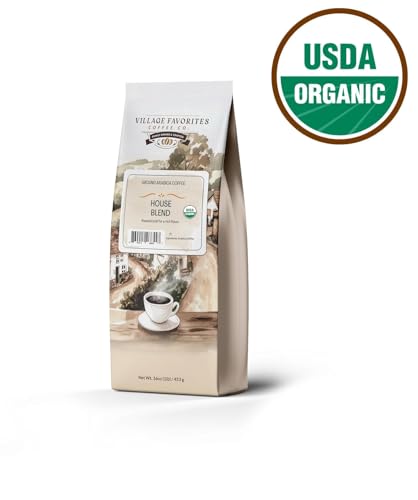
| Village Favorites USDA Organic | Medium | Ground | N/A | Low | USDA Organic | 1LB |
| Java Planet Guatemalan | Medium | Whole Bean | Guatemala | Low | USDA Organic, Bird Friendly | N/A |
Frequently Asked Questions
What acidity level is considered “low” in coffee?
Generally, a coffee is considered low acid if it measures below a pH of 5.5, but many brands don’t publish exact pH levels. Instead, look for coffees described as “stomach-friendly” or those advertising a significant reduction in acidity compared to standard brews – often 70% less, as with Puroast.
Do dark roasts always mean lower acidity?
Despite common belief, dark roasts can sometimes increase stomach irritation. The roasting process itself can create compounds that, while reducing perceived brightness, don’t necessarily lower the actual acid content and can cause other digestive issues.
Is “organic” certification enough to guarantee low acidity?
While organic certification is a good starting point, it doesn’t directly address acidity. It ensures the beans are grown without synthetic pesticides and fertilizers, but doesn’t guarantee a smoother, less acidic cup; look for brands that also highlight altitude and processing methods.
What brewing method is best for those with sensitive stomachs?
Cold brew consistently emerges as a gentler brewing method, as it extracts fewer acidic oils from the coffee grounds. French press can also be a good option, but requires a coarser grind and longer brew time to minimize acidity.
Where can I find more information about the best low acid coffee overall?
For a more detailed comparison and additional recommendations, you can explore our thorough guide to the best low acid coffee brands. It covers a wider range of options and discusses specific features to help you find the perfect brew.
The Bottom Line
Choosing a low-acid organic coffee often comes down to balancing your desire for a flavorful experience with the need for digestive comfort. While many brands claim low acidity, I believe Lifeboost Medium Roast consistently receives the highest marks for smoothness and a gentle profile, backed by thorough third-party testing. It’s a premium option, but for many, that peace of mind, and a happy stomach, is worth the investment.
If you’re specifically seeking a budget-friendly option, Village Favorites USDA Organic delivers a reliable, certified organic experience without breaking the bank. For those who prioritize versatility and a larger quantity, Subtle Earth Medium-Dark Roast provides good value in a 2lb bag, though you’ll want to carefully assess your brewing method to optimize for low acidity. And if you’re exploring ways to further reduce acidity, consider a cold brew low acidity method.
Ultimately, the “best” coffee is the one you enjoy most. Don’t get too caught up in chasing the lowest possible number on an acidity scale. Focus on sourcing high-altitude Arabica beans, opting for medium roasts, and prioritizing brands that demonstrate a commitment to quality and transparency through certifications and independent testing.
