
8 Best Low Acid Coffee Beans for 2026
The best low acid coffee beans for most people are Lifeboost Organic Medium Roast and Puroast Low Acid House Blend. Lifeboost stands out for its clean sourcing and smooth flavor, while Puroast delivers consistent low acidity with a rich roast. If you’re watching your budget, Don Pablo Signature Blend offers solid performance at a lower price.
For years I’ve seen coffee lovers give up their morning ritual because of stomach discomfort. The truth is, not all low acid coffees are created equal, some taste flat, others lack transparency in sourcing. At Bean Thusiast, I focus on options that balance digestive comfort with real coffee character. This guide cuts through the noise, using specs, owner feedback, and brand integrity to spotlight beans that deliver on both flavor and gentleness.
Top 8 Low Acid Coffee Beans in the Market
The Best Low Acid Coffee Beans, Reviewed
Lifeboost Organic Medium Roast Coffee

Strengths
- Third-party tested for 400+ toxins
- USDA Organic
- Bird friendly & shade grown
Trade-offs
- Smaller bag size
- Premium price
Lifeboost makes a compelling case as the best overall low acid coffee, and owner feedback backs it up. It’s USDA Organic, single-origin from Central America, and tested for over 400 toxins, including mycotoxins, pesticides, and heavy metals. That level of scrutiny is unmatched here.
The beans are shade-grown, hand-selected, and bird friendly, which contributes to a clean, bright cup with a smooth mouthfeel. Despite being a medium roast, it avoids acidity thanks to both sourcing and post-harvest handling. The 12-ounce bag is smaller than some, but the quality justification is clear. I’d pick this for anyone with sensitivities beyond just stomach acid, those worried about what’s in their coffee, not just how it tastes.
Video review
Java Planet Organic Colombian Coffee

Strengths
- Bird Friendly certified
- Third-party tested
- Organic & shade grown
Trade-offs
- Smaller 16-oz bag
- Higher price point
Java Planet hits several ethical and quality checkboxes that matter to discerning coffee drinkers. This Colombian single-origin is USDA Organic, shade grown, and Bird Friendly certified, a rare combo that supports both flavor development and environmental responsibility. The slow growth under canopy translates to denser beans, and owners note a clean, balanced cup with no sharp edges.
The third-party testing for mold, mycotoxins, and heavy metals adds real peace of mind, especially for those sensitive not just to acid but to contaminants. While the roast is medium-dark, it avoids the charred notes that plague some darker profiles. For buyers who treat coffee as both ritual and responsibility, this is a standout.
Video review
Puroast Low Acid House Blend
Strengths
- High in antioxidants
- 70% less acid
- Carbon neutral
Trade-offs
- Not USDA organic
- No mold testing disclosed
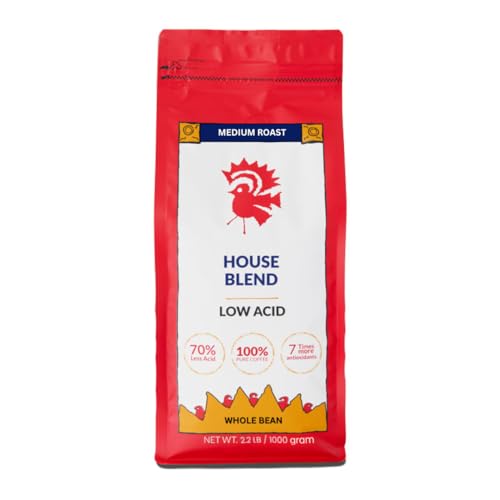
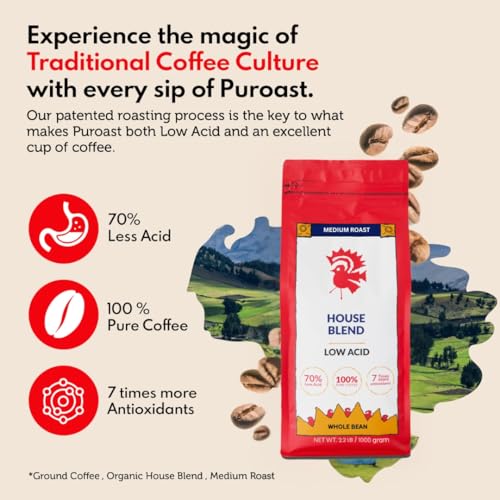
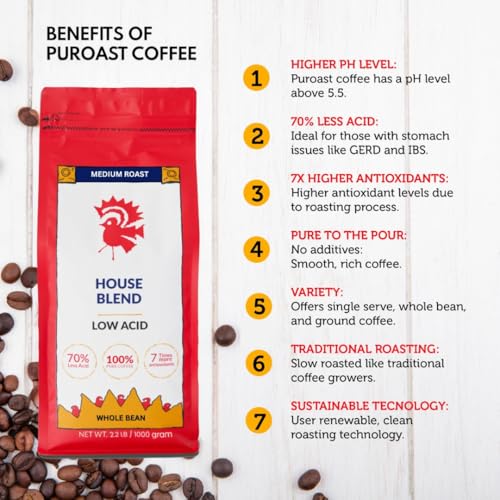
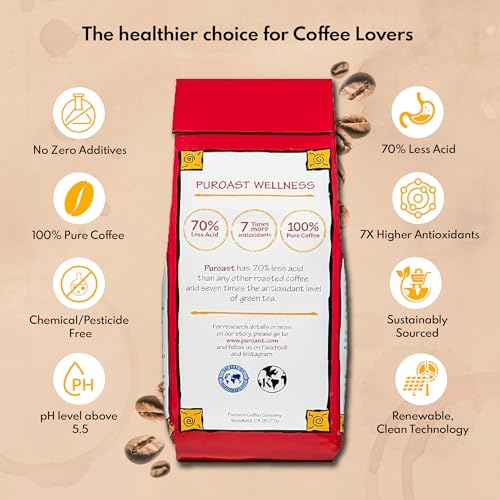
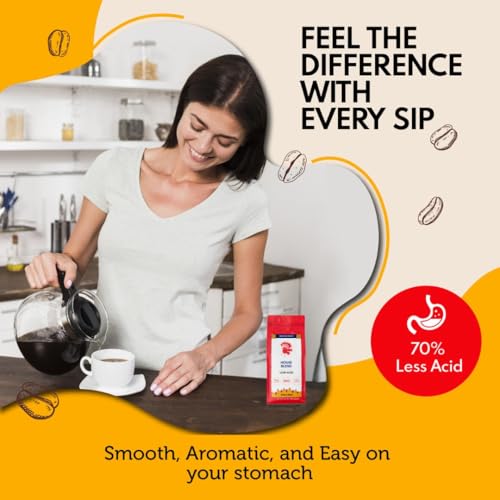
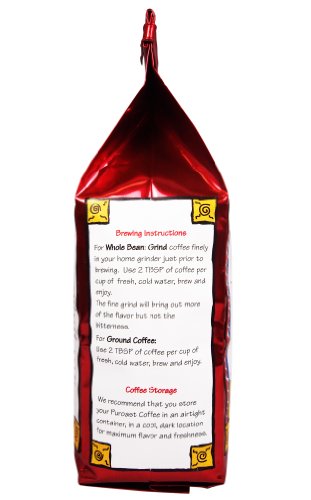
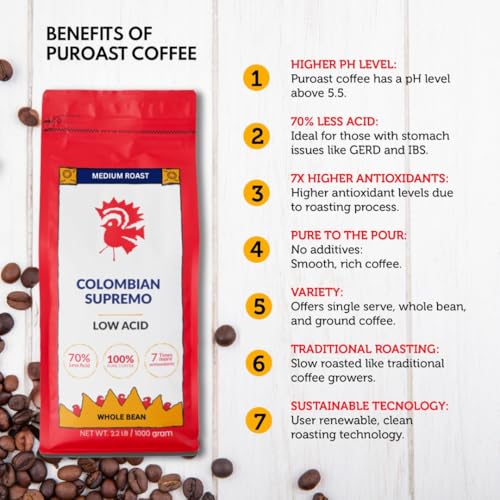
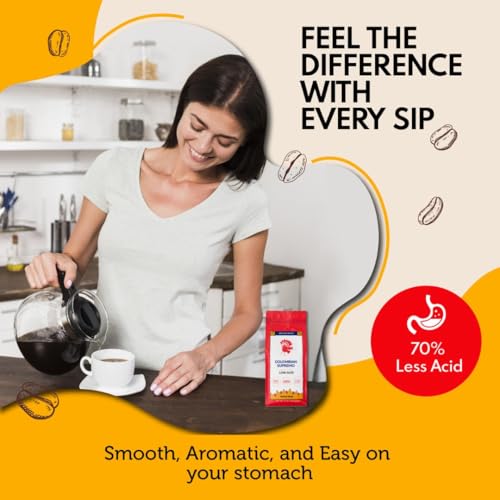
Puroast’s House Blend leans into science as much as taste, claiming 70% less acid and 7x more antioxidants than green tea, numbers that catch attention. The pH-balanced roasting process clearly works, given the number of owner reviews from GERD and heartburn sufferers who’ve switched successfully.
The flavor is described as smooth and full-bodied, which is impressive for a low acid coffee that could easily taste flat. It’s also one of the few that’s explicitly carbon neutral in production, using renewable fuels. While it’s not organic, the “no additives” promise and broad brewing compatibility make it a versatile staple. For those prioritizing wellness metrics alongside drinkability, this is a top contender.
Product photos
Puroast Colombian Supremo Coffee
Strengths
- Single-origin Colombian
- Smooth, balanced taste
- High antioxidant content
Trade-offs
- Not organic
- No mycotoxin testing
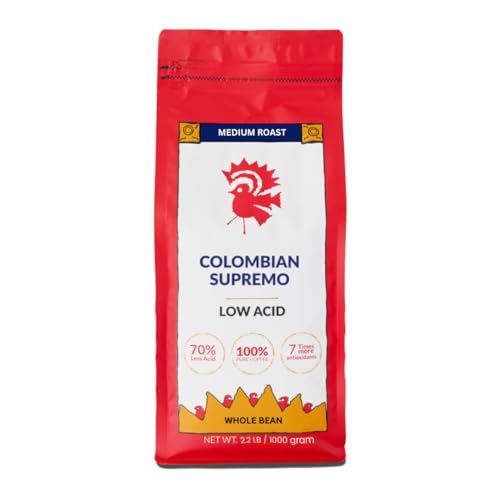
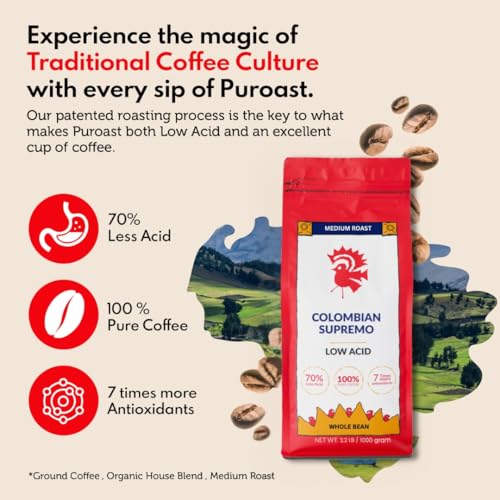
This Colombian Supremo version of Puroast delivers the same low-acid tech but with a more refined origin story. Colombian beans are known for balance, and here the medium roast emphasizes a smooth, full-bodied flavor without tipping into dullness. Owners note it lacks the bitter aftertaste common in cheaper low acid brands.
It shares the same strengths as the House Blend, 70% less acid, high antioxidants, renewable roasting, but feels more premium thanks to the single-origin focus. It’s still not organic, and the lack of third-party purity testing keeps it behind Lifeboost and Java Planet in safety verification. But for a clean, consistent, and gentle cup with a recognizable origin, it’s hard to beat.
Product photos

Low Acid Coffee Blend 16oz

Strengths
- Smooth taste
- Lab tested
- Budget friendly
Trade-offs
- Not organic
- Limited origin info
This blend stands out for budget-focused buyers who still want a smooth, stomach-friendly cup. On paper, the pH level of 5.3 is a solid claim for reduced acidity, and owners consistently report less reflux and irritation compared to standard medium roasts. The flavor notes of chocolate, nuts, and tangerine suggest a balanced profile, though some reviewers mention the tangerine is subtle at best.
It’s not certified organic or bird friendly, but the lab testing for mycotoxins and mold adds a layer of quality control that’s often missing in lower-priced options. For those easing into low acid coffee without wanting to splurge, this is a logical starting point.
Product photos


VitaCup Low Acid Guatemala Coffee

Strengths
- High-altitude single origin
- Rich in antioxidants
- Fair Trade & organic
Trade-offs
- Small bag size
- Pricier than blends
If you’re after a dark roast with depth but without gut distress, this single-origin Guatemalan bean is one of the few low acid options that doesn’t play it safe. The high-altitude growing conditions are reflected in the complexity owners describe, chocolate-forward, yes, but with a clean finish and no bitter aftertaste.
What sets it apart is the emphasis on chlorogenic acid antioxidants, which are preserved despite the dark roast. That’s unusual, since high heat often degrades these compounds. While the bag is smaller at 11 ounces, the focus on purity, USDA Organic, Fair Trade, third-party lab tested, makes it a premium pick. It brews well across methods, especially French press and cold brew, where its richness shines.
Product photos
Don Pablo Signature Blend Coffee

Strengths
- Large 2-pound bag
- Smooth cocoa finish
- Low acidity
Trade-offs
- Not organic
- No third-party testing
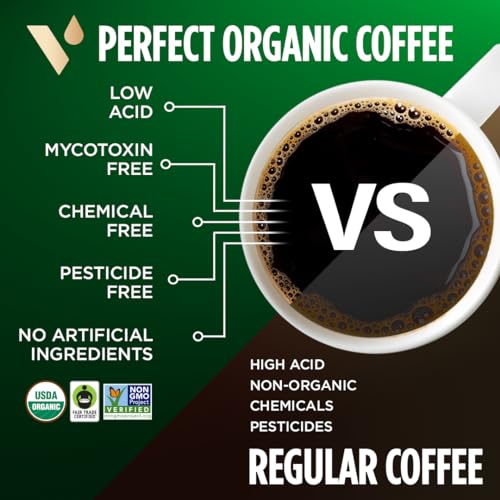
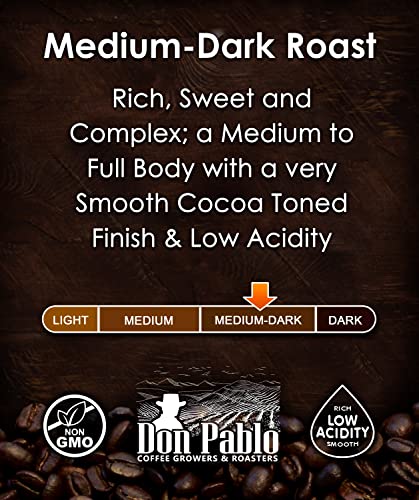
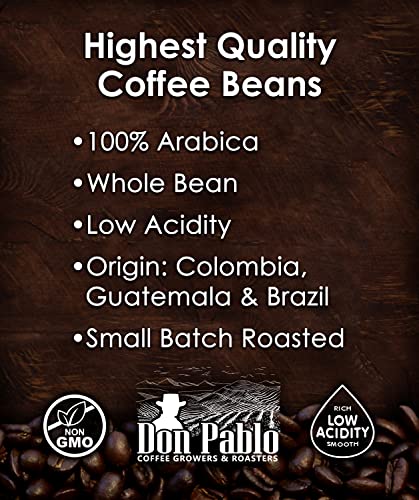
At two pounds, this is the best value per ounce in the low acid category, and that matters for daily drinkers who don’t want to repurchase weekly. The medium-dark roast delivers a cocoa-toned finish that many find rich without being harsh, and the blend of beans from Colombia, Guatemala, and Brazil gives it a well-rounded body.
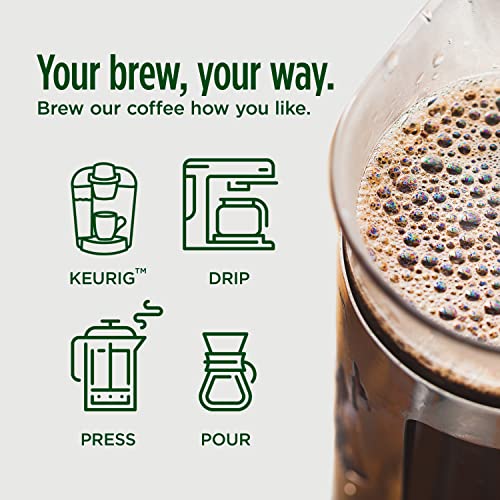
It’s not organic or third-party tested, which keeps it from competing with premium picks, but the consistency in flavor and grind performance across drip and French press setups earns praise in owner feedback. If you’re after volume and a reliable, smooth cup without acidity biting at the back of your throat, this blend makes sense.
Product photos
Lucy Jo’s Mellow Belly Coffee

Strengths
- Hand-roasted small batch
- Organic certified
- Earthy, spiced flavor
Trade-offs
- No third-party purity tests
- Smaller quantity
There’s a quiet charm to Lucy Jo’s small-batch, hand-roasted approach. This organic blend from Indonesia and Brazil delivers a smooth, earthy cup with a hint of spice, distinct from the chocolate-heavy profiles dominating the category. The 11-ounce bag suggests it’s not meant for high-volume use, but for those who value craft over convenience, that’s part of the appeal.
Owners appreciate the care in roasting, noting a consistent flavor that doesn’t fade after a few days. It’s not third-party tested like Lifeboost or Java Planet, which is a gap, but the organic certification and family-run ethos resonate with buyers who like knowing who’s behind their beans. For a personal, artisanal touch in a category full of mass-market options, this stands out.
Product photos
How We Picked These low acid coffee beans
As the founder of Bean Thusiast, I approach coffee selection with a focus on both flavor and well-being. Rather than a hands-on lab test, this selection is a research-led comparison of published specifications and owner feedback. I examined a range of beans, carefully weighing reported acidity levels, sourcing information, and roast profiles against established standards for low-acid coffee. We also considered third-party certifications and the overall reputation of each brand.
For low acid coffee, bean origin and roast level are paramount. I prioritized coffees grown at higher altitudes, as these typically develop lower acidity. A medium-to-dark roast also contributes to a smoother cup. Beyond that, certifications like USDA Organic and independent testing for mycotoxins were heavily weighted, as they indicate a commitment to quality and consumer health. Many people also seek options like low acid decaf coffee for evening enjoyment.
Published specifications reliably reveal details like bean origin, roast level, and certifications. However, truly understanding the smoothness and flavor profile requires digging into owner reviews. I paid close attention to comments regarding stomach sensitivity and overall taste experience. Brand reputation, often built over years of consistent quality, also played a significant role in our final rankings.
How To Pick The Right low acid coffee beans
Finding a coffee that’s kind to your stomach doesn’t mean sacrificing flavor; in fact, some of the most nuanced and delicious coffees naturally lean towards lower acidity.
Low acid coffee isn’t about eliminating acidity entirely – that would result in a flat, lifeless brew. Instead, it focuses on minimizing the harsh, biting acids that can cause discomfort. Look for beans grown at higher altitudes, processed with care (washed or natural, depending on desired flavor profile), and roasted to a medium or medium-dark level. Third-party testing for mycotoxins and heavy metals is also a strong indicator of quality.
Roast Level & Origin
The roast level is arguably the biggest lever you have when controlling acidity. Lighter roasts retain more of the organic acids present in the bean, leading to a brighter, more acidic cup. Darker roasts break down these acids, resulting in a smoother, less acidic brew. However, go too dark, and you risk losing the nuanced flavors of the bean. I generally recommend a medium-dark roast as a sweet spot for balancing low acidity with enjoyable complexity. Origin matters too; Indonesian coffees like Sumatran Mandheling are often naturally lower in acidity.
Processing Method & Quality Control
How the coffee cherry is processed after harvest significantly impacts the final acidity. Washed coffees, where the fruit is removed before drying, tend to be cleaner and brighter, but can sometimes be more acidic. Natural processed coffees, where the bean dries inside the cherry, often boast fuller bodies and lower acidity, although they can be less consistent. Beyond processing, look for brands that prioritize quality control. Certifications like USDA Organic, Fair Trade, and especially third-party testing for contaminants are all good signs. You can find top low acid coffee brands that consistently deliver on these fronts.
Value & Convenience
Low acid coffee isn’t always the cheapest, as sourcing and processing methods that prioritize lower acidity can add to the cost. Don’t automatically equate price with quality, but be wary of exceptionally low-priced options. Consider your brewing method and how much coffee you consume. A larger bag, like Don Pablo’s Signature Blend, can offer a better value if you drink coffee daily.
Here’s a quick guide to help you decide on bag size: * Small (12oz): Ideal for trying a new brand or for infrequent coffee drinkers. * Medium (1lb/16oz): Good for a single person or a couple who drink coffee regularly. * Large (5lb+): Best for households with multiple coffee lovers or for those who want to stock up and save.
A good rule of thumb: if you’re new to low acid coffee, start with a medium roast from a reputable brand that offers third-party testing.
If you struggle with ongoing digestive issues, exploring coffee habits for acid reflux alongside choosing the right beans can make a world of difference. I’ve seen many people enjoy their daily cup again by simply adjusting their approach.
Low Acid Coffee Beans Compared
Here’s a comparison of key specifications for various low acid coffee bean options.
| Product Name | Roast Level | Origin | Acid Level | Organic | Antioxidant Level |
|---|---|---|---|---|---|
| Lifeboost Organic Medium Roast | Medium | Central America | Low | Yes | N/A |
| Java Planet Organic Colombian | N/A | Colombia | Low | Yes | N/A |
| Puroast Low Acid House Blend | Medium | N/A | 70% Less | N/A | 7x Green Tea |
| Puroast Colombian Supremo | Medium | Colombia | 70% Less | N/A | 7x Green Tea |
| Low Acid Coffee Blend 16oz | N/A | N/A | pH 5.3 | N/A | N/A |
| VitaCup Low Acid Guatemala | Dark | Guatemala | Low | Yes | Chlorogenic Acid |
| Don Pablo Signature Blend | Medium-Dark | Colombia/Guatemala/Brazil | Low | N/A | N/A |
| Lucy Jo’s Mellow Belly | N/A | Indonesia/Brazil | Low | Yes | N/A |
Frequently Asked Questions
What acidity level is considered “low” in coffee?
Generally, coffee is considered low acid when it measures between 5.0 and 6.0 on the pH scale. Many brands advertise a reduction in acidity (like Puroast’s “70% Less”) rather than a specific pH, indicating a smoother, less irritating brew.
Do dark roasts always mean lower acidity?
While darker roasts typically have lower acidity, it’s not a guarantee. The origin of the bean plays a significant role; some beans are naturally lower in acid regardless of roast level.
Can cold brew coffee be lower in acid?
Yes, cold brew coffee is often lower in acid because the cold brewing process extracts fewer of the acidic oils from the beans. However, the final acidity still depends on the bean’s origin and roast.
Are all organic coffees also low acid?
Not necessarily. While USDA Organic certification indicates responsible farming practices, it doesn’t guarantee low acidity. You still need to consider the bean origin and roast profile when seeking a gentle coffee. You can find flavorful low acid coffee that is also organic.
How does the origin of the coffee bean affect its acidity?
Indonesian coffees, like Sumatran Mandheling, are often naturally lower in acidity due to the climate and soil conditions where they’re grown. Conversely, East African coffees, while often bright and flavorful, tend to have higher acidity levels. I recommend exploring different origins to find what suits your palate and stomach.
The Bottom Line
Choosing the right low acid coffee often comes down to balancing your desire for a smooth, comfortable cup with the complexity of flavor you enjoy. While many options exist, I believe Don Pablo’s Signature Blend consistently delivers a great experience for most people, offering a balanced profile and reliable sourcing. It strikes a good balance between quality and accessibility.
For those prioritizing specific needs, the field opens up nicely. If budget is a primary concern, Low Acid Coffee Blend 16oz offers a straightforward, affordable entry point. Those seeking organic options with a focus on antioxidant content will find Lifeboost Organic Medium Roast a strong contender.
Ultimately, remember that acidity is just one piece of the puzzle. Bean origin, roast level, and processing method all contribute to the final cup. Don’t get too hung up on specific numbers or certifications; focus on finding a coffee you genuinely enjoy, and explore cold brew for sensitive stomach as a [less acidic brewing method] if you’re still having trouble.
