
8 Best Low Acid Coffee Pods of 2026
After comparing the field and weighing owner feedback, the Lifeboost Medium Roast Low Acid Coffee stands out as the overall best pick for its clean profile and rigorous testing. For a budget-friendly option, Puroast House Blend delivers consistent smoothness, while Fabula Organic offers the best versatility with compostable pods that work in most single-serve machines.
If you love coffee but hate the burn or bloating that follows, low acid pods can be a standout. The problem? Not all brands deliver on their promises, and sorting through marketing claims is frustrating.
This guide cuts through the noise. I researched each pick based on roast profile, third-party testing, certifications, and real-world feedback from people with sensitive stomachs. You’ll find options that prioritize health, taste, and environmental impact, without assuming you need to pay top dollar for relief.
Top 8 Low Acid Coffee Pods in the Market
The Best Low Acid Coffee Pods, Reviewed
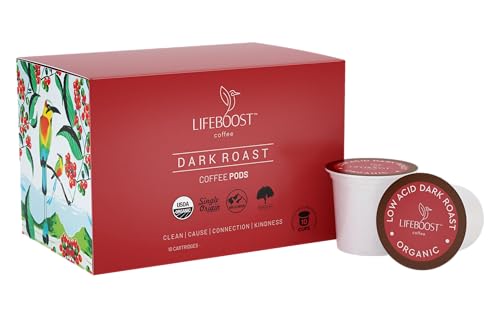
Lifeboost Dark Roast Low Acid Coffee
Strengths
- Rich dark flavor
- No bitterness
- Third-party purity tested
Trade-offs
- Pods not compostable
- Premium cost
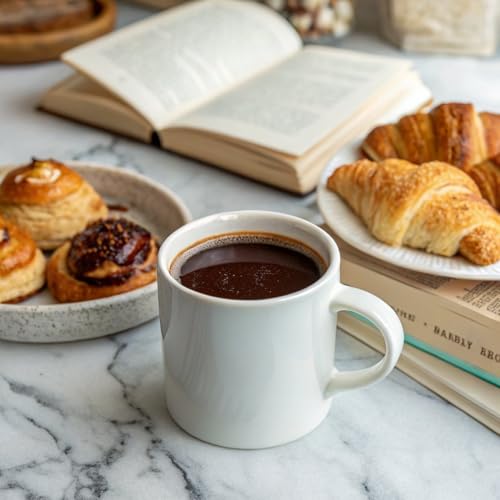
This is the one I’d recommend first if you’re switching from regular dark roast and don’t want to feel like you’re compromising. The dark roast from Lifeboost keeps the low-acid benefit but adds depth, rich, slightly earthy, with a clean finish that avoids the usual bitterness. It’s rare to find a dark roast in pod form that doesn’t taste burnt or hollow, but this one pulls it off.
Given that it shares the same certifications as their other roasts, organic, non-GMO, third-party tested for toxins, it stands as the most complete package. Owners praise its “real coffee” taste and the fact it doesn’t trigger reflux. Against Kahawa 1893, it’s less sweet and chocolate-forward, but more neutral and versatile. My pick for the overall best.
Product photos



Lifeboost Medium Roast Low Acid Coffee

Strengths
- Third-party tested
- Organic and mold-free
- Smooth, balanced taste
Trade-offs
- Smaller count per pack
- Higher price point
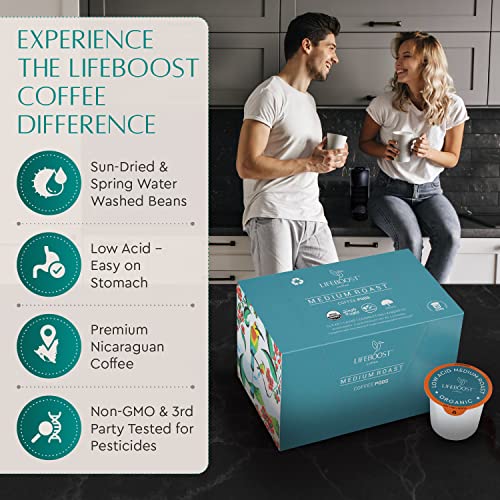
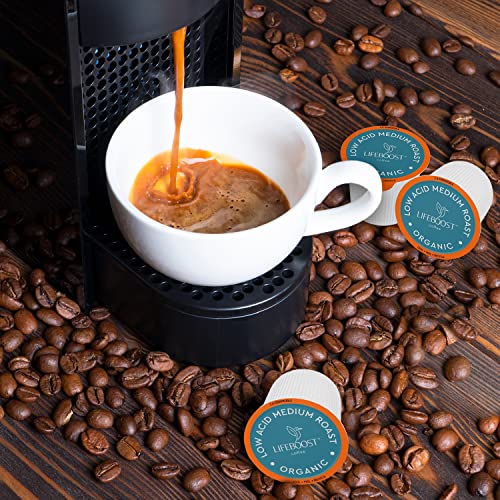
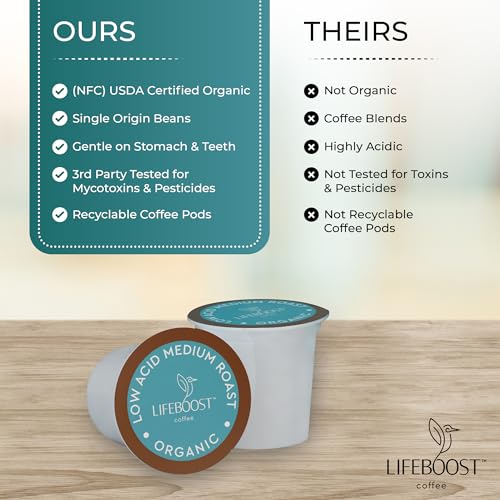
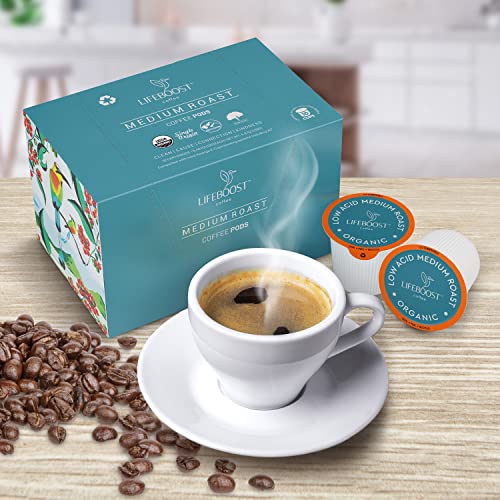
Lifeboost’s medium roast hits what I’d call the sweet spot for balanced flavor in the low-acid pod world. It’s neither timid nor aggressive, just a clean, rounded cup with mild brightness and a smooth finish. The single-origin beans from Central America are USDA Organic and third-party tested, which adds real peace of mind, especially given how often coffee is contaminated with mycotoxins or pesticides.
Owners consistently report fewer stomach issues and a cleaner energy lift compared to conventional pods. While it doesn’t have the boldness of a dark roast, it delivers where it counts: purity, consistency, and drinkability. When stacked against Puroast, it feels slightly more nuanced, though less focused on antioxidant claims.
Product photos
Lifeboost Light Roast Low Acid Coffee

Strengths
- Very mild flavor
- Organic and tested
- Gentle on digestion
Trade-offs
- Lacks depth and richness
- Not for bold coffee lovers
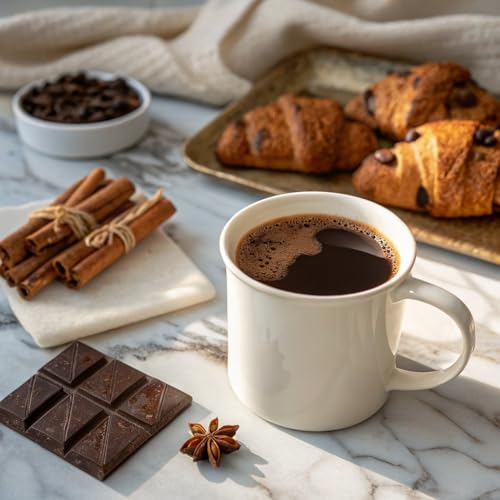
The light roast option from Lifeboost is for those who want the mildest sip possible, think early risers with sensitive systems or afternoon sippers avoiding caffeine spikes. It’s delicate, with soft floral and citrus notes that come through cleanly, thanks to the high-elevation, single-origin beans. Like all Lifeboost pods, it’s USDA Organic and rigorously tested, so you’re not trading safety for mildness.
Compared to the medium or dark roasts, this one lacks body, which some may mistake for weakness. But if you’re after a tea-like coffee that won’t upset your stomach, it’s ideal. Not a morning jolt, but a gentle wake-up. Owners with acid reflux often list this as their go-to.
Product photos


Puroast House Blend Low Acid Coffee

Strengths
- Balanced flavor
- High antioxidant content
- Gentle on stomach
Trade-offs
- Not bold or intense
- No compostable pods
The House Blend is where Puroast really shows its strength in the low-acid space. With the same 70% less acid promise and antioxidant levels that beat green tea, this is the go-to if you want consistency and wellness perks without sacrificing coffee character. The medium roast delivers a clean, rounded profile, light enough to avoid harshness, full enough to feel satisfying.
Compared to other low-acid pods, this one earns high marks in owner feedback for not tasting thin or flat, which is a common complaint in this category. The clean tech roasting process likely helps preserve flavor integrity. I’d pick this over the Vanilla Nut if you want a neutral base you can build on, whether with cream, a dash of sugar, or nothing at all.
Product photos
Puroast Vanilla Nut Low Acid Coffee

Strengths
- Smooth flavor
- Low acid verified
- No artificial aftertaste
Trade-offs
- Flavor may be too mild for some
- Smaller pack size
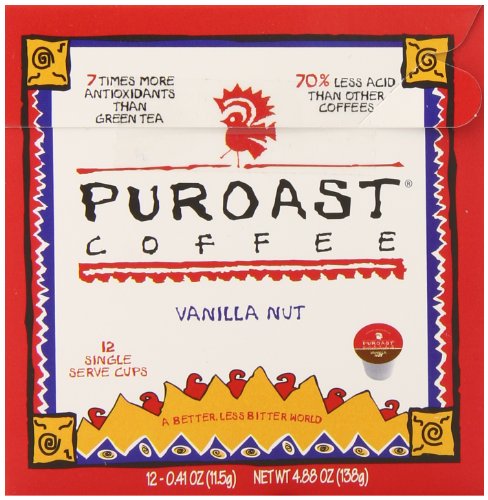
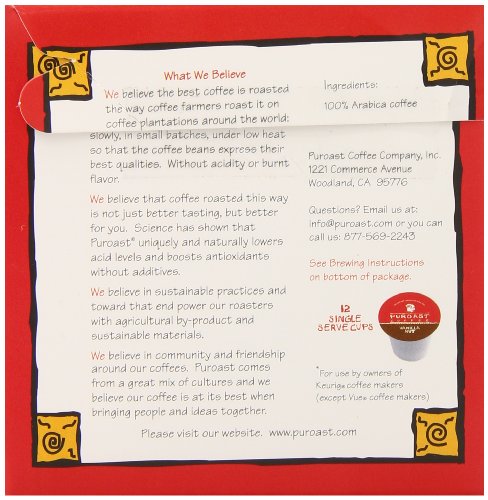
If you’re looking for a flavored low-acid pod that doesn’t taste like a chemical afterthought, this Vanilla Nut option from Puroast stands out. The flavoring is subtle and integrated well with the base coffee, avoiding that artificial sweetness some flavored pods suffer from. On paper, it shares the same 70% less acid claim and high antioxidant profile as other Puroast blends, which reviewers consistently say makes a difference for those prone to heartburn or GERD.
Owners note the body holds up better than most flavored coffees in this category, smooth, not watery, and without the bitter tail many light roasts leave behind. It’s not a bold espresso-level punch, but it wasn’t made to be. For a gentle morning cup that still feels like a treat, this one makes sense.
Product photos



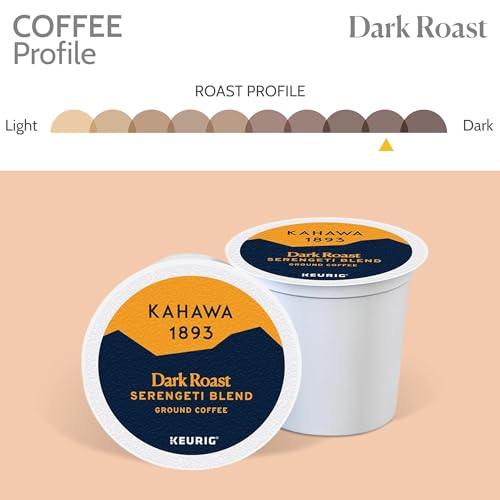
Kahawa 1893 Serengeti Dark Roast
Strengths
- Ethically sourced
- Recyclable pods
- Smooth, sweet flavor
Trade-offs
- Slightly less bold than other dark roasts
- Harder to find in bulk
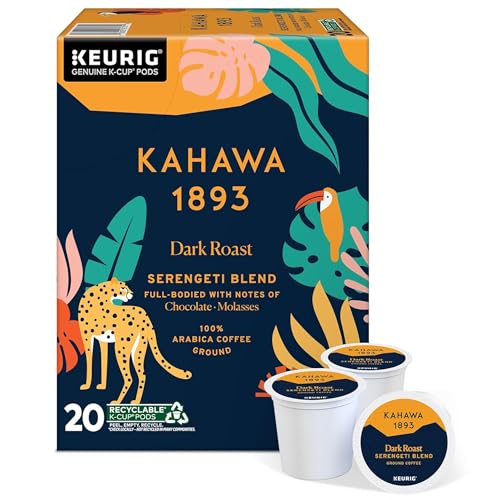
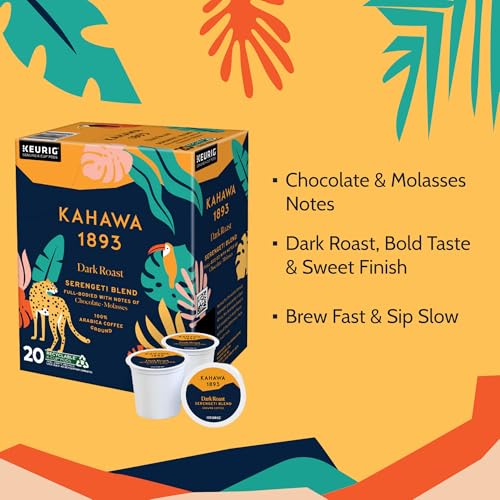
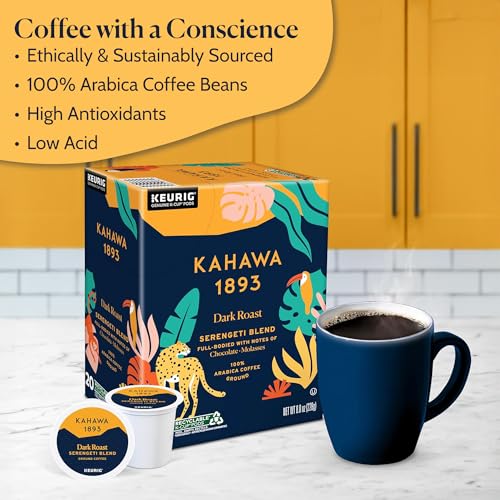
Kahawa 1893 brings something unique to the table: ethics built into the experience. The Serengeti Blend is a dark roast with a naturally sweet edge, molasses and chocolate notes come through without added flavoring. It’s smooth, not as sharp as many dark roasts, and surprisingly easy on the stomach despite its depth.
What sets it apart is the direct farmer support model. The QR code tipping feature is real, and owners appreciate knowing their purchase has direct impact. Paired with 100% recyclable pods and organic sourcing, it’s the most ethically grounded option here. Flavor-wise, it’s not as complex as Lifeboost, but its story and sustainability give it weight.
Product photos

Fabula Organic Compostable Low Acid Coffee

Strengths
- Compostable pods
- More coffee per pod
- USDA Organic
Trade-offs
- Limited roast options
- Slight learning curve for composting
Fabula is the clear choice if your conscience weighs as much as your taste buds. These pods are fully compostable, plastic-free, and packed with 12g of organic coffee, about 25% more than standard pods, so the brew is richer and less diluted. The single-origin beans are low-acid, mold-free, and deliver a clean, bright medium roast that owners describe as “like a fresh pour-over.”
The airtight packaging also stands out, promising freshness for up to a year. That’s a big deal for people who buy in bulk but hate stale pods. Compared to Puroast or Lifeboost, Fabula trades some brand recognition for serious eco-cred. If you’re tired of plastic pods piling up, this one changes the game.
Product photos


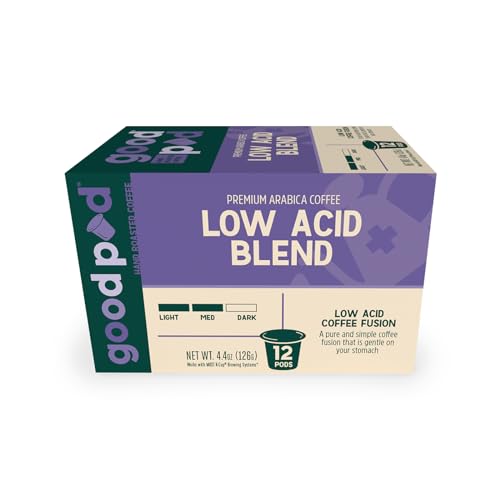
goodPOD Low Acid Medium Roast Coffee

Strengths
- Budget-friendly
- Smooth taste
- Pesticide-free
Trade-offs
- No organic certification
- Limited flavor depth
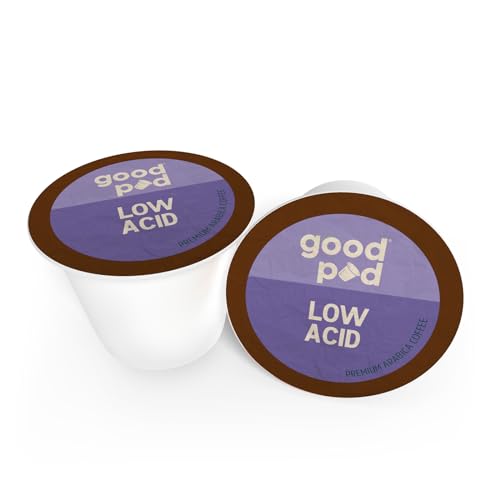
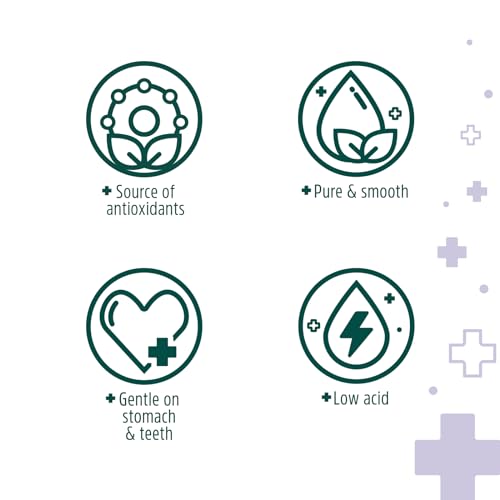
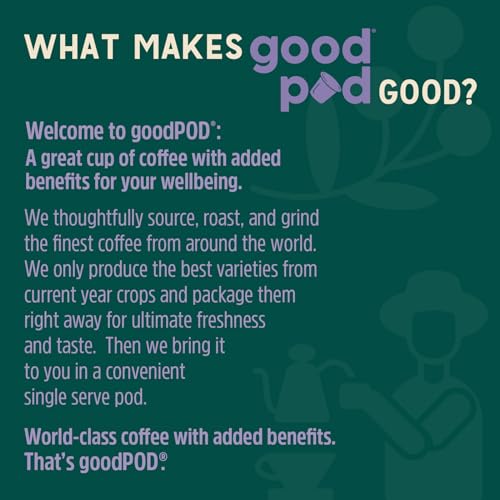
goodPOD is clearly built for value seekers who still want a gentler coffee experience. The low-acid blend uses hand-roasted Arabica beans and keeps things simple, no organic certification, no third-party testing, but also no inflated price. On paper, it promises antioxidants and stomach-friendly brewing, and owner feedback suggests it delivers on smoothness without acid bite.
It won’t match Lifeboost or Puroast in purity claims or flavor complexity, but for someone testing the low-acid waters or running a home office where pods fly fast, this is a smart starting point. The medium roast is inoffensive in the best way, neutral, clean, and reliable. Not memorable, but dependable.
Product photos
How We Evaluated low acid coffee pods
As someone deeply immersed in the world of coffee – from sourcing to brewing – I approached this guide with a focus on delivering genuine value. Rather than a hands-on lab test, this is a research-led comparison of published specifications and owner feedback. I compared features across numerous brands, carefully weighing owner reviews from multiple sources alongside expert opinions found in coffee publications and blogs. My goal was to identify pods that consistently deliver on the promise of lower acidity and a satisfying cup.
For low acid coffee pods, taste and stomach comfort are paramount, so those factors held the most weight in my evaluation. I also prioritized certifications like USDA Organic and third-party testing for toxins, as these indicate a commitment to quality and consumer health. Ethical sourcing and sustainability are increasingly important to coffee drinkers, so brands demonstrating those values received extra consideration.
Published specifications – like roast level and bean origin – provide a baseline understanding of each pod’s potential flavor profile. However, true usability, particularly regarding how well a pod actually minimizes acid-related discomfort, relies heavily on owner feedback. I looked for consistent patterns in reviews related to digestive issues and overall smoothness, and also assessed brand reputation for transparency and quality control. If you’re also looking for a decaffeinated option, explore our guide to low acid decaf coffee brands.
How To Choose The low acid coffee pods
Finding the right low acid coffee pods can be a real difference-maker in your daily routine.
Low acid coffee pods aim to deliver flavor and caffeine without the digestive discomfort some experience with traditional brews. Key considerations include the bean origin, roast level, certifications (like organic and mycotoxin testing), and pod material – especially if sustainability is a priority. Look for clear labeling regarding acidity levels and brewing compatibility.
Roast Level & Flavor Profile
I always tell people that roast level is the biggest factor in determining the final taste. A light roast will showcase more of the bean’s origin characteristics, often with brighter, fruitier notes. Medium roasts strike a balance, offering a rounded flavor profile. Dark roasts, while bold, can sometimes increase perceived acidity even if the bean itself is low acid, due to the breakdown of certain compounds during roasting. Don’t automatically assume “dark” means smoother; read descriptions carefully.
Certifications & Testing
The “low acid” claim itself isn’t regulated, so relying on third-party certifications is crucial. USDA Organic guarantees the beans were grown without synthetic pesticides, but doesn’t address acidity directly. More importantly, look for brands that specifically test for mycotoxins, heavy metals, and pesticides. This shows a commitment to quality and safety beyond basic organic standards. You can find some excellent best low acid K-Cup brands that prioritize this.
Here’s what to look for in a quality-focused brand: * Organic Certification: A basic but important starting point. * Mycotoxin Testing: Essential for avoiding potential health concerns. * Thorough Testing: Look for testing against 400+ potential toxins for maximum peace of mind, showing the brand goes the extra mile.
Pod Material & Environmental Impact
Beyond the coffee itself, consider the pod material. Traditional plastic K-Cups contribute significantly to landfill waste. Thankfully, more and more brands are offering compostable or recyclable alternatives. However, “compostable” doesn’t always mean backyard compostable; some require industrial composting facilities. If you’re aiming for a truly eco-friendly option, research the pod material and your local composting options. If you’re struggling with heartburn, you might also want to check out my guide on how to drink coffee without acid reflux.
A good rule of thumb: don’t equate price with quality when it comes to low acid coffee. Often, the extra cost reflects more rigorous testing and higher-quality bean sourcing.
Low Acid Coffee Pods Compared
Here’s a comparison of key specifications for various low acid coffee pods to help you make an informed choice.
| Product Name | Roast Level | Acid Level | Organic | Compostable | Antioxidant Rich |
|---|---|---|---|---|---|
| Lifeboost Dark Roast Low Acid Coffee | Dark | Low | Yes | No | N/A |
| Lifeboost Medium Roast Low Acid Coffee | Medium | Low | Yes | No | N/A |
| Lifeboost Light Roast Low Acid Coffee | Light | Low | Yes | No | N/A |
| Puroast House Blend Low Acid Coffee | Medium | 70% Less | N/A | No | Yes |
| Puroast Vanilla Nut Low Acid Coffee | Medium | 70% Less | N/A | No | Yes |
| Kahawa 1893 Serengeti Dark Roast | Dark | Low | Yes | N/A | Yes |
| Fabula Organic Compostable Low Acid Coffee | Medium | Low | Yes | Yes | N/A |
| goodPOD Low Acid Medium Roast Coffee | Medium | Low | N/A | No | Yes |
Frequently Asked Questions
What acidity level should I look for in a low acid coffee pod?
Generally, aim for pods labeled as “low acid” or specifying a reduction in acidity, like “70% less acid” as Puroast advertises. Keep in mind the term isn’t standardized, so prioritizing third-party testing results is even more helpful when assessing stomach-friendly coffee picks.
Are dark roast low acid coffee pods always the best choice?
Not necessarily. While dark roasts are often perceived as smoother, the roasting process can sometimes increase acidity, despite starting with a low-acid bean. I recommend reading the specific pod description and looking for owner feedback regarding digestive comfort.
Do organic certifications guarantee low acidity?
No, USDA Organic certification ensures the beans were grown without synthetic pesticides, but it doesn’t directly address acidity levels. To find genuinely low acid options, look for brands that specifically test for and report on acidity, or have third-party verification.
What should I do with used low acid coffee pods?
Many brands now offer compostable pods, but verify if they require industrial composting facilities. If compostable isn’t an option, look for recyclable pods or explore brands offering pod return programs to reduce waste.
Where can I find more information on different types of low acid coffee?
You can find my detailed guide comparing different low acid coffee grounds and brewing methods on my site; it’s a great resource if you want to explore beyond pods and learn more about the nuances of acidity in coffee. best low acid coffee grounds
The Bottom Line
Choosing the best low acid coffee pods often comes down to balancing your priorities. Do you want absolute peace of mind regarding testing and sourcing, even if it means a higher price point? If so, Lifeboost Dark Roast Low Acid Coffee stands out as a consistently highly-rated option, particularly for those prioritizing organic certification and a bold flavor.
For readers seeking specific solutions, Fabula Organic Compostable Low Acid Coffee is a clear winner if environmental impact is a major concern, offering a guilt-free brewing experience. If you prefer a bit of flavor variety, Puroast Vanilla Nut Low Acid Coffee provides a unique and palatable option while still delivering on the low acidity promise. And for those interested in exploring even gentler options, looking into cold brew coffee acidity can reveal even lower acid alternatives.
Ultimately, the most important factor isn’t a specific pod or a particular certification. It’s understanding your sensitivity and what roast level and bean origin work best for your system. Don’t chase a number; focus on consistently smooth, comfortable enjoyment, and you’ll find your perfect cup.
