
8 Best Low Acid Coffee K-Cups of 2026
The best low acid coffee K-Cups balance smooth flavor with genuine stomach-friendly brewing, and after comparing the field, Puroast House Blend Low Acid Pods stand out as the overall top choice for consistent mildness and quality. For a budget-friendly option that still delivers, goodPOD Low Acid Blend Pods offer solid value, while Lifeboost Medium Roast Organic K Cups are ideal if you want a single-origin, ethically sourced pick with a clean profile.
If you’ve ever winced at the afterburn of a regular cup or felt uneasy after your morning brew, you’re not alone. Many coffee lovers cut back or quit entirely because of acid-related discomfort, but it doesn’t have to be that way.
As the founder of Bean Thusiast, I focused this guide on K-Cups that deliver on both low acidity and drinkability, using bean origin, roast profile, and owner feedback to separate hype from real results. These picks are based on research, not lab tests, but they reflect what actual users and specs tell us works.
Top 8 Low Acid Coffee K Cups in the Market
The Best Low Acid Coffee K Cups, Reviewed
Puroast House Blend Low Acid Pods

Strengths
- 70% less acid
- High in antioxidants
- Smooth flavor
- Carbon neutral
Trade-offs
- Higher price per pod
- Medium roast only
When people ask me for one low-acid K cup that balances health claims with real drinkability, this is the one I point to. Puroast’s house blend isn’t just marketed as gut-friendly, it’s built that way. With 70% less acid than standard coffee and a roasting process designed to preserve antioxidants, it’s a standout for those dealing with heartburn or GERD. But what impresses me more is how it tastes: rich, full-bodied, and genuinely coffee-forward without the flatness some low-acid brands suffer from.
Owners praise its consistency and lack of aftertaste, which is huge in this category. Compared to Lifeboost, it’s less about origin storytelling and more about functional performance. And unlike Mitalena, it’s not budget-focused, it’s built to perform. The fact that it’s carbon neutral and made with renewable energy adds to its appeal. For most buyers, this is the smartest all-around pick.
Video review
Lifeboost Medium Roast Organic K Cups

Strengths
- Third-party toxin tested
- Organic & shade-grown
- Ethically sourced
Trade-offs
- Smaller pack size
- Higher cost per cup
If ethics and purity are essential for you, Lifeboost earns its premium reputation. This isn’t just low-acid coffee, it’s certified organic, shade-grown, bird-friendly, and third-party tested for over 400 toxins, including heavy metals and pesticides. That level of scrutiny is unmatched. The beans come from high-elevation farms in Central America, hand-selected for quality, and the result is a clean, well-balanced medium roast that owners describe as smooth and naturally sweet.
Where it pulls ahead of VitaCup or Mitalena is in traceability. You’re not just buying coffee, you’re buying peace of mind. The 10-count pack is small, but that’s likely to keep freshness high. Compared to Puroast, it’s less about antioxidant metrics and more about holistic sourcing. I’d recommend this for anyone who treats coffee as both a daily ritual and a health-conscious choice.
Video review
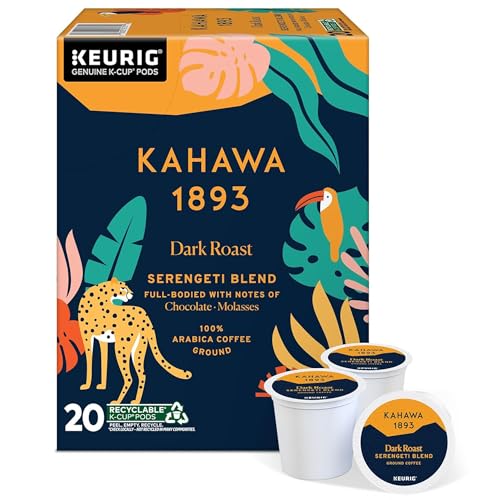
Kahawa 1893 Dark Roast Serengeti
Strengths
- Ethically sourced
- Farmer tip program
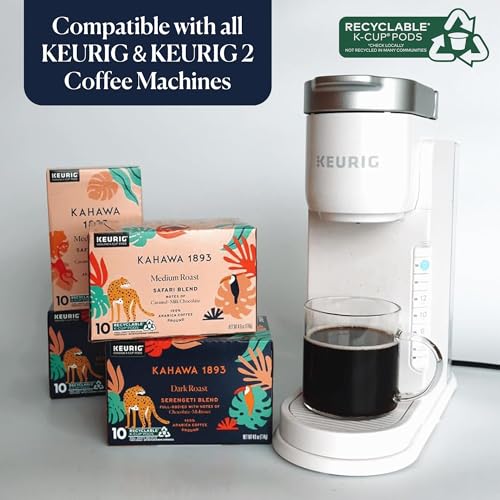
- Recyclable pods
Trade-offs
- Only 20 pods per box
- Limited availability
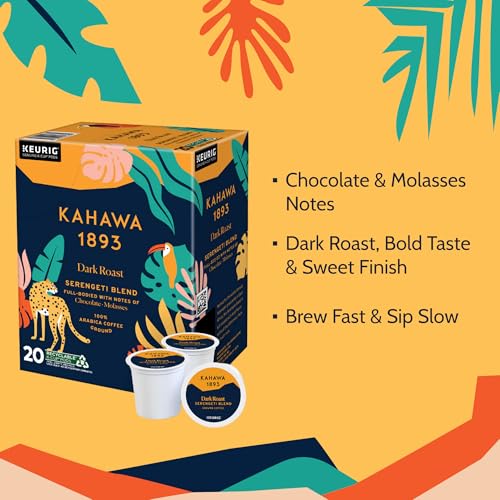
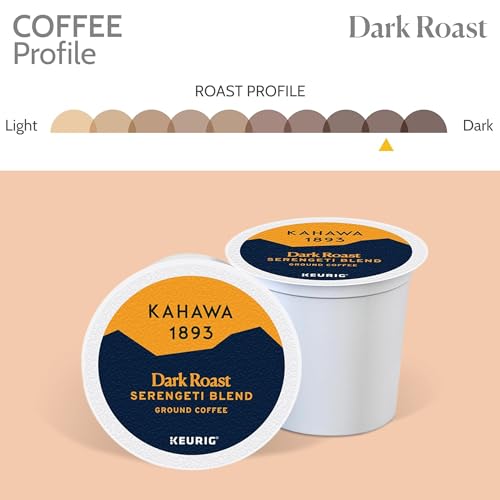
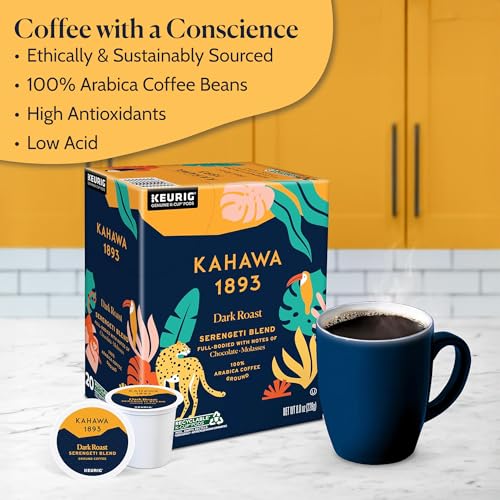
This is more than coffee, it’s a mission in a pod. Kahawa 1893 sources 100% organic Arabica beans from women farmers in East Africa, and the direct relationship shows in both quality and ethics. The Serengeti Blend is a dark roast with surprising smoothness: molasses and chocolate notes, no bitterness, and genuinely low acid. Owners note it’s easy on the stomach while still feeling bold, which is a rare combo.
What sets it apart is the farmer tip program. You scan a QR code and send money directly to the grower, and Kahawa matches it. That level of transparency and impact is unmatched. Compared to Puroast, it’s less about lab metrics and more about human impact. I’d pick this over any other dark roast K cup if ethical sourcing matters to you. The recyclable pods are a nice bonus.
Product photos
VitaCup Dark Roast Guatemala Pods
Strengths
- Single-origin
- USDA Organic
- Third-party tested
Trade-offs
- Limited quantity per pack
- No flavor variety
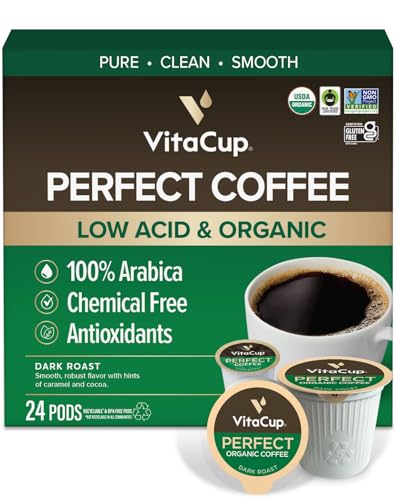
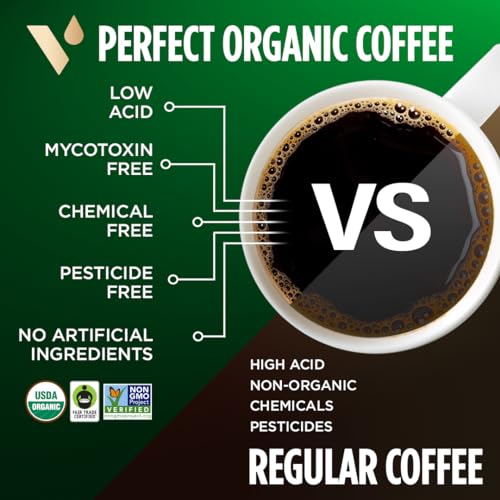
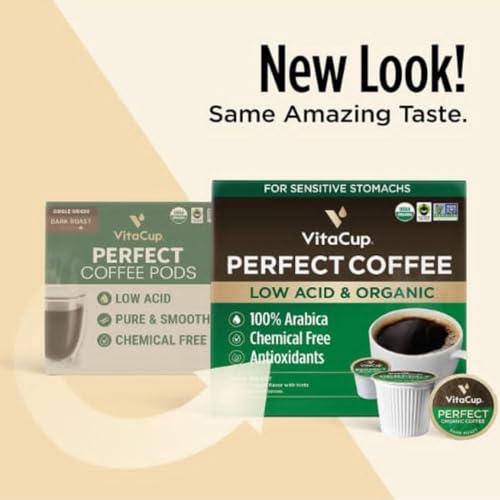
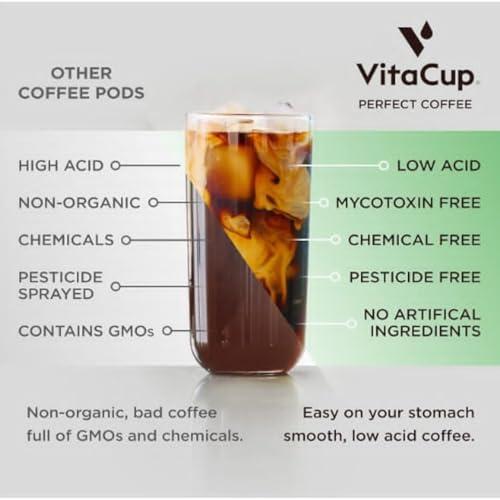
This single-origin dark roast from Guatemala stands out in a crowded field of low-acid K cups. On paper, it ticks major boxes: USDA Organic, Fair Trade, and third-party tested for mycotoxins, which matters for anyone serious about clean coffee. The high-altitude Arabica beans promise complexity, and owners consistently report a smooth, chocolatey depth without the sharpness that often comes with dark roasts. That’s rare in low-acid coffee, where flavor can sometimes fall flat.
The real differentiator here is purity. If you’re someone who prioritizes sourcing transparency and wants a no-nonsense, additive-free pod with authentic origin character, this delivers. Compared to blends that mask bitterness with flavorings, this one leans on quality beans and clean processing. I’d pick this over most flavored or generic dark roasts for its integrity and balanced profile.
Product photos
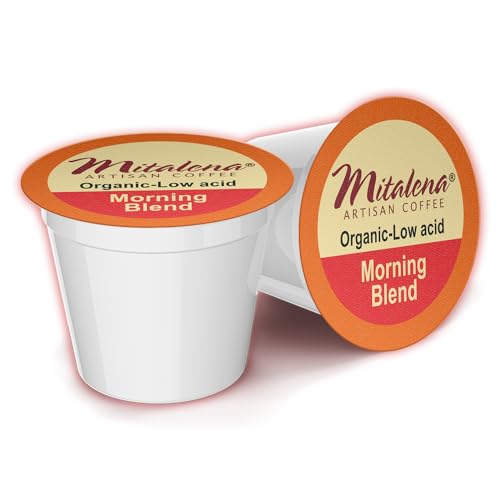
Mitalena Artisan Morning Blend Pods
Strengths
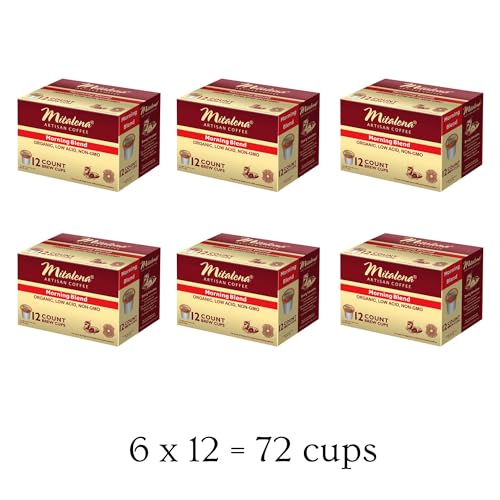
- Large 72-pack
- Organic & non-GMO
- Naturally low acid
Trade-offs
- No third-party testing
- Less brand transparency
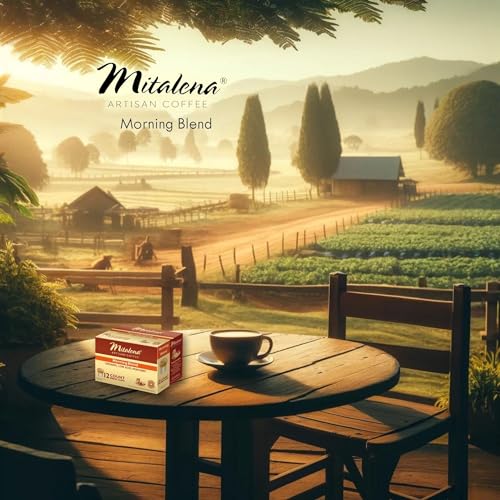
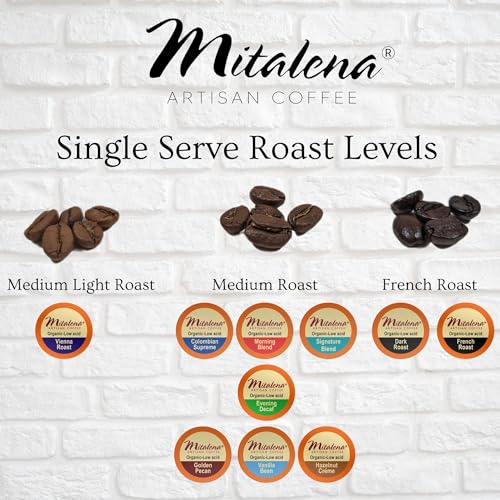
Mitalena doesn’t reinvent the wheel, but it does deliver solid value in the low-acid K cup space. This medium roast uses an old-world roasting method to naturally reduce acidity, which is smart, no chemical tweaks, just heat and time. The beans are organic, non-GMO, and grown at high altitude, which helps explain the smooth, aromatic profile owners report. At 72 pods per pack, it’s one of the most economical options here, especially for households or offices.
It won’t wow you with origin storytelling like Kahawa or purity testing like Lifeboost, but it holds its own on taste and digestibility. Compared to Cafe Don Pedro, it’s less about flavor variety and more about a consistent, clean cup. If you’re tired of paying premium prices for stomach-safe coffee but don’t want to sacrifice quality, this is the smarter buy.
Product photos
goodPOD Low Acid Blend Pods

Strengths
- Smooth taste
- Pesticide free
- Gentle on teeth
Trade-offs
- Limited transparency
- Small pack size
- No organic certification
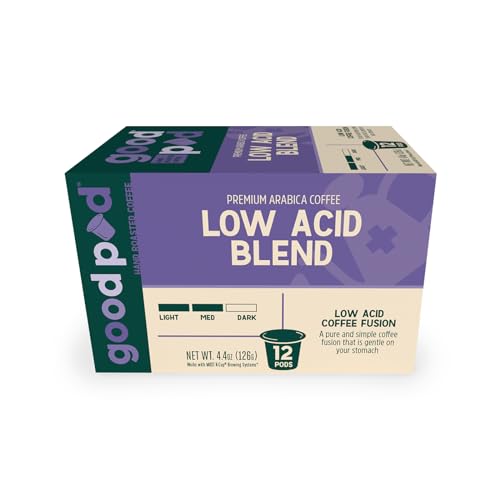
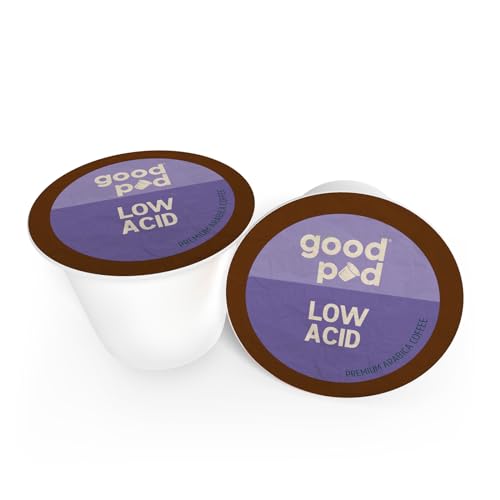
goodPOD keeps things simple: a clean, medium roast Arabica blend with a focus on being gentle on the stomach and teeth. It’s pesticide-free, hand-roasted, and marketed as a source of sustained energy, not jitters. The 12-count pack suggests it’s meant for trial or light use, and owners report a smooth, mellow cup without sharp edges. It doesn’t make the same lab-tested claims as Lifeboost or Puroast, but it delivers on the basics.
Where it falls short is in transparency. No mention of origin, organic certification, or third-party testing. Compared to Mitalena or VitaCup, it’s harder to justify a long-term switch without more data. But as an entry point into low-acid coffee, it’s a decent option. I’d recommend it for someone testing the waters before committing to pricier, more detailed brands.
Product photos
Cafe Don Pedro Variety Pack Pods
Strengths
- 6 flavor variety
- 72-pod value pack
- No leaking pods
Trade-offs
- Flavored pods not for purists
- No organic certification
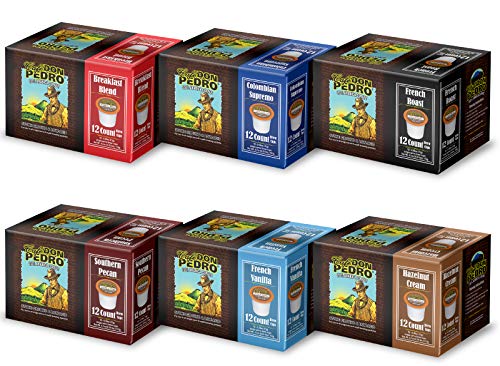
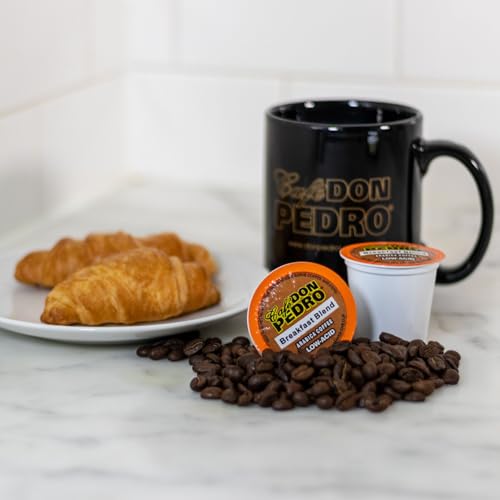
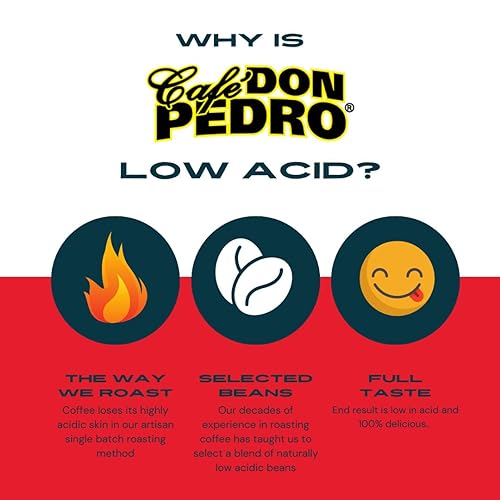
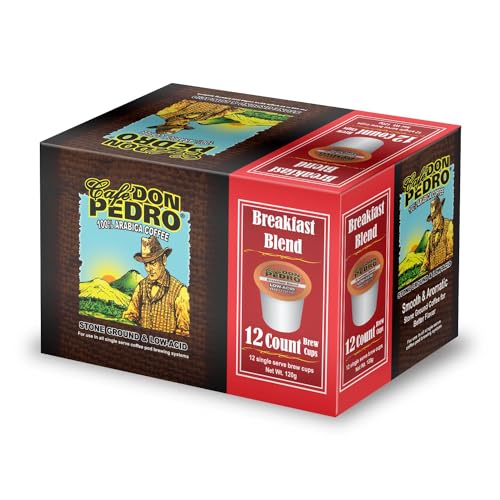
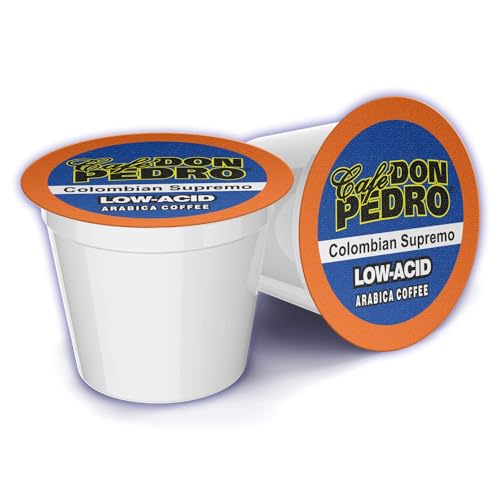
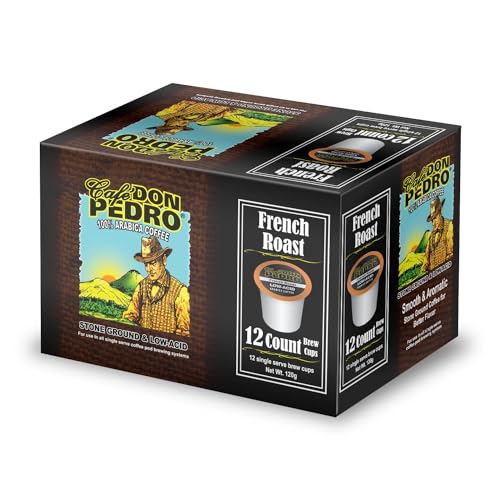
If you hate choosing just one flavor, this 72-pod variety pack is a no-brainer. It includes six distinct profiles: Breakfast Blend, French Roast, Colombian Supremo, French Vanilla, Hazelnut Cream, and Southern Pecan. That range is perfect for households with mixed preferences or anyone tired of drinking the same low-acid cup every day. The beans are naturally low in acid, and owners report no leaks, a common issue with cheaper pods, thanks to improved sealing.
It’s not as premium as Lifeboost or Kahawa in sourcing, and the flavored options mean it’s not for purists. But compared to single-roast packs, it wins on versatility. I’d recommend this for families or offices where taste preferences vary, and stomach sensitivity is a shared concern. Just know you’re trading some purity for convenience and flavor fun.
Product photos
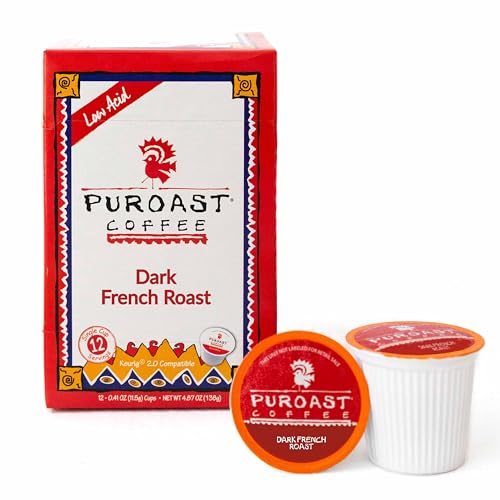
Puroast French Roast Low Acid Pods
Strengths
- 70% less acid
- High in antioxidants
- Bold French roast
Trade-offs
- Only 12 pods per pack
- Higher cost per cup
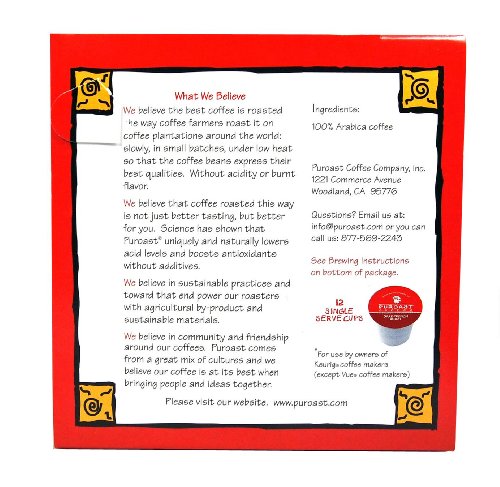
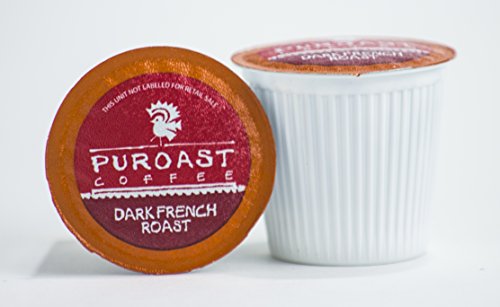
For dark roast lovers with sensitive stomachs, this Puroast option is a revelation. It delivers the deep, smoky character you expect from a French roast, think charred cocoa and roasted nuts, but without the acid punch that usually follows. The 70% less acid claim holds up in owner feedback, with many calling it their go-to for heartburn relief. And with 7x more antioxidants than green tea, it’s not just easy to drink, it’s positioned as part of a wellness routine.
It’s essentially the darker, bolder sibling to the House Blend. If you’ve tried the medium roast and wanted something more intense, this is the upgrade. Compared to Cafe Don Pedro’s French Roast, it’s less sweet and more coffee-forward, with no flavorings. I’d pick this as the best dark roast K cup for stomach sensitivity without sacrificing roast character.
Product photos

How We Chose These low acid coffee k cups
As the founder of Bean Thusiast, I’ve spent years exploring the nuances of coffee – from bean to brew. Rather than a hands-on lab test of each K-cup, this selection is based on a research-led comparison of published specifications, owner reviews, and expert opinions. I weighed features across multiple sources to determine which pods truly deliver on a low-acid promise, while still providing a satisfying coffee experience.
For low acid coffee, bean origin and roasting process are critical. I prioritized pods made from 100% Arabica beans, as they naturally have lower acidity than Robusta. Darker roasts can sometimes reduce acidity, but can also introduce bitterness. A key factor was also the sourcing and processing claims – looking for certifications like USDA Organic and Fair Trade to indicate quality and ethical practices.
Specifications give a baseline understanding of bean type and roast level, but owner feedback proved invaluable. I focused on comments regarding stomach sensitivity and digestive comfort. Reputation and expert reviews helped validate claims around antioxidant levels and sustainable sourcing. If you are looking for a caffeine-free option, be sure to explore low acid decaf coffee brands.
How To Choose The low acid coffee k cups
Finding a low acid coffee can make a world of difference, especially if you struggle with digestive issues or simply prefer a smoother cup. But “low acid” isn’t a single, regulated thing, so knowing what to look for is key.
A truly good low acid coffee starts with the bean itself. Arabica beans generally exhibit lower acidity than Robusta. Processing methods – specifically, fully washed coffees – also reduce acidity. Beyond that, roasting plays a huge role; lighter roasts retain more acidity, while darker roasts tend to be smoother, though can introduce bitterness if not done well. Look for certifications like USDA Organic to indicate quality control and sourcing practices.
Roast Level & Flavor Profile
Many people assume dark roasts are always lower in acid, and while it’s often true, it’s not that simple. Darker roasts can develop a burnt or bitter flavor if not expertly handled. I often recommend starting with a medium-dark roast if you’re sensitive to acidity, as it can provide a balance between smoothness and complexity. Don’t shy away from exploring single-origin options too; some regions naturally produce beans with lower acidity levels. If you’re looking for a variety, you might check out best low acid coffee pods to sample different roasts and origins.
Sourcing & Processing
Ethical sourcing and careful processing significantly impact coffee quality – and acidity. Fully washed coffees, where the cherry pulp is removed before drying, consistently demonstrate lower acidity compared to natural or honey-processed beans. Beyond that, look for brands that prioritize direct relationships with farmers, like Kahawa 1893, which supports women farmers in East Africa. This transparency can indicate a higher level of quality control throughout the entire process.
Here’s what to consider when evaluating sourcing:
- Fair Trade: A good starting point, but doesn’t guarantee low acidity.
- Organic Certification: Ensures the beans were grown without synthetic pesticides, which can sometimes contribute to stomach upset.
- Direct Trade: This often means the roaster works directly with farmers, fostering better quality control and sustainability practices, and is a good sign of a commitment to a quality product.
A coffee’s origin story matters. Look for beans grown at higher altitudes, as these generally develop a more complex flavor profile and, often, lower acidity.
Convenience vs. Quality
K-Cups offer incredible convenience, but it’s essential to remember that pre-packaged coffee can sometimes sacrifice freshness. The longer coffee sits, the more flavor it loses. If you’re particularly sensitive, I suggest opting for brands that emphasize freshness and use airtight packaging. If acid reflux is a major concern, exploring decaf coffee for acid reflux might also be a helpful step, as caffeine can exacerbate symptoms for some people. Ultimately, finding the right K-Cup is about balancing your desire for convenience with a pursuit of a genuinely enjoyable, stomach-friendly brew.
Low Acid Coffee K Cups Compared
Here’s a comparison of key specifications for various low acid coffee K-Cups to help you make an informed decision.
| Product Title | Roast Level | Organic | Single-Origin | Acid Level | Pod Count (Total) |
|---|---|---|---|---|---|
| Puroast House Blend Low Acid Pods | Medium | Yes | No | Low | N/A |
| Lifeboost Medium Roast Organic K Cups | Medium | Yes | Yes | Low | N/A |
| Kahawa 1893 Dark Roast Serengeti | Dark | Yes | Yes | Low | N/A |
| VitaCup Dark Roast Guatemala Pods | Dark | Yes | Yes | Low | N/A |
| Mitalena Artisan Morning Blend Pods | Medium | Yes | No | Low | N/A |
| goodPOD Low Acid Blend Pods | Medium | N/A | No | Low | N/A |
| Cafe Don Pedro Variety Pack Pods | Variety | N/A | No | Low | 72 |
| Puroast French Roast Low Acid Pods | French | Yes | No | Low | N/A |
Frequently Asked Questions
What acidity level should I look for in a K-Cup if I have acid reflux?
Generally, you’ll want to seek out K-Cups specifically marketed as “low acid,” but also look for 100% Arabica beans and fully washed processing, as these contribute to a smoother, less irritating brew. Many people also find that darker roasts are easier on their system.
Are dark roast K-Cups always the lowest in acid?
While darker roasts often have lower acidity, it’s not a guarantee. Poorly roasted dark beans can be bitter and still cause stomach upset, so prioritize brands with transparent sourcing and roasting practices, and read owner reviews.
Do organic certifications mean a K-Cup is low in acid?
No, organic certification doesn’t directly indicate low acidity. It means the beans were grown without synthetic pesticides, which is good for overall health, but it doesn’t guarantee a stomach-friendly pH level. Explore best low acid coffee overall for more targeted options.
What’s the difference between “fully washed” and other coffee processing methods?
Fully washed processing involves removing the fruit pulp before drying, resulting in a cleaner, brighter cup with lower acidity. Natural and honey processes leave some pulp on the bean during drying, which can contribute to higher acidity and more complex flavors.
Can single-origin K-Cups be a good choice for sensitive stomachs?
Yes, single-origin K-Cups can be excellent, but it depends on the origin. Some regions, like Sumatra and Brazil, are known for producing beans with naturally lower acidity. If you’re seeking smooth low acid coffee options, researching the origin is a beneficial step.
The Bottom Line
Choosing the best low acid coffee K-Cup often comes down to balancing convenience with your sensitivity levels. While many brands claim low acidity, Puroast House Blend Low Acid Pods consistently receives high marks for those with delicate stomachs, offering a reliable and accessible entry point. It’s a solid all-around performer that won’t break the bank.
For those seeking something a bit more specialized, several options stand out. If you value single-origin flavor and support ethical sourcing, Kahawa 1893 Dark Roast Serengeti is an excellent choice. And if you’re looking for versatility, the Cafe Don Pedro Variety Pack Pods lets you sample different roasts and profiles to discover your personal preference.
Ultimately, remember that “low acid” is relative, and individual tolerance varies. Prioritizing 100% Arabica beans, looking for fully washed processing, and paying attention to roast level will serve you better than chasing a specific number on a scale. Don’t be afraid to explore cold brew coffee acidity as another avenue for a smoother, gentler cup.
