
9 Best Low Acid Coffees in Grocery Stores 2026
This post contains affiliate links. As an Amazon Associate, we earn from qualifying purchases.
After comparing the field and reading through owner feedback, the best low acid coffee in grocery stores is Lifeboost Medium Roast Ground. For a budget-friendly option, the Low Acid Coffee Blend Ground at pH 5.3 is solid, and for pod users, Lifeboost Medium Roast K Cups deliver convenience without sacrificing gentleness.
If you’ve ever had to skip your morning coffee because of heartburn or stomach pain, you’re not alone. Many standard brews are too harsh for sensitive systems, and sorting through marketing claims can be confusing.
This guide cuts through the noise. I looked at acidity levels, roast profiles, sourcing, and real-world feedback to find low acid coffees that actually taste good and are easy to find in stores. These picks balance stomach-friendly brewing with flavor you won’t want to compromise on.
Top 9 Low Acid Coffee In Grocery Stores in the Market
The Best Low Acid Coffee In Grocery Stores, Reviewed
Lifeboost Medium Roast Ground Coffee

Strengths
- Third-party tested
- Organic & Non-GMO
- Smooth, clean taste
Trade-offs
- Higher price point
- Only 12 oz
When people ask for the ‘best overall’ low acid coffee, Lifeboost keeps coming up, and for good reason. It hits every checkbox: USDA Organic, single-origin from Central America, third-party tested for mycotoxins, pesticides, and heavy metals. The medium roast ground coffee delivers a clean, rounded cup with subtle sweetness and zero harshness, and owners frequently praise its purity and consistency.
It’s not the cheapest, but it’s priced fairly for the level of oversight and sourcing. Compared to Java Planet, it shares similar ethical standards but stands out with more rigorous toxin testing. For those rebuilding their coffee habit after acid-related issues, this is the kind of product that restores trust. I’d pick this as the default recommendation for most low acid seekers who want quality and peace of mind in one bag.
Video review
Puroast Organic House Blend Ground

Strengths
- Gut-friendly formula
- High antioxidant claim
- Sustainable roasting
Trade-offs
- Generic blend profile
- Not single-origin
Puroast leans hard into the science of low acidity, claiming 70% less acid and 7x more antioxidants than green tea, bold claims backed by a patented roasting process. The medium roast ground blend is clearly aimed at those ditching coffee due to heartburn or GERD, and reviewers with sensitive stomachs often call it a “lifesaver.” It’s not flashy in flavor, but delivers a balanced, full-bodied cup without the sharpness that triggers reflux.
It’s also one of the few in this list using renewable energy in roasting, which adds to its clean-tech appeal. Compared to VitaCup, it’s less about terroir and more about functional benefits. But if you’re after a no-fuss, gut-friendly coffee that works across all brewers, including Keurig with reusable pods, this is a strong contender, especially at its typical price point.
Video review
Low Acid Coffee Blend Ground

Strengths
- Large 16 oz bag
- pH tested low acid
- Smooth flavor
Trade-offs
- Not USDA Organic
- Ground only
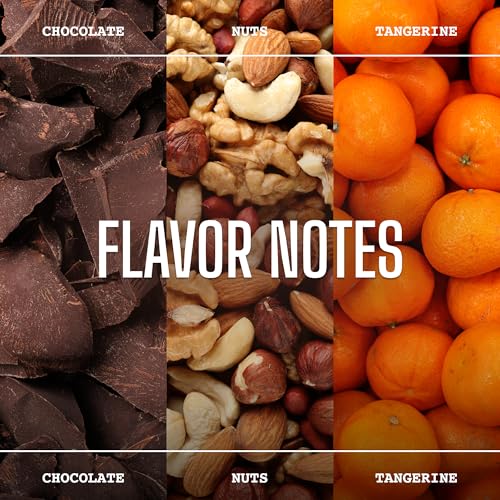
This 16-ounce ground blend offers something rare in this category: value-sized packaging without cutting corners on testing. With a pH of 5.3, it’s genuinely less acidic than most standard coffees, and the washed processing with notes of chocolate, nuts, and tangerine suggests careful farming. The larger bag makes it a smart pick for households or heavy drinkers who don’t want to repurchase weekly.
Owners note the smoothness and lack of bitterness, though some say the flavor is milder than Lifeboost or Java Planet. It’s not organic certified, which might turn off some buyers, but the lab analysis for mold and mycotoxins adds credibility. If you’re comparing it to the whole bean version (B077Z1G1C3), the ground format sacrifices some freshness but gains convenience, ideal for drip machine loyalists.
Product photos
Low Acid Coffee Whole Bean
Strengths
- Whole bean freshness
- Large 16 oz size
- Smooth, mellow flavor
Trade-offs
- Not USDA Organic
- No origin transparency
This 16-ounce whole bean option is built for freshness and flexibility. With the same pH 5.3 claim and flavor notes of chocolate, nuts, and tangerine as its ground sibling, it gives you full control over grind size, ideal for espresso, French press, or pour-over. The roasting process exceeds 400°F, which likely helps reduce acid and eliminate mold, and lab analysis upon arrival adds a layer of quality assurance.
It doesn’t carry organic certification, which puts it behind Lifeboost and Java Planet on ethics, but for those who prioritize grind freshness and value, it’s a solid workhorse. Compared to the ground version, this one simply offers better long-term flavor retention. If you grind at home and want a larger, no-nonsense low acid bean, this is the smarter buy.
Product photos


Lifeboost Medium Roast K Cups

Strengths
- Organic & tested
- Single-origin quality
- Keurig compatible
Trade-offs
- Expensive per ounce
- Small pod count
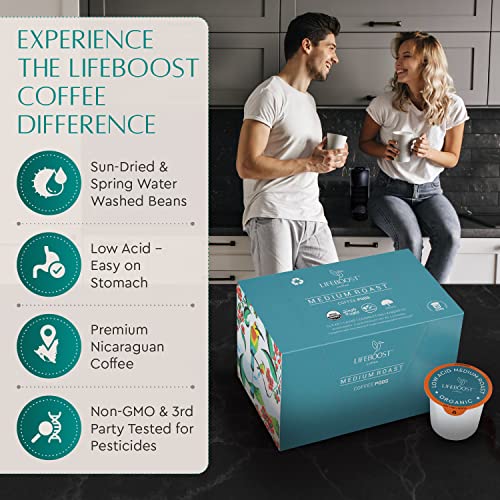
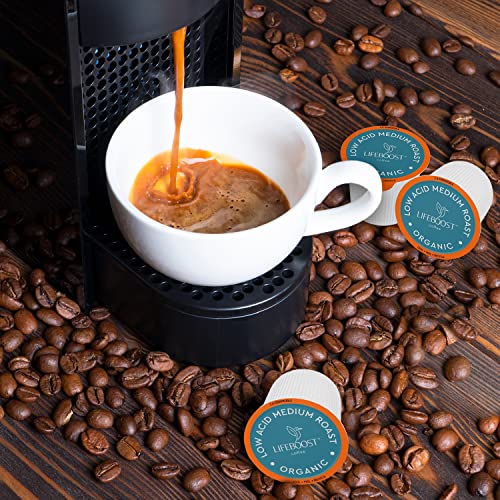
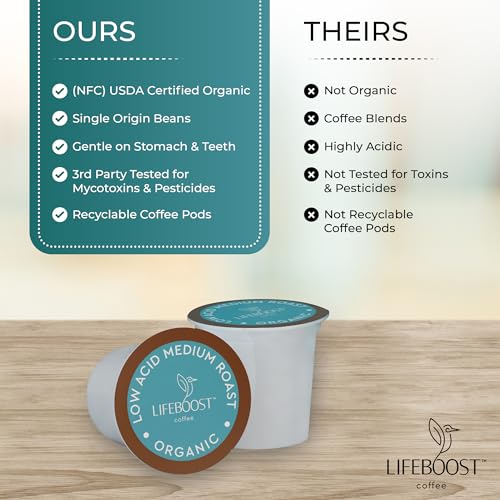
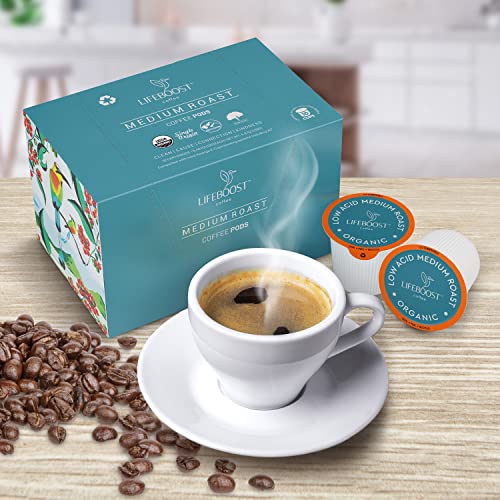
For Keurig lovers who refuse to compromise, these Lifeboost pods are the gold standard. They pack the same USDA Organic, single-origin, third-party tested coffee into a convenient K-Cup format, rare in this space. The medium roast is bright but gentle, with a clean finish that avoids the plastic-y aftertaste some pods deliver. Owners consistently say these taste like freshly ground coffee, not a compromise.
The 10-count box is small and pricey per ounce, but you’re paying for integrity: no mycotoxins, no pesticides, bird-friendly farms. Compared to goodPOD, it’s in a different league for quality and sourcing. If you drink multiple cups a day, the cost adds up, but for those who want convenience without sacrificing health or ethics, this is the only K-Cup that truly delivers.
Product photos
goodPOD Low Acid K Cup Pods

Strengths
- Affordable K-Cups
- Smooth medium roast
- Works with Keurig
Trade-offs
- Not organic
- No third-party testing
- Small count
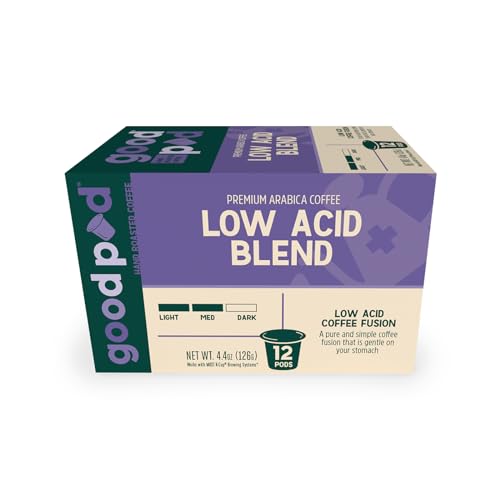
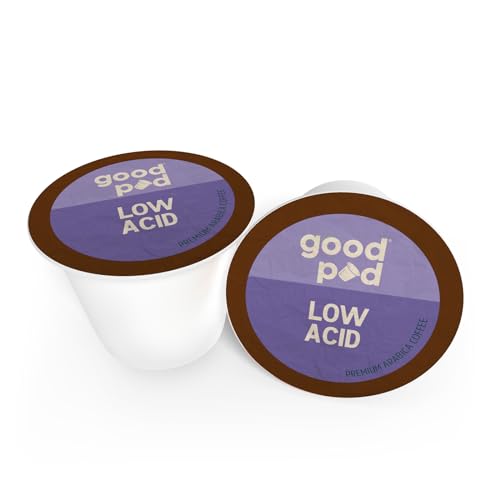
K-Cup convenience rarely meets low acid quality, but goodPOD delivers a surprisingly clean option for Keurig users on a budget. The 12-count box offers a low acid, medium roast Arabica blend with no pesticides and a smooth finish, owners say it avoids the papery taste common in cheaper pods. It’s not organic or third-party tested like Lifeboost, but it gets points for being a budget-friendly entry into low acid single-serve.
The flavor is straightforward: mild, balanced, and easy to drink. If you’re comparing it to Lifeboost K-Cups, it lacks the sourcing depth and testing, but at a lower price, it’s a practical choice for offices or occasional use. Not a daily driver for purists, but perfectly acceptable for those transitioning from standard pods.
Product photos
VitaCup Dark Roast Whole Bean

Strengths
- Smooth dark roast
- Single-origin clarity
- USDA Organic
Trade-offs
- No ground option
- Slightly smaller bag
This Guatemalan single-origin dark roast stands out in the low acid category for delivering real coffee depth without the usual bite. On paper, the USDA Organic and Fair Trade certifications signal strong sourcing ethics, and owners consistently report a smooth, chocolaty profile that doesn’t turn ashy or bitter in the cup, rare for dark roasts engineered to be gentle on the stomach. The whole bean format gives you control over grind, which matters if you’re using a French press or pour-over.
Where it really wins is in purity claims: third-party tested for mycotoxins and grown at high altitude, it aligns with what health-conscious drinkers want. Compared to Puroast, it lacks the lab-heavy antioxidant marketing, but delivers a more defined origin character. For those tired of flat, over-roasted “stomach-friendly” blends, this one feels like a return to actual coffee.
Product photos
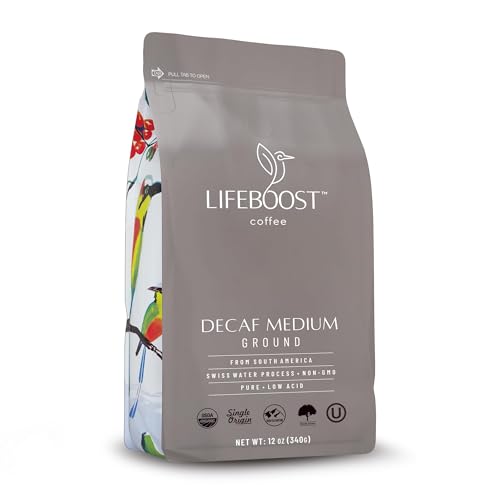
Lifeboost Swiss Water Decaf Ground
Strengths
- Swiss Water decaf
- Organic & tested
- Gentle on stomach
Trade-offs
- Expensive for decaf
- Small bag size
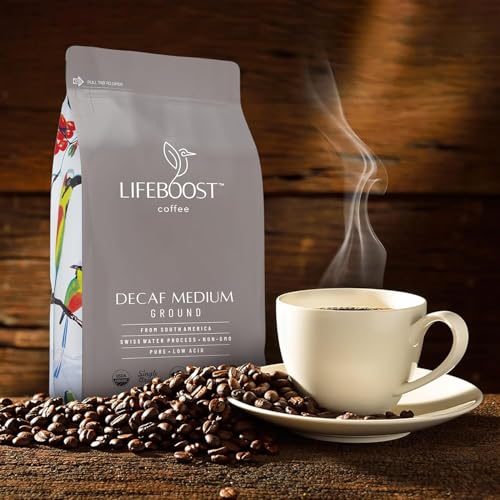
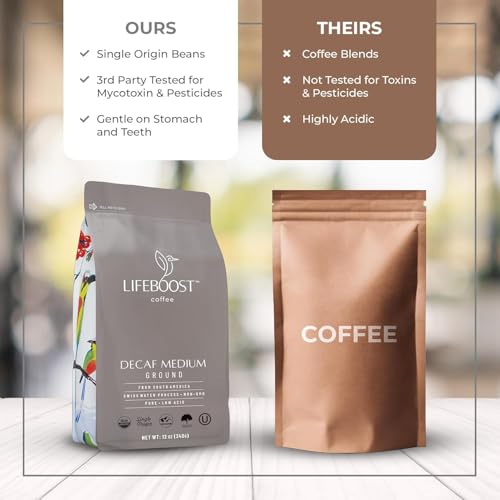
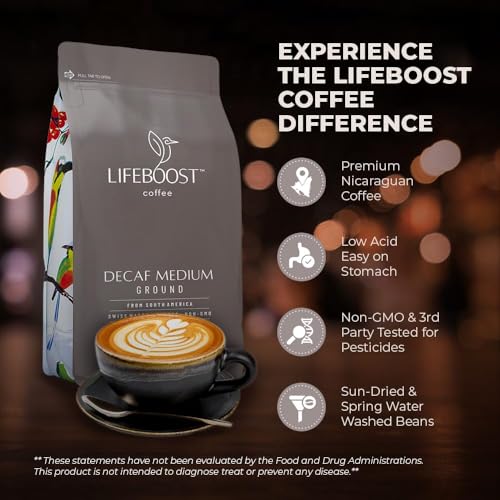
Decaf drinkers with acid sensitivity often get left behind, but this Lifeboost offering bridges both needs beautifully. Using the Swiss Water Process, it removes caffeine without chemicals while preserving flavor and minimizing acidity. The result is a medium roast that’s soft, slightly sweet, and free of the metallic aftertaste that plagues many decafs.
Like its caffeinated sibling, it’s third-party tested for toxins and USDA Organic, which is rare in decaf. Owners report it being easy on the stomach and great for evening cups. Compared to other low acid decafs, this one stands out for its integrity and taste. If you’re cutting caffeine but not quality, this is the clear winner.
Product photos

Java Planet Guatemalan Whole Bean
Strengths
- Bird Friendly certified
- Organic whole bean
- Flavor complexity
Trade-offs
- Not third-party tested for mycotoxins
- Limited availability
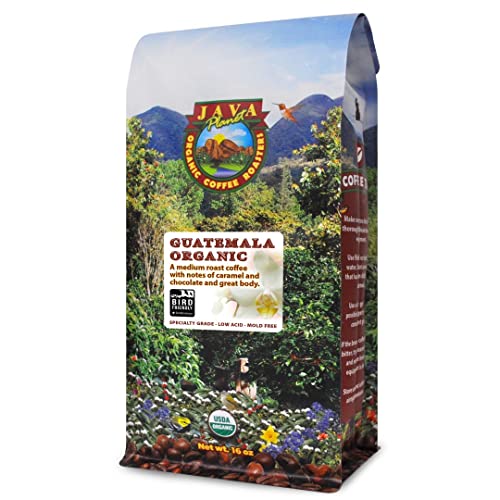
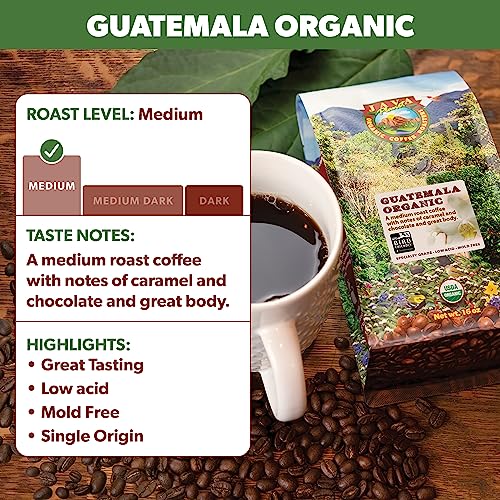
Java Planet’s Guatemalan medium roast earns its spot with serious credentials: USDA Organic and Smithsonian Bird Friendly certified, which goes beyond standard shade-grown claims. The beans come from Huehuetenango, known for bright, complex profiles, and the medium roast preserves subtle fruit, caramel, and chocolate notes. Being whole bean, it promises peak freshness if you grind just before brewing.
Owners appreciate the ethical sourcing and clean taste, though some say it’s not quite as smooth as Lifeboost for highly sensitive stomachs. Still, if bird-friendly farming and organic integrity are priorities, this is the one to choose. Compared to VitaCup, it’s less dark and intense but more nuanced. A strong pick for eco-conscious drinkers who still want flavor depth.
Product photos



How We Picked These low acid coffee in grocery stores
As a lifelong coffee enthusiast and founder of Bean Thusiast, I approached researching low acid coffees with a focus on delivering options that truly minimize digestive discomfort without sacrificing flavor. Rather than a hands-on lab test, this was a research-led comparison of published specifications and owner feedback across a wide range of grocery store offerings. I weighed features, certifications, and – crucially – what other coffee drinkers are saying about their experiences.
For this category, the most important factors were verifiable acidity levels (or claims thereof), and consistent reports of gentleness on the stomach. Flavor is always key, but a low acid coffee that tastes bad isn’t useful to anyone. We also prioritized third-party testing for mycotoxins and other contaminants, as ensuring purity is paramount when seeking a healthier brew.
Product specifications reliably indicate roast level and origin, giving clues about potential flavor profiles. However, claims about acidity are best verified by reading owner reviews. People experiencing acid reflux or sensitivity are quick to share their experiences, and those real-world accounts heavily influenced our rankings. If you’re looking for a decaf alternative, you might also be interested in our guide to smooth low acid decaf options.
What To Look For In low acid coffee in grocery stores
Finding a coffee that’s easy on the stomach doesn’t mean sacrificing flavor; thankfully, there are plenty of options available.
A truly good low acid coffee starts with bean sourcing – shade-grown, high-altitude Arabica beans are often naturally lower in acidity. Processing methods like “washed” can further reduce acid levels. Look for third-party testing to verify purity and the absence of mycotoxins, and consider roast level; darker roasts can sometimes be less acidic, but can also introduce bitter compounds.
Understanding Acidity & pH Levels
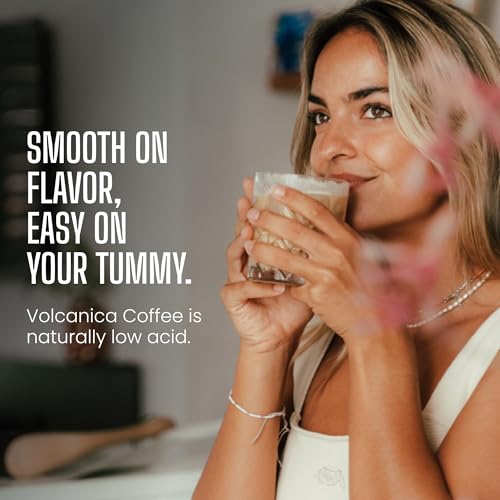
Many of us seek out low acid coffee because of sensitivities, but you should understand what “low acid” really means. It’s not about eliminating acidity entirely – coffee will always have some – but about reducing it to a level your system can tolerate. Look beyond marketing claims and pay attention to reported pH levels. Many brands state a pH of around 5.3, which is lower (more alkaline) than many standard coffees that can be as acidic as 4.7. Don’t assume all dark roasts are automatically lower in acid; the origin of the bean and the processing method play a much larger role.
Roast Level & Flavor Profile
While bean origin and processing are paramount, the roast level dramatically influences the final cup. Lighter roasts tend to retain more of the bean’s original acidity, offering brighter, fruitier flavors. Medium roasts strike a balance, often showcasing chocolate and nut notes. Darker roasts, while sometimes perceived as less acidic, can introduce bitterness if not handled skillfully. If you’re new to low acid coffee, I suggest starting with a medium roast to find a profile you enjoy. Many brands, like Lifeboost, offer options across the roast spectrum, allowing you to explore.
Here’s what to consider when deciding on a roast: * Light Roast: More acidic, brighter flavors. * Medium Roast: Balanced acidity and flavor, often chocolatey or nutty. * Dark Roast: Potentially lower acidity if well-roasted, but can be bitter; best for those who prefer a bold, intense cup and aren’t overly sensitive.
A low acid coffee shouldn’t taste “flat” or bland. Skilled roasting can bring out complex flavors even in beans selected for their lower acidity.
Convenience vs. Freshness
The way you buy your coffee – whole bean, ground, or in single-serve pods – impacts freshness and convenience. Whole bean coffee offers the best flavor because you grind it right before brewing, maximizing aroma and taste. However, it requires a grinder. Pre-ground coffee is convenient, but it loses freshness quickly. K-Cups, like those offered by Lifeboost and goodPOD, provide ultimate convenience but often compromise on flavor and can create more waste. If you’re looking for gentle coffee for sensitive stomach, consider whether the convenience of a pod outweighs the potential flavor benefits of freshly ground beans. If you struggle with acid reflux, you might also want to review tips for drinking coffee safely.
Low Acid Coffee Compared
Here’s a comparison of specifications for various low acid coffee options available in grocery stores.
| Product Name | Roast Level | Format | Acid Level | Organic | Decaf |
|---|---|---|---|---|---|
| Lifeboost Medium Roast Ground | Medium | Ground | Low | Yes | No |
| Puroast Organic House Blend | Medium | Ground | 70% Less | Yes | No |
| Low Acid Coffee Blend Ground | N/A | Ground | pH 5.3 | N/A | No |
| Low Acid Coffee Whole Bean | N/A | Whole Bean | pH 5.3 | N/A | No |
| Lifeboost Medium Roast K Cups | Medium | K-Cups | Low | Yes | No |
| goodPOD Low Acid K Cup Pods | Medium | K-Cups | Low | N/A | No |
| VitaCup Dark Roast Whole Bean | Dark | Whole Bean | Low | Yes | No |
| Lifeboost Swiss Water Decaf | Medium | Ground | Low | Yes | Yes |
| Java Planet Guatemalan | Medium | Whole Bean | Low | Yes | No |
Frequently Asked Questions
What acidity level should I look for in low acid coffee?
A pH of 5.3 or higher is a good starting point, as this indicates a lower acidity compared to standard coffees which often fall around 4.7. However, remember that individual tolerance varies, so experimenting is key to finding what works best for you.
Do dark roasts always mean lower acidity?
Not necessarily. While darker roasts can sometimes be less acidic, the origin of the bean and how it was processed have a greater impact on final acidity levels. A skillfully roasted medium roast may be gentler than a poorly roasted dark roast.
Can I find truly flavorful low acid coffee?
Absolutely. Skilled roasters can develop complex flavors even in beans selected for their lower acidity. Don’t expect low acid coffee to be bland; look for brands that emphasize flavor alongside gentleness.
What’s the benefit of choosing whole bean low acid coffee?
Whole bean coffee retains more flavor and aroma because you grind it immediately before brewing. This freshness is particularly important with low acid coffees, as it helps highlight the nuanced flavors rather than masking them. For those seeking stomach-friendly whole bean coffee, this is the best option.
Are low acid K-Cups as good as ground or whole bean?
K-Cups offer convenience, but often at the expense of flavor and freshness. While brands like Lifeboost and goodPOD offer low acid options in K-Cup format, the coffee won’t be as vibrant as freshly ground beans.
The Bottom Line
Choosing a low acid coffee often comes down to balancing convenience with the pursuit of the best possible flavor. While the promise of a gentler cup is appealing, remember that roast level and bean origin are as important as acidity claims. For the most consistently positive experiences – and a brand that excels across the board – I recommend Lifeboost Medium Roast Ground. It consistently receives high marks for both low acidity and enjoyable flavor profiles.
If you’re specifically seeking a budget-friendly option, the Low Acid Coffee Blend Ground provides a readily available starting point. Those who prioritize convenience will find goodPOD Low Acid K Cup Pods a simple solution, though be aware that single-serve options generally sacrifice some flavor nuance. And for those interested in exploring cold brew for low acidity, that brewing method can also yield a smoother, less acidic result.
Ultimately, the “best” coffee is the one you enjoy and that doesn’t upset your stomach. Don’t get too caught up in specific pH numbers or marketing buzzwords. Focus on sourcing high-quality Arabica beans, understanding roast levels, and finding a brand that prioritizes purity and freshness – those fundamentals will deliver a better cup than any single specification ever could.
