
5 Best Light Roast Whole Bean Coffees of 2026
After comparing the field and weighing origin, roast precision, and owner feedback, our top pick is Blue Bottle Bright for its vibrant, balanced profile. For a budget-friendly option, Amazon Fresh Just Bright delivers clean, consistent flavor, while Mayorga Buenos Dias stands out for organic quality and bright, fruity notes.
Finding a light roast that’s lively without being sour is harder than it should be. Too many brands label coffee “light” without the skill to pull off the bright, nuanced flavors this roast level can offer.
As the founder of Bean Thusiast, I researched these picks based on freshness indicators, sourcing transparency, and consistent owner feedback. This guide cuts through the noise, highlighting coffees that deliver clarity, complexity, and true-to-origin character, because a great light roast should taste intentional, not underdeveloped.
Top 5 Light Roast Whole Bean Coffee in the Market
The Best Light Roast Whole Bean Coffee, Reviewed
Mayorga Buenos Dias Organic Coffee

Strengths
- Citrusy and sweet
- Slow roasted
- USDA Organic
- Low acidity
- Ethically sourced
Trade-offs
- Flavor may be too bright for some
- Larger 2lb bag risks staleness
- Not for chocolate-forward preferences
Mayorga’s Buenos Dias stands out in the light roast space not just for its flavor, but for its philosophy. The citrusy, sweet profile with notes of passion fruit and orange is consistently praised by owners, and the Latin slow-roasting method genuinely sets it apart. On paper, it’s a specialty-grade, USDA Organic, Non-GMO, and Kosher-certified coffee, sourced through direct partnerships with small farmers in Honduras and Colombia.
What I appreciate most is how the slow roast tempers acidity while preserving brightness, a rare balance in light roasts. Many reviewers note it’s smooth enough for sensitive stomachs, which is a win. Against Intelligentsia’s El Gallo, it’s fruitier and more aromatic; versus Blue Bottle’s Bright, it’s slightly less sharp and more rounded. For those who want ethics and taste in one bag, this is the smarter buy.
Video review
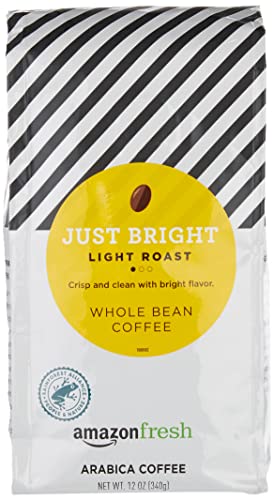
Amazon Fresh Just Bright Coffee
Strengths
- Crisp flavor
- Budget friendly
- Roasted in USA
- 100% Arabica
- Convenient sourcing
Trade-offs
- Basic flavor profile
- Limited origin character
- Not for dark roast converts
For a budget-friendly light roast, Amazon Fresh’s Just Bright holds its own on paper and in owner feedback. It’s a no-frills, 100% Arabica blend sourced from Central and South America, roasted in the U.S., and priced to move. The flavor profile is described as crisp and clean, which fits the light roast category well, though it doesn’t push into specialty-tier complexity.
That said, it lacks the depth and nuance of pricier small-batch roasts. Reviewers generally find it smooth and drinkable, especially for drip or pour-over first thing in the morning. I’d pick this as a reliable weekday workhorse, not a weekend sipping coffee. Compared to Mayorga or Intelligentsia, it’s less layered, but for those just starting their light roast journey, it’s a smart, low-risk entry point.
Video review
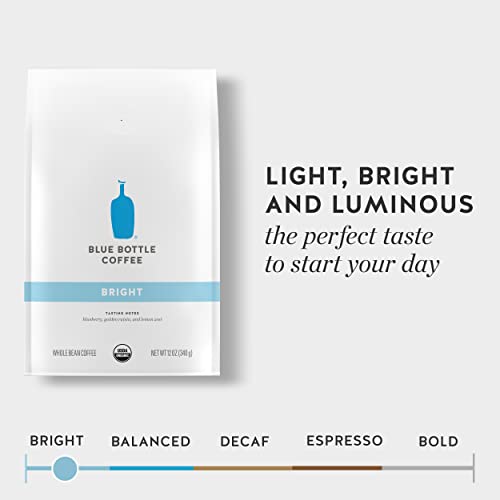
Blue Bottle Bright Organic Coffee

Strengths
- Blueberry notes
- Lemon zest brightness
- Organic certified
- Small batch roasted
- Great with milk
Trade-offs
- High acidity not for all
- Fruity profile polarizing
- Less balanced than others
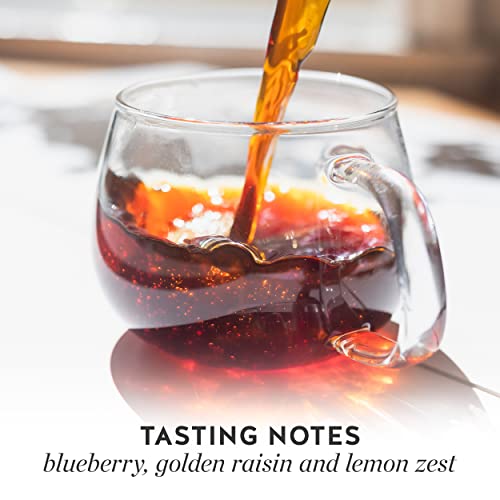
Blue Bottle’s Bright is exactly what the name suggests, a luminous, high-energy light roast with clear blueberry, lemon zest, and golden raisin notes. It’s made from naturally processed, organic beans from East Africa, which explains the punchy fruitiness. Owners who love vibrant, tea-like coffees tend to rave about it, while those seeking mellower tones often find it too sharp.
The 12-ounce bag ensures freshness, and the small-batch roasting aligns with Blue Bottle’s specialty cred. Compared to Mayorga’s Buenos Dias, it’s brighter and more acidic; against Intelligentsia’s El Gallo, it’s less sweet and more linear. I’d pick this for mid-morning sipping when you need a wake-up call, not a cozy hug. It’s at its best in pour-over or Chemex.
Product photos


Cameron’s Breakfast Blend Coffee

Strengths
- Large 32oz bag
- Smooth finish
- Never bitter
- Sustainably sourced
- Consistent brew
Trade-offs
- Lacks origin character
- Not a true light roast purist pick
- May stale if not used quickly
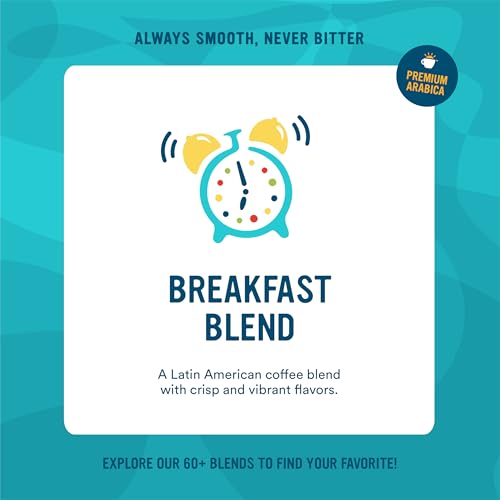
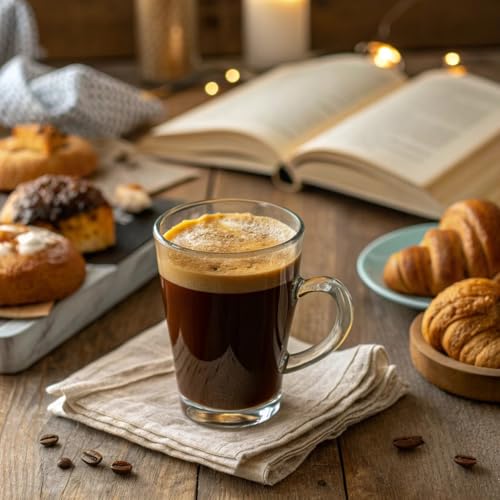
Cameron’s Breakfast Blend is built for consistency and volume. The 32-ounce bag makes it a practical choice for households or offices, and the ‘never bitter’ promise holds up in owner feedback. It’s a light to medium roast, technically, but drinks smoother and richer than many labeled ‘light’. The slow roast process and selection of top 10% Arabica beans help deliver that full-flavor, low-bitterness experience they advertise.
It won’t dazzle with origin-specific florals like a Blue Bottle or Mayorga, but it’s not trying to. This is the kind of coffee you brew automatically every morning without thinking. Compared to Amazon Fresh, it’s more robust; against Intelligentsia, it’s less nuanced. But for those who want one-and-done simplicity with decent quality, it’s hard to beat.
Product photos


Intelligentsia El Gallo Organic Coffee

Strengths
- Honey sweetness
- Direct trade
- Balanced acidity
- Smooth mouthfeel
- Great for drip
Trade-offs
- Smaller bag size
- Milder brightness than some expect
- Pricier than mainstream options
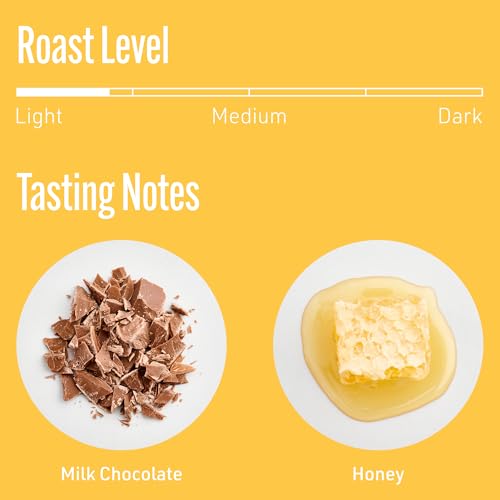
Intelligentsia’s El Gallo Organic is where direct trade meets drinkability. The blend leans into honey and milk chocolate sweetness, which is unusual, and welcome, in a light roast. Most light roasts go all-in on acidity, but this one balances it with a round mouthfeel and soft candied notes that owners consistently call ‘morning friendly’.
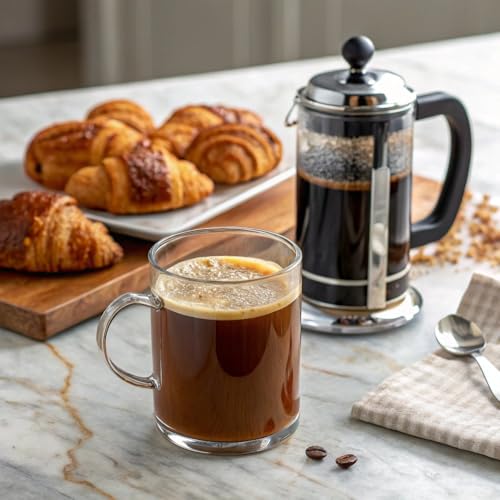
The 11-ounce bag size suggests freshness focus, and the seasonal rotation of beans keeps the profile dynamic. Compared to Cameron’s Breakfast Blend, it’s more refined; against Amazon Fresh, it’s clearly in a higher tier. I’d recommend it for pour-over or drip drinkers who want complexity without sharp edges. The direct trade model also means you’re supporting farmer partnerships, which adds value beyond the cup.
Product photos


How We Chose These light roast whole bean coffee
As the founder of Bean Thusiast, I approached researching light roast whole bean coffees by first compiling detailed specifications – origin, processing method, roast level details, and certifications – for a wide range of options. I then weighed these against owner reviews from multiple sources, and expert opinions published by coffee review sites. Rather than a hands-on lab test, this is a research-led comparison of specs and owner feedback, applied with my years of experience exploring coffee origins and roasting techniques.
For light roast coffees, freshness and bean quality are paramount. I prioritized coffees with clear sourcing information and those emphasizing recent roast dates. Equally important was the balance of acidity and sweetness; a good light roast shouldn’t be sour, but vibrant and flavorful. You’ll find that these factors heavily influenced our selections, steering us toward coffees known for their bright, nuanced profiles, and away from those frequently described as harsh or underdeveloped.
Specifications reliably reveal details about origin and processing, which speak to potential flavor profiles. However, judging the experience of a light roast – its smoothness, complexity, and overall enjoyment – required careful consideration of owner feedback. I looked for recurring themes in reviews, noting comments about flavor clarity, pleasant aromas, and whether the coffee delivered on its advertised characteristics. You can explore even more options in our guide to the top light roast picks.
How To Choose The light roast whole bean coffee
As someone who’s spent years exploring the world of coffee, I know finding the right light roast can be a bit of a journey. It’s more than just picking a bag off the shelf; it’s about understanding what makes a truly exceptional cup.
A quality light roast whole bean coffee prioritizes bean origin (typically Central/South America or East Africa), careful roasting to highlight acidity and delicate flavors, and freshness. Look for roast dates, not just “best by” dates. Arabica beans are standard, but specialty-grade beans and certifications like organic or direct trade indicate a commitment to quality and ethical sourcing.
Understanding Roast Level & Flavor
Many people are drawn to light roasts for their brighter, more nuanced flavors, but they can be surprisingly tricky. It’s easy to end up with something sour or underdeveloped if the roaster isn’t skilled. Don’t assume “light roast” automatically means “high quality.” Pay attention to descriptions that mention specific flavor notes – things like citrus, berries, or florals – and look for roasters who detail their sourcing practices. A good light roast will have a noticeable acidity, but it should be pleasant and balanced, not harsh.
Sourcing & Certifications Matter
I’ve always believed that knowing where your coffee comes from is crucial, and this is even more important with light roasts. The origin and processing method heavily influence the final flavor. Look for coffees that specify the region and even the farm. Certifications, like those for best organic light roast coffee, are helpful indicators, but don’t rely on them solely. Direct Trade relationships, like those Intelligentsia emphasizes, are fantastic because they ensure farmers receive a fair price and invest in quality.
Here’s what to consider when evaluating sourcing: * Single Origin vs. Blend: Single origins showcase unique regional characteristics. * Farm/Cooperative Information: Transparency about the farm builds trust. * Certification Details: Understand what certifications (Organic, Fair Trade, Rainforest Alliance) actually guarantee; some are more rigorous than others.
Freshness and Your Grinder
Even the best beans will fall flat if they’re stale, and light roasts are particularly sensitive to this. Always check for a roast date on the bag – you want beans that have been roasted within the last few weeks. Beyond that, you need a good burr grinder. Pre-ground coffee loses its flavor incredibly quickly.
A quick rule of thumb: Buy whole bean coffee in amounts you’ll use within 2-3 weeks, and store it in an airtight, opaque container at room temperature.
I often recommend exploring different grinding settings to find what suits your brewing method. If you’re looking for more premium light roast coffee options, a quality grinder is your first investment.
Light Roast Whole Bean Coffee Compared
Here’s a comparison of key specifications for these light roast whole bean coffees.
| Product Name | Origin | Bag Size (oz) | Organic | Roast Level | Flavor Notes |
|---|---|---|---|---|---|
| Mayorga Buenos Dias | Honduras/Colombia | N/A | Yes | Light | Passion fruit, orange |
| Amazon Fresh Just Bright | Central/S. America | 12 | N/A | Light | Crisp, clean |
| Blue Bottle Bright | East Africa | 12 | Yes | Light | Blueberry, lemon zest |
| Cameron’s Breakfast Blend | Central/S. America | 32 | N/A | Light | Rich, flavorful |
| Intelligentsia El Gallo | N/A | 11 | Yes | Light | Milk chocolate, honey |
Frequently Asked Questions
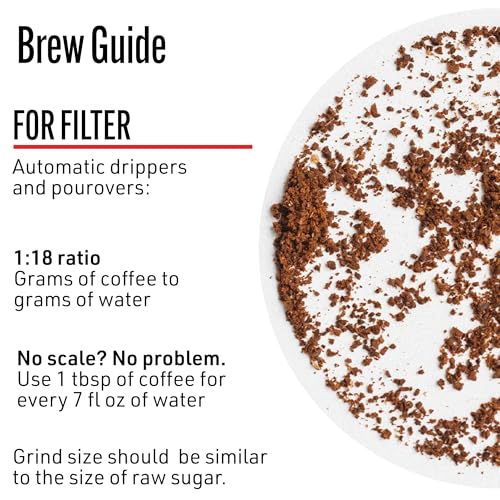
What grind size should I use for a pour-over with these light roast beans?
A medium-fine grind is generally best for pour-over, but light roasts benefit from being slightly coarser than you’d use for a darker roast. This helps avoid over-extraction and a bitter taste, and allows for a cleaner, brighter cup.
Are lighter roasts actually more caffeinated than darker roasts?
Yes, by volume, light roasts contain slightly more caffeine. This is because the roasting process reduces caffeine content; lighter roasts are roasted for a shorter time. However, the difference isn’t huge, and brewing method impacts caffeine levels more significantly.
I’ve heard light roasts can be sour. How can I avoid that?
Sourness is often a sign of under-extraction. Ensure your water temperature is between 195-205°F and experiment with a finer grind size. Also, look for coffees described as having balanced acidity, like those from Central America, rather than exclusively focusing on East African options.
How long will these whole beans stay fresh after opening the bag?
Generally, whole bean coffee is best used within two to three weeks of opening, if stored properly. Oxygen is the enemy; an airtight, opaque container is essential to maintaining freshness and flavor. You can find more information on our light roast coffee guide.
Do organic certifications guarantee a better tasting coffee?
Not automatically. Organic certification ensures the beans were grown without synthetic pesticides and fertilizers, but flavor is impacted more by origin, processing, and roasting skill. However, many excellent light roast options, like Intelligentsia El Gallo, are both organic and consistently receive high ratings from expert-reviewed light roasts.
The Bottom Line
Choosing a light roast whole bean coffee often comes down to balancing control over your brewing experience with the convenience of a consistently good cup. While many options exist, the Intelligentsia El Gallo stands out for its careful sourcing, detailed roast information, and consistently positive owner feedback – it represents a commitment to quality without being overly precious.
For those seeking a budget-friendly option, the Amazon Fresh Just Bright delivers a surprisingly clean and crisp cup, making it a great everyday choice. If versatility is key, and you enjoy exploring different flavor profiles, the Blue Bottle Bright offers a bright, floral experience characteristic of East African beans. You can find more options in our expert-recommended light roast guide.
Ultimately, the “best” coffee is the one you enjoy most. Don’t get too caught up in chasing specific certifications or the latest trends. Focus instead on finding a roaster who prioritizes freshness, transparency, and a nuanced approach to bringing out the best in each bean – those fundamentals will always yield a more satisfying cup.
