
2 Best Italian Espresso Coffee Makers of 2026
The best Italian espresso coffee delivers bold, rich flavor with a velvety crema, and after researching the field, Illy Intenso stands out as the top pick for its consistent intensity and smooth finish. For those seeking a more traditional Neapolitan kick, Kimbo 100% Arabica is a strong budget-friendly choice that doesn’t compromise on authenticity.
Finding real Italian espresso flavor at home isn’t just about the machine, it starts with the right beans. Many buyers get caught up in branding or misleading labels, only to end up with coffee that lacks the depth and body true espresso demands.
This guide cuts through the noise. I compared roast profiles, bean composition, and owner feedback to find options that deliver the concentrated, aromatic experience Italian espresso is known for. You’ll learn what actually matters, like roast level, origin, and freshness, and why some blends outperform pricier single-origin picks.
Top 2 Italian Espresso Coffee in the Market
The Best Italian Espresso Coffee, Reviewed
Illy Intenso Ground Espresso Coffee
Strengths
- Smooth finish
- Rich cocoa notes
- Consistent grind
- 100% Arabica
- Sustainable sourcing
Trade-offs
- Not for those who prefer fruity brightness
- Grind optimized for espresso only
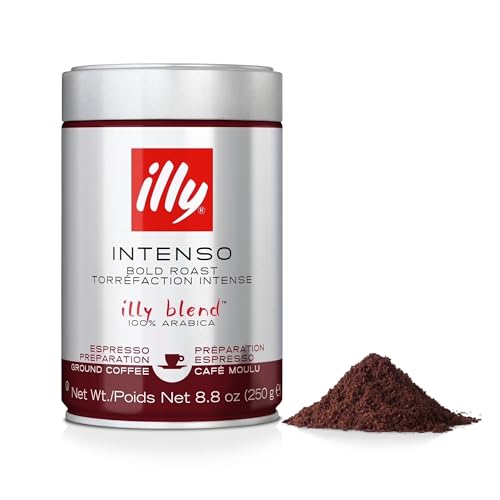
When chasing that authentic Italian espresso experience, illy Intenso stands out for its consistency and refinement. The blend leans into a bold, full-bodied profile with clear notes of deep cocoa and dried fruit, which aligns with what many espresso purists look for in a morning shot. On paper and in owner feedback, it delivers a smooth, balanced intensity without tipping into harsh bitterness, which is no small feat for a dark roast 100% Arabica.
What sets illy apart is the brand’s obsessive sourcing, they use only the top 1% of Arabica beans, which likely explains the clean finish and lack of off-notes reported by regular users. The 8.8-ounce pressurized can helps maintain freshness, though it’s worth noting this isn’t a whole bean option, so you’re relying on their grind precision. Compared to more aggressive Italian roasts, illy Intenso is more polished than wild, more barista-caliber than backyard brew.
Video review
Kimbo 100% Arabica Ground Coffee
Strengths
- Full heavy body
- Low acidity
- Ideal for moka pot
- Traditional roast profile
- Authentic Neapolitan style
Trade-offs
- Grind may be too coarse for some espresso machines
- Limited brightness for balanced palates
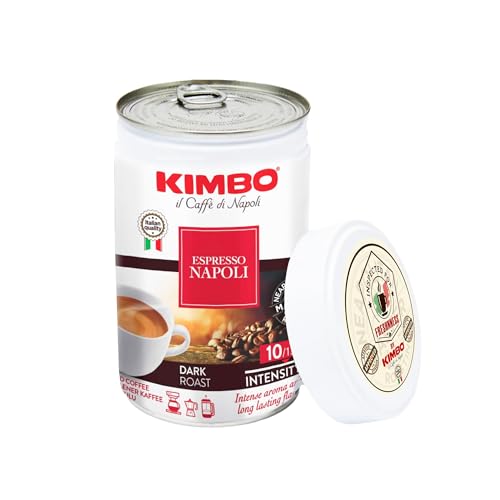
If you’re after a more traditional Neapolitan-style espresso with body and soul, Kimbo’s Napoli roast brings the weight and warmth that defines southern Italian coffee culture. Owners consistently describe it as heavy-bodied and low in acidity, with an intensity that hits hard but stays smooth, exactly what you’d expect from a roast born in Naples. The 10/13 intensity rating (or 6/6 on their scale) signals serious boldness, and by all accounts, it delivers without charring the palate.
This coffee shines in a moka pot, where its dense crema and robust character come through strongest. It’s also versatile enough for French press or filter, though it really sings when brewed strong. Compared to illy’s more refined Intenso, Kimbo feels earthier, more rustic, less concerned with polish and more focused on presence. The vintage white tin is iconic, but the real story is in the blend: 100% Arabica, roasted in Italy, with a loyalty to tradition that many modern brands have left behind.
Video review
How We Chose These italian espresso coffee
As the founder of Bean Thusiast, I approached researching Italian espresso coffee by comparing published specifications – roast levels, bean origins, and grind size – across numerous brands. I then weighed those details against a large volume of owner reviews and expert opinions from coffee publications. Rather than a hands-on lab test, this is a research-led comparison focused on identifying consistent quality and authentic Italian profiles.
For this category, I heavily prioritized roast level and reported flavor notes. A true Italian espresso needs that characteristic dark roast to deliver intensity, and consistent mentions of cocoa, nuts, and a bold body were key indicators. Intensity and body are critical, as is origin; 100% Arabica beans are often favored for their complexity, though blends have their place too.
Specifications reliably show bean composition and roast level, but judging the experience required a deep look at owner feedback. I paid close attention to comments about crema quality, how well the coffee performed in different brewing methods (like moka pots), and whether the flavor profile matched the brand’s description. You’ll find details on dark roast espresso grind throughout our site to help you understand these nuances.
What To Look For In italian espresso coffee
Finding truly exceptional Italian espresso coffee can be a journey, but one well worth taking. I’ve spent years exploring the nuances of Italian roasts, and I want to share what I’ve learned to help you navigate the options.
A quality Italian espresso coffee delivers a concentrated, aromatic experience. Look for 100% Arabica or expertly blended options with a dark roast profile, exhibiting low acidity and a rich, lingering crema. Consistent grind size (if buying whole bean) and freshness are also critical elements to consider.
Roast Level & Flavor Profile
The roast level is arguably the most important factor when choosing Italian espresso. Unlike lighter roasts common in other brewing methods, Italian espresso typically leans dark. A darker roast develops the bold, intense flavors – chocolate, caramel, and sometimes even a hint of spice – that define the experience. However, “dark” isn’t a single point. Intensity ratings (like Kimbo’s 6/6) are helpful, but rely on descriptions too. Look for terms like “full-bodied” and “robust” to indicate a satisfying depth of flavor. Don’t be afraid to explore blends; some of the finest examples combine different Arabica varieties to create complexity.
Bean Origin & Blend Expertise
Italy itself doesn’t grow much coffee, so Italian roasters are masters of sourcing and blending. While you’ll find plenty of 100% Arabica options (like the Kimbo), many consider expertly crafted blends to be the pinnacle of Italian espresso. A skilled roaster knows how to combine beans from different regions – Brazil, Colombia, Ethiopia, even Indonesia – to achieve a specific flavor profile. I often find that roasters with a long history of sourcing authentic Italian coffee beans can deliver the most nuanced and balanced results.
Grind & Freshness Considerations
Even the best beans will disappoint if not properly ground and used promptly. If you’re buying pre-ground, confirm it’s ground for espresso – very fine. Whole bean is always preferable, allowing you to control the grind size immediately before brewing. Speaking of which, understanding espresso bean requirements is vital.
Here’s what to keep in mind about freshness: * Roast Date: Prioritize beans with a clear roast date (not just a “best by” date). * Packaging: Look for airtight packaging – sealed bags with one-way valves are ideal. * Storage: Once opened, store beans in an airtight container, away from light, heat, and moisture. A dark pantry is your friend.
A general rule of thumb: consume your espresso coffee within two weeks of opening for peak flavor. After that, the aroma and crema will noticeably diminish.
Italian Espresso Coffee Compared
Here’s a spec-by-spec comparison of the featured italian espresso coffees to help you make an informed choice.
| Product | Best For | Roast | Intensity | Bean Type | Origin |
|---|---|---|---|---|---|
| Illy Intenso | Best Overall | N/A | Bold | Arabica | N/A |
| Kimbo 100% Arabica | Best Traditional Neapolitan Style | Dark | 6/6 | 100% Arabica | Italy |
Frequently Asked Questions
What grind size should I use for a moka pot?
A very fine grind, finer than for drip coffee but not as fine as for an espresso machine, is best for a moka pot. This ensures proper extraction without clogging the filter basket, and contributes to a strong, concentrated brew similar to what you’d expect from Italian espresso.
Is there a noticeable difference between 100% Arabica and blended Italian espresso coffees?
Yes, 100% Arabica coffees generally offer more nuanced and complex flavor profiles, often highlighting floral or fruity notes. Blends, however, can provide a more balanced and robust experience, and many traditional Italian roasters specialize in expertly crafted blends for optimal crema and body.
How can I tell if my Italian espresso coffee is truly fresh?
Check for a roast date (not a “best by” date) on the package, and prioritize coffees roasted within the last few months. Also, the packaging should be airtight, ideally with a one-way valve, to preserve freshness and aroma – you can find more authentic Italian coffee brands who prioritize this.
What intensity level should I aim for if I like a very strong espresso?
Look for coffees with an intensity rating of 5 or 6 out of 6, or descriptions using terms like “intense,” “robust,” and “full-bodied.” These coffees are typically dark roasted and deliver a bolder, more concentrated flavor, perfect for those who prefer a powerful espresso kick.
Can I use Italian espresso coffee for milk-based drinks like lattes and cappuccinos?
Absolutely. While Italian espresso is delicious on its own, its bold flavor holds up well when combined with milk. In fact, many of the top Italian coffee blends are specifically designed to cut through milk and create a balanced, flavorful beverage.
The Bottom Line
Choosing the right Italian espresso coffee often comes down to balancing convenience with control. If you want a consistently excellent, ready-to-brew experience, I recommend the Illy Intenso; it delivers a reliably bold and balanced cup without requiring any extra effort on your part. However, if you’re willing to put in the work to grind fresh beans and fine-tune your brewing process, the rewards can be significant.
For those specifically seeking a taste of traditional Naples, the Kimbo 100% Arabica stands out. And if you’re on a tighter budget, or simply want to experiment with different flavor profiles, the Lavazza Gran Selezione is a solid choice. Understanding the nuances between espresso beans versus coffee beans will help you appreciate the impact of origin and roast.
Ultimately, the best Italian espresso coffee is the one that best suits your palate and brewing setup. Don’t get too hung up on specific ratings or technical specifications. Focus on roast level, bean quality, and freshness – those fundamentals matter far more than any single feature.
