
8 Best Italian Coffee Pots of 2026
The Bialetti Moka Express 6-Cup is the best overall Italian coffee pot, delivering consistent, rich coffee with reliable build quality. For a budget-friendly option, the DITOSH 2-Cup Mini works well for solo drinkers, while the Easyworkz Diego 6-Cup stands out as the best stainless steel choice for those who want durability and dishwasher-safe convenience.
Most people just want a strong, satisfying cup of coffee without fuss or guesswork. But finding the right Moka pot isn’t just about looks or price, it’s about understanding how material, heat response, and design affect your daily brew.
As the founder of Bean Thusiast, I’ve spent years studying brewing methods and coffee gear. This guide reflects what I’ve learned from comparing specs, reading owner experiences, and analyzing top models, so you can pick a Moka pot that fits your stove, your taste, and your routine.
Top 8 Italian Coffee Pot in the Market
The Best Italian Coffee Pot, Reviewed
Bialetti Moka Express 6-Cup Silver

Strengths
- Iconic design
- Even heat distribution
- Made in Italy
Trade-offs
- Not dishwasher safe
- Aluminum requires careful maintenance
- Not induction-ready without adapter
I’ve spent years studying how tradition shapes coffee culture, and the Bialetti Moka Express stands as a true artifact of Italian brewing heritage. On paper and in owner feedback, it delivers exactly what it promises: a consistent, rich espresso-like brew that captures the soul of a morning in Naples. The patented safety valve and ergonomic handle aren’t just design flourishes, they’re functional elements that owners say contribute to reliable performance across thousands of brews.
It’s not without quirks. The aluminum construction requires hand washing with no soap, a ritual some find charming and others tedious. But for purists who want authenticity, this is the blueprint others copy. Compared to newer stainless steel models, it’s less durable long-term, but the heat conductivity of aluminum gives it an edge in flavor development.
Product photos


Bialetti Moka Express 9-Cup

Strengths
- High capacity
- Authentic Bialetti performance
- Made in Italy
Trade-offs
- Bulky for small kitchens
- Requires more storage space
- Not ideal for 1-2 people
When you need to brew for a crowd, the 9-cup Bialetti Moka Express is the logical upgrade from the 6-cup model. It maintains the same authentic brewing experience, rich, aromatic, and true to the Italian standard, but scales it up without losing balance. Owners say it handles larger batches gracefully, with even extraction and minimal sputtering if used correctly.
The trade-off? Size and weight. It’s too big for solo use, and the aluminum body becomes harder to manage when full. Still, for households that gather around coffee, or for weekend brunch hosts, this is the most trusted large-format option. Compared to the Primula 9-cup, it’s better built and more consistent, just at a higher cost.
Video review
Bialetti Moka Express Italia Red Green

Strengths
- Eye-catching design
- Same reliable brew
- Made in Italy
Trade-offs
- No performance upgrade
- Color may fade over time
- Same maintenance as aluminum models
This isn’t just a coffee maker, it’s a kitchen statement piece. The Italia Collection takes the legendary Moka Express and wraps it in vibrant red, green, and silver finishes that stand out on any countertop. Functionally, it’s identical to the classic silver model: same aluminum build, same safety valve, same brewing ritual. But the appeal here is aesthetic.
Owners who buy this aren’t just after coffee, they’re buying into Italian pride, holiday spirit, or a pop of color in a minimalist kitchen. It brews the same rich, balanced cup as the original, but the colorful coating doesn’t add any functional benefit. If you already own a Bialetti, this won’t improve your brew. But if you want your moka pot to double as decor, it’s the one to beat.
Video review
Easyworkz Diego Stainless Steel 6-Cup

Strengths
- Dishwasher safe
- Induction compatible
- Includes coffee reducer
Trade-offs
- Less rich flavor than aluminum
- Slightly longer heat-up time
- Less traditional feel
The Easyworkz Diego is built for modern kitchens. Its 18/8 stainless steel construction means no reseasoning, no odor retention, and full dishwasher safety, features that aluminum purists might dismiss but practical users appreciate. It’s induction-ready out of the box, and the included reducer funnel is a thoughtful touch for those who want to brew fewer cups without underfilling.
But there’s a trade-off: stainless steel doesn’t conduct heat as evenly as aluminum, and some reviewers note a slightly thinner, less creamy extraction. Still, for those switching from electric drip or pod machines, this offers a significant flavor upgrade without the maintenance burden. Compared to Bialetti, it’s less iconic but more user-friendly.
Product photos


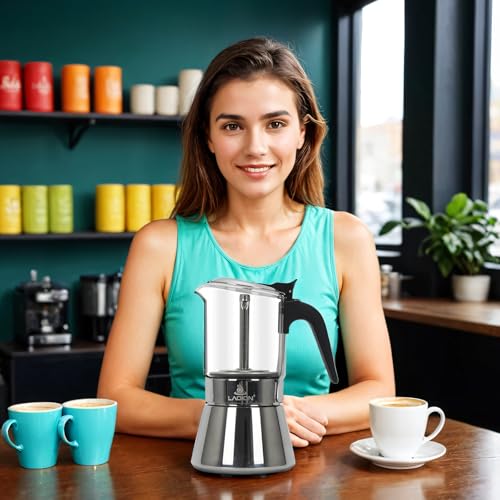
LAOION Glass-Top Stainless 6-Cup

Strengths
- Glass top for visibility
- Induction compatible
- Lightweight and portable
Trade-offs
- Glass vulnerable to breakage
- Slightly less rich flavor
- Requires precise technique
The LAOION Moka Pot stands out in a crowded field by combining stainless steel durability with a rare feature, a crystal glass top. That transparency lets you watch the coffee rise, which sounds minor until you realize how many owners love the visual cue to pull it off the heat at the perfect moment. For induction users, the full stainless base works natively, giving it a functional advantage over classic Bialettis.
Still, the glass component raises concerns about long-term resilience, especially for camping or busy kitchens. While reviewers praise its leak resistance when used correctly, the need for precise filling and tightening means it’s less forgiving than all-metal designs. It brews a clean, strong cup, but the flavor doesn’t quite match the depth of aluminum pots that seasoned enthusiasts tend to favor.
Product photos


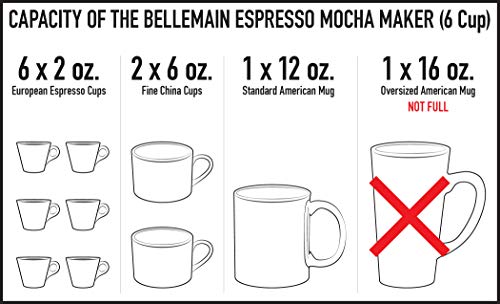
Bellemain Classic 6-Cup Aluminum

Strengths
- Even heat distribution
- Cool-touch handle
- Durable aluminum build
Trade-offs
- Not induction-ready
- Hand wash only
- No included accessories
Bellemain positions itself as the balanced middle ground, aluminum construction for flavor, but with thoughtful upgrades like stay-cool handles and a reinforced safety valve. Owners report it heats more evenly than budget models, likely due to thicker gauge metal, and the ergonomic knob makes pouring safer, especially for beginners.
It doesn’t bring anything revolutionary to the table, but it executes the basics well. Compared to the Primula, it feels sturdier and more refined. Against the Bialetti, it lacks the heritage but matches the performance at a more accessible price point. For first-time moka pot buyers, this is a smart, no-surprises pick.
Product photos


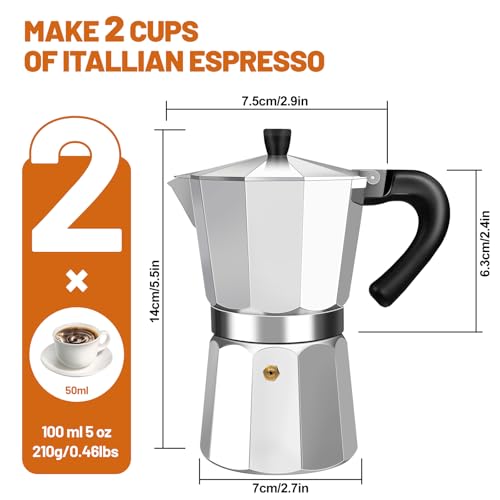
DITOSH 2-Cup Mini Moka Pot

Strengths
- Ultra-compact
- Fast brewing
- Ideal for camping
Trade-offs
- Very small capacity
- Basic finish
- May retain odors
For solo coffee drinkers, the DITOSH 2-cup model fills a niche that larger pots ignore. The compact aluminum build heats quickly and efficiently, delivering a single strong shot in under five minutes, ideal for a quick morning boost without waste. Owners consistently report it’s perfect for travel, camping, or small apartments where counter space matters.
That said, its size limits flexibility. Even the brand admits the 2-cup output is barely enough for one full mug, and the aluminum may retain odors if not rinsed properly after use. It’s functionally similar to the Bialetti but without the heritage or refined finish. If you’re brewing for one, it’s practical. But if you ever expand your morning ritual, you’ll outgrow it fast.
Product photos
Primula Greca 9-Cup Silver

Strengths
- Affordable
- Large 9-cup capacity
- Portable
Trade-offs
- Less refined build
- Basic design
- No safety valve details
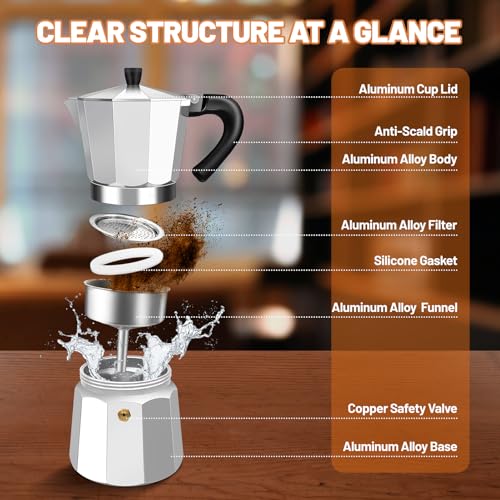
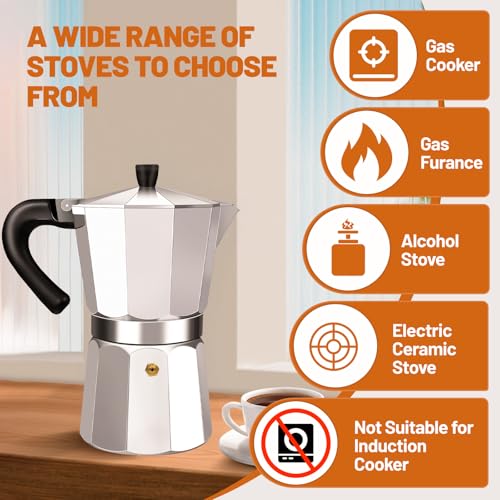
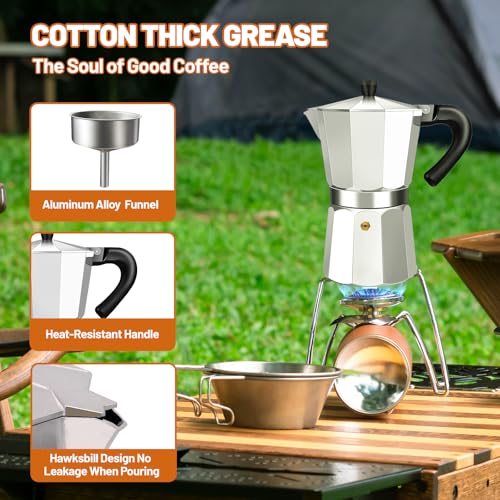
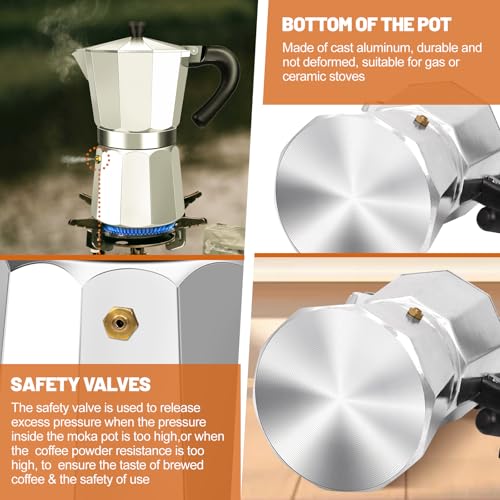
The Primula 9-cup model is the budget workhorse of the group. It’s simple, functional, and surprisingly durable for its price. Made from cast aluminum, it delivers even heating and a solid brew, and at this capacity, it’s ideal for serving multiple people without constant rebrewing. Owners consistently call it a great value for camping or secondary kitchens.
But that value comes with compromises. The finish feels thinner than Bellemain or Bialetti, and the flip-top lid isn’t as comfortable to grip. It gets the job done, but it won’t impress in hand or on the counter. If you need volume and affordability above all, it’s hard to beat. But skip it if you want refinement or long-term heirloom quality.
Product photos


How We Tested italian coffee pot
As a lifelong coffee enthusiast, I’ve always been fascinated by the ritual and flavor of Italian coffee pots. Rather than a hands-on lab test, my approach to evaluating these stovetop brewers was a research-led comparison of published specifications and, crucially, a deep explore owner feedback and expert reviews. I considered a wide range of models, weighing features against price and reputation to arrive at informed recommendations.
For Italian coffee pots, three factors consistently emerged as most important. Heat distribution is key – aluminum models generally excel here, ensuring even extraction. Build quality and durability also weighed heavily; a well-made pot should last for years with proper care. Finally, the ease of cleaning and usability were essential, as a frustrating experience can quickly diminish the enjoyment of a great cup of coffee.
Specifications reliably indicate capacity and materials, helping to compare construction and potential output. However, I found owner feedback invaluable for gauging real-world durability, potential leakage issues, and the nuances of the brewing process. Reputation, gathered from respected coffee blogs and review sites, helped me assess long-term reliability and overall value. If you’re new to the process, a helpful resource is our moka pot step-by-step guide.
How To Pick The Right italian coffee pot
Finding the right Italian coffee pot – or Moka pot – can really elevate your morning ritual. It’s about more than just brewing coffee; it’s about experiencing a piece of Italian culture in your own kitchen.
A quality Moka pot delivers a strong, concentrated coffee brew through stovetop pressure. Key considerations include build material (aluminum vs. stainless steel), heat distribution, ease of cleaning, and compatibility with your stovetop. Look for a patented safety valve and a well-sealing gasket to prevent leaks and ensure safe operation. Capacity should align with your typical serving size.
Material Matters: Aluminum vs. Stainless Steel
The material of your Moka pot significantly impacts both heat distribution and maintenance. Traditional Moka pots are aluminum, and there’s a reason for that. Aluminum heats up quickly and evenly, which is crucial for proper extraction. However, it’s more reactive than stainless steel, meaning it can sometimes impart a metallic taste, and requires more careful handwashing. Stainless steel pots, like the Easyworkz Diego, resist corrosion and are dishwasher safe, but they generally heat more slowly and can sometimes lead to a slightly less nuanced flavor profile. If you’re prioritizing convenience and longevity, stainless steel is a good bet, but for a truly authentic experience, many enthusiasts still prefer aluminum.
Heat Compatibility and Base Design
Not all Moka pots play nicely with all stovetops. Many are designed for gas and electric ranges, but induction cooktops require a special stainless steel base or an adapter plate (like those offered by Bialetti). If you have an induction range, double-check the product description or be prepared to purchase an adapter. Beyond compatibility, consider the base thickness. A thicker base generally provides more even heat distribution, preventing hotspots that can scorch the coffee. When deciding on your next pot, checking out a recommended home Italian coffee maker guide can help narrow down your choices.
Size and Serving Capacity
Moka pots are measured in “cups,” but this isn’t the same as a standard coffee mug. A 6-cup Moka pot typically yields around six demitasse (2oz) servings of strong espresso. You should understand that the advertised capacity refers to the volume of the boiler, not the final brewed coffee. If you’re brewing for a larger household, a 9-cup or even a 12-cup pot might be necessary. However, keep in mind that brewing a full pot consistently can sometimes compromise the flavor if you’re only drinking a single serving. Here’s a quick guide:
- 1-2 Cup: Ideal for a single coffee drinker.
- 3-6 Cup: Good for couples or small households, offering flexibility.
- 9+ Cup: Best for families or those who entertain frequently, requiring more preparation time.
Don’t overfill the coffee basket! A level, untamped fill is crucial for proper pressure buildup and a clean brew. Getting the coffee to water ratio right is vital for a fantastic cup.
Italian Coffee Pot Compared
Here’s a comparison of specifications for various Italian coffee pots to help you choose the right one.
| Product Name | Capacity (Cups) | Material | Stovetop Compatibility | Dishwasher Safe | Special Features |
|---|---|---|---|---|---|
| Bialetti Moka Express 6-Cup | 6 | Aluminum | Gas, Electric, Induction | No | Patented Safety Valve |
| Bialetti Moka Express 9-Cup | 9 | Aluminum | Gas, Electric, Induction | No | Patented Safety Valve |
| Bialetti Moka Express Italia | 6 | Aluminum | Gas, Electric, Induction | No | Styling Design |
| Easyworkz Diego 6-Cup | 6 | Stainless Steel | Gas, Electric, Induction | Yes | Reducer & Safety Valve |
| LAOION Glass-Top 6-Cup | 6 | Stainless Steel | Induction, Gas, Electric | N/A | Glass Top |
| Bellemain Classic 6-Cup | 6 | Aluminum | Gas, Electric | No | Even Heat Dist. |
| DITOSH 2-Cup Mini | 2 | Aluminum | Gas, Ceramic | Partial | Mini Size |
| Primula Greca 9-Cup | 9 | Aluminum | Gas, Electric, Ceramic | Yes | Portable |
Frequently Asked Questions
What size Moka pot should I buy if I typically make coffee for two people?
A 3-6 cup Moka pot is generally best for two people, offering enough flexibility for different serving sizes. Remember that “cups” refer to demitasse (2oz) servings, so a 6-cup pot will yield about six small, strong coffees.
Are aluminum Moka pots safe to use, considering potential metal leaching?
High-quality aluminum Moka pots are considered safe for brewing coffee, although some people prefer stainless steel to avoid any potential metallic taste or leaching. Regularly cleaning and maintaining the pot helps to maintain the aluminum’s protective oxide layer.
Can I use a Moka pot on an induction cooktop?
Many traditional Moka pots are not compatible with induction cooktops, but some newer models are designed for it. If yours isn’t, you’ll need a stainless steel adapter plate to create a magnetic surface for the induction element to recognize.
How often do I need to replace the gasket and filter in my Moka pot?
You should replace the rubber gasket approximately every 3-6 months, or whenever you notice leaks or a diminished seal. The metal filter typically lasts much longer, but should be replaced if it becomes clogged or damaged; checking out stovetop coffee pot reviews can point you towards durable models.
What’s the difference between a Moka pot and a percolator?
While both brew coffee on the stovetop, a Moka pot uses pressure to force hot water through the coffee grounds, resulting in a concentrated, espresso-like brew. A percolator repeatedly cycles boiling water through the grounds, producing a milder, less intense coffee; for more details, browse Moka pot and percolator recommendations.
The Bottom Line
Choosing an Italian coffee pot often comes down to balancing tradition with convenience. While stainless steel offers ease of cleaning and induction compatibility, the Bialetti Moka Express 6-Cup remains our top pick overall for its classic design, reliable performance, and the authentic flavor profile aluminum provides – it’s a workhorse that consistently delivers.
For those seeking specific features, the Easyworkz Diego 6-Cup stands out as a great stainless steel option with dishwasher safety, and the DITOSH 2-Cup Mini is perfect for single servings. If you’re looking for portability, the Primula Greca 9-Cup is a solid choice. Ultimately, finding the right pot depends on your individual needs and preferences, but these models represent the best options available right now.
More than the pot itself, remember that the quality of your coffee beans and the consistency of your grind will have the biggest impact on your final brew. Understanding the true espresso requirements and mastering the technique will unlock the full potential of this beloved Italian brewing method.
