
Espresso in a Regular Coffee Pot? Why Physics Prevents It
You cannot make espresso in a regular coffee pot. Espresso requires forcing hot water through finely ground coffee at 9 bars of pressure, a process drip machines, French presses, and pour-over setups lack by design. The result from a standard brewer is strong coffee, sometimes very strong, but it misses the defining crema, mouthfeel, and extraction profile.
Most people think espresso is just strong coffee. That misunderstanding leads to experiments with French presses and extra-fine grounds in drip baskets, which produce a bitter, sludgy mess. The machine isn’t the problem. The physics are.
This guide walks through why your coffee pot fails at espresso, what it can actually produce, and the two devices that come closest without a $600 machine.
Key Takeaways
- Espresso is defined by 9 bars of pressure forcing water through a fine puck. Drip brewers operate at 0.5–1 bar.
- Using espresso-fine grounds in a drip basket or French press creates over-extracted, bitter coffee and can jam the machine’s pump.
- A Moka pot uses steam pressure to produce a strong, concentrated brew often called “stovetop espresso,” but it still lacks true espresso crema.
- The Aeropress can mimic espresso texture better than a drip machine when paired with a metal filter and a fine grind, but it’s still a manual press, not an espresso machine.
- To make the strongest possible coffee in your regular pot, use a medium-fine grind and double the typical coffee dose, then pre-wet the grounds.
The Physics Behind Espresso: Pressure, Grind, and Extraction
Espresso isn’t a flavor. It’s a brewing method defined by three physical variables: pressure, grind size, and extraction time.
A standard drip coffee maker, like a KitchenAid W11556263, passes hot water through a basket of coarse grounds at roughly 0.5 to 1 bar of pressure, essentially gravity-assisted flow. An espresso machine, like a Breville Bambino Plus, uses a pump to force water at 9 bars (130 psi) through a tightly packed puck of finely ground coffee. That pressure difference is the entire game.
Espresso extraction occurs between 8–10 bars of pressure over 25–30 seconds. This forces water through the coffee matrix, emulsifying oils and gases into the signature crema layer. Drip brewing at 1 bar merely percolates water through the grounds, extracting solubles without emulsification.
The grind matters just as much. Espresso requires a powder-fine grind, often labeled “Turkish” or “extra fine” on a burr grinder dial. Drip coffee uses a medium-coarse grind. Putting espresso-fine grounds into a drip machine’s filter basket is a guaranteed failure.
Common mistake: Using an espresso grind in a drip machine, the fine particles clog the paper filter, water pools over the grounds, and the brew stalls. The machine’s pump strains, the coffee over-extracts into a bitter sludge, and you risk burning out the heating element if the water doesn’t flow.
TL;DR: Espresso needs high pressure and a fine grind. Your coffee pot provides neither.
What “Espresso Strength” Coffee Actually Means
When YouTube tutorials and blog posts claim you can make “espresso” with a French press or a regular pot, they’re trading on a vague definition. They mean a strong, concentrated coffee, not espresso.
The method from the French press transcript, using a 1:4 coffee-to-water ratio with coarse grounds, produces a potent, full-bodied cup. It’s stronger than typical drip coffee. But it lacks crema, the viscous mouthfeel, and the specific chemical extraction profile of true espresso. Calling it espresso is misleading, but the drink itself is enjoyable if you like intense coffee.
| Brew Method | Pressure (bars) | Grind Size | Result | Crema |
|---|---|---|---|---|
| Espresso Machine | 9 | Extra fine | True espresso with emulsified oils | Thick, persistent layer |
| Drip Coffee Maker | 0.5–1 | Medium coarse | Balanced, clear coffee | None |
| French Press | 0 (immersion) | Coarse | Strong, full-bodied immersion brew | None |
| Moka Pot | ~1–2 (steam) | Fine | Concentrated, intense “stovetop espresso” | Thin, fleeting foam |
The caffeine concentration in these brews also differs. A 2oz espresso shot contains about 80mg of caffeine. A 8oz cup of strong French press coffee can contain 120mg or more, but it’s diluted in volume. This is why an espresso-based drink like an Americano tastes different from a cup of drip coffee, the caffeine is delivered in a small, potent volume.
TL;DR: You can make very strong coffee without an espresso machine. But strong coffee isn’t espresso.
What You Can Make Instead (And the Two Devices That Come Close)
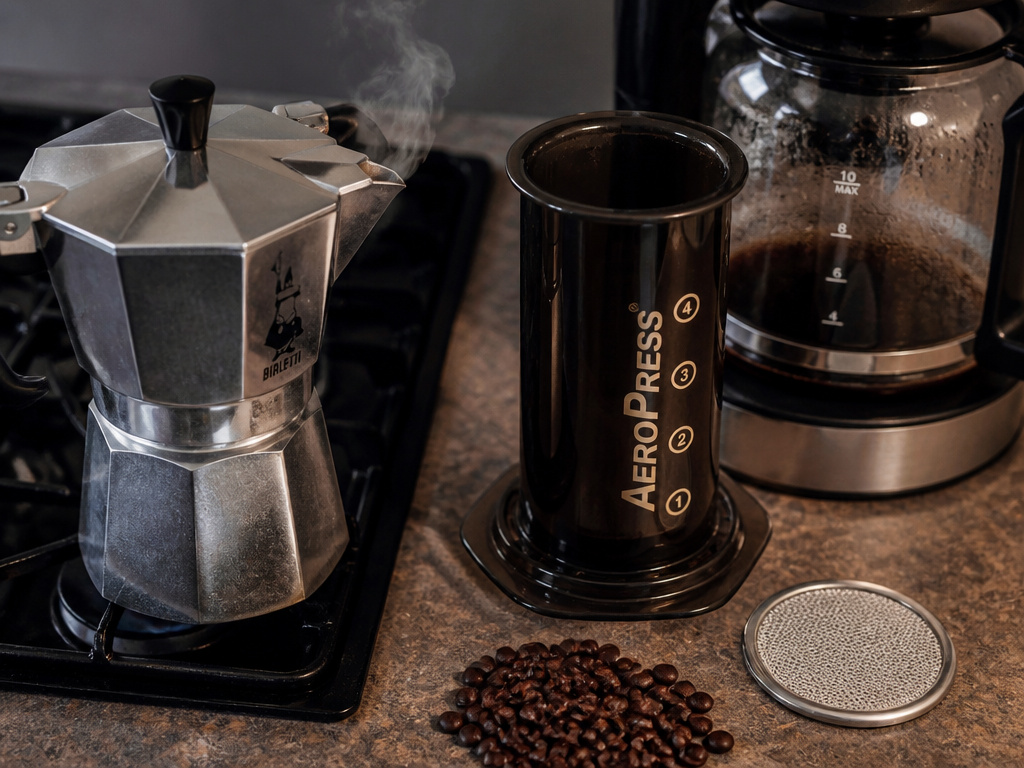
If you want espresso-like coffee without the machine, you have two realistic paths: the Moka pot and the Aeropress.
A Moka pot uses steam pressure, not a pump. It forces boiling water through a fine grind, producing a brew about 1–2 bars strong. The result is often called “stovetop espresso.” It’s thick, intense, and has a slight foam. It’s not true 9-bar espresso, but it’s the closest analog a stovetop device can produce. The coffee bean selection matters here, a darker espresso roast profile stands up better to the Moka’s aggressive extraction.
The Aeropress is a manual press. You push a plunger through a cylinder, creating pressure around 0.5–1 bar. With a metal filter (not the standard paper one) and a fine grind, you can produce a concentrated, smooth coffee with a texture approaching espresso. It won’t have crema, but the mouthfeel is richer than drip coffee. Many espresso drink recipes start with an Aeropress concentrate.
I tried making “espresso” with a French press for a month, using the 1:4 ratio from that YouTube video. The coffee was strong, yes. But by the third week, the accumulated fine silt at the bottom of the carafe started affecting the flavor, every cup had a gritty, over-extracted finish. I switched to pre-filtering through a paper filter, which solved the grit but removed the body. That’s when I bought a Moka pot.
For a standard drip machine, your goal is strong coffee, not espresso. Two adjustments get you there: grind size and dose.
- Grind finer than usual. Set your burr grinder to a medium-fine setting, closer to the “drip” range than “espresso.” This increases extraction without clogging the paper filter types in your Bunn coffee maker.
- Double the coffee dose. If your machine’s manual suggests 1 tablespoon per cup, use 2. This increases strength without requiring pressure.
- Pre-wet the grounds. Before starting the full cycle, pour a small amount of hot water over the grounds in the filter basket. This pre-infusion mimics a bloom, helping extraction.
- Taste immediately. The brew will be strong and potentially bitter. Adjust the dose down if it’s too intense.
Skip the “espresso grind” in a drip machine. It jams the filter, over-extracts, and can damage the pump. The machine’s manual, like the KitchenAid W11501547, warns against using grounds finer than recommended for this reason.
TL;DR: Use a Moka pot for a steam-pressure concentrate or an Aeropress with a metal filter for a manual press “espresso.” For your drip machine, grind medium-fine and double the dose.
The Real Cost of Trying: Damaged Equipment and Bad Coffee
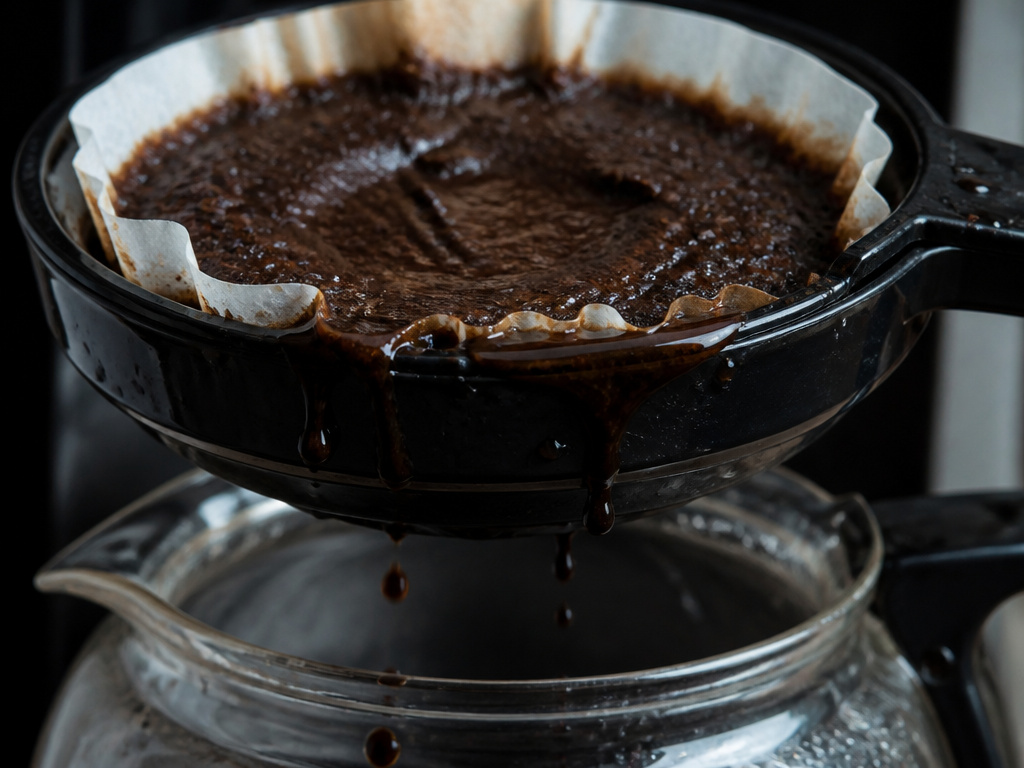
Attempting espresso in a regular coffee pot has two concrete costs: ruined coffee and strained equipment.
Espresso-fine grounds are almost powdery. In a drip machine, they quickly clog the paper filter differences. Water pools above the grounds, the heating element continues boiling water into steam, and the pump motor strains against the blockage. After a few attempts, you’ll hear a gurgling, struggling sound, the pump is working against a closed path. On older machines, this can burn out the pump motor. On newer ones with thermal sensors, it may trigger an error code and shut down.
The coffee itself suffers. With water stalled over the fine grounds, extraction time extends from minutes to over ten minutes. The result is brutally over-extracted, bitter, astringent, and often muddy. It’s the opposite of espresso’s balanced intensity.
Common mistake: Using instant coffee in an espresso machine, the granules dissolve under pressure, bypass the filter, and produce a sour, weak liquid that tastes like diluted instant coffee. One YouTube tester confirmed this; the shot tasted “so sour.”
The espresso machine water quality also plays a role. Minerals in water affect extraction. A drip machine’s water reservoir is designed for volume, not the precise mineral content needed for espresso. Using hard water in a machine trying to emulate pressure can lead to scale buildup on the heating element faster.
TL;DR: Fine grounds clog filters and strain pumps. Over-extraction makes terrible coffee. Don’t try it.
Step-by-Step: Making the Strongest Possible Coffee in Your Drip Machine
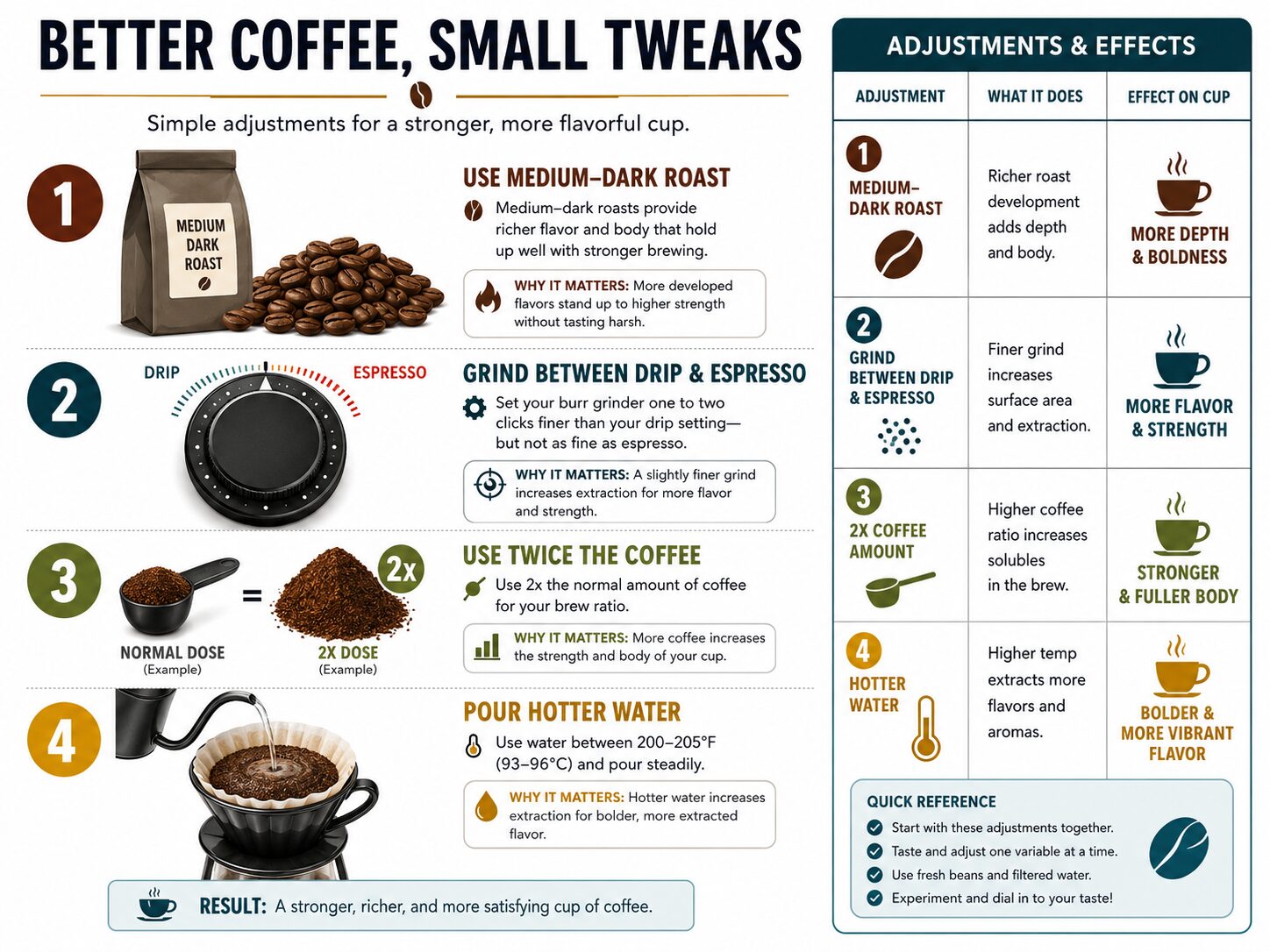
If you want a robust, concentrated coffee from your existing pot, follow this sequence. It maximizes extraction without breaking the machine.
Before you start: Ensure your machine is clean. Old coffee oil residue will interfere with extraction. Use fresh, cool water in the reservoir, hot water can shock the system. Never fill the basket with powder-fine espresso grind.
- Select your beans. A blonde roast flavor is brighter and more acidic; a dark roast is richer and more bitter. For a strong brew, a medium-dark roast works best. Single-origin espresso beans can be too delicate for this method.
- Grind to medium-fine. On a Baratza Encore or similar burr grinder, set the dial between the “drip” and “espresso” markers. The grounds should look like table salt, not flour.
- Measure a heavy dose. For a standard 8-cup pot, use 4–5 tablespoons of grounds instead of the usual 2–3. If you have a scale, aim for 60–70 grams of coffee per liter of water.
- Pre-wet the grounds. Place the grounds in the filter basket. Pour just enough hot water (about ¼ cup) over them to saturate them evenly. Wait 30 seconds.
- Start the brew cycle. Let the machine run normally. The pre-wetting helps initial extraction, so the first water through isn’t just washing over dry grounds.
- Taste and adjust. The coffee will be strong, possibly bitter. If it’s too intense, reduce the dose by one tablespoon next time. If it’s weak, increase the grind fineness slightly.
This method produces a cup with higher caffeine per volume and a more intense flavor than standard drip. It is not espresso. It lacks the body and crema. But it’s the best your machine can do.
| Adjustment | Effect | Risk If Skipped |
|---|---|---|
| Medium-fine grind | Increases extraction yield | Too coarse = weak coffee; too fine = clogged filter |
| Double coffee dose | Boosts strength and body | Normal dose = standard strength, not concentrated |
| Pre-wetting grounds | Improves initial extraction | Dry grounds = uneven extraction, weaker first half of brew |
| Clean machine | Prevents off-flavors | Old oils = bitter, stale taste regardless of method |
TL;DR: Grind medium-fine, double the coffee, pre-wet the grounds, and brew. You’ll get strong coffee, not espresso.
Frequently Asked Questions
Can a French press make espresso?
No. A French press uses immersion brewing with zero pressure. It can make very strong coffee by using a high coffee-to-water ratio (like 1:4), but it cannot produce the crema or emulsification that defines espresso. The YouTube method calling it “French press espresso” is misleading.
What about a Moka pot?
Moka pot uses steam pressure (about 1–2 bars) to force water through fine grounds. It creates a concentrated, intense brew often called “stovetop espresso.” It’s closer to espresso than a drip machine, but it still lacks the 9-bar pressure and true crema of a machine-made shot.
Why does my espresso grind clog my coffee maker?
Espresso grind is powder-fine. In a drip machine, these tiny particles quickly clog the paper filter material, preventing water flow. The water pools, the coffee over-extracts, and the machine’s pump strains. Always use a grind size recommended for your brewer.
Can I just use less water in my coffee pot to make espresso?
Using less water with more coffee makes a stronger brew, not espresso. Espresso is about pressure-driven extraction, not just concentration. A small volume of strong drip coffee will have a different chemical profile and mouthfeel than a true espresso shot.
Is the caffeine content the same?
No. A 2oz espresso shot contains about 80mg of caffeine. An 8oz cup of strong drip coffee can contain 120mg or more, but the caffeine is diluted in a larger volume. The caffeine concentration is higher in espresso per ounce, but the total caffeine in a full cup of strong coffee can be greater.
What’s the cheapest way to get real espresso at home?
The cheapest real espresso setup is a manual espresso maker like a Flair Neo or a used entry-level machine like a Breville Bambino. These devices generate the required 9 bars of pressure. A burr grinder capable of an espresso grind is also essential; a blade grinder cannot produce the consistent fines needed.
Before You Go
Espresso is a specific process, not just a strong cup. Your regular coffee pot lacks the pressure pump, the fine grind requirement, and the extraction physics to produce it.
You can make a robust, concentrated coffee in that pot by grinding finer and using more coffee. That brew will satisfy a need for intensity. It will not be espresso.
For a closer approximation, a Moka pot or an Aeropress with a metal filter gets you into the neighborhood of espresso’s texture and strength. They are still compromises.
The real answer is a machine built for the job. Knowing why your current pot fails saves you from a clogged filter, a strained pump, and a bitter cup.
