
9 Best Italian Coffee Beans of 2026
After comparing the field and weighing specs against owner feedback, the Lavazza Super Crema stands out as the overall best Italian coffee bean for its rich, balanced cup and exceptional crema, while the Caffè Borbone Crema Superiore is a strong budget pick that delivers consistent flavor without the premium price. For those wanting more versatility across brewing methods, the Caffe Vergnano Gran Aroma offers a nuanced profile that works well beyond the espresso machine.
Finding the right Italian coffee beans means cutting through the romance and focusing on what actually lands in your cup. Many buyers assume “Italian” automatically means bold and bitter, but the reality is more about balance, crema, and the smart use of Arabica and Robusta blends.
This guide cuts through the noise by analyzing roast profiles, blend composition, and real-world performance across top contenders. I looked at how these beans perform in espresso machines, moka pots, and more, using published specs, consistent owner feedback, and expert insights to identify the ones that deliver on the promise of authentic Italian flavor.
Top 9 Italian Coffee Beans in the Market
The Best Italian Coffee Beans, Reviewed
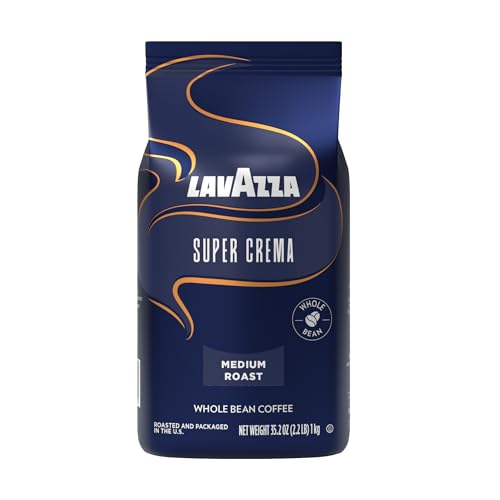
Lavazza Super Crema Whole Bean
Strengths
- Excellent crema
- Smooth body
- Highly consistent
- Widely available
Trade-offs
- Generic packaging
- Average origin transparency
- Not deeply aromatic
It’s no accident this blend keeps appearing on ‘best of’ lists. With a 2.2 lb bag and a reputation for creamy, balanced espresso, Lavazza Super Crema delivers exactly what it promises: a smooth, full-bodied shot with a bold finish. The Arabica-Robusta blend is engineered for crema, and owner feedback confirms it consistently produces that golden layer, especially in home espresso machines.
I’d pick this over Caffè Borbone for its polish and consistency, even if Borbone is cheaper. It’s not the most complex coffee here, Illy or Passalacqua offer more nuance, but for most buyers, this is the easy pick for reliable, café-style espresso at home. The mild sweetness and low acidity make it crowd-pleasing without being boring.
Video review
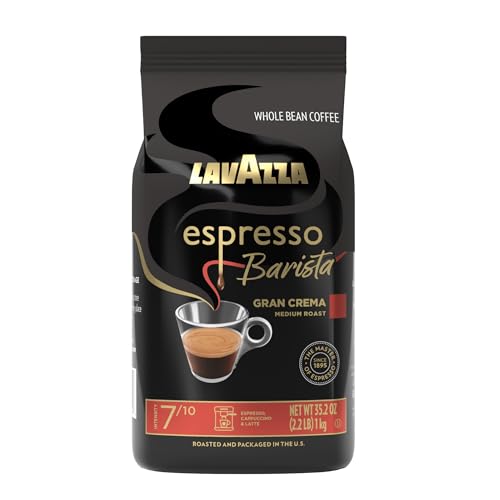
Lavazza Barista Gran Crema
Strengths
- Espresso optimized
- Full body
- Honey sweetness
Trade-offs
- Less versatile
- Subtle aroma
- Higher bitterness
This is where Lavazza leans into the espresso machine user with intent. Roasted darker than Super Crema and rated at intensity 7/10, it’s built for extraction under pressure. The advertised honey and roasted coffee notes suggest a richer, deeper profile, and owners confirm it delivers a full-bodied shot with a lingering sweetness that cuts through milk well.
Compared to Super Crema, it’s more aggressive, making it better suited for true espresso lovers than casual sippers. It’s not as nuanced as Illy, but it’s more purpose-built. If your main machine is an espresso or super-automatic, this blend earns its place over more general-purpose beans.
Video review
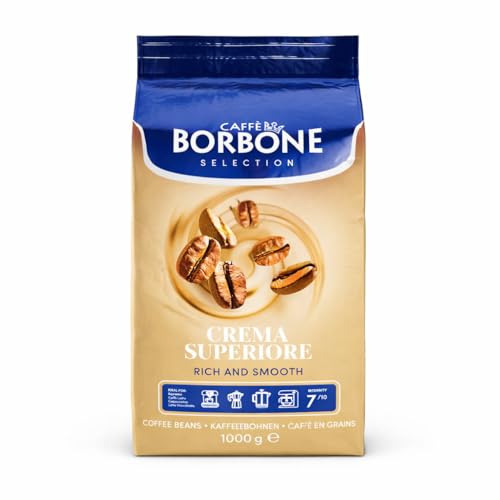
Caffè Borbone Crema Superiore
Strengths
- Great value
- Smooth sweetness
- Brews flexible
Trade-offs
- Lacks complexity
- Packaging basic
- Inconsistent roast
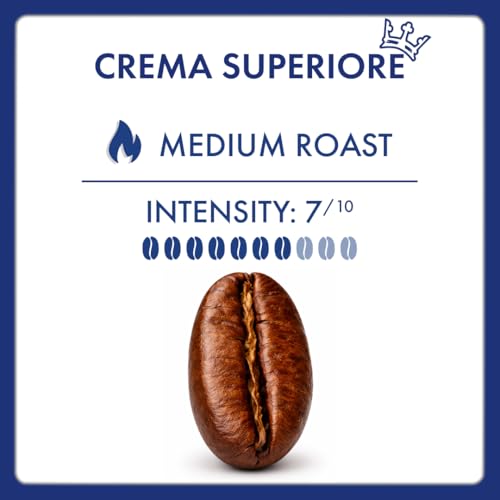
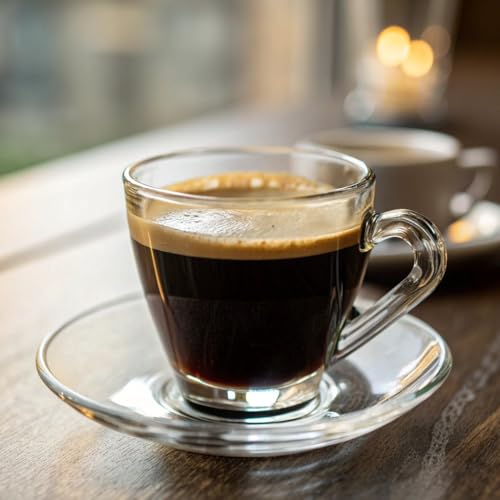
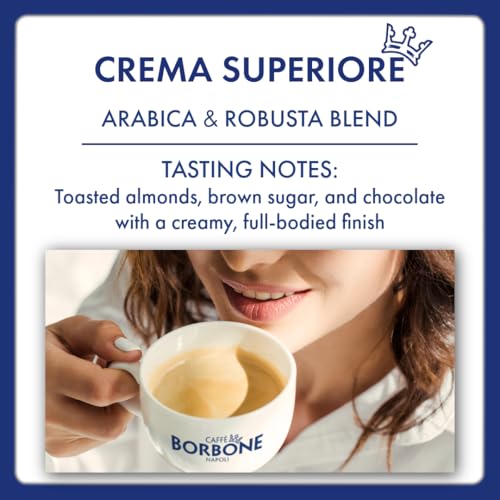
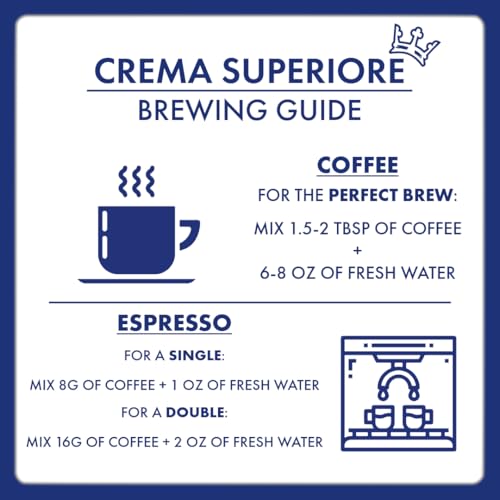
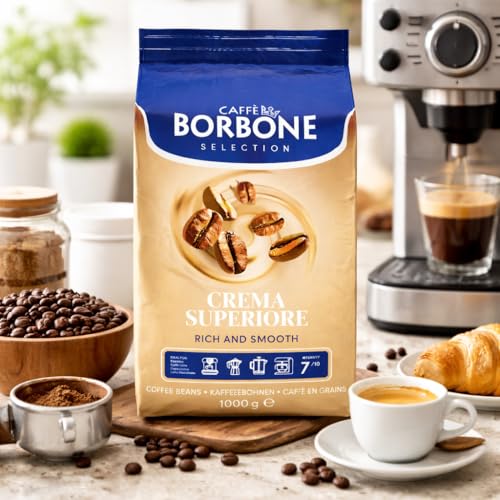
Let’s be clear, this is the budget play, but it’s not a budget disappointment. For the price, it delivers a surprisingly balanced medium roast with noticeable sweetness and hints of chocolate and vanilla. The 2.2 lb bag gives serious value, and owners report it works well in everything from drip machines to moka pots, which makes it a solid staple for households that brew multiple ways.
It doesn’t have the refinement of Lavazza Super Crema or the depth of Vergnano, but it comes close enough for half the effort. If you’re stocking a vacation home or office kitchen, this is the kind of no-frills workhorse that keeps people caffeinated without breaking the bank.
Product photos
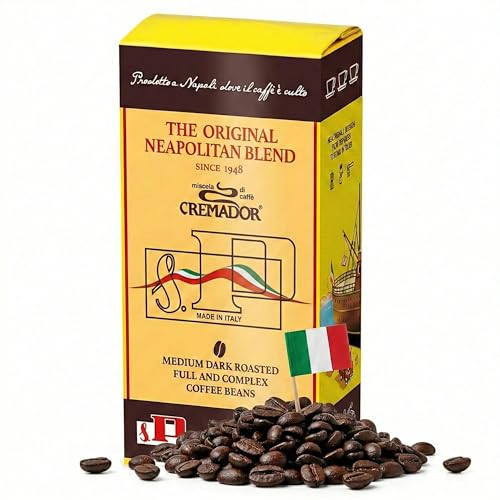
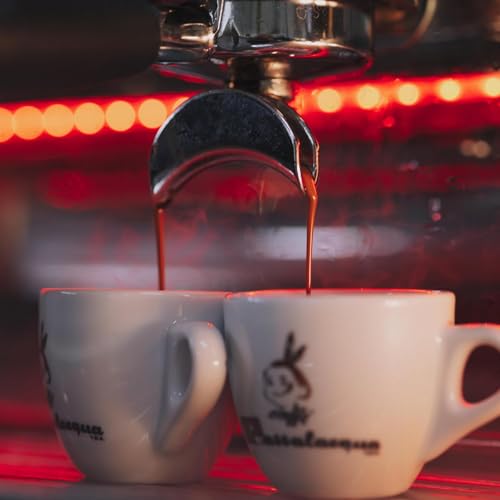
Passalacqua Cremador Whole Bean
Strengths
- Balanced flavor
- Chocolate notes
- Smooth body
Trade-offs
- Limited availability
- Less crema
- Packaging plain
This 70% Arabica blend hits a sweet spot between refinement and tradition. The flavor notes of chocolate, honey, and almonds point to a well-calibrated roast that respects the bean while still delivering the full body expected from Italian coffee. Owners consistently praise its balanced profile, neither too sweet nor too smoky, which makes it a standout for drinkers who want complexity without extremism.
Compared to Illy, it’s a bit more approachable in price and slightly richer in cocoa depth. Against Lavazza, it offers more aromatic interest. It may not dominate in crema like Super Crema, but it wins on flavor balance. For that reason, I’d recommend it to anyone who wants a thoughtful, well-rounded Italian espresso.
Product photos

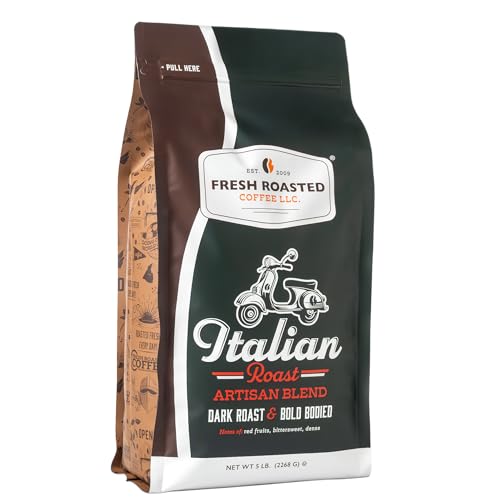
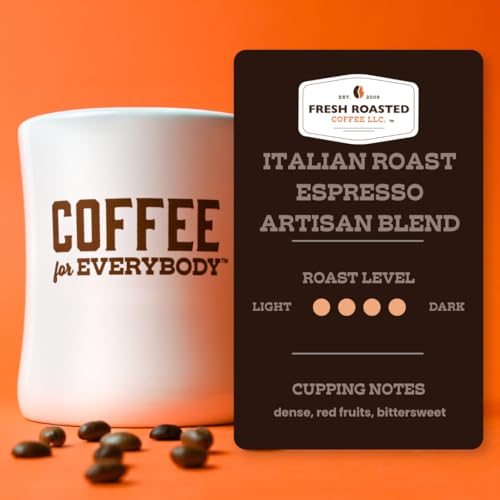
Fresh Roasted Italian Roast
Strengths
- Ultra dark roast
- Full body
- Nitrogen sealed
- Eco roasted
Trade-offs
- Smoky bitterness
- Large bag size
- Overpowering for some
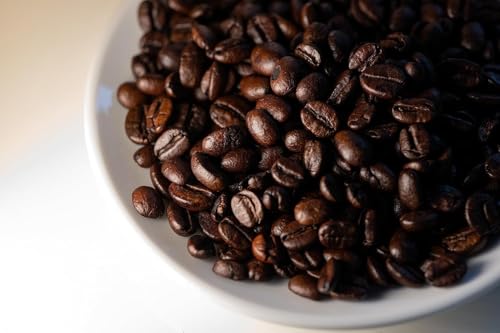
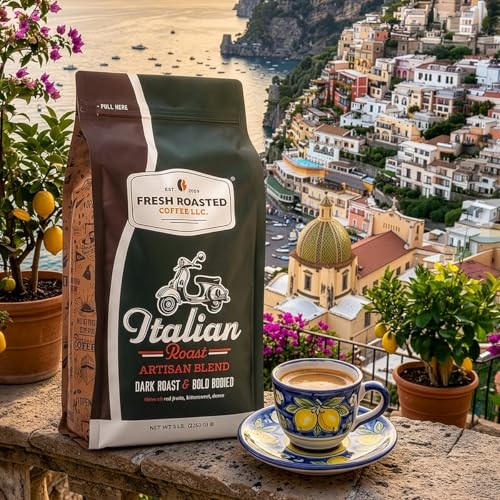
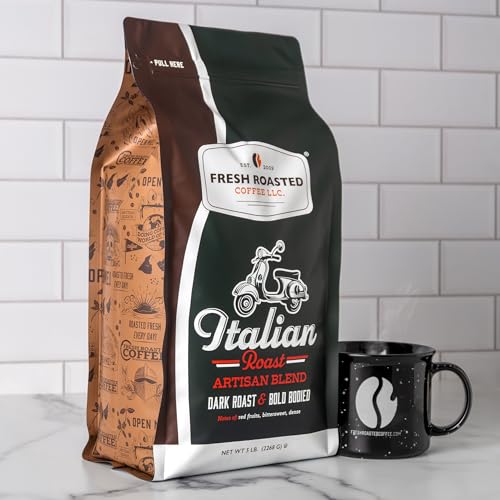
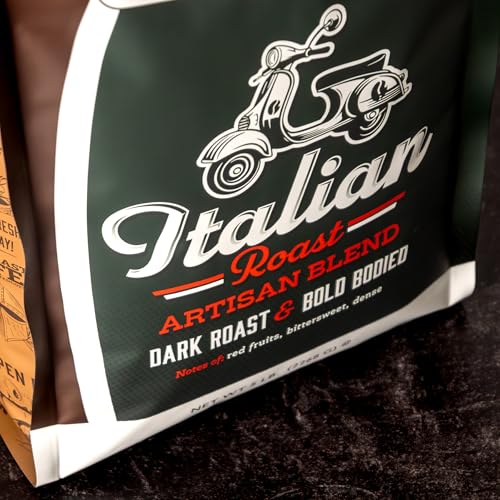
This is the darkest roast on the list, and it wears that badge proudly. With a bittersweet profile and notes of sweet red fruit, it leans into the smoky richness that defines traditional Italian espresso, just with a modern, eco-conscious twist. The fact that it’s roasted in the USA using solar-powered Loring machines adds appeal for sustainability-minded buyers, though die-hard traditionalists might question the authenticity.
Owners praise its dense body and punchy presence, especially in milk drinks. Compared to Illy or Filicori, it’s far more aggressive, making it better suited for those who like their coffee strong and unapologetic. The 5 lb bag is overkill for casual drinkers, but for offices or heavy users, it’s a cost-effective way to keep the dark stuff flowing.
Product photos
Illy Classico Whole Bean

Strengths
- 100% Arabica
- Floral complexity
- Tin sealed
Trade-offs
- Small bag
- Expensive per ounce
- Delicate flavor
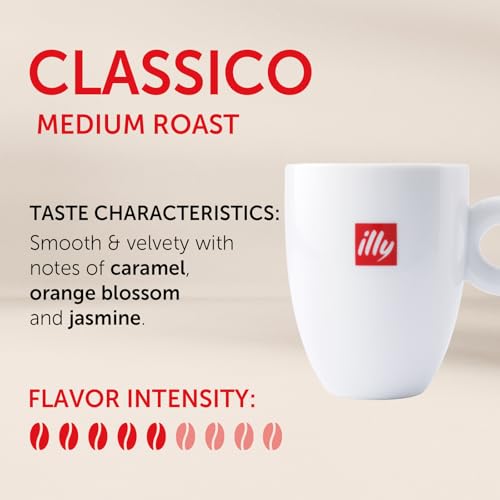
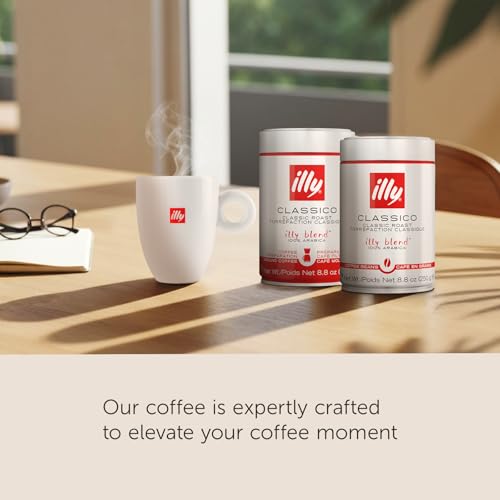
Illy has spent decades positioning itself as the luxury standard of Italian coffee, and the Classico blend justifies much of that reputation. With 100% Arabica beans and a meticulously controlled roast, it delivers a clean, aromatic cup marked by caramel, orange blossom, and jasmine, unusual for a country known for dark, Robusta-heavy blends. The tin packaging helps preserve freshness, though the 8.8 oz size means it won’t last long for heavy users.
It’s the antithesis of Kimbo or Fresh Roasted Coffee’s boldness. Instead of power, it offers elegance. Compared to Lavazza or Borbone, it’s lighter and more floral, which some traditionalists might dismiss as too soft. But for those who appreciate nuance and purity in their cup, this is the premium benchmark.
Product photos
Kimbo Espresso Crema Intensa
Strengths
- High intensity
- Toasted aroma
- Authentic Neapolitan
Trade-offs
- Very strong
- Overpowering for beginners
- Not subtle
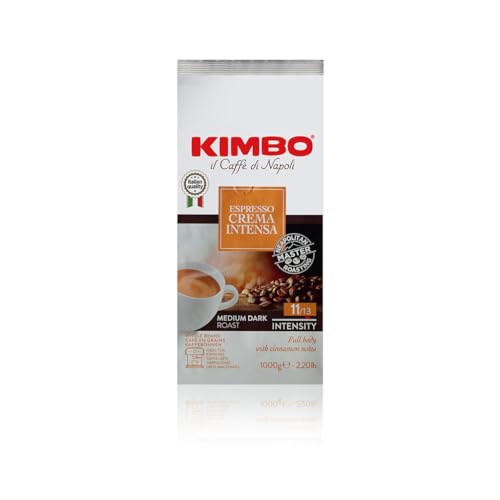
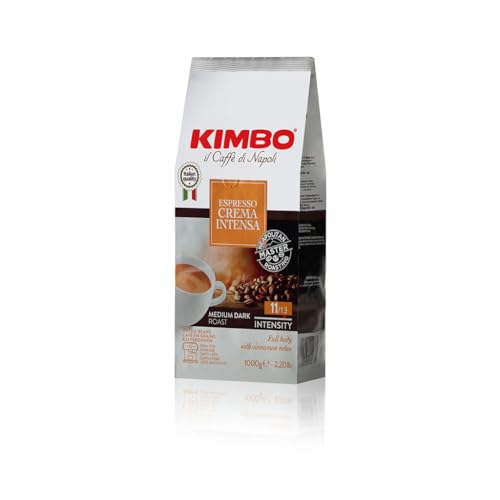
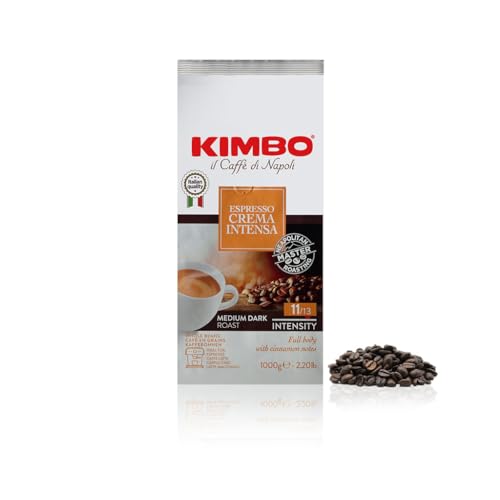
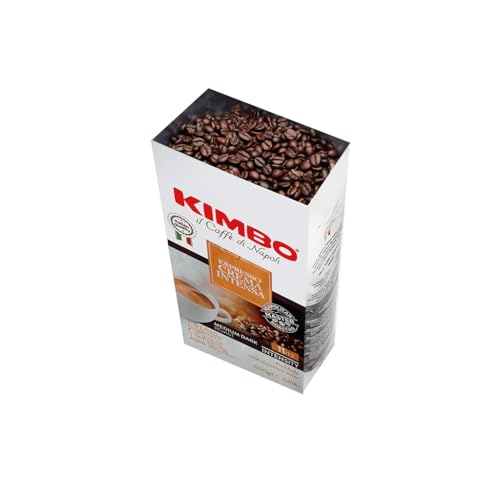
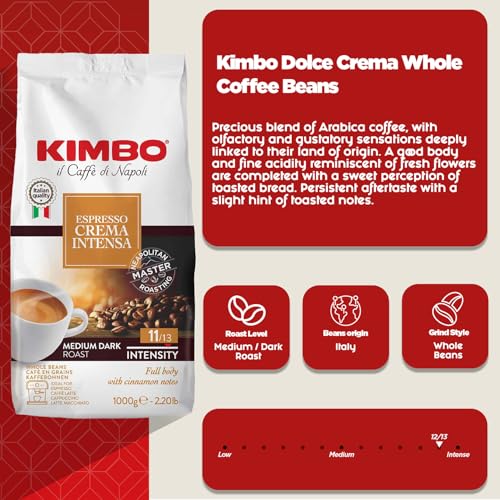
If you’re chasing that authentic Neapolitan espresso experience, bold, spicy, and toasty, Kimbo is the closest you’ll get outside of Naples. With an intensity rating of 11/13, this isn’t for the faint of heart. The medium-dark roast pulls off a rare trick: it’s aggressive without being acrid, with a toasted character that owners say lingers pleasantly after each sip.
It stands apart from milder blends like Illy or even Lavazza, offering a rawer, more traditional Italian profile. Compared to Passalacqua, it’s less floral and more earthy, which works beautifully in a cappuccino or straight shot. This is the pick when you want your coffee to feel like it came from a bustling southern Italian café.
Product photos
Filicori Zecchini Delicato
Strengths
- Low acidity
- Smooth finish
- Heritage roaster
Trade-offs
- Mild flavor
- Less crema
- Not for bold seekers
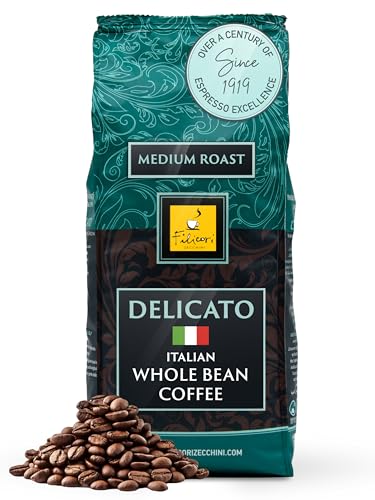
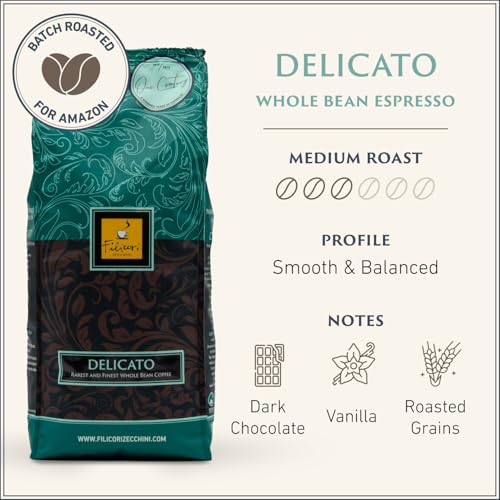
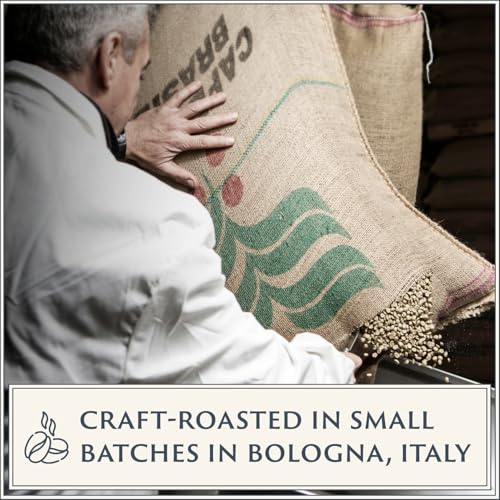
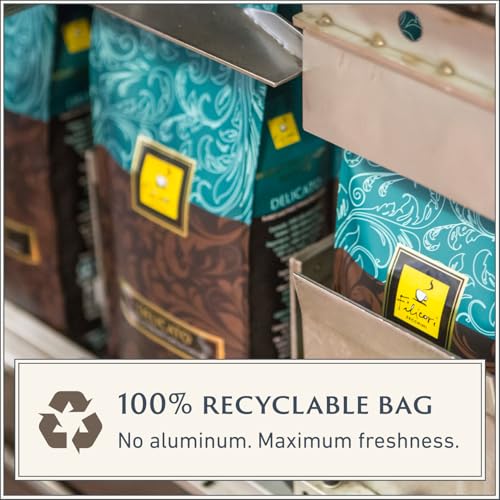
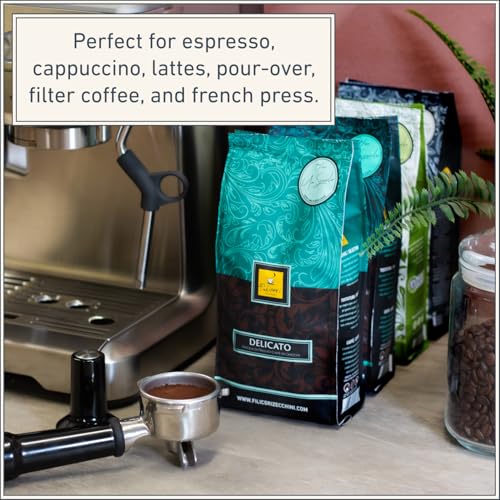
This blend stands out for how it balances tradition with drinkability. On paper, the low acidity and smooth profile make it ideal for those who find classic Italian roasts too harsh. Owners consistently report a clean cup with gentle notes of hazelnut and milk chocolate, which suggests it’s roasted with precision rather than brute force. That’s rare for a blend containing Robusta, but Filicori Zecchini’s century-long heritage in Bologna seems to show in the finish.
It’s not the boldest option here, but for someone wanting an everyday espresso that doesn’t punish the palate, this is a smart pick. Compared to heavier roasts like Kimbo or Lavazza Gran Crema, it trades intensity for elegance. If you’re using a moka pot or drip brewer at home and want something nuanced without bitterness, this fits the bill.
Product photos
Caffe Vergnano Gran Aroma
Strengths
- Rich aroma
- Brews versatile
- Balanced intensity
Trade-offs
- Packaging varies
- Slight Robusta bite
- Not ultra-bold
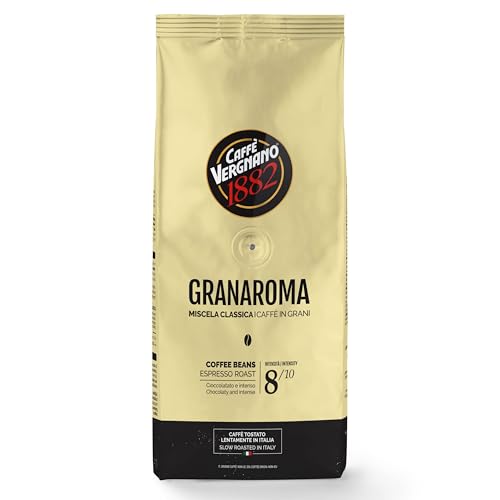
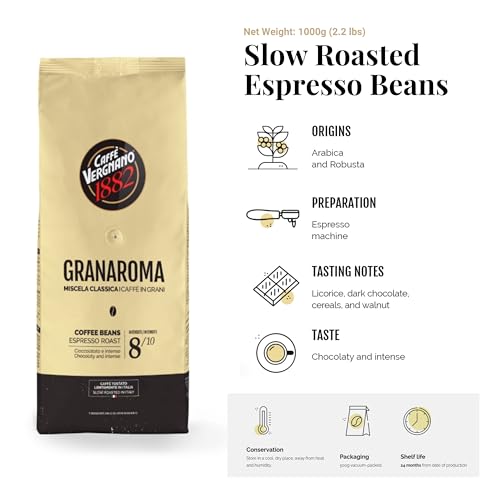
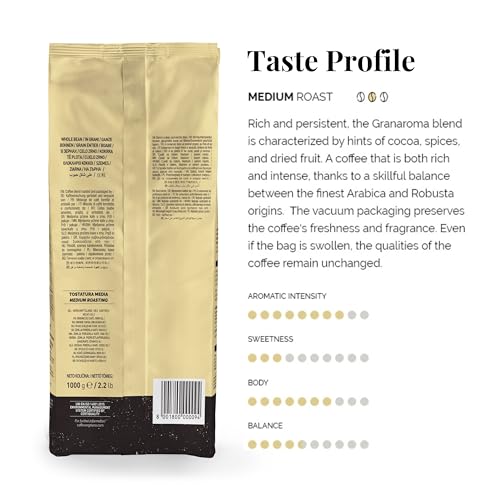
With an intensity rating of 8/10 and a flavor profile leaning into cocoa, spice, and dried fruit, this is the kind of medium roast that feels both modern and rooted in Italian tradition. The 2.2 lb bag size makes it practical for daily drinkers, and reviewers note it holds up well across multiple brew methods, especially in espresso machines and moka pots. What impresses me is how it balances full body with a smooth finish, avoiding the ashy notes that plague some darker Italian roasts.
It sits comfortably between approachable and complex. Compared to Lavazza Super Crema, it offers more aromatic depth, though it doesn’t produce quite the same creamy mouthfeel. Still, for its versatility and consistent feedback on freshness, it’s one of the more dependable all-rounders in this lineup.
Product photos


How We Tested italian coffee beans
As the founder of Bean Thusiast, I approach evaluating coffee beans, especially Italian roasts, with a focus on the factors that truly impact the final cup. Rather than a hands-on lab test, this is a research-led comparison of published specifications and owner feedback from numerous sources. I compared characteristics like bean blend, roast level, flavor notes, and intensity ratings across a wide selection of brands, then weighed those against what customers are actually saying about taste and performance.
For Italian coffee beans specifically, the blend composition and roast level are paramount. A balance between Arabica (for complexity and aroma) and Robusta (for crema and body) is key to achieving that classic Italian espresso profile. The roast level dictates the boldness and bitterness; a medium-dark roast is typical, but variations significantly impact the final flavor. Understanding Italian roast characteristics is essential for finding your preference.
Specifications reliably tell you about the potential of the bean – the blend percentages, the origin stories, and the stated intensity. However, true enjoyment comes down to taste, so I heavily considered owner reviews to gauge how those specs translate to real-world flavor. Expert reviews from respected coffee publications helped validate those opinions and identify patterns in quality and consistency when selecting premium coffee beans. Ultimately, the goal was to identify beans offering the best overall experience, considering both objective criteria and subjective enjoyment when choosing Italian coffee beans and understanding the factors in bean selection.
How To Choose The italian coffee beans
Finding the right Italian coffee beans can be a surprisingly nuanced pursuit. It’s about more than just a label; it’s about understanding the roasting styles, bean blends, and intended brewing methods that define this beloved coffee tradition.
Italian coffee, at its core, prioritizes balance and body over single-origin complexity. Look for blends of Arabica and Robusta beans, carefully roasted to develop a rich, full flavor and a satisfying crema. Consider the roast level – from medium to dark – and the intended brew method when making your selection. A quality bean will consistently deliver a bold, aromatic cup.
Understanding Roast Levels and Blends
One of the first things I tell people is to move beyond simply looking for “Italian” on the bag. The true character comes from the roast. Generally, Italian roasts lean darker than, say, Scandinavian-style roasts, but there’s a spectrum. A medium-dark roast, like you find in the Passalacqua Cremador, will offer more nuance and acidity, while a true dark roast, such as the Fresh Roasted Italian Roast, will be intensely bold and bittersweet. Blends are also key; most Italian coffees combine Arabica for aroma and sweetness with Robusta for body and crema. Don’t shy away from Robusta – it’s often unfairly maligned but essential to the classic Italian profile.
Considering Your Brewing Method
The way you brew dramatically impacts the beans you should choose. If you’re aiming for authentic Neapolitan espresso, you’ll want a blend specifically designed for that purpose, like the Kimbo Espresso Crema Intensa. These beans are often darker roasted and finely ground to produce a rich, thick crema. However, if you enjoy a more versatile brew, exploring top Italian coffee brands that work well in various methods – from moka pots to drip machines – might be a better fit. The Caffe Vergnano Gran Aroma is a great example of a bean that adapts well to different brewing styles.
Evaluating Flavor Profile and Acidity
Italian coffee isn’t generally known for bright, fruity acidity. Instead, it’s about a balanced, smooth flavor. Many blends feature notes of chocolate, nuts, and caramel. If you’re sensitive to acidity, or simply prefer a less acidic cup, look for beans specifically marketed as low-acid, such as the Filicori Zecchini Delicato.
Here’s what I look for when judging flavor:
- Crema Quality: A good crema isn’t just about looks; it contributes to the mouthfeel and flavor.
- Body: Italian coffee should have a substantial body – a feeling of weight and texture on your tongue.
- Balance: The best blends smoothly integrate the Arabica and Robusta characteristics, avoiding harshness or bitterness. A well-balanced cup will be satisfying and complex, and understanding the Italian coffee blends available will help you find this.
A darker roast doesn’t automatically equal a better Italian espresso. Focus on the blend and the roaster’s skill in developing a balanced, full-bodied flavor.
Finally, remember that the best way to find your perfect Italian coffee is to experiment. Don’t be afraid to try different brands and roast profiles until you discover the beans that best suit your taste. Knowing the difference between an espresso roast for Italian beans and other roast profiles is a good starting point.
Italian Coffee Beans Compared
Here’s a comparison of key specifications for various Italian coffee bean options.
| Product Name | Bean Type | Roast | Intensity | Flavor Notes | Weight (lbs) |
|---|---|---|---|---|---|
| Lavazza Super Crema | Arabica/Robusta | Medium | N/A | Bold, Creamy | 2.2 |
| Lavazza Barista Gran Crema | Arabica/Robusta | Dark | 7/10 | Honey, Roasted Coffee | 2.2 |
| Caffè Borbone Crema Superiore | Arabica/Robusta | Medium | N/A | Chocolate, Vanilla | 2.2 |
| Passalacqua Cremador | Arabica/Robusta | Medium Dark | N/A | Chocolate, Honey, Almonds | N/A |
| Fresh Roasted Italian Roast | Arabica/Robusta | Dark | N/A | Sweet Red Fruits | N/A |
| Illy Classico | Arabica | Medium | N/A | Caramel, Orange Blossom | N/A |
| Kimbo Espresso Crema Intensa | Arabica/Robusta | Medium Dark | 11/13 | Spicy, Toasted | N/A |
| Filicori Zecchini Delicato | Arabica/Robusta | Medium | N/A | Hazelnut, Milk Chocolate | N/A |
| Caffe Vergnano Gran Aroma | Arabica/Robusta | Medium | 8/10 | Cocoa, Spice, Dried Fruit | 2.2 |
Frequently Asked Questions
What percentage of Robusta is typical in Italian coffee blends?
Generally, Italian blends contain between 30% and 70% Robusta. This proportion balances the sweetness and aroma of Arabica with the crema and body contributed by Robusta, creating the characteristic Italian coffee profile.
Do darker Italian roasts always mean stronger caffeine content?
Not necessarily. While darker roasts taste bolder, the roasting process itself reduces caffeine levels slightly. The bean type (Arabica vs. Robusta) has a greater impact on caffeine content; Robusta beans naturally have almost twice the caffeine of Arabica.
Can I use Italian coffee beans for pour-over or drip coffee makers?
Yes, although they’re primarily designed for espresso. You may need to adjust your grind size to a coarser setting for these methods. Keep in mind that you won’t achieve the same intense flavor or thick crema as with espresso, but you can still enjoy a rich, balanced cup.
Are there Italian coffee beans specifically good for milk-based drinks like cappuccinos?
Absolutely. Look for blends with a fuller body and lower acidity, such as Caffè Borbone Crema Superiore, which will cut through the milk without becoming lost. These Italian espresso coffee beans are often bolder to stand up to the added dairy.
What’s the best way to store Italian coffee beans for optimal freshness?
Store your beans in an airtight container, away from direct sunlight, heat, and moisture. I recommend using an opaque container, as light degrades coffee quality. Buying smaller quantities and grinding just before brewing will also help preserve the flavor.
The Bottom Line
Choosing the “best” Italian coffee bean always comes down to balancing your priorities. Do you want maximum boldness and a classic, intense flavor, or are you seeking a more nuanced cup with hints of sweetness? For an outstanding all-around experience that consistently delivers a rich, satisfying espresso, I recommend the Lavazza Super Crema. It strikes that balance beautifully.
If you’re building a coffee setup specifically for espresso, the Kimbo Espresso Crema Intensa is a fantastic choice. For those who appreciate a versatile bean that performs well in various brewing methods, the Caffe Vergnano Gran Aroma is an excellent pick. And if you’re looking for a budget-friendly option without sacrificing too much quality, the Lavazza Barista Gran Crema provides good value. Understanding the differences between Arabica vs Robusta for Italian coffee will help you narrow your search.
Ultimately, the most important thing isn’t a specific bean or a particular roast level. It’s finding a coffee that’s fresh, well-roasted, and suits your taste. Focus on the blend composition, the roaster’s reputation, and, most importantly, enjoy the process of exploring the world of Italian coffee.
