
7 Best Instant Decaf Coffees of 2026
The best instant decaf coffee overall is Mount Hagen Organic Decaf, thanks to its clean taste, 100% Arabica beans, and chemical-free Swiss Water Process. For a budget-friendly daily option, Maxwell House Original Roast Decaf delivers solid flavor at a lower price. If convenience is key, Mount Hagen Single-Serve Decaf makes high-quality decaf easy anywhere.
Most instant decaf coffees taste flat or bitter, and too many rely on low-grade beans or harsh decaffeination methods that strip away flavor. After years of exploring coffee sourcing and brewing, I know that even decaf deserves better.
This guide cuts through the noise. We compared top brands based on bean quality, decaf process, and real user feedback to find instant decafs that actually taste good, without needing a coffee shop setup.
Top 7 Instant Decaf Coffee in the Market
The Best Instant Decaf Coffee, Reviewed
Maxwell House Original Roast Decaf

Strengths
- Classic flavor
- Easy prep
- 99.7% caffeine free
Trade-offs
- One-dimensional taste
- Slight aftertaste
This is the decaf you remember from your parents’ kitchen, familiar, straightforward, and built for function over finesse. On paper, it delivers what it promises: a no-fuss, classic taste with 99.7% caffeine removed and 120 cups per jar. Owners consistently report it’s smooth enough for daily drinking, though it lacks the depth or brightness you’d find in higher-tier options. It’s the kind of coffee that does its job without asking for attention.
Still, if you’re chasing nuanced flavor or a cleaner finish, this isn’t it. The taste leans generic, and some reviewers mention a slightly flat aftertaste. But for those who just want a warm, dependable cup without the buzz, it holds up as a reliable staple.
Video review
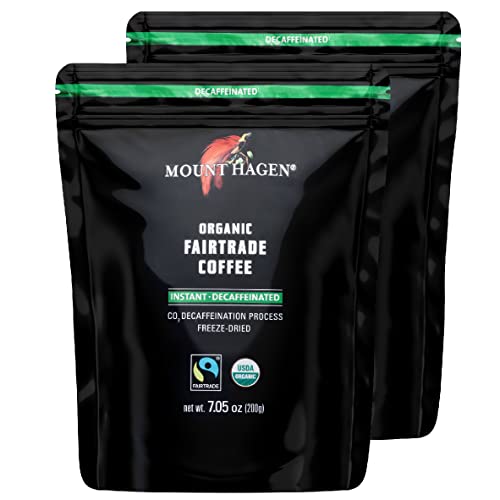
Mount Hagen Organic Decaf Instant Coffee
Strengths
- Rich, full-bodied
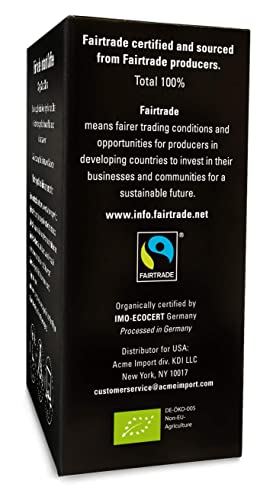
- Organic and Fair Trade
- Dissolves in cold water
Trade-offs
- Higher price point
- Slightly smaller yield per ounce
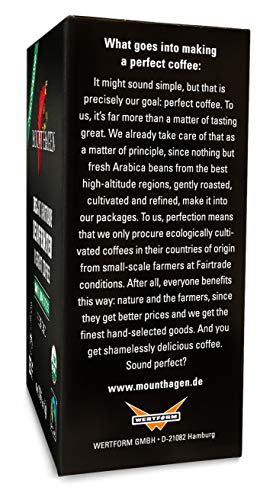
When people say good instant decaf doesn’t exist, I point them to Mount Hagen. This is freeze-dried decaf that actually tastes like coffee, rich, aromatic, and surprisingly layered. The use of 100% USDA Organic and Fair Trade Arabica beans, plus the CO2 decaffeination process (99.99% caffeine removed), sets a high bar. Reviewers note the flavor is balanced, with low acidity and no bitterness, which is rare in the instant space.
What really stands out is how well it dissolves, even in cold water, making it a top pick for iced decaf. The resealable pouch keeps it fresh, and the two-pack offers real value. Compared to others in this category, this one bridges the gap between convenience and quality better than almost any other.
Video review
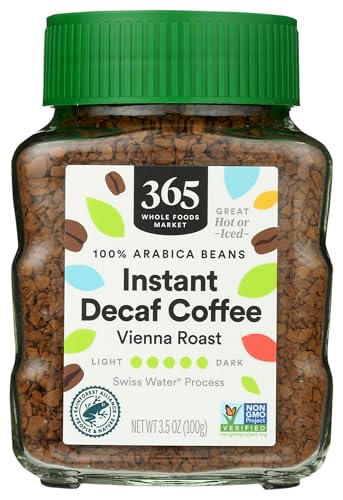
365 by Whole Foods Decaf Coffee
Strengths
- Swiss Water Process
- Easy dissolving
- Clean, smooth taste
Trade-offs
- Small jar size
- Less bold than labeled
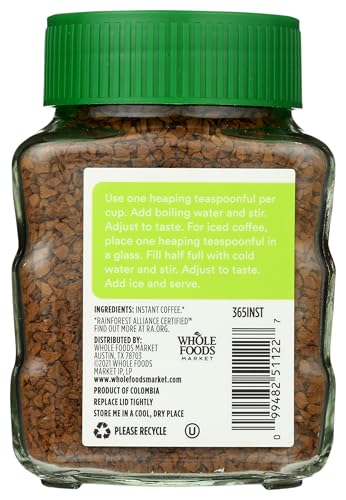
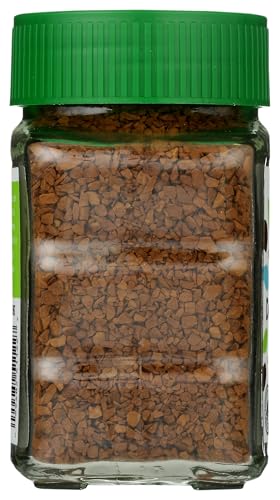
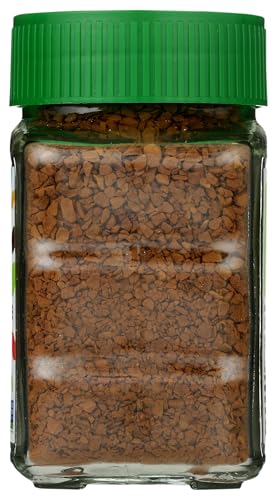
I appreciate that Whole Foods went with the Swiss Water Process here, arguably the cleanest decaffeination method, free of chemicals and ideal for sensitive palates. The Dark Vienna roast aims for depth, and the 100% Arabica beans deliver a smooth, slightly sweet profile with minimal bitterness. Owners say it’s easy to dissolve and works well for both hot and iced coffee, though the 3.5 oz jar is on the small side.
It doesn’t quite match Mount Hagen in complexity, but it’s a solid organic budget alternative with clean credentials. The flavor is pleasant but not bold, more of a gentle evening cup than a morning jolt substitute. If you shop at Whole Foods anyway, it’s a no-brainer to try.
Product photos

Nescafé Gold Decaf Espresso

Strengths
- Café-style crema
- Smooth, aromatic
- Great for Americanos
Trade-offs
- Small jar
- Higher cost per cup
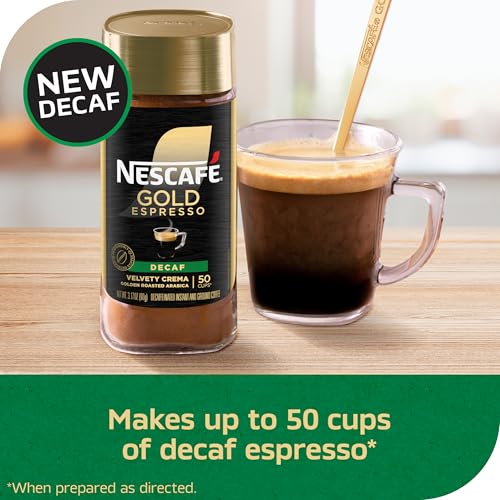
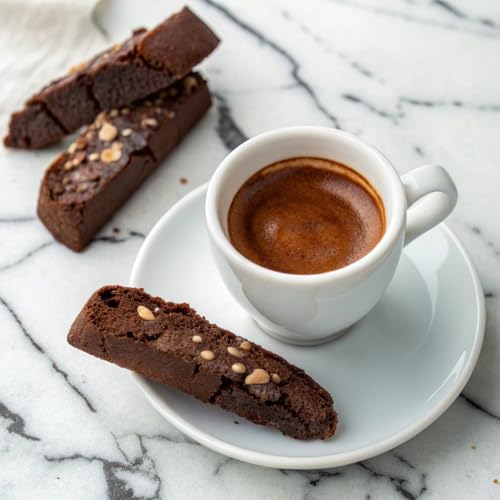
If you miss the intensity of espresso but want to skip the caffeine, this is the closest instant gets. NESCAFÉ Gold leans into its crema-forming ability, a rare trick in decaf instant, giving the cup a velvety mouthfeel that mimics a real café shot. Made from golden-roasted Arabica beans, it’s smoother and more refined than standard instant, with a bright, aromatic lift that many decafs lack.
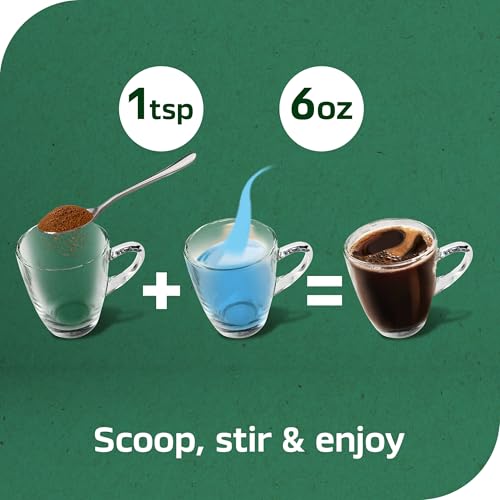
Owners appreciate the ritual: one teaspoon, hot water, and you’re seconds from a satisfying decaf espresso or Americano. It doesn’t replace a machine, but it delivers on its promise. Compared to Taster’s Choice, it’s more sophisticated, though less economical.
Product photos

Nescafé Taster’s Choice Decaf House Blend
Strengths
- High yield
- Smooth for price
- Easy prep
Trade-offs
- Mild flavor
- Less rich than premium picks
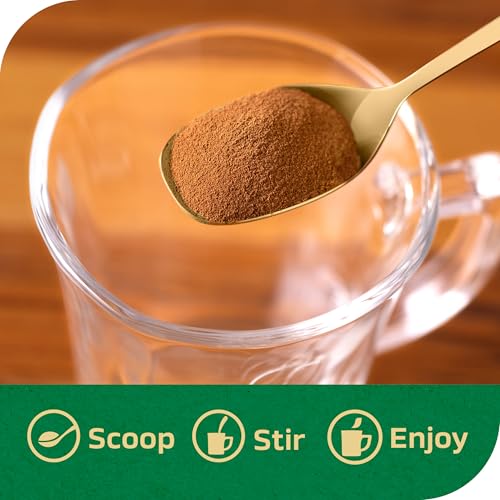
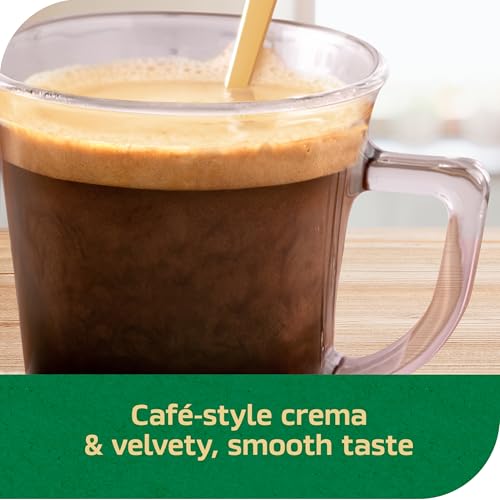
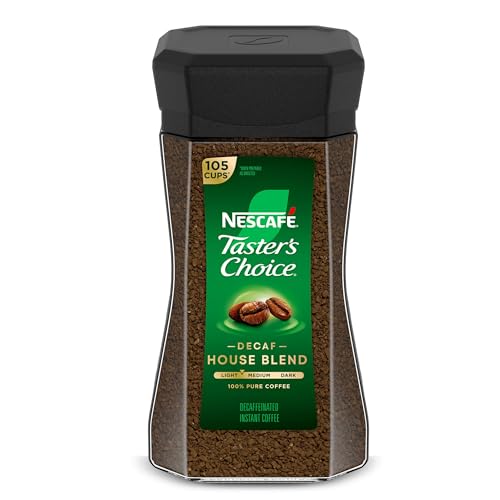
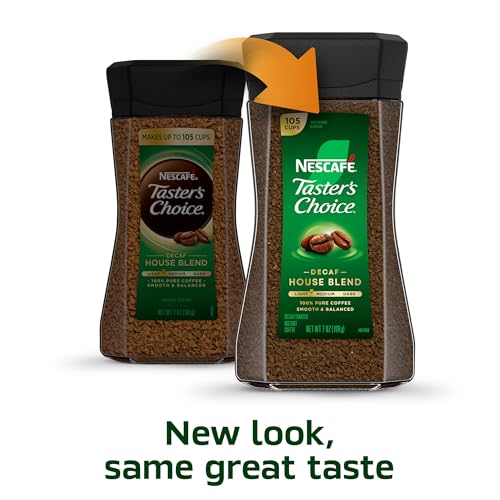
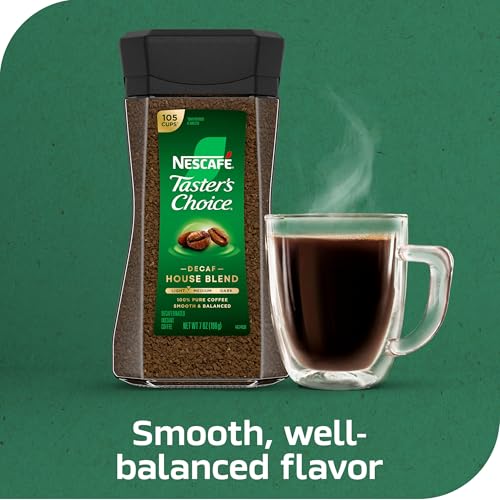
This is the volume king, two 7-ounce jars mean up to 210 cups, and the price per serving is hard to beat. The medium-light roast delivers a clean, balanced flavor that’s noticeably smoother than basic supermarket decafs. It’s not complex, but owners say it’s reliable, with no harsh notes or chalky aftertaste that plague cheaper options.
It’s the smart pick if you’re stocking a break room or need a daily decaf without burning through savings. That said, it doesn’t impress in aroma or depth. Compared to Mount Hagen or Gold, it’s functional rather than inspiring. But for consistent, inoffensive sipping, it wins on value.
Product photos

Folgers Classic Decaf Instant Coffee
Strengths
- Fast dissolving
- Low caffeine
- Large jar
Trade-offs
- Flat, dull taste
- Lacks richness
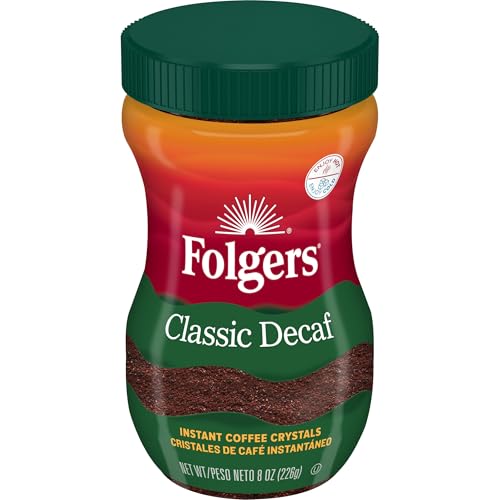
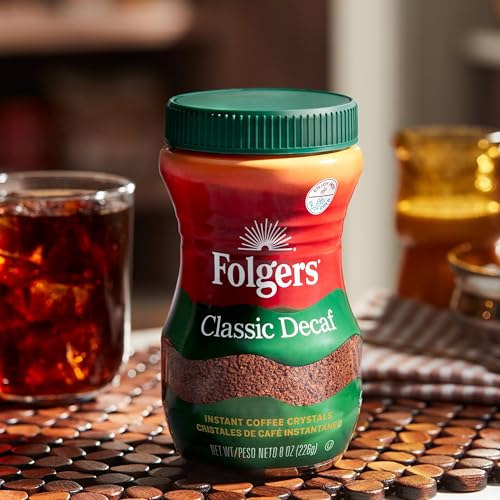
Folgers Classic Decaf is the definition of no-frills. It dissolves fast in hot or cold liquid, which makes it a decent emergency option or campsite staple. The 99.7% caffeine-free claim matches industry standards, and the 8 oz jar gives you a decent run. But the flavor? It’s thin and a bit dusty, owners describe it as “drinkable” but not enjoyable.
In a field where even budget options like Taster’s Choice offer smoother profiles, this one feels outdated. It’s the kind of coffee you drink when you’re out of everything else. If value were the only factor, Taster’s Choice still wins on taste per dollar.
Product photos


Mount Hagen Single-Serve Decaf Packets

Strengths
- Ultra-portable
- No cleanup
- Consistent quality
Trade-offs
- Higher cost per serving
- Smaller volume per packet
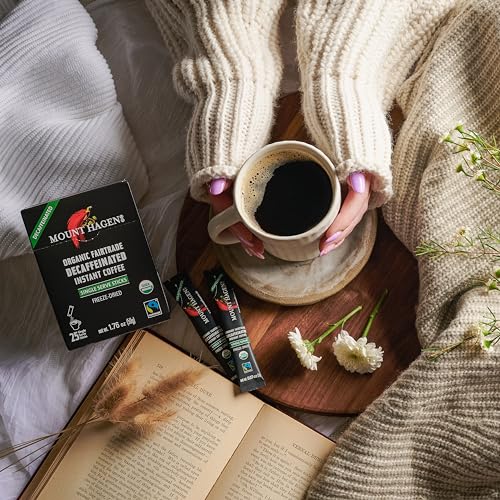
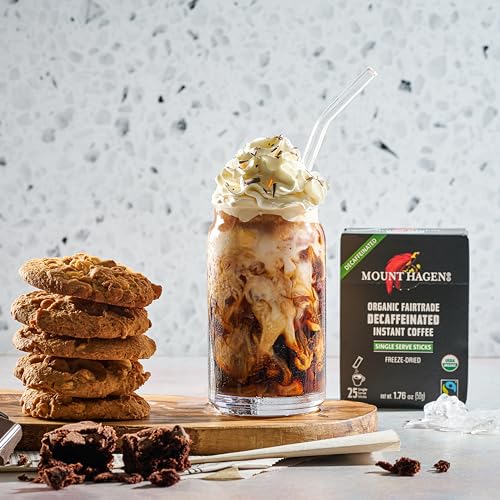
This is the ultimate grab-and-go solution. Each stick delivers the same organic, Fair Trade, CO2-processed decaf you get in the jar, now in portable form. Reviewers love tossing a few into their bag for travel, hikes, or office drawers, zero mess, zero cleanup. The taste stays consistent: smooth, low-acid, with a clean finish.
I’d pick these over the jar version if I were often away from home. They’re slightly more expensive per cup, but the convenience justifies it for mobile lifestyles. Compared to other single-serve decafs, these stand out for ethical sourcing and better flavor clarity.
Product photos

Our Testing Process
As the founder of Bean Thusiast, I’ve spent years exploring the world of coffee, from sourcing to brewing. Rather than a hands-on lab test, this selection of instant decaf coffees is a research-led comparison of published specifications, features, and – crucially – owner and expert reviews. We looked at a wide range of options, then ranked them based on taste, convenience, and value, relying on reported experiences to build a well-rounded picture.
For instant decaf, the key factors really come down to flavor and decaffeination process. A truly enjoyable cup needs to avoid that often-reported “instant coffee” taste, and the method used to remove caffeine significantly impacts the final flavor profile. We weighted coffees using CO2 processing higher, as it’s known for preserving more of the bean’s original characteristics. Ethical sourcing and organic certification were also important considerations.
Product specifications reliably tell you about bean type (Arabica is generally preferred) and caffeine levels (though “99.9% decaffeinated” doesn’t mean zero caffeine – something to consider if you’re sensitive, and why understanding residual caffeine in decaf is important). However, nuanced aspects like smoothness and overall taste are best gleaned from owner feedback and trusted coffee review sites. We carefully weighed these reports to assess real-world enjoyment.
How To Choose The instant decaf coffee
Finding a truly satisfying instant decaf can be tricky – many fall flat. We’re here to help you navigate the options and find a cup you’ll genuinely enjoy.
Instant decaf coffee relies heavily on the quality of the original bean and the decaffeination process. Look for 100% Arabica beans, as they generally offer a smoother, less bitter flavor. Pay attention to how the caffeine is removed; the Swiss Water Process explained is generally considered superior, avoiding harsh chemicals. Finally, consider the form – granules, powder, or single-serve packets – and choose what best suits your lifestyle.
Flavor & Bean Quality
I always say, don’t settle for bland! The biggest complaint with instant decaf is often a lack of flavor. Many brands cut corners with Robusta beans, which are cheaper but contribute to bitterness. Look for products specifically stating they use 100% Arabica beans, and ideally, even specify the origin. Single-origin options, while less common in the instant world, can offer a more nuanced flavor profile. Don’t be afraid to spend a little more for a noticeably better taste; you’re already avoiding the expense of a full brewing setup.
Decaffeination Process
The method used to remove caffeine dramatically impacts flavor. While several methods exist, some are harsher than others. The gold standard is the Swiss Water Process, a chemical-free decaf method that uses only water, temperature, and time to separate the caffeine. CO2 processing is also good, but some methods use chemical solvents (methylene chloride or ethyl acetate) which, while deemed safe in trace amounts by the FDA, can leave residual flavors.
Here’s what to consider when evaluating the decaffeination process:
- Swiss Water Process: The most gentle, preserving flavor.
- CO2 Process: A good alternative, often retaining more flavor than solvent-based methods.
- Solvent-based: Generally the cheapest, but can impact the final taste. Look for brands that clearly state which process they use.
A good rule of thumb: if a brand doesn’t prominently display how they decaffeinate their coffee, assume it’s the least expensive (and potentially flavor-compromising) method.
Convenience & Format
Think about how you’ll actually use the instant decaf. Are you primarily making single cups at your office? Single-serve packets like those from Mount Hagen are ideal. Do you want a large, cost-effective supply for home? A bulk jar or resealable pouch, like those offered by Maxwell House or Folgers, is a better choice. I’ve also found that the quality of the packaging matters. Resealable pouches keep the coffee fresher, preserving that premium instant decaf with rich flavor for longer. And, if you’re seeking a versatile option for both hot and iced drinks, ensure the granules dissolve easily in cold liquids, as Mount Hagen excels at.
Instant Decaf Coffee Compared
Here’s a comparison of key specifications for various instant decaf coffee options.
| Product Name | Container Size | Caffeine Free (%) | Organic | Bean Type | Number of Cups |
|---|---|---|---|---|---|
| Mount Hagen Organic Decaf | 7.05 oz | 99.99 | Yes | Arabica | 100 |
| Mount Hagen Single-Serve Decaf | N/A | 99.99 | Yes | Arabica | N/A |
| Nescafé Taster’s Choice Decaf | 14 oz (2 x 7oz) | N/A | No | N/A | 210 |
| 365 by Whole Foods Decaf Coffee | 3.5 oz | N/A | Yes | Arabica | N/A |
| Maxwell House Original Roast Decaf | 8 oz | 99.7 | No | N/A | 120 |
| Nescafé Gold Decaf Espresso | 3.17 oz | N/A | No | Arabica | 50 |
| Folgers Classic Decaf | 8 oz | 99.7 | No | N/A | N/A |
Frequently Asked Questions
What caffeine level can I realistically expect in “decaf” instant coffee?
While labeled “decaf,” instant coffee isn’t entirely caffeine-free. You can expect around 2-12mg of caffeine per cup, depending on the brand and processing method; even coffees claiming 99.9% decaffeination still contain trace amounts. This is important to know if you are particularly sensitive to caffeine.
Is Swiss Water Process decaf really better in terms of taste?
Yes, the Swiss Water Process is widely considered superior for preserving flavor. It uses only water, temperature, and time to remove caffeine, avoiding the chemical solvents that can sometimes leave an off-taste in other decaffeination methods. You’ll generally find it in some of the best decaffeinated instant coffee brands.
Can I use instant decaf coffee to make iced coffee?
Absolutely, but solubility matters. Some instant decaf coffees don’t dissolve well in cold water, leaving sediment. Brands like Mount Hagen are known for their excellent solubility, making them ideal for both hot and iced applications.
How long does an opened container of instant decaf coffee stay fresh?
Properly stored, an opened container of instant decaf should stay fresh for about 6-12 months. Air, moisture, and light are the enemies of freshness, so I recommend storing it in an airtight container in a cool, dark place.
What should I look for if I’m trying to find ethically sourced instant decaf?
Look for certifications like Fair Trade or Organic, which often indicate a commitment to ethical sourcing practices. These certifications aren’t a guarantee, but they’re a good starting point when seeking top-rated instant decaf coffee that aligns with your values.
The Bottom Line
Choosing the best instant decaf coffee often comes down to balancing convenience with flavor expectations. While no instant coffee will fully replicate a freshly brewed cup, Mount Hagen Organic Decaf consistently receives high marks for its smooth taste and commitment to quality decaffeination – it’s a great all-around choice if you’re willing to spend a little more.
For those on a budget, Maxwell House Original Roast Decaf provides a reliable and affordable option, and if you’re specifically looking for single-serve convenience, the Mount Hagen Single-Serve Decaf packets are hard to beat. Those prioritizing organic sourcing and a truly exceptional flavor profile will find 365 by Whole Foods Decaf Coffee a worthwhile investment.
Ultimately, remember that the “best” coffee is the one you enjoy most. Don’t get too caught up in specifications like bean origin or decaffeination method. Focus on finding a brand that uses 100% Arabica beans and a process that preserves flavor, and don’t hesitate to experiment until you find a brew that suits your palate, especially if you’re concerned about decaf impact on sleep quality.
