
6 Best Home Barista Coffee Machines of 2026
The Breville Barista Express stands out as the overall best home barista coffee machine for its integrated grinder and precise control, while the CASABREWS CM5418 is a solid budget pick with reliable performance. For compact spaces and quick heat-up, the Breville Bambino earns its spot as a top versatility choice.
Home barista setups aren’t just about making coffee, they’re about crafting an experience that matches your skill level and daily routine. Too many machines promise café-quality results but fall short on consistency, ease of use, or long-term reliability.
As Harry A. Sanders, founder of Bean Thusiast, I’ve spent years studying the gear behind great espresso. This guide reflects a deep explore specs, verified owner feedback, and expert analysis to spotlight machines that truly deliver. We prioritized pressure stability, milk texturing ability, and real-world usability, so you can choose with confidence.
Top 6 Home Barista Coffee Machine in the Market
The Best Home Barista Coffee Machine, Reviewed
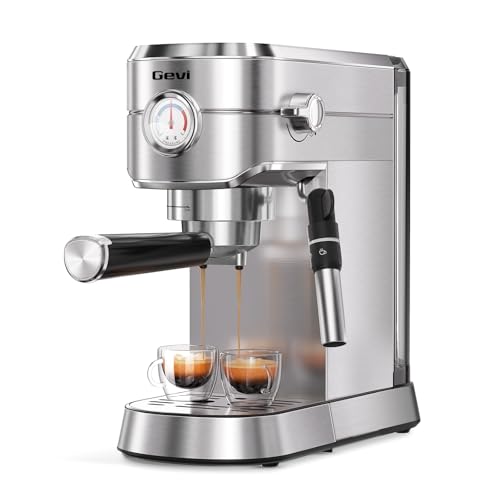
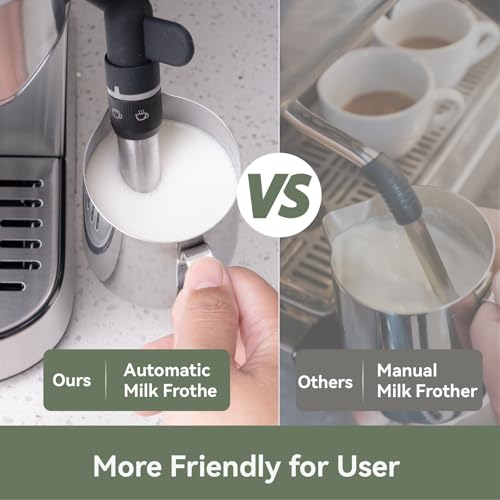
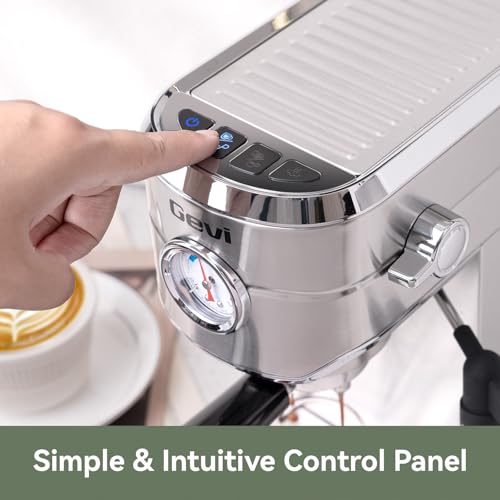
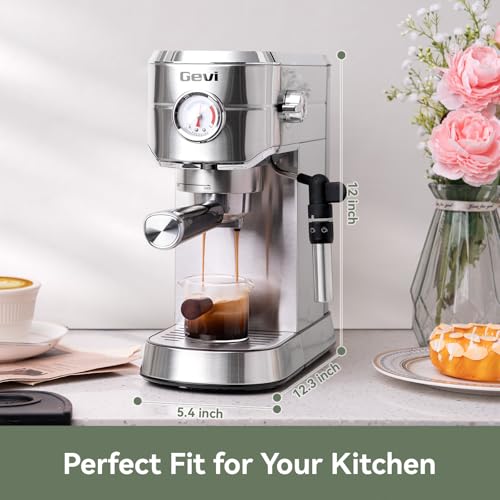
Gevi Espresso Machine with Auto Frother
Strengths
- Pod and ground coffee compatible
- Auto frother included
- Compact and sleek
Trade-offs
- NTC not as precise as PID
- Build quality decent but not premium
- Limited customization for extraction
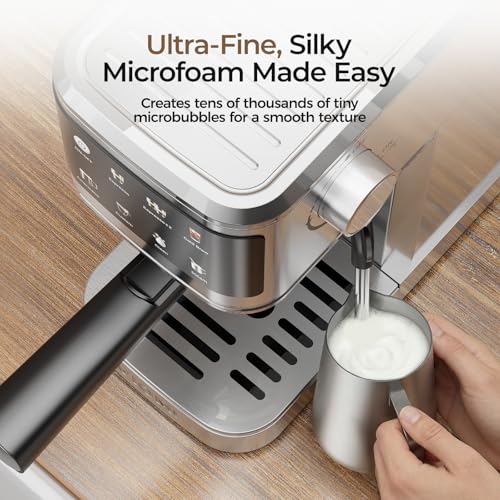
Gevi’s machine stands out by blending versatility and ease of use in a clean stainless build. The auto frother works reliably, and owners praise how little effort it takes to get decent microfoam, even for total newbies. What really pushes it ahead is the multi-compatible design: it handles ground coffee, ESE pods, and even Nespresso capsules. That flexibility means you’re not locked into one brewing style, which is rare in this category. The NTC temp control isn’t as precise as PID, but most users don’t notice the difference in daily use.
It’s not a specialty-grade machine, though. The 20-bar pump is standard, but extraction consistency isn’t on par with Breville’s PID-controlled models. Still, for someone who values convenience and variety over absolute precision, this is a smart pick. It’s also quieter than most, which matters in a morning routine.
Product photos


CASABREWS CM5418 Espresso Machine

Strengths
- Pressure gauge included
- Good steam wand performance
- Affordable price point
Trade-offs
- No PID temperature control
- Slower recovery between tasks
- Manual operation only
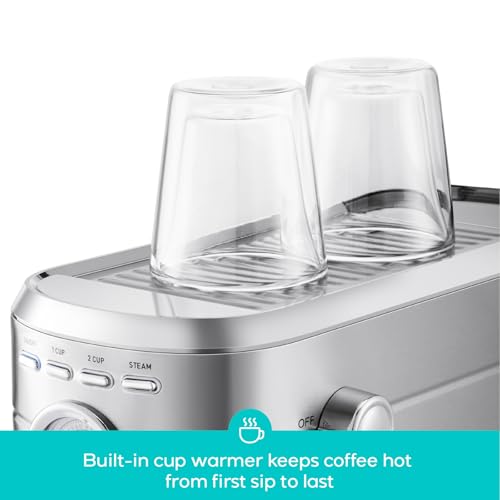
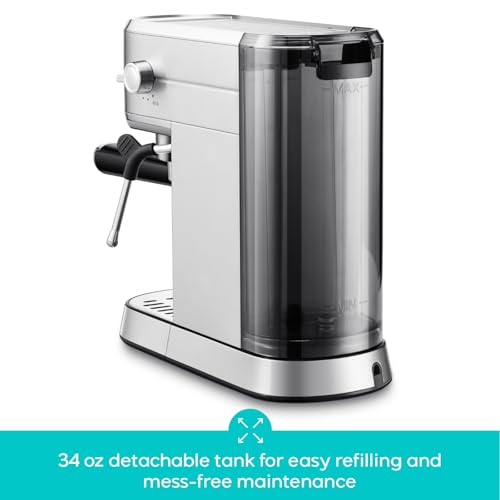
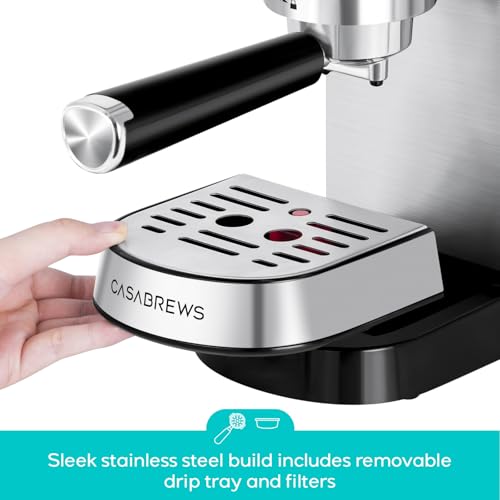
CASABREWS hits the sweet spot for budget-conscious buyers who still want a stainless steel build and 20-bar pressure. The standout here is the pressure gauge, which is uncommon at this price, it helps users actually see and adjust extraction pressure, leading to better shot tuning. The steam wand performs well for milk texturing, though it demands some technique. Owners report it’s surprisingly capable for the price, especially for making cappuccinos and lattes with decent crema.
Where it falls short is in automation and thermal stability. No PID means temperature can drift, and the boiler recovery time is slower than Breville’s. You also have to wait between brewing and steaming, just like the Bambino. But for the price, it’s hard to fault. It’s a solid entry-level machine that doesn’t feel cheap.
Product photos


Breville Barista Express Espresso Machine
Strengths
- Built-in precision grinder
- Excellent shot consistency
- Manual steam wand control
Trade-offs
- Steeper learning curve
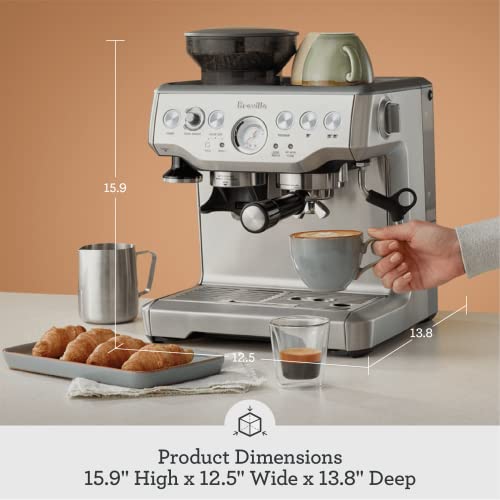
- Larger footprint
- Requires regular cleaning
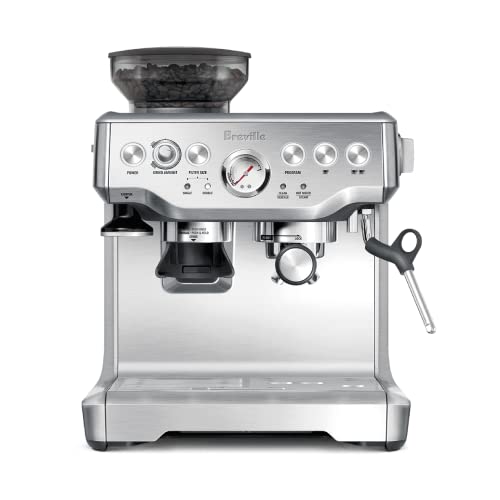
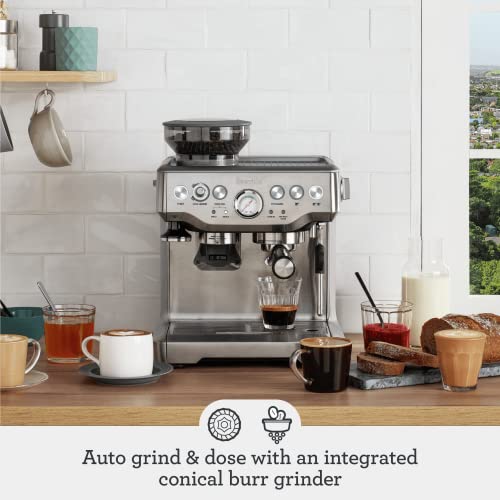
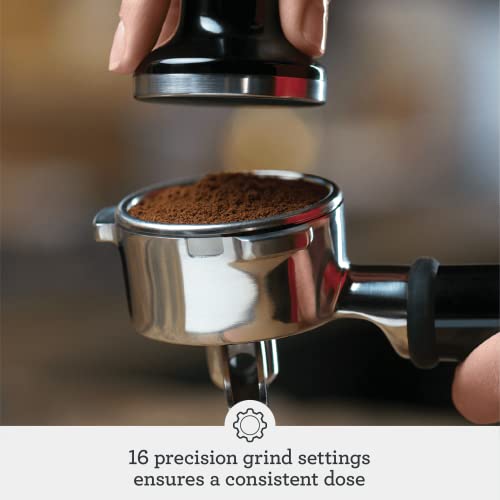
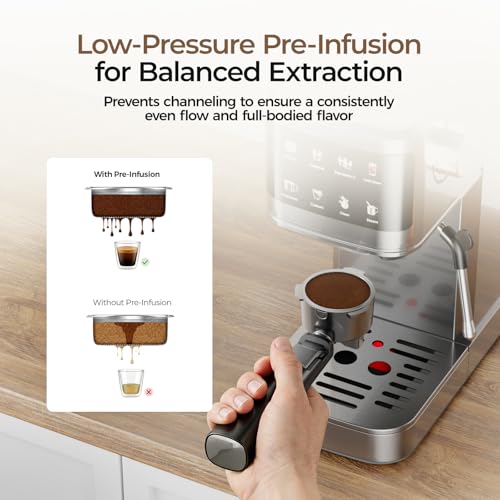
If you want to go from whole bean to espresso in one machine, the Barista Express remains a top-tier choice. The integrated conical burr grinder with dose control is where it shines, owners love the convenience of grinding directly into the portafilter and fine-tuning grind size for different roasts. Combined with PID temperature control and low-pressure pre-infusion, it delivers consistent, balanced shots that rival café quality. The manual steam wand takes practice, but it gives you real control over milk texture, which is essential for latte art.
That said, the learning curve is real. First-time users often struggle with tamping pressure and grind settings before dialing things in. It’s also bulkier than the Bambino. But if you’re serious about improving your barista skills at home, this machine rewards the effort. I’d pick it over the Bambino for anyone committed to mastering the full process.
Product photos


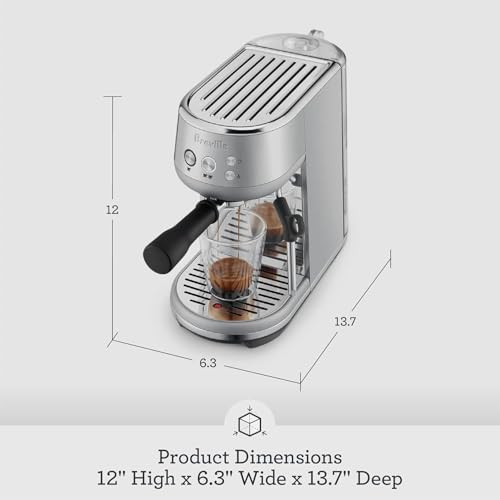
Breville Bambino Espresso Machine
Strengths
- Compact design
- Fast heat-up
- Auto milk frothing
Trade-offs
- No simultaneous brew and steam
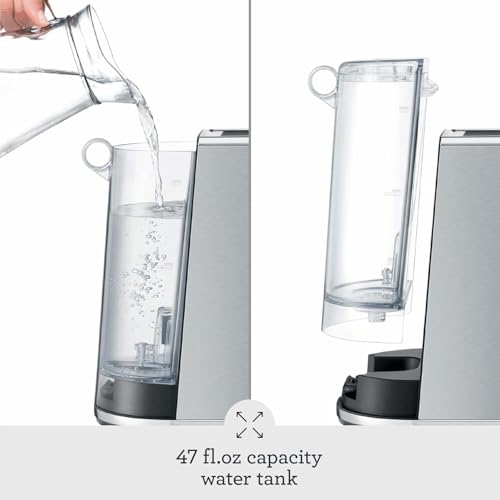
- Smaller water tank
- No built-in grinder
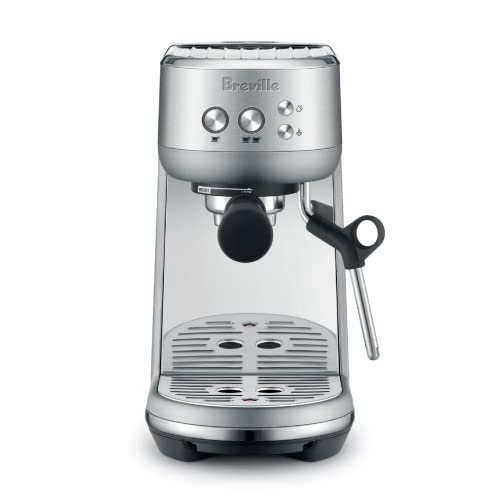
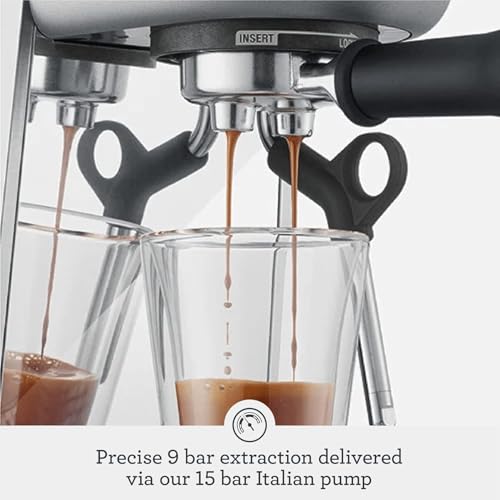
The Bambino packs serious barista-grade tech into a footprint small enough for tight kitchens, and that’s its real win. On paper, the 54mm portafilter with 19g capacity, PID temperature control, and low-pressure pre-infusion check all the boxes for balanced, flavorful shots. Owners consistently report rich crema and repeatable pulls, especially impressive given how fast the thermojet heats up. The standout feature though? The automatic steam wand. It actually delivers handsfree microfoam, which is rare at this size and price. For beginners or those short on time, that’s a standout.
Still, it’s not without trade-offs. The compact boiler means you can’t brew and steam simultaneously, so you’ll wait between pulling a shot and frothing. That’s expected in this class, but worth noting if you’re used to dual-boiler setups. Compared to the Barista Express, it’s simpler and faster, but you lose the built-in grinder.
Product photos

atatix Espresso Machine with Milk Frother
Strengths
- Manual extraction mode
- Strong steam wand
- Large water tank
Trade-offs
- Mixed plastic and metal build
- Suction feet may leave marks
- Basic interface
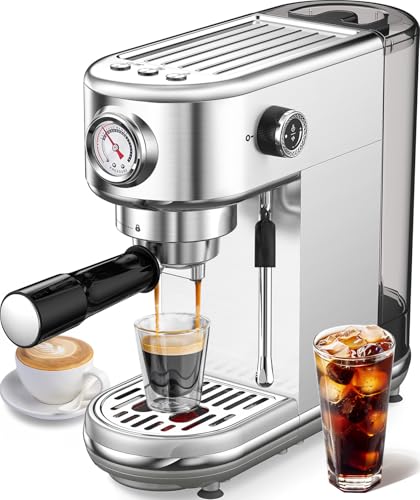
The atatix machine earns points for offering true manual extraction control in a budget package, a feature usually reserved for higher-end models. The ability to manually set extraction time up to 102 seconds lets users experiment with concentration and flavor in ways most semi-autos don’t allow. Combined with NTC temp control that locks in the ideal range, it delivers surprisingly nuanced shots, especially for light roasts. The steam wand is also strong, producing velvety microfoam that reviewers say rivals more expensive units.
It’s not perfect. The build mixes ABS plastic with stainless steel, so it feels less solid than all-metal competitors. And while the 44oz tank is a plus, the suction feet, though effective, can leave residue on countertops. But for someone who wants to learn espresso tuning without overspending, this is one of the most capable starters out there.
Product photos

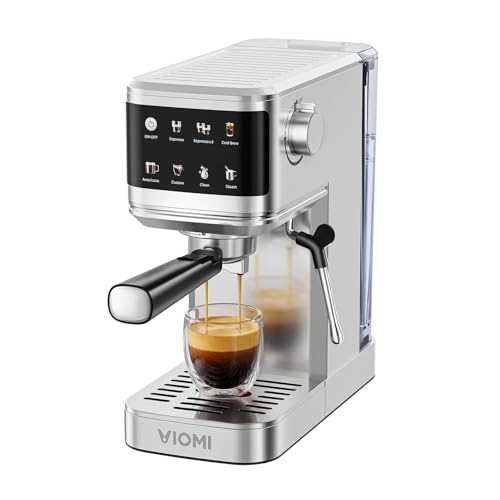
VIOMI T1A Pro Espresso Machine
Strengths
- Touchscreen interface
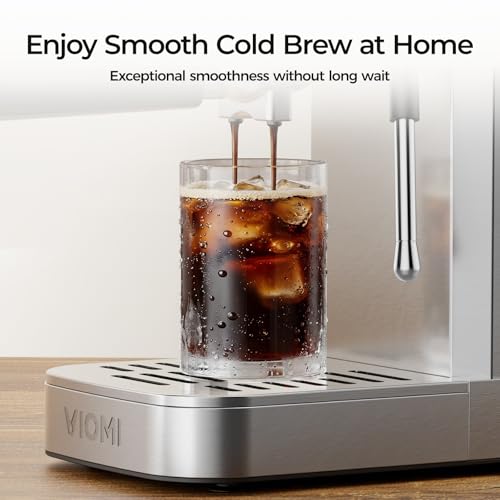
- Americano and cold brew modes
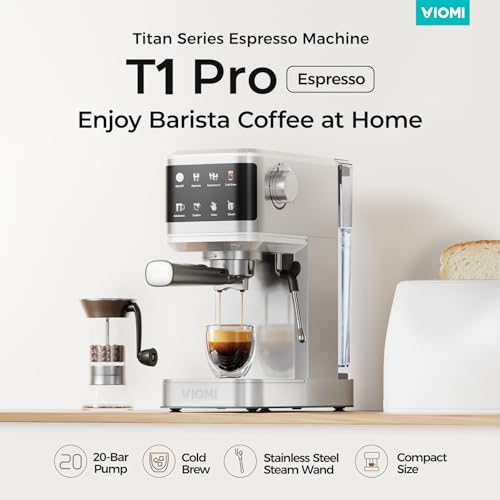
- Compact and modern design
Trade-offs
- Touchscreen less durable
- NTC not as precise as PID
- Limited manual control
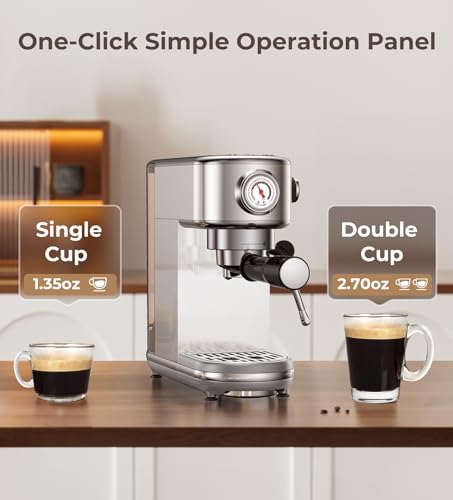
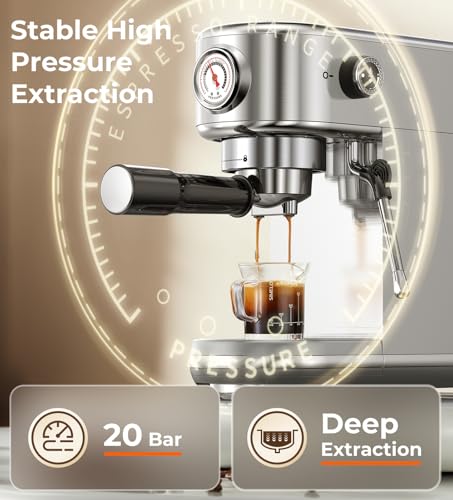
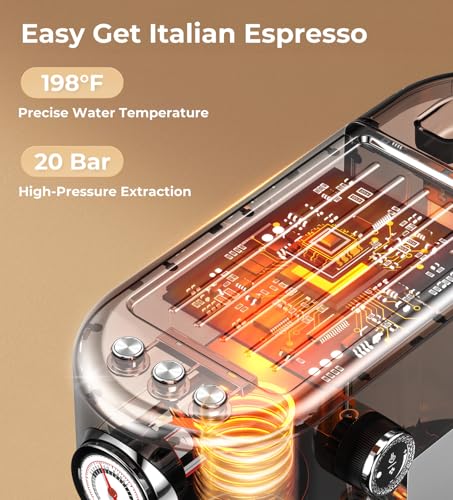
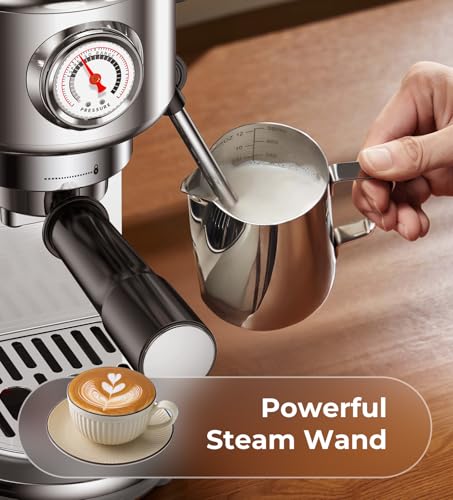
VIOMI’s T1A Pro stands out with its touchscreen interface, a rarity in home espresso machines. It’s not just for show; the customizable brew volumes and preset Americano and cold brew functions make it unusually versatile. The NTC temp control keeps things stable enough for consistent shots, and the low-pressure pre-infusion helps with even extraction. Owners appreciate how intuitive it is, especially for beginners. The cold brew function is a fun bonus, though it’s not the main draw.
But touchscreens can be a double-edged sword. Some users report sensitivity issues over time, and it’s less durable than physical buttons. The steam wand works well, but not as powerful as Breville’s. Still, if you value modern controls and flexibility in your drinks, this machine brings something fresh to the table. It’s more appliance than artisan tool, but that fits many kitchens.
Product photos
How We Evaluated home barista coffee machine
As a coffee enthusiast and the founder of Bean Thusiast, I’ve always been fascinated by bringing the café experience home. To recommend the best home barista coffee machines, we focused on a research-led comparison of published specifications, owner reviews from multiple sources, and expert opinions. Rather than a hands-on lab test of each unit, we analyzed features and performance claims alongside what real users are reporting. This allowed us to build a ranking based on practical usability and long-term satisfaction.
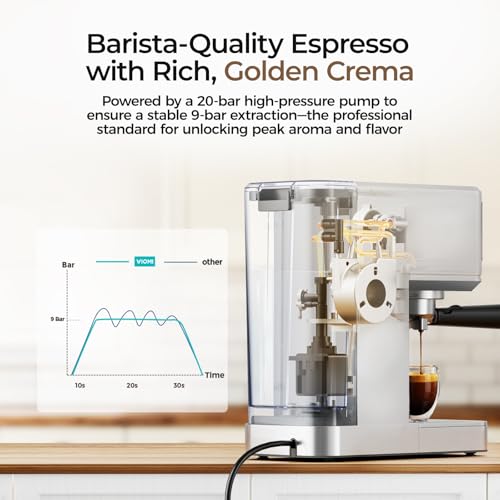
For this category, consistent extraction pressure and milk frothing capability were weighted most heavily. Achieving a true espresso requires consistent 9-bar pressure, directly impacting flavor and crema. Equally important is the ability to create microfoam for lattes and cappuccinos – a weak or bubbly froth simply won’t deliver the café quality many home baristas are seeking. Beyond these, ease of use and cleaning factored significantly into our overall assessment.
Specifications reliably indicate pump pressure, boiler type, and tank capacity. However, we relied heavily on owner feedback to gauge real-world consistency of temperature control, steam wand power, and long-term durability. Reputable expert reviews helped validate claims and identify potential weaknesses or quirks. If you’re looking for more detailed guidance on a specific brand, our Breville coffee machine guide offers a deep explore operation and maintenance.
Choosing The Right home barista coffee machine
Choosing the right coffee machine for your home can feel overwhelming. There’s a vast landscape of options, but focusing on a few key factors will help you narrow down the field and find a machine that truly delivers the quality brew you desire.
A quality home espresso machine balances consistent temperature control, adequate pressure (typically 9 bars during extraction), and user-friendly features. Look for machines with robust build quality, stainless steel components where possible, and a design that suits your skill level and daily coffee needs. Pay attention to the type of grinder (integrated vs. separate) and the features offered for milk texturing.
Understanding Brew Pressure & Temperature Stability
Many home users underestimate how critical consistent brewing temperature and pressure are. A machine boasting a 20-bar pump sounds impressive, but maintaining 9 bars during extraction is what matters. Fluctuations lead to under- or over-extraction, resulting in sour or bitter shots. The Breville Bambino, for example, uses a thermojet heating system to deliver rapid heat-up and stable temperatures, which is a significant advantage for smaller kitchens. Don’t simply chase the highest bar rating; research whether a machine consistently delivers within the ideal 9-bar range.
Milk Frothing Capabilities: Beyond the Steam Wand
While a powerful steam wand is essential for latte art, the ease of achieving consistent microfoam is a huge differentiator. Some machines, like the Gevi Espresso Machine, incorporate auto-frothing features which are fantastic for beginners. However, for more control and a truly velvety texture, a manual steam wand, like those found in the Breville Barista Express, is preferable. If you’re serious about latte art, you’ll also want to learn about steam wand and boiler functions to maximize your results.
Balancing Features with Your Budget and Skill Level
It’s tempting to go for a fully-loaded machine with every bell and whistle, but consider your actual needs and budget. The atatix Espresso Machine with Milk Frother offers manual control options that appeal to experienced users, but might be daunting for someone just starting out. A more streamlined machine, like the CASABREWS CM5418, can be a great entry point, especially if you’re primarily interested in simple espresso shots and cappuccinos.
Here’s what to consider when weighing features against price:
- Grinder: Integrated grinders (like in the Breville Barista Express) add convenience but increase the price.
- Automation: Auto-frothing simplifies milk texturing, but limits control.
- Touchscreen Controls: Machines like the VIOMI T1A Pro can be intuitive, but add to the cost and potential for electronic failure.
Ultimately, you want a machine that you’ll actually use and that consistently produces coffee you enjoy. Don’t fall into the trap of needing the most expensive machine to get great results. If you’re looking to invest in high-end home espresso machines, be sure to consider your long-term goals.
A machine that sits unused on your counter is a waste of money, no matter how many features it has. Prioritize simplicity and ease of use if you’re a beginner, and focus on control and customization as your skills develop.
Home Barista Coffee Machine Compared
Here’s a comparison of key specifications for several home barista coffee machines to help you make an informed decision.
| Product Name | Pressure (Bar) | Water Tank Capacity (oz) | Integrated Grinder | Auto Frother | Touchscreen |
|---|---|---|---|---|---|
| Gevi Espresso Machine | N/A | N/A | No | Yes | No |
| CASABREWS CM5418 Espresso Machine | 20 | 34 | No | Yes | No |
| Breville Barista Express | N/A | 67 | Yes | Yes | No |
| Breville Bambino Espresso Machine | N/A | N/A | No | Auto | No |
| atatix Espresso Machine | 20 | N/A | No | Yes | No |
| VIOMI T1A Pro Espresso Machine | 20 | N/A | No | Yes | Yes |
Frequently Asked Questions
What pressure is actually needed for good espresso?
Consistent 9-bar pressure during extraction is what matters most, not a machine’s maximum advertised pressure. Fluctuating pressure leads to uneven extraction, impacting the flavor, while a stable 9 bars consistently produces quality crema and balanced shots.
Are more expensive machines always better?
Not necessarily. A higher price often means more features, but a simpler, well-built machine will deliver better results if it fits your skill level and daily needs. Consider if you’ll actually use all the bells and whistles before investing in a premium model.
How important is an integrated grinder?
While convenient, integrated grinders aren’t essential for everyone. If you prefer freshly ground beans and don’t mind a separate appliance, you can achieve excellent results with a standalone burr grinder and a machine without one – many people prefer coffee machines with built-in grinders for that exact convenience, though.
What’s the difference between thermoblock and boiler heating systems?
Thermoblock systems heat water on demand, offering faster heat-up times and energy efficiency, like in the Breville Bambino. Boilers maintain a consistent water temperature, which some enthusiasts believe provides more stable extraction, but take longer to heat up.
How often do these machines require descaling?
Descaling frequency depends on your water hardness, but generally, you should descale every 1-3 months. Minerals build up over time and can affect performance and taste; regular descaling helps maintain optimal operation and extends the machine’s lifespan.
The Bottom Line
Ultimately, choosing a home barista machine comes down to balancing control with convenience. If you’re serious about consistently pulling perfect espresso shots, and willing to invest the time in learning, the Breville Barista Express offers the best overall combination of features and performance. It gives you the tools to really dial in your brewing process.
For those on a tighter budget, or just starting their home barista journey, the CASABREWS CM5418 provides excellent value. Similarly, if you prioritize ease of use and automated milk frothing, the Gevi Espresso Machine is a great option, and the VIOMI T1A Pro offers a modern touchscreen interface for added convenience. Each of these picks delivers a significant step up from basic drip coffee makers.
Don’t get too hung up on chasing the highest pressure rating or fanciest features. The fundamentals, consistent temperature, a quality burr grinder (either integrated or separate), and a willingness to practice, matter far more than any single specification when it comes to enjoying truly exceptional coffee at home.
