
7 Best Hazelnut Coffee Beans of 2026
The best hazelnut coffee beans start with high-quality Arabica and a natural flavoring process, and after comparing the field, Don Francisco’s Hawaiian Hazelnut stands out as the top overall pick for its balanced, toasted nut character and freshness-preserving packaging. For a budget-friendly daily drinker, Eight O’Clock Hazelnut delivers consistent flavor, while The Bean Organic Hawaiian Hazelnut is ideal if you prefer a bold, certified organic option.
Too many hazelnut coffees taste like syrup poured over stale beans. The real problem is finding one where the flavor enhances the coffee instead of drowning it.
I researched dozens of options, focusing on bean origin, roast level, flavoring method, and owner feedback to identify those that deliver a genuine hazelnut experience without sacrificing coffee quality. These picks reflect what matters most: balance, freshness, and honest flavor.
Top 7 Hazelnut Coffee Beans in the Market
The Best Hazelnut Coffee Beans, Reviewed
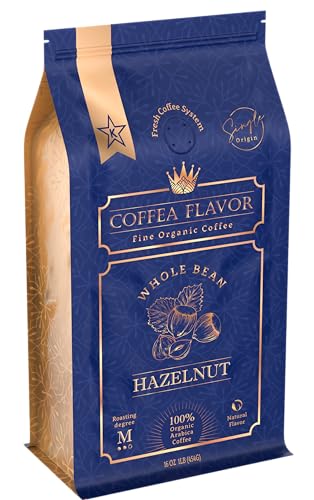
Coffea Flavor Organic Hazelnut Coffee
Strengths
- Single-origin base
- Naturally flavored
- Exceptional aroma
Trade-offs
- Higher price point
- Limited availability
This is the one that changes minds about flavored coffee. Built on a 92-point single-origin Dominican Arabica, it’s not just ‘good for a flavored coffee’, it’s good, period. The naturally flavored hazelnut infusion tastes like toasted nuts, not candy, and owners consistently report the aroma stops conversations the moment the beans hit the grinder.
What sets it apart is the balance: it reads as coffee first, flavor second. You can drink it black, no sugar, no creamer, and still feel indulged. The whole bean format is essential here, grinding fresh unlocks that layered, browned-butter nuttiness that cheaper blends can’t replicate. Compared to others on this list, it’s the only one I’d genuinely recommend to skeptics of flavored beans.
Video review
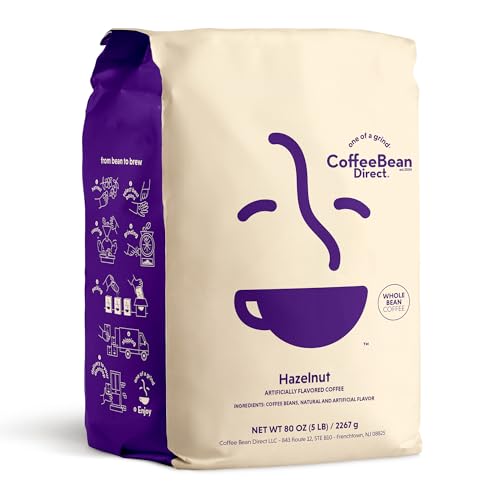
Coffee Bean Direct Hazelnut Flavored
Strengths
- Excellent value
- Smooth light roast
- Large 5-pound supply
Trade-offs
- Lacks depth for specialty coffee fans
- Not organic or flavored naturally
Five pounds of hazelnut coffee? That’s a serious commitment, but if you go through flavored beans like water, this light roast from Coffee Bean Direct is the smarter bulk buy. The light roast preserves the delicate nutty character, giving it a mellow, buttery mouthfeel that reviewers describe as ‘like hazelnut spread in liquid form’, in a good way.
It’s not flashy or artisanal, but the consistency across batches is where this one shines. Owners using it in office settings or large households praise its crowd-pleasing profile and lack of bitterness. Compared to heavier medium roasts, this one lets the hazelnut flavor sit lightly on the palate, making it a better fit for afternoon cups. Just don’t expect origin complexity, this is flavor-forward, not terroir-forward.
Video review
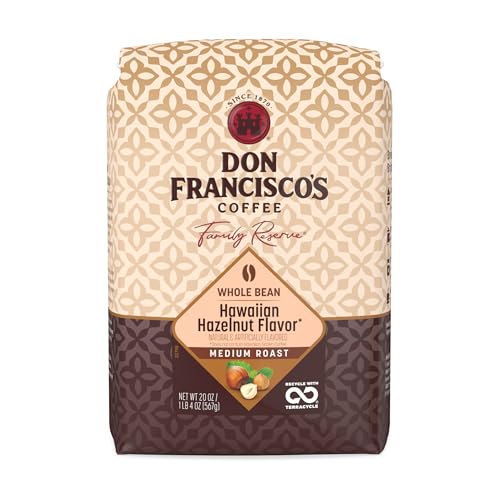
Don Francisco’s Hawaiian Hazelnut Coffee
Strengths
- Classic flavor profile
- Nitrogen-flushed packaging
- Family heritage brand
Trade-offs
- Smaller bag size
- Not organic or naturally flavored
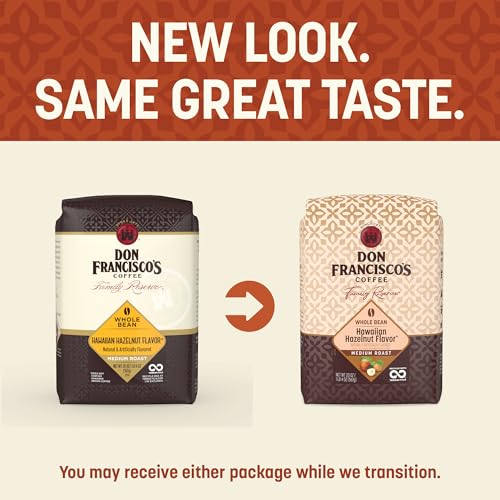
Don Francisco’s brings a no-frills, traditional approach to flavored coffee, and this Hawaiian Hazelnut blend feels like the kind of coffee your uncle would always have in the cupboard, reliable, smooth, and just sweet enough. The medium roast carries a sweet hazelnut aroma with a subtle coconut hint, which owners say makes it stand out from generic nut-flavored blends.
The 20-ounce bag uses nitrogen flushing, which helps maintain freshness longer than standard packaging. It’s not organic or naturally flavored, but for those who grew up on classic flavored coffees and aren’t chasing trendiness, this delivers a nostalgic, satisfying cup. Compared to flashier options, it’s understated, but that’s the point.
Product photos
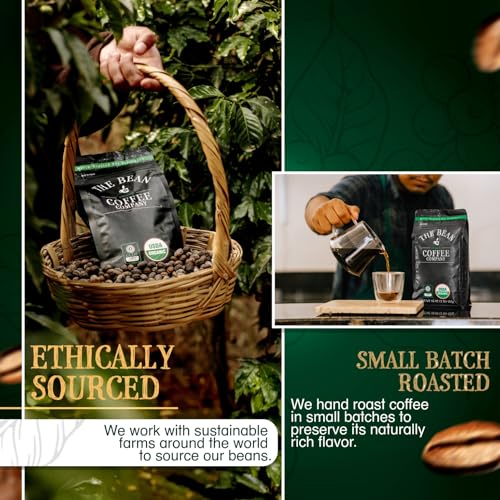
The Bean Organic Hawaiian Hazelnut
Strengths
- Certified organic beans and flavoring
- Sustainably farmed
- Small-batch roasted
Trade-offs
- Milder aroma than conventional blends
- Smaller bag size
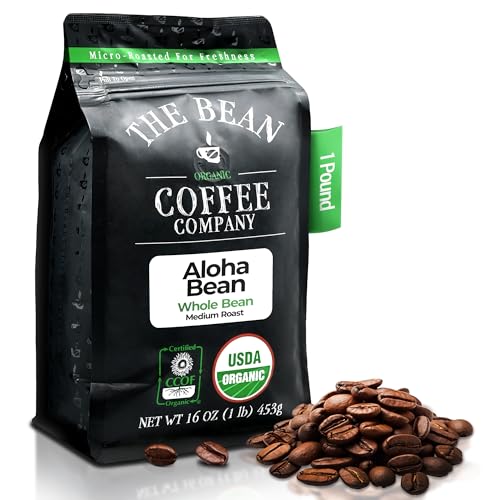
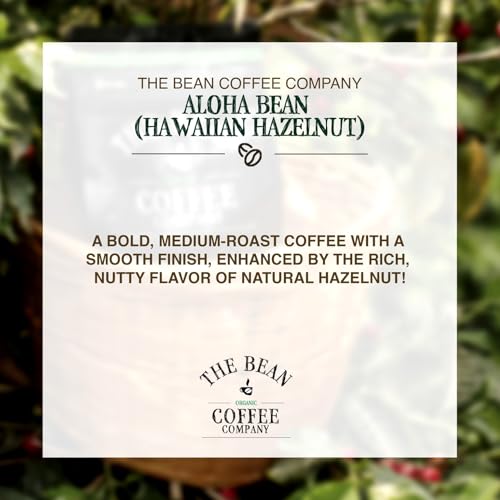
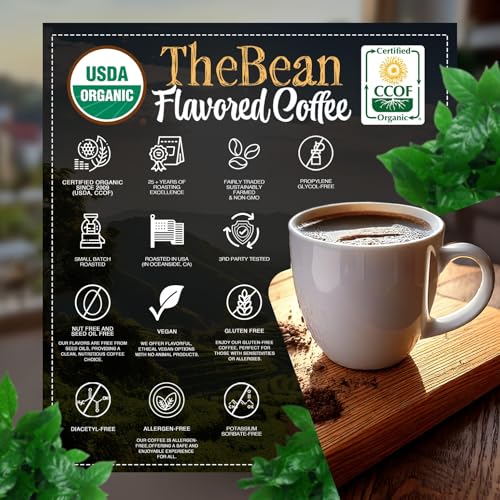
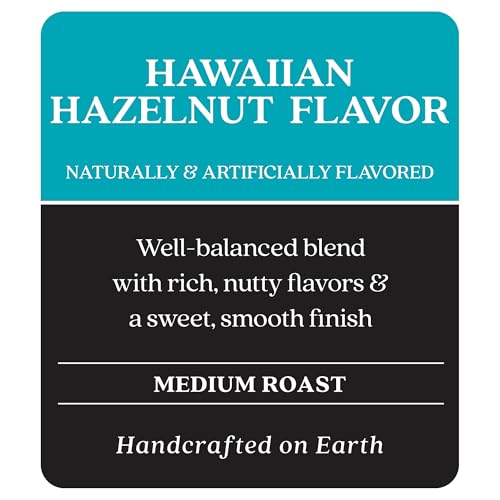
If you want your hazelnut coffee to align with your values, Aloha Bean from The Bean Organic Coffee Company is the one to beat. USDA and CCOF certified organic, with organic flavoring to match, this medium roast is built for drinkers who won’t compromise on sourcing. The small-batch roasting in the USA ensures freshness, and owners report a bold, island-evoking profile with a clean finish.
It’s not the strongest on aroma compared to non-organic peers, some say the flavor is more subtle, but that’s likely because it avoids artificial intensifiers. The 16-ounce bag is smaller than others here, but for a family-run brand committed to sustainable farming and direct-to-consumer freshness, it’s a fair trade. This is the pick when purity matters as much as taste.
Product photos

Copper Moon Hawaiian Hazelnut Blend

Strengths
- Strong aromatic profile
- Small-batch roasted
- Gluten-free and kosher
Trade-offs
- Name may mislead on origin
- Flavor is thematic, not literal
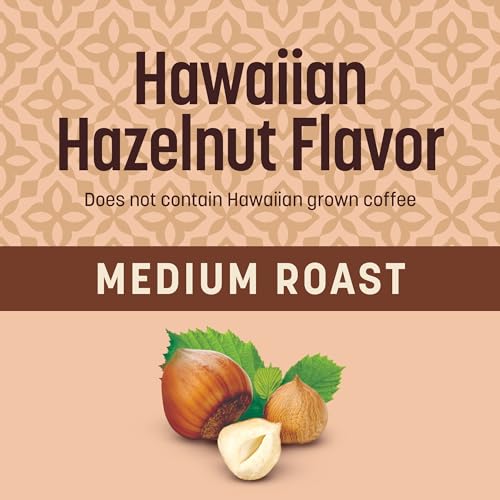
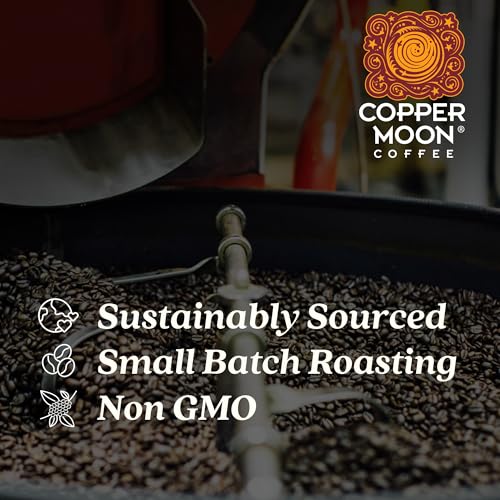
Copper Moon markets this as a ‘tropical escape in a cup,’ and honestly, the aroma alone almost delivers. The moment you open the bag, there’s a warm, toasted hazelnut scent with a whisper of coconut-like sweetness that reviewers say fills the kitchen. On paper, it’s got all the right boxes checked: 100% Arabica, small-batch roasted, high-elevation beans, and a medium roast that balances body and clarity.
But here’s the catch, the ‘Hawaiian’ in the name is purely thematic. It doesn’t contain Hawaiian-grown coffee, which some owners found misleading. Still, the flavor is well-integrated, not sharp or artificial, and the whole bean format helps retain that aromatic punch. If you’re after a rich sensory experience over origin authenticity, this is a solid pick.
Product photos


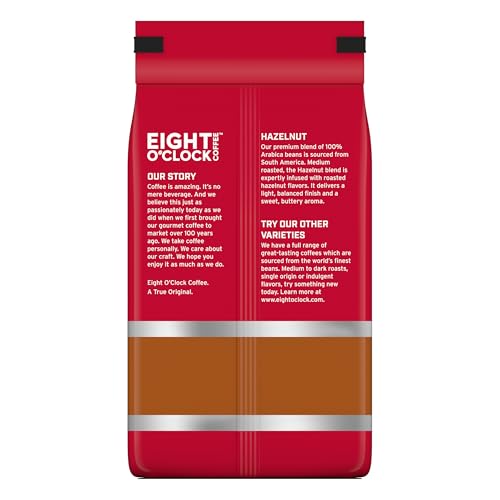
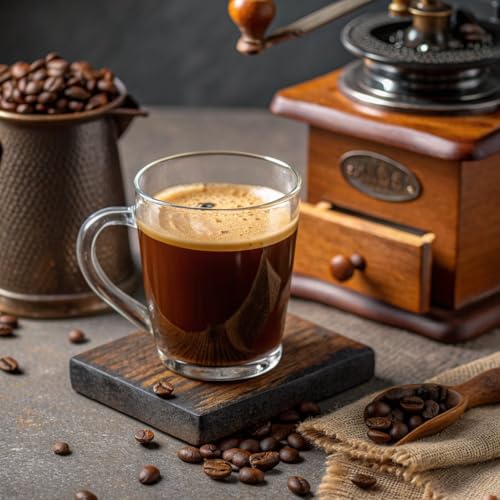
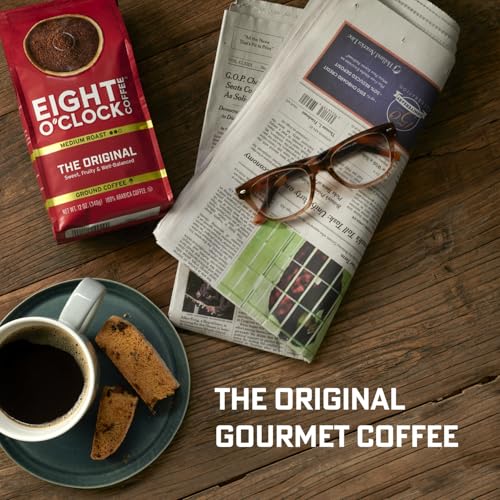
Eight O’Clock Hazelnut Medium Roast

Strengths
- Budget-friendly
- Kosher certified
- Consistent flavor
Trade-offs
- Basic flavor profile
- Limited aromatic depth
Eight O’Clock has been around for over 150 years, and this hazelnut blend shows they know how to hit the budget-friendly sweet spot. The medium roast uses 100% Arabica beans from South America, infused with a buttery, roasted nut flavor that’s straightforward and inoffensive, exactly what you’d expect from a supermarket staple.
It won’t wow you with complexity, but owners praise its consistency and affordability, especially for households that want a no-hassle flavored coffee. Compared to premium options, it lacks aromatic depth and origin distinction, but it brews cleanly and finishes smooth. When you just need a dependable cup without overspending, this one gets the job done.
Product photos

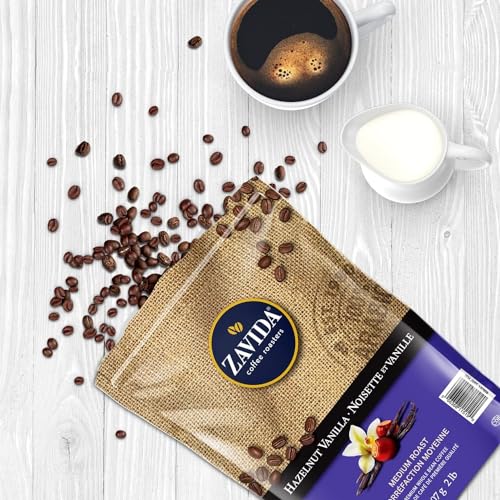
Zavida Hazelnut Vanilla Whole Bean

Strengths
- Balanced flavor
- Resealable freshness bag
- Versatile brew compatibility
Trade-offs
- Not organic
- Vanilla note may overpower purists
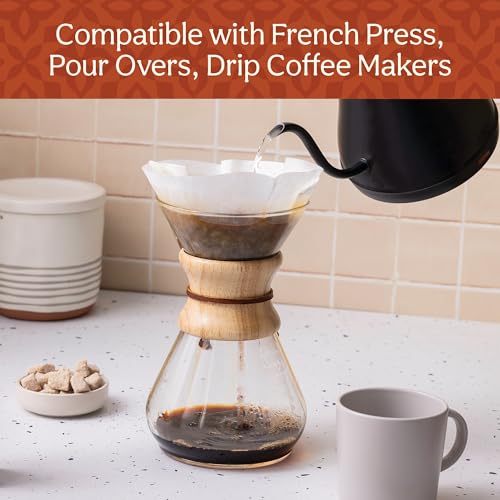
I’ll admit, the idea of a hazelnut vanilla blend can go cloying fast, but Zavida leans into balance better than most. The medium roast base keeps acidity in check, letting the hazelnut and French vanilla infusion play nicely without tipping into dessert territory. Owners consistently report it brews smooth across methods, especially in drip and French press, where the flavor holds up without turning syrupy.
What stands out is the 2-pound resealable bag with a freshness valve, a small detail that makes a real difference in preserving aroma over time. And while it’s not organic or single-origin, the brand’s commitment to zero-waste production and tree planting adds meaningful value for eco-conscious drinkers. It won’t replace your single-origin pour-over, but as a flavored workhorse, it delivers.
Product photos
Our Testing Process
As the founder of Bean Thusiast, I approach flavored coffees with a critical eye. Rather than a hands-on lab test, this research-led comparison focused on published specifications, owner reviews from multiple sources, and expert opinions to build a ranking. I looked at aroma profiles, bean origin, roast level, and the details of how the hazelnut flavor was imparted. Ultimately, I weighed these factors against price to determine value.
For hazelnut coffees, the most important elements are the quality of the base coffee and the authenticity of the hazelnut flavor. A weak or bitter base coffee will shine through even a strong flavoring. Similarly, artificial or overly sweet hazelnut notes quickly become tiresome. I prioritized beans described as having a “toasted” or “roasted” hazelnut character, avoiding those flagged as tasting “artificial” or “syrupy.”
Specifications reliably indicate bean origin and roast level, offering insight into potential acidity and body. However, I relied heavily on owner feedback to assess the quality of the hazelnut flavoring itself and how well it integrated with the coffee. Understanding flavored coffee production methods proved vital in discerning coffees using more natural techniques versus those relying heavily on artificial additives. Reputation, especially concerning freshness and consistent quality, also played a key role.
What To Look For In hazelnut coffee beans
Finding the right hazelnut coffee beans can be trickier than you think. It’s easy to end up with something that tastes artificial or overly sweet, masking the actual coffee flavor.
A truly excellent hazelnut coffee starts with quality Arabica beans. The best options prioritize a natural hazelnut flavor achieved through careful roasting and flavoring processes, rather than relying on artificial extracts. Look for whole bean options to maximize freshness and control over grind size, and consider origin – Dominican and Hawaiian beans are often highlighted for their compatibility with hazelnut notes. Pay attention to roast level; a medium roast generally strikes the best balance.
Roast Level & Bean Type
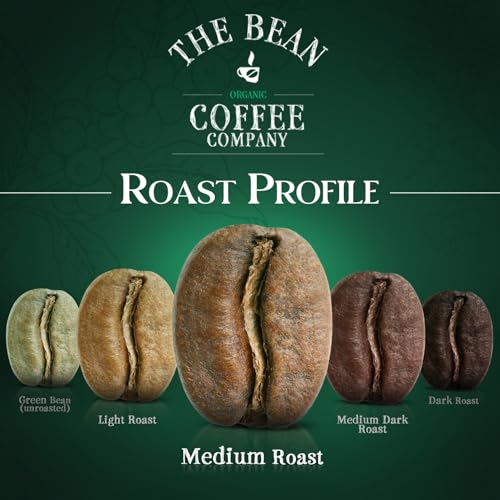
Many hazelnut coffees lean toward lighter roasts to emphasize the delicate nuttiness, but I’ve found a medium roast often provides the best balance of coffee character and hazelnut flavor. Don’t assume a darker roast equals a bolder hazelnut experience – it’s more likely to taste burnt. Also, always check if the beans are 100% Arabica. While Robusta beans can add body and caffeine, they tend to have a harsher flavor profile that can clash with the subtle sweetness of hazelnut. For a deeper Arabica vs Robusta comparison, check out our guide.
Flavoring Method
This is where things get interesting. Some brands use natural flavoring extracts, while others rely on artificial ingredients. Natural flavorings, while often more expensive, usually result in a smoother, more nuanced taste. Look for coffees that specifically mention “naturally flavored” or list natural hazelnut oil as an ingredient. Avoid anything with a long list of artificial chemicals. Keep in mind that a strong artificial flavoring doesn’t necessarily mean a bad coffee, but it will likely appeal to a different palate than someone seeking a more refined experience.
- Some brands use a “flavor infusion” process, which can create a more even distribution of hazelnut flavor throughout the beans.
- Whole bean hazelnut coffees allow you to control the intensity of the flavor by adjusting your grind size – a finer grind will release more flavor.
- Pre-ground hazelnut coffee tends to lose its aroma and flavor more quickly, and the flavoring can sometimes become unevenly distributed during storage, so I generally recommend starting with whole bean.
Value & Freshness
Price isn’t always an indicator of quality, but it can tell you something about the sourcing and processing methods. If you’re looking for a daily drinker, a more budget-friendly option like Eight O’Clock can be perfectly acceptable. However, if you’re after a premium experience, be prepared to spend a little more. And, critically, freshness matters. A one-way valve bag and nitrogen flushing (like Don Francisco’s uses) are good signs the roaster is taking steps to preserve the aroma and flavor. I always suggest checking the roast date, not just a “best by” date. You’ll find some of the best hazelnut coffee brands listed on our site.
A good rule of thumb: If the hazelnut flavor overpowers the coffee itself, it’s probably not a high-quality bean. The hazelnut should complement the coffee, not completely mask it.
Hazelnut Coffee Beans Compared
Here’s a comparison of key specifications for various hazelnut coffee bean options.
| Product Name | Roast Level | Bean Type | Organic | Weight (lbs) | Flavor Profile |
|---|---|---|---|---|---|
| Coffea Flavor Organic Hazelnut | N/A | Arabica | Yes | N/A | Hazelnut, Nutty |
| Coffee Bean Direct Hazelnut Flavored | Light | N/A | No | 5 | Hazelnut, Buttery |
| Don Francisco’s Hawaiian Hazelnut | Medium | N/A | No | N/A | Hazelnut, Coconut |
| The Bean Organic Hawaiian Hazelnut | Medium | Arabica | Yes | N/A | Hazelnut, Bold |
| Copper Moon Hawaiian Hazelnut Blend | Medium | Arabica | No | N/A | Hazelnut, Tropical |
| Eight O’Clock Hazelnut | Medium | Arabica | No | N/A | Hazelnut, Buttery |
| Zavida Hazelnut Vanilla | Medium | N/A | No | 2 | Hazelnut, Vanilla |
Frequently Asked Questions
What’s the difference between “natural” and “artificial” hazelnut flavoring?
Natural hazelnut flavoring comes from actual hazelnuts(typically oil extraction), offering a smoother, more nuanced taste. Artificial flavors are created in a lab and can sometimes taste overly sweet or chemical, though they are often less expensive to produce.
Can hazelnut coffee beans be used for cold brew?
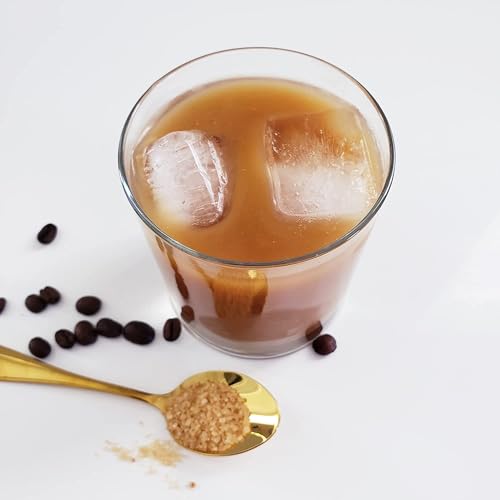
Yes, hazelnut coffee beans work well for cold brew. The slower extraction process of cold brew can highlight the subtle hazelnut notes, but a coarser grind is recommended to avoid over-extraction and bitterness.
How should I store hazelnut coffee beans to keep them fresh?
Store your hazelnut coffee beans in an airtight container, away from light, heat, and moisture. Whole bean coffee retains flavor longer than pre-ground, and a one-way valve bag is ideal for preserving freshness, as it allows gases to escape without letting air in.
Are darker roasts better for hazelnut flavored coffee?
Generally, no. While personal preference plays a role, a medium roast usually provides the best balance between the coffee’s natural flavors and the added hazelnut. Darker roasts can overpower the hazelnut notes with bitterness and a burnt taste.
Where can I find more information on other flavored coffee options?
If you’re interested in exploring other flavored coffees beyond hazelnut, you can find our best flavored coffee beans guide helpful. It covers a wider range of options and provides insights into different flavor profiles and brands.
The Bottom Line
Choosing the best hazelnut coffee beans really comes down to how much control you want over the experience versus how much convenience you prefer. If you’re willing to spend a bit more for a truly refined flavor and appreciate a focus on quality ingredients, I recommend Coffea Flavor Organic Hazelnut as a superb starting point. It consistently receives high marks for its natural flavoring and smooth cup.
For those seeking specific needs, Eight O’Clock Hazelnut remains an excellent budget-friendly choice for a daily drinker, while Don Francisco’s Hawaiian Hazelnut offers a unique tropical twist if you enjoy a hint of coconut alongside your hazelnut. And if you’re prioritizing organic options and a bolder flavor, The Bean Organic Hawaiian Hazelnut is a solid pick. There’s a hazelnut coffee for almost every preference.
Ultimately, remember that the “best” coffee is the one you enjoy most. Pay less attention to specific roast levels or origin stories and more attention to finding a bean with a hazelnut flavor that complements, rather than overwhelms, the coffee itself. A little research into choosing the best coffee beans will help you understand what characteristics you value most in a cup.
