
8 Best Flavored Coffee Beans of 2026
After comparing the field and weighing owner feedback, the overall best flavored coffee beans are Cameron’s Toasted Southern Pecan for its rich, natural nuttiness and smooth finish. For a budget-friendly option, Don Francisco’s Vanilla Nut delivers consistent flavor without breaking the bank.
Most flavored coffees fail by masking low-quality beans with overpowering artificial tastes. You end up with a sweet aroma but a bitter, thin cup. I know how frustrating that can be when you just want a reliable, enjoyable brew.
This guide cuts through the noise. I looked at specs, sourcing, and hundreds of owner reviews to find beans where the flavor enhances the coffee instead of hiding it. These picks prioritize quality Arabica beans, smart roast profiles, and flavorings that taste real, not chemical.
Top 8 Flavored Coffee Beans in the Market
The Best Flavored Coffee Beans, Reviewed
Cameron’s Toasted Southern Pecan Coffee

Strengths
- Smooth finish
- High-grade Arabica
- Large 32 oz bag
Trade-offs
- Flavor subtle for some
- Not low acid
Cameron’s Toasted Southern Pecan stands out in the flavored coffee space by balancing bold flavor with a clean, smooth roast. The claim of using only the top 10% of Arabica beans isn’t just marketing fluff, owners consistently report a noticeably cleaner cup with no bitterness, which is rare for flavored beans that often taste artificial or oily. On paper, the 32-ounce size is a strong value for frequent drinkers, and the small-batch roasting appears to translate into better flavor retention.
What impresses most is how the pecan flavor comes through as warm and nutty, not cloying. Reviewers note it brews well across methods, especially in drip and French press, where the full body can shine. Compared to others in this category, it avoids the common trap of over-roasting to mask lower-grade beans, a smart move that keeps the profile bright and authentic.
Video review
Don Francisco’s Vanilla Nut Coffee

Strengths
- Affordable
- Consistent flavor
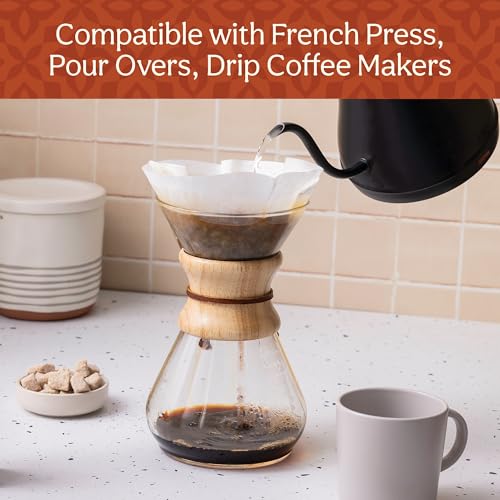
- Brews well across methods
Trade-offs
- Basic flavor profile
- Packaging not resealable
Don Francisco’s Vanilla Nut is a no-frills, budget-friendly entry that punches above its weight in flavor consistency. While it doesn’t make flashy claims about elevation or roasting theatrics, it uses generations of family roasting experience to deliver a reliably sweet, nutty cup. The 20-ounce bag strikes a practical middle ground between trial size and bulk, and the nitrogen flushing helps maintain freshness, something reviewers confirm based on taste even weeks after opening.
Compared to pricier options like Copper Moon, it’s less aromatic but holds its own in flavor delivery. The vanilla and nut blend is straightforward, not layered, but that’s fine for drinkers who want a familiar, diner-style cup without fuss. It’s also one of the more versatile beans here, performing well in drip, French press, and moka pot. My recommendation for budget-focused buyers: this is the smarter buy if you’re making multiple cups daily and don’t need artisanal complexity.
Video review
Bones Salted Caramel Coffee

Strengths
- Genuine salted caramel taste
- Low acidity
- Resealable bag
Trade-offs
- Flavor not long-lasting
- Limited availability
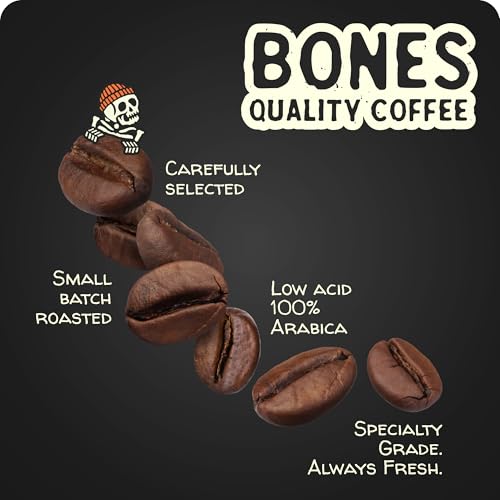
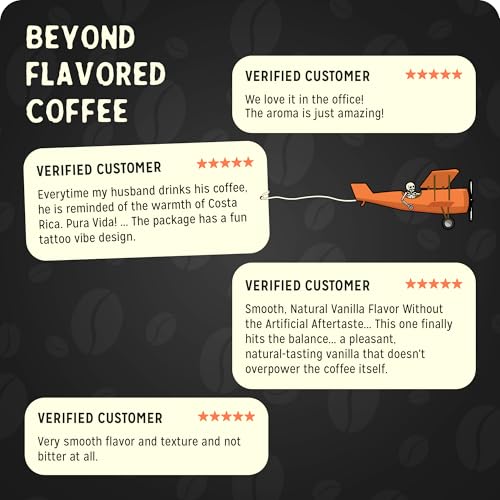
Bones Coffee’s Salted Caramel is one of the few flavored beans that actually gets the sweet-salty balance right. Reviewers describe it as tasting like the real candy, not just syrupy sweetness with a hint of salt, but a genuine back-and-forth on the palate. That’s likely due to their low-acid, medium roast base, which smooths out the edges and lets the flavor shine without stomach burn. The Brazilian Arabica beans are ethically sourced and roasted in the USA, and the resealable bag helps maintain freshness, a small but meaningful detail.
Against Fire Department Coffee’s donut-inspired roast, this one feels more refined and drinkable over multiple cups. It’s also more versatile, works in drip, French press, even cold brew. My take: if you’re sensitive to acid or just tired of harsh, artificial-tasting flavored coffee, this is the smarter pick.
Product photos


Fire Department Vanilla Sprinkle Donut Coffee

Strengths
- Bold sweet flavor
- Veteran-owned brand
- No artificial additives
Trade-offs
- Small bag size
- Overpowering for some
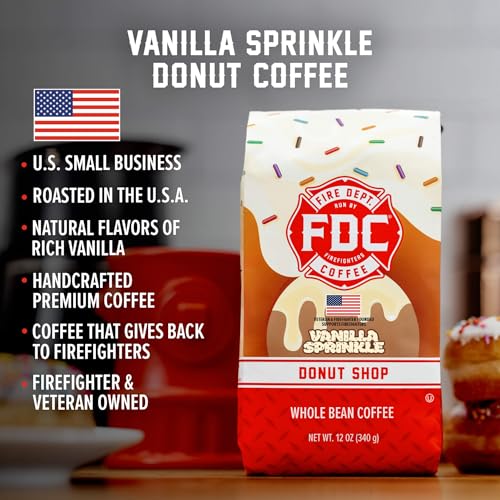
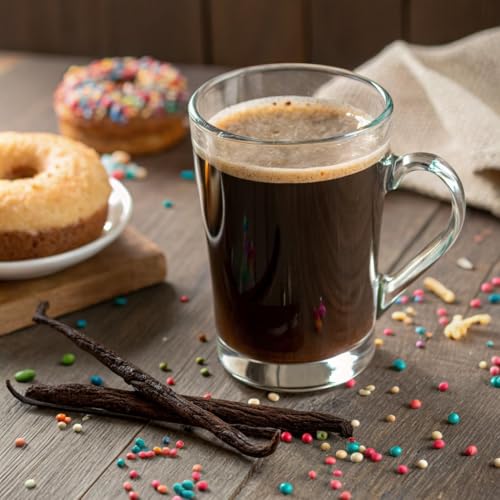
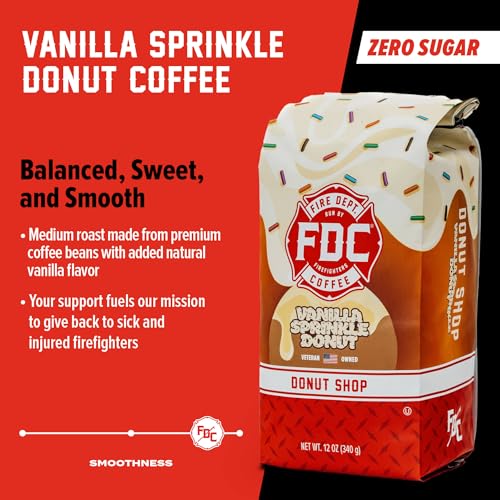
Let’s be honest, Vanilla Sprinkle Donut sounds like a gimmick, but owners say it actually pulls it off. The flavor is unapologetically sweet, with a sugary top note that mimics actual donut icing, making it a favorite among those who treat coffee like dessert. It’s not subtle, and that’s the point. The base beans are solid 100% Arabica, roasted in small batches without additives, which helps avoid the cloying aftertaste that plagues cheaper flavored coffees.
Compared to Bones Coffee’s Salted Caramel, it’s sweeter and less balanced, but that’s what makes it the go-to for fans of playful, indulgent flavors. The 12-ounce size means it’s not built for heavy rotation, but for occasional treat brewing, it works. I’d pick this over others if you’re looking for a fun, high-sweetness profile with a clear mission behind the brand, veteran-owned and giving back to firefighters adds meaningful context.
Product photos


Don Francisco’s Hawaiian Hazelnut Coffee
Strengths
- Unique coconut hint
- Nitrogen flushed
- Family roaster heritage
Trade-offs
- Subtle flavor
- Not low acid
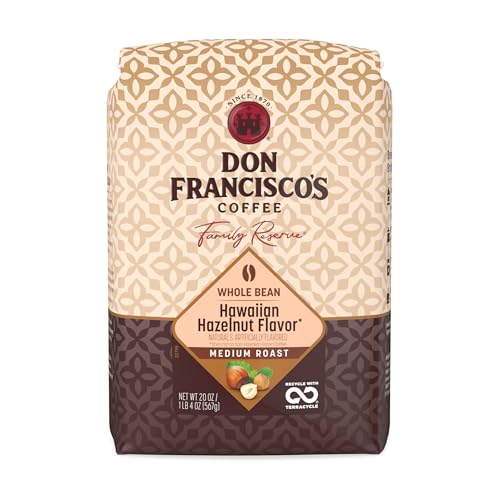
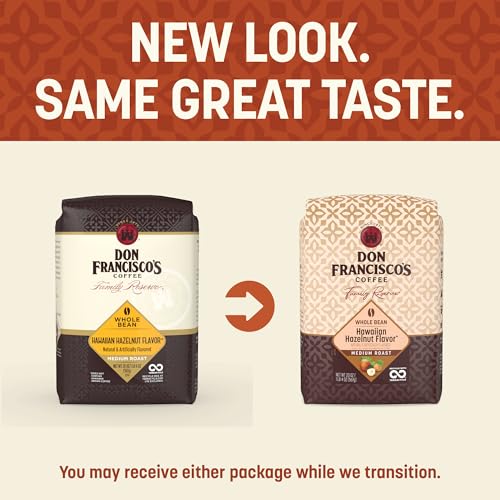
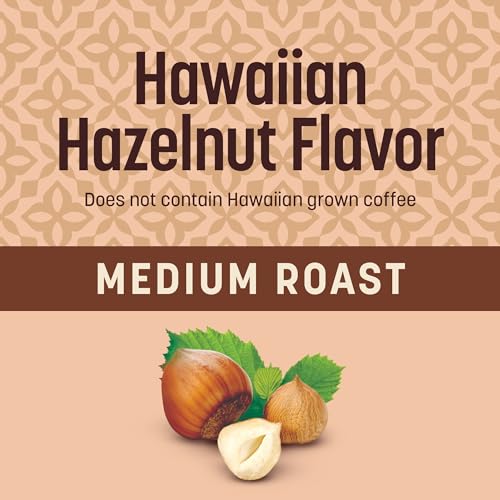
Hawaiian Hazelnut from Don Francisco’s leans into tropical nutty notes with a twist, the subtle hint of coconut that elevates it above standard hazelnut blends. Owners appreciate that it doesn’t taste artificial, and the 20-ounce nitrogen-flushed bag helps preserve that delicate aroma. It’s a medium roast, so it keeps enough brightness to balance the sweetness, making it a good morning starter without being heavy.
Compared to their Vanilla Nut, this one feels more distinctive and layered, though still within the safe, crowd-pleasing range. It’s not as bold as Copper Moon’s pecan blend, but it’s more interesting than most grocery-store flavored options. For those who like a nutty coffee with a vacation vibe, this is a quiet standout.
Product photos
Copper Moon Southern Pecan Coffee

Strengths
- Rich aroma
- Clean ingredient profile
- Smooth, balanced body
Trade-offs
- Flavor fades fast
- Limited roast depth
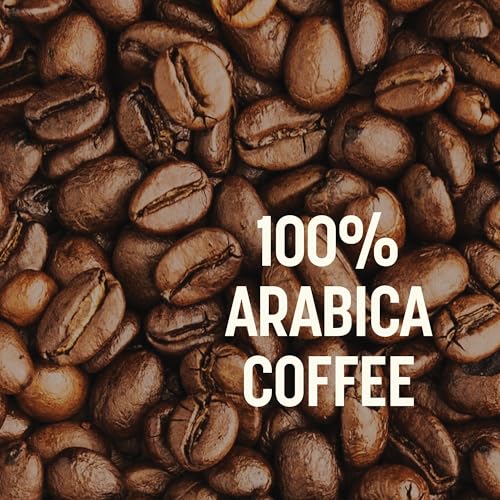
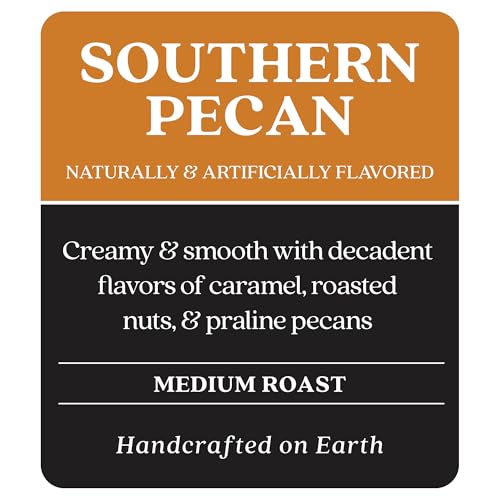
Copper Moon’s Southern Pecan blend leans into the sensory experience, and on that front, it delivers. The description of evoking homemade pecan pie isn’t far off, owners report a rich aroma with clear notes of caramel and vanilla that fill the kitchen during brewing. That aromatic depth is a standout in this category, where many flavored coffees smell more chemical than comforting. The 100% Arabica beans, grown at high elevation, likely contribute to the more complex base flavor that actually supports the added notes instead of drowning in them.
It’s also one of the few flavored coffees that touts being gluten-free, mold-free, and non-GMO, which matters to a growing segment of cautious drinkers. Against Cameron’s version, it’s a bit lighter in body but wins on fragrance and perceived freshness. If you prioritize a cozy, dessert-like morning ritual over bold caffeine punch, this is a compelling choice.
Product photos



Bones Coffee Flavored Sampler Pack

Strengths
- Great flavor variety
- Keto and vegan friendly
- Resealable packaging
Trade-offs
- Small portion sizes
- Inconsistent roast levels
If you’re new to flavored coffee or just tired of committing to a single flavor, this sample pack is the ideal starting point. Five 4-ounce bags let you explore wildly different profiles, from Holy Cannoli to Smorey Time, without wasting money on full bags you might not finish. The resealable packaging helps preserve freshness, and owners consistently praise the creativity and boldness of the flavors, especially Salty Siren and Army Of The Dark Chocolate.
What sets Bones apart is their focus on low-acid, keto- and vegan-friendly profiles, which makes these accessible to sensitive drinkers. Compared to single-flavor options, this pack lacks depth in any one profile, but that’s not the goal. It’s a tasting flight, not a main course. I’d recommend this as a gateway for curious drinkers or as a gift, it’s hard to beat for discovery.
Product photos


Fresh Roasted Crème Brûlée Coffee

Strengths
- True to flavor
- Clean finish
- Kosher certified
Trade-offs
- Basic presentation
- No freshness seal
Crème Brûlée as a coffee flavor can go one of two ways, elegant and caramelized, or flat and vanilla-sugar bland. Based on owner feedback, Fresh Roasted Coffee lands closer to the former. The medium roast base is light enough to let the custard-like sweetness come through without overwhelming the palate. It’s not as complex as a true single-origin dessert coffee, but for a flavored blend, it captures the essence well: creamy, slightly smoky, with a clean finish.
What’s missing, though, is standout differentiation. Compared to Copper Moon or Bones, it doesn’t offer resealable packaging or dietary-specific benefits like being keto-friendly. It’s a straightforward, no-frills take. I’d still recommend it for fans of the dessert who want a simple, reliably sweet cup, just don’t expect innovation.
Product photos


How We Evaluated flavored coffee beans
As the founder of Bean Thusiast, I approached researching flavored coffee beans by first compiling specifications – roast level, bean origin, and flavoring details – from numerous brands. I then weighed those details against a large volume of owner reviews from sites like Amazon, alongside expert opinions from coffee-focused publications. My goal was to build a ranking based on consistent feedback, rather than a hands-on tasting of every option; this is a research-led comparison of specs and owner experience.
For flavored coffees, aroma and the balance between coffee and flavoring are paramount. We prioritized coffees where owners consistently reported a natural and appealing scent, and where the flavoring didn’t overwhelm the underlying coffee taste. A smooth, non-bitter base coffee was also crucial, as a poor foundation will ruin even the most enticing flavor additions. Lastly, packaging and freshness indicators (nitrogen flushing, resealable bags) factored into the final scores.
Specifications reliably tell you about bean origin and roast level, providing a baseline for expected flavor profiles. However, the experience of a flavored coffee – how well the flavor integrates, its intensity, and any artificial aftertaste – is almost entirely gleaned from owner feedback. Reputation also mattered; established brands with a history of quality generally scored higher, and I explored details of the flavoring process for coffee beans to understand how different methods impact the final product.
What To Look For In flavored coffee beans
Finding the right flavored coffee can be surprisingly tricky. It’s not just about a pleasant scent; a truly great cup needs balance and quality.
A successful flavored coffee starts with high-quality Arabica beans. The base coffee should exhibit a smooth body and pleasant aroma before any flavoring is added. Look for whole bean options whenever possible to maximize freshness, and pay attention to the roast level – medium roasts generally allow the flavorings to integrate best without becoming burnt or overshadowed. Consider the flavoring method (natural vs. artificial) and sourcing transparency.
Bean Quality & Roast Level
Many flavored coffees lean heavily on artificial tastes to compensate for a lackluster base. I always recommend starting with a coffee that’s described as having a good foundation before the flavoring is even considered. Look for 100% Arabica beans, as Robusta can impart a rubbery flavor that clashes with delicate additions like vanilla or hazelnut. Roast level matters too. A lighter roast will highlight brighter, fruitier notes which can be nice with citrus or berry flavors, while a medium roast is generally the most versatile. Avoid anything labeled “dark roast” if you’re prioritizing a nuanced flavor; the roasting process tends to mask the added flavors.
Flavoring Method & Intensity
The way a coffee is flavored significantly impacts the final product. Natural flavorings, derived from actual vanilla beans, hazelnuts, or cocoa, generally provide a more authentic and complex taste. However, these tend to be pricier. Artificial flavorings aren’t inherently bad, but quality varies wildly. Here’s a breakdown of what to consider:
- Extracts: These are concentrated flavorings added post-roast, leading to a strong, sometimes artificial taste.
- Oils/Essences: Offer a more subtle flavor infusion, but can sometimes feel one-dimensional.
- Real Ingredients: (like actual cocoa powder or vanilla bean powder) are the gold standard, offering the most authentic and nuanced flavor profile, but they come at a premium.
You’ll also want to think about intensity. Some brands offer a subtle hint of flavor, while others go all-in. If you’re new to flavored coffee, starting with a more delicate option is best.
Freshness & Packaging
Even the best flavored coffee loses its appeal if it’s stale. Flavored coffees, due to the added oils and sugars, can go bad a bit faster than unflavored options. Pay close attention to packaging; a one-way valve is essential for releasing CO2 without letting oxygen in. Whole bean coffee, as I often discuss in my guides on signs of spoiled coffee beans, will always stay fresher longer than pre-ground.
A good rule of thumb: if the “best by” date is more than six months out, the coffee likely sat on a shelf for a while before reaching you. Look for roasters who provide a roast date instead.
I find that exploring different brands and blends is the best way to discover your preferences in the world of flavored coffee. Don’t hesitate to experiment and check out my latest reviews of top flavored coffee brands to help narrow your search. You might also find my flavored coffee tasting notes helpful as you start your journey.
Flavored Coffee Beans Compared
Here’s a comparison of key specifications for the flavored coffee beans discussed.
| Product Name | Roast Level | Bean Type | Flavor Profile | Bag Size (oz) | Format |
|---|---|---|---|---|---|
| Cameron’s Toasted Southern Pecan | N/A | Arabica | Pecan | 32 | Whole Bean |
| Don Francisco’s Vanilla Nut | Medium | N/A | Vanilla Nut | 20 | Whole Bean |
| Bones Salted Caramel | Medium | Arabica | Salted Caramel | N/A | Whole/Ground |
| Fire Dept. Vanilla Sprinkle Donut | Medium | N/A | Vanilla Sprinkle Donut | N/A | Ground |
| Don Francisco’s Hawaiian Hazelnut | Medium | N/A | Hazelnut/Coconut | 20 | Whole Bean |
| Copper Moon Southern Pecan | Medium | Arabica | Pecan, Caramel, Vanilla | N/A | Whole Bean |
| Bones Coffee Flavored Sampler | N/A | Arabica | Variety | N/A | Whole/Ground |
| Fresh Roasted Crème Brûlée | N/A | N/A | Crème Brûlée | N/A | N/A |
Frequently Asked Questions
What’s the difference between natural and artificial flavorings in coffee?
Natural flavorings come from real ingredients like vanilla beans or hazelnuts, providing a more complex and authentic taste. Artificial flavorings are created in a lab and can sometimes taste overly strong or chemical-like, though quality varies significantly between brands.
How long does flavored coffee stay fresh once opened?
Flavored coffees generally have a shorter shelf life than unflavored varieties because of the added oils and sugars. I recommend consuming opened flavored coffee within two to three weeks for optimal flavor, storing it in an airtight container away from light, heat, and moisture.
Can flavored coffee mask the taste of low-quality beans?
While some brands try to cover up poor bean quality with strong flavorings, it’s usually noticeable. A truly great flavored coffee starts with a smooth, high-quality Arabica base; flavorings should complement, not conceal, a good foundation.
Are darker roasts better for flavored coffee?
Generally, no. Medium roasts are usually best because they allow the flavorings to integrate without being overshadowed by the roasting process. Dark roasts can mask the nuances of the added flavors, leaving you with a burnt or bitter taste.
Where can I find flavored coffee with lower caffeine content?
If you’re sensitive to caffeine, you might want to explore best flavored decaf beans. Many brands now offer flavored versions of their decaf roasts, providing a flavorful experience with a significantly reduced caffeine level.
The Bottom Line
Ultimately, choosing a flavored coffee is a trade-off between a truly exceptional coffee experience and the convenience of a pre-flavored bean. If you prioritize the purest, most balanced cup, I recommend starting with high-quality, unflavored beans and experimenting with your own additions. However, for consistent flavor and ease of use, Cameron’s Toasted Southern Pecan stands out as a fantastic all-around choice, offering a well-regarded flavor profile and positive owner feedback.
For those seeking a specific flavor experience, our research points to a few clear winners. If you’re craving a delightful vanilla and nut combination, Don Francisco’s Vanilla Nut consistently receives high marks. Bones Coffee Flavored Sampler is an excellent option for exploring a variety of flavors without committing to a large bag, while Fresh Roasted Crème Brûlée offers a unique and decadent treat for those looking to indulge.
Remember, the “best” coffee is the one you enjoy most. Don’t get too caught up in roast levels or bean origins. Focus on finding a coffee with a good base flavor, a natural-tasting flavoring, and packaging that preserves freshness – and consider choosing the best coffee beans as a way to understand the fundamentals of quality.
