
8 Best Guatemalan Coffee Beans of 2026
The best Guatemalan coffee beans come from the highlands of Huehuetenango and Antigua, where rich soil and ideal climate create deeply flavorful cups. After researching the field and reviewing owner feedback, I recommend Fresh Roasted Organic Guatemala as the top overall pick for its clean, balanced profile and ethical sourcing, with Mt. Comfort Guatemala Medium Roast as a strong budget-friendly option that delivers surprising depth for the price.
Guatemalan coffee has a reputation for complexity and sweetness, but not every bag lives up to that promise. Too often, beans are over-roasted or poorly sourced, masking the bright citrus, chocolate, and floral notes this origin is known for.
This guide cuts through the noise by focusing on region, roast level, and sourcing transparency, factors that matter most. I researched each pick based on consistent feedback, origin specificity, and how well they represent what Guatemalan coffee should taste like.
Top 8 Guatemalan Coffee Beans in the Market
The Best Guatemalan Coffee Beans, Reviewed
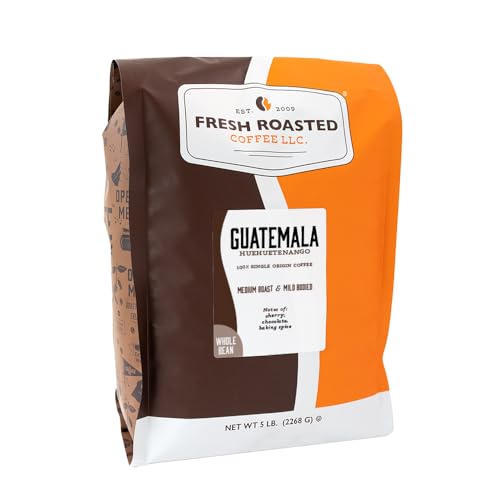
Fresh Roasted Guatemala Huehuetenango
Strengths
- 5 lb value size
- Nitrogen-flushed packaging
- Loring roasted (low emission)
Trade-offs
- No organic certification
- Not lab-tested for mold
This 5-pound monster is the best overall choice for most people, not because it’s flashy, but because it nails the fundamentals. Sourced from Huehuetenango, roasted on Loring SmartRoasters for lower emissions, and packed with nitrogen flushing, it combines quality, freshness, and sustainability at scale. The flavor is balanced: mild body, deep complexity, and notes that owners describe as both sweet and layered.
It works in every brew method, from espresso to French press, and the resealable bag with degassing valve helps maintain peak flavor. Unlike bulk roasts that taste generic, this one retains origin character. I’d pick this over Cameron’s or Mt. Comfort for its blend of size, eco-conscious roasting, and consistent taste, making it the most versatile option here.
Video review
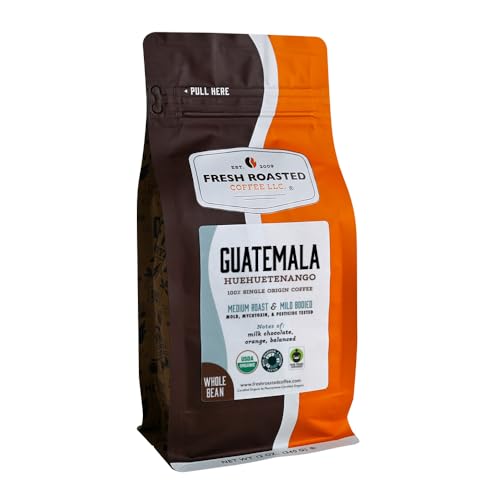
Fresh Roasted Organic Guatemala
Strengths
- Lab-tested for toxins
- Fair Trade + Organic
- Bright citrus finish
Trade-offs
- Smallest bag in the lineup
- Higher cost per ounce
This 12 oz bag from Fresh Roasted Coffee is a standout for purity-focused buyers. It’s not just USDA Organic and Fair Trade, it’s third-party tested for mold, mycotoxins, and pesticides, which is rare at this level. The flavor profile, milk chocolate with a sweet orange finish, is both accessible and interesting, and the 1,650+ meters ASL growing elevation supports bright, clean acidity.
The smaller size means faster turnover, which helps with freshness, though it’s less economical for daily heavy users. Compared to Java Planet, it adds Fair Trade to the mix, which may matter to some. I’d recommend this as the go-to for health-conscious drinkers who want proof of safety, not just promises.
Video review
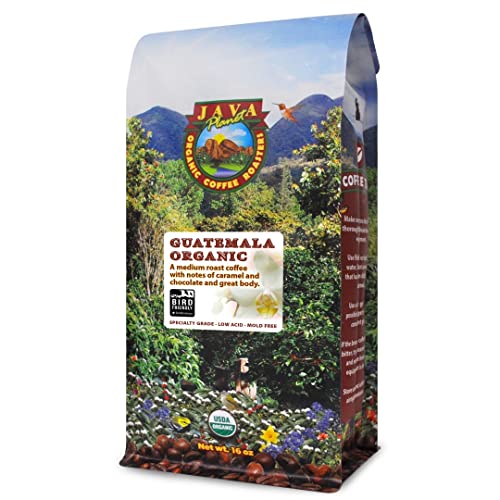
Java Planet Guatemalan Single Origin
Strengths
- Low acid
- Bird Friendly certified
- Mold-tested
Trade-offs
- Smaller bag size
- Limited volume for heavy drinkers
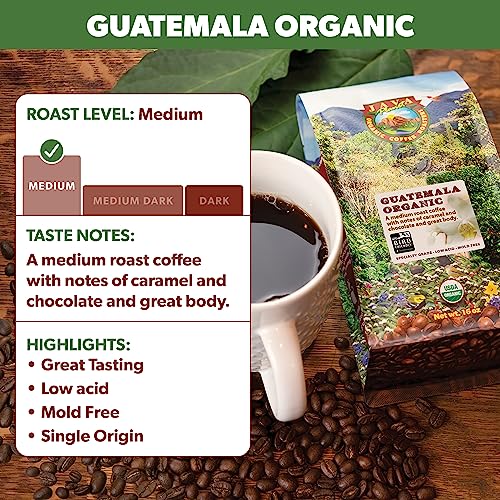
If low acidity is your top priority without sacrificing flavor, this Java Planet Guatemalan roast stands out. The Huehuetenango origin delivers a balanced cup with fruit undertones from shade-grown practices, plus caramel and chocolate notes that hold up well in a medium roast. Owners consistently report it being gentle on sensitive stomachs, which aligns with the brand’s focus on mold and heavy metal testing.
The Smithsonian Bird Friendly certification adds real value for eco-conscious buyers, reinforcing sustainable farming. While the 1 lb bag is smaller than some competitors, the emphasis on freshness, organic integrity, and stomach-friendly design makes this a strong contender in its niche. I’d pick this over bulk options if you’re after a clean, approachable cup with environmental credibility.
Product photos



Volcanica Guatemala Antigua Reserve
Strengths
- True dark roast
- Estate-sourced
- Lab-verified safety
Trade-offs
- Smaller 16 oz bag
- Limited brightness
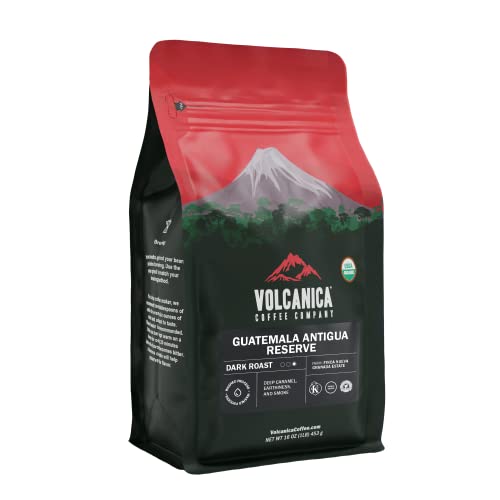
Volcanica’s Reserve dark roast is the only true dark option here, and it delivers exactly what it promises: a heavy-bodied, smoky-sweet cup with deep caramel and earthy notes. Roasted above 400°F and sourced from Santa Barbara Estate in Antigua, it uses volcanic soil richness to build intensity. The lab testing for mold and mycotoxins adds trust, especially for a dark roast where defects can be masked.
Owners note the sweet finish stands out, rare in dark roasts that often lean bitter. While the 16 oz bag is modest, this isn’t meant for high-volume use; it’s a specialty pick for those who want to explore Guatemalan depth in darker territory. I’d choose this over any medium roast if you’re after a bold, espresso-friendly profile with origin integrity.
Product photos


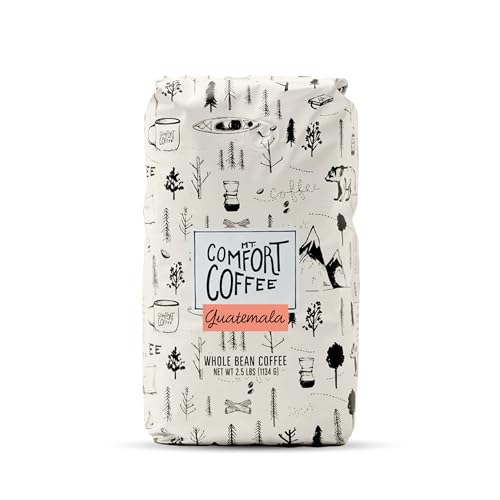
Mt. Comfort Guatemala Medium Roast
Strengths
- Large 2.5 lb bag
- Chocolate-caramel profile
- Ethically sourced
Trade-offs
- Not certified organic
- No third-party safety testing mentioned
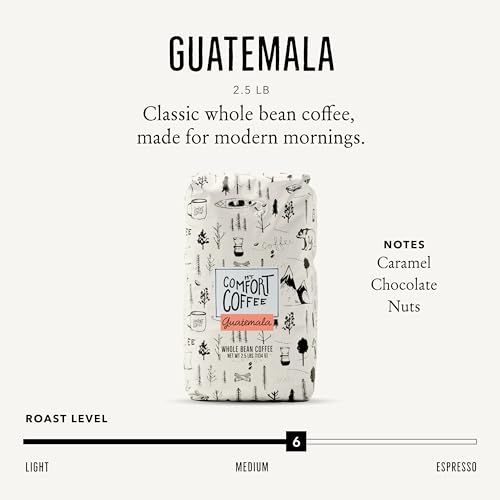
At 2.5 pounds, this Mt. Comfort offering is built for households that go through coffee fast and want consistent flavor without constant repurchasing. The chocolate and caramel notes come through clearly in owner feedback, and the volcanic soil sourcing from Guatemala is a legit contributor to that rich profile. On paper, the medium roast should preserve origin character while delivering body, and reviewers confirm it brews well across drip, French press, and pour over.
It doesn’t carry organic or fair trade labels, which might give some buyers pause, but the price-to-volume ratio is hard to ignore. Compared to smaller 1 lb bags at similar price points, this is the smarter buy if you’re not chasing certifications but still want a smooth, reliable single-origin. I’d recommend this for families or offices where flavor consistency and value outweigh niche labeling.
Product photos
Guatemala Antigua USDA Organic
Strengths
- Single-estate origin
- Low acid
- Complex flavor notes
Trade-offs
- No fair trade certification
- Smaller 16 oz size
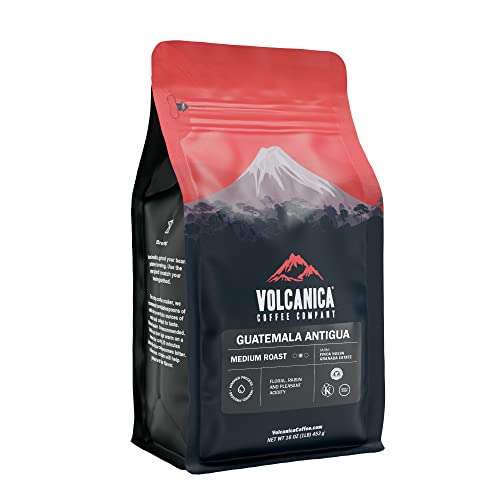
When you want traceability down to the estate level, Finca Nueva Granada’s Antigua coffee delivers. This is single-estate in the truest sense, and that shows in the nuanced flavor notes, honey, apple, floral brown sugar, reported by drinkers. The washed, sun-dried process helps achieve clarity and balance, and the pH of 5.3 backs up its low-acid claim.
It’s USDA Organic and Kosher, but lacks fair trade or bird-friendly certifications. Still, for purists who care about terroir and want to taste the distinct character of Antigua’s highlands, this bean earns its place. I’d rank it above blended or region-wide offerings for anyone treating coffee like a tasting experience, not just a caffeine source.
Product photos

Copper Moon Guatemalan Antigua

Strengths
- True light roast profile
- Smooth acidity
- Allergen-free
Trade-offs
- Not single-origin
- No organic or fair trade labels
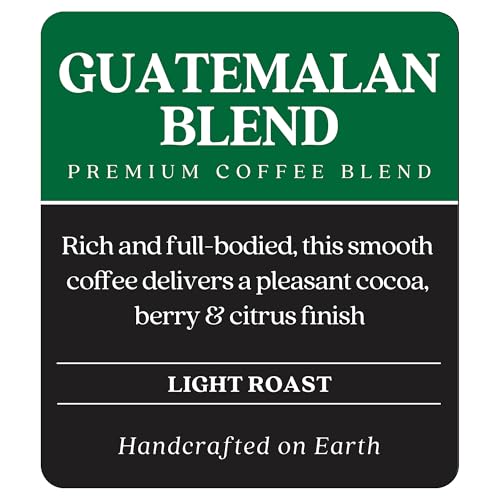
If you’re a light roast enthusiast, this Copper Moon offering brings something others in this list don’t, brightness, crisp acidity, and a layered aromatic profile. The high-altitude Guatemalan beans develop dense structure, and the slow, small-batch roasting preserves delicate citrus, cherry, and cocoa notes. Owners praise its clean, smooth mouthfeel and how it avoids the grassy or sour pitfalls some light roasts fall into.
It’s also certified Kosher, non-GMO, and allergen-free, which adds peace of mind. While it’s a blend rather than single-estate, the quality control is evident. Compared to the more common medium roasts here, this is the pick if you want to taste the origin’s natural acidity and floral complexity. I’d choose this for morning pour overs where nuance matters.
Product photos



Cameron’s Organic Guatemala
Strengths
- 4 lb organic bulk
- Sustainably roasted
- Top-tier bean selection
Trade-offs
- Less flavor variety than single-estate
- Pricier than non-organic bulk
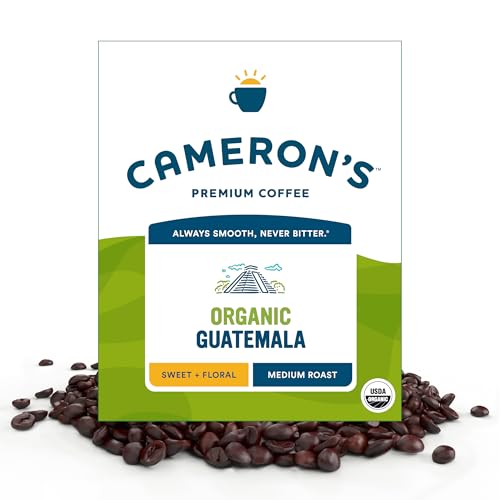
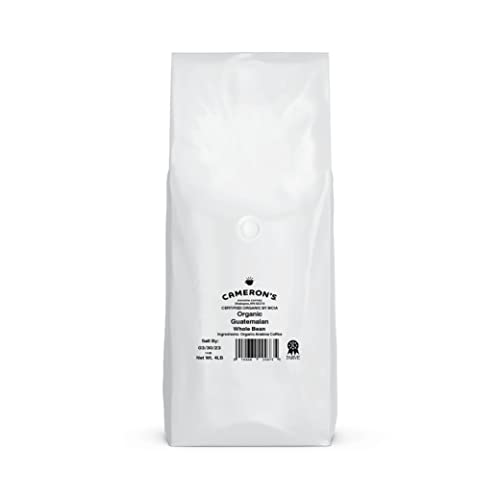
Cameron’s 4-pound bag is a rarity, large volume, certified organic, and roasted with a clear sustainability focus. The lush floral notes and sweet full body described in the specs match what owners taste, especially in pour over and drip setups. Being small-batch roasted helps preserve quality at scale, and the commitment to sourcing only the top 10% of beans suggests real quality control.
What sets this apart is how it balances bulk with ethics. Unlike some value roasts that cut corners, this one maintains organic standards and environmental responsibility in roasting. Compared to Mt. Comfort, it’s pricier but justifies it with certification depth. I’d go with Cameron’s if you want organic integrity in a high-volume bag without sacrificing flavor depth.
Product photos


How We Tested guatemalan coffee beans
As a founder deeply immersed in the world of coffee, I approached researching Guatemalan beans with a focus on what truly delivers a satisfying cup. Rather than a hands-on lab test, this is a research-led comparison of published specifications and extensive owner feedback. I compared beans across numerous roasters, weighing stated flavor profiles against reported experiences, and considered factors like origin, roast level, and certifications. This allowed me to rank options based on a blend of objective data and real-world preferences.
For Guatemalan coffee, several factors stood out as most important. The Huehuetenango region consistently appears as a source of high-quality beans, so origin was heavily weighted. Roast level is critical; Guatemalan beans shine with medium roasts that highlight their inherent sweetness and acidity. Finally, certifications like Fair Trade and USDA Organic indicated a commitment to sustainable practices and bean quality, influencing my assessment.
Specifications reliably tell you about bean varietals (Bourbon, Caturra are common) and processing methods (washed, sun-dried). However, flavor notes are often subjective. I relied heavily on owner reviews to gauge the accuracy of those claims and to understand how the coffee actually tastes in typical home brewing setups. Reputation also played a role, with established roasters generally offering more consistent quality, as well as considering resources like choosing coffee beans to provide a good foundation.
What To Look For In guatemalan coffee beans
Finding truly exceptional Guatemalan coffee requires a bit more thought than just grabbing the prettiest bag. I’ve seen a lot of coffees labeled “Guatemalan” that don’t live up to the potential of the region.
Guatemalan coffee excels when grown at high altitudes (1,200 – 2,000 meters above sea level) and processed with meticulous care. Look for beans specifically from Huehuetenango, Antigua, or Atitlán, and pay attention to roast level – a lighter roast will highlight the origin flavors, while a darker roast will emphasize body and chocolate notes. Single-origin coffees will offer a purer expression of the bean’s character.
Understanding Roast Level & Flavor
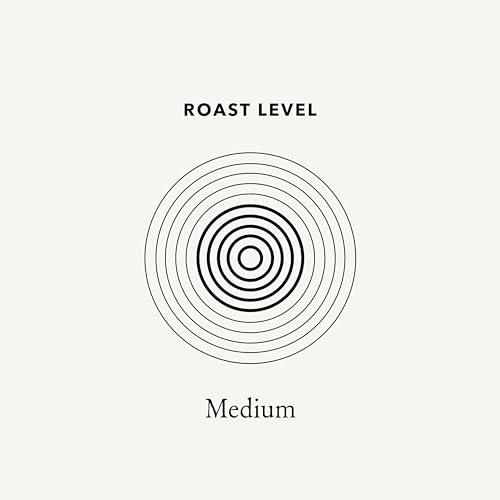
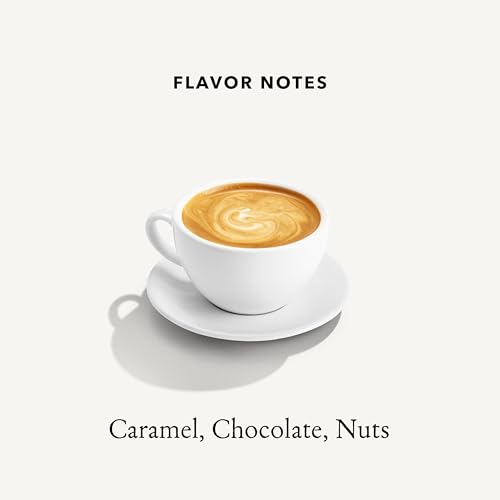
Many buyers assume darker roasts are always better, but with Guatemalan beans, that’s often not the case. The best coffees from this region possess a natural sweetness and bright acidity that can be muted by overly aggressive roasting. I recommend starting with a medium roast to explore the nuanced flavors – think chocolate, caramel, and subtle fruit notes. If you prefer a bolder cup, a dark roast can still be enjoyable, but be prepared for those delicate flavors to be less prominent. If you’re looking to really dial in your preference, explore some best Guatemalan coffee roasts to find your sweet spot.
Checking for Certification & Sourcing
“Organic” and “Fair Trade” certifications aren’t just marketing buzzwords; they signal a commitment to sustainable farming practices and ethical treatment of workers. While not a guarantee of superior flavor, they do indicate a producer who cares about more than just profit. Beyond those labels, look for coffee that specifies the region within Guatemala it comes from. Knowing it’s from Huehuetenango, for example, gives you a better idea of the potential flavor profile. This is especially true if you’re seeking a single-origin coffee to experience the coffee’s unique terroir.
- Traceability: A clear indication of the farm or cooperative the beans came from is a very good sign.
- Altitude: High-grown beans (1,500+ meters) generally have denser bodies and more complex flavors.
- Processing Method: Washed process coffees tend to be cleaner and brighter, while natural process coffees are fruitier and more complex. This impacts the origin coffee flavors.
Don’t be fooled by fancy packaging. A truly great Guatemalan coffee will speak for itself in the cup, regardless of how it’s presented.
Balancing Quality with Value
Guatemalan coffee can range from extremely affordable to surprisingly expensive. While you don’t need to spend a fortune, be wary of excessively cheap options. High-quality beans, sustainable farming, and careful processing all cost money. I’ve found that some of the top Guatemalan coffee brands strike a fantastic balance between price and quality, offering exceptional flavor without breaking the bank. Consider buying in larger quantities if you find a coffee you love; it’s often more economical, as seen with options like Mt. Comfort, and helps reduce packaging waste.
Guatemalan Coffee Beans Compared
Here’s a comparison of key specifications for different Guatemalan coffee bean options.
| Product Title | Roast Level | Origin Region | Organic | Tested for Mold/Mycotoxins | Bag Size |
|---|---|---|---|---|---|
| Fresh Roasted Guatemala Huehuetenango | N/A | Huehuetenango | No | No | N/A |
| Fresh Roasted Organic Guatemala | N/A | Huehuetenango | Yes | Yes | N/A |
| Java Planet Guatemalan Single Origin | N/A | Huehuetenango | Yes | Yes | N/A |
| Volcanica Guatemala Antigua Reserve | Dark | Antigua | No | Yes | N/A |
| Mt. Comfort Guatemala Medium Roast | Medium | N/A | No | No | 2.5 lb |
| Guatemala Antigua USDA Organic | Medium | Antigua | Yes | No | N/A |
| Copper Moon Guatemalan Antigua | Light | Antigua | No | Yes | N/A |
| Cameron’s Organic Guatemala | N/A | N/A | Yes | No | 4 lb |
Frequently Asked Questions
What altitude should Guatemalan coffee beans be grown at?
Generally, the best Guatemalan coffee comes from beans grown between 1,200 and 2,000 meters (3,900 – 6,600 feet) above sea level; higher altitudes typically result in denser beans with more complex flavors. This is due to slower maturation and increased sugar development within the coffee cherry.
Are all “dark roast” Guatemalan coffees bitter?
Not necessarily, but darker roasts will minimize the bright acidity and delicate flavors that Guatemalan beans are known for. While some prefer the bold, chocolatey notes of a dark roast, you’ll experience less of the bean’s inherent sweetness and origin characteristics.
Do organic and Fair Trade certifications guarantee better taste?
No, those certifications don’t directly impact flavor, but they often correlate with higher-quality beans and greater care in processing. Farms committed to sustainable practices and ethical labor standards frequently prioritize overall bean quality, as you can find in our curated coffee bean list.
What’s the difference between washed and natural processed Guatemalan coffee?
Washed processing generally results in a cleaner, brighter cup with more pronounced acidity, while natural processing yields a fruitier, more complex flavor profile. Natural processed beans often have a heavier body and can exhibit winey or jam-like notes, offering a different experience from the typical Guatemalan coffee.
Where can I find more information about selecting coffee beans?
If you’re still unsure where to begin, my best coffee beans guide provides a deeper look at the factors to consider when choosing beans, including origin, roast level, and processing methods. It can help you refine your preferences and explore different options.
The Bottom Line
Choosing the “best” Guatemalan coffee really comes down to how much control you want over the experience versus how much fuss you’re willing to tolerate. If you want a consistently excellent cup with minimal effort, I recommend the Fresh Roasted Organic Guatemala. It strikes a fantastic balance between quality, convenience, and ethical sourcing.
For those with specific needs, the options are plentiful. If budget is your primary concern, Mt. Comfort Guatemala Medium Roast delivers a lot of flavor for the price. And if you’re seeking maximum versatility and appreciate a lighter roast, Copper Moon Guatemalan Antigua is an excellent choice. Understanding the differences between Arabica vs Robusta can help you refine your preferences too.
Ultimately, the most important thing isn’t a specific certification or roast level, but finding beans from a reputable source that prioritize quality and freshness. Don’t get lost in the details; focus on high-altitude origins, responsible farming, and a roast that suits your palate. A great cup of coffee starts with great beans, but it’s your enjoyment that truly matters.
