
8 Best Guatemalan Coffees of 2026
The best Guatemalan coffee overall is Guatemala Antigua Medium Roast, with Java Planet Low Acid Organic as a strong budget-friendly pick and Fresh Roasted Guatemala offering excellent value for high-volume drinkers. These stand out based on consistent flavor, sourcing transparency, and owner satisfaction.
Guatemalan coffee isn’t just another bag on the shelf, it’s a gateway to some of the most balanced, expressive cups you can brew at home. But with so many regions, roasts, and claims, it’s easy to end up with a bland or over-roasted disappointment.
After comparing dozens of options across flavor profiles, sourcing practices, and real-world feedback, I focused on beans that deliver what Guatemalan coffee does best: clarity, sweetness, and complexity. This guide cuts through the noise to highlight coffees that roasters and drinkers consistently praise, so you can choose with confidence.
Top 8 Guatemalan Coffee in the Market
The Best Guatemalan Coffee, Reviewed
Guatemala Antigua Medium Roast Whole Bean
Strengths
- Complex flavor profile
- Low acid
- USDA Organic
Trade-offs
- Medium roast may lack boldness
- Limited bag size
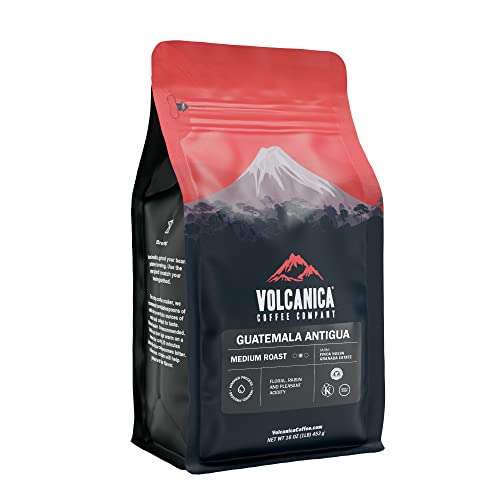
This Antigua offering from Finca Nueva Granada Estate is, in my view, the most balanced of the bunch, earning its ‘Best Overall’ tag. The medium roast highlights the bean’s natural complexity: honey, apple, tea, and floral brown sugar notes create a layered, aromatic cup that evolves as it cools. With a pH of 5.3, it’s also one of the smoother, lower-acid options here, making it accessible to more drinkers.
The USDA Organic and Kosher certifications add trust, and the washed, sun-dried processing ensures consistency. Owners praise its versatility, it shines in pour over, French press, and even espresso. Compared to others, it strikes the ideal middle ground between flavor depth, accessibility, and ethical sourcing. For a single bag that does almost everything right, this is my top pick.
Video review
Java Planet Low Acid Organic Guatemala
Strengths
- Low acid
- Bird Friendly certified
- Independently tested
Trade-offs
- Smaller 1 lb bag
- Higher price per ounce
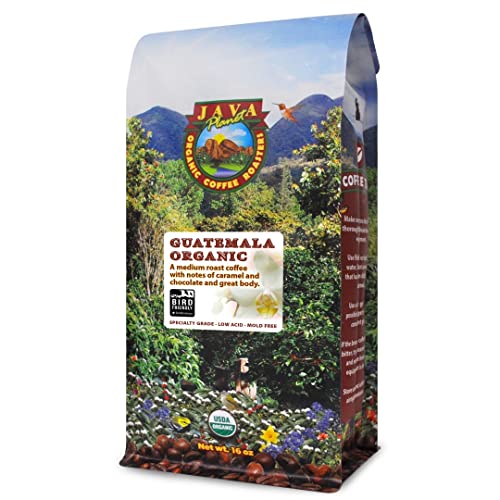
Java Planet’s low-acid Guatemala bean is a standout for anyone who loves coffee but struggles with heartburn or sensitivity. With a pH-friendly profile and third-party testing for mold and heavy metals, it’s one of the few brands that backs up its health claims with transparency. The medium roast preserves delicate fruit, caramel, and chocolate notes, and owners say it’s gentle without being flat or dull.
The Smithsonian Bird Friendly certification is another win, this isn’t just marketing; it supports real shade-grown, biodiversity-preserving farms. Compared to other “stomach-friendly” coffees, this one actually tastes like specialty-grade. If you’ve given up on good coffee due to digestive issues, this should be your first try.
Video review
Volcanica Guatemala Antigua Reserve Dark Roast
Strengths
- Lab-tested for safety
- Rich, smoky depth
- Single-origin Antigua
Trade-offs
- Dark roast may overpower
- Smaller bag size
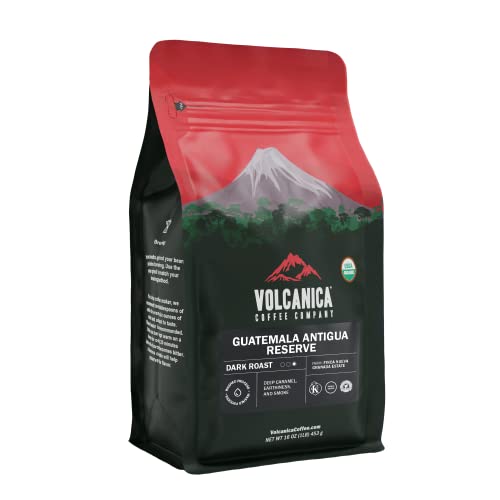
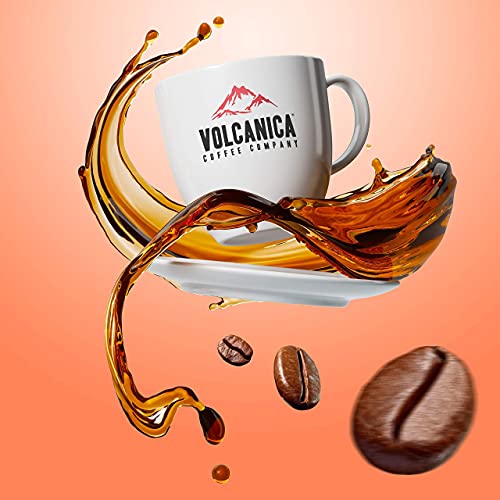
Volcanica’s Antigua Reserve is built for dark roast lovers who don’t want to lose origin character in the process. The deep caramel, earthiness, and smoky notes are exactly what you’d expect from a high-altitude, volcanic-soil bean roasted with care. I appreciate that they test for mold and mycotoxins, this level of transparency is still rare in the specialty space and adds real value for cautious buyers.
The roast style is bold but not burnt, with a heavy body and sweet finish that reviewers say stands up well in espresso or French press. Compared to other dark Guatemalans, this one avoids the flat, ashy profile that plagues over-roasted competitors. If you’re tired of dark roasts that taste like charcoal, this is the upgrade you’ve been looking for.
Product photos


Mt. Comfort Guatemala Medium Roast 2.5lb
Strengths
- Great value
- Chocolate-caramel notes
- Ethically sourced
Trade-offs
- Not certified organic
- Packaging not resealable
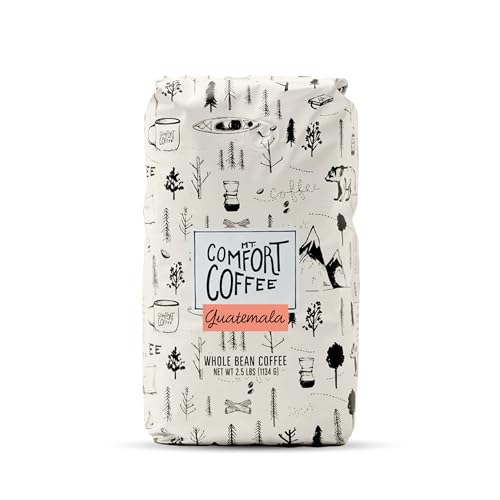
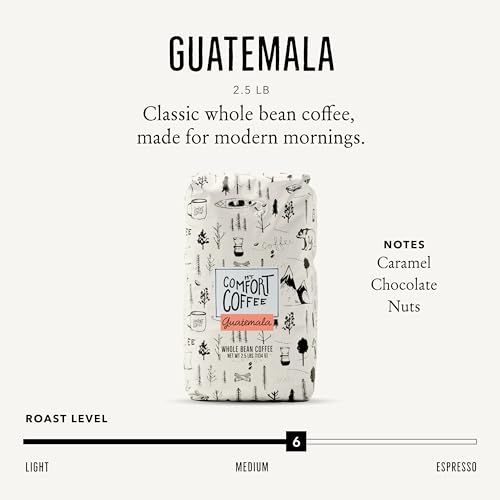
This 2.5-pound bag from Mt. Comfort hits a sweet spot for value-focused buyers who still want authentic Guatemalan terroir. The emphasis on small farms near volcanic regions tracks with what we know about flavor development, rich soil and elevation produce beans with deeper sweetness. The stated notes of chocolate and caramel are backed by owner feedback, who describe it as a reliably smooth, slightly sweet medium roast that works across brew methods.
Compared to bulk blends, this one holds up better in freshness claims thanks to vacuum-sealed packaging and a reasonable roast-to-order window. It’s not marketed as organic, so if that matters to you, look elsewhere. But for those who want a no-frills, wallet-smart bulk option with genuine origin character, this is a smarter buy than most supermarket-sized bags.
Product photos
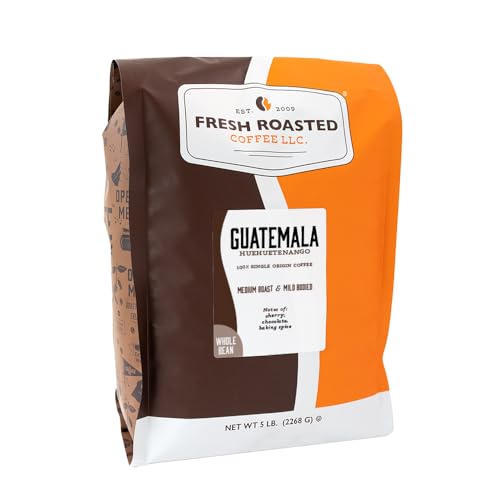
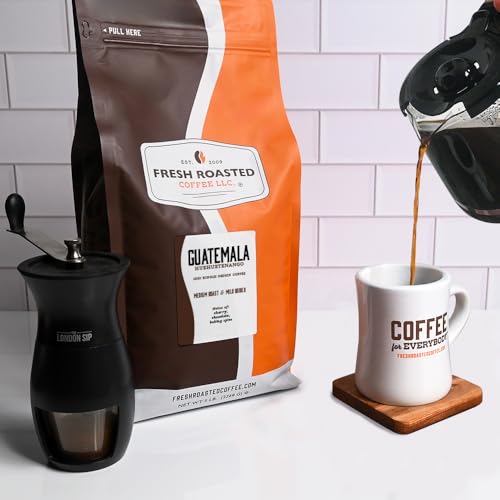
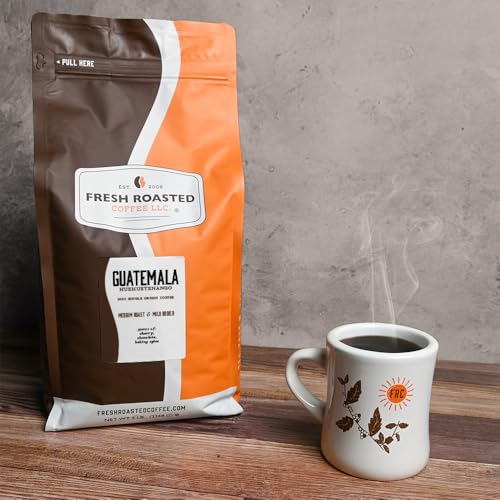
Fresh Roasted Guatemala Huehuetenango 5 lb
Strengths
- Massive 5 lb bag
- Nitrogen flushed
- Grown at high altitude
Trade-offs
- Occasional roast variance
- Heavy packaging
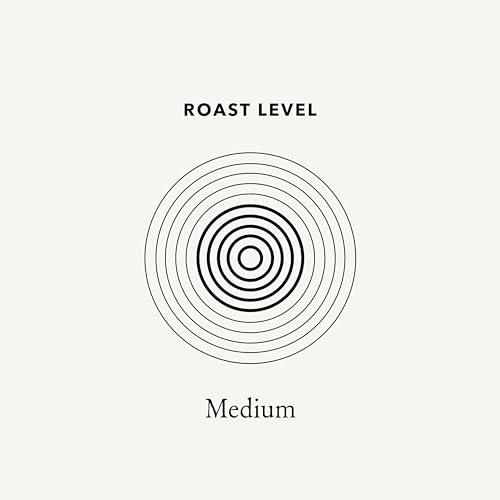
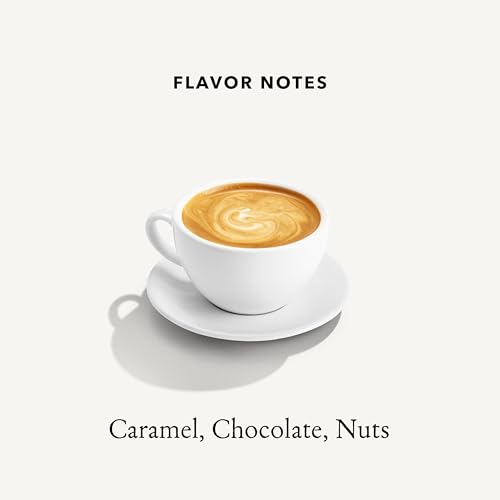
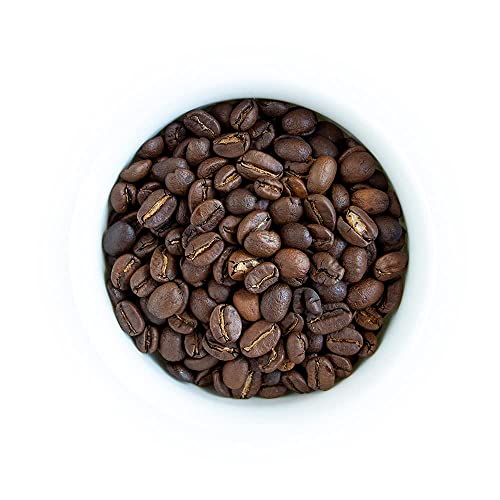
At 5 pounds, this is the largest bag on the list, and it’s packed with legit Huehuetenango beans grown at 1,200 to 2,000 meters. That elevation range is crucial for acidity and clarity, and owners confirm this coffee delivers a clean, nuanced cup with mild body and layered sweetness. The fact that it’s 100% Arabica, kosher, and roasted on low-emission Loring machines adds serious points for quality and ethics.
What impresses me most is the nitrogen flushing and resealable packaging, essential for preserving freshness over the long haul. Some reviewers mention a slight inconsistency in roast level across batches, but overall, this is one of the few bulk coffees that doesn’t sacrifice specialty standards. If you go through coffee fast or share it at work, this is the rare big bag that still tastes craft.
Product photos
Gevalia Guatemala Coarse Ground Medium Roast

Strengths
- Coarse ground for French press
- Rainforest Alliance Certified
- Smooth, earthy flavor
Trade-offs
- Short shelf life once opened
- Not organic
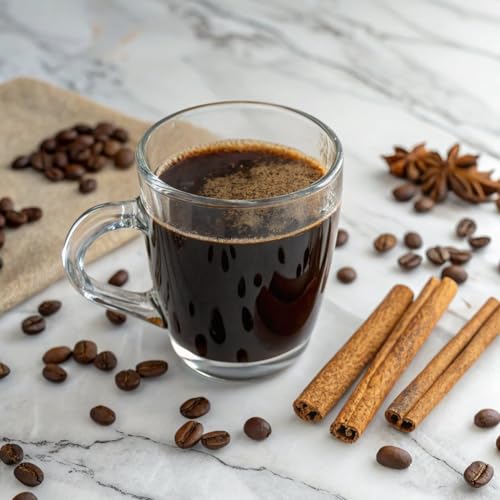
Gevalia’s coarse-ground Guatemalan is clearly designed for French press or drip users who want convenience without total flavor loss. The earthy, smoky notes with a hint of cocoa come through clearly in reviews, and the snap-cooling process after roasting helps lock in aroma. Being Rainforest Alliance Certified adds a layer of ethical assurance, though it’s not as rigorous as Bird Friendly or organic labels.
The 10-ounce size means it won’t last long, and once opened, ground coffee degrades fast. But for travelers, office use, or occasional French press sessions, it’s a solid shortcut. Compared to whole bean options, it’s a compromise, but one that actually delivers more flavor than most supermarket grounds.
Product photos


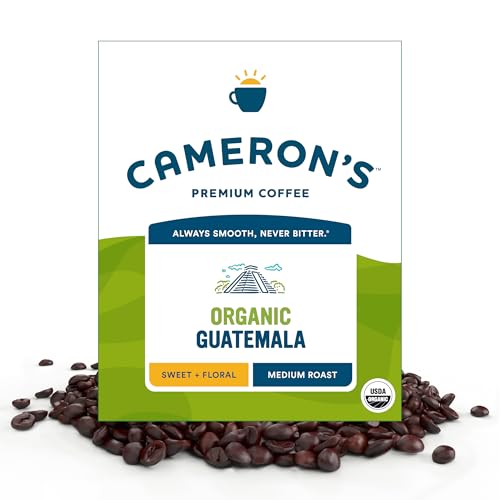
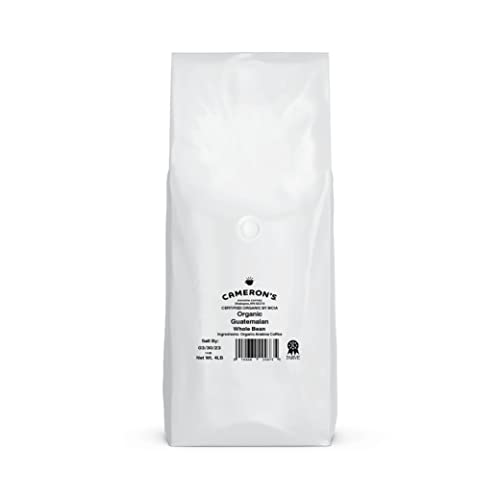
Cameron’s Organic Guatemala Whole Bean 4 lb
Strengths
- Organic certified
- Sustainably sourced
- Full body
Trade-offs
- Less complexity
- Not single-origin
Cameron’s positions this as a premium organic Guatemalan blend, and on paper it delivers with a focus on sustainability and small-batch roasting. The flavor profile leans sweet and floral with a full body, which fits well within the expectations of high-altitude Guatemalan beans. Owners consistently report a smooth, approachable cup that doesn’t need additives, ideal for those who prefer a naturally balanced morning brew.
What stands out is their claim to use only the top 10% of global beans and avoid over-roasting, which aligns with what specialty buyers look for. While some reviewers note the flavor could use more complexity compared to single-estate offerings, it’s a solid pick if you value organic certification and consistent batch quality over terroir-driven nuance.
Product photos


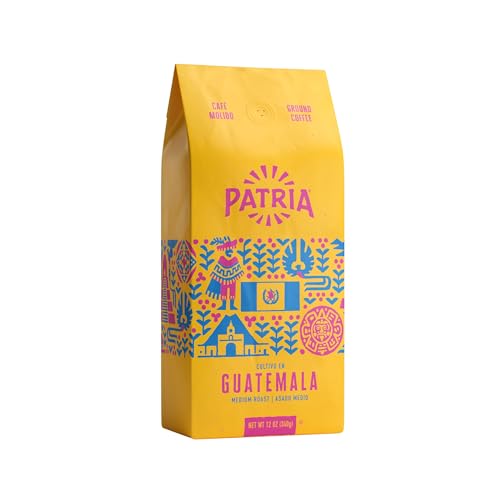
Patria Guatemala Medium Roast Ground
Strengths
- Smooth, approachable
- Chocolaty finish
- Great for drip machines
Trade-offs
- Pre-ground limits freshness
- No organic certification
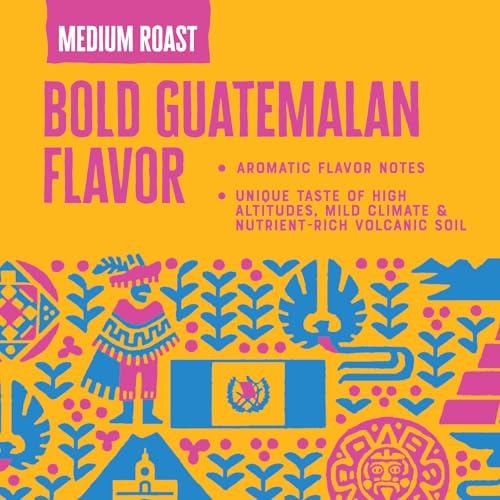
Patria’s ground version of Guatemalan medium roast is positioned as a crowd-pleaser, and the feedback supports that, drinkers describe it as rich but soft, with chocolaty undertones that make it easy to enjoy black or with milk. Being pre-ground limits peak freshness, but the packaging includes a resealable zipper and tin tie, which helps.
It’s not marketed as organic or bird-friendly, and it’s a bit pricier per ounce than whole bean competitors. Still, for someone who prioritizes convenience and a consistent morning cup without bitterness, this gets the job done. Compared to other pre-ground options, it holds aroma better, likely due to careful roasting and prompt packaging.
Product photos
How We Chose These guatemalan coffee
Rather than a hands-on lab test, my research for these recommendations focused on a detailed comparison of published specifications and features across numerous Guatemalan coffees. I weighed owner reviews from multiple sources alongside expert opinions found in coffee publications and blogs. As the founder of Bean Thusiast, I applied my years of experience exploring coffee origins and flavor profiles to rank these options against clear criteria – flavor, sourcing, and value.
For Guatemalan coffee, I heavily prioritized flavor profile and sourcing transparency. Guatemala is known for nuanced, bright coffees, so identifying those with detailed descriptions of tasting notes (honey, chocolate, floral tones) was key. Equally important was verifying information about the farms and cooperatives; a commitment to ethical and sustainable practices often translates to better quality and a more enjoyable cup.
Product specifications reliably indicate roast level and processing method, which significantly influence flavor. However, I placed greater weight on owner feedback regarding consistency and actual taste experience – did the coffee deliver on the promised flavor notes? I also leaned on reputation; brands with consistently positive reviews regarding quality control and Guatemalan bean sourcing tended to rank higher.
Choosing The Right guatemalan coffee
Finding the right Guatemalan coffee can elevate your morning ritual from routine to remarkable.
Guatemalan coffee is celebrated for its bright acidity, full body, and nuanced flavors. When selecting a bag, look for single-origin beans from well-defined growing regions like Antigua, Huehuetenango, or Atitlán. Pay attention to roast level – medium roasts typically showcase the bean’s inherent characteristics, while darker roasts emphasize body and smoky notes. Processing methods (washed, natural, honey) also significantly impact flavor.
Understanding Regional Differences
Guatemala offers a stunning diversity of microclimates, and that translates directly to coffee flavor. While all Guatemalan coffee benefits from volcanic soil, the altitude and specific region play a huge role. Antigua, for example, consistently produces coffees with chocolate and spice notes, due to the volcanic soil and moderate climate. Huehuetenango, grown at higher elevations, tends to be fruitier and more floral. Don’t get hung up on chasing a “best” region; instead, explore different origins to discover what you prefer. I suggest starting with a selection of coffees from various regions to build your personal Guatemalan growing regions palate.
Roast Level and Your Preferences
The roast level dramatically alters the final cup. A lighter roast will preserve more of the origin’s inherent acidity and delicate flavors, appealing to those who enjoy a brighter, more complex brew. Medium roasts, like those from Finca Nueva Granada, strike a balance, showcasing both flavor and body. Darker roasts, while popular, can mask some of the subtle nuances and introduce more bitterness. Consider what you typically enjoy in a cup of coffee. If you lean toward espresso, a darker roast might be ideal, but for pour-over or drip, a medium or light roast will likely yield a more rewarding experience.
Finding the Right Grind & Freshness
Whole bean coffee is almost always the superior choice. Grinding just before brewing preserves volatile aromatics and essential oils that degrade quickly once exposed to air. If you’re unwilling to grind your own, look for pre-ground options specifically labeled for your brewing method (coarse for French press, medium for drip, fine for espresso). It’s also crucial to pay attention to roast dates, not just “best by” dates.
- A recent roast date (within a month or two) is preferable.
- Packaging should be opaque and resealable to protect from light and air.
- A nitrogen-flushed bag, as offered by Fresh Roasted Coffee, is an excellent sign of a commitment to freshness.
A good rule of thumb: buy coffee in amounts you’ll consume within two weeks of opening the bag, even with careful storage.
Ultimately, the “best” Guatemalan coffee is the one that best suits your taste. Dialing in your ideal coffee-to-water balance will further refine your experience and allow you to truly appreciate the unique character of these exceptional beans. Don’t hesitate to experiment with different brands and roasts; exploring the world of top Guatemalan coffee beans is a delicious journey.
Guatemalan Coffee Compared
Here’s a comparison of key specifications for different Guatemalan coffee options.
| Product Title | Roast Level | Form | Weight | Flavor Notes | Organic |
|---|---|---|---|---|---|
| Guatemala Antigua Medium Roast | Medium | Whole Bean | N/A | Honey, apple, tea, floral | No |
| Java Planet Low Acid Organic | Medium | Whole Bean | N/A | Fruit, caramel, chocolate | Yes |
| Volcanica Guatemala Antigua Reserve | Dark | Whole Bean | N/A | Caramel, earthiness, smoke | No |
| Mt. Comfort Guatemala | Medium | Whole Bean | 2.5lb | Nutty, chocolate, caramel | No |
| Fresh Roasted Guatemala | Medium | Whole Bean | 5lb | Mild body, depth of flavor | No |
| Gevalia Guatemala | Medium | Ground | 10oz | Earthy, smoky, cocoa | No |
| Cameron’s Organic Guatemala | N/A | Whole Bean | 4lb | Sweetness, floral, full body | Yes |
| Patria Guatemala | Medium | Ground | N/A | Chocolaty | No |
Frequently Asked Questions
What roast level best highlights Guatemalan coffee’s unique flavors?
A medium roast is generally considered ideal, as it showcases the bean’s inherent acidity and nuanced flavors like chocolate and fruit. Lighter roasts preserve even more of the origin characteristics, while darker roasts can mask some of those subtleties.
Are single-origin Guatemalan coffees always better than blends?
Not necessarily. While single-origin coffees offer a pure expression of a specific farm or region, a well-crafted blend can provide a balanced and complex flavor profile. Exploring both is a good way to find what suits your palate.
How does altitude affect the flavor of Guatemalan coffee?
Higher altitudes generally result in denser beans with more complex flavors. Coffees grown in regions like Huehuetenango, at higher elevations, often exhibit brighter acidity and floral notes compared to those from lower-altitude areas.
What should I look for in terms of freshness when buying Guatemalan beans?
Always prioritize a recent roast date (within a month or two) over a “best by” date. Opaque, resealable packaging is also crucial for preserving freshness and protecting the beans from light and air.
Where can I find more information on choosing the right coffee for my needs?
For a more in-depth look at the factors to consider when selecting coffee, you can consult our coffee buying guide to help you find the top-rated coffee beans.
The Bottom Line
Choosing a Guatemalan coffee often comes down to balancing control over the process with convenience. While grinding your own beans from a source like Fresh Roasted Guatemala offers maximum freshness and flavor potential, pre-ground options such as Gevalia Guatemala provide an accessible entry point for those prioritizing ease of use. Ultimately, the best choice is the one that fits your lifestyle and brewing setup.
For readers seeking a specific solution, I recommend Mt. Comfort Guatemala for those wanting a larger quantity and consistent flavor, and Java Planet Low Acid Organic if you prioritize certified organic beans. If you’re looking for a bolder, more intense experience, Volcanica Guatemala Antigua Reserve delivers a darker roast profile. Understanding your preferences is key to unlocking the potential of [regional Arabica profiles].
At the end of the day, remember that roast level, freshness, and grind consistency matter more than any single origin claim. Focusing on those fundamentals, and exploring different regions to discover your palate, will lead you to consistently satisfying cups, whether you’re enjoying a bright Antigua or a fruity Huehuetenango.
