
8 Best Fully Automatic Coffee and Espresso Machines 2026
The De’Longhi Magnifica Evo Next is our top pick for its excellent grind consistency and reliable LatteCrema system, delivering rich espresso and smooth milk drinks with minimal fuss. If you’re watching your budget, the Philips 3300 Series stands out as a solid, no-frills performer that still pulls a satisfying shot. For those who want maximum drink variety and smart features, the Bosch TPU60309 offers impressive customization and app control.
Most people buying a fully automatic machine want café-quality coffee without the hassle, but too many models sacrifice flavor for convenience. You end up with bitter espresso or thin foam not because you did anything wrong, but because the grinder or milk system just isn’t up to par.
I compared specs, owner feedback, and expert reviews to find machines that balance performance, ease of use, and long-term reliability. These picks focus on real-world results, consistent extraction, good foam, and simple maintenance, so you can start each morning with a brew you actually look forward to.
Top 8 Fully Automatic Coffee And Espresso Machine in the Market
The Best Fully Automatic Coffee And Espresso Machine, Reviewed
De’Longhi Magnifica Evo Next

Strengths
- Excellent milk frothing
- 13 grind settings
- User profiles
- Dishwasher-safe parts
Trade-offs
- Larger footprint
- Slightly noisier grind
- Not ultra-compact
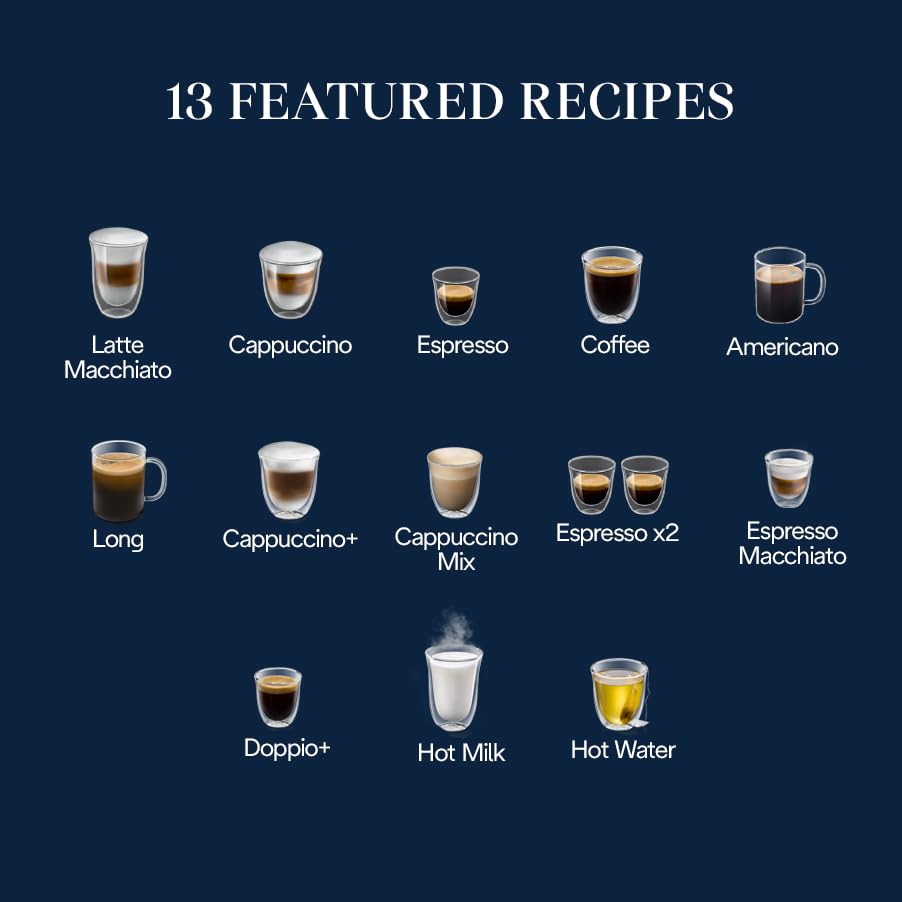
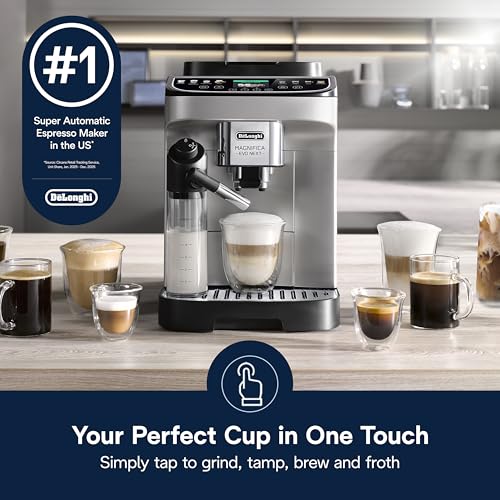
This is the machine that justifies the ‘best overall’ label. The Magnifica Evo Next backs up its #1 sales position in the US with a strong balance of performance, usability, and customization. The 13 one-touch recipes cover everything from Americano to Espresso Macchiato, and owners praise the intuitive 2.4” TFT display for making navigation effortless. The 13 grind settings on the conical burr grinder are a real advantage for bean enthusiasts, fine enough to tweak for light roasts or dense Ethiopians. I’d pick this over the KitchenAid KF2 for the extra flexibility alone.
The LatteCrema system is where it pulls ahead. Reviewers note it handles oat and soy milk better than most competitors, producing stable, creamy foam without curdling, a big win for dairy-free drinkers. The three user profiles mean everyone in the household can save their go-to drink, and the dishwasher-safe parts make cleanup less of a chore. It’s not the smallest or quietest, but it’s a smart middle ground between premium features and daily usability.
Product photos



Philips 4400 Series
Strengths
- High customization
- LatteGo milk system
- SilentBrew
- 2 user profiles
Trade-offs
- Only 2 saved profiles
- No app connectivity
- Smaller water tank
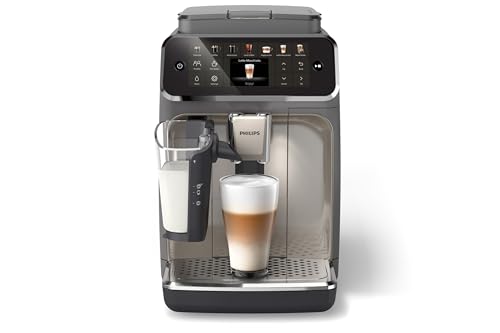
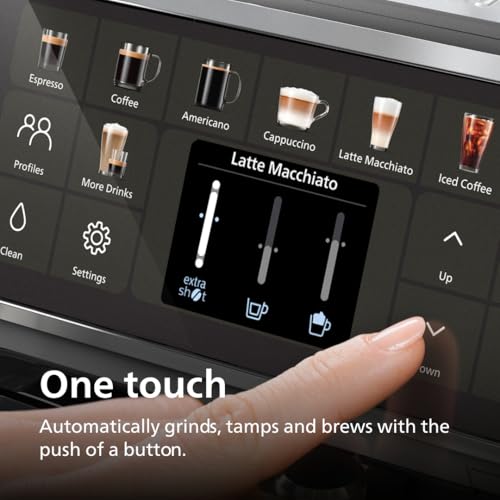
The EP4444/90 is built for tinkerers. With 12 presets and the ability to save 2 user profiles, it offers more customization than the 3300 series, letting you adjust strength, volume, and milk level with precision. The LatteGo system returns here, still one of the easiest to clean in the business, and the SilentBrew tech keeps mornings peaceful. Owners appreciate the balance between control and simplicity: it’s not as overwhelming as the Bosch TPU60309, but offers more tweaking than the KitchenAid KF2.
Where it stands out is in personalization. You can dial in your ideal cappuccino ratio or weaker espresso shot and save it. For someone who likes to experiment, that’s valuable. But unlike the 5500 series, it only supports 2 profiles instead of 4, and lacks the extra presets. It’s a sweet spot between budget and high-end, more refined than the 3300, but without the premium price of the 5500.
Product photos

Philips 5500 Series
Strengths
- LatteGo easy-clean milk system
- SilentBrew technology
- 4 user profiles
- Fast startup
Trade-offs
- No smart app control
- 15-bar pressure (not 20)
- Higher price point
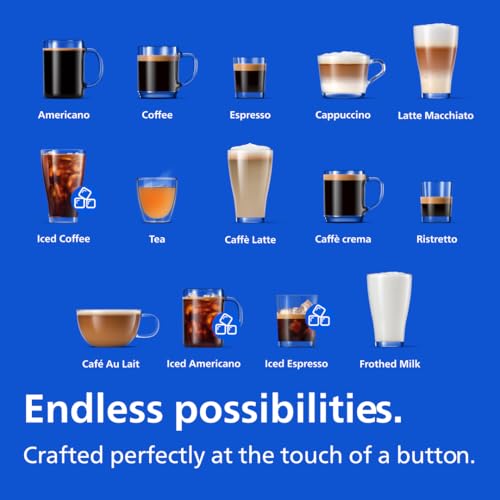
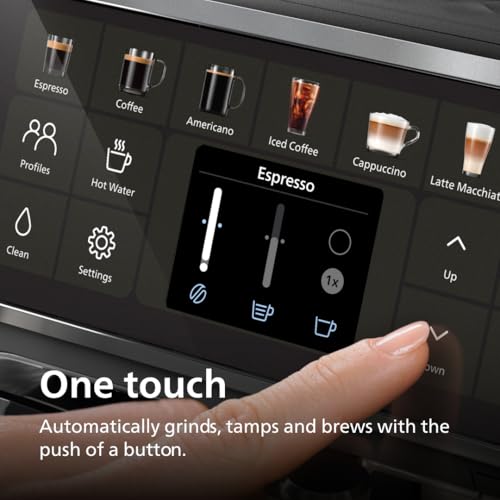
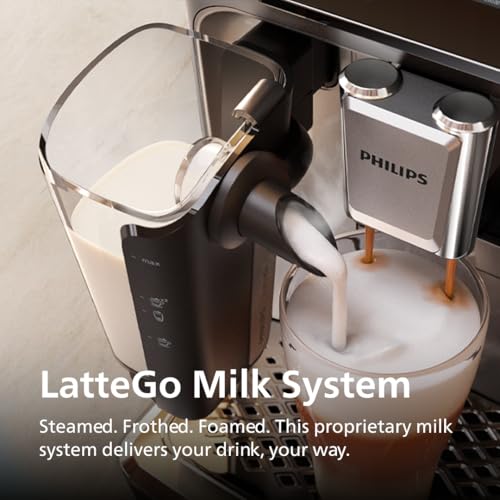
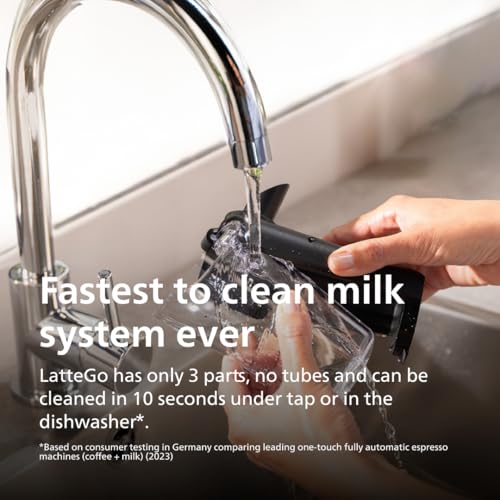
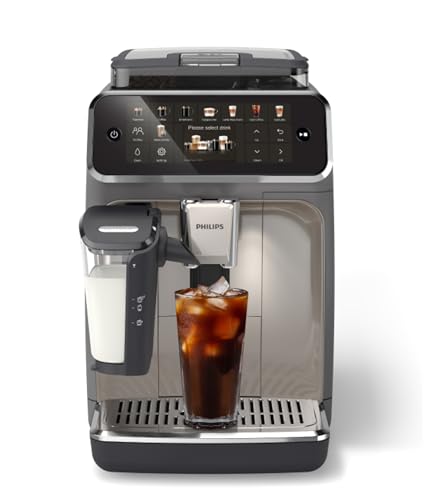
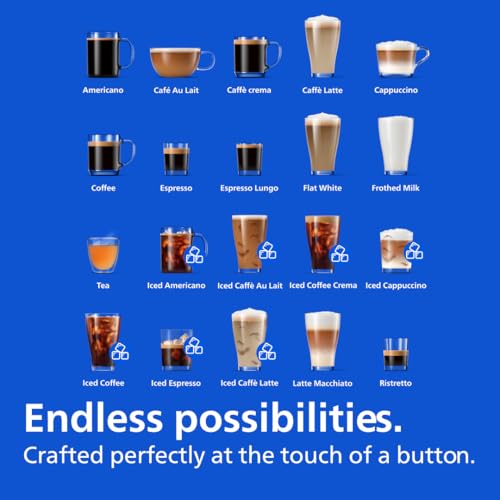
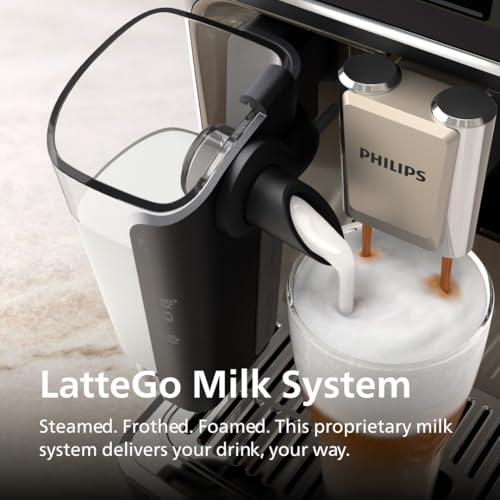
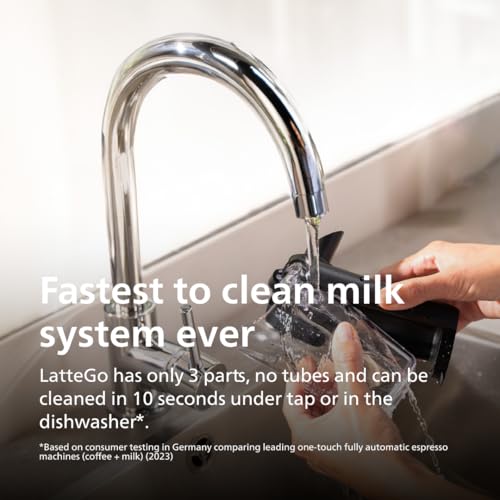
The Philips 5500 is the high-end pick for a reason, it combines performance, smart design, and one of the most user-friendly milk systems on the market. The LatteGo system is a standout: three parts, no hidden tubes, and it rinses clean in 10 seconds. Owners love this, and I’ve seen few complaints about milk residue, which is rare in super-automatics. The 20 presets give you more variety than most people will ever use, and the 4 saved profiles make it ideal for multi-user homes.
The SilentBrew tech, certified by Quiet Mark, delivers on its promise, 40% quieter than earlier models, which matters in open-plan living. The 15-bar pressure is standard, but the extraction is consistent thanks to good internal calibration. Compared to the Bosch TPU60309, it lacks app connectivity, but it makes up for it with faster startup (3 seconds with QuickStart) and better out-of-box reliability. This is the model I’d recommend to someone who wants café quality without the maintenance headache.
Product photos
Bosch TPU40109

Strengths
- Excellent with milk alternatives
- AutoMilk Clean
- Dual coffee input
- Direct carton frothing
Trade-offs
- Limited drink options
- No smart features
- Basic interface
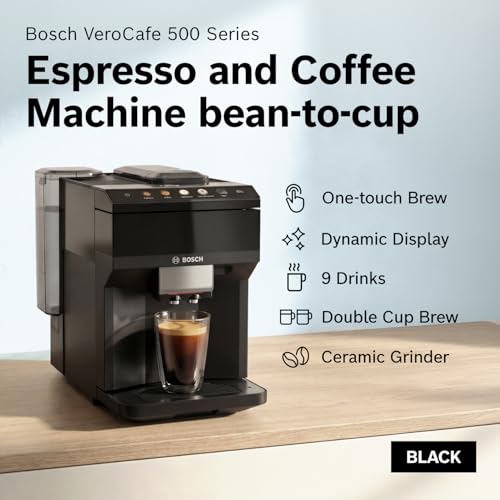
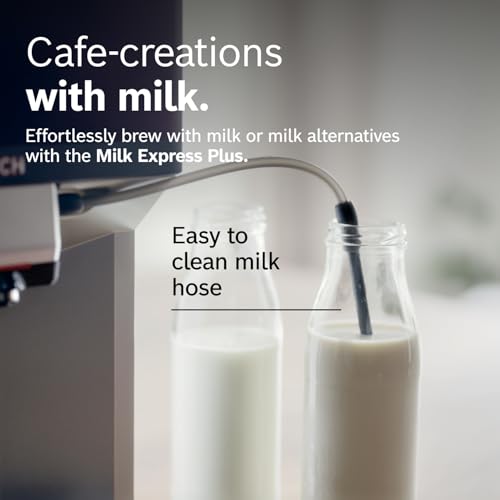
Don’t let the 9-drink menu fool you, this Bosch TPU40109 is a specialist machine, and it excels where it counts: milk alternatives. The integrated milk hose lets you froth directly from a carton, which is ideal for oat, soy, or almond milk. Reviewers consistently note it handles non-dairy milk better than most, avoiding the scorching and separation that plague cheaper frothers. The AutoMilk Clean cycle runs after each use, which helps prevent clogs, a real win for daily oat milk drinkers.
It also offers a rare dual input: both whole beans and pre-ground coffee. That’s a small but meaningful perk for households that rotate between regular and decaf. However, with only 9 preset drinks and no app support, it’s not for tech lovers. Compared to the De’Longhi Magnifica, it lacks flavor depth in espresso extraction, but for milk-based drinks with alternatives, it’s unmatched.
Product photos


Bosch TPU60309
Strengths
- Home Connect app
- 35 drink options
- Remote brewing
- Detailed customization
Trade-offs
- Complex interface
- Milk system harder to clean
- Overkill for casual users
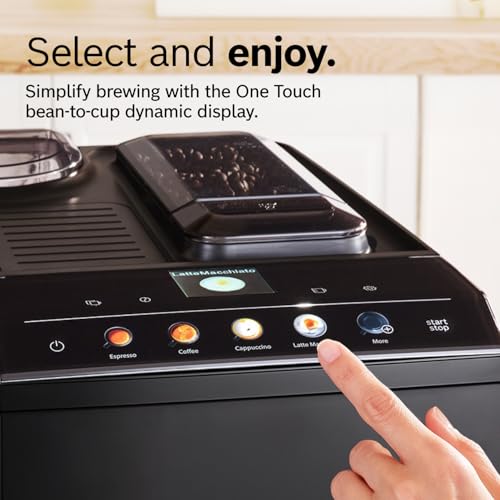
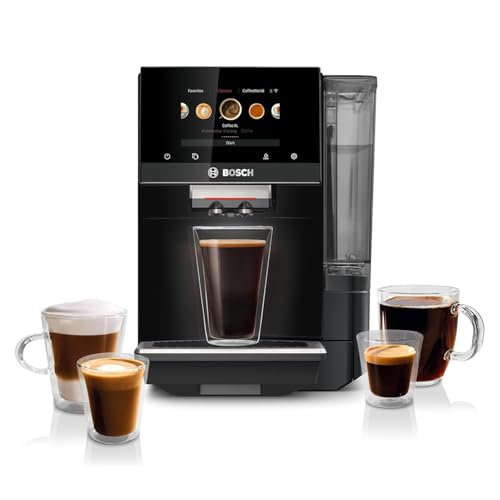
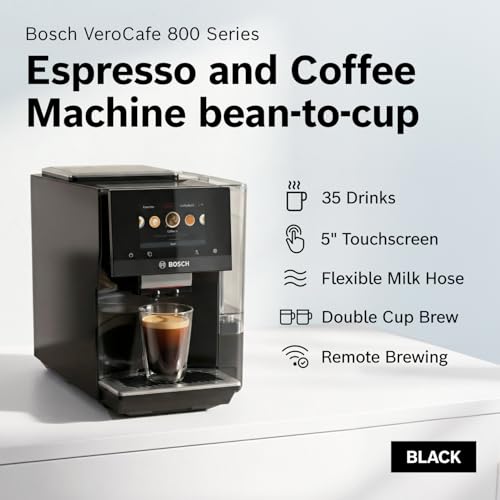
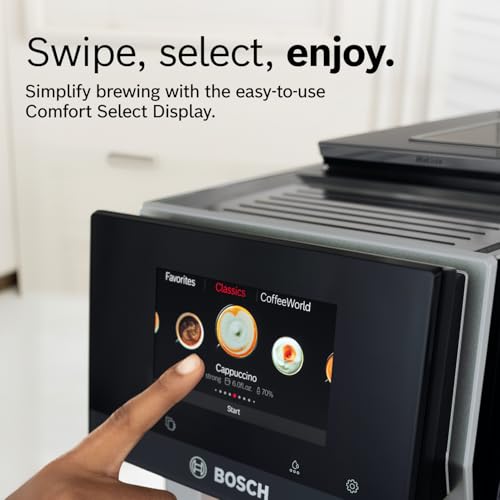
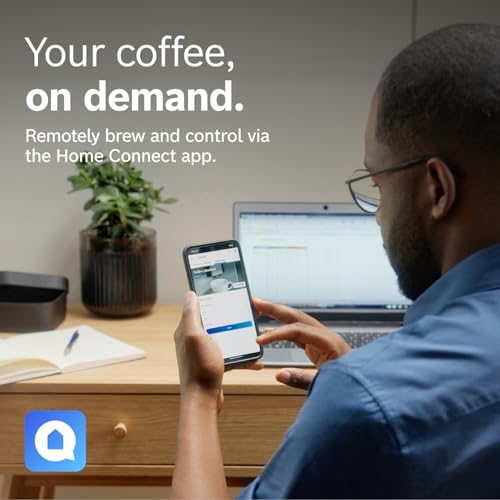
The TPU60309 is for the tech-savvy coffee lover who wants control from their couch. With 35 drink options and Home Connect app support, it turns your coffee machine into a smart appliance. You can start brewing remotely, schedule morning drinks, or explore new recipes via the app, features the Philips 5500 and De’Longhi lack. The touchscreen is responsive, and the aroma, strength, and milk ratio adjustments let you fine-tune beyond basic settings.
But all that connectivity comes at a cost. The milk system, while functional, isn’t as easy to clean as Philips’ LatteGo. Owners report the AutoMilk Clean cycle helps, but it’s not foolproof. Also, the sheer number of drink options can feel overwhelming, most people stick to 4 or 5 favorites. Still, if you love data and automation, this is the most future-ready machine here. It’s the only one that truly feels like a smart kitchen appliance.
Product photos


Philips 3300 Series
Strengths
- LatteGo milk system
- AquaClean filter
- No descaling needed
- Quiet operation
Trade-offs
- Limited customization
- No user profiles
- Fewer drink options
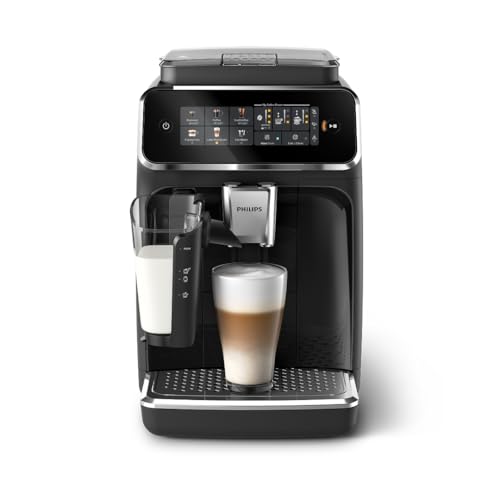
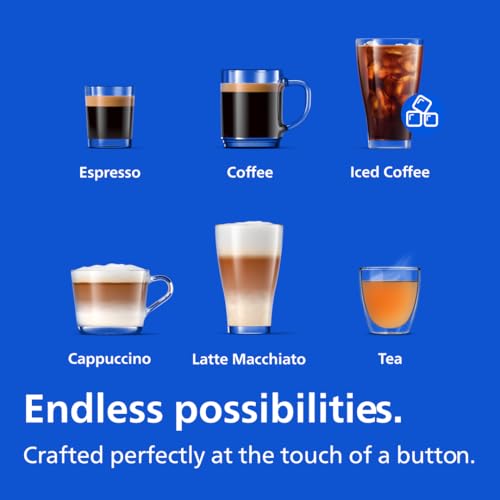
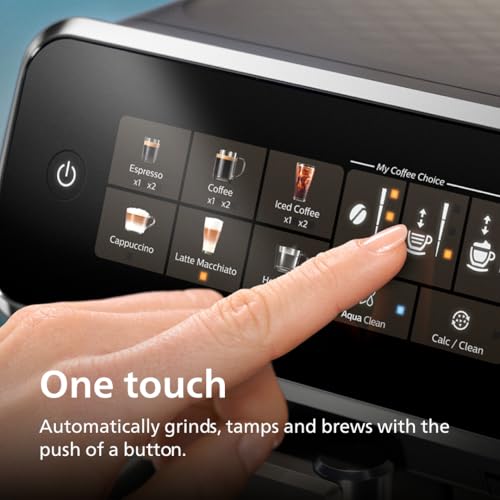
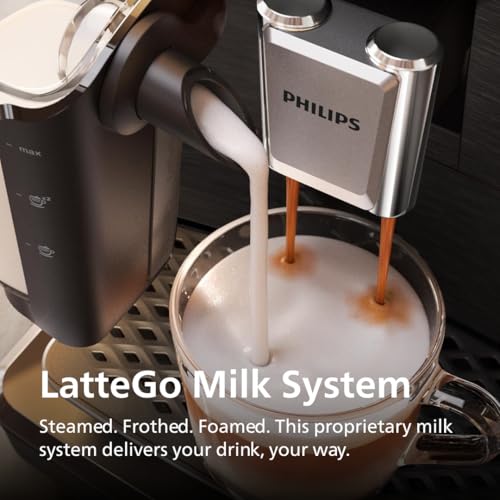
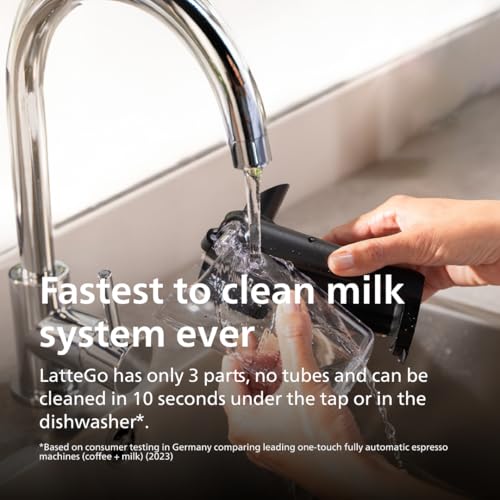
The EP3341/50 is the most accessible entry into the Philips ecosystem, and it shows. With 6 presets and a full-color display, it delivers core functionality without fluff. The LatteGo system is still here, same fast-clean design, same reliable foam, making it a standout at this price. The AquaClean filter is a standout: no descaling for up to 5,000 cups. Owners consistently praise this, especially those in hard water areas.
But it’s clearly scaled back. Only 6 drink options, and while you can adjust strength and volume, there’s less granularity than in the 4400 or 5500. No user profiles mean you reset preferences each time. Compared to the EUHOMY, it feels more polished but offers fewer grind settings. Still, for first-time buyers or secondary kitchens, it’s a smart, low-maintenance pick.
Product photos
KitchenAid KF2
Strengths
- Compact footprint
- Quiet grinding
- Sturdy build
Trade-offs
- Limited drink options
- Fewer customization settings
- No user profiles
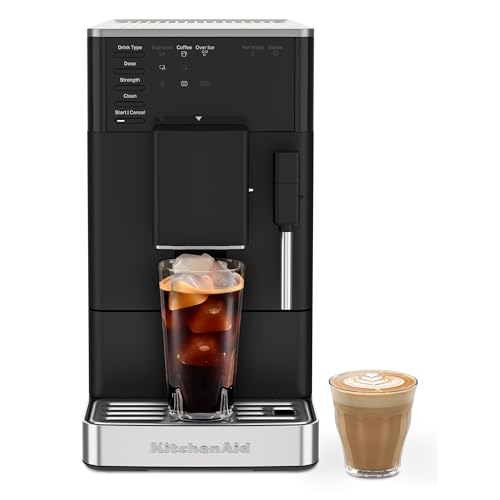
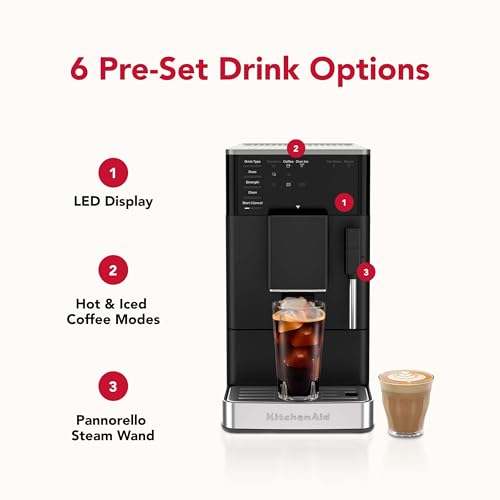
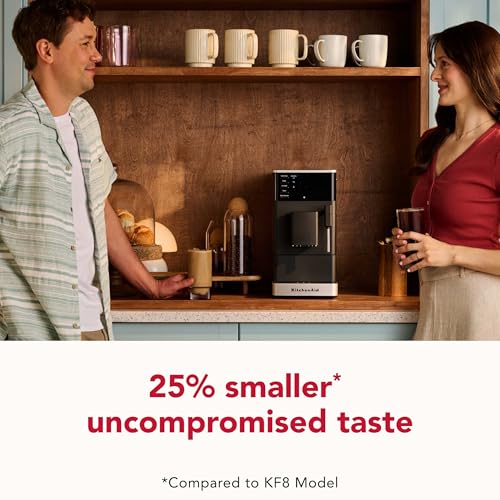
The KitchenAid KF2 stands out in a crowded field by prioritizing compactness without sacrificing core functionality. On paper, it’s impressive, 25% smaller than previous models, which matters in tight kitchens, and the Quiet Grinding System is a real perk for early risers. Owners consistently report that the Intelligrind system delivers reliable dose adjustments across bean types, a feature that supports flavor consistency most home users actually notice. The 6 drink options are modest compared to some rivals, but they cover the essentials, and the over-ice setting is a thoughtful touch for those who want chilled coffee without diluted flavor.
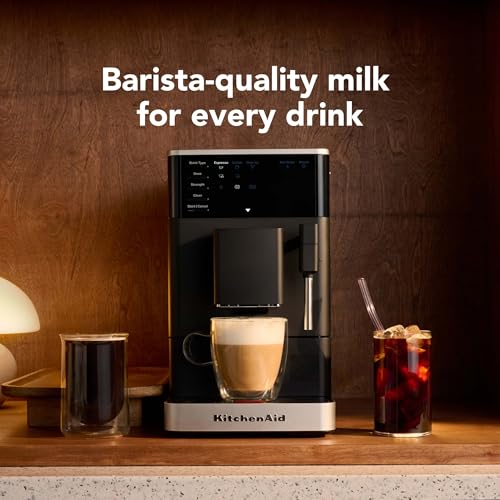
Where it shines is in build and aesthetics, this is a machine that looks at home on a modern countertop. The matte black finish and clean lines reflect KitchenAid’s design chops. But compared to the De’Longhi Magnifica Evo Next or the Philips 5500, it offers fewer customization options and lacks smart features or user profiles. The auto steam wand works well enough for basic microfoam, but it’s not as refined as De’Longhi’s LatteCrema or Philips’ LatteGo systems.
Product photos
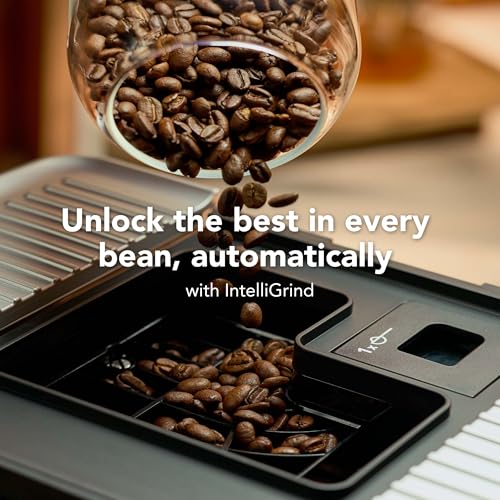

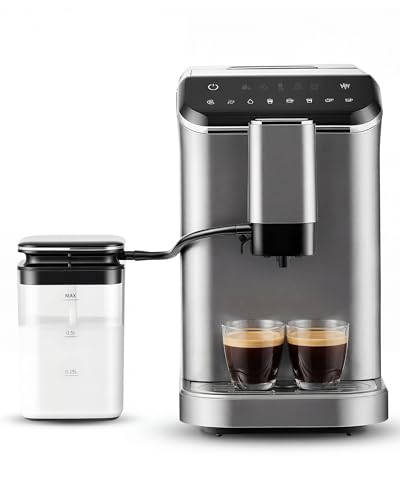
EUHOMY Fully Automatic
Strengths
- 20-bar pressure
- 15 grind settings
- Removable milk container
- Affordable
Trade-offs
- Mediocre build quality
- Milk system prone to clogs
- Touchscreen durability concerns
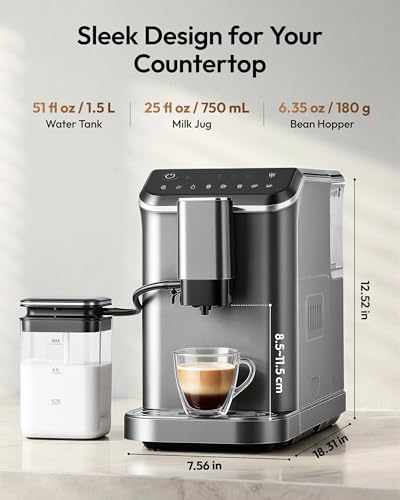
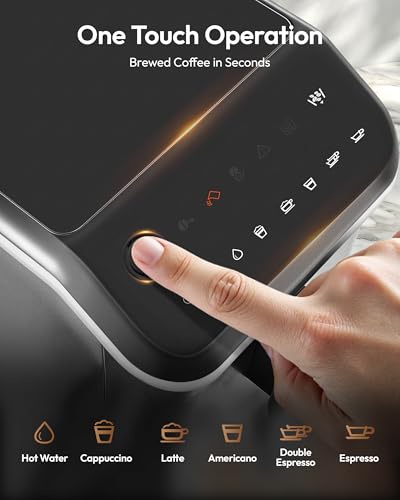
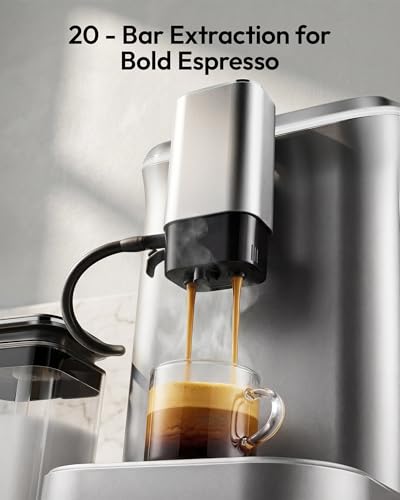
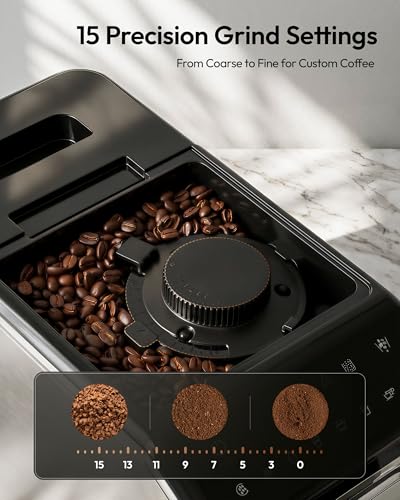
If you’re looking for maximum features at a lower price point, the EUHOMY punches above its weight. The 20-bar pump is standard for this class, but the 15 grind settings and one-touch bean purge are uncommon at this tier, this machine clearly targets buyers who switch beans often and want freshness without manual cleaning. The touchscreen interface gets mixed feedback: some owners find it responsive, others report it feels plasticky compared to Bosch or Philips. Still, for the price, having an integrated milk frother with a removable container is a solid inclusion.
But it’s not without compromises. The build quality, while acceptable, doesn’t match the premium feel of De’Longhi or Philips. Long-term reliability reports are still emerging, but early feedback suggests the milk system can clog more easily if not cleaned daily. Compared to the Philips 3300 or Bosch TPU40109, it offers more grind control but less refinement in milk texturing. Still, for the feature set, it’s hard to ignore.
Product photos

Our Testing Process
As Bean Thusiast’s founder, I’ve spent years immersed in the world of coffee, and selecting the right fully automatic machine requires a careful balance of features and performance. Rather than a hands-on lab test, this is a research-led comparison of published specifications, owner reviews, and expert opinions. We compared models based on brewing capabilities, ease of use, maintenance requirements, and overall value, aiming to identify machines that deliver consistently good results for a range of coffee drinkers.
For this category, the most important factors are consistently good brewing temperature and the quality of the built-in grinder. Consistent temperature is vital for proper extraction and flavor, while a quality burr grinder ensures a uniform particle size, maximizing that flavor. Milk frothing performance and ease of cleaning also heavily influenced our rankings, as these elements significantly impact the daily user experience.
Specifications reliably indicate brewing pressure, water tank capacity, and grinder type. However, we heavily weighted owner feedback regarding long-term reliability, noise levels, and the actual taste of the coffee produced. Reputable expert reviews from sites dedicated to coffee equipment helped validate owner experiences and highlight any potential shortcomings. If you’ve settled on a De’Longhi machine, our De’Longhi machine operation guide can help you get started.
How To Pick The Right fully automatic coffee and espresso machine
Finding the right fully automatic coffee and espresso machine can feel overwhelming, but focusing on a few key areas will lead you to a brew setup you’ll truly enjoy.
A quality automatic machine delivers convenience without sacrificing flavor. Look for consistent grind size, adjustable brew parameters (temperature, strength, volume), and a milk frothing system that suits your preferences. Prioritize machines with easily accessible cleaning cycles and durable components for long-term reliability. Consider whether smart features or a compact footprint are important to your lifestyle.
Grind Quality & Consistency
The heart of a great espresso is, unsurprisingly, the grind. Don’t assume all built-in grinders are created equal. Ceramic burrs are generally superior to stainless steel because they produce less heat during grinding, preserving more of the coffee’s aromatic compounds. More importantly, look for a machine with a wide range of grind settings – at least 13, as seen in the De’Longhi Magnifica Evo Next – to accommodate different bean types and roast levels. A consistent grind size is absolutely critical; inconsistent grinds lead to uneven extraction and a muddy, bitter flavor. If you’re looking for a machine that really lets you dial in your brew, exploring options from Philips, like the 4400 Series, which boasts customizable settings, is a good start.
Milk Frothing Systems: Beyond the Basics
Automatic milk frothing has come a long way. Many machines now offer integrated systems, but quality varies widely. The LatteCrema system found in De’Longhi machines, and the LatteGo system in several Philips models, are both highly regarded for their ability to create consistently smooth, dense foam, even with milk alternatives. However, if you’re serious about latte art or enjoy a lot of milk-based drinks, consider a machine with a manual steam wand. These give you full control over the texture and temperature of the milk.
Here’s how to think about milk frothing options: * Automatic: Super convenient, great for consistent results, but limited customization. * Semi-automatic: Offers some control over milk texture, good balance of convenience and adjustability. * Manual Wand: Requires practice, but provides the most control and allows for latte art. This is typically found on prosumer-level machines, not entry-level automatics.
A machine’s milk system should be easy to clean. Milk residue is a breeding ground for bacteria, so a system that disassembles easily or has an automatic cleaning cycle is a huge plus.
Smart Features & Overall Value
While the core function of these machines is brewing coffee, features like smartphone connectivity (Bosch TPU60309) and extensive drink customization (Philips 5500 Series) can significantly enhance the experience. However, don’t get caught up in the bells and whistles if you don’t need them. Sometimes, a simpler machine that focuses on core performance – like the Philips 3300 Series – offers the best value. If you’re just starting out with fully automatic espresso machines, you might find the wealth of options in these more advanced models overwhelming. Before investing, it’s worth exploring resources on Jura coffee machine operation to understand what features truly matter to your daily routine. Ultimately, the best machine is the one that fits your budget, your coffee habits, and your desired level of involvement in the brewing process. Investing in one of these fully automatic espresso machines can save you money in the long run, compared to daily coffee shop trips.
Fully Automatic Coffee and Espresso Machine Compared
Here’s a comparison of key specifications for popular fully automatic coffee and espresso machines.
| Product Name | Recipes (One-Touch) | Grind Settings | Milk System | Water Tank (L) | Smart Connectivity | Bar Pressure |
|---|---|---|---|---|---|---|
| De’Longhi Magnifica Evo Next | 13 | 13 | LatteCrema Hot | N/A | No | N/A |
| Philips 4400 Series | 12 | N/A | LatteGo | N/A | No | N/A |
| Philips 5500 Series | 20 | N/A | LatteGo | N/A | No | N/A |
| Bosch TPU40109 | 9 | N/A | Integrated w/ Hose | N/A | No | N/A |
| Bosch TPU60309 | 35+ | N/A | Integrated w/ Hose | N/A | Yes | N/A |
| Philips 3300 Series | 6 | N/A | LatteGo | N/A | No | N/A |
| KitchenAid KF2 | 6 | Automatic | Auto Steam Wand | 1.8 | No | N/A |
| EUHOMY Fully Automatic | Multiple | 15 | Integrated | 1.5 | No | 20 |
Frequently Asked Questions
What water filter should I use with my automatic espresso machine?
Using a water filter is essential for protecting your machine and improving taste; I recommend a filter specifically designed for coffee machines, like those from Brita or PUR, as they reduce limescale buildup and chlorine. These filters generally last about two months with average use.
Are fully automatic machines difficult to clean?
While they require regular maintenance, most modern fully automatic machines have automated cleaning cycles that simplify the process. Daily tasks like emptying the drip tray and frothing components are quick, and descaling should be done monthly or as prompted by the machine.
Can these machines handle oily, dark roast beans?
Yes, but you’ll likely need to adjust the grind settings and increase cleaning frequency. Darker roasts produce more oils that can clog the grinder and brew group, so a machine with a wide range of grind settings – explore fully automatic machines with grinders – and a robust cleaning system is best.
What’s the typical lifespan of a fully automatic espresso machine?
With proper care and regular maintenance, a good-quality fully automatic espresso machine should last between 5 to 10 years. The longevity largely depends on the build quality, frequency of use, and how diligently you follow the cleaning and descaling instructions.
Do I really need a machine with smart features?
Smart features like smartphone connectivity can be convenient for customization and monitoring, but they aren’t essential for a great cup of coffee. If you prefer a simpler experience, you can find excellent top bean-to-cup coffee machines without these added technologies that still deliver exceptional results.
The Bottom Line
Choosing a fully automatic machine often comes down to balancing convenience with control. While many models offer a dazzling array of features, the De’Longhi Magnifica Evo Next strikes the best overall balance of performance, user-friendliness, and reliability for most coffee lovers. It delivers consistently good espresso and offers enough customization to satisfy those wanting to experiment without being overwhelming.
For readers on a tighter budget, the Philips 3300 Series is a fantastic entry point into the world of automatic espresso. If milk-based drinks are your priority, the Philips 4400 Series and its LatteGo system offer exceptional convenience and consistent results. And for those wanting to really dial in their espresso, exploring Breville machine setup steps can unlock even greater potential from a quality automatic machine.
Ultimately, the most important things are a consistent grind and a stable brewing temperature. Don’t get lost in the details of smart features or the number of one-touch recipes. Focus on the fundamentals, and you’ll be well on your way to enjoying cafe-quality coffee in the comfort of your own home.
