
8 Best Fully Automated Coffee Machines of 2026
The Philips 5500 Series stands out as the best fully automated coffee machine for most people, combining strong brew quality with intuitive customization. For those watching their budget, the EUHOMY Fully Automatic Espresso Machine delivers solid performance without breaking the bank, while the Bosch VeroCafe 800 Series offers top versatility for multi-drink households.
I’ve seen too many people invest in flashy machines only to be stuck with bitter espresso or a milk system that’s a chore to clean. The real challenge isn’t just finding a machine that brews coffee, it’s finding one that fits your habits, cleanup tolerance, and taste preferences without constant frustration.
This guide cuts through the noise by focusing on what actually matters: grinder consistency, milk frothing ease, long-term reliability, and real-world usability. I researched each pick based on technical specs, owner experiences, and feedback from trusted coffee reviewers to highlight models that deliver where it counts.
Top 8 Fully Automated Coffee Machine in the Market
The Best Fully Automated Coffee Machine, Reviewed
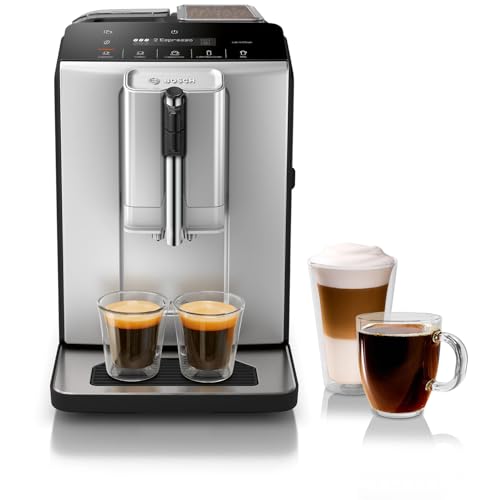
Bosch TIU20307 Fully Automatic Coffee Machine
Strengths
- Durable ceramic grinder
- Front-access brew unit
- Smooth milk frothing
- Reliable one-touch
Trade-offs
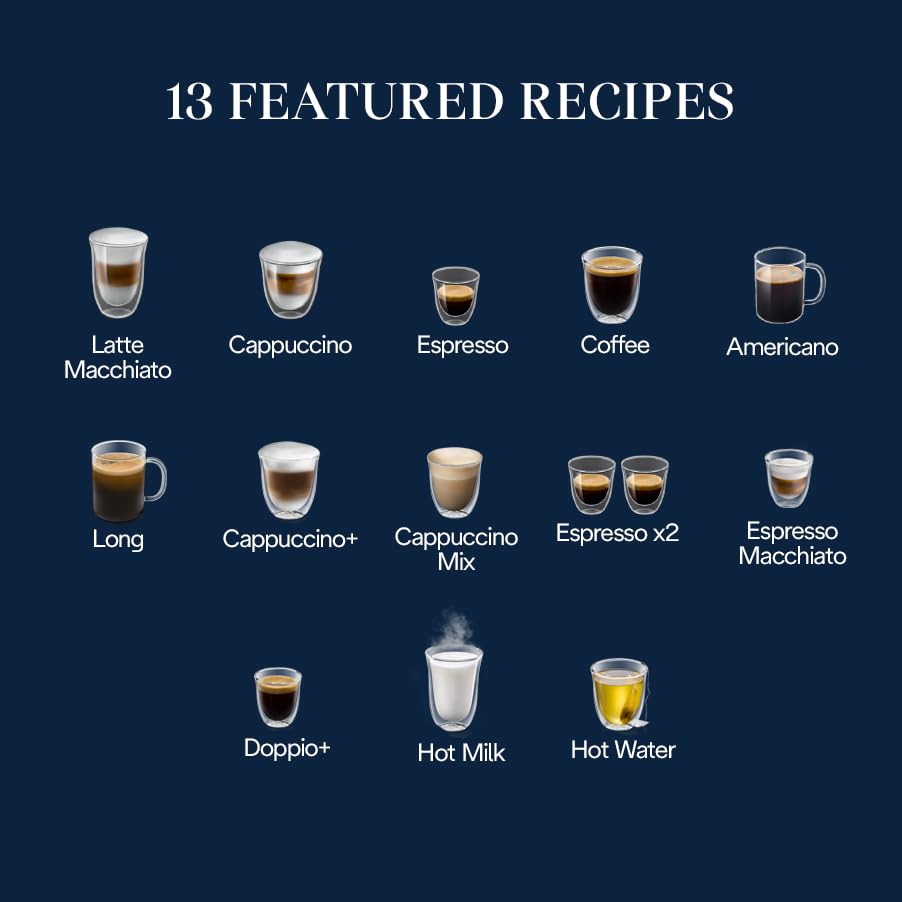
- No app connectivity
- No iced coffee preset
- Fewer drink options
This Bosch TIU20307 is my pick for best overall in a crowded field. It strikes the sweet spot between build quality, performance, and daily usability. The ceramic grinder is durable and avoids heat buildup, which helps preserve delicate flavor notes, something I’ve emphasized for years at Bean Thusiast. The front-access brew unit is a standout for maintenance, rinsing clean in seconds and reducing long-term clogs.
It doesn’t have the app smarts of the 36-drink model, but it doesn’t need them. The one-touch operation is intuitive, and the adjustable milk frother delivers consistently creamy results, better than most rivals in this range. Compared to the Philips 3300, it feels more solid, with a smoother interface and better milk integration. For couples or individuals who want barista-level results without fuss, this is the machine I’d bring into my own kitchen.
Video review
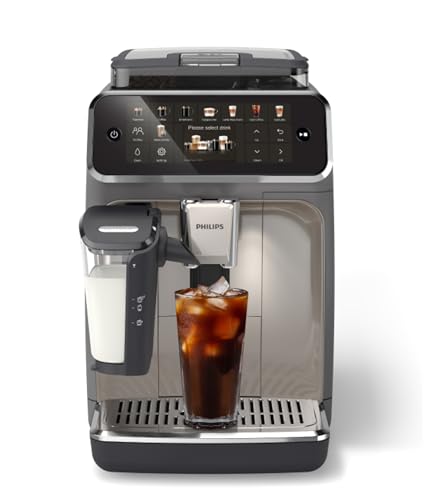
Philips 5500 Series Espresso Machine
Strengths
- SilentBrew certified
- 20 drink presets
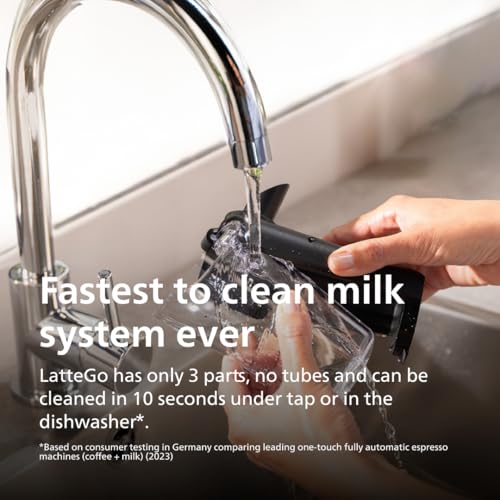
- Quick milk cleanup
- User profiles
Trade-offs
- Higher price point
- Larger footprint
- No remote app
If you want one machine that balances speed, quiet operation, and customization, the Philips 5500 is hard to beat. The SilentBrew technology, certified by Quiet Mark, delivers a noticeably quieter grind, 40% quieter than older models, per specs, and that matters in early mornings. The 20 drink presets, including iced coffee and hot water, make it versatile for households with varied tastes.
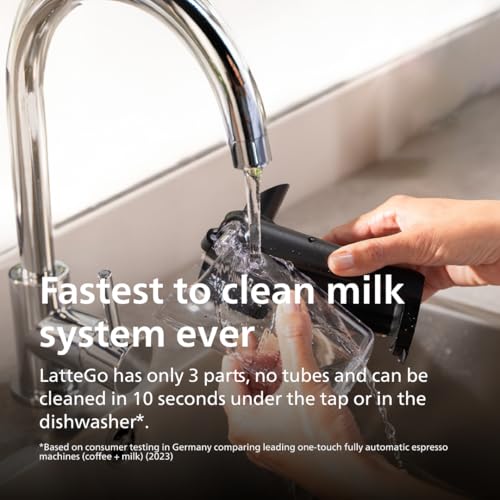
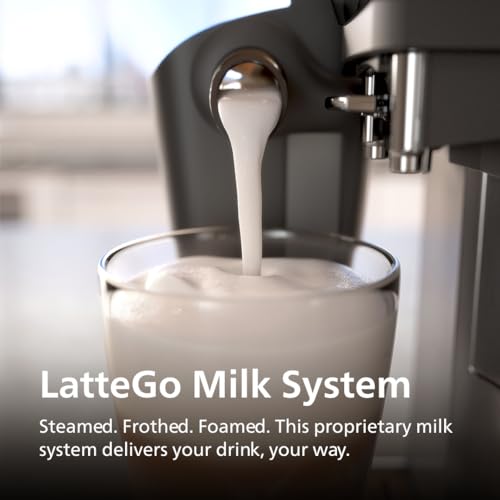
What impresses me most is the LatteGo milk system with only three parts and zero internal tubing. Reviewers repeatedly highlight how fast it is to clean, 10 seconds under the tap or dishwasher-safe. You can save up to four user profiles, which the Bosch 36-drink model doesn’t offer without the app. It’s pricier than the 3200, but the jump in features justifies it for most buyers.
Video review
De’Longhi Magnifica Evo Next Espresso Machine

Strengths
- Superior milk frothing
- 13 grind settings
- TFT color display
- User profiles
Trade-offs
- Requires regular descaling
- No app control
- Higher maintenance
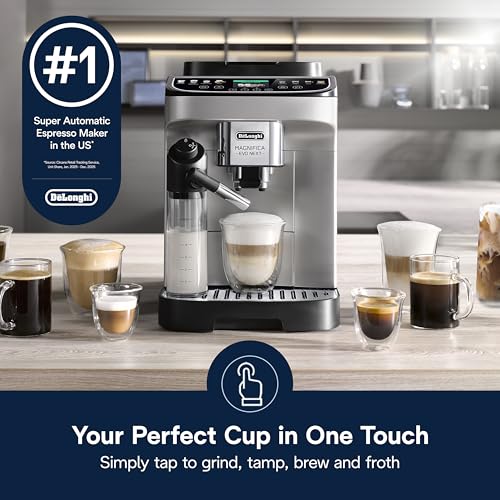
De’Longhi’s Magnifica Evo Next feels like the gold standard for build and user experience. The 13 grind settings and conical burr grinder give real control over extraction, and the LatteCrema system consistently produces creamy, barista-grade foam, even with oat milk, which many systems struggle with. The 2.4” TFT color screen is bright and responsive, making navigation a breeze compared to basic LCDs on other models.
Owners praise its durability and the ability to save three user profiles with custom intensity and size. It’s not the quietest, but the build quality justifies the noise, solid metal accents, smooth piston action, and a removable brew unit that cleans easily. Against the Bosch TIU20307, it offers more drink variety and better milk texture, though it lacks AquaClean-style descaling avoidance.
Product photos



Philips 3300 Series Espresso Machine
Strengths
- Affordable price
- SilentBrew technology
- AquaClean filter
- Quick milk cleanup
Trade-offs
- No user profiles
- Basic customization
- Smaller bean hopper
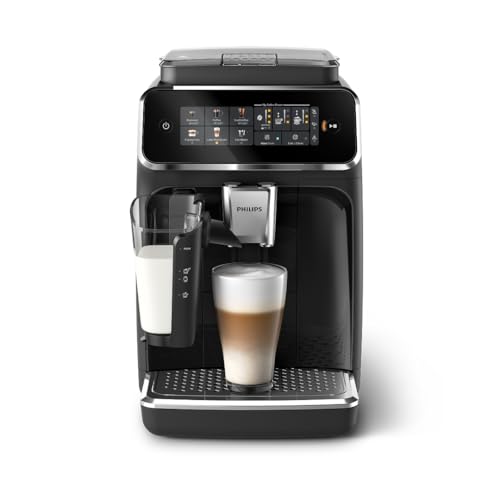
The Philips 3300 is the most budget-friendly way to get into a reliable super-automatic with the trusted LatteGo system. It shares key DNA with the 5500, same SilentBrew tech (40% quieter), 15-bar pressure, and the same AquaClean filter that skips descaling for 5,000 cups. For cost-conscious buyers, that’s huge.
It offers six drink presets, including iced coffee and hot water, and the color display is intuitive. However, it lacks user profiles and advanced customization. Compared to the EUHOMY, it has better milk handling but fewer grind settings. Owners love its reliability and ease of cleaning, but it’s not built for tinkerers. If you want café-style drinks without overspending, this is the entry point I’d recommend.
Product photos

Philips 3200 Series Espresso Machine
Strengths
- Ceramic grinder
- AquaClean filter
- Fast milk cleanup
Trade-offs
- Limited drink variety
- No user profiles
- Basic customization
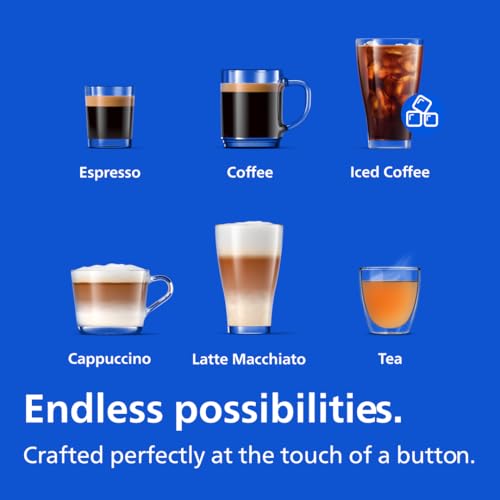
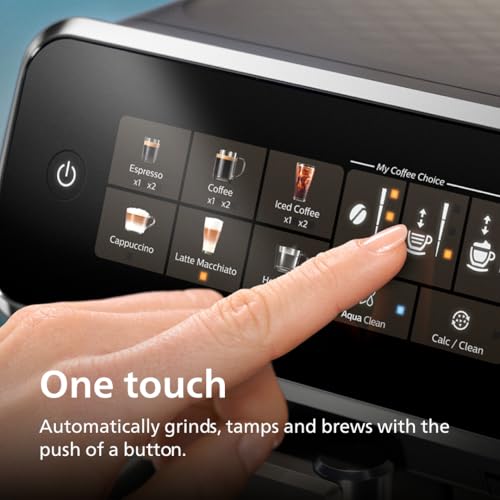
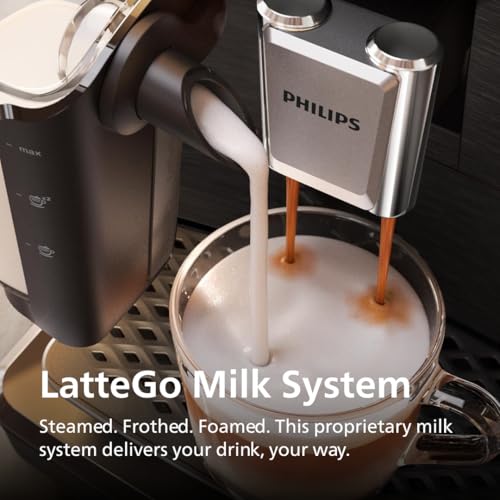
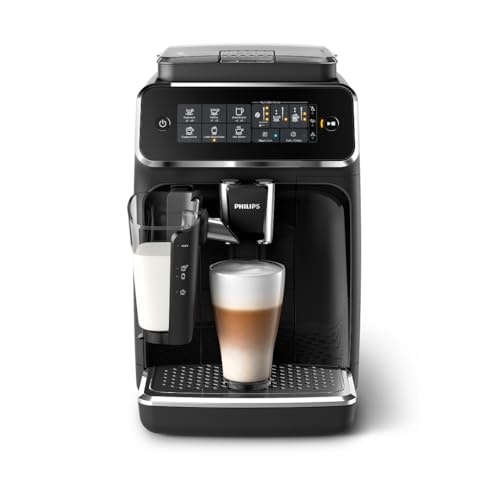
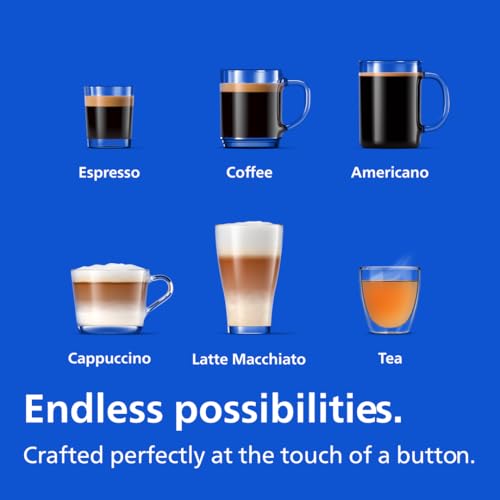
The Philips 3200 delivers a solid entry point into super-automatics without overcomplicating things. It covers the core drinks well, espresso, cappuccino, latte macchiato, and the 100% ceramic grinder is a standout at this tier, preserving bean aroma better than cheaper blade grinders. The AquaClean filter is a real time-saver, eliminating descaling for up to 5,000 cups, which I know users appreciate from years of forum feedback.
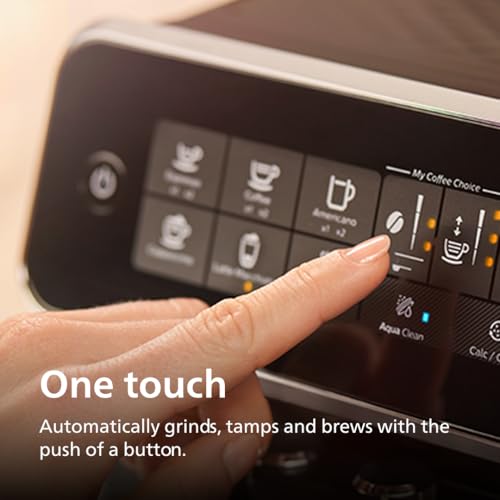
Where it shines is simplicity: the touch display is straightforward, and the LatteGo milk system with just two parts is among the easiest to clean in this class. Owners consistently report it takes under 15 seconds to rinse, no hidden tubes to trap milk residue. That said, it doesn’t offer the depth of customization you’ll find in higher-end models. If you want fine control over milk texture or extraction time, look elsewhere.
Product photos
Bosch VeroCafe 800 Series Coffee Machine
Strengths
- Remote control via app
- 35+ drink options
- Guided maintenance
Trade-offs
- App reliance
- Heavier footprint
- Average noise level
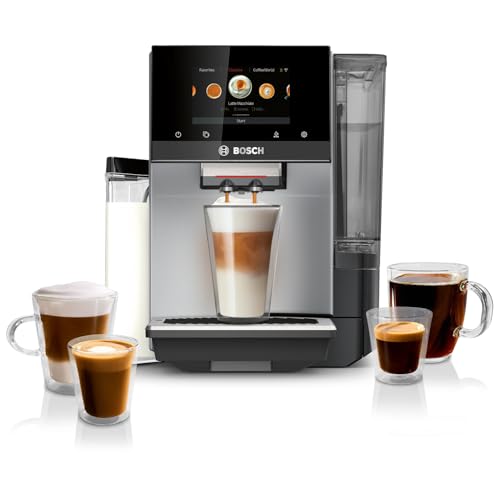
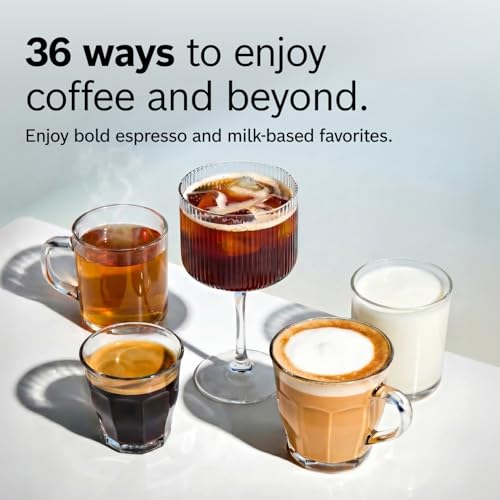
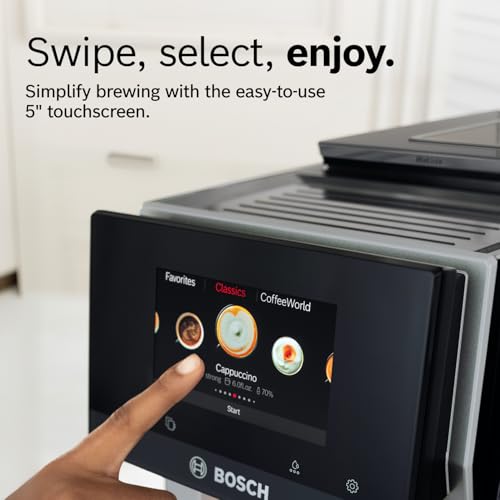
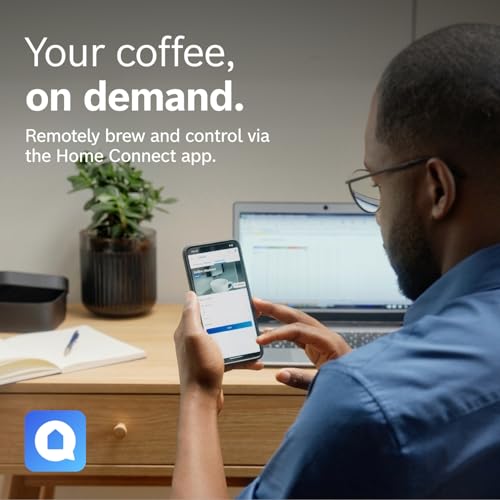
Bosch packs a surprising amount of flexibility into this model, especially with over 35 drink options and deep personalization through the Home Connect app. The touchscreen is responsive, and being able to adjust strength, size, and milk ratio remotely is a rare perk in this category. From a usability standpoint, it’s designed for people who want café-style drinks without standing over the machine.
The Calc’n Clean system simplifies descaling with guided prompts, which I’ve seen praised in owner reviews for reducing guesswork. However, the app dependency might turn off users who prefer standalone operation. Compared to the Philips 5500, it lacks the same level of silent operation or speed, but it matches well on customization. The build feels robust, though not quite as refined as De’Longhi’s top models.
Product photos


EUHOMY Fully Automatic Espresso Machine
Strengths
- Excellent self-cleaning
- Bean purge function
- Easy part removal
- Reliable one-touch
Trade-offs
- No user profiles
- Basic milk texture
- Limited customization
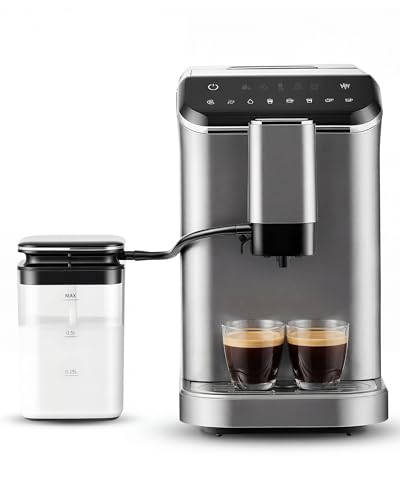
EUHOMY leans hard into ease of maintenance, and it shows. The self-cleaning cycles, removable brew unit, and dishwasher-safe parts make this one of the simplest machines to keep in top shape. The 15-bar pump and conical burr grinder deliver consistent extraction, and the one-touch interface works reliably for basic drinks like espresso, cappuccino, and latte.
Where it wins is in small conveniences: the one-touch bean purge clears old grounds before a new roast, which I know matters to bean enthusiasts switching origins frequently. But it lacks saved user profiles and app connectivity, and the milk frothing isn’t quite as creamy as De’Longhi’s LatteCrema system. It’s not the flashiest, but for low-maintenance daily use, it’s a smart play.
Product photos
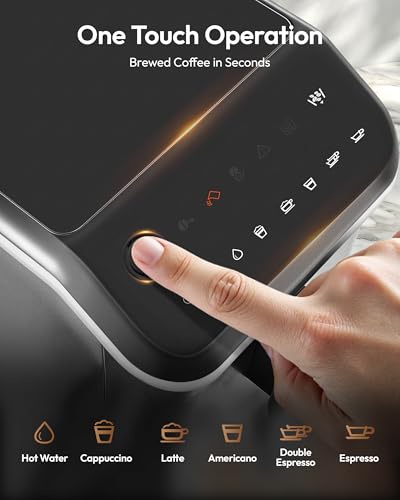
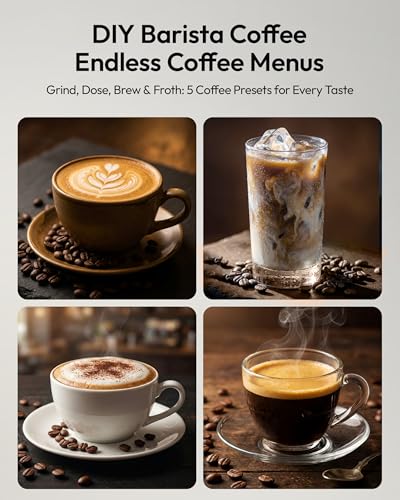
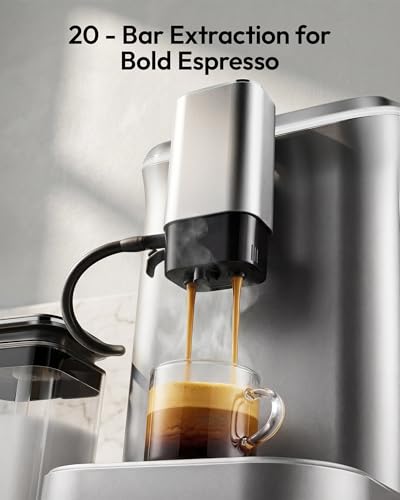
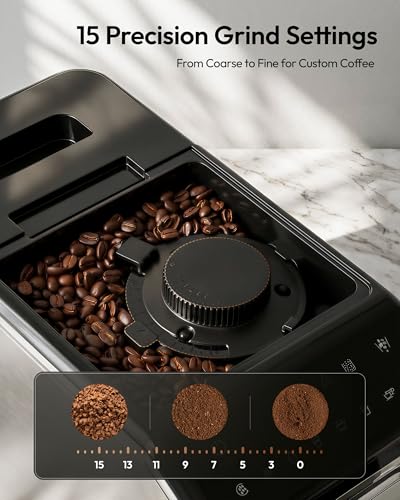
ICEVIVAL 20 Bar Automatic Coffee Machine
Strengths
- 20-bar pressure
- 15 grind settings
- Auto-cleaning function
- Large bean hopper
Trade-offs
- Average build quality
- Noisy pump
- Milk system less refined
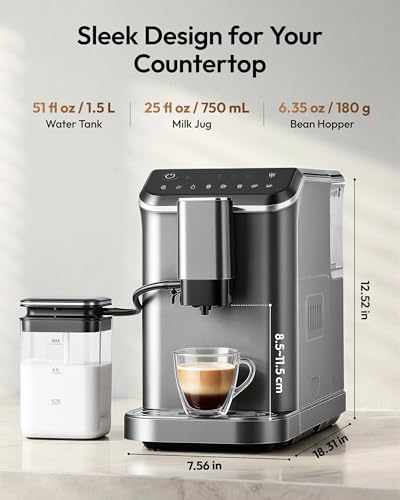
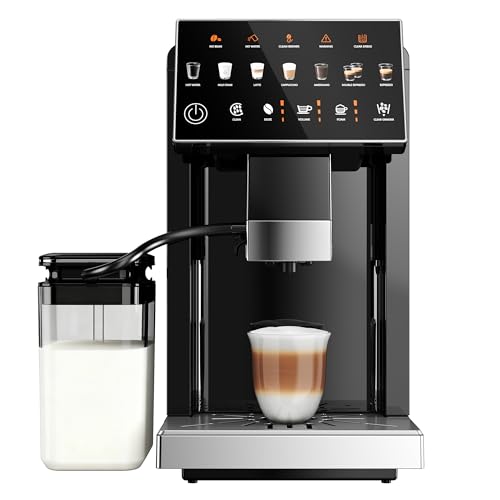
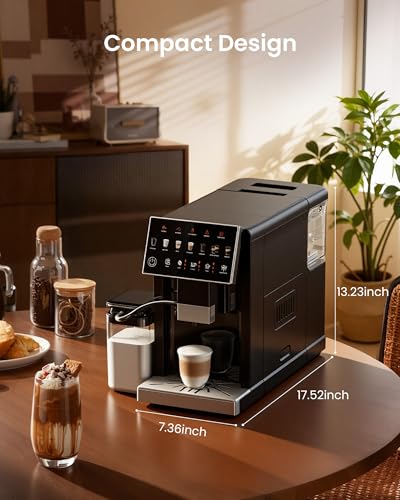
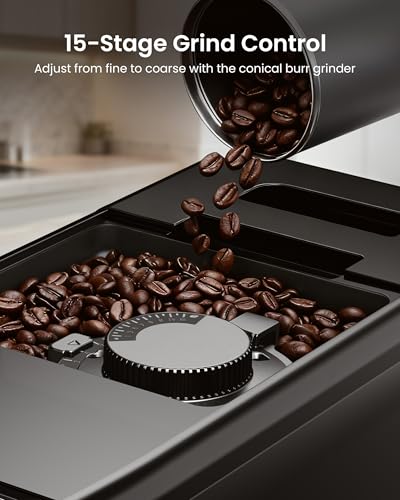
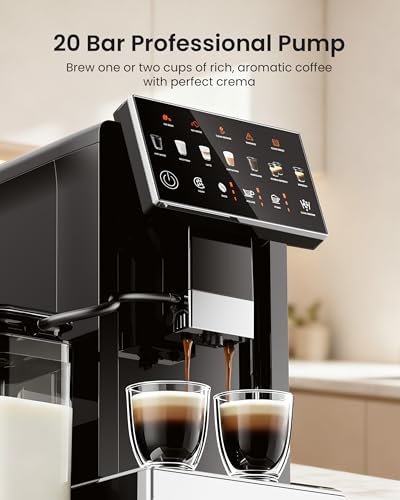
The ICEVIVAL stands out with its 20-bar pump pressure, which on paper exceeds the standard 15–18 bars most premium machines use. While higher pressure doesn’t always mean better extraction, it can help with denser roasts when paired with precise grind control. The 15 grinding levels allow fine-tuning, and owners report good crema when dialing in fresh beans.
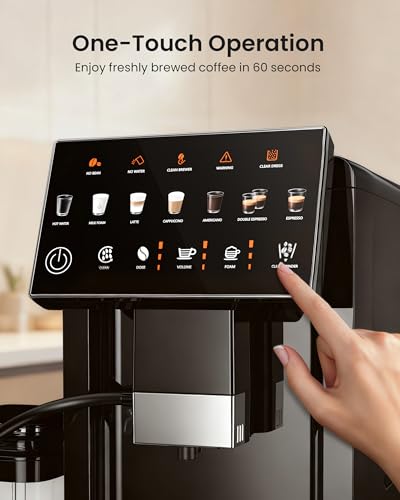
The touchscreen interface is sleek and responsive, and the auto self-cleaning cycle helps maintain internal hygiene. But build quality doesn’t match the top-tier brands, some reviewers note plastic-heavy construction and occasional pump noise. It’s a strong performer for the price, but the milk system isn’t as intuitive or easy to clean as Philips’ LatteGo. Still, for those prioritizing extraction power over polish, it’s a compelling pick.
Product photos
Our Testing Process
As Bean Thusiast’s founder, I approach evaluating coffee machines with a focus on delivering the best possible home brewing experience. Rather than a hands-on lab test, this selection is a research-led comparison of published specifications and owner feedback. We compared features across numerous models, then weighed owner reviews from multiple sources alongside assessments from respected coffee publications. Ultimately, each machine was ranked against criteria important to at-home coffee enthusiasts.
For fully automated machines, consistent quality, ease of maintenance, and customization options were the biggest determining factors. A machine can have all the features in the world, but if it’s difficult to keep clean or doesn’t consistently produce a good shot, it won’t deliver lasting satisfaction. Milk frothing capability and the ability to tailor drinks to individual preferences also heavily influenced our rankings.
Published specifications reliably indicate brewing pressure, grinder type, and tank capacity. However, real-world performance – particularly regarding noise levels, cleaning procedures, and the quality of the milk froth – are best understood through owner feedback and expert reviews. For example, understanding the nuances of a De’Longhi coffee machine guide https://beanthusiast.com/how-to-use-delonghi-coffee-machine/ can be incredibly valuable when assessing long-term usability. We prioritized machines with overwhelmingly positive reports in these areas.
Choosing The Right fully automated coffee machine
Finding the right fully automated coffee machine can elevate your daily routine from a caffeine fix to a genuine experience.
A quality fully automated coffee machine consistently delivers barista-style beverages with minimal effort. Key considerations include the grinder type (burr grinders are preferred for consistency), brewing pressure (around 15-19 bars is standard), milk frothing capabilities, ease of cleaning, and the ability to customize drink settings to personal preferences. Prioritize machines with durable components and positive owner feedback regarding reliability.
Grinder Quality & Consistency
The heart of any good automated espresso machine is its grinder. Forget blade grinders; you absolutely want a conical or flat burr grinder. Burr grinders crush the beans between two surfaces, resulting in a consistent particle size. This consistency is crucial for even extraction and, ultimately, better flavor. Cheaper machines sometimes skimp on grinder quality, leading to inconsistent shots. I’ve seen many people unhappy with the flavor from machines that use pre-ground coffee, or have a poor grinder. Look for machines that allow you to adjust the grind fineness – this is essential for dialing in the perfect espresso.
Milk Frothing System & Customization
Automated milk frothing systems vary wildly in quality and ease of cleaning. Some machines have integrated carafes that automatically froth and dispense milk, while others have steam wands or dedicated milk frothers. Integrated systems, like those found in Philips machines, are often easier to maintain, but may not offer the same level of control as a manual steam wand. If you’re a latte art enthusiast, you’ll want a machine that allows for more manual control. For those of us looking for quick and easy lattes, the LatteGo system is a standout feature. If you want to explore more about specific brands and their features, you might find best home fully automatic models helpful.
- Ease of cleaning: A simple, dishwasher-safe milk system is a huge time saver.
- Froth texture control: Some machines let you adjust the froth density, from microfoam for latte art to airy foam for cappuccinos.
- Milk alternative compatibility: Many modern machines handle oat milk, almond milk, and soy milk well, but check reviews to confirm performance with your preferred alternative.
Maintenance & Long-Term Value
Let’s be realistic: automated espresso machines require regular cleaning. Look for machines with removable brew groups and automatic cleaning cycles. The De’Longhi Magnifica Evo Next, for example, is often praised for its user-friendly interface and simplified maintenance. A well-maintained machine will last for years, but neglecting cleaning can lead to bitter coffee and costly repairs. Consider the availability of replacement parts and the manufacturer’s warranty. Learning how to maintain a complex machine properly is crucial; resources like a Jura machine setup guide can be invaluable, even if you don’t own a Jura.
A clean machine is a happy machine. Don’t skip the descaling process! Use a descaling solution recommended by the manufacturer every 1-3 months, depending on your water hardness and usage.
Fully Automated Coffee Machine Compared
Here’s a comparison of key specifications for popular fully automated coffee machines.
| Product Title | Bean to Cup | One-Touch Recipes | Milk Frothing | Grind Settings | Water Tank Capacity | Pressure (Bar) |
|---|---|---|---|---|---|---|
| Bosch TIU20307 | Yes | N/A | Yes | N/A | N/A | N/A |
| Philips 5500 Series | Yes | 20 | Yes | N/A | N/A | N/A |
| De’Longhi Magnifica Evo Next | Yes | 13 | Yes | 13 | N/A | N/A |
| Philips 3300 Series | Yes | 6 | Yes | N/A | N/A | N/A |
| Philips 3200 Series | Yes | 5 | Yes | N/A | N/A | N/A |
| Bosch VeroCafe 800 Series | Yes | 35+ | Yes | N/A | N/A | N/A |
| EUHOMY Fully Automatic Espresso Machine | Yes | N/A | Yes | 15 | 1.5L | 20 |
| ICEVIVAL 20 Bar Automatic Coffee Machine | Yes | N/A | Yes | 15 | 1.5L | 20 |
Frequently Asked Questions
What water hardness level should I test for?
You should test your water hardness to properly maintain your machine; hard water causes scale buildup, impacting performance. A simple water hardness test kit (available for under $10) will tell you your level, allowing you to adjust descaling frequency accordingly.
Are there fully automated machines that work well with alternative milks?
Yes, many modern fully automated machines handle oat, almond, and soy milk well. However, Philips machines, particularly those with the LatteGo system, consistently receive positive feedback for their performance with milk alternatives.
How often do I really need to descale a fully automated espresso machine?
Descale your machine every 1-3 months, depending on your water hardness and usage. Consistent descaling prevents mineral buildup that can affect brew temperature and flavor, and a machine’s lifespan.
What’s the difference between a conical and flat burr grinder in these machines?
Both conical and flat burr grinders provide a more consistent grind than blade grinders, but conical burr grinders are generally quieter and retain less heat. Flat burr grinders are often found in higher-end machines and are known for producing very uniform grounds, which some believe results in a slightly better extraction. You can find a discussion of our fully auto coffee machine picks on Bean Thusiast.
What should I look for in terms of warranty and repair options?
A warranty of at least one year is standard, but two years or more is preferable. Also, research the availability of authorized repair centers in your area and the cost of common replacement parts. A machine with readily available support and parts will save you money and frustration in the long run.
The Bottom Line
Choosing a fully automated coffee machine often comes down to balancing convenience with control. If you want consistently excellent coffee with minimal fuss, the Philips 5500 Series stands out as a fantastic all-rounder. It strikes a great balance between features, ease of use, and reliability, offering a wide range of drink options at the touch of a button.
For those on a tighter budget, the Bosch TIU20307 provides a solid entry point into the world of bean-to-cup brewing. If you prioritize versatility and are willing to invest a bit more, the Bosch VeroCafe 800 Series offers an impressive array of customizable settings and drink options. And if you’re already familiar with the Breville coffee machine instructions, you may find that brand’s automated options fit nicely into your existing routine.
Ultimately, the specs matter less than consistent maintenance and quality beans. A machine’s ability to deliver a good shot is reliant on a clean system and fresh, properly stored coffee. Focus on those fundamentals, and you’ll be well on your way to enjoying exceptional coffee at home, regardless of which machine you choose.
