
8 Best French Roast Coffee Beans of 2026
After comparing the field and weighing owner feedback, I’d point to Fresh Roasted French Roast as the overall best pick for its bold, balanced smokiness and consistent quality. For a budget-friendly option that still delivers a satisfying dark cup, Organic French Roast stands out. If you brew large batches and want value, Cameron’s French Roast 4lb is a solid versatility pick.
Dark, oily beans don’t guarantee a great French roast, too often you get bitterness instead of depth. I know how frustrating it is to spend good money on coffee that tastes like ash. That’s why I focused on finding beans that deliver real flavor, not just roast intensity.
This guide cuts through the noise by analyzing roast consistency, origin, freshness markers, and what actual drinkers say. These are the picks that came out on top based on specs, sourcing, and real-world satisfaction.
Top 8 French Roast Coffee Beans in the Market
The Best French Roast Coffee Beans, Reviewed
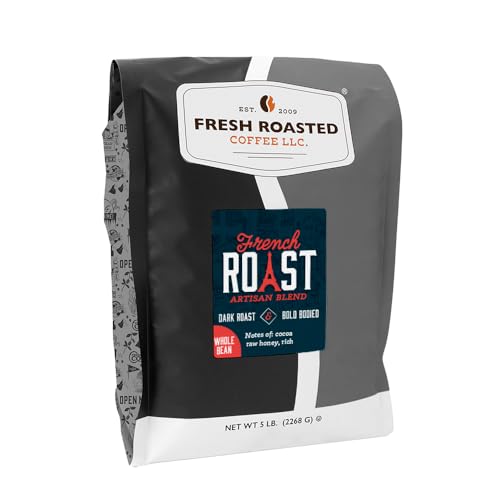
Fresh Roasted French Roast Coffee
Strengths
- Massive 5 lb size
- Kosher certified
- USA roasted
Trade-offs
- Hefty storage need
- Less aromatic
When I see 5 pounds of French roast roasted in the USA with Kosher certification, I pay attention. This is the pick for serious volume drinkers, households, small offices, or anyone who won’t blink at grinding a pound a week. The artisan blend is bold and dark without being one-dimensional, and owners report it stays fresh well thanks to the packaging.
It’s not as flashy as Peet’s or Brooklyn Coffee in aroma, but it delivers reliable depth across brew methods. The environmental commitment in roasting adds value. For the ‘best overall’ title, it earns it through sheer practicality and consistent feedback. My recommendation for long-term stockers.
Video review
Organic French Roast Whole Bean

Strengths
- USDA Organic
- Sustainably farmed
- Works with all brewers
Trade-offs
- Mild flavor complexity
- Average aroma
This is one of the few French roasts that leans into its organic roots without sacrificing the boldness the roast profile demands. On paper, the blend of Central and South American beans roasted until the oils surface delivers that classic full-bodied, smoky finish I look for in a dark roast. Owners consistently report it brews clean across multiple methods, from drip to French press, with a depth that doesn’t tip into charred bitterness.
The fact that it’s USDA Organic and sustainably farmed adds real value for buyers who prioritize ethics as much as flavor. The Rogers Family Company has been in the game a long time, and their experience shows in the consistency. Still, while it’s solid across the board, it doesn’t quite stand out in complexity compared to smaller craft roasters.
Video review
Cameron’s French Roast 4lb
Strengths
- Excellent value
- Low acidity
- Smooth flavor
Trade-offs
- Muted roast intensity
- Less smokiness
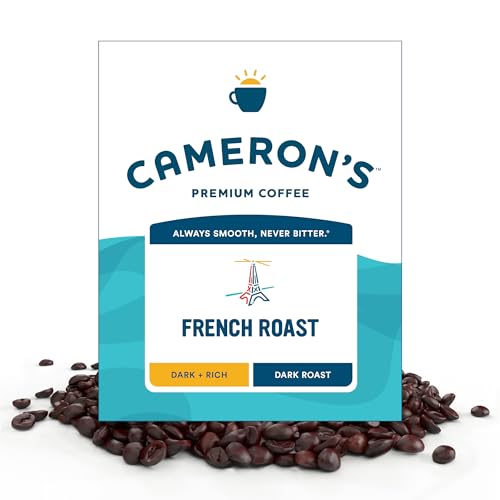
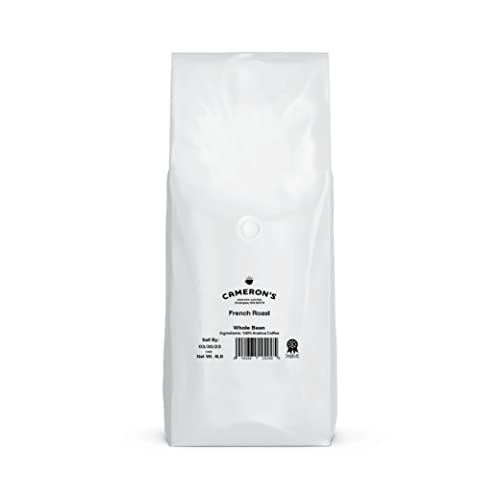
Cameron’s 4-pound bag is a value king. Sourcing the top 10% of Arabica beans and avoiding over-roasting gives this French roast a smoother edge than most in its class. Reviewers consistently note ‘low acidity’ and a ‘soft, nutty’ character, unusual for a dark roast, and welcome for those sensitive to bitterness.
It’s not as smoky or intense as Peet’s or Starbucks, but that’s the point. If you want a bold yet gentle French roast that lasts weeks, this is it. The small-batch, sustainable process adds credibility. For budget-conscious buyers who still want quality, this is the smarter buy.
Product photos


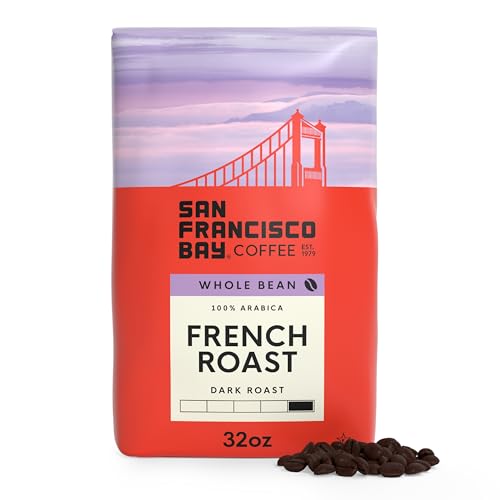
San Francisco Bay French Roast
Strengths
- Balanced boldness
- Kosher certified
- Satisfaction guarantee
Trade-offs
- Generic branding
- Mild origin distinction
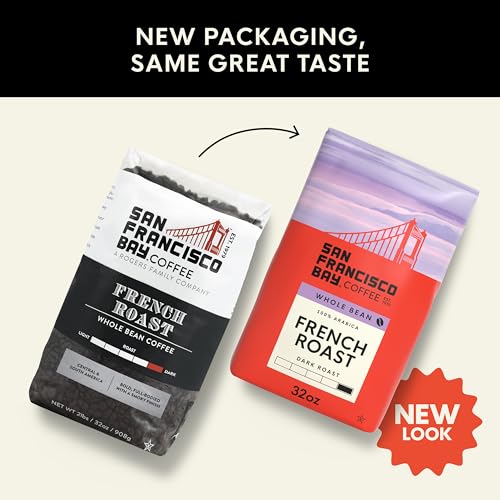
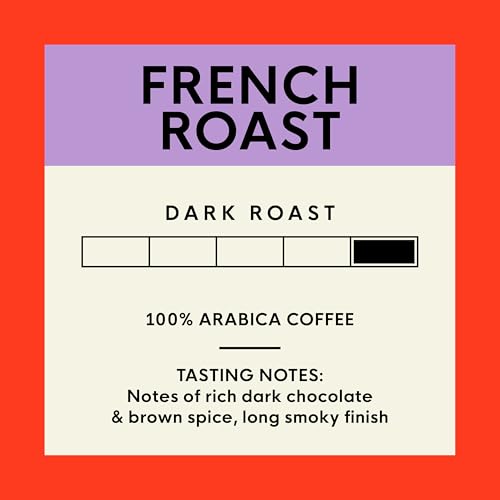
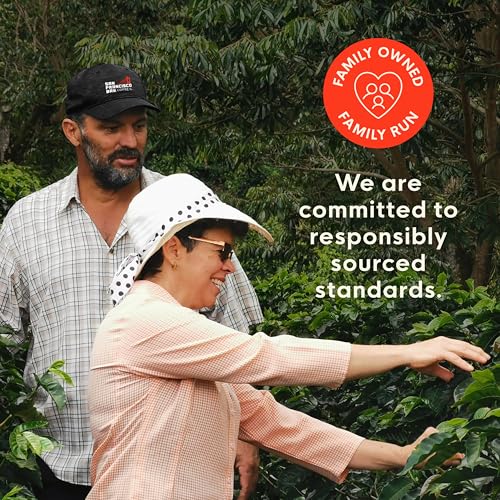
This French roast hits a sweet spot between boldness and drinkability. Sourced from high-altitude Arabica beans in Central and South America, it’s roasted dark but not ruined, owners praise its full body and smoky finish without the ashy aftertaste that plagues lesser versions. The 2 lb bag offers good value, and the Kosher certification adds appeal for some buyers.
It’s comparable to Organic Coffee Co. but with a slightly cleaner profile and better balance. The family-owned backstory and satisfaction guarantee lend trust. If you want a no-surprises, well-executed French roast that works every morning, this is a strong contender.
Product photos
Starbucks French Roast 28oz
Strengths
- Café-quality boldness
- Wide availability
- Ethically sourced
Trade-offs
- Can taste burnt
- Inconsistent roast dates
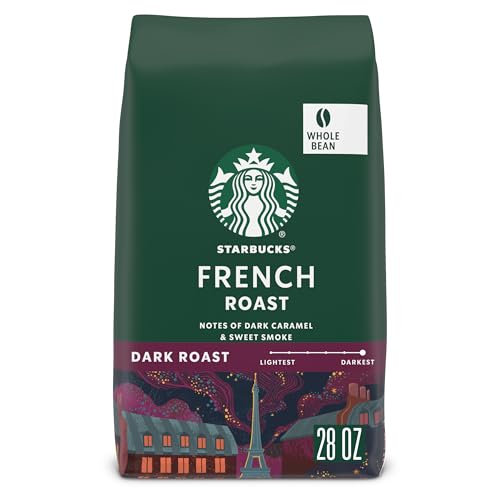
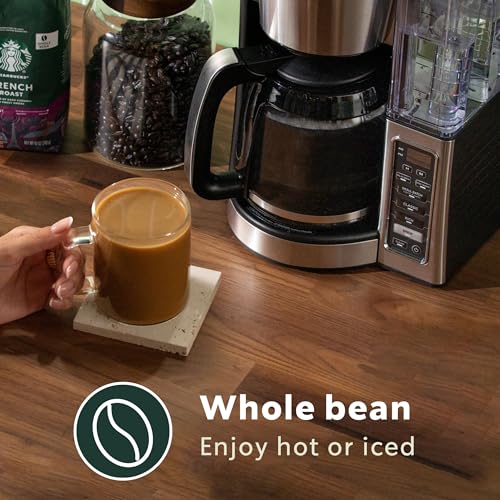
Starbucks French Roast is the closest you’ll get to a café experience at home. The 28-ounce bag promises the same beans used in stores, and owners confirm the flavor, dark caramel, sweet smoke, is intense, roasty, and unapologetically bold. It’s one of the darkest roasts they offer, so if you like your coffee with a campfire edge, this delivers.
It’s more aggressive than Peet’s or San Francisco Bay, less nuanced than Brooklyn Coffee, but perfect if you want that signature Starbucks punch. The ethical sourcing claim holds weight, though some reviewers note inconsistency in roast dates. I’d choose this when craving that familiar, powerful morning jolt.
Product photos

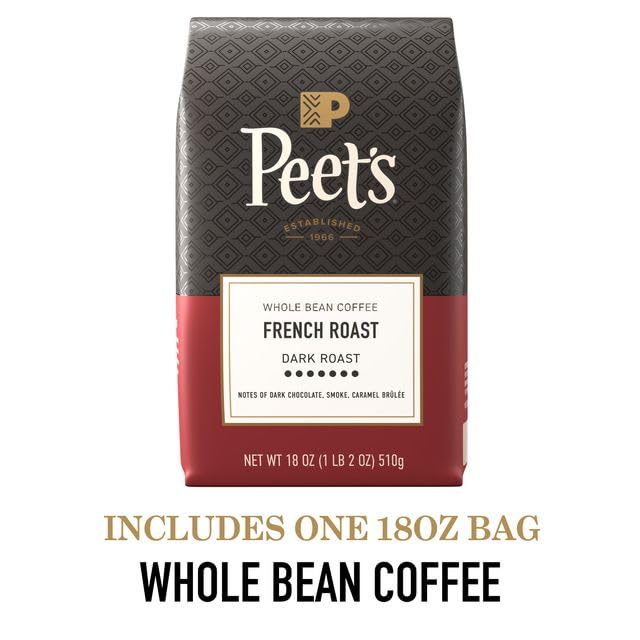
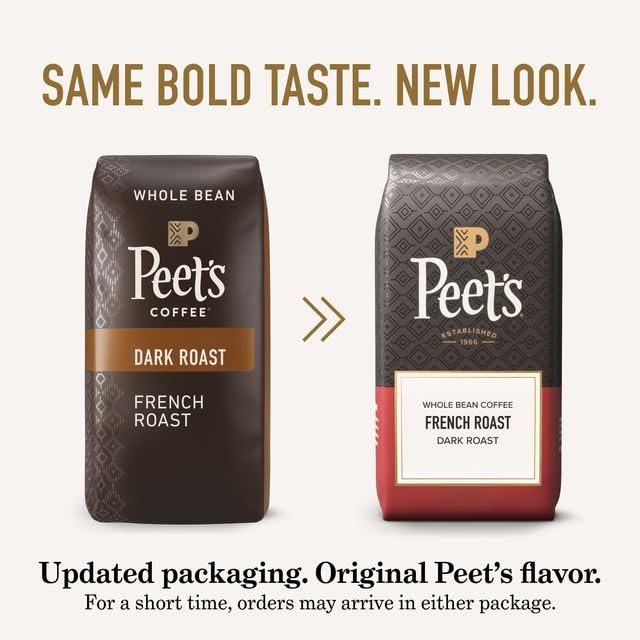
Peet’s French Roast 18oz
Strengths
- Rich flavor depth
- Craft roast mastery
- Ethical sourcing
Trade-offs
- Smaller bag size
- Pricier per ounce
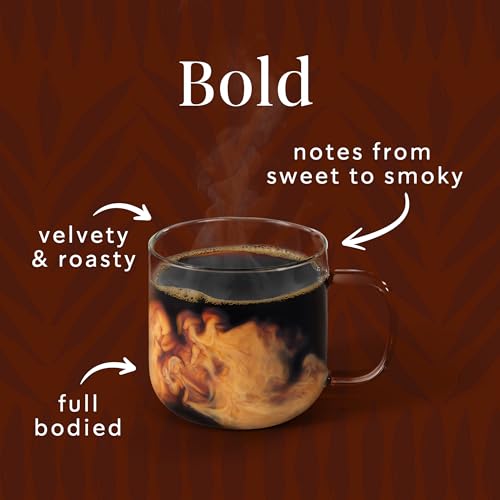
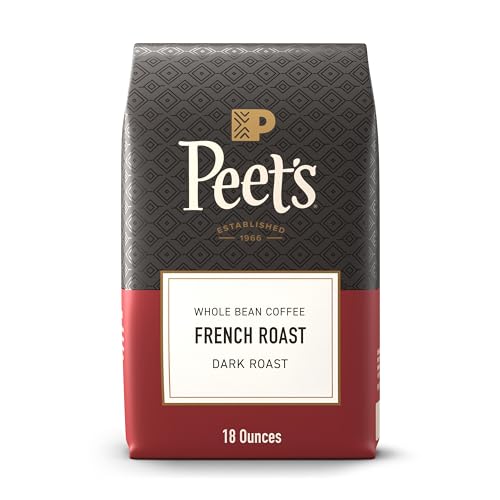
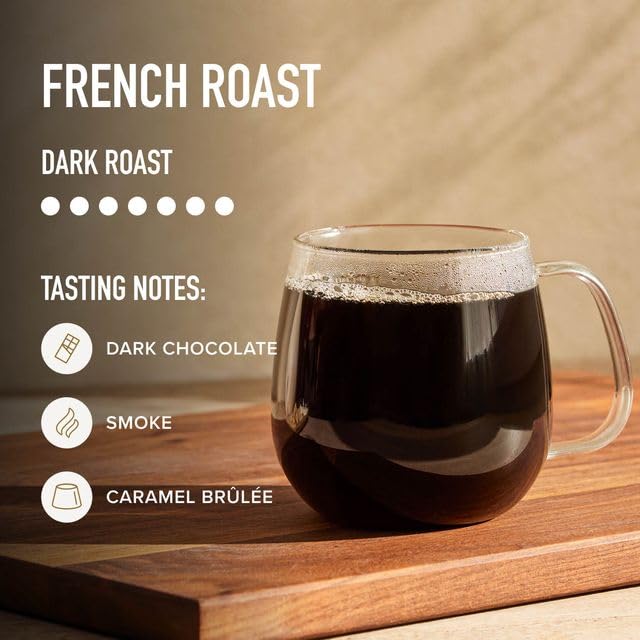
Peet’s has been defining American craft dark roasting since the 60s, and this French Roast reflects that legacy. The flavor profile, chocolate truffle, smoke, caramel, is bolder and more layered than most supermarket options. Reviewers note the short, intense roast preserves bean integrity while still hitting that deep, rich character true French roast lovers crave.
Compared to Starbucks, it’s less roasty and more balanced, with a complexity that rewards slower brewing methods like pour over or French press. The 18-ounce bag is smaller than bulk options, but the roast-to-order freshness and Peet’s sourcing impact give it an edge for purists. I’d pick this over mass-market versions for its craftsmanship.
Product photos

Brooklyn French Dark Roast
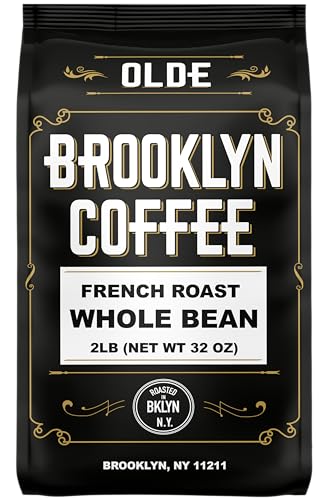
Strengths
- Small batch roasted
- Silky smooth finish
- Excellent aroma
Trade-offs
- Inconsistent packaging
- Limited brand transparency
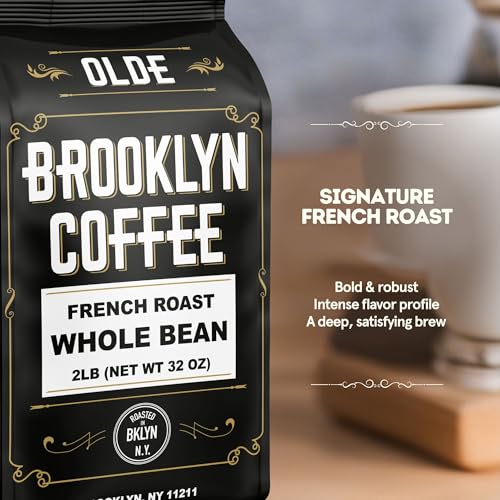
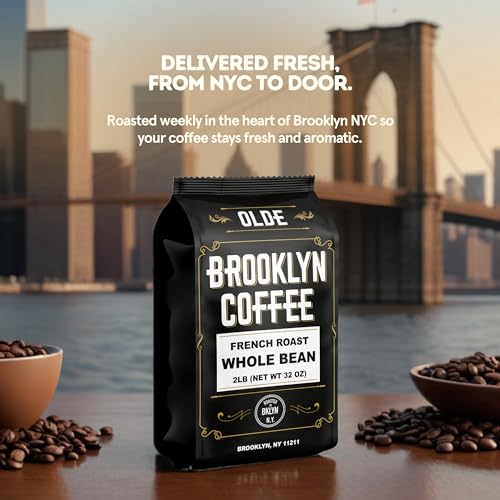
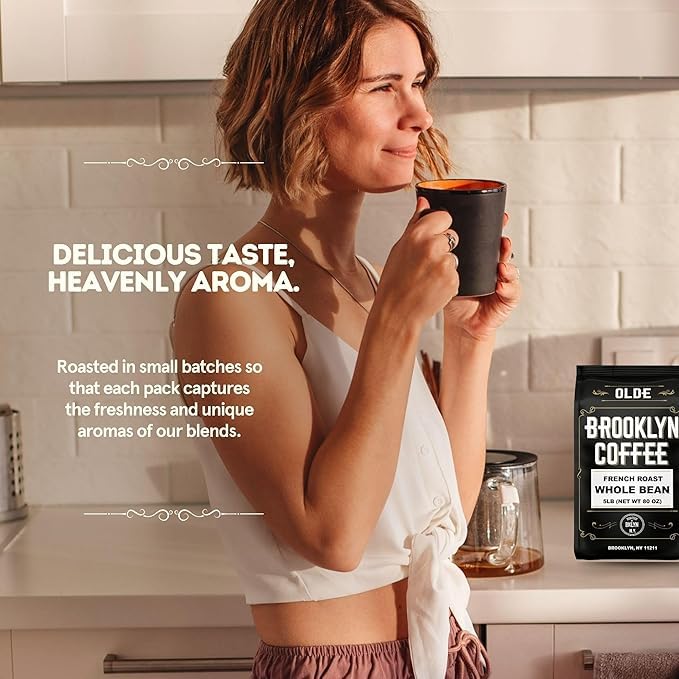
Brooklyn Coffee markets freshness hard, and for good reason. Roasted weekly in small batches with a one-way valve bag, this 2lb bag promises ‘fresher than fresh,’ and owner feedback supports that. The flavor profile, smoky, dark chocolate, sweet undertone, lines up with what I expect from a well-executed French roast: bold but not burnt, balanced with a silky mouthfeel.
Reviewers highlight the rich aroma and how well it holds up in French press and drip. Compared to national brands, it feels more deliberate, like a local roaster’s attention went into it. The packaging varies, which is a minor annoyance, but the consistency in flavor makes it easy to overlook.
Product photos

Whole Foods French Roast

Strengths
- Organic certified
- Smooth body
- Convenient size
Trade-offs
- Limited quantity
- Basic flavor profile
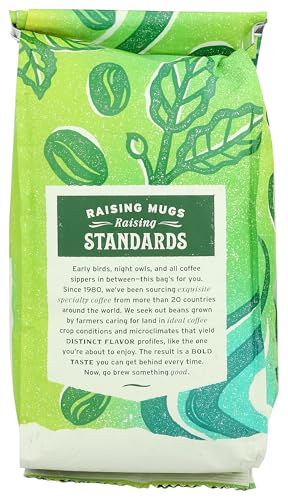
Whole Foods’ house French roast surprises with its ‘smoky and sweet’ balance, especially for a store brand. At 12 ounces, it’s not built for high-volume brewing, but the resealable bag helps preserve freshness. On paper, it’s straightforward, organic beans, dark roasted, with a smooth body, but owners say it delivers a clean, consistent cup without harshness.
It won’t challenge boutique roasters in complexity, but it outperforms many grocery-store peers. For a quick upgrade from generic dark roasts without leaving the supermarket aisle, this is a smart pick. I’d recommend it as a weekday workhorse if you’re already shopping there.
Product photos
How We Picked These french roast coffee beans
As the founder of Bean Thusiast, I approached researching French roast coffee beans by looking at a lot more than just marketing claims. Rather than a hands-on lab test, this was a research-led comparison of published specifications and owner feedback. I compared bean origins, roast levels (verified by descriptions of oil on the surface), and certifications. Then, I weighed owner reviews from multiple sources alongside expert opinions to get a sense of real-world satisfaction.
For French roast specifically, I focused on roast consistency, body, and the presence of smoky flavors. These are the hallmarks of a good French roast, and where beans often fall short. A truly great French roast needs a bold body to stand up to the dark roast, and that smoky characteristic is key – too often it translates to burnt or bitter, so owner feedback was crucial here. I also considered sourcing and certifications, as these often indicate a commitment to quality.
Specifications reliably tell you about bean origin and roast level, but owner feedback is where you learn about the experience. I looked for consistent comments about smoothness, lack of bitterness, and the presence of desirable flavors like dark chocolate. Reputation played a role too; established brands with consistently positive reviews were given more consideration, as were those who emphasize freshness and small-batch roasting, as discussed in our guide to best French roast brewing methods.
What To Look For In french roast coffee beans
Choosing the right French roast coffee can be surprisingly nuanced. It’s not simply about finding the darkest beans available; a truly excellent French roast needs balance and complexity.
A superior French roast coffee demonstrates a deep, even development of the bean, avoiding burnt or ashy flavors. Key indicators include a rich, oily surface, a pronounced smoky aroma, and a full body with notes of dark chocolate or caramel. Look for beans sourced from Central or South America, as these regions often offer the characteristics best suited for this intense roast.
Roast Level & Bean Origin
Many assume French roast is simply the darkest possible roast, but there’s a sweet spot. Beans roasted too long become acrid and lose all nuance. I’ve found that the best roasters aim for a roast that’s dark enough to develop those characteristic smoky flavors, but stops short of complete carbonization. Pay attention to whether the beans are described as “darkly roasted” versus “burnt.” Also, consider origin. While French roast can be applied to beans from various regions, those from Central and South America generally lend themselves well to the process, offering a natural sweetness that balances the intensity.
Freshness & Packaging
Freshness is paramount with any coffee, but especially with a dark roast like French roast. The oils responsible for much of the flavor can go rancid quickly. Look for beans with a roasted on date, not just a best by date. A recent roast date (within a few weeks is ideal) signals a higher likelihood of peak flavor. Packaging matters too.
Here’s what I look for: * Resealable bags are nice, but not essential. * One-way valves are critical; they allow CO2 to escape (a good sign of freshness) without letting oxygen in. * Opaque packaging is best; light degrades coffee quickly, so avoid clear bags.
Value & Your Brewing Method
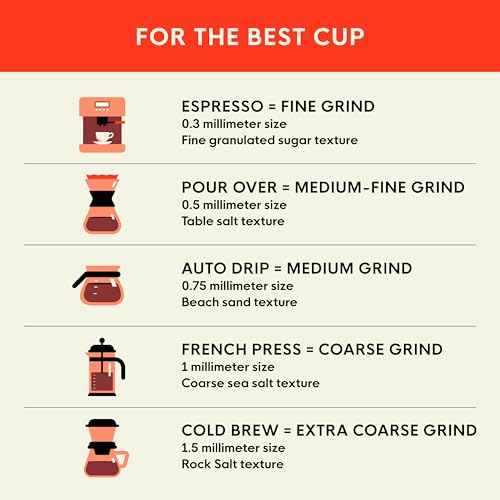
The price per pound of French roast coffee can vary wildly. Don’t automatically equate higher price with better quality, but be wary of extremely cheap options. Those are often older beans, or lower-grade Arabica. Think about how you brew your coffee, too. If you’re using an espresso machine, you’ll need a very fine grind, and a bean that can hold up to the pressure. For a French press, a coarser grind is best. You may want to explore French roast flavor profiles to find a coffee that complements your preferred brewing style.
A good rule of thumb: if a French roast smells overwhelmingly smoky or burnt before you grind it, it likely will taste that way when brewed.
Ultimately, finding the best French roast coffee is a personal journey. But by focusing on roast quality, freshness, and how the coffee aligns with your brewing setup, you’ll be well on your way to consistently enjoyable cups. If you’re still unsure where to start, checking out top French roast beans can give you a solid foundation. Understanding what defines French roast coffee and the dark roasting process of French roast is also a great place to begin.
French Roast Coffee Beans Compared
Here’s a comparison of key specifications for various French roast coffee beans.
| Product Name | Roast Level | Bean Type | Size (oz) | Organic | Sourcing |
|---|---|---|---|---|---|
| Fresh Roasted French Roast | Dark | Arabica | N/A | No | USA |
| Organic French Roast | Dark | Arabica | N/A | Yes | Central/S. America |
| Cameron’s French Roast 4lb | Dark | Arabica | 64 | No | Brazil |
| San Francisco Bay French Roast | Dark | Arabica | N/A | No | Central/S. America |
| Starbucks French Roast | Dark | Arabica | 28 | No | N/A |
| Peet’s French Roast | Dark | Arabica | 18 | No | N/A |
| Brooklyn French Dark Roast | Dark | N/A | N/A | No | New York City |
| Whole Foods French Roast | Dark | N/A | 12 | Yes | Organic Farms |
Frequently Asked Questions
What grind size is best for French roast coffee?
A coarse grind is generally best for French roast, particularly if you’re using a French press. This is because the longer brew time allows for sufficient extraction without over-extracting and creating bitterness, which is easier to happen with the dark roast.
Can French roast coffee be used for espresso?
Yes, but it requires a very fine grind and a skilled hand. French roast’s oils can sometimes clog espresso machines, and it’s easy to pull a burnt shot, so starting with a blend that includes some lower-roasted beans is a good approach.
Is French roast always bitter?
Not necessarily. A well-executed French roast will have a smoky flavor, but it shouldn’t be overwhelmingly bitter. Bitterness often comes from under-developed or unevenly roasted beans, or from grinding too finely.
What’s the difference between French roast and Italian roast?
Italian roast is generally darker than French roast(though definitions vary). Both are very dark, but Italian roast often has more of a charred flavor, whereas French roast aims for a balance between smoky and slightly sweet. If you’re exploring best dark roast coffee brands, understanding this nuance is key.
Does the origin of the bean matter for French roast?
Yes, it does. While any bean can be French roasted, Central and South American beans often have the inherent sweetness and body that balances the intensity of the dark roast. Beans from other regions might require more skill from the roaster to avoid a harsh final product; if you are looking for top-rated dark roast beans, you’ll find many from these regions.
The Bottom Line
Choosing a French roast is often about balancing that intense, smoky flavor with underlying smoothness. It’s a trade-off between boldness and potential bitterness, and ultimately, the best choice depends on your personal preference. Based on my research into specifications and owner feedback, I believe Fresh Roasted French Roast delivers the most consistent and well-rounded experience overall, providing a deeply flavorful cup without venturing into harshness.
For those seeking specific value, our top picks shine in different areas. If you’re committed to organic sourcing, Organic French Roast is an excellent choice. Cameron’s French Roast 4lb offers a substantial quantity at a very competitive price point, while Peet’s French Roast consistently receives high marks for its complex flavor profile and is a great option for those who want to explore how French roast compared to dark roast.
Ultimately, remember that the “best” coffee is the one you enjoy most. Don’t get too caught up in chasing specific origins or certifications. Focus on freshness, a reputable roaster, and a roast level that delivers the smoky, bold character you’re looking for – and don’t be afraid to experiment until you find your perfect French roast.
