
3 Best Flavored Decaf Coffees (2026 Guide)
After researching the field and analyzing owner feedback, the PapaNicholas Hazelnut Crème Decaf stands out as the best overall flavored decaf coffee, thanks to its clean Swiss Water decaf process and balanced flavor. For pod convenience, Maud’s offers the best variety, while Bones Coffee’s Butterscotch Caramel is a strong pick for those who prefer whole bean and a richer roast.
Finding a flavored decaf that tastes like real coffee, not syrupy or flat, is harder than it should be. Too many brands rely on artificial flavors or harsh decaffeination methods that leave a chemical aftertaste.
This guide cuts through the noise by focusing on what actually matters: bean quality, decaf process, and how naturally the flavor integrates. I looked at specs, ingredient lists, and consistent owner feedback to find options that deliver flavor without compromise.
Top 3 Flavored Decaf Coffee in the Market
The Best Flavored Decaf Coffee, Reviewed
Maud’s Decaf Flavored Coffee Pods
Strengths
- Wide flavor variety
- 100% Arabica beans
- Keurig compatible
Trade-offs
- Some flavors taste artificial
- Not for serious coffee purists
- Limited boldness in roast
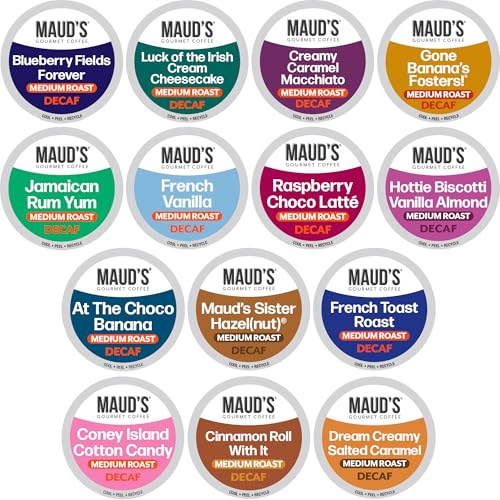
If you’re looking to explore a wide range of decaf flavors without committing to a single profile, Maud’s 80-count variety pack is hard to beat. The sheer diversity, 14 different decaf flavors including Cotton Candy, Choco-Banana, and Irish Cheesecake, makes it a fun, low-risk way to discover what you actually enjoy in flavored decaf. Owners consistently report that the pods deliver on aroma and sweetness without the harsh aftertaste many flavored coffees suffer from, which suggests the flavoring is applied with restraint.
What stands out is that these are 100% Arabica beans, which isn’t always the case in the pod world, especially at this price point. The medium roast base keeps things balanced, letting the flavor notes come through without overwhelming bitterness. Compared to other pod brands like Green Mountain or Donut Shop, Maud’s leans more into novelty and variety, which I appreciate for weekend sipping or households with multiple taste preferences. It’s not the deepest coffee experience, but it’s cheerful, consistent, and convenient.
Video review
PapaNicholas Hazelnut Crème Decaf Coffee

Strengths
- Swiss Water Process
- Consistent flavor
- Smooth, light roast
Trade-offs
- Only one flavor offered
- Packaging not resealable
- Less bold for dark roast fans
PapaNicholas hits the sweet spot for those who want a reliable, high-quality flavored decaf without the circus of novelty flavors. The Hazelnut Crème is consistently praised for its authentic nutty sweetness and smooth light roast, no chemical aftertaste, which is a common complaint with flavored decafs. The Swiss Water Process decaf method is a big win here, preserving the bean’s natural character while removing caffeine cleanly. That, combined with their B.A.R. (air-roasted, cold-blended) technique, explains why reviewers note such consistent flavor from bag to bag.
Compared to both Maud’s and Bones, this coffee feels more like a daily driver. It’s not flashy, but it’s dependable, the kind of decaf you can serve any time of day without apology. I’d pick this over the others if you’re replacing a regular hazelnut coffee in your routine and don’t want to lose flavor depth just because you’re cutting caffeine. The medium grind works in standard drip machines, making it easy to integrate into most homes.
Product photos
Bones Coffee Butterscotch Caramel Decaf
Strengths
- Rich, complex flavor
- Low acidity
- Keto and vegan friendly
Trade-offs
- Niche taste profile
- Only one flavor
- Ground version less versatile
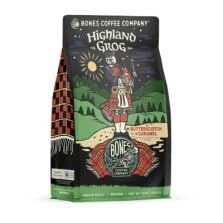
Bones Coffee Company isn’t playing it safe with Decaf Highland Grog, and I like that. The butterscotch-caramel base with a hint of spiced rum is unapologetically bold, leaning into a niche flavor profile that stands out in a sea of vanilla and hazelnut. On paper, it sounds gimmicky, but owners note the balance is surprisingly good: sweet but not cloying, with a smooth, low-acid body that works well in French press or drip. The small-batch roasting and resealable bag help preserve freshness, which matters with flavored beans that can stale quickly.
What really sets this apart is the commitment to quality inputs, ethically sourced Arabica, vegan and keto-friendly with no added sugar or dairy. That makes it a rare flavored decaf that doesn’t feel like a guilty pleasure. Compared to Maud’s pods, this isn’t about variety, it’s about depth. If you’re tired of one-dimensional flavored coffees and want something with character, this is a strong contender. I’d brew it as a French press to let those notes bloom.
Video review
How We Evaluated flavored decaf coffee
As the founder of Bean Thusiast, I approached researching flavored decaf coffee by first compiling specifications and features from numerous brands. I then weighed those details against extensive owner and expert reviews found across retail sites and coffee-focused publications. Rather than a hands-on lab test, this is a research-led comparison of specs and owner feedback, applying my years of experience exploring the world of coffee.
For flavored decaf, the most important factors are the decaffeination process and the quality of the flavoring itself. A poorly executed decaffeination can leave a noticeable taste, defeating the purpose of enjoying a flavorful cup without the caffeine. Similarly, artificial or overpowering flavors quickly become unpleasant. We prioritized coffees using the Swiss Water Process, and those with consistently positive reviews regarding natural-tasting flavorings.
Specifications reliably indicate the bean type (100% Arabica is preferred) and grind size, which is useful for matching your brewing method. However, judging flavor nuance and the success of the decaffeination process requires looking to owner feedback. Many reviewers specifically mention the absence of a “chemical” taste in well-processed decaf, and whether the flavoring feels balanced rather than artificial. You can also find guidance on how to make cold brew with decaf beans for a refreshing alternative.
How To Pick The Right flavored decaf coffee
Finding a flavored decaf that doesn’t taste like a compromise is a surprisingly common challenge. I’ve seen too many folks settle for weak, artificial flavors just to avoid caffeine.
A quality flavored decaf starts with good beans – 100% Arabica is a must. The decaffeination process itself significantly impacts the final flavor, so Swiss Water Process or CO2 methods are preferable. Finally, look for brands that focus on real flavoring extracts rather than artificial additives for a more nuanced and satisfying cup.
Bean Quality & Roast Level
The foundation of any good coffee, even a flavored decaf, is the bean itself. Don’t assume all flavored coffees use high-quality Arabica; some brands cut corners. I always recommend looking for 100% Arabica beans, as they generally offer a smoother, less bitter profile that complements added flavors. Roast level also plays a big role. Lighter roasts tend to showcase the bean’s origin characteristics alongside the flavoring, while darker roasts create a bolder, more robust flavor – though they can sometimes mask the subtleties of the added flavorings. If you’re exploring best flavored decaf beans, pay attention to roast descriptions.
Decaffeination Process
The method used to remove caffeine dramatically impacts the final taste. There are several decaf coffee production methods, but some are better than others. The Swiss Water Process, as used by PapaNicholas, is a chemical-free method that uses only water and carbon filters to remove caffeine, preserving more of the bean’s original flavor. CO2 decaffeination is another excellent option. Avoid coffees that list “methylene chloride” or “ethyl acetate” in the decaffeination process – while considered safe in small amounts, these solvents can leave residual flavors.
Flavoring & Overall Value
Flavor is, of course, subjective, but there’s a difference between natural and artificial flavoring. Brands like Maud’s offer numerous flavor options, which is great if you like variety, but scrutinize the ingredient list. Are they using “natural flavors” or a long list of artificial chemicals? Here’s what I look for when assessing value:
- Flavor Complexity: A simple, one-dimensional flavor is a red flag.
- Bean Origin Transparency: Knowing where the beans come from suggests a commitment to quality.
- Packaging & Freshness: Resealable bags and clear roast dates are signs the brand cares about delivering a fresh product.
Don’t pay a premium price for a flavor you can barely taste. A good flavored decaf should deliver a noticeable, enjoyable flavor without overwhelming the underlying coffee notes.
Flavored Decaf Coffee Compared
Here’s a comparison of the key specifications for each flavored decaf coffee.
| Product Name | Flavor Profile | Decaffeination Method | Roast Level | Grind Type | Bean Type |
|---|---|---|---|---|---|
| Maud’s Decaf Flavored Coffee Pods | Variety (14 flavors) | N/A | N/A | Pod | 100% Arabica |
| PapaNicholas Hazelnut Crème Decaf Coffee | Hazelnut Crème | Swiss Water Process | Light | Medium | Arabica |
| Bones Coffee Butterscotch Caramel Decaf | Butterscotch Caramel | N/A | Medium | Whole Bean/Ground | Brazilian Arabica |
Frequently Asked Questions
What’s the difference between “natural” and “artificial” flavoring in decaf coffee?
Natural flavors are derived from actual sources(fruits, spices, etc.) and tend to offer a more complex and nuanced taste. Artificial flavors are created synthetically, and while safe, often taste simpler and can have a chemical aftertaste – a key thing to avoid in a good decaf.
Can decaffeination really affect the taste of flavored coffee?
Absolutely. The Swiss Water Process and CO2 methods preserve more of the bean’s original flavor profile than those using chemical solvents. Poor decaffeination can leave a noticeable, unpleasant taste that clashes with the added flavoring, so process matters a lot.
I’m looking for convenience; are flavored decaf K-Cups a good option?
Yes, you can find top decaf flavored K-Cups from brands like Maud’s, offering a wide variety of flavors. However, K-Cups sometimes contain lower-quality beans, so read reviews carefully.
I love hazelnut coffee; what’s a good flavored decaf choice for that?
PapaNicholas Hazelnut Crème Decaf Coffee consistently receives positive reviews for its natural hazelnut flavor and use of the Swiss Water Process. If you’re looking for best hazelnut decaf pods, Maud’s also has a hazelnut option.
What if I want a caramel flavored decaf – are there options beyond just pods?
Bones Coffee offers a Butterscotch Caramel Decaf in both whole bean and ground options, providing flexibility beyond pods. For other options, explore tasty caramel decaf pods or ground coffee from smaller roasters to find a profile you enjoy.
The Bottom Line
Choosing a flavored decaf often comes down to balancing convenience with quality. If you want a wide array of flavors at your fingertips, the Maud’s Decaf Flavored Coffee Pods are hard to beat, though you’re sacrificing some control over bean origin and processing. For those prioritizing a genuinely flavorful and well-processed cup, I recommend the PapaNicholas Hazelnut Crème Decaf Coffee; its use of the Swiss Water decaf process ensures a clean, natural taste.
If you’re seeking something a little different, the Bones Coffee Butterscotch Caramel Decaf is a solid choice, particularly if you prefer whole bean options. Ultimately, the best flavored decaf for you will depend on your preferred brewing method and flavor profile. But don’t settle for artificial tasting coffee, look for brands committed to quality beans and natural flavorings.
More than any individual feature, remember that a good decaf starts with good beans and a thoughtful decaffeination process. Exploring the Swiss Water decaf process is a great place to begin understanding what separates a truly satisfying cup from a disappointing one. Prioritize 100% Arabica beans and a flavor that complements, rather than overwhelms, the coffee itself.
