
Guide on How to Make Iced Coffee (Flash-Chill & Cold Brew)
To make iced coffee, brew a concentrated batch of hot coffee directly onto a measured amount of ice. This flash-chilling method, often called Japanese Iced Coffee, locks in aromatic compounds that evaporate during slow cooling. Use a coffee-to-water ratio between 1:10 and 1:12 for the hot portion, with ice making up 30-40% of your total liquid weight.
Most people brew a normal pot, let it cool on the counter, and then pour it over ice. The result is stale and watery because slow cooling lets delicate top notes vanish and the melting ice over-dilutes a weak brew.
This guide walks through the three methods that actually work: the precise flash-chill technique, the hands-off cold brew concentrate, and a surprisingly good instant coffee hack. Each has a place, but one wins on flavor every time.
Key Takeaways
- Flash-chilling is non-negotiable for flavor. Brewing hot coffee directly onto ice preserves volatile aromatics that escape during a slow cool-down.
- Your grind size changes with your method. Japanese Iced Coffee needs a medium-coarse grind; cold brew needs a coarse grind; instant coffee needs no grind at all.
- Dilution is planned, not accidental. Both the Japanese and cold brew methods require you to brew a concentrate, with the ice or added water being a calculated part of the recipe.
- Light roasts shine with heat. For the most complex, fruity notes, use a light or blonde roast beans with the flash-chill method. Dark roasts are better suited for cold brew.
- Skip the cheap blade grinder. A consistent grind from a burr coffee grinder is the single biggest upgrade for any iced coffee, preventing bitter sludge and uneven extraction.
Why Iced Coffee Goes Wrong (And How to Fix It)
You pour hot coffee over ice and watch it melt into a weak, lukewarm mess. The problem isn’t the ice. It’s the order of operations.
Hot coffee contains hundreds of volatile aromatic compounds, the notes of citrus, berry, or chocolate you smell when you brew. As coffee cools slowly, those compounds evaporate. What’s left are the heavier, more bitter compounds. By the time you add ice, the bright flavors are already gone. Then the ice dilutes what remains.
The fix is speed. You need to chill the coffee the instant it’s finished extracting. That’s the core idea behind the best methods here. It’s also why understanding your coffee grind consistency matters more for iced coffee than for hot. A sludgy, uneven grind from a blade will over-extract in the longer contact time of cold brew or clog your paper filter during a flash-chill pour, stalling the brew and making it bitter.
TL;DR: Slow cooling kills aroma. Chill coffee within seconds of brewing, not minutes, and always brew it stronger than you think.
The Japanese Iced Coffee Method (Flash Chilling)
This is the barista’s choice for a reason. It uses heat for full extraction but captures the results before they can degrade.
The Japanese Iced Coffee method, or flash chilling, involves brewing hot coffee directly onto a pre-measured amount of ice. The rapid temperature drop halts the evaporation of volatile aromatic esters and acids, preserving the origin character of light and medium roasts far better than any slow-cooling technique. The ice is calculated as part of the total brew water.
Before you start: You’re pouring near-boiling water. Mind your fingers and place your brewer on a stable, heat-resistant surface. Have your ice ready in the serving vessel before you begin the pour.
The equipment is simple: a pour-over brewer like a Hario V60 or Chemex, a gooseneek kettle, a scale, and ice. The Hario V60’s official guide recommends a brew temperature of 90–96°C (195–205°F) for optimal extraction, a spec that holds for iced coffee. The key shift is the recipe math.
Here’s the ratio that works. For every 30 grams of coffee, you’ll use 400 grams of total water. But only 60% of that, 240 grams, is hot brew water. The remaining 160 grams is ice, waiting in your carafe.
| Component | Weight | Purpose |
|---|---|---|
| Coffee Grounds | 30g | Extraction base |
| Hot Brew Water | 240g | Extracts flavors & solubles |
| Ice | 160g | Instantly chills & dilutes to strength |
The process feels familiar if you’ve done pour-over. Grind your beans to a medium-coarse consistency, like sea salt. Place the ice in the bottom of your clean Chemex. Set your brewer on top, add the filter and grounds, and proceed.
- Bloom: Pour just enough hot water (about 60g) to saturate the grounds. Wait 45 seconds. This step releases carbon dioxide; skipping it leads to uneven extraction and a hollow, sour taste.
- Brew: Slowly pour the remaining 180g of hot water in a steady, controlled spiral. Aim to finish pouring by the 1:30 mark. The total brew should drip through completely by around 3 minutes.
- Swirl and Serve: Once dripping stops, swirl the carafe to mix the melted ice and coffee. Pour immediately over a fresh glass of ice.
The coffee is ready to drink. It’s cold, aromatic, and perfectly diluted. If you’re comparing espresso vs drip methods for iced drinks, this is the drip champion.
Common mistake: Using room-temperature ice or too little ice, the coffee won’t chill fast enough, and the aromatics you’re trying to preserve will steam away during the brew. Ice straight from the freezer is mandatory.
The Cold Brew Concentrate Method
Cold brew is the opposite approach. It bypasses heat entirely, trading aromatic high notes for intense, smooth body and low acidity.
Steep coarse-ground coffee in cold water for 12 to 24 hours. The prolonged contact time extracts solubles without the acids and bitter compounds that heat pulls out. You get a syrup-like concentrate. The ISO 6660:2020 standard for sensory coffee analysis specifies hot brewing, which tells you everything about cold brew’s different profile, it’s not wrong, it’s just a different beverage.
The standard ratio for concentrate is 1:4 (coffee to water). For a batch, use 100 grams of coarse-ground coffee to 400 grams of cold, filtered water.
| Variable | Short Steep (12 hrs) | Long Steep (24 hrs) |
|---|---|---|
| Flavor Profile | Brighter, more tea-like | Darker, more chocolaty |
| Body | Lighter, more crisp | Heavier, more syrupy |
| Best For | Diluting with milk or sparkling water | Drinking strong over ice or in cocktails |
Combine coffee and water in a sealed jar. Don’t agitate it. Just put it in the fridge.
After steeping, strain it through a fine-mesh sieve lined with a paper filter or cheesecloth. This step is tedious but critical. Any fine silt left in the concentrate will turn gritty and bitter within a day. The clean concentrate will keep in the fridge for two weeks.
To serve, dilute one part concentrate with two parts water or milk over ice. This is where you can play with the caffeine content of cold drinks. Because it’s a concentrate, a small glass can pack a significant punch, often matching the espresso caffeine content of a double shot.
The Instant Coffee Shortcut
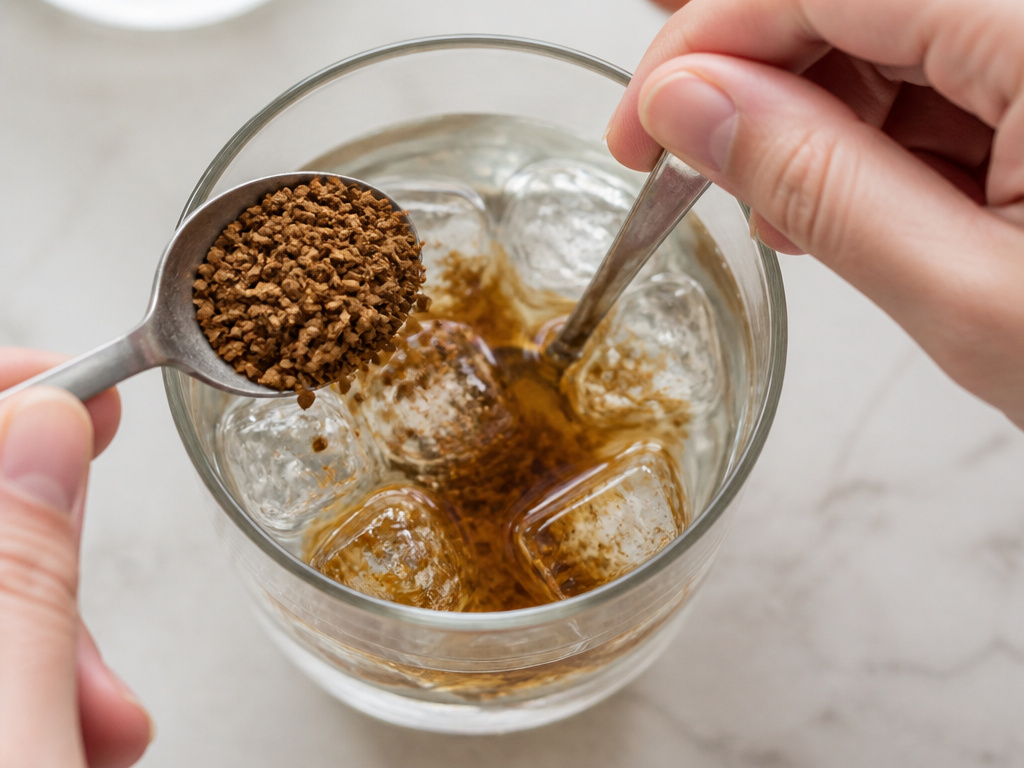
Sometimes you just need cold caffeine, fast. Instant coffee has a bad reputation, but modern freeze-dried versions are surprisingly decent.
The YouTube transcript for NESCAFÉ Classico shows the method: one tablespoon of instant coffee mixed with half a cup of water. “It doesn’t even need to be hot,” the creator notes. Once stirred, you add ice, then your creamer. It’s a 90-second solution.
This works because instant coffee is already brewed and dehydrated. You’re just rehydrating it. The trick is to use enough instant. A heaping tablespoon per 4 oz of water makes a serviceable base. Stir vigorously until absolutely no granules remain. Then treat it like any other iced coffee, add cold milk, a sweetener, or pour it over ice.
It won’t have the nuance of a flash-chilled single-origin coffees. But for a quick, creamy iced latte on a busy morning, it’s a legitimate tool. The caffeine stimulation factors are predictable, too, as instant coffee’s caffeine content is standardized.
Choosing Your Coffee Beans and Grind
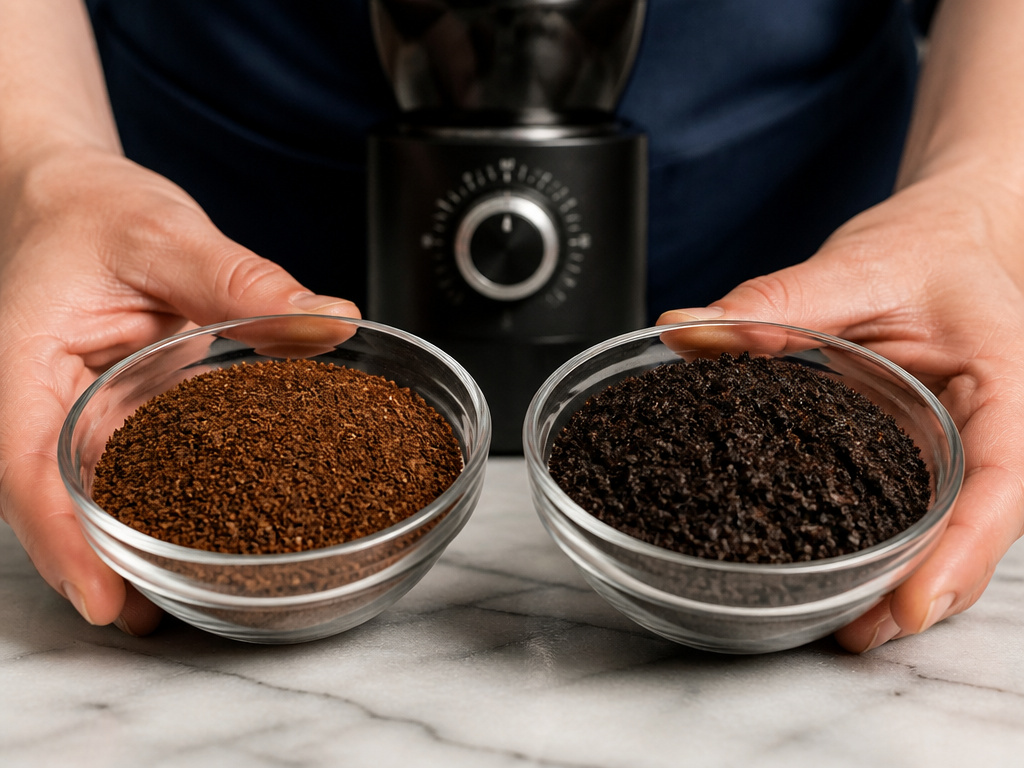
Your bean choice dictates your method. Light and medium roasts, with their complex acidity and fruit notes, are made for the Japanese Iced Coffee method. The heat extracts those notes, and the ice captures them. A dark, oily roast will often taste ashy or bitter when flash-chilled.
Dark roasts excel in cold brew. The low-and-slow extraction tames their bitterness and highlights their chocolate and nutty qualities. For cold brew, you want the coarsest grind your grinder can produce, think breadcrumb texture.
I used a cheap blade grinder for cold brew for years. The inconsistency meant every batch had a layer of bitter sludge at the bottom, and the flavor varied wildly. Switching to a Baratza Encore burr grinder on its coarsest setting eliminated the sludge and made my concentrate reliably smooth. The upgrade paid for itself in three months of wasted beans it saved.
Your grind is a setting, not a suggestion. The Flavor365 iced coffee recipe guide emphasizes that a medium-coarse grind is non-negotiable for pour-over iced coffee to prevent over-extraction. For cold brew, go coarse. For instant, there is no grind.
Brewing Equipment and Alternatives

You don’t need a $200 setup. At minimum, you need a way to heat water, a way to combine coffee and water, and a way to separate the grounds.
For Japanese Iced Coffee, a Hario V60 plastic dripper ($20) and a basic gooseneck kettle ($40) are the entry point. The kettle’s precision is worth it. A standard pouring kettle splashes water, disrupting the coffee bed and leading to uneven extraction. The scale is the other non-negotiable. Volumetric measurements (cups, tablespoons) fail here because coffee and water have different densities.
For cold brew, any large glass jar with a lid works. A French press is even better, it has a built-in filter plunger. Just remember to decant the concentrate into another container after plunging; leaving it sitting on the grounds will over-extract it.
If you want a dedicated appliance, iced coffee makers like the Mr. Coffee model brew directly over an ice reservoir. They automate the flash-chill principle. Just know they often use a weaker ratio, so you might need to adjust with more coffee.
Frequently Asked Questions
Can I just refrigerate hot coffee overnight?
You can, but you shouldn’t. Coffee stales quickly. The ISO 6660 standard for sensory analysis assumes coffee is tasted immediately after brewing for a reason. Refrigerated coffee loses its vibrant notes and often picks up a flat, cardboard-like taste by the next morning. It’s safe to drink, but the quality plummets.
What’s the difference between cold brew and iced coffee?
Iced coffee is brewed hot and then chilled. Cold brew is never heated, it’s steeped in cold water for half a day or more. Iced coffee, when done via flash chilling, retains brighter, more acidic flavors. Cold brew is inherently smoother, sweeter, and less acidic, with a heavier body.
How do I make my iced coffee less bitter?
Bitterness in iced coffee usually comes from over-extraction. For flash-chill, that means your grind is too fine, your water is too hot, or your pour is too aggressive. Coarsen your grind. For cold brew, bitterness means you steeped too long, your grind was too fine, or you didn’t filter it thoroughly. Shorten the steep time and strain with a paper filter.
Does iced coffee have more caffeine than hot coffee?
Not inherently. The caffeine in beverages depends on the coffee-to-water ratio and the brew time. A cold brew concentrate, diluted 1:2, can have significantly more caffeine per ounce than a standard cup of hot brewed coffee methods. A flash-chilled cup, using a stronger ratio, will also be more potent than a standard hot cup.
Can I use flavored coffee beans?
Yes, but the flavorings often fade or taste artificial when chilled. Natural spices added after brewing, like a cinnamon stick or vanilla bean, work better. For the cleanest taste, start with a high-quality, unflavored bean and add syrups or extracts to the finished cup.
Why does my iced coffee taste sour?
Sourness means under-extraction. For flash-chill, your grind is too coarse, your water isn’t hot enough, or you didn’t bloom the grounds. Use water between 92°C and 96°C (per ISO guidelines), ensure a proper bloom, and grind a touch finer.
Before You Go
Skip the sad, watered-down coffee from yesterday’s pot. Plan for the ice. Whether you choose the precision of Japanese Iced Coffee, the low-effort batch of cold brew, or the 90-second instant fix, you’re making a deliberate drink, not a leftover.
The flash-chill method is the winner for taste. It respects the bean. It gives you a bright, complex cup that’s refreshing and invigorating. It’s the difference between drinking coffee and tasting it.
Keep your beans fresh, grind them consistently, and chill them fast. Your iced coffee should be a highlight of your day, not a compromise.
