
2 Best Decaf Coffees for Pregnancy (2026 Guide)
Purity Coffee CALM Decaf is the best overall choice for pregnancy, thanks to its clean Mountain Water Process and rigorous purity testing. For a more budget-friendly option, Mommee Coffee Decaf Ground stands out with its focus on low acidity and gentle roasting, making it ideal for sensitive stomachs.
Pregnancy means rethinking even your morning coffee. You want that comforting ritual, but you also need confidence in what you’re consuming, especially when it comes to chemicals, caffeine levels, and digestive comfort.
This guide cuts through the noise, focusing on safety, transparency, and real user experiences. I researched brands based on decaffeination methods, organic certification, third-party testing, and feedback from expectant mothers who value both quality and peace of mind.
Top 2 Decaf Coffee For Pregnancy in the Market
The Best Decaf Coffee For Pregnancy, Reviewed
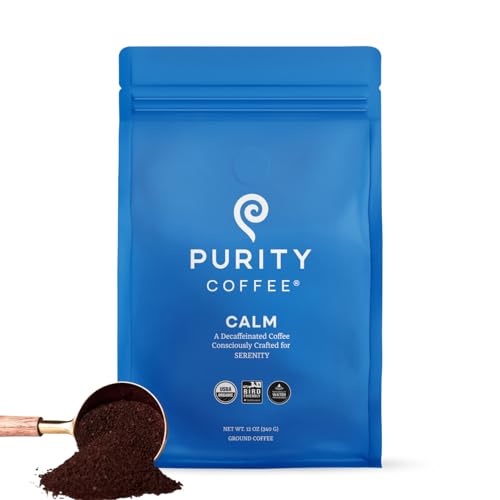
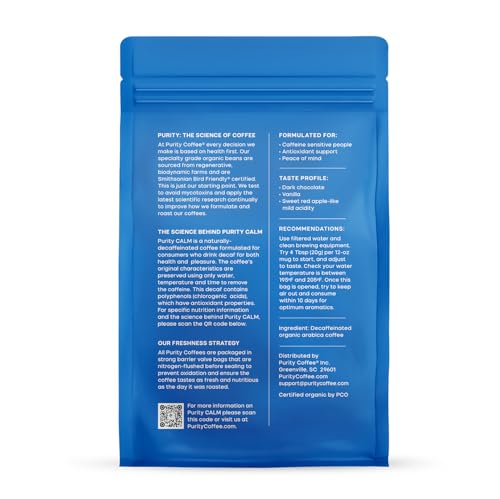
Purity Coffee CALM Decaf
Strengths
- Chemical-free decaf process
- Third-party contaminant tested
- High antioxidant levels
- Nitrogen flushed packaging
- Regeneratively farmed
Trade-offs
- Higher price point
- Limited availability
- Medium roast may lack depth for some
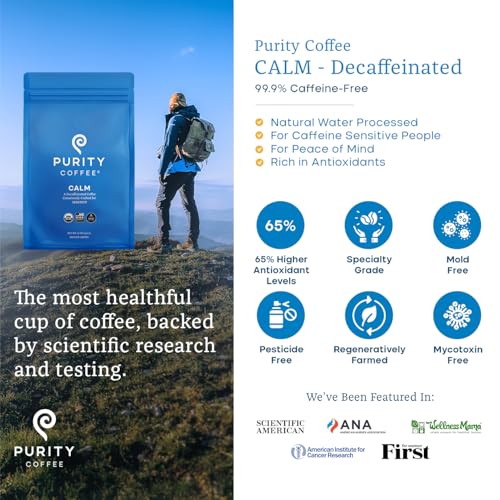
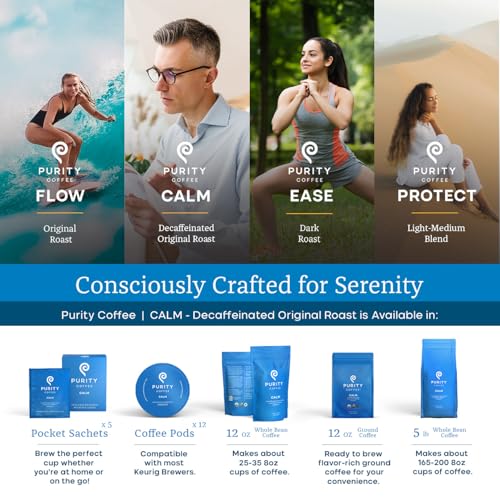
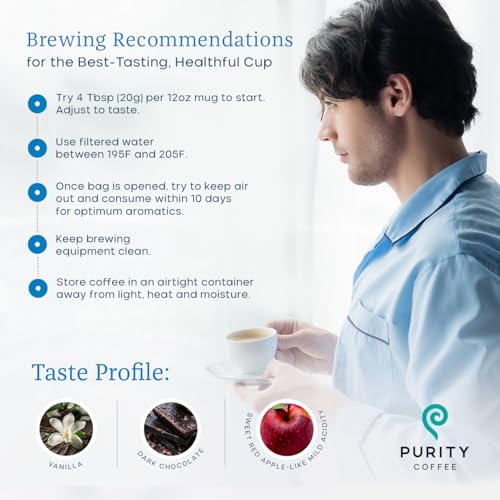
If you’re looking for a decaf that takes purity seriously, especially during pregnancy, this is one of the few that stands out on paper and in owner feedback. The Mountain Water Process used here is chemical-free and backed by third-party testing for mold, mycotoxins, and pesticides, which is rare at this level of transparency. That matters, because during pregnancy, minimizing exposure to hidden contaminants isn’t just cautious, it’s essential. The fact that it’s USDA Organic, Bird Friendly, and Rainforest Alliance certified adds real weight to its clean profile.
What impresses me more is how well it balances wellness with drinkability. Many ultra-clean coffees taste flat or medicinal, but reviewers consistently note this one delivers a bright, nuanced cup with a medium roast that preserves the bean’s character. Antioxidant levels are optimized, and the nitrogen-flushed packaging helps maintain freshness longer than most competitors. Compared to others in this niche, it’s not just about being decaf, it’s about offering a product that aligns with a health-conscious lifestyle without sacrificing the sensory pleasure of good coffee.
Product photos
Mommee Coffee Decaf Ground
Strengths
- Low in chlorogenic acid
- Smooth, sweet flavor
- Water-based decaf process
- Easy on digestion
- Resealable freshness pouch
Trade-offs
- No third-party toxin testing
- Less roast complexity
- Not as widely certified as top rival
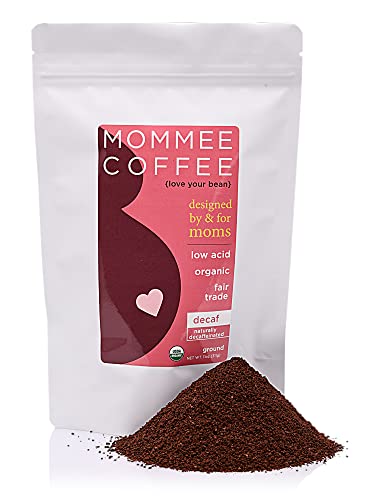
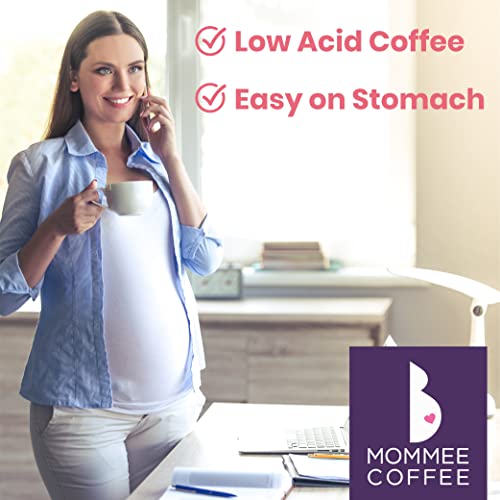
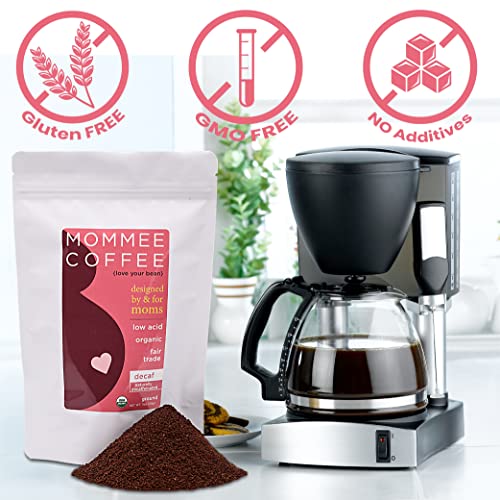
Mommee Coffee makes a strong case for itself if stomach sensitivity is your top concern during pregnancy. The focus here isn’t just on removing caffeine, it’s on reducing chlorogenic acid, the compound often responsible for acid reflux and digestive discomfort. On paper, that’s a smart approach, because pH level alone doesn’t determine how coffee affects your gut. Owners report noticeably gentler digestion compared to other decafs, which suggests their proprietary roasting method may actually deliver on its claims.
The flavor profile leans sweet and smooth, with butterscotch and caramel notes that appeal to those who find regular coffee too bitter. It’s naturally decaffeinated using water, which I appreciate, and the medium grind works well in standard drip machines or reusable K-cups, practical for busy mornings. While it doesn’t have the third-party contaminant testing that Purity Coffee does, it’s still USDA Organic and non-GMO, which keeps it firmly in the safe zone for most expecting parents. I’d pick this over standard grocery-store decafs any day for comfort.
Product photos

How We Evaluated decaf coffee for pregnancy
As the founder of Bean Thusiast, I approached researching decaf coffee for pregnancy with a focus on safety and purity. Rather than a hands-on lab test, this was a research-led comparison of published specifications, features touted by manufacturers, and extensive owner and expert reviews. I weighed this information against my understanding of what matters most to expectant mothers seeking a comforting, yet cautious, coffee experience.
When evaluating options, I prioritized decaffeination methods and third-party testing for contaminants. A gentle decaffeination process – avoiding harsh chemicals – and verification of low levels of mycotoxins and pesticides are paramount when considering decaf coffee safety during pregnancy. Flavor and body are secondary, though still important for enjoyment.
Specifications reliably reveal the decaffeination method used, and certifications like USDA Organic offer a baseline of quality. However, I placed significant weight on owner feedback regarding digestibility and whether the coffee truly delivered on claims of reduced acidity or gentleness on sensitive stomachs. Reputation and sourcing transparency also factored heavily into my assessment of each brand’s commitment to quality.
How To Pick The Right decaf coffee for pregnancy
Choosing decaf coffee, especially during pregnancy, requires a bit more scrutiny than your average bag. It’s not just about flavor anymore; it’s about process, purity, and peace of mind.
Decaffeination methods vary widely, impacting not only caffeine levels but also the coffee’s flavor profile and potential for residual chemical exposure. Look for coffees specifying the Swiss Water Process or Mountain Water Process, and prioritize organic certifications to minimize pesticide and mycotoxin risks. Third-party testing for contaminants is a strong indicator of a conscientious brand.
Decaffeination Methods Matter
The way caffeine is removed dramatically alters the final product. Many commercial decaffeination processes rely on chemical solvents like methylene chloride or ethyl acetate. While the FDA regulates permissible residue levels, some people–particularly those sensitive or pregnant–prefer to avoid them altogether. I strongly recommend focusing on coffees that use the Swiss Water Process or the Mountain Water Process (MWP). These methods use only water, temperature, and time to remove caffeine, preserving more of the coffee’s original flavor and avoiding chemical residue. Don’t assume “natural” on the label means chemical-free; always check the specifics of the decaffeination method.
Purity and Bean Quality
During pregnancy, you’re more aware of what you’re putting into your body, and for good reason. When selecting decaf, that awareness should extend to the coffee beans themselves. Look for USDA Certified Organic beans, as this minimizes exposure to pesticides and herbicides. Beyond organic, consider brands that go the extra mile with third-party testing for mycotoxins, mold, and heavy metals. Purity Coffee, for example, emphasizes rigorous testing, and that level of transparency is reassuring.
Here’s what to look for in terms of bean quality: * Specialty Grade: This indicates a higher standard of bean quality (typically the top 1% of production). * Roast Date: Freshly roasted beans deliver the best flavor; avoid bags without a roast date. * Single Origin vs. Blend: Single-origin coffees offer unique flavor profiles, while blends provide consistency. Experiment to see which you prefer!
Stomach Sensitivity & Acidity
Pregnancy often brings increased heartburn and digestive discomfort. Some coffees, even decaf, can exacerbate these issues. Mommee Coffee addresses this directly, using proprietary roasting techniques to reduce chlorogenic acid – a compound linked to stomach upset.
A useful rule of thumb is this: if a coffee consistently causes you digestive distress, it’s not the right coffee for you, regardless of its other qualities.
I’ve seen many expectant mothers find relief switching to lower-acid coffees. If you’re prone to acid reflux, researching coffees specifically designed for sensitive stomachs, or considering a darker roast (which tends to be lower in acidity) are smart moves. For more information on the safety of decaffeinated coffee, check out our detailed guide. And if you’re looking for the best overall decaf coffee, we’ve reviewed many options to help you find your perfect cup.
Decaf Coffee for Pregnancy Compared
Here’s a comparison of key specifications for decaf coffees marketed towards pregnant individuals.
| Product Name | Decaffeination Method | Organic | Chlorogenic Acid Level | Grind | Bean Type |
|---|---|---|---|---|---|
| Purity Coffee CALM Decaf | Mountain Water Process | Yes | N/A | N/A | N/A |
| Mommee Coffee Decaf Ground | Water Process | Yes | 100x Lower | Medium | Arabica |
Frequently Asked Questions
What caffeine level can I realistically expect in decaf coffee?
Decaf coffee isn’t caffeine-free; it must contain no more than 0.1% caffeine by weight according to FDA standards. This translates to roughly 2-12mg per 8-ounce cup, depending on the bean and brewing method, which is a very small amount.
Is Swiss Water Process decaf truly chemical-free?
Yes, the Swiss Water Process uses only water, temperature, and time to remove caffeine, meaning no chemical solvents are involved. It’s considered the gold standard for those seeking a chemical-free decaffeination method and is often preferred when looking for non-toxic decaf coffee.
How does roasting affect the acidity of decaf coffee?
Darker roasts generally have lower acidity than lighter roasts, as the roasting process breaks down some of the acids. If you experience heartburn during pregnancy, opting for a darker-roasted best organic decaf coffee might improve your tolerance.
What should I do if decaf coffee still causes me digestive issues while pregnant?
Consider trying a coffee specifically designed for sensitive stomachs, like Mommee Coffee, which uses a special roasting process to reduce chlorogenic acid. If problems persist, experiment with different bean types or brewing methods, or unfortunately reduce your intake.
Are all USDA Organic decaf coffees also free of mycotoxins?
Not necessarily. While USDA Organic certification limits pesticide use, it doesn’t guarantee testing for mycotoxins. Look for brands that specifically advertise third-party testing for mycotoxins and other contaminants to find truly pregnancy-safe organic coffee.
The Bottom Line
Choosing the best decaf coffee for pregnancy often comes down to balancing your desire for a comforting ritual with a cautious approach to what you consume. While many options exist, I believe Purity Coffee CALM Decaf strikes the best overall balance of purity, process, and peace of mind. Its commitment to the Mountain Water Process and rigorous third-party testing provides a strong foundation for confidence during this sensitive time.
For those prioritizing a stomach-friendly option, Mommee Coffee Decaf Ground is a clear standout. Its focus on reducing chlorogenic acid levels and specifically addressing pregnancy-related digestive issues makes it an excellent choice for sensitive systems. And if budget is a primary concern, look to options certified organic and utilizing the Swiss Water Process – these will provide a good level of assurance without breaking the bank. Resources on decaf coffee guidelines for expectant mothers can also help guide your decision.
Ultimately, the most important factors aren’t a specific decaffeination method or brand name, but rather a commitment to quality and transparency. Prioritize coffees with a known, gentle decaffeination process, organic certification when possible, and a focus on minimizing potential contaminants. A mindful approach to decaf coffee consumption in pregnancy and listening to your body will lead you to the perfect, reassuring cup.
