
2 Best Cuban Coffee Picks of 2026
The best Cuban coffee for that authentic, rich cafecito experience is Café La Carreta, hands down. It delivers the bold, syrupy depth we’re after, with a fine grind perfect for espresso or stovetop brewing. For a more budget-friendly option that still brings strong flavor and tradition, Café Bustelo is a solid pick, especially for those who like a versatile, dark-roasted staple in their pantry.
Choosing the right Cuban coffee isn’t just about strength, it’s about capturing the soul of a Miami ventanita, that sweet, intense shot that’s part ritual, part caffeine. Too many brands miss the mark, either with coarse grinds or bitter blends that confuse dark roast with burnt flavor.
This guide cuts through the noise. I focused on what matters: fine grinds, dark 100% Arabica beans, and real-world feedback from people who know authentic cafecito. These picks are backed by specs and reputation, not hype.
Top 2 Cuban Coffee in the Market
The Best Cuban Coffee, Reviewed
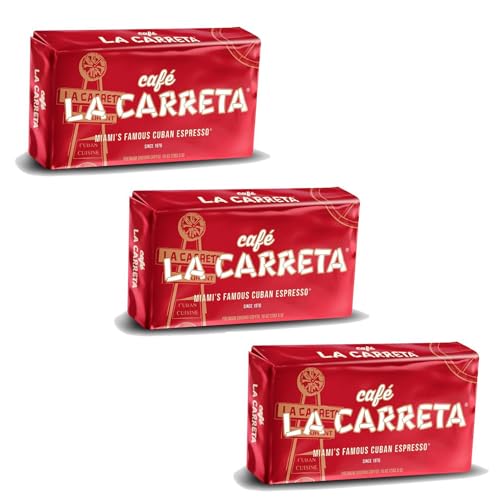
Café La Carreta Cuban Coffee
Strengths
- Authentic Cuban taste
- Smooth yet bold
- Fine grind ideal for espresso
Trade-offs
- Smaller bag size
- Slightly harder to find
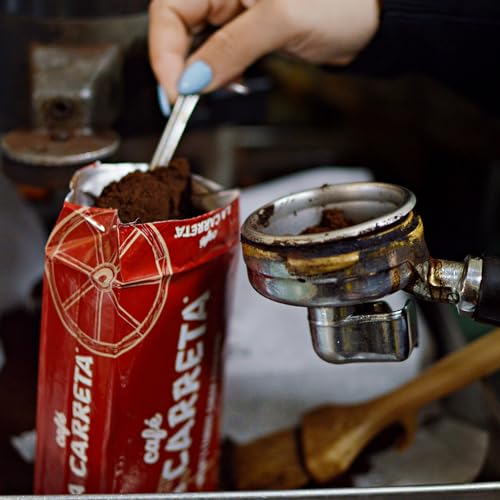
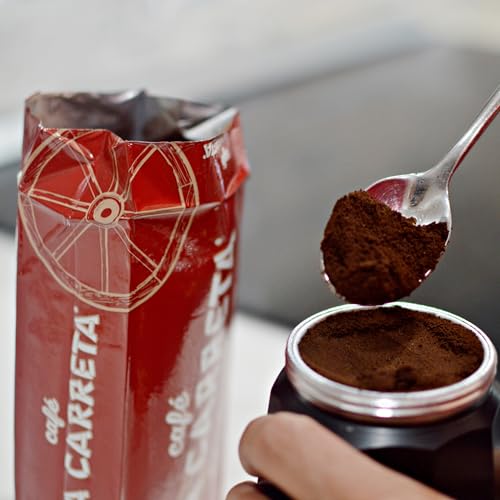
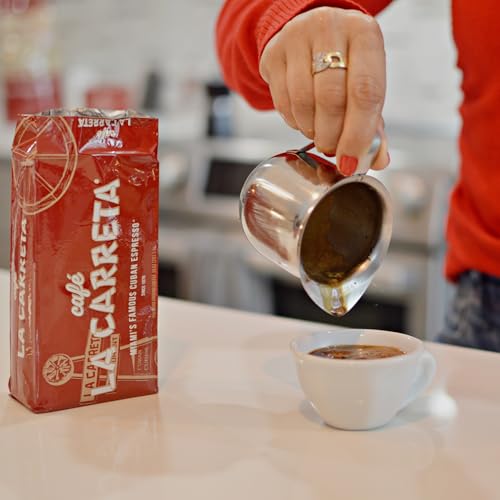
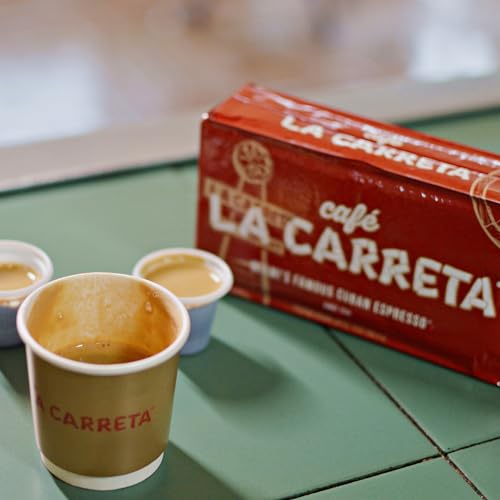
When people talk about authentic Cuban coffee, Café La Carreta often comes up in the same breath as the best of them. This is the coffee that’s built on decades of tradition, and it shows in the roast, deep, aromatic, and balanced between boldness and smoothness. The fine grind is ideal for espresso machines or moka pots, and reviewers frequently praise its ability to produce that signature Cuban crema when brewed with sugar.
Compared to Café Bustelo, this one feels more intentional, more crafted. It doesn’t just rely on strength; it delivers depth. The beans are clearly selected with care, and the result is a cup that’s intense without being harsh. For those who value heritage and taste, this is the smarter buy.
Product photos

Café Bustelo Espresso Ground Coffee
Strengths
- Affordable
- Readily available
- Strong bold flavor
Trade-offs
- Can taste bitter
- Less complexity
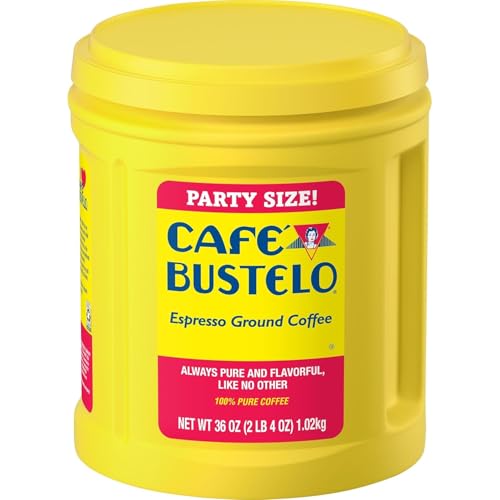
Café Bustelo is one of those names that shows up in nearly every Latin American household, and for good reason. On paper, it delivers a bold, dark roast profile that leans heavy on the bitterness, which works well for those who like their coffee strong and unapologetic. Owners consistently report that it brews up fast and dark, making it a go-to for quick morning cups or a base for sweetened Cuban-style espresso.
It’s not the most nuanced Cuban coffee out there, some reviewers note it lacks the smooth complexity of smaller-batch roasts, but for the price and availability, it’s hard to beat. Compared to Café La Carreta, it’s less refined but more accessible. I’d pick this as the daily driver for budget-focused buyers who want that classic kick without fuss.
Video review
Our Testing Process
As the founder of Bean Thusiast, I approached researching Cuban coffees by comparing specifications – roast level, bean origin when available, and grind size – alongside a deep explore owner reviews and expert opinions. Rather than a hands-on lab test, this is a research-led comparison focusing on what delivers the genuine experience of cafecito. I prioritized identifying brands consistently praised for delivering an authentic flavor profile.
For Cuban coffee, the intensity of the flavor and the fineness of the grind are paramount. We heavily weighted those factors because they directly impact the ability to create a rich, strong brew suitable for the traditional Cuban coffee method. A smooth, bold taste, reminiscent of a Miami ventanita, also figured prominently in our assessment.
Specifications reliably reveal grind size and roast level, indicating potential brewing suitability. However, judging the taste – that crucial “Cuban” flavor – required careful analysis of owner feedback. Reputation and consistent positive mentions of authentic flavor profiles were key indicators, as were comments about how well the coffee lends itself to an authentic cafecito brewing technique.
How To Choose The cuban coffee
As someone who’s spent years immersed in the world of coffee, I know a truly great Cuban coffee is about more than just a strong caffeine kick – it’s about tradition and a specific flavor profile.
Cuban coffee aims for a thick, syrupy body and intense sweetness, traditionally achieved through long extraction and much sugar. Look for finely ground, dark-roasted 100% Arabica beans. Packaging should prioritize airtight sealing to preserve the volatile aromatic compounds. Roast dates are crucial; fresher is always better. Consider brewing method compatibility – some are optimized for espresso machines, others for stovetop preparation.
Grind & Roast Level
The grind is paramount with Cuban coffee. It needs to be very fine, finer than you’d typically use for drip, almost powdery. This is because traditional preparation methods – like a moka pot or cafetera – rely on pressure to force water through the grounds. A coarser grind won’t deliver the body or intensity we’re looking for. As for the roast, dark is the standard. This isn’t about burning the beans; it’s about developing the rich, caramel-like flavors that characterize the brew. I often see people searching for the [best Cuban coffee brands Miami] and focusing on origin when grind and roast are more impactful.
Bean Quality & Origin
While Cuban coffee is, historically, grown in Cuba, most of what we consume comes from beans sourced elsewhere, often from Central and South America. The key isn’t necessarily the origin label, but the bean type. 100% Arabica is essential. Robusta blends will give you bitterness, not the desired sweetness. You’ll find many brands touting “authentic” flavor – and while I appreciate the nod to tradition, focus on the quality of the Arabica bean itself. A well-sourced bean, expertly roasted, will deliver a far more satisfying cup than one simply marketed as “Cuban-style.”
Sweetness & Brewing Method
Cuban coffee is famously sweet. Traditionally, a significant amount of sugar is added during the brewing process, not after. This creates a frothy, almost caramel-like head called espumita. If you prefer less sweetness, you can adjust the amount of sugar, or explore using [brown sugar in Cuban coffee] for a more nuanced flavor. Speaking of brewing, the method you choose will influence your bean selection.
- Moka Pot: Requires a very fine grind and is ideal for a strong, concentrated brew.
- Espresso Machine: Demands the finest grind and delivers a classic espresso-style Cuban coffee.
- Stovetop Brewer (Cafetera): This traditional method is very forgiving and works well with a range of grind sizes, though still benefits from a fine grind.
A truly authentic experience means embracing the sweetness. Don’t be afraid to experiment with sugar levels to find your perfect balance.
Many enjoy experiencing the [Cuban coffee culture in Miami] firsthand, and you can find some of the [top Miami Cuban coffee spots] to enjoy a traditional cup.
Cuban Coffee Compared
Here’s a spec-by-spec comparison of the Cuban coffees featured in this guide.
| Product | Roast | Weight | Grind | Best Use | Key Feature |
|---|---|---|---|---|---|
| Café La Carreta | N/A | N/A | Fine | Espresso | Authentic Flavor |
| Café Bustelo | Dark | 36 oz | N/A | Versatile | Robust Aroma |
Frequently Asked Questions
What grind size should I use if I don’t have a grinder?
Pre-ground is convenient, but for Cuban coffee, it absolutely needs to be very fine – almost powdery. If buying pre-ground, seek out options specifically labeled for espresso or cafetera use to get the necessary fineness for a proper brew.
Is Cuban coffee always as strong as people say?
Yes, Cuban coffee is traditionally very strong. This comes from a combination of the dark roast, the fine grind, and the concentrated brewing method. However, you can adjust the strength somewhat by controlling the amount of coffee used and the brewing time.
Can I use any Arabica bean for Cuban coffee?
While any 100% Arabica bean can be used, some are better suited than others. Look for beans from Central or South America known for their chocolatey and nutty notes, as these will complement the traditional Cuban flavor profile. You can find authentic Cuban-style espresso brands to get a good starting point.
What if I want to make Cuban coffee but don’t have a moka pot or cafetera?
A stovetop brewer (the traditional cafetera) is the most authentic alternative, but a French press can work in a pinch. The French press won’t yield the same intensity, but using a very fine grind and a longer steep time can approximate the body and strength of Cuban coffee.
Is it true that sugar is added during brewing?
Yes, sugar is traditionally added during the brewing process, not after. This is key to creating the espumita, the frothy, caramelized head that’s a hallmark of authentic Cuban coffee. Experiment with the amount to find what suits your preference, but it’s a core part of the experience.
The Bottom Line
Choosing a Cuban coffee often comes down to balancing convenience with authenticity. While many brands aim to capture the traditional cafecito flavor, Café La Carreta consistently rises to the top for its reputation and ability to deliver that genuine, rich taste. It’s a brand that understands the cultural importance of this brew and focuses on providing a product that honors it.
For those prioritizing versatility or working with different brewing setups, Café Bustelo is a strong contender. It’s widely available and adaptable to various methods, and it’s a great entry point for exploring Cuban-style coffee without committing to a specific preparation technique. If you’re interested in learning more about the espresso-based Cuban coffee method, this is a good starting point.
Ultimately, the most important factors are a very fine grind, a dark roast, and 100% Arabica beans. Don’t get too caught up in origin stories or marketing hype; focus on these fundamentals, and you’ll be well on your way to brewing a truly satisfying cup of Cuban coffee.
