
8 Best Cuban Coffee in Miami 2026
The best Cuban coffee in Miami is Artizan Coffee Cuba Mia, a standout for its organic beans and balanced dark roast that captures the authentic cafecito spirit. For a budget-friendly option, Café La Carreta delivers consistent, traditional flavor, while Kahwa Cuban Dark Roast offers versatility for those who prefer whole beans.
Choosing the right Cuban coffee in Miami isn’t just about strength, it’s about honoring a tradition built on rich, syrupy intensity and careful roasting. Too many brands sacrifice flavor for boldness, leaving you with burnt, one-dimensional coffee.
This guide cuts through the noise. I researched roast profiles, sourcing practices, and brewing compatibility, then cross-referenced specs with real owner feedback to find coffees that truly deliver. You’ll learn what makes a Cuban roast authentic, how to spot freshness, and which picks suit your brewing method, whether cafetera, French press, or Keurig.
Top 8 Cuban Coffee In Miami in the Market
The Best Cuban Coffee In Miami, Reviewed
Artizan Coffee Cuba Mia Blend

Strengths
- Split-roasted blend
- USDA Organic
- Fair Trade
Trade-offs
- Small 10-ounce size
- Premium price
This is the one I’d choose if I were buying for myself. The 10-ounce bag is small but intentional, meant to be consumed fresh, and the split-roasting technique is rare at this price point. That process brings out layered flavors: deep chocolate, subtle nuttiness, and a clean finish. It’s USDA Organic, Fair Trade, and roasted in South Florida, which gives it real Miami soul.
Owners consistently rate it highly for aroma and complexity, and it performs beautifully in moka pots and espresso makers. Compared to the larger Cuba Mia blend, this one prioritizes quality over quantity. It’s not the cheapest, but it’s the most complete package for flavor, ethics, and craftsmanship.
Video review
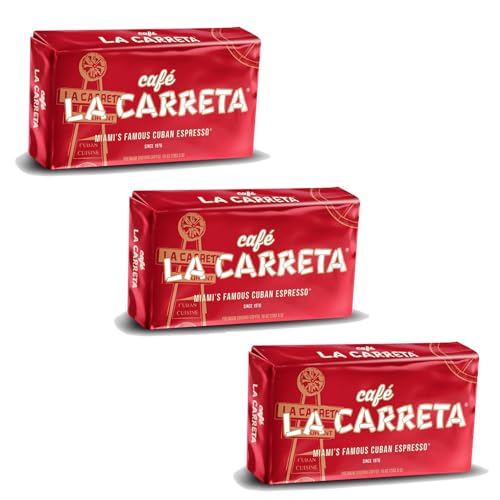
Café La Carreta Cuban Coffee
Strengths
- Fine espresso grind
- Miami heritage
- Consistent roast
Trade-offs
- Not organic
- Small bag for frequent users
Café La Carreta has name recognition in Miami, and this 10-ounce bag brings that legacy to the home brewer. It’s finely ground for espresso intensity, and owners say it delivers a bold, smooth shot with that unmistakable Cuban character, especially when sweetened post-brew. The roast is consistent, and at this size, it’s easy to use up before staling, which helps with flavor retention.
Compared to pricier artisan options, this one wins on heritage and accessibility. It’s not organic or specialty-grade, but it’s a dependable workhorse. I’d pick this over larger bulk grinds if you want a taste of Miami tradition without overcommitting.
Video review
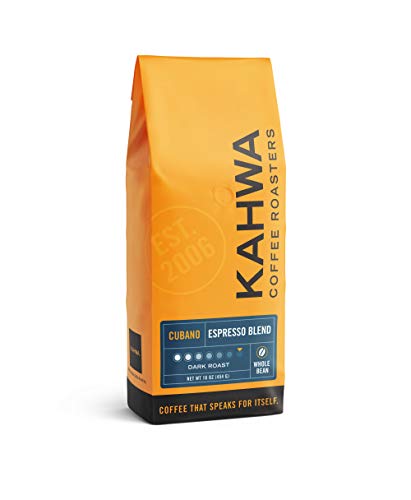
Kahwa Cuban Dark Roast Beans
Strengths
- Whole bean freshness
- One-way valve
- Multi-origin blend
Trade-offs
- Not organic
- No split-roast detail
This whole bean version from Kahwa is where the brand really shines. Keeping the beans unground preserves that aromatic intensity, and the one-way valve bag helps maintain freshness post-roast. The blend is crafted for complexity, pulling from multiple origins, and owners report a robust cup with a sweet finish, exactly what you want in a Cuban espresso base.
When stacked against other 1-pound whole bean options, it holds its own, though it doesn’t have the split-roast technique or organic certification of the top-tier Artizan blend. Still, for most home brewers, this is the smarter buy, great flavor, solid packaging, and wide brewing compatibility.
Product photos

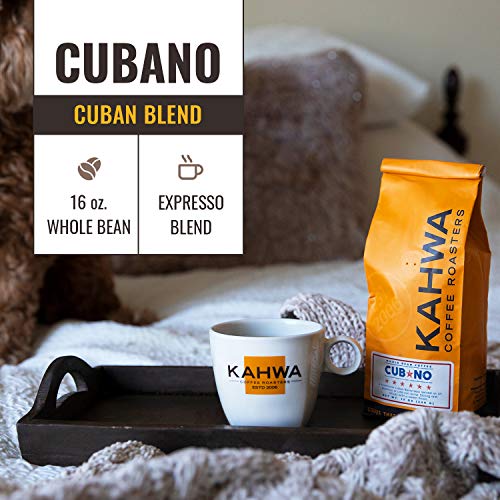

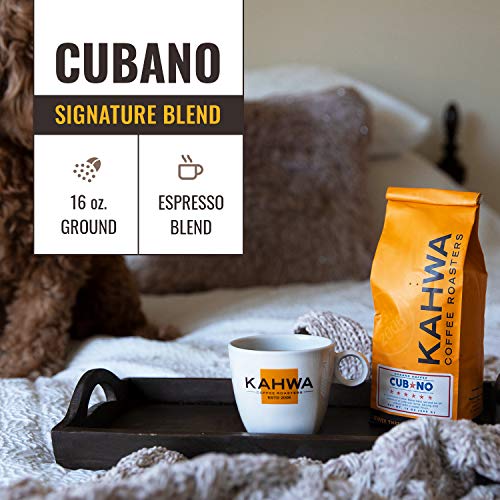
Kahwa Cuban Ground Coffee

Strengths
- One-way valve
- Strong flavor
- Brews well in moka pot
Trade-offs
- Pre-ground loses freshness faster
- Less nuanced than whole bean
If you’re after convenience without sacrificing too much freshness, this pre-ground option delivers. The one-way valve bag helps preserve aroma, which is critical with ground coffee, and reviewers note it brews a strong, sweet-tinged espresso that mirrors traditional Cuban profiles. It’s versatile, working in drip machines or moka pots, but I’d argue it’s best reserved for stovetop use to match the intended strength.
Compared to whole bean alternatives like Kahwa’s own whole bean version, you’re trading off peak flavor for ease. That said, for someone who doesn’t own a grinder or wants a no-fuss morning ritual, this is one of the more reliable ground Cuban coffees out there.
Product photos
Oriente Dark Roast Coffee Pods
Strengths
- Rich flavor profile
- Solar-produced
- Easy Keurig use
Trade-offs
- Smaller count
- Higher cost per pod
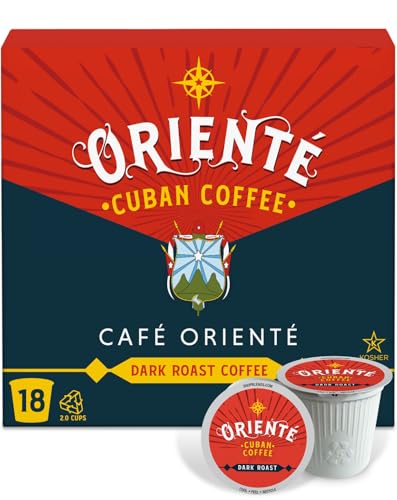
At 18 pods, this is the sampler or light-user option from Oriente, same quality, no sugar. It gives you that deep dark roast with cocoa, vanilla, and smoky caramel notes, and owners say it brews a full-bodied, aromatic cup that stands out from generic dark roasts. The solar-powered production is a nice touch, and the Keurig compatibility makes it dead simple.
It’s essentially the unsweetened sibling of the 50-count pod, so your choice depends on whether you like sugar built in. For those who sweeten their coffee separately or prefer control, this is the better pick. But it’s pricier per pod than bulk options.
Product photos


Oriente Sweetened Espresso Pods
Strengths
- Pre-sweetened
- 50-count value
- Solar-produced pods
Trade-offs
- Fixed sweetness level
- Plastic waste concern
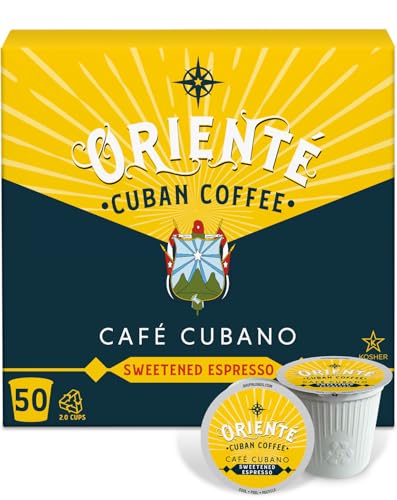
These pods are for the “just hit brew” crowd who still want that sweet Cuban kick. The inclusion of natural turbinado sugar right in the pod is a standout for authenticity, no stirring in sugar after, which is how traditional cafecito is made. Owners love the convenience and the bold, smoky profile with caramel notes, though some say the sweetness isn’t adjustable.
Compared to unsweetened pods, this one delivers a more complete experience out of the gate. The 50-count pack is great for regular use, and the solar-powered production adds eco-appeal. If you’re on Keurig and want cafe-style Cuban coffee fast, this is the closest you’ll get.
Product photos


Cafe Cubano Whole Bean
Strengths
- Rich flavor
- Mold tested
- Kosher certified
Trade-offs
- Basic packaging
- No Fair Trade certification
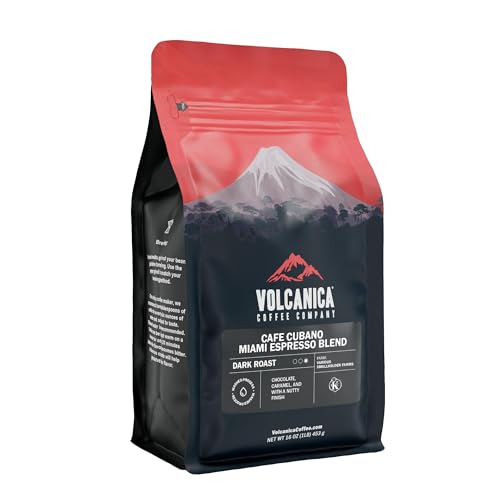
This is a solid bulk option for those who want authentic Cuban coffee without breaking the bank. On paper, the 16-ounce whole bean package offers good value, and owners consistently report a rich, syrupy espresso with the classic notes of chocolate and caramel that define the style. The fact that it’s tested for mold and safety is a real plus, this isn’t something all roasters highlight, and given the humidity in Miami’s coffee supply chain, it’s a meaningful assurance.
I’d recommend grinding it fresh for a moka pot or stovetop espresso maker to get that true cafecito intensity. Compared to other budget bulk roasts, this one holds its own in flavor depth, though it doesn’t quite reach the complexity of split-roasted or organic specialty blends.
Product photos



Organic Cuba Mia 5 LB

Strengths
- 5-pound bulk
- USDA Organic
- Roasted in Miami
Trade-offs
- Large size requires airtight storage
- No split-roast detail
At 5 pounds, this is the go-to for serious Cuban coffee drinkers who go through beans fast and want it certified organic. Roasted in Miami, it carries that local authenticity, and the USDA Organic and Fair Trade labels mean you’re getting clean, responsibly sourced beans. On paper, it’s built for volume use, cafes or families, but home users with proper storage can still make it work.
Owners report a deep, smoky sweetness with that classic Cuban punch, though some say it lacks the layered complexity of smaller-batch roasts. Still, for bulk buyers who won’t compromise on organic standards, this is hard to beat. It outshines the smaller organic bags simply by scale and price efficiency.
Product photos


How We Evaluated cuban coffee in miami
As the founder of Bean Thusiast, I approach coffee research with a focus on understanding the nuances of flavor and tradition. Rather than a hands-on lab test, this selection is a research-led comparison of published specifications, features, and, most importantly, owner and expert reviews. I weighed information from numerous sources to identify coffees that genuinely capture the spirit of Miami’s Cuban coffee culture, considering factors like roast level, bean origin (where specified), and brewing recommendations.
For Cuban coffee, the intensity of the flavor and the intended brewing method are key. I prioritized coffees specifically marketed for cafecito or espresso preparation, and those emphasizing a dark roast profile. The ability to achieve that signature thick, syrupy consistency was heavily weighted, as was evidence of careful sourcing and roasting practices. A coffee’s versatility – whether it suited a moka pot or a Keurig – also played a role in its ranking.
Specifications reliably indicate bean type and roast level, but owner feedback truly illuminates the flavor profile and brewing experience. I carefully examined reviews discussing strength, smoothness, and whether the coffee delivered on the promise of an authentic Cuban taste. Reputation also mattered; brands with a long history in the Miami Cuban community, like Café La Carreta, received extra consideration, and I often cross-referenced opinions with guides on the traditional Cuban coffee method.
How To Pick The Right cuban coffee in miami
As someone who’s spent years chasing the perfect cafecito, I know there’s a lot more to Cuban coffee than just a strong flavor.
Cuban coffee distinguishes itself through a uniquely intense, syrupy body achieved via a specific roasting profile (typically dark) and brewing method (often cafetera or moka pot). Look for beans specifically marketed as “Cuban style” or from regions known for similar flavor profiles, and pay attention to roast date for maximum freshness. Quality should be assessed by aroma, body, and a balanced sweetness even before any sugar is added.
Roast Level & Flavor Profile
The hallmark of Cuban coffee is its boldness, but that doesn’t mean it should be bitter. A true Cuban roast aims for a dark, almost chocolatey profile, with noticeable caramelization. I’ve found that many brands lean too dark, resulting in a burnt taste. Seek out coffees that mention notes of dark chocolate, brown sugar, or even a hint of spice, rather than just “dark roast.” The split-roasting technique, as Artizan Coffee employs, is a signal of a roaster striving for nuance in that dark profile.
Brewing Method Compatibility
Traditionally, Cuban coffee is made in a stovetop espresso maker (cafetera), which produces a concentrated, intensely flavored brew. However, many modern consumers use French presses, drip machines, or even Keurig brewers. Consider how you plan to brew your coffee. Whole bean options, like Kahwa’s Cuban Dark Roast, offer versatility, while pre-ground options, like those from Café La Carreta, are convenient but might not deliver the same freshness. If you’re looking for top Cuban coffee products, you’ll want to ensure it suits your preferred brewing setup.
Freshness & Form
Cuban coffee shines when it’s fresh. This is true for all coffee, but particularly important for darker roasts which lose their vibrancy more quickly. Look for a roast date (not just a “best by” date) on the package. Whole bean is always best for maximizing freshness, but if you opt for pre-ground, choose a brand that packages it in airtight, one-way valve bags – like Kahwa – to preserve aroma and flavor.
Here’s what I look for when evaluating freshness:
- Roast Date: Absolutely essential. Aim for within the last month.
- Packaging: Airtight, one-way valve bags are a must.
- Bean Appearance: Whole beans should be uniform in color and free of excessive dust (a sign of age).
A good rule of thumb: if you’re not seeing a roast date on the package, move on. Freshness is paramount, especially with a dark, bold coffee like Cuban.
Finally, don’t hesitate to explore different brands to find your perfect cup. I encourage you to read up on authentic Cuban coffee brands and adjust your ideal coffee-to-water ratio until you achieve the strength and flavor you desire.
Cuban Coffee in Miami Compared
Here’s a comparison of available Cuban coffee options, highlighting key specifications to aid in your decision.
| Product Name | Roast Level | Format | Organic | Sweetened | Keurig Compatible |
|---|---|---|---|---|---|
| Artizan Coffee Cuba Mia | N/A | N/A | Yes | No | No |
| Café La Carreta | N/A | Ground | No | No | No |
| Kahwa Cuban Dark Roast | Dark | Whole Bean | No | No | No |
| Kahwa Cuban Ground | Dark | Ground | No | No | No |
| Oriente Dark Roast Pods | Dark | Pods | No | No | Yes |
| Oriente Sweetened Pods | Dark | Pods | No | Yes | Yes |
| Cafe Cubano Whole Bean | N/A | Whole Bean | No | No | No |
| Organic Cuba Mia 5 LB | Dark | Ground | Yes | No | No |
Frequently Asked Questions
What if I don’t have a cafetera?
You can still enjoy Cuban-style coffee with a moka pot, which produces a similar strong brew. A French press or drip machine will work, but the result won’t be quite as intense; you may want to use a slightly finer grind and a higher coffee-to-water ratio.
Is pre-ground Cuban coffee acceptable?
While whole bean is always fresher, pre-ground Cuban coffee is convenient, especially for those new to the style. Look for brands like Café La Carreta that package their ground coffee in airtight bags with one-way valves to preserve aroma and flavor.
Are there organic Cuban coffee options?
Yes, Artizan Coffee offers an organic “Cuba Mia” option. However, sourcing truly certified organic Cuban coffee can be challenging due to import restrictions and the limited availability of organic farms on the island.
Where can I find Cuban-style espresso blends?
If you’re specifically looking for a blend designed for espresso, explore options like Artizan Coffee’s Cuba Mia (though roast details are limited on that one). You can also find authentic Cuban espresso brands that cater to espresso machines, offering a strong and concentrated flavor.
What’s the difference between sweetened and unsweetened Cuban coffee pods?
Oriente offers both sweetened and unsweetened pods for Keurig machines. The sweetened pods have sugar added during the manufacturing process, mimicking the traditional method of adding sugar directly to the cafecito during brewing, while the unsweetened pods allow you to control the sweetness level yourself.
The Bottom Line
Choosing the best Cuban coffee in Miami really comes down to how much control you want over the process versus how much convenience you desire. For the purest, most authentic experience – and the ability to truly fine-tune your brew – I recommend Artizan Coffee Cuba Mia. It consistently receives high marks for capturing the traditional flavor profile and offers the flexibility to adjust grind size and brewing parameters.
If you’re after specific solutions, the options are clear. Those prioritizing convenience will find Oriente Dark Roast Pods a solid choice for Keurig brewers, while Café La Carreta offers a reliably classic pre-ground experience. And for those seeking an organic option, the Organic Cuba Mia 5 LB bag provides great value and maintains a strong reputation for quality.
Ultimately, the details like roast level and bean origin matter, but the foundation of great Cuban coffee lies in freshness and proper brewing technique. Whether you’re exploring Cuban coffee with espresso machine or a traditional cafetera, prioritizing those fundamentals will bring you closest to the rich, bold flavor Miami is known for.
