
The Guide to Making Cuban Coffee with Your Espresso Machine
To make Cuban coffee with an espresso machine, pull a standard double shot of dark roast espresso into a small metal cup. While it brews, put 1 to 2 tablespoons of granulated white sugar into a demitasse cup. Immediately whip a teaspoon of the fresh espresso into the sugar for 20-30 seconds to create a thick, pale foam called espumita, then pour the rest of the shot over it.
Most guides tell you to mix sugar and espresso. They skip the physical reality. Your arm gets tired. The sugar clumps if the espresso isn’t hot enough. The foam collapses if you wait ten seconds too long.
This guide walks through the three-part technique: pulling the right shot, whipping the espumita to the right consistency, and combining them without losing the foam. We will cover the tools, the common failures, and how to adapt the method for any home espresso machine.
Key Takeaways
- Use a dark roast coffee bean ground fine for espresso; a medium-dark roast works but lacks the traditional intense, smoky base.
- Whip the espumita immediately with the first, hottest drops of espresso. Waiting even 15 seconds lets the crema integrate and the mixture won’t whip into a stable foam.
- Granulated white sugar is non-negotiable for authentic texture. Brown sugar or syrups contain moisture and invert sugars that prevent the dry, creamy paste from forming.
- The classic 1:1 ratio of coffee to sugar by volume is a starting point. Traditional cafecito is very sweet; adjust down to 1 tablespoon of sugar per double shot if needed.
- Pull your shot into a separate metal cup, not your final serving cup. This lets you capture the initial, hottest espresso for whipping while keeping the rest hot.
The Essential Tools & Ingredients
You need an espresso machine, but not a specific one. A Breville Barista Express Impress with its 15-bar pump works. A De’Longhi Stilosa works. The machine must produce real espresso pressure, around 9 bars, to create the crema that forms the foam’s structure.
The crema from a 9-bar extraction carries microscopic CO2 bubbles and emulsified oils. These stabilize the sugar paste into espumita. Moka pot “espresso” lacks this pressure and produces a weaker, wetter foam that dissolves faster.
The bean choice matters more than the machine brand. You want a dark roast coffee bean. The roast provides the low acidity and bold, smoky-sweet notes that stand up to the sugar. A medium-dark roast can work, but the cup tastes brighter, less traditional.
Your grinder is critical. You need a burr coffee grinder set to a fine espresso grind. Blade grinders create uneven particles that choke the machine or cause a sour, fast shot. Inconsistent grind size is the main reason homemade cafecito tastes weak or bitter.
The other tools are simple:
* A small metal cup or creamer pitcher to catch the espresso shot.
* A demitasse cup or small espresso cup for serving.
* A teaspoon for whipping.
* Granulated white sugar.
TL;DR: Use a dark roast, a fine grind from a burr grinder, and granulated sugar. The machine’s job is to produce hot espresso with crema.
How to Pull the Right Espresso Shot for Cuban Coffee
A perfect cafecito starts with a standard double shot. Aim for 18-20 grams of ground coffee yielding about 60 milliliters (2 ounces) of liquid in 25-30 seconds.
Dose 18 grams into your portafilter. Tamp evenly. The goal is a slow, syrupy extraction. If the shot runs too fast, under 20 seconds, the espresso will be under-extracted and sour. That sourness cuts through the sugar in a sharp, unpleasant way. If it runs too slow, over 35 seconds, it becomes bitter and overpowering.
| Extraction Issue | Taste in Cafecito | Quick Fix |
|---|---|---|
| Shot runs too fast (<20s) | Sour, sharp, unbalanced | Grind finer |
| Shot runs too slow (>35s) | Bitter, harsh, masks sweetness | Grind coarser |
| No crema / thin crema | Espumita is weak, dissolves | Fresher beans, finer grind, check machine pressure |
Common mistake: Pulling the shot directly into the sugar-filled serving cup. You need access to the first, hottest espresso immediately for whipping. If the shot lands on the sugar, the bottom layer melts and cools while the top is still brewing, making consistent whipping impossible.
As the shot begins, have your metal catch-cup ready. The first 5-10 milliliters are the hottest and most volatile. You will use just a teaspoon of this for the espumita. The rest stays in the metal cup, staying hot. This separation is the single biggest improvement over the Moka pot method.
The 3-Step Cafecito Method
This is the core technique. The steps are sequential and time-sensitive.
Step 1: Prep Your Sugar
While the machine heats and you grind, place your sugar in the demitasse cup. The standard is 1 to 2 tablespoons of granulated white sugar per double shot.
This is where personal taste rules. A full 2 tablespoons makes a cafecito dulce, very sweet, with a almost caramelized foam. One tablespoon is closer to a cafecito claro. Do not pack the sugar. Leave it loose in the cup.
Step 2: Pull and Capture the Shot
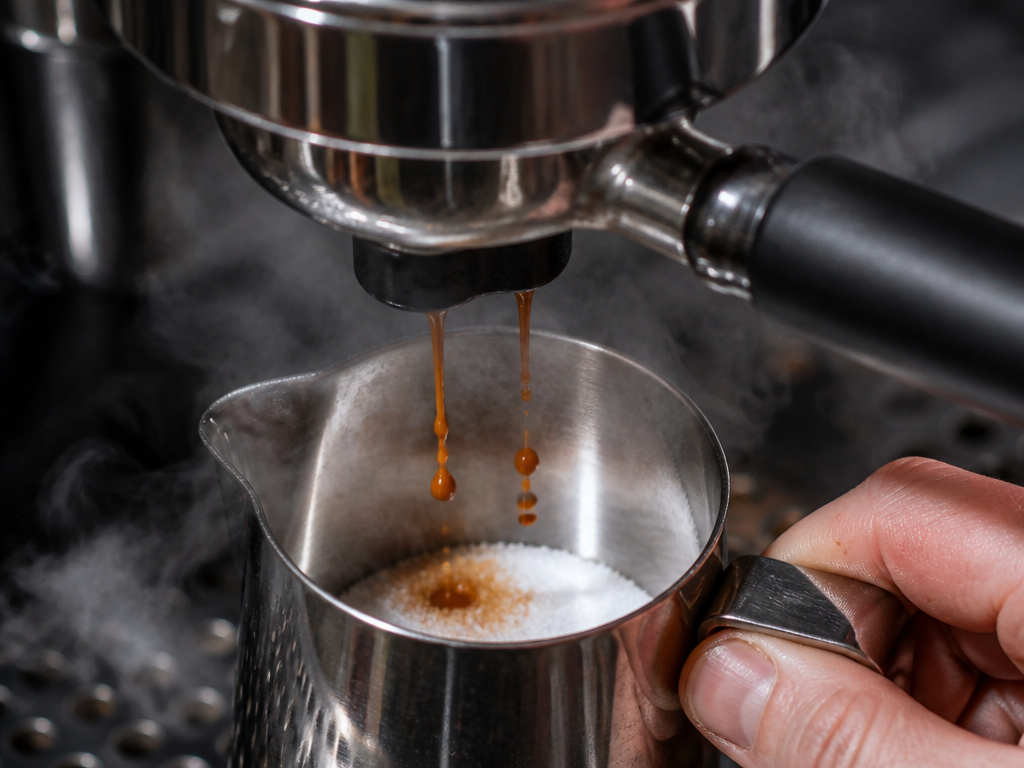
Start your extraction. Hold the metal catch-cup under the portafilter. Watch the first dark drops hit the cup. The aroma should be strong, almost smoky.
As soon as you have about a teaspoon’s worth of espresso in the catch-cup, this takes just 2-3 seconds, stop for a second. Use a spoon to immediately scoop that first, hottest espresso into the sugar-filled demitasse cup. Then, place the catch-cup back to collect the remainder of the shot.
Let the full double shot finish pulling into the metal cup.
Step 3: Whip the Espumita
Now, whip. Take your teaspoon and vigorously stir the sugar and that initial splash of espresso. You are not just mixing. You are aerating and emulsifying.
Scrape the bottom and sides of the demitasse cup. Whip for a solid 20 to 30 seconds. The mixture will go from grainy, to pasty, to a pale, thick, creamy foam. It should hold soft peaks on the spoon. This is espumita.
I once tried to multitask, letting the shot finish completely before starting the whip. The espresso cooled by maybe 10 degrees. The sugar absorbed the liquid but never transformed. I got sweet, gritty sludge at the bottom of the cup, not foam. The heat is the catalyst.
Why this works: The rapid whipping of hot espresso into sugar creates a microfoam. The heat slightly caramelizes the sugar’s surface, and the mechanical action traps air and espresso crema. This forms a stable suspension, not a simple syrup.
Step 4: Combine and Serve
Your espumita is ready. Your remaining espresso is still hot in the metal cup. Pour it gently over the back of the spoon into the demitasse cup, directly onto the espumita.
The liquid will sink, and the thick foam will rise to the top, creating the classic two-layer look. Do not stir. Serve immediately.
TL;DR: Sugar in cup, capture first espresso drops to whip into foam, pour the rest of the shot over the foam. Speed and heat are everything.
Troubleshooting Your Cuban Coffee
The foam breaks. The sugar won’t dissolve. The drink is sickly sweet. Here are the fixes.
Problem: Espumita is thin or watery.
- Cause: The initial espresso used for whipping was not hot enough, or you didn’t whip long enough.
- Fix: Ensure your machine and cup are fully preheated. Use the absolute first drops of the shot. Whip for a full 30 seconds without stopping.
Problem: Sugar remains gritty at the bottom.
- Cause: Insufficient liquid to sugar ratio at the whipping stage, or whipping stopped too soon.
- Fix: You need at least a teaspoon of hot espresso for every tablespoon of sugar. Keep whipping until the texture is completely smooth and creamy before adding the rest of the shot.
Problem: The drink is cloyingly sweet.
- Cause: You used the full 2-tablespoon traditional ratio with a lightly roasted bean.
- Fix: Reduce sugar to 1 tablespoon per double shot. Consider using a medium-dark roast bean, which has more inherent brightness to balance the sweetness. Understand that authentic cafecito is meant to be very sweet, almost a dessert.
| Symptom | Likely Culprit | Severity |
|---|---|---|
| No foam forms | Stale beans / no crema, cold espresso | High – method fails |
| Foam collapses in seconds | Under-whipped, used all espresso at once | Medium – texture loss |
| Gritty residue | Wrong sugar (e.g., coarse raw sugar), rushed whipping | Low – mouthfeel issue |
| Overpowering bitterness | Over-extracted shot, too-dark roast | Medium – flavor imbalance |
Common mistake: Substituting brown sugar or simple syrup for granulated white sugar. The molasses in brown sugar and the liquid in syrup interfere with the drying and aerating process. You get a sweet foam, but it’s loose, wet, and lacks the distinctive dry-creaminess of real espumita.
Cuban Coffee Variations and Serving
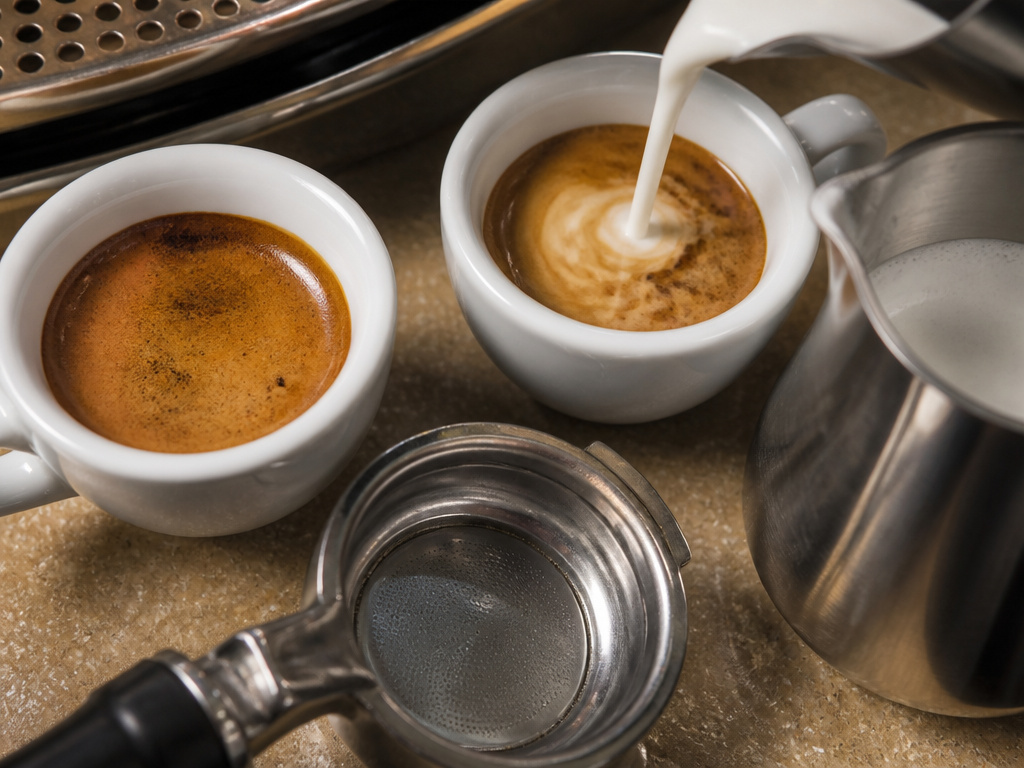
A straight cafecito is a small, powerful drink. The most common variation is the cortadito. To make one, prepare your cafecito as above, then top it off with a small amount of steamed milk. The milk softens the intensity but keeps the sweet foam.
This is where understanding espresso-based drinks helps. A cortadito is not a latte. The milk is an accent, not the base. Steam a few ounces of milk until it’s frothy, and pour it gently over the back of a spoon onto your prepared cafecito.
For a larger, milkier drink akin to a cafe americano but sweetened, you can pull the shot and whip the espumita, then add hot water after the foam is made. Add the water gently to preserve the foam layer.
Cafecito is social. It’s traditionally served in small cups, often alongside a glass of water. The ritual of making it, the sound of the whipping spoon, the rising foam, is part of the experience. It’s a morning kickstart or an afternoon pick-me-up shared with friends.
Frequently Asked Questions
Can I make Cuban coffee without an espresso machine?
You can use a Moka pot. The process is similar, but the resulting “espresso” has less crema and lower pressure, so the espumita will be less voluminous and stable. It still makes a delicious, sweet coffee drink.
What’s the best coffee bean for Cuban coffee?
Cuban-style dark roast is traditional. Look for beans labeled “Espresso” or “Italian” roast. These coffee blends are often designed for sweetness and body. You can also use a single-origin espresso bean from Brazil or Sumatra for a more distinct, chocolaty profile.
Why is my Cuban coffee bitter?
Bitterness usually comes from the espresso shot, not the method. Your shot is over-extracted (ground too fine, tamped too hard, or pulled too long). It could also be the beans, a roast that’s dark to the point of tasting charred. Try a slightly coarser grind or a different espresso bean origin.
Can I use an alternative sweetener?
Authentic texture requires granulated white sugar. For a different flavor, you could experiment with brown sugar sweetener, but expect a wetter, less stable foam. Other sweeteners like honey or agave will not create espumita at all.
How do I store leftover Cuban coffee beans?
Store your Arabica coffee beans in an airtight container away from light, heat, and moisture. A cupboard is fine. For best flavor, use them within two weeks of opening the bag. Stale beans lose the oils needed for good crema.
Before You Go
Making authentic Cuban coffee with an espresso machine hinges on three things: a properly extracted dark roast shot, immediate action with the first hot drops, and the vigorous whipping of sugar into espumita. The machine provides the heat and pressure; your technique provides the foam.
Start with the 2-tablespoon sugar ratio, then adjust to your taste. Remember that the whipping is a physical step, your arm will feel it. That effort transforms sugar and coffee into something entirely new. It turns a simple shot into a creamy, sweet, communal experience. Now, go pull a shot and start whipping.
